
Reviewed · CHITWAN JUNGLE SAFARI
From Kathmandu/Pokhara: 3-Day Chitwan National Park Tour
What makes this Chitwan National Park trip interesting is that it mixes three different ways to search for wildlife with cultural time, so you are not stuck doing just one type of activity. I like the balance of slow, up-close moments and faster park coverage, which is a smart way to maximize your chances. I also like that you get a structured look at local life, including a Tharu culture show.
The main consideration is physical. You are doing a jungle walk and spending long stretches in transit, and this tour is not suitable for pregnant women, wheelchair users, or people with back or heart problems. If those factors could be an issue for you, plan on choosing a different style of trip.
You will be based in Sauraha for two nights, then you roll through Chitwan with a guide keeping you at a safe distance from animals. Expect a full couple of days of nature time, not a relaxed sightseeing stroll.
Key highlights at a glance
- Canoe trip for crocodiles and water birds, with occasional surprises from other wildlife
- Jungle walk aimed at spotting rhinos, deer, and other animals on foot
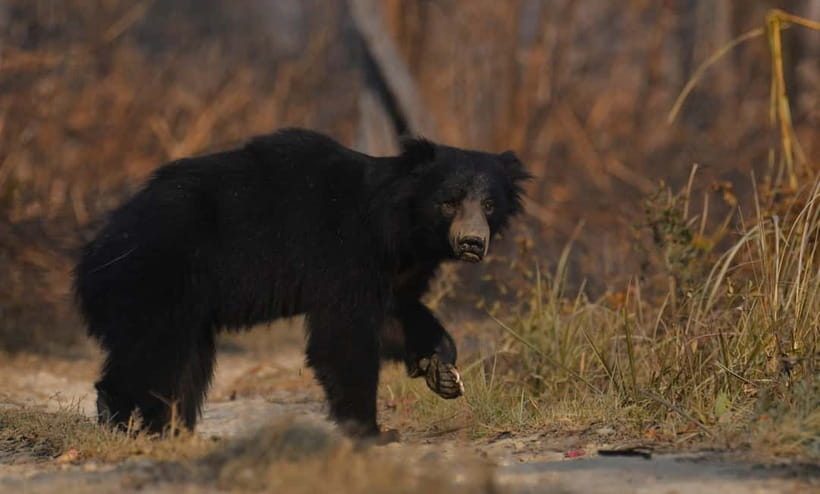
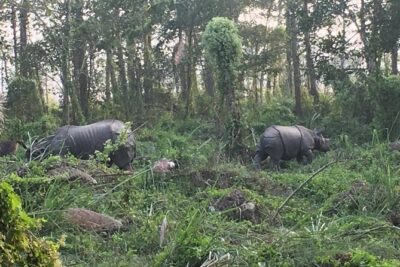
- Jeep safari for efficient viewing of wildlife like tigers, sloth bears, leopards, and rhinos
- Elephant Breeding Centre visit to see baby elephants up close
- Sunset point and evening culture show with insight into the Tharu community
- Comfort-focused logistics, including bus and hotel support plus park fees
Chitwan in 3 days: what you actually get near Sauraha
This is a classic Chitwan format: two nights in the Sauraha area, then a mix of river, walking, and vehicle time inside the park. That matters because Chitwan wildlife shows up differently depending on the activity and the time of day.
I like that the plan gives you multiple “shots on goal.” A canoe trip helps you read the river and the edges where animals move. Then you transition into a jungle walk, which changes your pace and what you notice. Finally, you cover more ground by jeep, which is often the practical way to see bigger animals during the day.
If you want a trip that feels like you are actually in the park, not just looking at it from afar, this works well.
More days in Chitwan:
- Chitwan: Full-Day Safari Canoeing and Jungle Walk and Jeep
★ 5.0 · 17 reviews - 3 Nights 4 Days Chitwan National Park with Tower Night Stay
★ 4.4 · 14 reviews - From Chitwan : Jeep Safari,Canoeing,Forest walk Day Tour
★ 4.4 · 12 reviews
Getting to Chitwan from Kathmandu or Pokhara without losing a day
The tour includes bus transport from Kathmandu or Pokhara into Chitwan. The drive takes about 5 to 6 hours, so you should treat Day 1 as a travel plus setup day, not a long wildlife morning.
You will likely feel it in your body if you are sensitive to long road time. Bring water, keep your legs comfortable, and wear shoes you can slip into for short walks later. Meals during the bus travel are not included, so plan to eat before you start and bring a small snack if that helps you stay comfortable.
The upside of this transfer style is value. You are not paying separately for multiple connections, and the ride is part of the package from start to hotel.
Day 1: check-in, sunset point, and Tharu culture time
Day 1 starts with your transfer into Chitwan by tourist bus, private car, or flight (depending on what you choose). Once you arrive and check in, you get time to freshen up, then you have lunch and a briefing about the next activities.
The evening is built around two things: a sunset point visit and a local culture show. That is a smart pairing. Wildlife can be unpredictable, so you get something meaningful and “human scale” the first night, before you chase animals the next day.
The Tharu culture show is included, and it is tied to learning about the Tharu community. Even if you have seen cultural performances elsewhere in Nepal, this one adds context for the region you are exploring, since Chitwan’s communities are part of the story of how conservation and tourism have developed.
Day 2 morning canoe trip: crocodiles, water birds, and patience
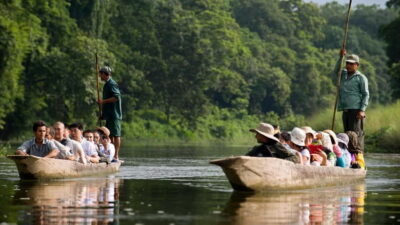
Morning on the river is one of the best ways to experience Chitwan. You take a canoe trip aimed at spotting crocodiles and water birds along the water. Sometimes you can also encounter other animals, which is exactly why river time is worth protecting as a real activity, not a quick stop.
This is where I find the mood changes. On land, you tend to look for movement at a distance. On the water, you notice smaller cues, ripples, bird behavior, and the way animals use the river edge.
Your timing also matters. You do the canoe trip in the morning, then you transition into the jungle walk later. That sequencing keeps the day varied and gives you different wildlife “hunting tools,” so to speak.
More national parks near Chitwan:
- From Kathmandu/Pokhara: 3-Day Chitwan National Park Tour
★ 5.0 · 3 reviews - From Chitwan: Full Day Jeep Safari in Chitwan National Park
★ 3.5 · 3 reviews - Kathmandu: Shivapuri National Park Day Hike with Lunch box
★ 4.8 · 5 reviews - Kathmandu: 4-Day Private Chitwan National Park Safari Tour
★ 4.4 · 4 reviews
Jungle walk after the river: spotting rhinos and deer on foot
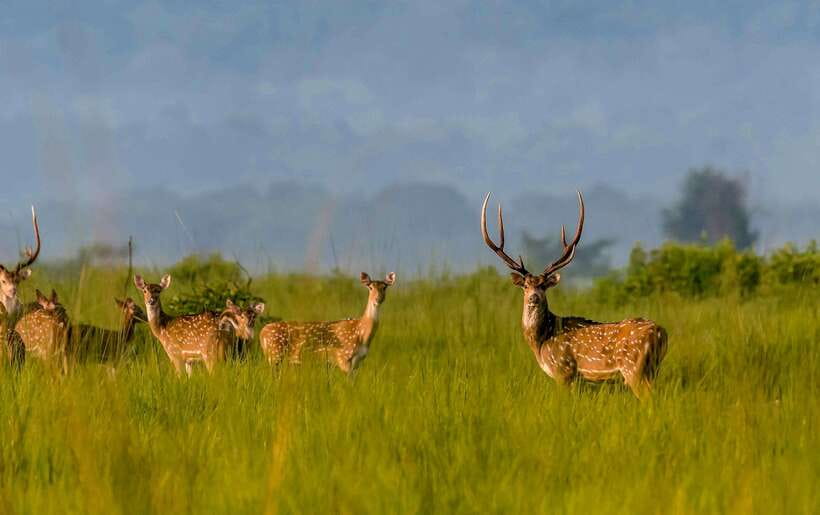
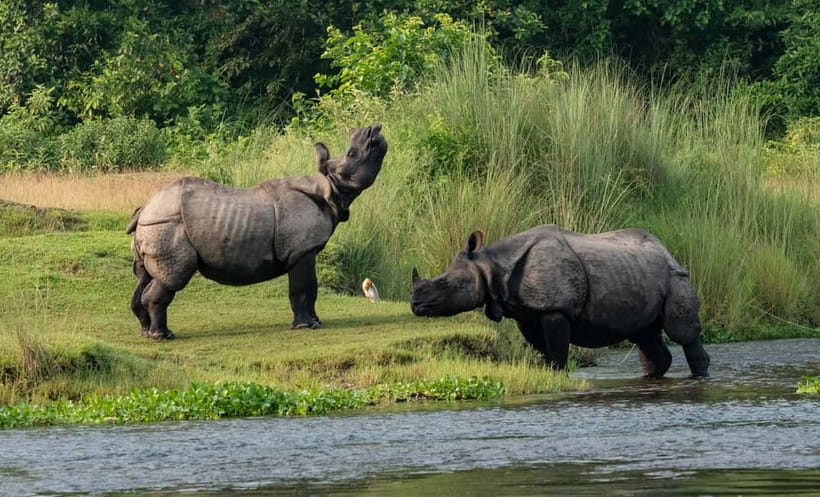
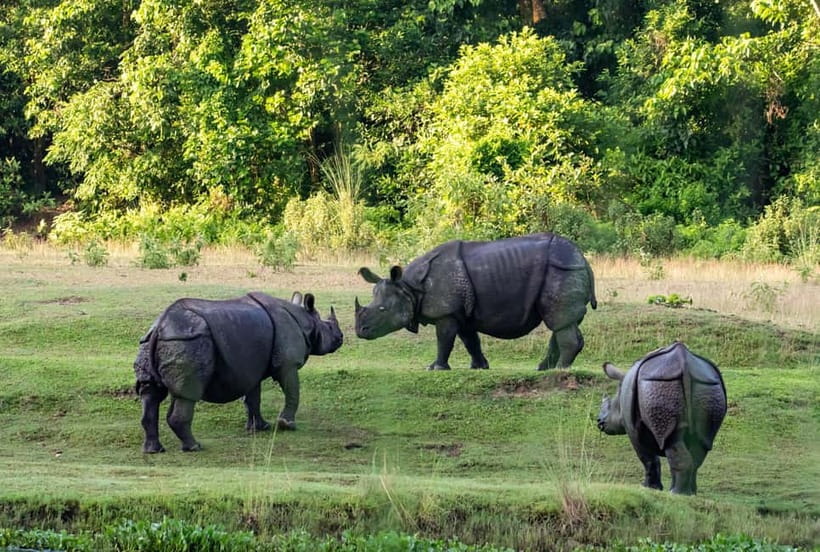
After the canoe trip, you walk in the jungle in search of animals. The focus is on wildlife like rhinos and deer, plus other animals you might spot along the way.
This part is not about conquering a trail. It is about moving slowly, paying attention, and staying alert. That means comfortable shoes matter more than you might expect, especially if the ground is uneven.
The best mindset is to treat it like a guided nature walk with a wildlife goal. When you are looking for large animals, your job is not to rush ahead. You stay with your group, follow the guide’s pace, and respect the rules about staying at a safe distance.
Jeep safari in Chitwan: your best odds for tigers, sloth bears, and rhinos
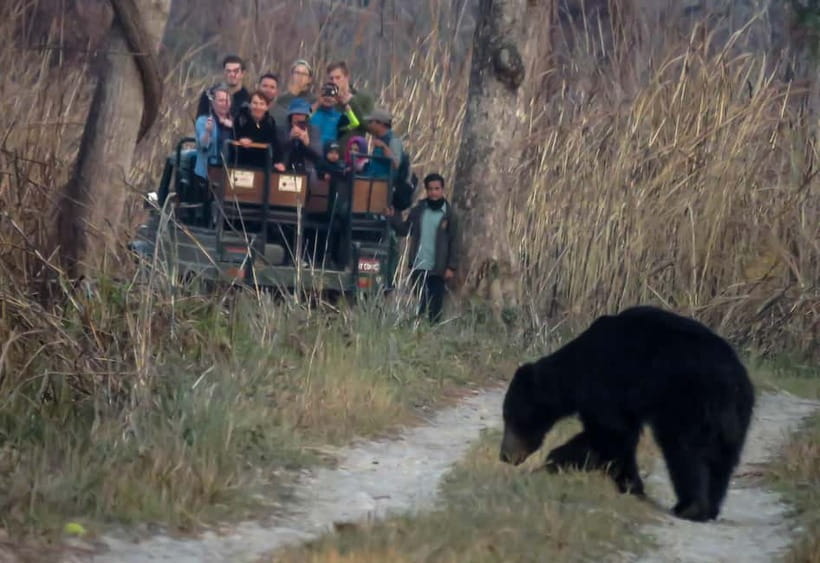
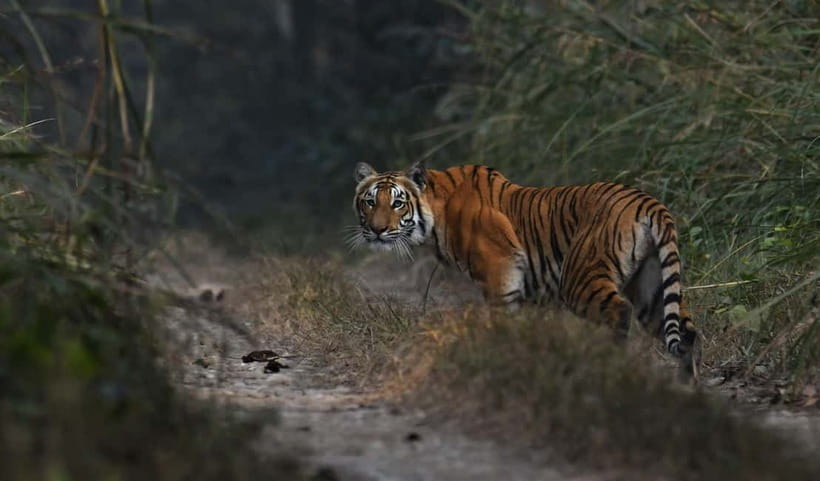
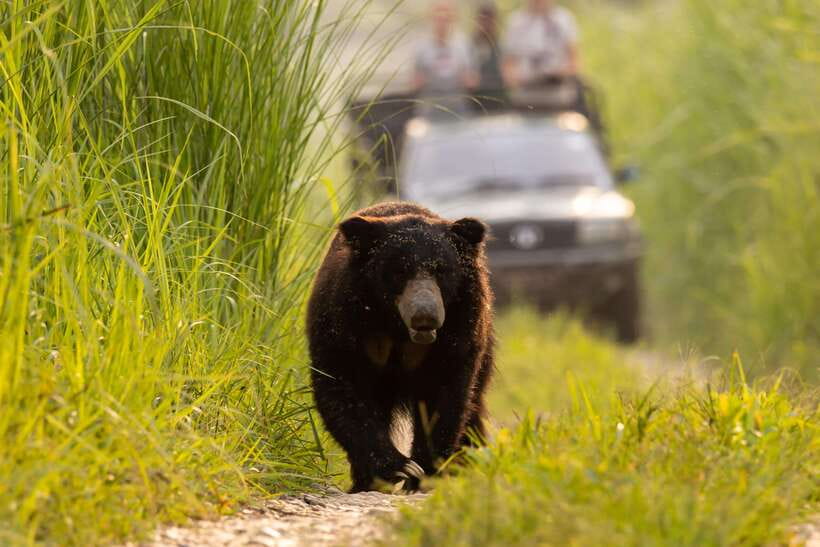
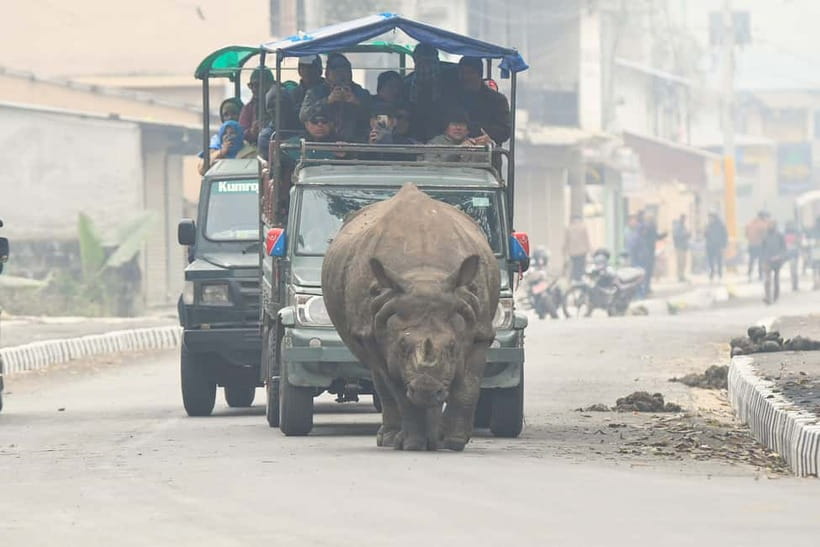
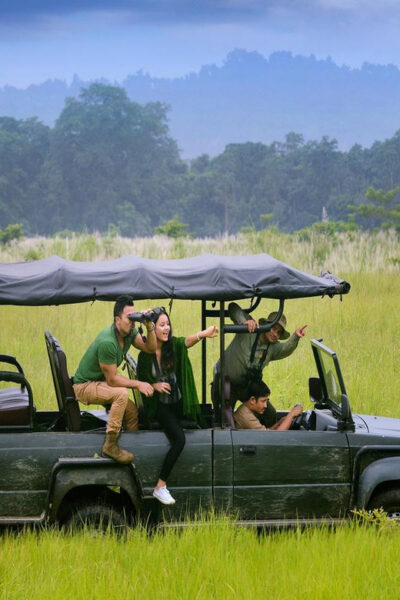
Later in the day you switch to a jeep safari, which is often the fastest and safest way to explore the park and increase your wildlife viewing opportunities. This is when the tour aims for the big-name species: Royal Bengal tigers, sloth bears, leopards, and one-horned rhinos.
Is it a guarantee? Nature rarely works that way. But the structure gives you multiple chances across the day, and the jeep format helps you cover more habitat in less time. It also helps with safety, because experienced guides can choose viewing areas and keep you positioned correctly.
Practical tip: plan to keep your camera ready but not glued to your hands. You will see more by watching first, then framing. Also, remember that animals are not “props.” Stay calm, keep your distance, and let the guide decide when you move.
Evening is a reset. You have dinner and take rest, which matters because you are likely to be up and active again.
Elephant Breeding Centre: baby elephants and a conservation-minded stop
One of the included highlights is the Elephant Breeding Centre visit, where you can see baby elephants. This stop adds a different tone to the day, shifting from wild sightings to learning about elephant care.
I like it because it gives your brain a break from scanning for animals, and it also makes the day feel rounded. Wildlife watching is emotional, and you end up processing a lot. Then you go see the human side of animal management through the centre.
It is also a good reminder that conservation is not only about what happens inside the park. It is also about care, breeding, and long-term support.
Sunset point on Day 1: why it is worth showing up
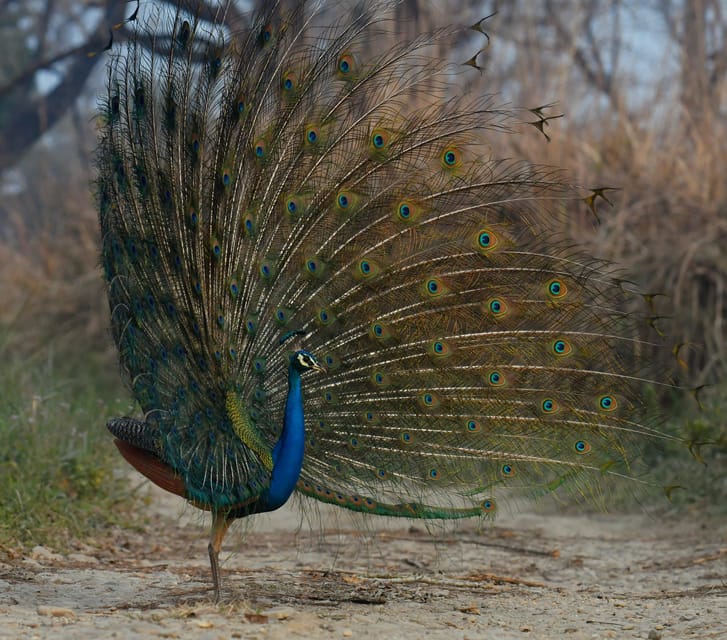
The tour includes a sunset point visit on your first evening. You do not get a lot of free time to wander on your own, so this is one of the moments you should take seriously.
Sunset points are usually less about big-ticket views and more about atmosphere and timing. In Chitwan, evening light can also make it easier to spot movement around habitats as animals become more active.
If you tend to skip the first-day scenic stop because you are eager to get to wildlife, try not to. This is your orientation moment. You get a feel for the area before the next day’s activities begin.
Food, comfort, and what is actually included
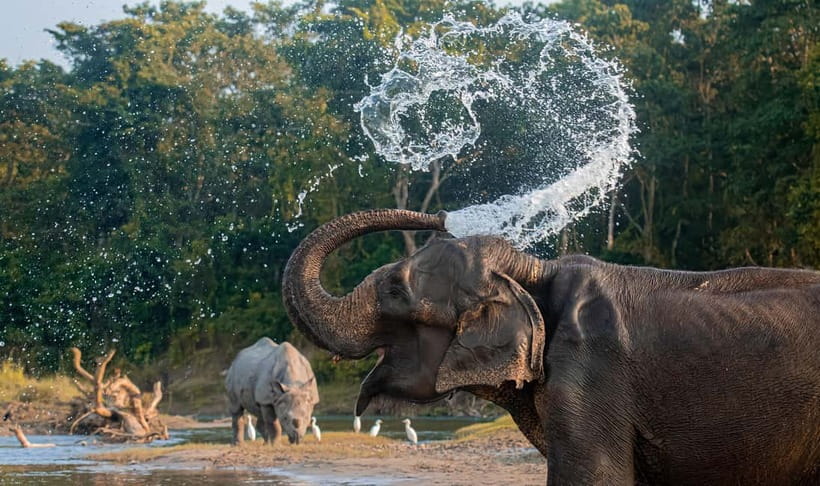
This package includes 2 nights of accommodation in Chitwan and food during those main parts of the program. It also includes national park entry fees, your jeep safari, jungle walk, canoe trip, elephant centre visit, and the local culture show.
There is also bus ticket coverage from Kathmandu to Pokhara and back. For many people, that is where the value jumps, because transport is often the hidden cost in multi-day wildlife trips.
Not included: meals during bus travel to and from Chitwan, medical expenses, and personal expenses like cold drinks, water, and alcohol. In plain terms, bring enough cash or card for your own comfort and remember you can buy small extras, but you should not count on those costs being covered.
Based on the strongest feedback, the comfort side is a big deal: the bus, hotel, and local guide setup is described as nice and comfortable. That is not just a “soft” detail. It impacts your energy level, and wildlife days depend on having enough stamina.
What to bring and what rules keep this trip safe
You will be outdoors a lot, so pack for comfort and sun. Bring comfortable shoes, a hat, camera, sunscreen, water, and insect repellent.
I also suggest you bring a refillable water bottle. The tour encourages you to use a refillable bottle, and it helps you cut down on single-use plastic.
Rules are straightforward:
- No smoking, alcohol, or drugs
- No littering
- Do not feed animals
- Do not touch plants
These rules protect you and the animals. Feeding and touching plants can disrupt wildlife behavior and also damage the habitat you came to see.
One more practical note: use sunscreen in an eco-friendlier way if possible. The tour specifically mentions biodegradable sunscreen, which is a solid approach in protected areas.
Price and value: is $136 fair for this mix?
At $136 per person, the value mostly comes from how many separate things are bundled together. You are paying for park access (national park entry fees), two nights of accommodation, wildlife activities (canoe trip, jungle walk, jeep safari), plus cultural and elephant centre visits. Then transport support is added, including bus tickets linking Kathmandu and Pokhara.
If you tried to build this trip on your own, these items often separate into different invoices: guides, park permits, transfer arrangements, hotel nights, and the cultural or centre visits. Bundling usually saves money and stress.
The one trade-off is that the tour is structured. You are not choosing which activity to keep or skip midstream. If you love flexible planning, you might find that limiting. But if you want a smooth, guided wildlife package that still feels authentic, $136 for this amount of planned time is a reasonable deal.
Who this tour suits best, and who should skip it
This is a great fit for you if you want real wildlife time without needing to organize everything yourself. It also suits first-time Chitwan visitors, because the day plan gives you a variety of viewing styles: river, walking, and jeep.
It may not suit you if you have mobility concerns. The tour is explicitly not suitable for wheelchair users, pregnant women, and people with back problems or heart problems. Jungle walking and long seating time in vehicles can be a problem even if you are otherwise healthy.
If you hate strict rules, this is also not the right match. Chitwan protects wildlife, so you follow guidelines like no feeding and no touching plants. That is part of respecting the park.
Final call: should you book this Chitwan National Park tour?
I would book this tour if you want a practical 3-day plan centered on wildlife in Chitwan, with enough structure to keep the days flowing. You are getting a strong mix: canoe trip, jungle walk, jeep safari, plus a Tharu culture show and an elephant centre visit. Add in the comfort-first feel of bus and hotel support, and the price starts to look fair.
Skip it if physical demands might be an issue for you, or if you want total freedom to choose your own pace. If you want guided viewing with clear, park-respecting rules, this is an easy yes.
FAQ
What is included in the 3-day Chitwan National Park tour?
The tour includes sunset point visit, elephant breeding centre visit, canoe trip, jungle walk, jeep safari, local culture show, national park entry fees, 2 nights accommodation, food during the program, and a Chitwan hotel. It also includes bus tickets from Kathmandu to Pokhara and back.
How long does it take to travel from Kathmandu or Pokhara to Chitwan?
The trip takes about 5 to 6 hours to reach Chitwan.
What activities do I do during the two nights in Chitwan?
You will do a canoe trip, a jungle walk, a jeep safari, plus an elephant breeding centre visit and a local culture show. There is also a sunset point visit and time for meals and rest.
Where do the activities take place?
The tour is based in Sauraha, and the wildlife activities are inside Chitwan National Park.
Can I see tigers and one-horned rhinos on this tour?
The tour is designed for wildlife viewing, including one-horned rhinoceros and Royal Bengal tiger, along with other animals like sloth bears and deer.
What wildlife might I see besides the main species?
The plan mentions crocodiles and water birds on the canoe trip, deer and other animals on the jungle walk, and wildlife during the jeep safari. You should also expect many different types of birds in the park.
What should I bring for the trip?
Bring comfortable shoes, a hat, a camera, sunscreen, water, and insect repellent.
What rules are not allowed during the tour?
Smoking, alcohol and drugs, littering, feeding animals, and touching plants are not allowed.
Is this tour suitable for everyone?
It is not suitable for pregnant women, people with back problems, people with heart problems, or wheelchair users.
Can I cancel and get a full refund?
You can cancel up to 24 hours in advance for a full refund.
Latest Chitwan write-ups
- Kathmandu/Pokhara: 3 Day Chitwan Jungle Safari Tour★ 4.9 · 8 reviews
- Kathmandu/Pokhara: Wildlife, Culture and Jungle Safari Tour★ 4.3 · 17 reviews
- From Kathmandu/Pokhara: 3-Day Chitwan National Park Tour★ 5.0 · 3 reviews
- From Chitwan: Full Day Jeep Safari in Chitwan National Park★ 3.5 · 3 reviews
- From Chitwan : Jeep Safari,Canoeing,Forest walk Day Tour★ 4.4 · 12 reviews
- From Chitwan : Half Day Jeep Safari Tour★ 4.1 · 4 reviews
- Chitwan: Full-Day Safari Canoeing and Jungle Walk and Jeep★ 5.0 · 17 reviews
Chitwan Jungle Safari, compared.
3-Day Chitwan Safari Tour with Hotel Transfers
Read our review →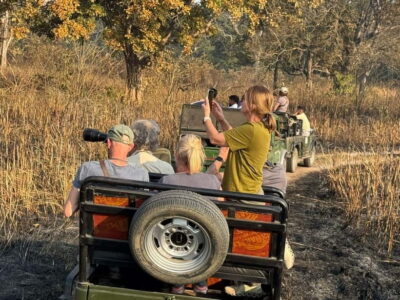
2 Days Chitwan Jungle Safari Tour from Pokhara/Kathmandu
Read our review →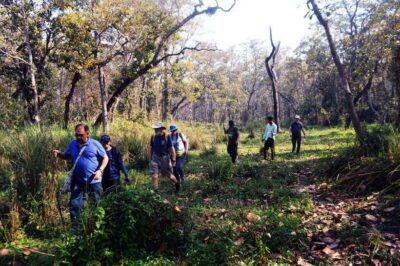
1 Night 2 Days Chitwan Jungle Safari Tour from Kathmandu
Read our review →Browse the lists this tour appears in