
Reviewed · AUSTRALIAN CAMP TREK
From Pokhara: Day Hiking Australian Camp & Dhampus
This is interesting because it mixes big Annapurna Range views with a real day in local village life, without needing days of permits and packing. I love that Australian Camp is the payoff spot for sunrise or sunset photos, and I love the way the route threads through smaller settlements on the way to Dhampus and its Gurung community. The main drawback is simple: it’s still a 9-hour day with uphill effort, so if your fitness is low, you’ll want to take the pace seriously.
Key points up front
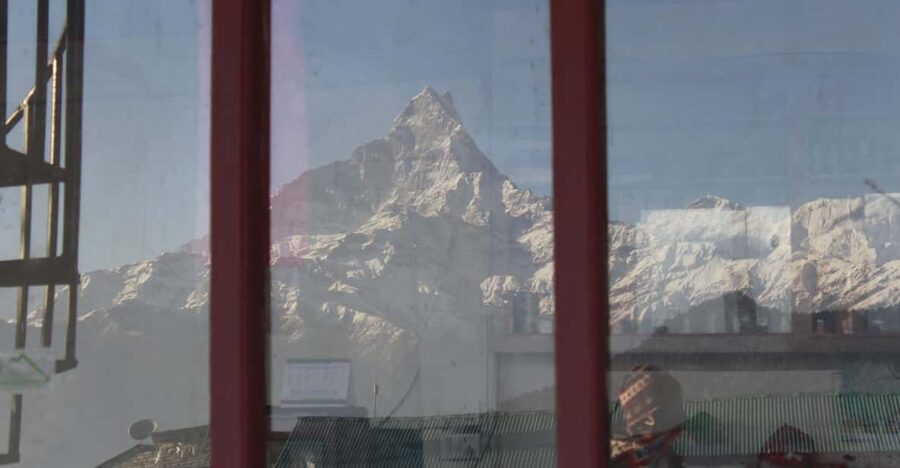
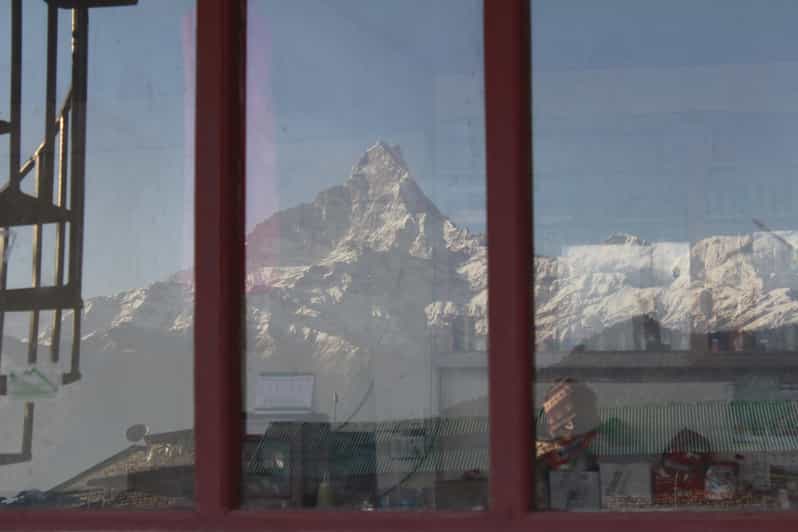
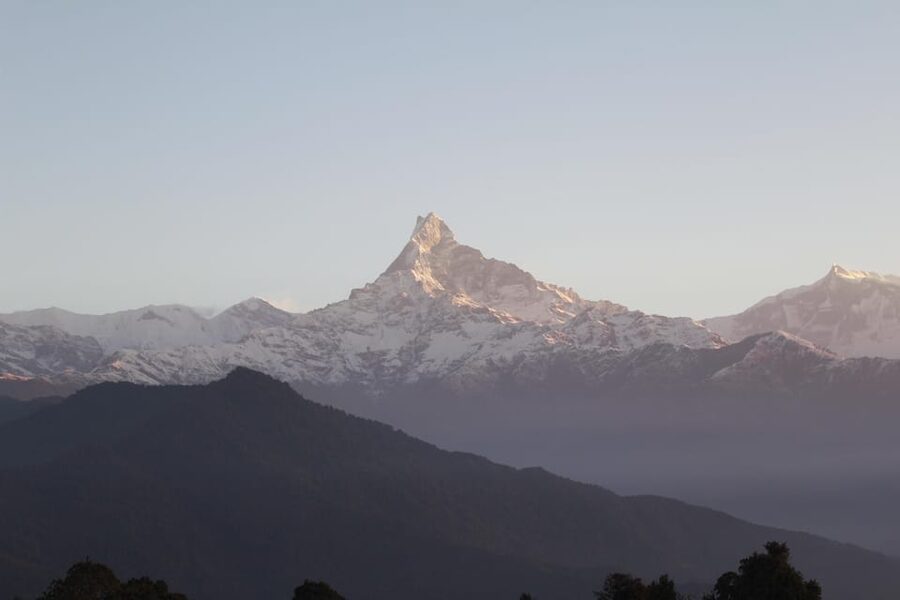
Australian Camp views: One of the best photo moments for Annapurna, including Fishtail, plus Dhaulagiri in the wider panorama.
Gurung village time at Dhampus: You’ll get cultural context and a chance to slow down with local daily life.
Private guide support: You’re not stuck with a huge group, and the guide handles the flow and safety basics.
Good value for a day trek: Transfers, guide, and even guide-related costs are included in the price.
Descent is easier: The way back down toward Phedi is described as fairly easy compared with the climb.
From Lakeside Pokhara to Kande: a smooth start with a clear goal
I like that this hike starts with logistics that feel low-stress. You get hotel pickup from within the lakeside area in Pokhara, then you ride out to Kande. It’s about 30 km and roughly 45 minutes via the Baglung-Pokhara Highway, which is long enough to get oriented but not so long that the day feels like a bus trip.
Kande is your first real moment to frame the day. There’s time for a photo stop and a short guided look around before you start walking toward Australian Camp. This is one of those small details that matters more than you’d think. When you begin the trek already having a few views in your head, the later viewpoints land harder.
A practical tip: wear shoes you trust. Even before the main hike, you’ll be walking around enough to matter. Also, since it’s a day hike, you’ll feel the total effort faster than on a short trail.
Kande to Australian Camp: the climb that pays off for sunrise or sunset
The trek from Kande to Australian Camp is about 1.5 hours on foot. Expect a gradual build where the views start showing up along the way, not all at once. That pacing helps if you’re not an elite hiker, and it helps everyone settle into the day.
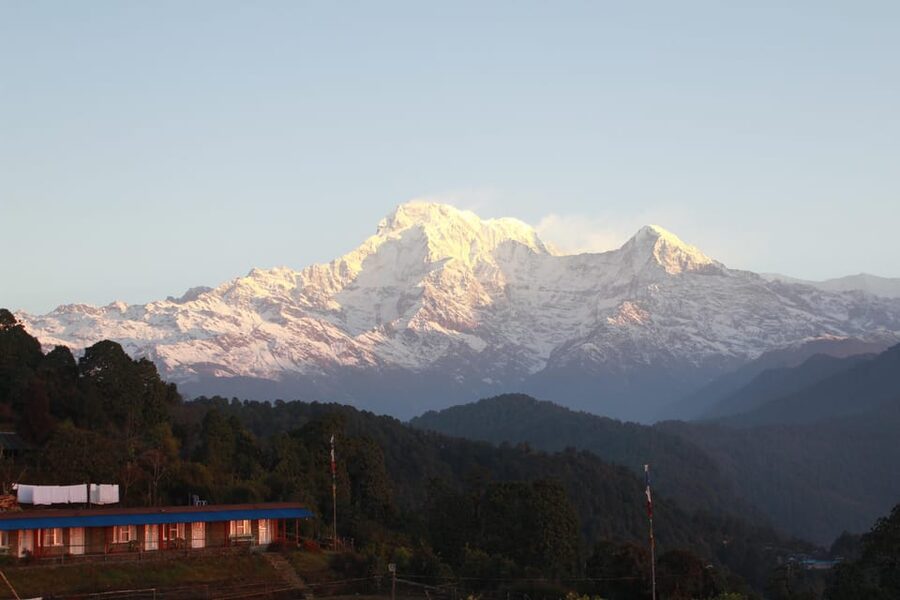
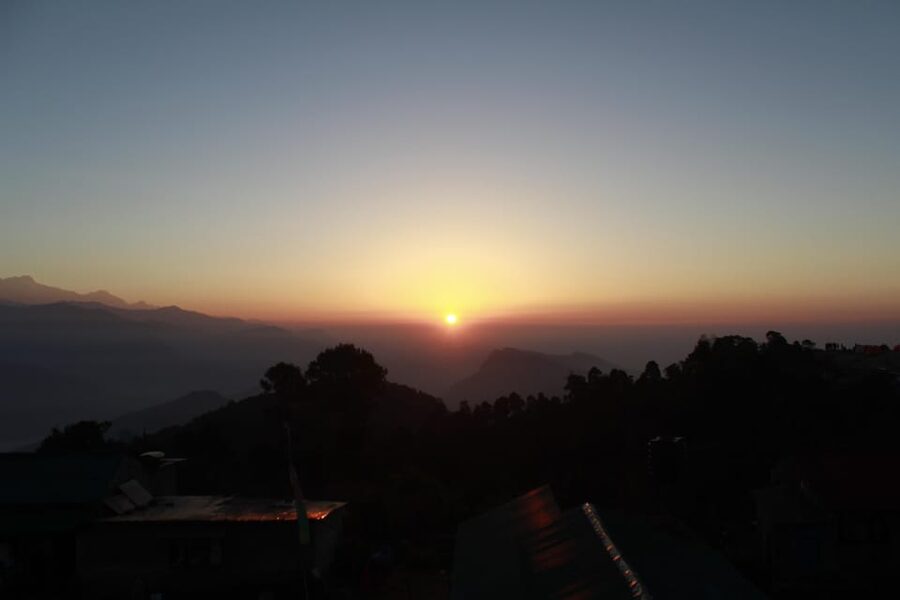
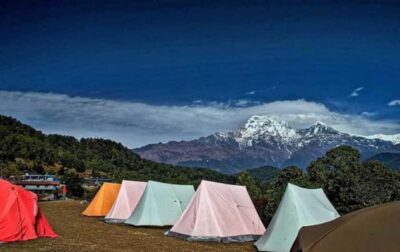
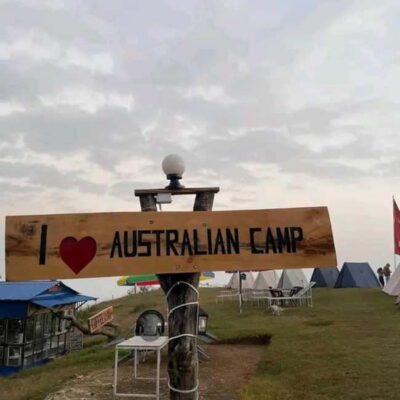
Australian Camp is the big goal, the place people aim for because it’s a vantage point over the Annapurna range. Your experience here can be tailored by timing, since the camp is set up for watching sunrise or sunset. The peaks change fast when the light shifts, and that’s where you’ll spend your patience. If you’re hoping for photos, bring a lens or phone that can handle quick changes in contrast. You’ll be photographing through changing weather light, not through a perfect studio sky.
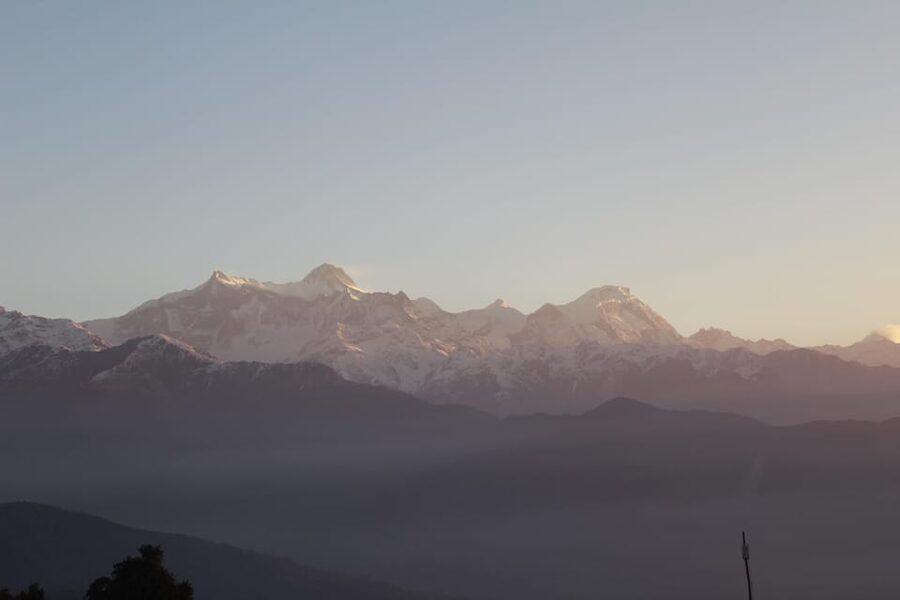
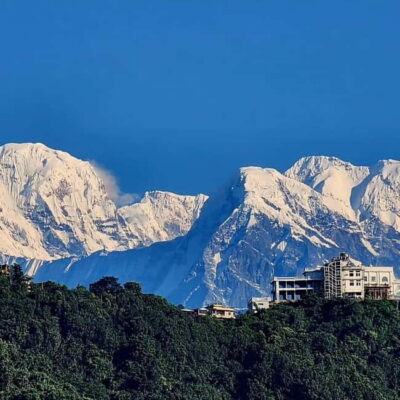
One more reason Australian Camp is a highlight: it’s not just a single peak view. You get a panoramic feel that can include Fishtail and other parts of the Annapurnas, with the wider Dhaulagiri mountains showing up depending on conditions.
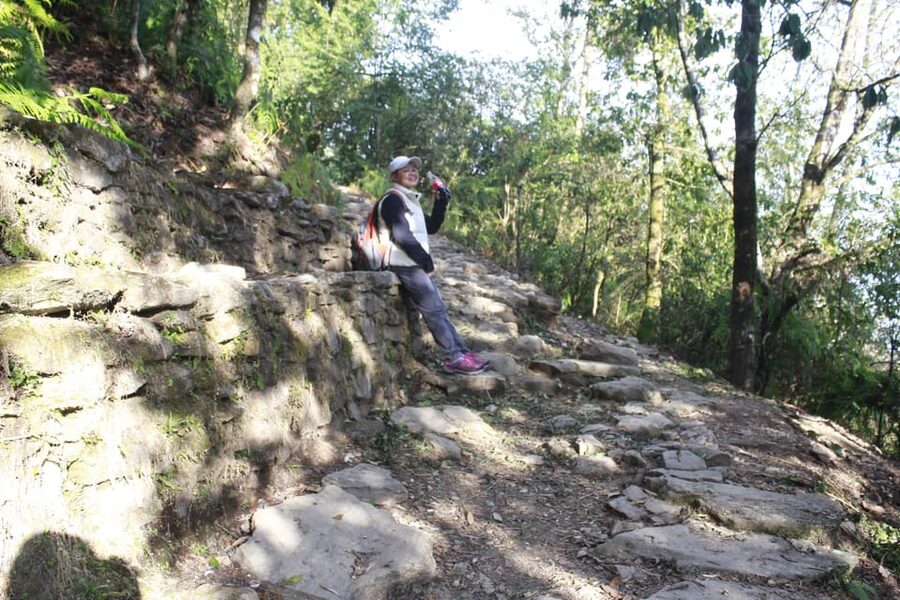
Effort note: some reviews call the hike strenuous, especially for people who rate their activity level low. The trek is manageable for a lot of folks, but it’s not a gentle stroll. If you’re unsure, plan to walk slower than you think you should, and take breaks without apologizing.
More short walks to Australian Camp:
- Pokhara: 1-Day Scenic Australian Camp & Dhampus Guided Hike
★ 4.9 · 24 reviews - Australian Base Camp Day Hike From Pokhara
★ 4.8 · 19 reviews - Pokhara: Guided Day Hike From Dampus To Australian Base Camp
★ 4.9 · 16 reviews
Australian Camp to Dhampus: rural trails, villages, and a “real Nepal” rhythm
After Australian Camp, the route continues toward Dhampus. This is where the day turns from viewpoint chasing to experiencing how people actually live here. The walk is described as moving through a rural, countryside trail, with time for breaks and scenic stops along the way.
As you move toward Dhampus, the mountain views can broaden further. You may get memorable angles of the Annapurna and Dhaulagiri ranges, and the trail often gives you moments where you can just stop, look, and breathe. That quiet is part of the value here. You’re not only collecting photos. You’re getting a sense of scale.
This part of the hike also matters because Dhampus isn’t just a backdrop. It’s a traditional Gurung village, and that gives the visit context. You’re not just stepping into a scenic spot to check a box.
If your guide is strong, this segment can be the most enjoyable. I’ve seen firsthand how a good guide can make you notice details quickly, like which paths are being used locally or how the village connects to the surrounding hills. In this case, named guides from the experience include people like Birendra, also called Bir, and Amrit, and both are praised for keeping things smooth and caring for the group.
Dhampus: Gurung village culture and a simple meal stop
Dhampus is where you’ll shift from hiking mode to village mode. There’s time for a photo stop, a guided walk, and a cultural visit. The focus is on encountering the Gurung community and learning how daily life fits around the mountains.
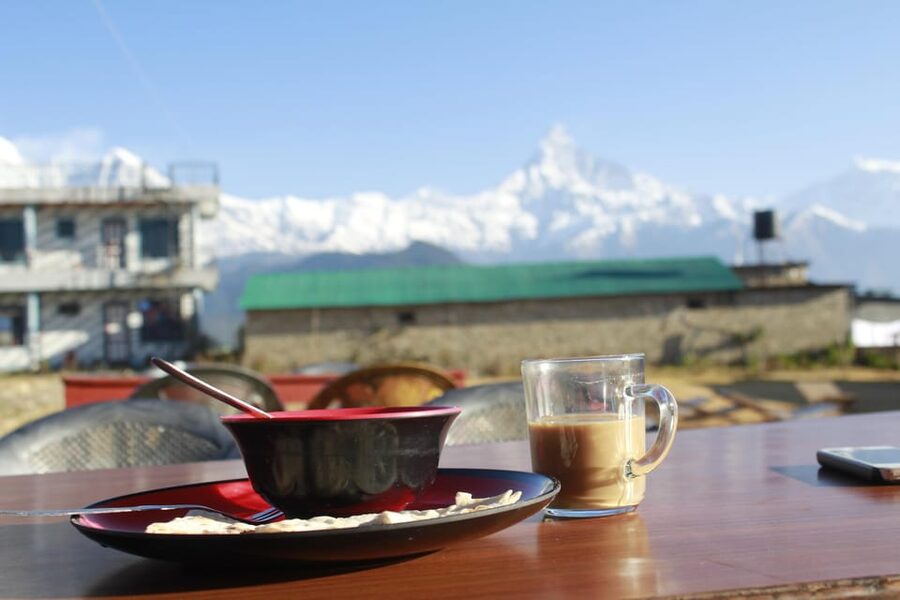
You’ll also have lunch here. The day hike includes the guide and guide-related costs, but your food and drinks aren’t included, so you’ll be buying lunch on-site. The good news is that meals are available, and this is often the easiest way to keep your energy up without carrying snacks for hours.
What I like about this lunch setup is the practicality. You don’t have to guess which place on the trail has what. You get a planned stop, and you can eat, hydrate, and get moving again with less stress.
Cultural time can be short in day hikes, but it still beats doing this only as a viewpoint-and-back itinerary. You’ll get the chance to slow down and connect the scenery to people and community.
Dhampus down to Phedi: the fairly easy finish you’ll appreciate
From Dhampus, you head back down toward Phedi. The descent is described as fairly easy via a rural foot trail, around 1 hour. That matters because it changes how the day feels. Climbing days can be tough on legs, but when the final hiking segment is easier, you’ll still have energy to enjoy the ride back.
Phedi is another small stop, with time for photo stops and walking. Then you board the vehicle stationed there and drive back to Pokhara. The ride back is about 19 km and around 30 minutes.
This end section is a big reason I’d recommend the hike to first-timers in the area who want a satisfying day without turning it into a full-on trek. You get the mountain payoff, plus a calmer finish.
More Dhampus ridge walks:
- 1-Day Private Dhampus Trekking Tour
★ 5.0 · 35 reviews - 1 N 2 Days easy Dhampus,Australian camp trek from Pokhara
★ 4.9 · 10 reviews - Pokhara: 2-Day Australian Camp & Dhampus Village Easy Hike
★ 5.0 · 6 reviews - From Pokhara: Australian Camp & Dhampus 1, or 2-Day Trek
★ 5.0 · 5 reviews
Price and value: what $61 covers, and how it adds up
At around $61 per person, the value depends on what you compare it to. If you’re considering solo organizing a guide, transport, and vehicle transfers, the number starts looking more reasonable fast.
Here’s what’s included:
- Hotel pickup and drop-off in the lakeside area
- A professional English-speaking trekking guide (with English, Nepali, and Hindi available)
- Guide food and all expenses
- Transfers by private vehicle, Pokhara to Kande and Phedi to Pokhara
- A private tour setup
- An emergency first aid kit with the guide
- All official document
What’s not included:
- Food and drinks during the day (available to purchase)
- Personal expenses
My take: the inclusion of guide support and private transfers is the real money-saver here. The route is not just a trail walk. You’re doing a full circuit with vehicle legs. That’s where day hikes often get expensive if you arrange it yourself.
Also, ratings for this experience are a strong 5, with reviews highlighting that guides are helpful and that pick-up is on time. People specifically mention guides like Birendra and Amrit for caring attention and relaxed pacing. That kind of guide quality is hard to price, but it’s where you feel the difference during the day.
The guide makes the day: why Bir and Amrit get praised
This hike lives or dies on pacing and communication. The good news is that the guide is repeatedly singled out as the reason people enjoy the day.
One review highlights Birendra (Bir) as helpful throughout, and notes that the hike felt strenuous for a person who rates their activity level around 3 out of 10. Another review praises Amrit for being fantastic, taking care of the group, and sharing helpful hiking tips even for a 54-year-old hiker. Both reviews also mention details like the timing of pick-up and the guide staying attentive to the group.
I’d take that as a practical signal for you:
- If you want someone who watches the group, explains what you’re seeing, and helps with timing, this setup is a good fit.
- If you prefer to move fast and independently, you might still enjoy the day, but you’ll likely be happier with fewer questions and a clear plan to match the guide’s pace.
When to go for clearer views (and why weather still wins)
You can do the hike throughout the year, but the best visibility tends to happen in spring (March to May) and autumn (September to November). Those seasons are described as offering more stable weather and clearer mountain views.
That said, mountain weather is unpredictable. Clouds can roll in, visibility can drop, and temperatures can swing. Australian Camp is a sunrise or sunset spot, which means you’ll want to dress for cold air and possible wind even if Pokhara is warm.
Practical packing idea: layers you can adjust quickly. You’ll hike, then you’ll stop for photos at Australian Camp, then you’ll hike again. Comfort affects your enjoyment more than people expect.
Also, if you’re sensitive to cold early in the morning or late afternoon, plan your timing so you’re not rushing. A guide will help keep the schedule manageable, but your clothing choice will still be on you.
Who this day hike suits best, and who should rethink it
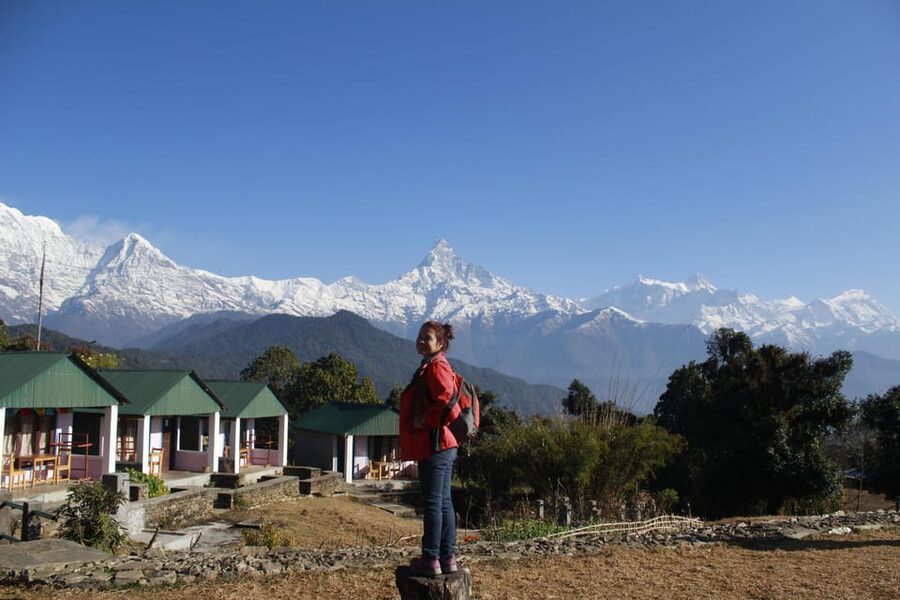
This is a good day hike if you want:
- Big Himalayan views without a multi-day trek
- A mix of trail walking plus a village visit at Dhampus
- A guided experience with private pickup and private transport
- An activity level that is doable for many people with smart pacing
It may feel more challenging if:
- You have a low activity routine and you’re worried about steady uphill effort for the full day
- You want something close to effortless, since the day can add up to about 9 hours total
The descent is described as fairly easy, and that’s reassuring if you’re concerned about the return legs. Still, the best approach is to treat this as a hike, not a casual stroll.
Should you book this Pokhara day hike to Australian Camp and Dhampus?
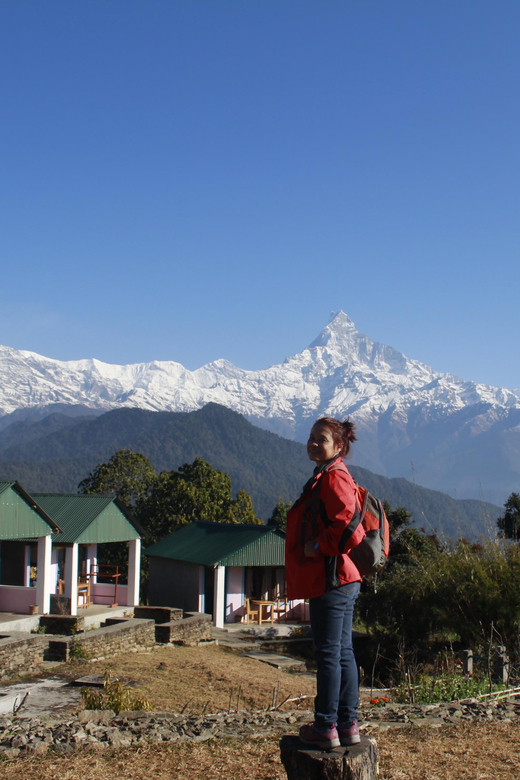
I’d book it if you want a guided day that mixes classic Annapurna viewpoint time with a real stop in a Gurung village at Dhampus. The price is reasonable when you factor in private transfers, a guide with multilingual support, and on-the-ground assistance.
Pass or choose a different option if you’re chasing a totally low-effort walk, or if you’re uncomfortable with colder mornings and the idea that weather can limit mountain visibility.
If you do book, my advice is simple:
- Go in expecting a real hike day, not a stroll.
- Bring layers for Australian Camp light and temperature swings.
- Let the guide set the pace, especially if you’re less active, because the guides here are clearly valued for making the day feel manageable.
FAQ
How long is the day hike?
The total duration is listed as 9 hours.
Where does the tour start and end?
It includes pickup from within the lakeside area in Pokhara, and it ends back in Pokhara after the hike and the return drive.
Is hotel pickup and drop-off included?
Yes. Hotel pickup and drop-off are included.
What does the price include, and what costs extra?
The price includes a professional trekking guide, guide food and expenses, private transfers (Pokhara to Kande and Phedi to Pokhara), a private tour setup, and an emergency first aid kit with the guide. Food and drinks are not included, though they are available to purchase.
What languages will the guide speak?
The guide can speak English, Nepali, and Hindi.
Is food provided during the hike?
Lunch is part of the day, but food and drinks are not included in the price. You’ll purchase food during the stops, including at Dhampus.
When is the best time to go for clearer mountain views?
Spring (March to May) and autumn (September to November) are described as the best seasons for more stable weather and clearer views, though the trek can be done throughout the year.
Latest Pokhara write-ups
- Mardi Himal Trek -5 Day Short Trek From Pokhara★ 5.0 · 8 reviews
- Tandem Paragliding in Pokhara★ 4.8 · 8 reviews
- Pokhara: Peace Pagoda Sunset, Annapurna Mountain Views Tour★ 2.9 · 5 reviews
- Short & Scenic: 2-Day Private POON HILL Trek from Pokhara★ 5.0 · 8 reviews
- Seti George and Thrilling Suspension Bridge Tour at Pokhara★ 4.5 · 3 reviews
- Sarangkot Sunrise over the Himalayas★ 4.8 · 83 reviews
- Pokhara: Sarangkot Sunrise and Private Full Day Tour★ 4.8 · 24 reviews
- From Kathmandu/Pokhara: Private 3-Day Chitwan Safari Tour★ 4.7 · 34 reviews
Australian Camp Trek, compared.
1-Day Scenic Australian Camp & Dhampus Guided Hike
Read our review →
Guided Day Hike From Dampus To Australian Base Camp
Read our review →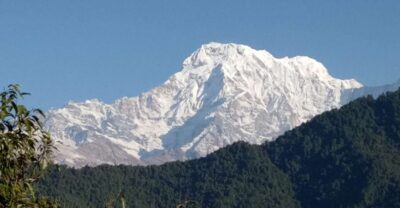
1 N 2 Days easy Dhampus,Australian camp trek from Pokhara
Read our review →
2-Day Australian Camp & Dhampus Village Easy Hike
Read our review →
Browse the lists this tour appears in