
Reviewed · CHITWAN JUNGLE SAFARI
Kathmandu/Pokhara: 3 Day Chitwan Jungle Safari Tour
Chitwan National Park is interesting because the wildlife here feels close, even when you slow down. This 3-day Chitwan jungle safari mixes fast jeep searching with calmer river time on the Rapti, plus a Tharu culture evening.
I really like two parts of this tour. The jeep safari is built around wildlife sightings like one-horned rhinos and Bengal tigers, and the Tharu village visit adds local customs and a cultural dance show, not just animals.
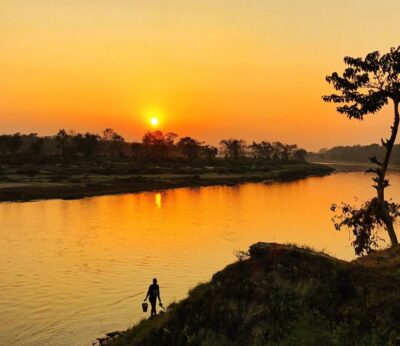
One thing to keep in mind: sunset views can be hit or miss if rain pops up. It won’t ruin the trip, but your best “golden hour” moment might get cloudy.
Key highlights you’ll actually feel on this tour
- Jeep safari + canoe time, so you get both searching-on-land and birdwatching-by-river
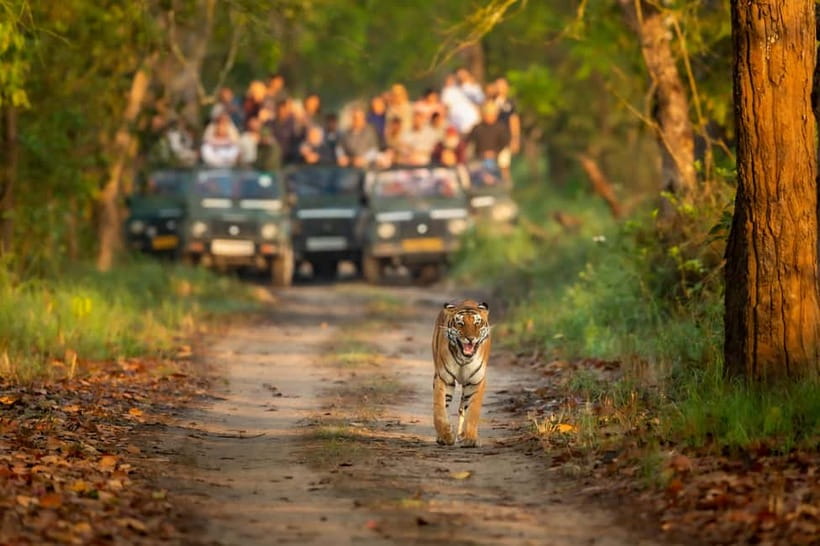
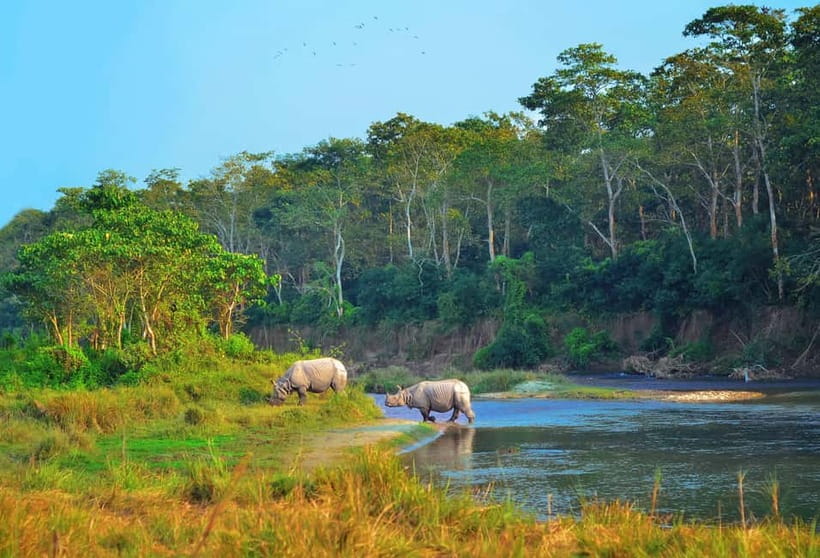
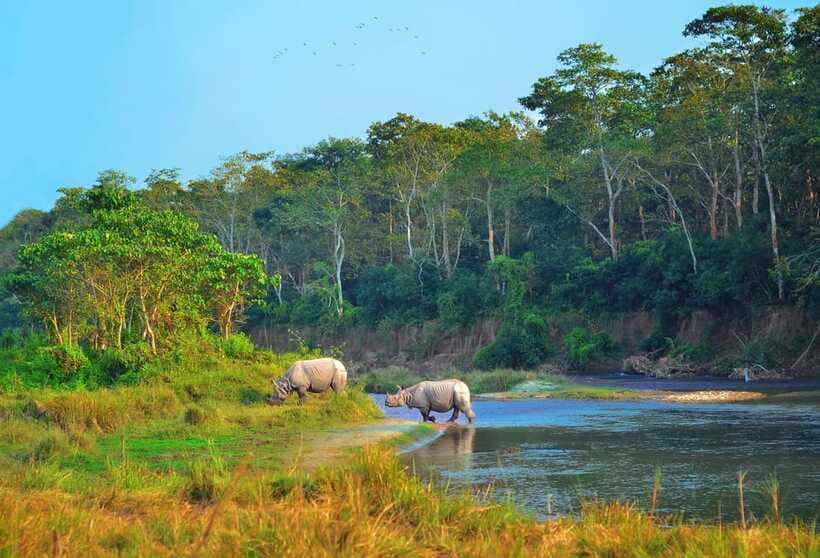
- One-horned rhinoceros and Bengal tiger are the headline wildlife targets
- Tharu village tour and cultural dance performance add context to what you’re seeing
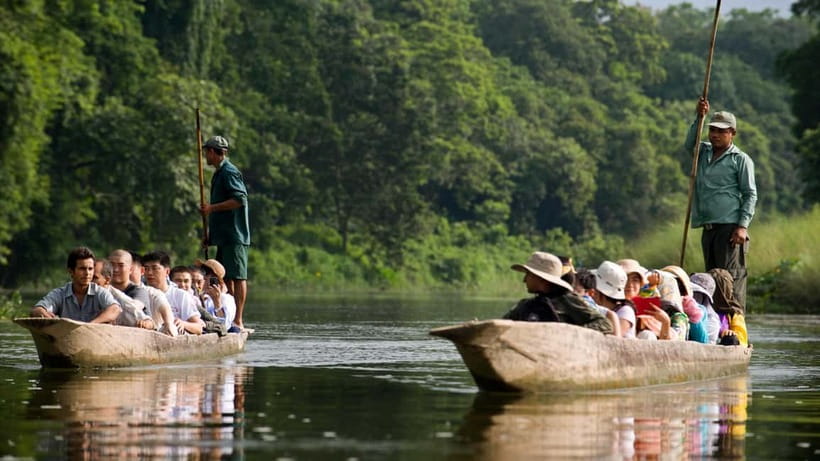
- Rapti River canoe rides are peaceful, with great chances for bird-spotting
- Early morning birdwatching is optional on Day 3, if you want one more quiet sunrise try
Chitwan from Pokhara or Kathmandu: what makes this 3-day safari work
If you’re short on time but still want a real wildlife trip, Chitwan is a strong choice. The park sits in southern Nepal’s subtropical lowlands, and it’s famous for both mammals and birds. This tour is built around that reality: you’re not only driving and hoping. You’re also walking with a naturalist, then switching gears to canoe rides where the scenery and birds come to you.
I like that the day structure keeps you engaged. Mornings are for wildlife odds, afternoons are for slower nature time, and the evening has a human side with the Tharu community. You end up with a full picture, not just a checklist.
More days in Chitwan:
- Chitwan: Full-Day Safari Canoeing and Jungle Walk and Jeep
★ 5.0 · 17 reviews - 3 Nights 4 Days Chitwan National Park with Tower Night Stay
★ 4.4 · 14 reviews - From Chitwan : Jeep Safari,Canoeing,Forest walk Day Tour
★ 4.4 · 12 reviews
The early 6:30 AM pickup and luxury coach reality check
Your day starts early, with pickup at 6:30 AM. That’s not optional, and it matters because Chitwan’s best wildlife windows are usually tied to cooler, calmer hours. If you’re the type who hates mornings, plan a quick win: pack your essentials the night before, and keep your water bottle easy to grab.
You’ll use a luxury tourist coach for both ways, and it includes pickup and drop-off from either Kathmandu or Pokhara (you choose your start point). For me, this is where value shows. You’re not trying to arrange separate transport, and the schedule is already stitched together for you.
Because it’s a private group, the pace can feel less chaotic than larger group formats. You still need to follow the naturalist and driver timing, but you’re not fighting for space or attention.
Day 1: Tharu village tour, sunset time, and a cultural dance night
Day 1 is about setting the tone. After arrival and hotel check-in, you head to a Tharu village tour. This isn’t just a quick photo stop. The focus is on customs, community history, and what daily life looks like for the indigenous Tharu people. I like this part because it gives meaning to the rest of the trip. When you later hear about the land, the wildlife, and the river, you have more context than “we saw animals.”
Then comes a sunset tour. This is one of those schedule moments that depends on weather. If skies stay clear, you’re in for a nicer end-of-day view. If it rains intermittently, you might lose that “best light” feeling, but you’ll still get your guided time in the park area and the evening program.
The day ends with a Tharu cultural dance show. Expect colorful costumes and live drumming. It’s one of those experiences that feels genuinely local because it’s tied to the community, not a stagey performance built for tourists.
Practical tip: wear breathable clothes and have a light layer ready. Even if the day feels warm, evening air near rivers and forest edges can cool down.
Day 2: Rapti River canoe ride, birdwatching, and the jeep safari push
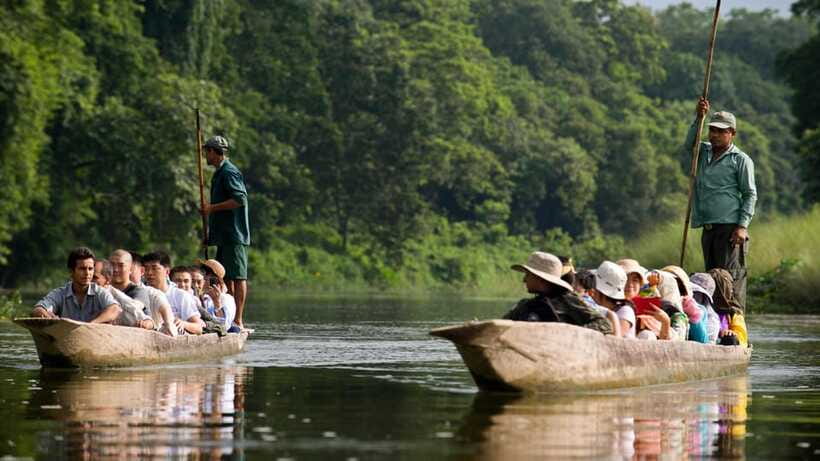
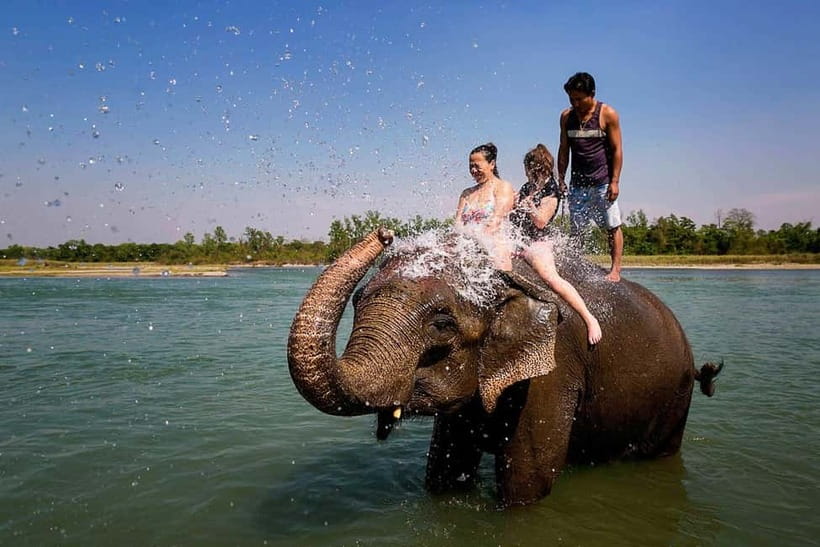
Day 2 is the big action day, and it’s split in a smart way. You get time on the Rapti River by dugout canoe, then you shift to land: nature walk, birdwatching, an elephant breeding center visit, and finally the jungle jeep safari.
More jeep and canoe safaris:
- Kathmandu/Pokhara: Wildlife, Culture and Jungle Safari Tour
★ 4.3 · 17 reviews - From Chitwan : Half Day Jeep Safari Tour
★ 4.1 · 4 reviews - From Chitwan: Full Day Jeep Safari in Chitwan National Park
★ 3.5 · 3 reviews - From Kathmandu/Pokhara: 3-Day All-Inclusive Chitwan Safari
★ 4.6 · 133 reviews
Rapti River canoe ride: calm water, active bird life
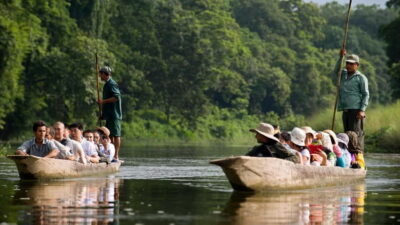
The canoe ride is all about serenity and observation. You’ll cruise the Rapti River and enjoy scenic views and bird-watching. I like river time in wildlife trips because it slows your brain down. Instead of scanning constantly for movement, you can notice patterns: where birds feed, how the water line changes, and how the river corridor shapes the whole ecosystem.
If you’re a bird person, this part can feel like a payoff. Chitwan is known for birding, and the tour includes dedicated birdwatching time.
Nature walk and birdwatching with the naturalist
Next is a nature walk with an English-speaking trained naturalist. This matters because jungle trails can look similar until someone gives you the “how to see it” training. You’re not just walking. You’re learning how to look for signs, tracks, and smaller wildlife activity while staying safe.
The tour also includes birdwatching. At this point, you start noticing how birds are everywhere, not only in the air. Even when mammal sightings are quiet, bird life keeps the day moving.
Elephant breeding center visit: education stop that adds context
You’ll also visit an elephant breeding center. This is a less “wild” moment than the jeep and canoe, but it adds a critical layer. It connects the animal story to conservation efforts and helps you understand that the park is part of a broader protection plan.
Jungle jeep safari: where the headline animals are the target
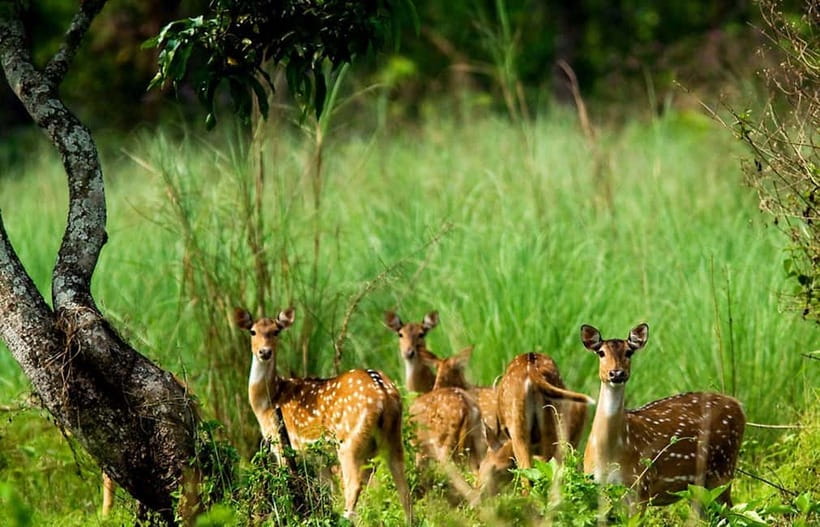
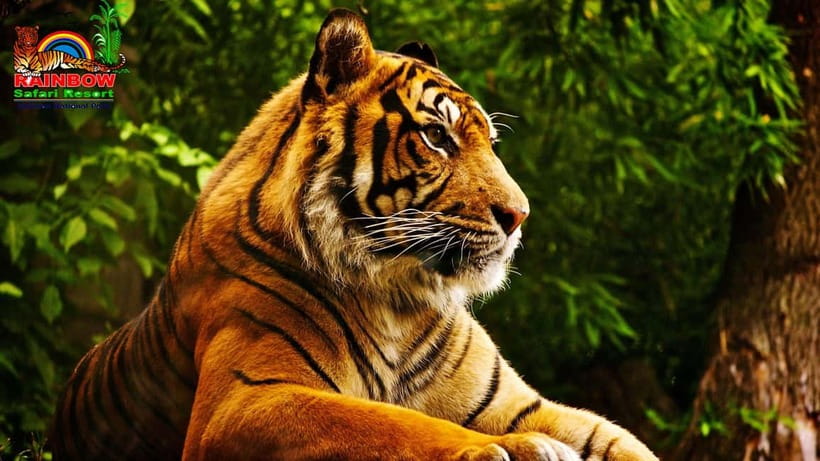
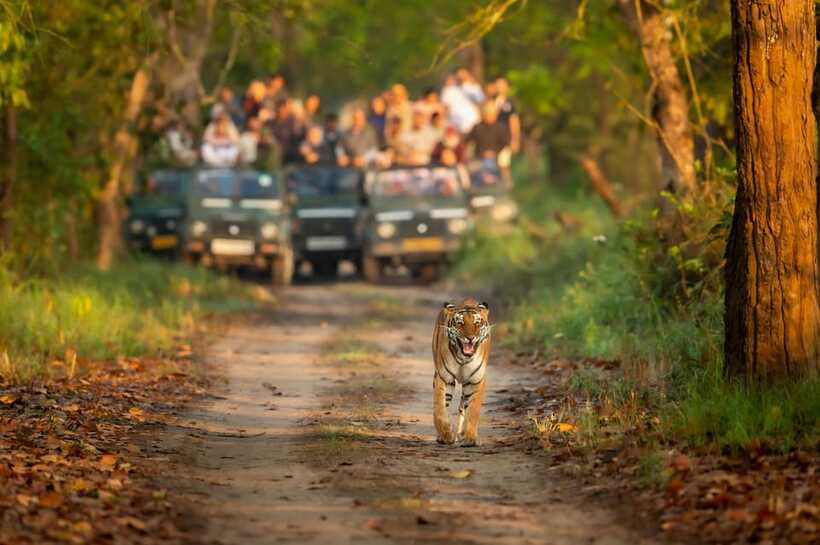
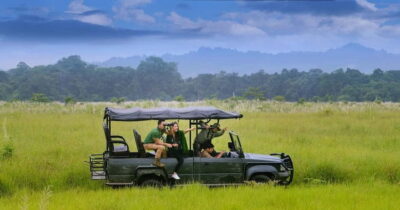
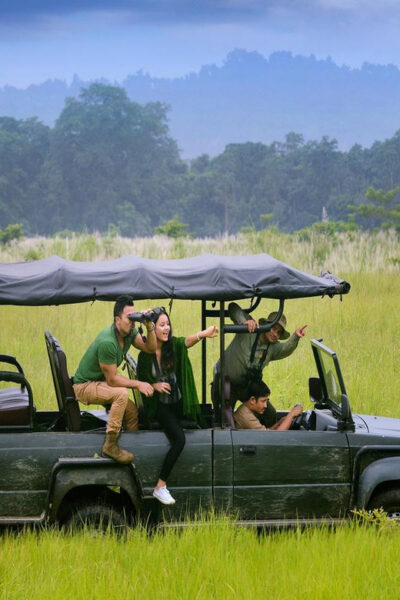
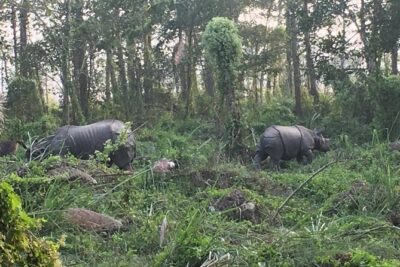
Finally, you go into the jungle jeep safari. This is the moment most people remember: the chance to spot the headline animals. The tour is designed for wildlife encounters, including one-horned rhinos and Bengal tigers, along with other wildlife like deer and crocodiles.
Here’s the practical truth: you’re not controlling where animals are. What you can control is your readiness. Dress comfortably, keep your water handy, and listen closely when the naturalist calls out what you should be watching. If your goal is rhinos, tigers, and the big mammals, the jeep session is where you’re aiming hardest.
What to expect physically: you’ll be sitting in a vehicle for some time, then standing or shifting your position for viewing. Comfortable footwear and breathable clothing help you focus instead of fidgeting.
Day 3: breakfast, departure, and an optional sunrise birdwatch walk
Day 3 starts with breakfast and then you depart back to Kathmandu or Pokhara. The tour is short, so there’s no long, stretched-out finale. The tradeoff is that you get a compact itinerary with packed days.
There is also an optional early morning birdwatching walk before you leave. If you’re the type who likes quiet mornings and wants one extra wildlife chance, this can be a peaceful send-off.
If you skip the optional walk, you’ll still have a full tour day value from the earlier nature walk, canoe time, and safari sessions. Either choice fits the trip’s rhythm.
Lodges, meals, and what “all-inclusive” means here
This package is all-inclusive in the way that most people really care about. You get:
- All meals (breakfast, lunch, and dinner) during the trip
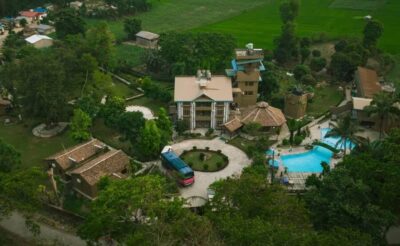
- Accommodation at a jungle lodge or eco-resort
- National park entrance fees
- All jungle activities
- Pickup and drop-off from your Kathmandu or Pokhara hotel
- Guided wildlife experiences with an English-speaking naturalist
I also like that the safari experience is paired with comfortable stays. The idea is modern comfort in a natural setting, so you’re not paying extra for convenience after a long day. In real terms, that means you’re more likely to show up rested, snack-ready, and ready for the next wildlife window.
From the trip’s quality cues, cleanliness and food tend to be a strong part of the experience. That matters more than people think. A bad meal and a dirty room can drain energy fast in a wildlife trip where you need sleep.
Languages, group size, and how to make the guide part count
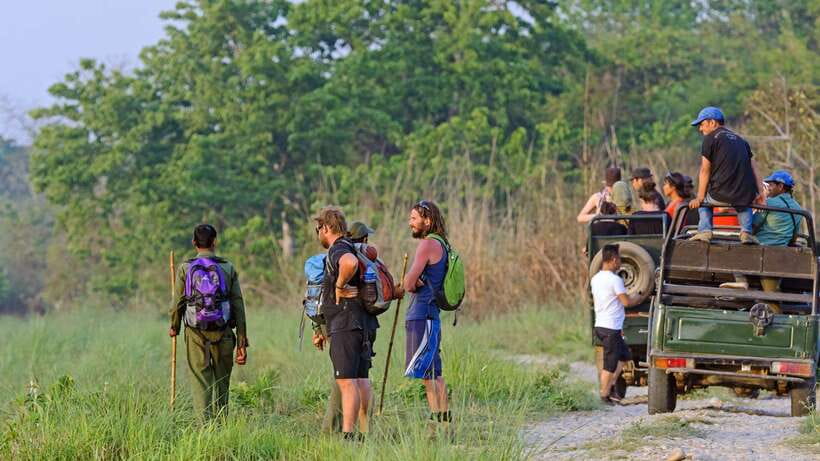
The tour offers a live English, Hindi, or Chinese guide. That’s helpful because you can ask real questions about what you’re seeing, especially during the nature walk and jeep safari.
Because the tour is a private group, you should expect the schedule to feel more tailored than a bus-load format. Even if you don’t ask many questions, a guide can help you interpret animal tracks, bird calls, and habitat details so you feel like you’re getting something more than just luck.
Quick strategy for you: before you go out each day, ask one simple question in the first viewing window. Something like, what should we watch for here, or what signs matter most? You’ll likely get a better answer than you’d expect, and you’ll feel more connected to the hunt.
What to pack for Chitwan comfort and safety
You don’t need anything fancy, but you do need practical gear. Bring:
- Comfortable shoes (for nature walks and getting in and out of vehicles)
- Sunglasses
- Sun hat
- Comfortable, breathable clothes
Also remember: drones are not allowed. If you travel with one, leave it at home.
If rain happens, your best defense is clothing that dries quickly and doesn’t make you miserable. Since your program includes a sunset component on Day 1, having a basic plan for wet conditions is worth it.
Price and value: is $123 a fair deal for 3 days in Chitwan?
At about $123 per person for a 3-day package, the big question is what you’re actually paying for. Here, you’re not just buying transport to a park. You’re paying for a full bundle:
- Round-trip hotel pickup and drop-off from Kathmandu or Pokhara
- Luxury coach transport both ways
- Park entrance fees
- Accommodation
- All meals
- Naturalist-guided activities
- Jeep safari, canoe rides, nature walk, and birdwatching time
When a package covers transport, meals, lodging, and park fees, you avoid the “nickel and dime” feeling that can happen when you plan a safari separately. You can compare the cost to an unbundled trip, but even without doing math, you’ll feel the difference in convenience.
Also, the tour’s structure is efficient. Two to three days is a sweet spot where you can do more than one type of wildlife activity. That’s part of what makes this value believable.
Who should book this Chitwan safari (and who should pause)
This tour is a good fit if you want:
- A wildlife-focused trip with both jeep and canoe experiences
- A culture component through the Tharu village and dance show
- A guided plan that keeps you safe and helps you spot more
It’s also listed as suitable for adventure seekers, couples, families, and nature lovers. That makes sense because the itinerary has variety. You’re not stuck doing only one style of activity.
One group should pause: it is not suitable for people with animal allergies. If that includes you, take it seriously and consider a different type of Nepal trip that doesn’t involve wildlife-focused settings.
Should you book: my straight answer
Book this tour if you want an organized, all-in wildlife experience with a cultural evening, and you’re happy to start early and move at a safari pace. The mix of Rapti River canoe time, jungle walking, and a proper jeep safari gives you multiple ways to see wildlife, not just one long shot.
Skip it or rethink your fit if you know you’ll be stressed by early mornings or if animal exposure could be a problem for you. And if you hate weather risk, keep expectations flexible for sunset on Day 1 since rain can interfere with the best views.
FAQ
Can I choose pickup and drop-off from Kathmandu or Pokhara?
Yes. Pickup is available from Kathmandu or Pokhara, and drop-off is also available to Kathmandu or Pokhara.
What time is the pickup?
Pickup time is 6:30 AM. You’ll need to mention your pickup location when booking.
What does the tour include?
The tour includes pickup and drop-off from your hotel in Kathmandu or Pokhara, round-trip luxury coach transport, all meals, accommodation at a jungle resort or lodge, an English-speaking trained naturalist, national park entrance fees, and all jungle activities.
Are meals included during the trip?
Yes. All meals, including breakfast, lunch, and dinner, are included during the 3-day tour.
What languages does the guide speak?
The live tour guide speaks English, Hindi, and Chinese.
Is the tour suitable for people with animal allergies?
No. The tour is not suitable for people with animal allergies.
Are drones allowed?
No. Drones are not allowed.
How flexible is booking and cancellation?
You can reserve with a pay-later option, and you can cancel up to 24 hours in advance for a full refund.
Latest Chitwan write-ups
- Kathmandu/Pokhara: Wildlife, Culture and Jungle Safari Tour★ 4.3 · 17 reviews
- From Kathmandu/Pokhara: 3-Day Chitwan National Park Tour★ 5.0 · 3 reviews
- From Chitwan: Full Day Jeep Safari in Chitwan National Park★ 3.5 · 3 reviews
- From Chitwan : Jeep Safari,Canoeing,Forest walk Day Tour★ 4.4 · 12 reviews
- From Chitwan : Half Day Jeep Safari Tour★ 4.1 · 4 reviews
- Chitwan: Full-Day Safari Canoeing and Jungle Walk and Jeep★ 5.0 · 17 reviews
- 3 Nights 4 Days Chitwan National Park with Tower Night Stay★ 4.4 · 14 reviews
Chitwan Jungle Safari, compared.
3-Day Chitwan Safari Tour with Hotel Transfers
Read our review →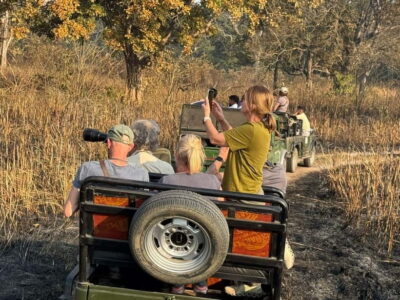
2 Days Chitwan Jungle Safari Tour from Pokhara/Kathmandu
Read our review →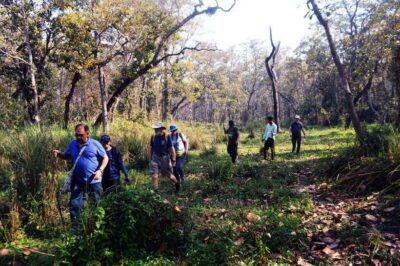
1 Night 2 Days Chitwan Jungle Safari Tour from Kathmandu
Read our review →Browse the lists this tour appears in