
Reviewed · DHAMPUS VILLAGE TREK
3 Days Hiking from Pokhara-Dhampus-Sarangkot
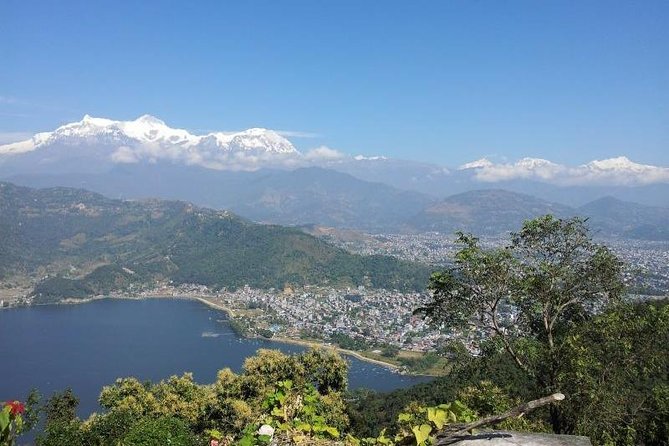
A Dhampus to Sarangkot hillside hike is interesting because it’s short enough to fit into a tight Nepal schedule, yet it still gives you major-peak views from two famous lookout points. I like that the route is paced for a mild trek feel, not an all-out endurance test. I also like having an English-speaking guide who can explain what you’re seeing along the way, instead of you just staring at mountains like a human postcard.
The only real consideration is that this experience depends on good weather, especially for sunrise and clear mountain sight lines. If the hills are socked in with clouds, the timing is still great, but the views can be muted.
Key Highlights You’ll Actually Feel
- Two viewpoint hits in only three days, Dhampus and Sarangkot
- Early-morning start that sets you up for the best light
- English-speaking guiding, including stories and explanations about nature and animals
- Tea house or lodge nights, with breakfast included on two mornings
- Small group size up to 16, so the trek stays organized
Pokhara to the Viewpoints, Why This Short Trek Works
This is one of those Nepal plans that makes sense when you want big scenery without signing up for weeks on the trail. You base yourself in Pokhara, then you climb into the Annapurna lower hill area where the viewpoints do most of the heavy lifting.
What you’ll remember most is not just the final photo at the top. It’s the slow switch from city pace to hill pace, then the payoff twice: once with views from the Dhampus side, and again from Sarangkot, where sunrise and sunset are the whole point.
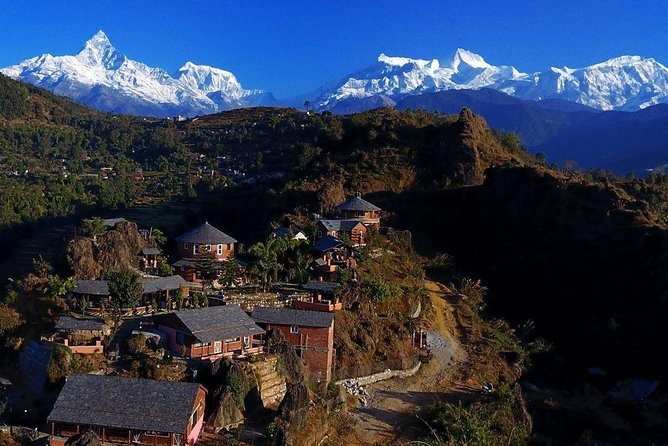
You also get something that many rushed day hikes miss. You’ll spend time moving through villages where local life and farming sit right beside the path, including interaction with Gurung communities and other ethnic groups in the area. It’s not a staged show. It’s part of your walk.
More Dhampus ridge walks:
- 2-Day Private Trekking Tour to Australian Camp & Dhampus
★ 5.0 · 42 reviews - 1-Day Private Dhampus Trekking Tour
★ 5.0 · 35 reviews - Pokhara: Easy Day Hike to Australian Camp & Dhampus Village
★ 5.0 · 24 reviews
Day 1: Private Ride to Phedi, Then Out to Australian Camp
Day 1 starts with an early morning push. You’re picked up from your Pokhara hotel area and then taken to Phedi, the usual launch point for this trek. The transfer is quick, around 30 minutes, so you don’t waste your first morning stuck in a long vehicle ride.
After breakfast, your day shifts from car to trail. The goal is to reach Australian Camp and settle in. This is the kind of first day that helps you find your rhythm. It’s long enough to feel like you earned the evening views, but not so intense that your calves file a complaint for the next two days.
A practical note: even on a short trek, mornings in this region can feel cooler than you expect when you’re coming from Pokhara’s warmer valley temperatures. Wear layers you can peel off while walking, because the sun can hit hard once you gain height.
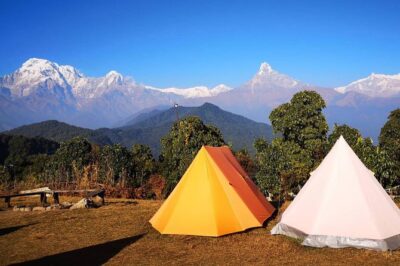
By the end of the day, you’ll stay in a tea house or lodge style setup. Breakfast is included for two mornings total across the itinerary, so Day 1 night is your chance to keep things simple and focus on sleep. Electricity and Wi-Fi can work in some places, but you should not plan your entire trip around perfect connectivity. The good news is that lodging is set up for comfort, and you should have no major day-to-day issues.
Day 2: Australian Camp to Sarangkot (5 to 6 Hours of Scenic Climbing)
Day 2 is the main hike day. You’ll walk from Australian Camp to Sarangkot for about 5 to 6 hours. This is where you’ll feel the “hill trek” part of the plan most clearly. The route climbs and contours, so you’ll get steady effort rather than a single brutal ascent.
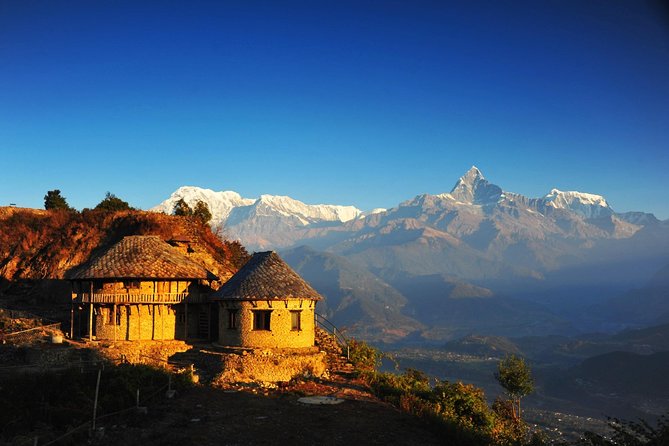
Why Sarangkot matters: it’s a lookout where people come for sunrise, sunset, and mountain views. Even if clouds roll in, the area is still worth it because you’ll get wide-open sky views over the valleys and ridgelines. When the weather cooperates, this is the moment that turns your camera roll from “meh” into “why didn’t I do this earlier?”
Your guide can also make this day richer. In past trips on this route, an English-speaking guide has paced people kindly and explained what you’re seeing, including nature and animals along the way. That kind of guidance matters on a short trek. With less trail time overall, you want your walking hours to teach you something, not just move you from A to B.
Food on Day 2 and your lodge stay is typically practical. You’ll have access to meals at the accommodation, and you can expect the style to be familiar enough if you’re used to Nepali tea house food. One nice detail from a prior experience on this trek: the food was described as similar to what you’d find in the lowlands, which is helpful if you’re worried about eating “mystery meals” far from home comfort.
Day 3: Sarangkot Back to Pokhara, Plus Optional Paragliding
Day 3 keeps it short on purpose. After an early morning breakfast, you trek back from Sarangkot to Pokhara, around two hours of walking. That’s a big relief after the previous day’s longer effort. It also means you can end the trip without feeling totally crushed.
As you descend, the air often changes quickly. You’ll feel the temperature shift as you lose elevation, which makes this day excellent for people who want a satisfying ending without the “one last long climb” disappointment.
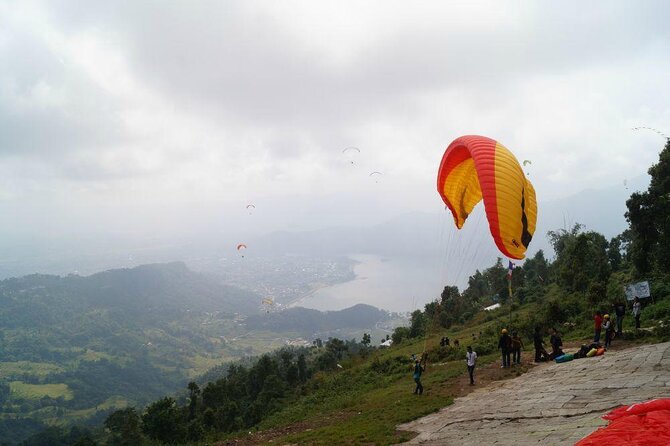
There’s also an optional activity on this day: paragliding from the Sarangkot area. If you do it, it’s not included in the base price, so you’ll pay separately. If you’re sensitive to heights, or you just want to save energy for an easy Pokhara afternoon, skip it and take the walk instead. Two hours down gives you time for a massage, a laundry stop, or a simple lake meal.
More sunrises from Sarangkot:
- From Pokhara: Sarangkot Sunrise Himalayas Tour
★ 4.7 · 218 reviews - Sarangkot Sunrise over the Himalayas
★ 4.8 · 83 reviews - The Best of Pokhara: Full-Day Private Tour with Sarangkot Sunrise
★ 5.0 · 66 reviews - Paragliding at Sarangkot Pokhara
★ 5.0 · 50 reviews
Price and Value: What Your $200 Covers (and What It Doesn’t)
At $200 per person, this trek can feel like good value because several key things are handled for you:
- Private transportation from your Pokhara hotel area to the trek start point
- An English-speaking guide
- Accommodation in tea houses or lodges during trekking days
- All fees and taxes covered in the price
- Breakfast included for two mornings
What you supply yourself:
- Lunch and dinner (not included)
- Paragliding, if you add it
- Personal expenses (snacks, drinks, extra lodging upgrades, that sort of thing)
Also, this is run with a maximum group size of 16 travelers, which is a real quality-of-life factor on a short itinerary. Smaller groups are easier to manage on hills, especially when you’re stopping for photos or waiting for someone to catch their breath.
If you’re comparing against “bare minimum” hikes that only provide a guide and let you sort everything else, this package is more complete. You get the structure, plus the parts that usually eat time and energy, like transportation and lodging basics.
What the Walking Feels Like, and Who It Suits Best
This is described as a mild trail and it fits the idea of a “less than three day walk” with viewpoint payoff. In plain terms, think of it as a starter trek: you’ll walk, climb, and descend, but you are not being asked to commit to long daily distances like on major Annapurna routes.
Still, don’t confuse short with effortless. Day 2 is a half-day commitment. If you’re not used to hiking uphill for hours, you’ll feel it. The good part is your pace should be taken seriously. In a past experience on this trek, the guide was noted for caring about pace and making sure people could keep going.
Best fit:
- You have limited time in Nepal but want actual trekking time
- You want viewpoint highlights without a huge logistics burden
- You prefer guided explanations about what you’re seeing
Not the best fit:
- If you want a totally sedentary trip with only easy photo stops
- If you need 100 percent guaranteed sunrise conditions, because the trek requires good weather
Guides, Culture, and the Small Details That Change the Trip
An English-speaking guide is not just a language perk. On a route like this, it can turn an ordinary walk into a meaningful one.
In prior bookings on this trek, one named professional guide was Ganesh Devkota. The key point for you is not the name itself. It’s the reported style: sharing stories from trekking trips and adding cultural context while you’re on the move. That’s exactly what you want during a short itinerary, because you have limited hours to absorb Nepal. You don’t want those hours spent guessing.
You’ll also get close contact with the local communities in the area, including Gurung people and other ethnic groups. Expect everyday village life to sit alongside the trek path. This is a good setting for respectful interaction, simple curiosity, and being mindful about where you walk and how you behave.
Lodging and Meals: Tea Houses, Electricity, and Staying Comfortable
You stay in tea houses or lodges during the trekking days. That usually means straightforward rooms and meals rather than luxury. The upside is that it’s designed for hikers, so you’ll have a rhythm: rest, eat, hydrate, sleep.
Two meals are included, specifically breakfast (2). Lunch and dinner are on you. That’s common for short treks, but it’s still worth planning for. If you have dietary needs, you’ll want to be ready to ask for what’s available. Carrying a few light snacks can also save you when hunger hits between meal times.
One comforting detail from a prior trek experience on this route: guests reported no problems with Wi-Fi or electricity at their stay. That’s not a guarantee everywhere, but it suggests the lodging choices are reasonably practical for modern travelers. Either way, don’t build your day around internet. Build it around sunrise views and the walk between them.
Timing, Start Time, and How to Prepare
The trek start time is listed as 6:45 am. That early start helps you beat the day’s heat and improves your odds for clearer views later. You’ll also travel early from Pokhara, first to Phedi, then hike toward the first night stop.
Prep tips that actually matter:
- Wear shoes you trust. Hills punish weak footwear.
- Bring light layers. Mornings can feel cool, afternoons can warm quickly.
- Hydrate. Short treks still involve steady effort.
- Pack for photos, but also for real walking. A big bag can turn “short trek” into “annoying trek.”
And because the route depends on weather for best results, keep a flexible mindset. If clouds roll in, you’re still getting village walks and ridge scenery. You just adjust expectations on mountain visibility.
Should You Book This 3-Day Pokhara-Dhampus-Sarangkot Trek?
Book it if you want two major viewpoint moments without burning your whole Nepal trip on the trail. The value is strong because the price covers transport, an English guide, tea house or lodge nights, and breakfast. The pacing works for many people who can manage a few hours of uphill walking, especially since the experience is built around a short, mild trek concept.
Skip or reconsider if you are traveling only for guaranteed sunrise conditions, because the trek requires good weather. Also consider whether you want to add paragliding. It’s optional and not included, so make sure you’re not surprised by extra costs when the moment comes.
If your goal is a satisfying “taste of trekking” with serious Himalayan views, this one is a smart choice.
FAQ
Where is this trek based?
This experience takes place in Pokhara, Nepal, with trekking starting at Phedi and viewpoints including Dhampus and Sarangkot.
How long is the trek?
The trek lasts about 3 days.
What is the price per person?
The price is $200.00 per person.
Is pickup included?
Yes. Pickup is offered, and the tour includes private transportation.
What time does the experience start?
The listed start time is 6:45 am.
Is an English-speaking guide included?
Yes. The tour includes an English speaking guide.
What kind of accommodation do you stay in?
You stay in tea houses or lodges during the trekking days.
What meals are included?
Breakfast (2) is included. Lunch and dinner are not included.
How long is the hike on the second day to Sarangkot?
The walk from Australian Camp to Sarangkot is about 5 to 6 hours.
Is paragliding included?
No. Paragliding is optional and not included.
What is the maximum group size?
The tour has a maximum of 16 travelers.
Latest Pokhara write-ups
- Sunrise View from Sarangkot★ 5.0 · 3 reviews
- Beautiful Sarankot Sunrise with Full Day Sightseeing in Pokhara★ 4.5 · 3 reviews
- Sarangkot Sunrise Tour in Private Car★ 5.0 · 3 reviews
- Pumdikot Mahadev Status and Peace Stupa Hiking Private Tour★ 4.5 · 3 reviews
- Pokhara: Dhampus Easy Trek for Families with YoungKids 2 Day Tour★ 5.0 · 3 reviews
- Pokhara: Private Car Drive Tour to World Peace Stupa★ 5.0 · 3 reviews
- 5-Day Private Farming Experience in Nayapul with Accommodation★ 5.0 · 3 reviews
- Transfer to Lower Mustang (Jomsom)★ 5.0 · 3 reviews
Dhampus Village Trek, compared.
Browse the lists this tour appears in