
Reviewed · 5-DAY EXPERIENCES
5-Day Private Farming Experience in Nayapul with Accommodation
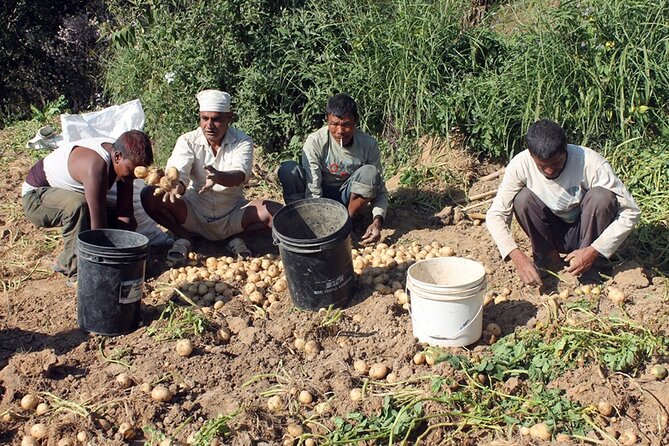
This is the kind of Nepal trip where you stop watching nature and start working with it. A 5-day private farming experience in Nayapul means real village mornings, real field time, and a home stay with a farmer family that gives you context for how small-scale farming actually runs. I love the hands-on approach, where you till, plant, and take part in the day’s tasks with the tools the community uses. I also like the food, it’s cooked with the homestay rhythm in mind and it tends to feel especially organic and fresh.
One thing to consider: this is not a light walk-and-snack day tour. Expect a tiring field schedule on multiple days, plus you’re more exposed to weather, so good conditions matter for the whole experience.
Key Highlights Worth Planning For
- Private, on-your-group pace with a dedicated farming guide and family hosting you
- Hotel pickup in Pokhara at 8:30 am, then a scenic drive plus a short hike to reach the rural village
- Ancient-style tools and practical field work, not just a lecture
- Home stay accommodation with family, including breakfast, lunch, and dinner throughout the week
- A day-by-day farming rhythm, with morning and day shifts on the tougher work days
- A closing certificate and farewell, which makes the work feel officially recognized
Why Nayapul Farming Feels More Real Than a Typical Tour
If you’ve ever felt like most trips pass by too fast, this one slows you down in a very useful way. In Nayapul, agriculture is not an optional “activity,” it’s daily life. That difference matters. When you work a field and share meals in the same household, you start to understand the logic behind seasonal planting, the tools people rely on, and how work is timed around weather and growth.
I especially like that the experience is built around doing, not just watching. You’re given the necessary tools, you get monitored while you work, and you’re taught methods of seasonal farming. That kind of structure helps even if you’re a total beginner. And because it’s private for your group, you’re not stuck behind a big crowd or rushed through a script.
The other thing I value is the focus on traditional, almost ancient techniques. You’ll learn how cultivation works when people are using tools and methods that have been passed down. That does not mean it’s frozen in time. It’s still practical work using what fits the land and the season.
More farm visits in Pokhara:
- Pokhara: Organic Farm Tour and Cooking Class at Durku
★ 5.0 · 3 reviews
Price and Value: What $250 Gets You in Plain Terms
At $250 per person for about 5 days, the value depends on what you want most. If you want a modern “experience package” with lots of sightseeing stops, this is probably not the best fit. If you want authentic village life where your hands are actually in the process, the package makes sense.
Here’s what you’re getting, in practical terms:
- Transport between Pokhara and the start point, plus pickup and drop off
- Farming guide support, including a rural agriculture coach session and hands-on monitoring
- All tools for farming
- Home stay accommodation with family
- Meals: 4 breakfasts, 5 lunches, and 4 dinners
- A certificate and farewell acknowledgment at the end
- A mobile ticket approach and admission tickets are free as part of the activity
The cost is lower than you might expect for five days of private attention plus full meals plus homestay lodging. The trade-off is comfort level. This is a village-based stay with a work-first schedule. If you’re looking for plush hotels and late breakfast, you’ll want to adjust your expectations before you go.
Day 1: From Pokhara Hotel Pickup to Your Homestay Welcome
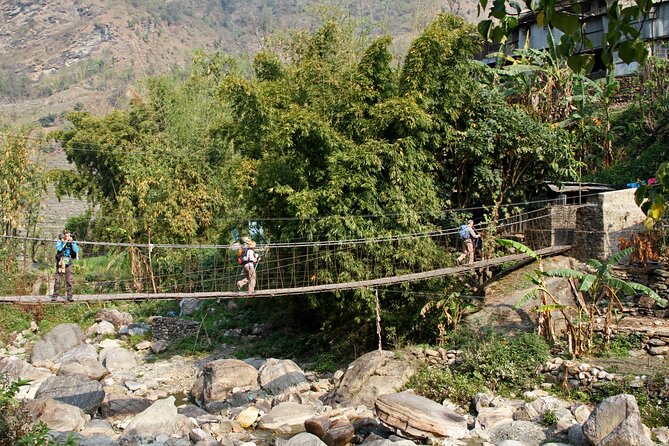
Your day begins with hotel pickup at 8:30 am in Pokhara. From there, you take about a 1 hour 20 minute scenic drive to Nayapul, followed by a 30 minute hike to reach the rural village. That first movement is a good thing, it gently shifts you from city pace into hillside rhythm. You get time to stretch your legs, and you also start feeling the scale of rural access.
Once you arrive at the homestay, you get an introduction session with the head of the house and family. This matters more than it sounds. Farming is not only about technique, it’s about household roles and local timing. A solid welcome helps you understand what’s expected of you during the next days and how you fit into the day.
Day 1 is shorter than the work days, with around 4 hours listed for this portion. That’s a smart design choice because you need energy for the field schedule ahead.
Tip for your comfort: plan on bringing a light day bag, plus anything you want for sun and sweat, because you’ll be outdoors soon after pickup and during the hike.
Day 2: Seasonal Farming Lessons, Then Field Demonstrations
After breakfast, the rural agriculture coach shares methods of seasonal farming. This is the “why” portion. You learn how people think about timing, crop behavior, and the basics of how seasonal work connects to the harvest cycle. Even if you only remember a few points, it helps you interpret what you see in the field later.
Then you move from classroom talk to practical demonstration. After lunch, the farmer takes you to the field to show how it works and what to do. This is where the experience starts feeling real. You stop treating farming like a set of isolated chores and start seeing it as a sequence.
Day 2 totals around 7 hours, so it’s not just a quick taste. It’s long enough to ask questions and try small tasks. The balance of coaching plus demonstration is ideal for beginners, because you’re not left guessing.
Good to know: admission tickets are free as part of the activity, and you’re not expected to arrange extra entrances or pay for on-site access.
More to compare around Pokhara
- ZipFlyer Nepal – The World’s Steepest Zip-line
★ 5.0 · 608 reviews - Bungee Pokhara by HighGround Adventures
★ 5.0 · 366 reviews - From Pokhara: Sarangkot Sunrise Himalayas Tour
★ 4.7 · 218 reviews - ATV Adventure Tour in Pokhara, Nepal
★ 5.0 · 194 reviews
Day 3: Hands-On Work With Tools, Morning to Day Shifts
This is one of the toughest days, and it’s also the day you’ll remember most. You use the necessary tools for farming directly with a farmer guide monitoring you. Instead of being a passive observer, you work with guidance.
Your schedule is described as work in morning and day shifts, including instruction and time before and after lunch. That split matters because it mirrors how field work is paced when conditions change through the day. It also gives you a break window rather than a single long block of continuous labor.
Day 3 is listed as about 6 hours, but don’t judge by hours alone. Field work is physical. Even if the tasks aren’t complicated, your body will feel it in your legs, back, and hands. If you like practical experiences and don’t mind getting a little tired, this day is where the value really shows.
Who this suits: people who enjoy learning by doing, and who like to connect with local life rather than just “see” it.
Day 4: A Second Field Day, More Confidence in Your Movements
Day 4 is more of the same in the best way, you work in the field again for about 6 hours. The point of a second field day is simple: the first day teaches you what to do, and the second day lets you do it with better rhythm.
If Day 3 felt like a lot, Day 4 gives you a chance to apply what you learned. You’ll likely move faster, ask smarter questions, and understand why certain steps come before others. Even without advanced farming knowledge, that repeat day builds confidence quickly.
This is also a good time to notice how the family or farmer manages expectations. You’re not trying to “perform farming,” you’re joining it. That mindset shift helps your learning stick.
Day 5: Farewell, Acknowledgement of Your Work, Then Back to Pokhara
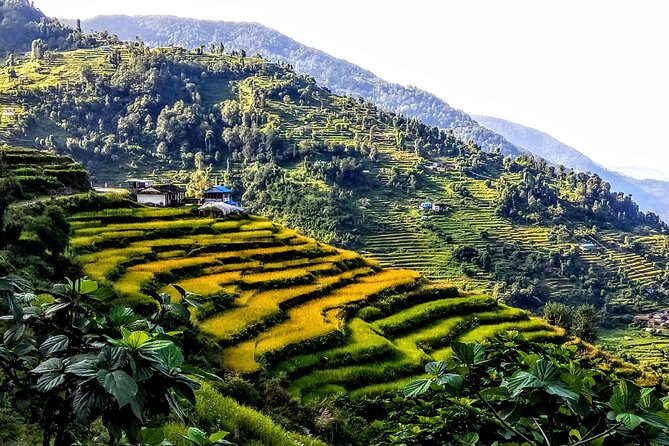
Your final day is structured like a closing chapter. There’s an acknowledgement of your work and a farewell program led by the head of the family and the farmer. That’s not just ceremonial. When someone recognizes your effort, it reinforces that you were not there as a tourist taking photos. You were participating.
After lunch, you walk for about 40 minutes and then take a bus back to Pokhara. When you arrive, the experience includes taking you to the office to award you with a certificate, and then dropping you back at your place.
Day 5 is about 4 hours, which makes it a good final travel day. You still end with something tangible, a certificate, and a feeling of closure.
Nice touch: this kind of ending turns your “I worked in a field” memory into something you can explain later without sounding vague.
What You’ll Actually Do in the Field (and How Ancient Tools Change the Lesson)
The experience is described as using almost ancient tools and traditional techniques. In real terms, that usually means you’re learning with tools that require correct body positioning and patience. You won’t just push buttons. You’ll learn how effort translates into results, and how the land dictates what happens next.
Expect participation across key steps such as:
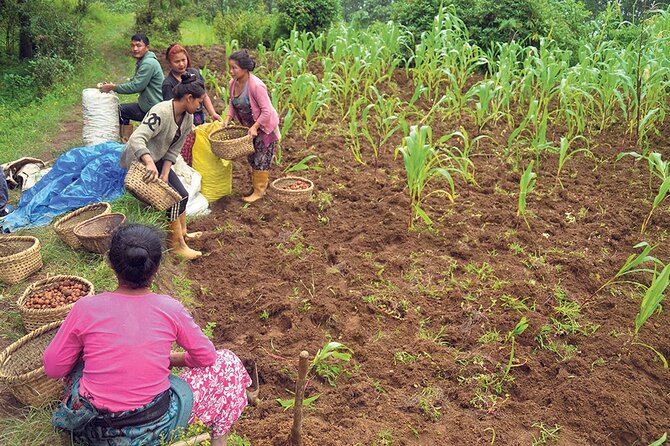
- Tilling the soil
- Planting seeds
- Cultivating crops
You’ll also have monitoring from your farmer guide. That reduces the risk of doing things wrong, and it increases the learning speed. Even if you only contribute part of the process, you’ll see the full chain enough to understand why small changes can matter.
Sustainable farming is also part of the theme. It’s described as small-scale rural farming in Nepal that introduces environmentally friendly approaches. You likely won’t be handed a science textbook, but you’ll see the practical side of sustainable methods through how the farmer works and why the tools and process are kept simple and repeatable.
Comfort, Accommodation, and the Reality Check on a Homestay
The accommodation is a home stay with a family, and meals are included. That’s a major plus if you want to eat with the people you’re learning from. Breakfast is included 4 times, lunch 5 times, and dinner 4 times, which means you won’t be scrambling for food between activities.
That said, homestay life is not the same as a hotel. The experience is built around farm work. So even if the family welcomes you warmly, your daily schedule is work-forward. Plan for basic simplicity and for the fact that you might be tired when you return.
A practical strategy: pack light, bring layers for cool mornings or evenings, and plan to get dirty. That doesn’t mean you should go unprepared, it just means you should treat this like fieldwork, not a photo tour.
Who This Farming Experience Is Best For
This trip is a strong match if you want:
- Hands-on learning and direct participation
- A cultural exchange style experience that centers daily work
- A break from city life, especially if you’re craving slower, nature-based routines
- A private setting where you can ask questions and learn at your pace
It’s also a good idea if you and your group are flexible. The schedule spans multiple days, and the field work is intentionally tiring.
The most common possible mismatch is if you want a comfortable, low-effort itinerary. This is farming, and the work is real on multiple days. If you have mobility limitations, high sensitivity to strenuous activity, or you need a very cushy routine, you may want to choose something less physically demanding.
A Few Practical Tips Before You Go
You’re doing a mix of driving, hiking, and field labor, so preparation matters.
Bring:
- Light gloves if you have them, fieldwork can be rough on hands
- Sun protection for the daytime shifts
- A small towel and basic wash items
- Comfortable shoes that can handle uneven ground (you’ll hike on Day 1)
During the stay:
- Pace yourself, Day 3 and Day 4 are the most demanding
- Expect to follow instructions closely, your guide will monitor you and correct technique if needed
- Keep alcohol out of your plan, alcoholic beverages are not included
And one mindset tip that helps a lot: treat learning as part of the work. If you go in hoping for perfect results, you’ll be stressed. If you go in hoping to understand the process, you’ll have a better time.
Should You Book the Nayapul 5-Day Private Farming Stay?
I’d book this if you want a meaningful Nepal experience that actually changes what you know and how you see daily life. The value is strong for the mix of private attention, full meals, homestay lodging, and tools provided. The most praised parts of this kind of trip are also the ones this itinerary supports best: you get close to nature, you learn real farming skills, and you share food that feels like it comes from the household you’re staying with.
Skip it if you hate physical work, want lots of sightseeing, or need hotel-style comfort and a lighter schedule. Also, because it depends on good weather, it’s not a great pick if you’re traveling in a week where conditions are unstable and you can’t be flexible.
If your goal is to trade city time for village work and come home with hands-on understanding, this is a smart choice.
FAQ
What time does the experience start in Pokhara?
Pickup is scheduled for 8:30 am from your hotel in Pokhara.
How do I get from Pokhara to Nayapul?
You take about a 1 hour 20 minute scenic drive to Nayapul, then hike for about 30 minutes to reach the rural village and homestay.
What is included in the tour?
The tour includes transportation, a farming guide for rural agriculture sessions, all tools for farming, homestay accommodation with the family, hotel pickup and drop off, and meals (4 breakfasts, 5 lunches, and 4 dinners).
Do I need to pay for admissions?
Admission tickets are listed as free as part of the experience.
Will I be doing hands-on farming or only watching?
You participate in farming activities using the necessary tools, including work in the field across multiple days, with monitoring and instruction from a farmer guide.
How long is the farming work during the middle days?
Day 2 is listed at 7 hours, and Days 3 and 4 are listed at about 6 hours each, with field work in morning and day shifts on the tougher days.
Is this tour private or shared?
This is a private tour or activity, meaning only your group participates.
Are alcoholic beverages included?
No. Alcoholic beverages and personal expenses are not included.
What happens on the last day?
You’ll have an acknowledgement of your work and a farewell program, then walk for about 40 minutes, take a bus back to Pokhara, get a certificate at the office, and then be dropped back at your place.
Latest Pokhara write-ups
- Sunrise View from Sarangkot★ 5.0 · 3 reviews
- Beautiful Sarankot Sunrise with Full Day Sightseeing in Pokhara★ 4.5 · 3 reviews
- Sarangkot Sunrise Tour in Private Car★ 5.0 · 3 reviews
- Pumdikot Mahadev Status and Peace Stupa Hiking Private Tour★ 4.5 · 3 reviews
- Pokhara: Dhampus Easy Trek for Families with YoungKids 2 Day Tour★ 5.0 · 3 reviews
- Pokhara: Private Car Drive Tour to World Peace Stupa★ 5.0 · 3 reviews
- Transfer to Lower Mustang (Jomsom)★ 5.0 · 3 reviews
- Landing Helicopter at Annapurna base camp from Pokhara tour★ 5.0 · 3 reviews
5-Day Experiences, compared.



5 Day Annapurna Base Camp Trek & Natural Hot Spring
Read our review →
5 Day Private Guided Trekking in Annapurna Base Camp
Read our review →
The Best of Nepal : 5-Day Trek to Ghorepani Poon Hill & Ghandruk
Read our review →
UNESCO World Heritage Sightseeing Tour in Kathmandu – 5 Days
Read our review →Browse the lists this tour appears in