
Reviewed · ANNAPURNA BASE CAMP TREK
Annapurna base camp trek 5 Days
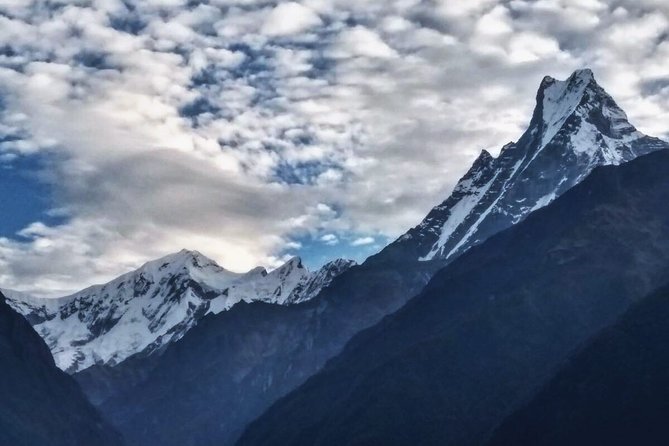
This Annapurna Base Camp trek is interesting because it keeps things short while still delivering serious mountain drama, including views of Machhapuchare (the iconic Fish Tail) in the Annapurna Range. The route is built around classic tea house trekking, so you get that real rhythm of walking, stopping, eating, and sleeping in the high Himalaya.
I love that your English speaking guide handles the moving parts, from permits to day-to-day timing, so you can focus on the trail. I also like that the package takes care of practical trek needs like tea house accommodation, meals on the trek, and even key cold-weather gear like a down jacket and sleeping bag.
One possible drawback to consider is trip quality can hinge on small logistics, like water treatment. A couple of bad experiences tied to missing water purification tablets, so you should plan to bring your own backup (more on that below).
Key things to know before you go
- Short classic route: Built as a quick Annapurna Base Camp experience using tea houses instead of camping.
- Arrangements included: Permits, meals on trek, and a guide so you are not stitching together details day by day.
- Gear included for cold nights: Down jacket and sleeping bag are provided in the package.
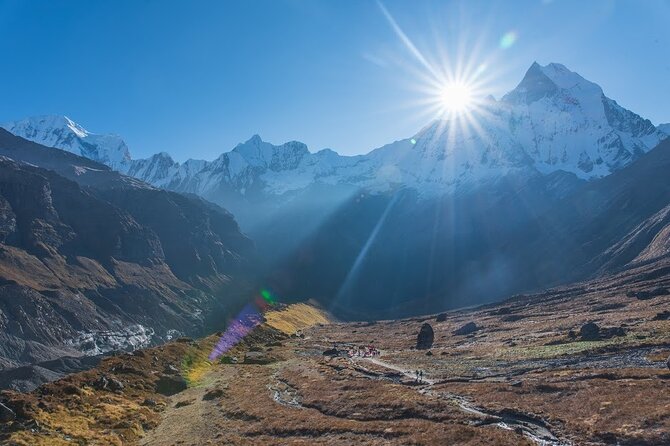
- Strong mountain focus: Expect big viewpoints tied to Machhapuchare and Annapurna.
- Small group size: Maximum of 12 travelers, which usually keeps communication easier.
- Plan for water treatment: If tablets are forgotten, you can end up paying or scrambling in the moment.
A Quick Reality Check on This 6-Day Annapurna Base Camp Trek
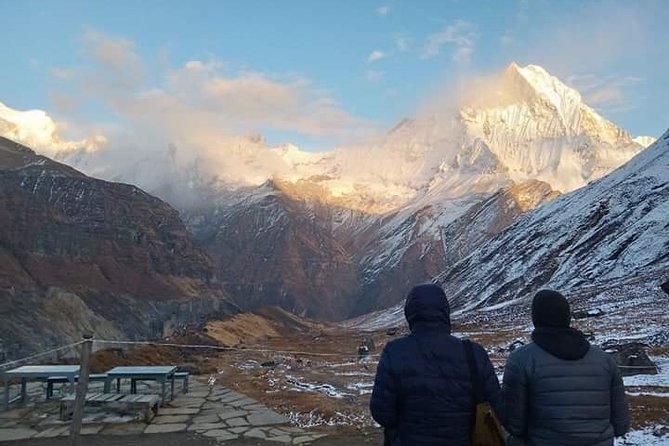
Even though it is marketed as a 5-day Annapurna Base Camp trek, it plays out as a 6-day adventure once you include the Kathmandu to Pokhara travel day and the return day. That matters, because you will start in Kathmandu area, switch to Pokhara, then spend the core days hiking toward and around Annapurna Base Camp.
The big promise here is the short Annapurna Range taste: forests, ridgelines, village stops, and then the high point of Annapurna Base Camp. This is one of those treks that feels achievable compared with longer routes, but it is still in the mountains. You should expect steady uphill and some steep sections, especially on the back half when the trail drops toward Chomrong and then toward Jhinu hot spring.
Pricing is $699 per person, and the value depends on what you would otherwise pay for on your own. This package includes airport pickup and drop-off, transportation to Pokhara and around the trek area, permits, a trekking guide, and most importantly, meals (breakfast, lunch, dinner) plus tea house lodging during the trek days. It also includes down jacket and sleeping bag, plus a hiking t-shirt and a certificate of achievement. That bundle is where the savings typically show up for solo travelers or anyone who does not want to coordinate logistics.
More routes into the Annapurna Sanctuary:
- 14-Day Private Annapurna Base Camp Trek
★ 5.0 · 180 reviews - Annapurna Base Camp Trekking
★ 5.0 · 116 reviews - Annapurna Base Camp Trek
★ 5.0 · 111 reviews
Day 1 in Nepal: Kathmandu to Pokhara Lakeside
You start early, with a 6:45 am start time. The first leg is a scenic drive from Kathmandu to Pokhara using the Prithvi highway by tourist bus. The main point of this day is not the walking. It is getting you into position, easing your nerves, and giving you a soft landing before trekking begins.
Once you reach Pokhara, you spend time around the Lakeside area. The key benefit is practical: Pokhara is where you do your prep shopping, eat real meals, and get a handle on how you will feel the next morning. Even if you are a seasoned traveler, this pause helps. Your body tends to do better when you are not trying to pack, plan, and sleep well while also worrying about the first day climb.
If you have limited days in Nepal, this structure is a good fit. It also helps that your pickup and transportation are handled, including airport pick and drop-off (so you are not hunting for rides right after landing).
Day 2 Trail Starts: Birethati, Siwai, and Chhomrong Cottage
After breakfast in Pokhara, you head to Siwai by local jeep. The drive is about two hours, and there is a stop at Birethati along the way. I like that the day builds in a transition. You are not immediately thrown into steep climbing from the get-go.
Birethati functions as an entering point, which usually means you are stepping from the easier road segments into the trekking environment. From there, the day’s movement takes you toward Chhomrong Cottage for overnight. Chhomrong is a well-known area on Annapurna routes because it gives you a strong sense of the terrain, and it is typically where trekkers start feeling the “real trek” vibe.
A drawback to keep in mind: jeep days can involve bumpy roads and a bit of body fatigue. That is not a reason not to go. It is just why you want to keep your first trekking day mindset flexible. On Day 2, you are mostly learning your pacing, testing your pack weight, and figuring out how your legs feel after sitting and bouncing in transit.
Day 3 Upper Sinuwa and the Sunrise Ritual
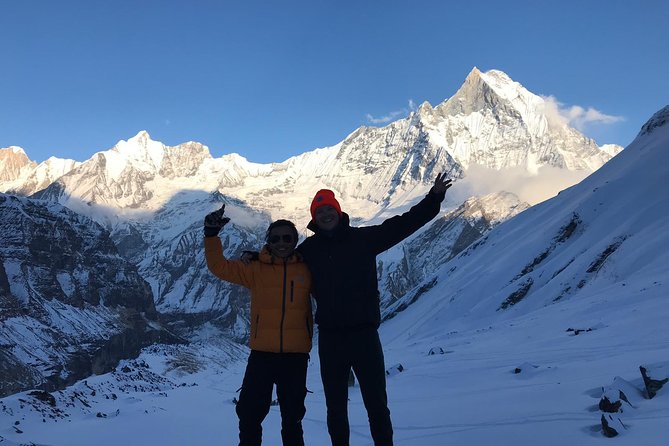
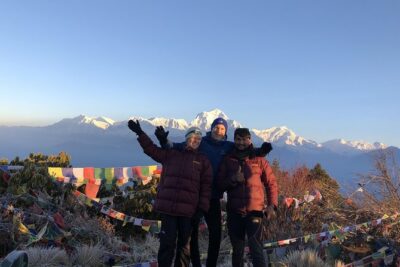
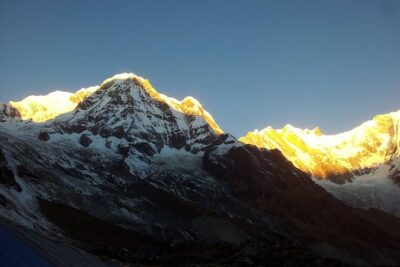
Day 3 is where the trek starts to feel more magical, because you get an early morning setup at a lodge in Upper Sinuwa. You wake up to tea and, depending on weather, you may catch sunrise views over the White Mountain. Even when visibility is not perfect, the morning routine is still worth it. Tea first, then a slow look around. It makes you slow down for a minute in a way that a normal day of sightseeing never does.
You then descend as part of the route, moving through the rhythm of mid-trek trekking. The highlight here is that Sinuwa area tends to give you a front-row seat to high peaks when the clouds behave. And you are still within reach of lodges and tea house comforts, so it stays grounded.
Practical consideration: sunrise is a weather-dependent event. This trek requires good weather to run in the way you hope, and that theme matters across the whole trip. If the sky is hazy or rainy, you may not get the crisp views you expected. Still, you will get the trail experience, and that can be satisfying too.
More to compare around Kathmandu
- Everest Base Camp Trek – 14 Days
★ 5.0 · 1,499 reviews - Everest Base Camp Trek
★ 5.0 · 842 reviews - Private Kathmandu Sightseeing Tour | UNESCO World Heritage sites
★ 5.0 · 756 reviews - Kathmandu: 7 UNESCO Sites with Lunch
★ 4.8 · 744 reviews
Day 4 The Big Push: Reaching Annapurna Base Camp on Foot
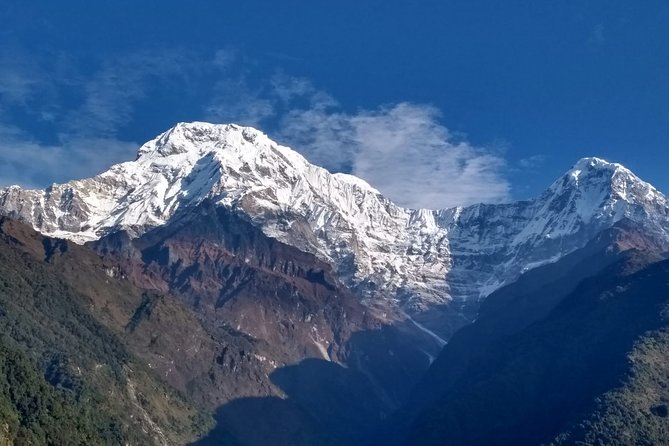
This is the day that changes the whole trip. After breakfast, you start the trek with the goal of reaching Annapurna Base Camp, known as one of Nepal’s classic short routes. The trek is positioned as the journey to Base Camp of the 10th tallest mountain in the world, and that gives you the right mental target: today is about payoff.
On the way up, you pass through stretches of rhododendron, bamboo, and oak forests, then gradually move into higher terrain where the air feels thinner and the views open up. Even if you have seen mountains before, the scale near Base Camp is hard to fake. It is not just height. It is the way the valley walls frame the sky.
Logistically, the structure is simple: breakfast, walk toward Base Camp, arrive, and take in the moment. This kind of day is where a good guide matters most, because they keep the pacing steady and help you avoid burning out too early. It also helps that permits and arrangements are already handled, so you are not stopping for admin tasks.
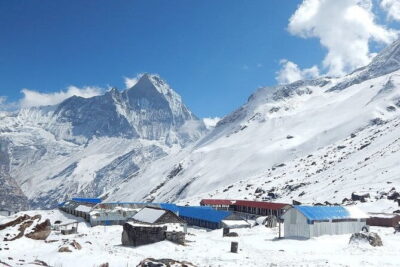
One thing to plan for mentally: Base Camp is not a city you live in. Tea houses exist, but you will still feel like you are operating in a mountain environment. That means you will want to be ready for changing conditions, especially temperature drops and wind. Pack layers you can manage quickly, and keep water and snacks in reach so you do not lose time when the weather shifts.
Day 5 Sunrise Views and the Machhapuchare Moment
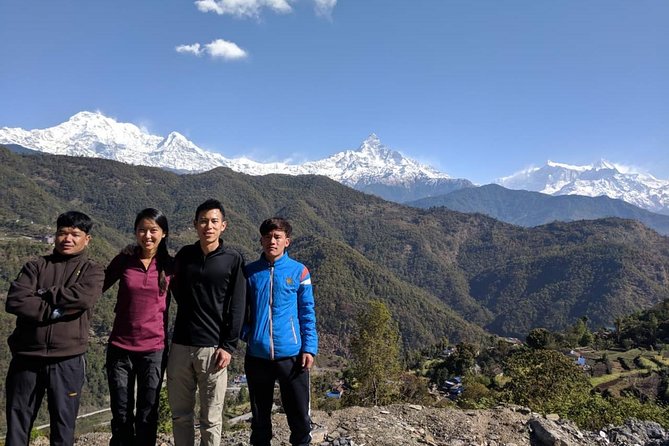
Day 5 brings you back into a viewpoint-focused morning. You wake up for sunrise experiences at the lodge area in Sinuwa, walking up a bit to explore and then enjoying breakfast with big vertical mountain views above you, including Machhapuchare and Annapurna.
This is the day where the trek’s theme comes full circle. Day 4 is about getting to Base Camp. Day 5 is about letting the mountains linger in your mind a little longer before you turn toward the return.
Then you continue onward, following the general trail patterns toward the next overnight area. The key here is not just the walking, it is how you feel after standing at Base Camp, then doing one more sunrise. For many people, that extra morning is the difference between a checklist trek and a memorable trek.
Day 6 Return Route: Chomrong, Jhinu Hot Spring, and Back to Pokhara
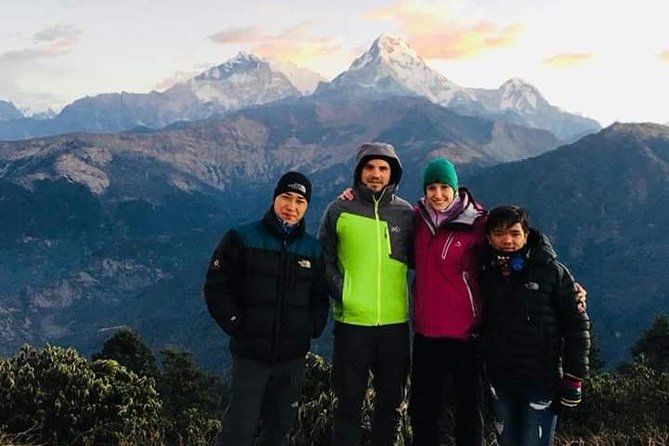
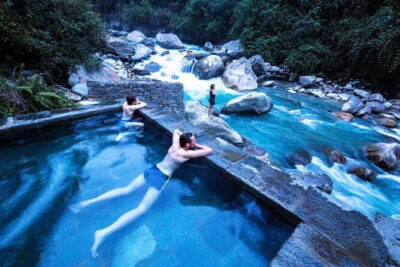
The return day starts with breakfast, then you follow the trail back until Chomrong. From Chomrong, the route descends steeply toward Jhinu hot spring. That descent is the part of the trek where legs can complain, and this is where having a steady pace earlier pays off.
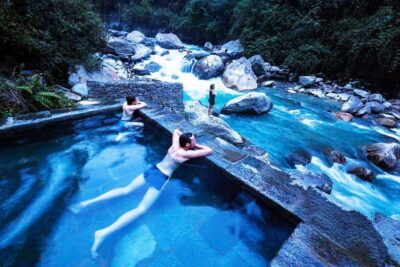
Jhinu hot spring is built into the day, so it gives you a chance to treat sore muscles like an afterthought instead of a problem you carry for days. The plan continues down to Siwai (about two hours), then you take a local jeep onward. The last stop is back around Pokhara, including time at a Pokhara Museum area.
I appreciate that the return is not just “walk until done.” It includes a recognizable rest-and-recovery moment via hot spring, and then a final activity back in Pokhara so your day feels complete rather than abruptly ending at the trailhead.
Price and Logistics: Is $699 Good Value?
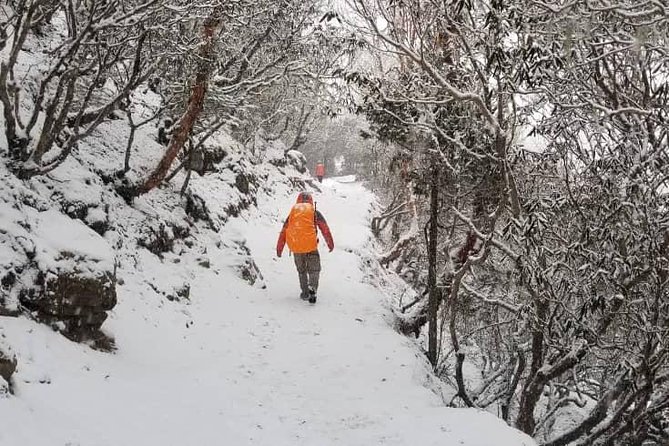
At $699 per person, this trek can be a strong value if you care about simplicity. Here is what you are effectively buying: transportation from Kathmandu and around the trek, the trekking permits, an English speaking guide, tea house lodging during trek days, and the full set of meals on trek days (breakfast five, lunch five, dinner five). You also get down jacket and sleeping bag, plus the package includes a hiking t-shirt, certificate of achievement, and a farewell dinner.
If you were to build this yourself, costs often creep up fast once you factor in guide fees, permits, logistics in Pokhara, and gear rental. The package also reduces friction, which matters if you are coming in with limited time and you want the trip to run on schedule.
But value depends on your comfort with guided travel. If you prefer total independence, the “guide handles arrangements” approach might feel limiting. The maximum group size of 12 helps here, since smaller groups usually feel less chaotic than bigger bus tours.
Gear, Meals, Permits, and the Tea House System
One reason Annapurna Base Camp treks work for first-timers is that tea houses let you skip camping. In this trek, tea house accommodation and meals are included during the hiking portion, which means you are not spending every day hunting for food or figuring out what costs extra.
Cold-weather comfort is also addressed. You get a down jacket and sleeping bag as part of the package. That is a big deal. It reduces the need to rent gear in Nepal or to buy your own for one trip.
Permits are included, which is not a glamorous line item but it protects you from the hassle of figuring out paperwork while you are in motion. Having permits handled lets you focus on the trail instead of logistics.
Meal quality varies in mountains everywhere, so you should keep expectations practical. You will likely find familiar options, plus you can usually count on warm drinks and hearty choices. The real win is the certainty that you have breakfast, lunch, and dinner planned as part of your trek rhythm.
Water Tablets and Guide Preparedness: Protect Yourself
Two negative experiences in the review signal a clear pattern to watch for: water treatment and guide preparedness. In those cases, guides forgot water purification tablets, and that led to stress and additional costs in the moment.
Here is how you protect yourself without turning the whole trip into a paranoid chore. Bring your own water purification backup. Even if the tour provides tablets in theory, you want redundancy. Also, ask about what is provided for water treatment at the start of the trek, then confirm where tablets are stored and how they will be used.
I also think it is smart to communicate early about water needs and meal stops. A good guide will already have the plan in their head, but you should still make it easy for them by stating you prefer not to pay last-minute for water solutions. If you are traveling solo, this is even more important because you rely on the guide to coordinate timing and supplies.
The good news is that most of the tour’s strength is organization and pre-arranged trail logistics. Still, water is the one area where you should never assume. Plan like a backpacker, even if you are traveling with a packaged guide.
Who This Trek Fits Best
This trek suits you if you want a classic Annapurna Base Camp experience without a long time commitment. The route is designed for people with moderate fitness, and the day-by-day structure gives you time for acclimation through gradual movement and repeated lodge nights.
You will likely enjoy it if you like early starts, ridge and sunrise views, and the sense of arrival that comes from reaching Base Camp on foot. You also benefit if you appreciate clear logistics, since transport, permits, meals, lodging, and gear are handled.
You might want to reconsider if you hate any degree of guided pacing, or if you know you are very sensitive to steep downhills on return. Also, if you are the type who absolutely needs to trust that every tiny item is provided, you should still bring backups, especially for water treatment.
Should You Book This Annapurna Base Camp Trek?
If your priority is a short, well-organized Annapurna Base Camp trek with tea houses, included meals, permits handled, and cold-weather gear provided, this is a reasonable choice at $699. The itinerary is built around real mountain moments: lakeside arrival, Chhomrong area trekking, Upper Sinuwa sunrise views, the Base Camp day, then Machhapuchare-focused morning before your return.
My main caution is simple: water planning. Bring your own purification backup, and ask how tablets are handled on day one. If you do that, you dramatically reduce the chance that a small missing item turns into a big problem.
If you want, tell me your travel month and your experience level. I can suggest what to pack for temperature swings and how to pace so you enjoy the sunrise days instead of just surviving the climbs.
FAQ
How long is the Annapurna Base Camp trek in this package?
The experience runs about 6 days including travel and return. It is described as a 5-day trek portion within that overall schedule.
What is the meeting time for the trek?
The start time is 6:45 am.
Is airport transportation included?
Yes. The package includes airport pick and drop off, plus ground transportation as part of the trek.
What lodging and meals are included on the trek?
You get tea house accommodation on the trek, and meals are included: 5 breakfasts, 5 lunches, and 5 dinners.
Are permits included?
Yes. Trekking permits are included.
Does the price include trekking gear?
Yes. The package includes a down jacket and sleeping bag.
What is not included in the price?
Not included: extra accommodation outside the schedule, food in Kathmandu and Pokhara, arrival visa fees, tips for guide and staff, and travel insurance.
Latest Kathmandu write-ups
- Visit Swayambhunath and Bauddhanath Stupa with Guide★ 5.0 · 5 reviews
- 10 days Annapurna Base Camp Trek★ 5.0 · 5 reviews
- Langtang Trek from Kathmandu 7 Days★ 5.0 · 5 reviews
- Island Peak Climbing with Everest Base Camp★ 5.0 · 5 reviews
- 7 Day Kathmandu Pokhara Tour★ 4.5 · 5 reviews
- Everest Mountain Flight★ 5.0 · 5 reviews
- Kathmandu city day tour (4 world heritage sites)★ 5.0 · 5 reviews
- Chandragiri Hill Cable Car Tour with Hotel Transfers from Kathmandu★ 4.5 · 5 reviews
Annapurna Base Camp Trek, compared.
Browse the lists this tour appears in