
Reviewed · POON HILL TREK
Annapurna: 5 Days Poon Hill Circuit Trek from Pokhara
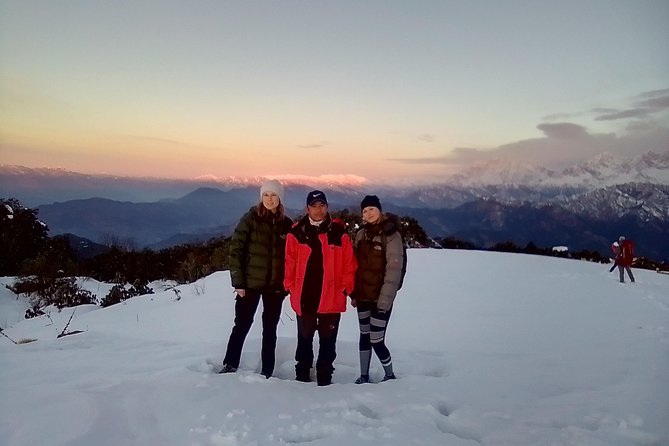
The Poon Hill circuit is interesting because it packs big Himalayan payoff into a short trek. You start from Pokhara, hike through village trails and rhododendron forests, then chase sunrise views from Poon Hill at 3,210 m, with a soak at the natural hot spring in Jhinu Danda.
Two things I really like about this trek are the way it blends scenery and people, and how smoothly it is set up for your walking days. You also get an English speaking trekking guide, plus guest house lodging, trekking permit, and TIMS handled as part of the plan.
One possible drawback is simple: this is still a trek. Even though it says most travelers can participate, you’ll be hiking on mountain paths with altitude effects, and you should plan for basic guest house comfort and meals you buy as you go.
Key highlights worth clocking before you go
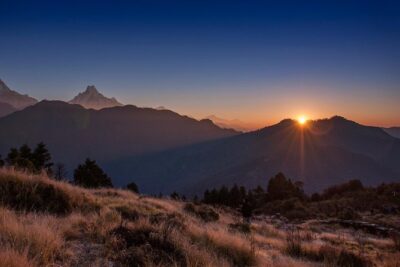
- Poon Hill viewpoint (3,210 m) for a big sunrise moment over the Annapurna region
- Jhinu Danda hot spring after trekking, a rare chance to relax in nature
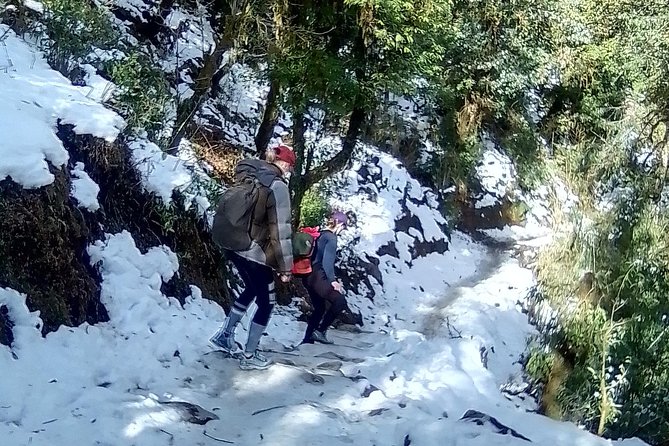
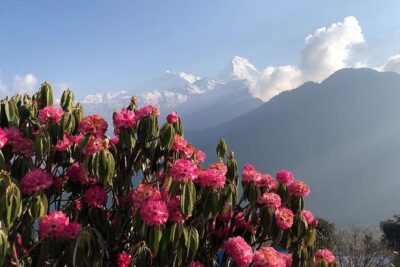
- Rhododendron forest hiking that changes the feel of the trail as you climb
- Gurung culture interaction, where village life is part of the experience, not just a backdrop
- English speaking trekking guide, including guides praised for being kind and sharp
- Private vehicle transfers round trip, which saves energy at both ends
Poon Hill at 3,210 m, plus Jhinu Danda, is the winning combo
What makes this circuit feel like good value is the two “anchor moments” built into just 5 days. First is Poon Hill (3,210 m), the named best viewpoint. Second is Jhinu Danda, where you get to pair hiking effort with a soak in a natural hot spring.
Poon Hill is popular for a reason: the elevation and position give you a chance to see the Annapurna area in a way you simply cannot get from the lowlands around Pokhara. I like that the trek is designed so you are not just walking from point to point. You’re walking with a goal that feels earned, and that keeps your motivation steady when the trail starts to feel long.
Then there is Jhinu Danda. A hot spring does not replace good trail planning, but it does something more practical. It gives you a chance to reset your legs after the hiking days. Even if you keep expectations realistic, it’s the kind of “reward” moment that makes the effort feel worth it.
The trail also has a cultural side that matters. The trek is positioned for Gurung culture interaction, and that tends to be what turns a scenic walk into a memorable trip. You’ll be moving through villages, seeing daily routines up close, and having chances to talk with people as you pass through. It is not a museum visit. It’s real life in small mountain communities.
More Ghorepani and Poon Hill departures:
- Poon hill Trek 3 days
★ 5.0 · 176 reviews - Pokhara: 4-Day Ghorepani, Poonhill & Ghandruk Mountain Trek
★ 5.0 · 132 reviews - Ghorepani – Poon Hill Trek 3N-4D
★ 5.0 · 125 reviews
From Pokhara to Nayapul to Ulleri: the altitude rhythm you’ll feel
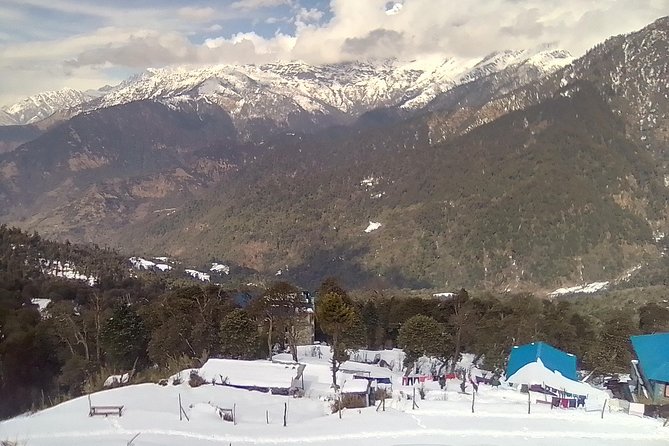
The trek starts with a practical handoff from the city. You’ll be picked up in the Pokhara area, then travel to Nayapul, and begin trekking toward Ulleri (1,960 m). Starting from Ulleri makes a difference, because you avoid spending the first hours testing your legs on lower, warmer ground. You ease into the walking while still getting a fast taste of mountain altitude.
I like how this style of setup lets you focus on one thing: trekking. A private transfer by vehicle, included in the trip, means you spend less time organizing transport and more time getting ready for Day 1. Your start time is 8:30 am, so you can plan the rest of your morning without guesswork.
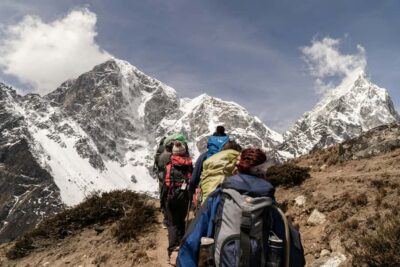
What should you expect on the trail early on? Expect gradients. Even without a detailed day-by-day map in front of you, Poon Hill circuits generally build gradually. The goal is that you keep moving upward while you get used to breathing a little harder. Ulleri at 1,960 m is high enough that you will notice it, especially if you are not acclimated to hiking at elevation.
One practical note: the trip uses guest houses for accommodation, which means you are not carrying a heavy pack like on full wilderness treks. Still, you will want to travel light, because every kilo matters on steep mountain steps. If you’ve ever felt your legs get tired faster than you expected, you already know that light packing is one of the simplest ways to make a trek enjoyable.
If you’re the kind of traveler who likes a steady plan, this route structure will suit you. You get a clear start, a defined trek segment, and a planned return to Pokhara. And since it is described as private, it should feel more relaxed than a chaotic public group hike.
Rhododendron forests and the Annapurna views that grow on you
The trek route is described as going through rhododendron forests, and that is more than a pretty detail. Rhododendron-lined trails tend to change the trail mood as you climb. In many seasons, the forests can feel cooler and shaded for stretches, then open up as the path rises. Even when flowers are not the main show, the vegetation still creates that “mountain tunnel” feeling you only get on forested sections.
This matters because it reduces monotony. When you hike day after day, your brain starts searching for variety. Forest hiking provides texture, shade, and frequent visual shifts. Open view sections do the opposite, and they give you big moments to check the sky and scan ridgelines.
Your goal in the middle of the hike is the Poon Hill viewpoint at 3,210 m. Reviews that mention the Ghorepani Poon Hill trek clue you in on how the circuit often feels: you hike through village tea-house areas and then spend time moving toward the viewpoint day. I would treat Poon Hill as your “weather and timing” checkpoint. If clouds sit low, visibility can fade. If skies are clear, the views feel like you blinked and the world changed size.
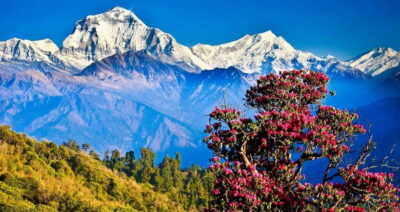
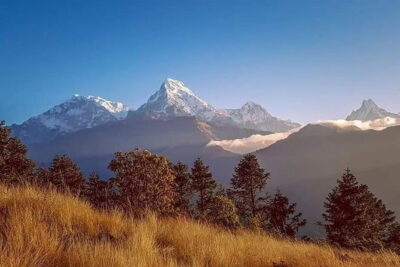
You’re also hiking close to Mt. Annapurna. The exact peak names you see will depend on weather and your angle, but you can expect that classic Annapurna-region panorama vibe: ridges, layered mountain forms, and the sense that you’re looking into the next valley over.
And don’t ignore the cultural side while you’re focusing on the scenery. This trek is built for Gurung culture interaction, so the villages you pass through are part of the experience. You may have chances to chat, notice local dress and routines, and see how daily life continues at trekking altitude.
Guest houses, guides, and why the human part is the real upgrade
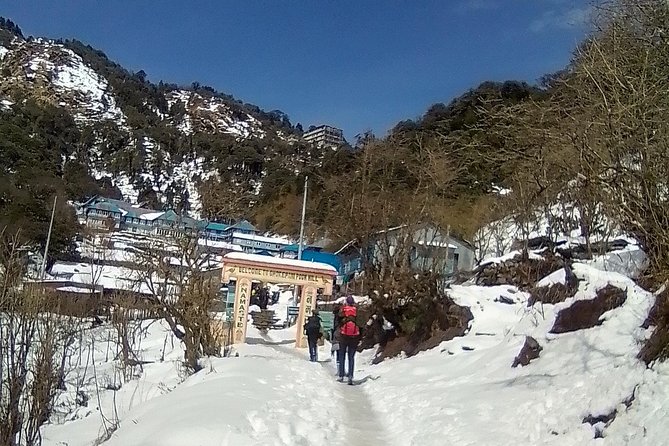
You get accommodation in guest houses and an English speaking trekking guide. That combination is a big deal for most people, because it turns a physically demanding route into something you can manage.
The accommodation piece is straightforward but important. Guest houses are basic by design, and that’s normal in this part of Nepal. What you should care about is consistency: you know you’ll have a place to sleep each night, and you can focus on walking and food rather than planning. If you’ve ever tried to wing a trek on your own, you know how fast small decisions become stress.
Then there is the guide. The reviews praise guide service as kind, helpful, smart, and very good. One guide name that comes up is Krishna. When a guide is described that way, it usually means more than friendliness. It means they’re good at pacing you, spotting the practical details you might miss, and making your days feel organized even when weather changes or the trail gets busy.
I love trips where the staff feels present but not pushy. Reviews for this operator talk about helpful staff and smooth coordination, including transport and accommodation. In plain terms, that matters because the trek is not just your walking time. It’s also check-in logistics, permit handling, and the small moments when you want clarity.
This is also a private trip, meaning it’s only your group. That cuts down on the “everyone has different speeds” frustration. It can also make it easier for your guide to adjust pacing to your comfort level.
If you care about getting the cultural context right, the guide can help you read what you see. Even when the route is about famous views, the best moments often come from conversations you did not plan.
More to compare around Pokhara
- ZipFlyer Nepal – The World’s Steepest Zip-line
★ 5.0 · 608 reviews - Bungee Pokhara by HighGround Adventures
★ 5.0 · 366 reviews - From Pokhara: Sarangkot Sunrise Himalayas Tour
★ 4.7 · 218 reviews - ATV Adventure Tour in Pokhara, Nepal
★ 5.0 · 194 reviews
Price and logistics: what you get for $257.07 and what you pay yourself
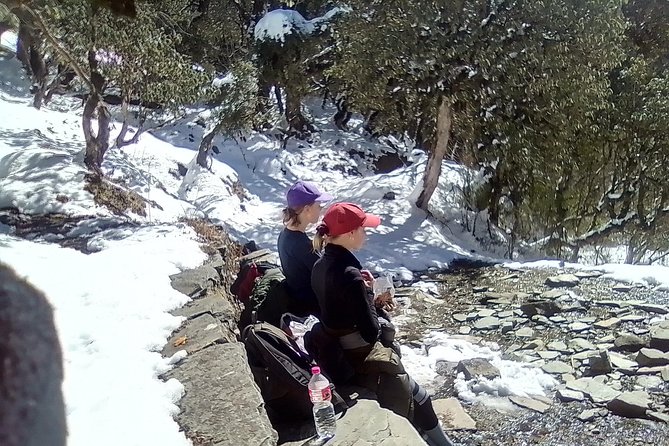
The listed price is $257.07 per person. At first glance, that can look either cheap or high depending on what you compare it to. The value question is easier if you map the included parts to what they usually cost when arranged separately.
Included in this trek:
- English speaking trekking guide
- Guest house accommodation
- Trekking Permit and TIMS card
- Round trip transfer by private vehicle
- This is a private trip
Not included:
- All meals and drinks (you buy them)
- Rescue cost in case of emergency
- Optional gratitude
Here’s how I think about value on a Poon Hill trek. Permits and TIMS can be annoying to manage correctly. Having them handled matters. Transport by private vehicle saves energy and planning time at the start and end. And guest house lodging removes one more variable from the trip.
What you pay yourself for is also normal. Meals and drinks in trekking areas vary by menu and where you stop, so you’ll want a budget for it. If you know you get hungry on hikes, plan to spend a bit more, because trekking calories disappear fast.
Rescue costs not being included is worth acknowledging. I can’t tell you what your risk tolerance should be, but I can tell you that carrying travel insurance for Nepal trekking is the most common responsible move. This is especially true for altitude travel, even on a short trek.
Finally, you’ll receive a mobile ticket and the trip includes pickup, plus group discount features. Since the trip is described as private for your group, the “group discount” likely helps when multiple people book together.
Packing and day-to-day comfort on a short trek
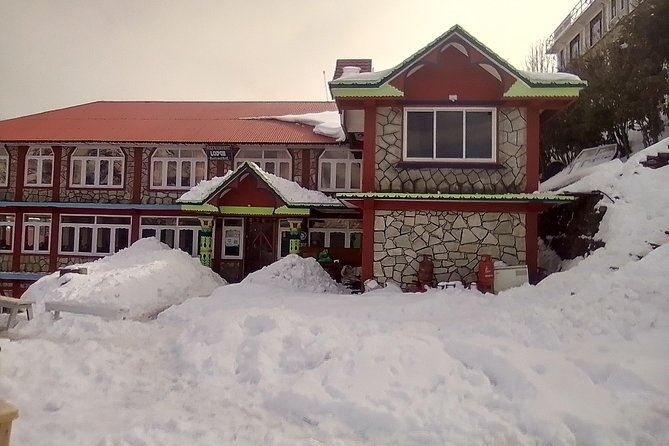
The trek is 5 days, which means you do not need an overbuilt mountain kit. But you still need the basics to feel comfortable, especially with altitude.
Plan for layers. Mountain mornings can feel chilly, and afternoon temperatures can swing. Even if the trail is shaded, you can get cold when you stop. A hat and gloves can also make early viewpoint hours more bearable, since those are the times you’re standing around longer.
You’ll also want reliable shoes. This kind of trek tends to involve repeated uphill and downhill steps. If your footwear is worn out, you will feel it fast, and it ruins the “fun” part of the walk.
For food, keep it simple. Meals are not included, so you’ll be choosing from what guest houses and tea houses offer on the day. I recommend eating what you tolerate well. Trekking is not the time to test new foods just because you’re curious.
One more comfort point: guest houses can be warm or cool depending on the region and season. If you run cold, plan a warmer sleeping layer rather than assuming heat will be enough.
The good news is that the experience is set up to reduce stress. With a guide, guest house lodging, permits, and transfers already handled, you can spend your energy on walking and enjoying the viewpoint moments rather than troubleshooting daily logistics.
Who this 5-day Poon Hill circuit is best for
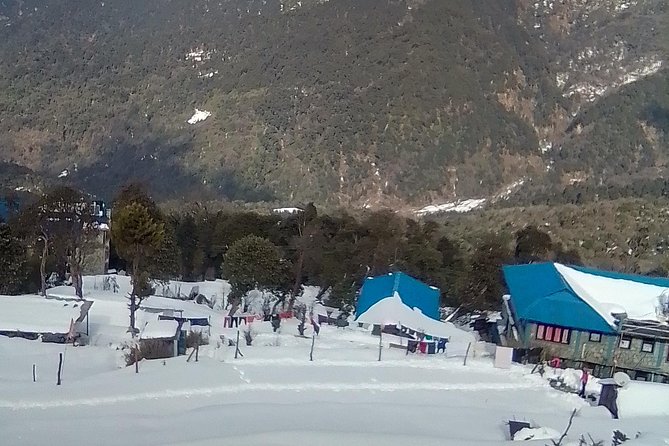
This trek is described as suitable for most travelers, which suggests it is not an extreme technical climb. That said, altitude and stamina still matter.
You’ll likely love it if you:
- Want a short Himalaya trek with a clear highlight like Poon Hill
- Prefer guest house style trekking instead of camping
- Like a mix of scenery and culture, especially Gurung culture interaction
- Value a smooth, organized experience with an English speaking guide and helpful staff
You might think twice if you:
- Hate early mornings or long viewpoint waits, because Poon Hill is the main reason most people do this trek
- Want a fully catered package, since meals and drinks are not included
- Need guaranteed all-inclusive comfort, since guest houses are basic by nature
- Are not comfortable managing your own pace on mountain trails
Also, it’s a private trip, which can be a sweet spot for couples or small groups who want less crowd energy. Reviews specifically praise group care and smooth handling, which hints that the operator is paying attention to the details that make people feel looked after.
Should you book this Poon Hill circuit trek?
If you want a straightforward 5-day Nepal trek that hits the headline views and keeps logistics mostly handled for you, I think this is a strong pick. The core combination of Poon Hill sunrise viewpoints, Jhinu Danda hot springs, and rhododendron forests gives you both beauty and a physical payoff. The added cultural thread with Gurung culture interaction is the kind of bonus that makes the trek feel human, not just scenic.
Book it if you appreciate practical support: permits handled, a guide you can communicate with in English, guest houses arranged, and private transfers so you start and finish with less hassle. If you’re comfortable budgeting for meals and you’re ready for mountain walking, the overall value looks solid for the price.
Pass on it only if you want a fully all-inclusive comfort level, or if you know you struggle with altitude and early start timing. Otherwise, this looks like the right size trek for people who want the Annapurna feel without committing to a long expedition.
FAQ
How long is the Annapurna 5 Days Poon Hill Circuit Trek?
It’s listed as 5 days (approximately).
Where does the trek start from?
The route starts in Pokhara and then goes to Nayapul and Ulleri (at 1,960 m).
What time does the experience start?
The start time is 8:30 am.
What is the best viewpoint on this trek?
The best viewpoint highlighted is Poon Hill at 3,210 m.
Are hotel stays or guest house accommodations included?
Yes. Accommodation in guest houses is included.
Is an English speaking guide included?
Yes. An English speaking trekking guide is included.
Do I need permits for this trek?
Yes. The trek includes a trekking permit and a TIMS card.
Are meals and drinks included in the price?
No. All meals and drinks are not included and are available for purchase.
Is rescue cost covered?
Rescue cost in case of emergency is not included.
Can I cancel for a refund?
Yes. Free cancellation is offered, and you can cancel up to 24 hours in advance for a full refund.
Latest Pokhara write-ups
- Sunrise View from Sarangkot★ 5.0 · 3 reviews
- Beautiful Sarankot Sunrise with Full Day Sightseeing in Pokhara★ 4.5 · 3 reviews
- Sarangkot Sunrise Tour in Private Car★ 5.0 · 3 reviews
- Pumdikot Mahadev Status and Peace Stupa Hiking Private Tour★ 4.5 · 3 reviews
- Pokhara: Dhampus Easy Trek for Families with YoungKids 2 Day Tour★ 5.0 · 3 reviews
- Pokhara: Private Car Drive Tour to World Peace Stupa★ 5.0 · 3 reviews
- 5-Day Private Farming Experience in Nayapul with Accommodation★ 5.0 · 3 reviews
- Transfer to Lower Mustang (Jomsom)★ 5.0 · 3 reviews
Poon Hill Trek, compared.
4-Day Ghorepani, Poonhill & Ghandruk Mountain Trek
Read our review →
Browse the lists this tour appears in