
Reviewed · POON HILL TREK
Pokhara: 4-Day Ghorepani, Poonhill & Ghandruk Mountain Trek
This trek is interesting because it hits two big Nepal goals fast: a real Himalayan sunrise at Poon Hill and a day in a traditional Gurung village in Ghandruk. The timing is tight, the scenery changes often, and you still get enough hours on the trail to feel like you earned the views.
My favorite parts are Poon Hill’s Annapurna and Dhaulagiri panorama at first light, and the cultural slowdown in Ghandruk where the day is about people, not just peaks. The one consideration is that you need to handle early mornings and cold nights, plus steep steps even on a short route, especially if you want a relaxed pace.
Key Things I’d Plan Around (Before You Step on the Trail)
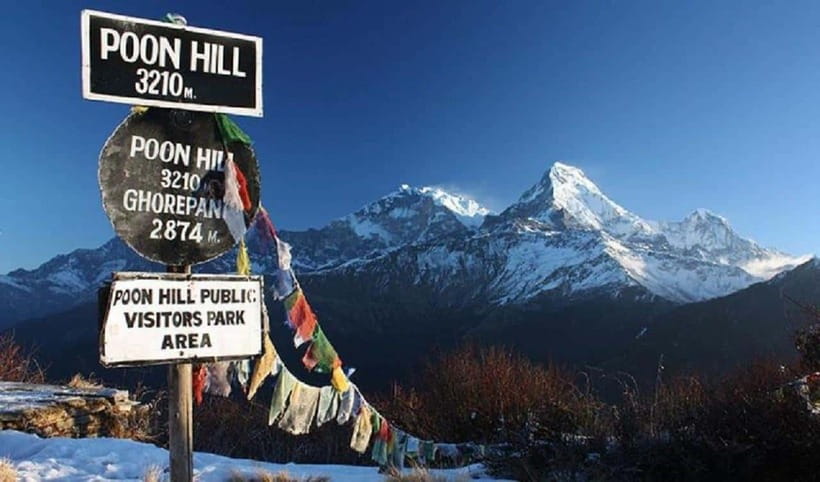
- Poon Hill sunrise timing means an early start, with big payoff if the sky is clear
- Ghandruk culture stop gives you more than photos, you’ll see how Gurung communities live
- Rhododendron forest trekking keeps Day 2 visually fun, not monotonous
- Short duration, steep effort is common here, so pace yourself from Ulleri onward
- Guide-driven route choices can reduce harsh steps and help beginners feel steady
Why This 4-Day Pokhara Trek Feels Like Two Trips in One
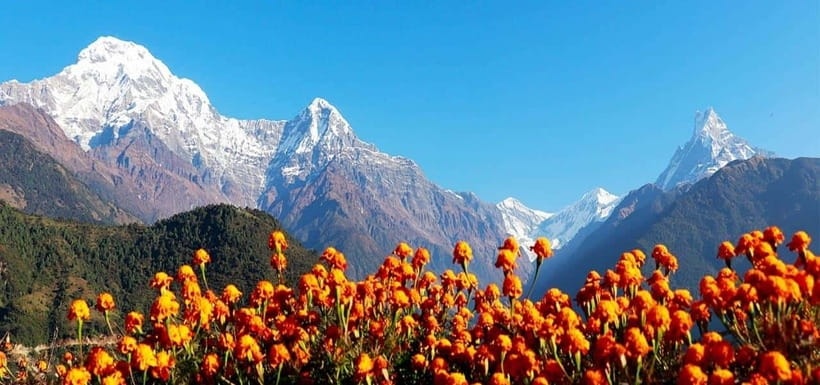
This is the kind of trek that works for limited time. In four days, you go from Pokhara area pickup to Ulleri, on to Ghorepani, then up to Poon Hill for sunrise, and finally down to Ghandruk for village life. You get mountain drama in the morning and a slower human rhythm by afternoon.
I also like that the plan is built around simple tea houses and short enough walking days to keep energy for the key moments. Many trekkers find it mentally easier than longer Annapurna routes because you know exactly when sunrise happens and when each day’s main climb starts.
One more practical point: the trek is short, so your comfort depends on doing small things well. Warm layers, proper shoes, and a steady pace matter more than trying to rush.
More Ghorepani and Poon Hill departures:
- From Pokhara: 3-Day Ghorepani Poon Hill Trek with Guide
★ 4.9 · 68 reviews - Pokhara: 2-Day Ghorephani and Poon Hill Private Trek
★ 4.6 · 50 reviews - From Pokhara: 2 Day 1 Night Ulleri,Ghorepani Poon Hill Trek
★ 4.9 · 33 reviews
Day 1: Pokhara to Ulleri, Where the Hike Gets Real (and Local)
Day 1 starts with a drive from Pokhara to Nayapul, then you walk toward Ulleri. The trek to Ulleri is about 5 to 6 hours, which sounds friendly until you’re climbing and stepping on uneven trails. You’ll also get a first taste of local community life, including time to settle into the Magar area vibe at Ulleri.
This day is mainly about getting your legs used to the routine: breakfast, walk, photo stops, tea house arrival, then a calm evening. If you’re new to trekking, I’d treat Day 1 as your warm-up day and resist the urge to set a fast pace.
What makes Ulleri a good first stop is that it’s early enough to help you adjust without feeling like you jumped straight into altitude pressure. You’ll be tired, yes, but not wrecked.
Day 2: Ghorepani Trek With Rhododendron Forests and Wildlife Chances
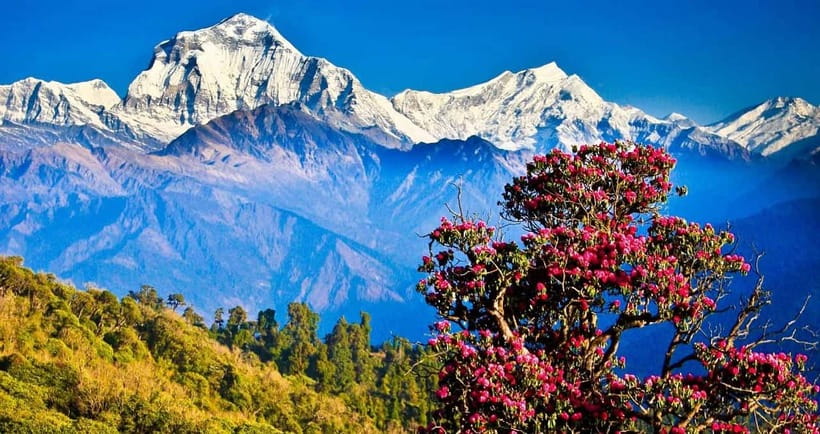
On Day 2, you head from Ulleri to Ghorepani, usually about 4 to 5 hours of walking. This is where the trail mood shifts. You’re moving through rhododendron forests, and on the right days, the colors and textures can make the hours feel shorter.
You stop for lunch at Nangethati, and the route can include chances to see local wildlife. I’m not promising animal sightings, but the fact that people report encounters means you should stay alert, slow down at safe moments, and enjoy the details near the trail edges.
Ghorepani itself is a classic base for Poon Hill. That means you’re not just trekking through, you’re arriving where people set up for sunrise. Expect a lively atmosphere in the sense that everyone is preparing, but still simple village life in the tea houses.
Practical tip: Day 2 is a great time to set up your sunrise gear. Get your layers ready, charge your phone if you can, and make sure you can move fast in the dark without hunting for things.
Day 3: Poon Hill Sunrise, Then the Quiet Switch to Tadapani and Ghandruk
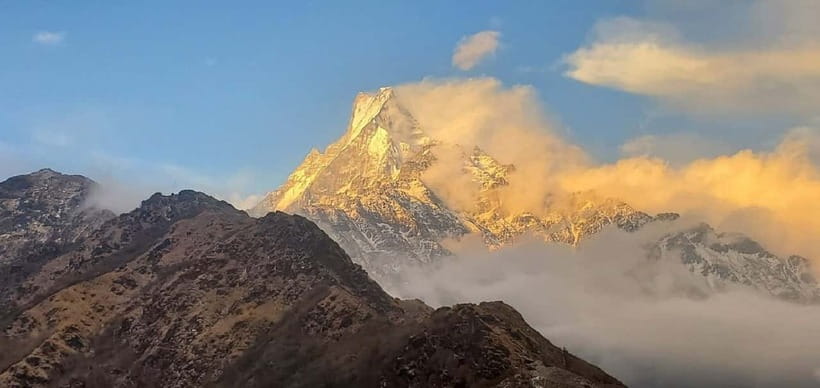
Day 3 is two different experiences in one day: sunrise on the heights, then village trekking afterward.
More walks through Ghandruk:
- Pokhara: 4-Day Beautiful Ghorepani Poon Hill & Ghandruk Trek
★ 4.8 · 21 reviews - Pokhara: 4-Day Poon Hill and Ghandruk Guided Trek
★ 5.0 · 14 reviews - Pokhara: 4-Day Ghorepani, Poonhill & Ghandruk Village Trek
★ 5.0 · 6 reviews - Pokhara: 3-Day Ghorepani, Poon Hill and Ghandruk Guided Trek
★ 4.4 · 4 reviews
Sunrise at Poon Hill (and why it’s worth the wake-up)
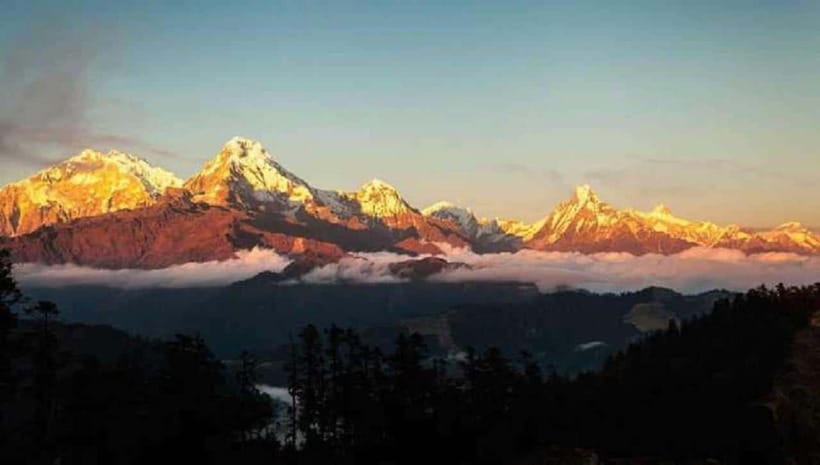
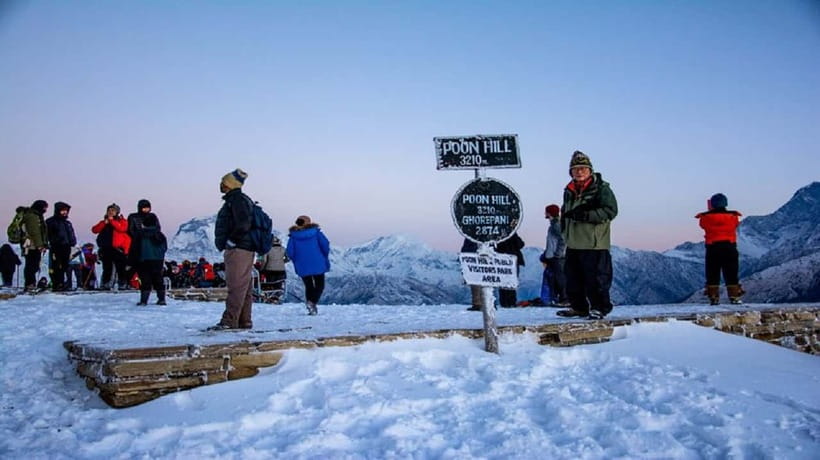
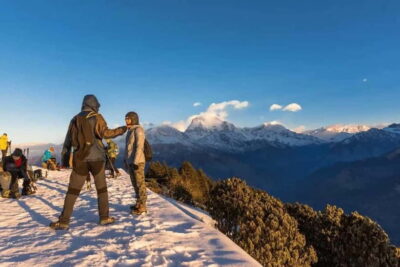
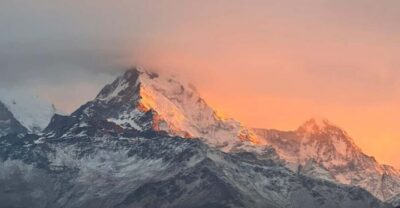
You’ll rise early for Poon Hill, where you watch the Annapurna and Dhaulagiri ranges light up. The timing is short at the viewpoint, about one hour, but the climb there and the waiting are the real work. In many seasons, you can be looking at an early start that feels like you’re going to bed before the sun has really even done its job.
A detail that helps set expectations: Poon Hill is around 3,210 meters in the commonly used trekking descriptions. That elevation, plus cold wind in the early hours, is why layering matters more than people think.
This is also the day where your guide becomes a key part of the experience. Guides like Jeet Bhadur Nepali and Santosh are repeatedly praised for keeping pace reasonable and making the morning feel organized instead of chaotic. The best sunrise mornings happen when you don’t have to worry about what comes next.
After sunrise: trek on toward Ghandruk
Once you’ve watched the peaks, you head back for breakfast and then continue toward Ghandruk. The trek includes stopping in the quieter Tadapani area for a calmer stretch and lunch before finishing the walk.
You’ll reach Ghandruk for your overnight stay. This is where the whole trip changes pace. Mountains become the background, and the village becomes the main character.
Day 3 to Day 4: Why Ghandruk Feels Different From the Start of the Trek
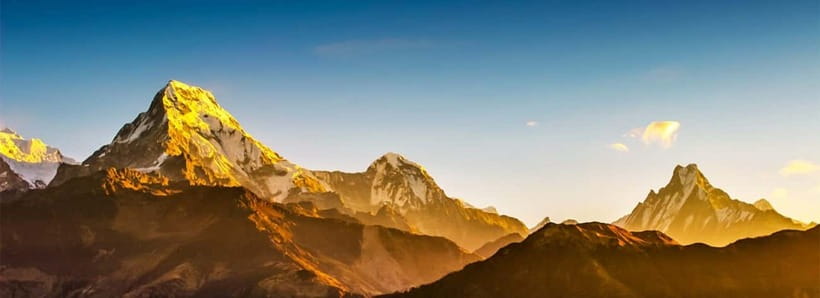
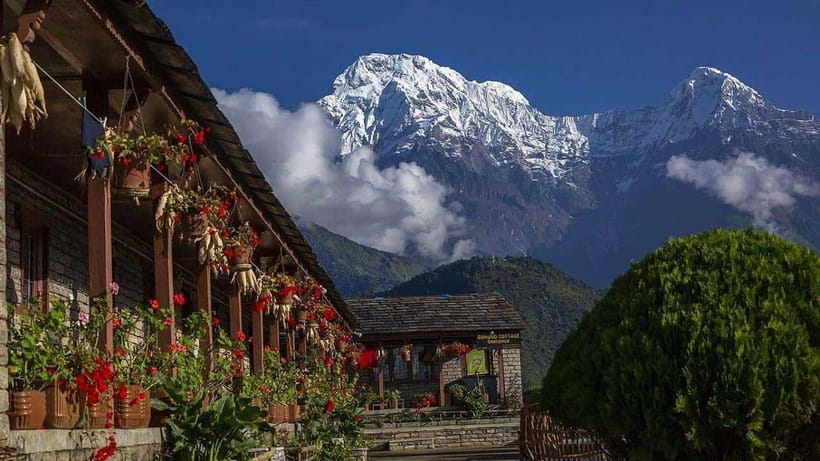
Ghandruk is the cultural payoff. It’s a Gurung community village, and it tends to feel more lived-in than the small trekking stops. Instead of only thinking about distance, you’ll notice rhythms: local conversation, the way tea houses operate, and how people move through the day.
The trekking part also makes sense here. After the adrenaline of sunrise, the walk toward Ghandruk gives you time to settle into the idea that you’re not just climbing for a view. You’re learning the region through how people host you.
If you’re traveling with anyone who needs a cultural anchor, this is a strong match. Even the people who are mainly chasing photos often end up enjoying the slow moments at Ghandruk because it’s human scale.
Tea Houses, Food, and Nights That Get Cold Fast
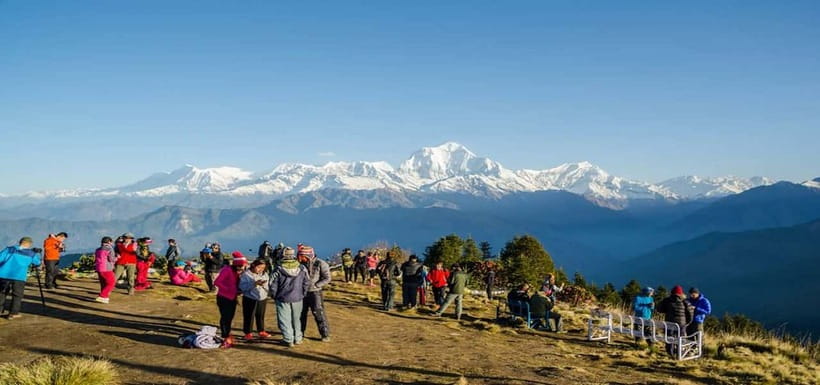
This trek uses simple tea houses or lodges, which is exactly what you want for a short route. It keeps costs reasonable and keeps you from doing complicated hotel logistics in remote areas.
Food is included as part of the package option, and it’s usually the comforting kind of trekking fuel that resets you after walking. People often talk about meals as a highlight, and guides like Chandra and Bala are praised for helping order the right dishes and making sure you’re not stuck guessing when you’re tired.
Now for the part you should take seriously: nights can be cold. Even when blankets are good, you’ll still want warm layers and a plan for sleeping. Bring a sleeping bag if you have one, and don’t pack it like it’s optional just because the day felt warm.
Little win: evenings can be cozy. Some hikers specifically mention relaxing near wood fires, and that’s a big part of why these short treks feel good even when you’re working hard.
Transportation, Pickup Options, and What the $181 Price Really Buys You
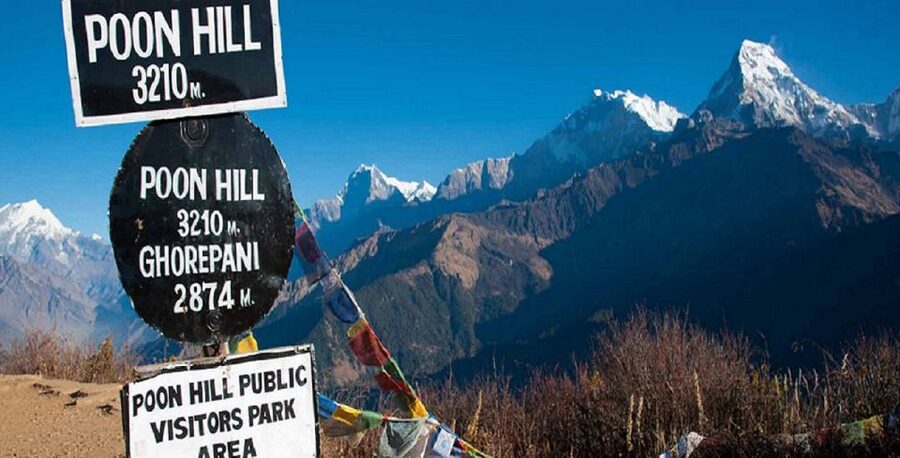
This trek costs around $181 per person for a 4-day experience. The value comes from what’s handled for you, not from luxury.
You get round-trip transportation between your Pokhara hotel area and the trek start, plus luggage storage in Pokhara while you’re away. You also get a certified trekking guide, required permits and fees, and a first aid kit. Trekking gear such as trekking sticks and sleeping bags is provided as needed, which can help if you don’t want to buy everything before you go.
The guide piece is worth highlighting. Multiple guide names show up with strong praise: Jeet Bhadur Nepali, Chandra, Santosh, Bala, Tanka, Purushottam, and Anil. The common thread is practical care: pacing that works for mixed fitness, explanations about mountains and culture, and help with meals and staying comfortable at tea houses.
The main cost consideration is what’s not included: travel insurance is mandatory, emergency rescue services are not included, and a porter costs $20 per day if you decide you want one. If you’re worried about pack weight, consider the porter early, not at the point where you feel cooked.
How to Pack and Prep So Day 3 Does Not Beat You Up
Here’s what I’d personally treat as the must-have list for this exact route:
Bring: passport or ID, warm clothing, a sun hat, a camera, hiking shoes, comfortable clothes, travel insurance, sleeping bag, and cash. The trek also requires you to submit a copy of your passport at least one day prior so permits can be arranged.
Then do the boring prep that makes everything smoother:
- Wear shoes you already trust on uneven ground.
- Layer up for sunrise, when the air can feel sharp.
- Keep cash for personal extras since those are not included.
- Plan to move at a steady pace, because short treks still include steep sections.
If you’re beginner-level, this trek is still doable, but treat it like an active training day in the hills, not a casual walk. The route is famous for sunrise, and sunrise does not wait for you to feel ready.
Who This Trek Is For, and Who Should Think Twice
This trek suits you if you want:
- A first Nepal trekking experience without committing to a long itinerary
- Big views on a schedule, especially sunrise at Poon Hill
- A cultural day in Ghandruk that isn’t just passing through
- Guided help with permits, meals, and timing so you can relax
It might be a poor fit if:
- You hate early wake-ups and cold mornings
- You’re not comfortable with steep climbs, even on a short timeframe
- You want a fully comfortable, non-stop hotel style trip, because tea house nights are basic by nature
If you’re deciding between doing it now or later, I’d lean toward doing it soon if your schedule allows. Four days is exactly enough time to experience the Annapurna region without turning it into a month-long commitment.
Should You Book This Trek?
I think you should book this if you want the classic Annapurna experience in a compact form, with Poon Hill sunrise and Ghandruk Gurung village time as the two anchors. The guide support, permits handled, luggage storage, and meal and lodge plan make it easier than DIY for most people.
If you’re the kind of hiker who needs comfort and long flat stretches, consider other options. But if you can handle cold early mornings and you’re happy to walk for views and culture, this is a smart use of a few days in Nepal.
If you can request a specific guide, I’d put names like Jeet Bhadur Nepali or Santosh at the top of your list based on how often people praise their pacing and cheerful professionalism.
FAQ
How long is the trek?
The duration is 4 days, with accommodation in simple tea houses or lodges along the way.
What route does the trek follow?
It includes stops in Nayapul, Ulleri, Ghorepani, Poon Hill, Ghandruk, and returns to Nayapul before driving back to Pokhara.
Is pickup included?
Yes. Pickup is included from hotels in the Pokhara Lakeside area, Sarangkot area, and from Pokhara International Airport, with pickup time confirmed after booking.
What is included in the price?
Included items are round-trip transportation between your hotel and the trek starting point, meals during the trek depending on the option selected, accommodation in tea houses or lodges, a certified trekking guide, permits and fees, guide expenses, trekking gear as needed, luggage storage in Pokhara, and a first aid kit.
Do I need travel insurance?
Yes. Travel insurance is mandatory for your safety and peace of mind, and it is not included in the package.
Do I need to handle permits?
Permits and fees are included, but you must submit a copy of your passport at least one day prior to the trek so the permits can be obtained.
What languages do guides speak?
The live tour guide is available in English, Hindi, and Nepali.
Is this a private group?
Yes. The activity is listed as a private group.
Do I need a porter?
A porter is not included. If you want one, it is available at an additional cost of $20 per day.
What should I bring for the trek?
Bring passport or ID card, warm clothing, a sun hat, a camera, hiking shoes, comfortable clothes, travel insurance, sleeping bag, and cash.
Latest Pokhara write-ups
- Mardi Himal Trek -5 Day Short Trek From Pokhara★ 5.0 · 8 reviews
- Tandem Paragliding in Pokhara★ 4.8 · 8 reviews
- Pokhara: Peace Pagoda Sunset, Annapurna Mountain Views Tour★ 2.9 · 5 reviews
- Short & Scenic: 2-Day Private POON HILL Trek from Pokhara★ 5.0 · 8 reviews
- Seti George and Thrilling Suspension Bridge Tour at Pokhara★ 4.5 · 3 reviews
- Sarangkot Sunrise over the Himalayas★ 4.8 · 83 reviews
- Pokhara: Sarangkot Sunrise and Private Full Day Tour★ 4.8 · 24 reviews
- From Kathmandu/Pokhara: Private 3-Day Chitwan Safari Tour★ 4.7 · 34 reviews
Poon Hill Trek, compared.
2 & 3 Days Ghorepani Poon Hill Private Guided Trek
Read our review →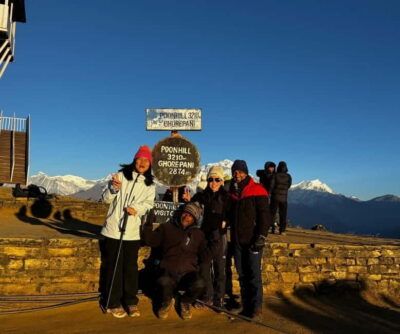
2-Days Beautiful Poon Hill Trek with Sunrise View
Read our review →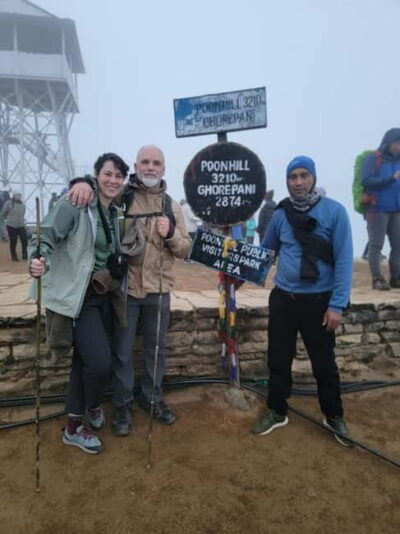
4-Day Beautiful Ghorepani Poon Hill & Ghandruk Trek
Read our review →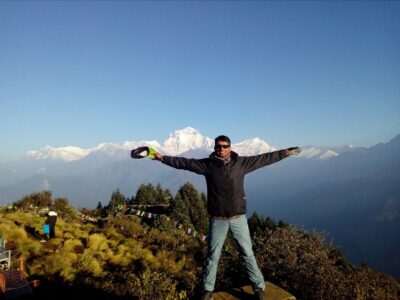
Browse the lists this tour appears in