
Reviewed · POON HILL TREK
Ghorepani Poon Hill Treks: 6 Nights /7 days
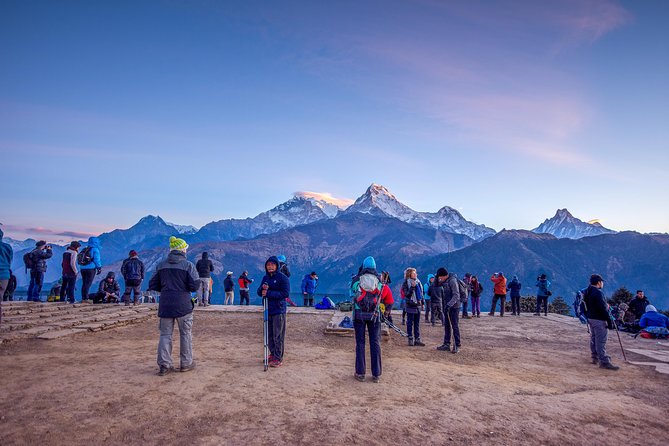
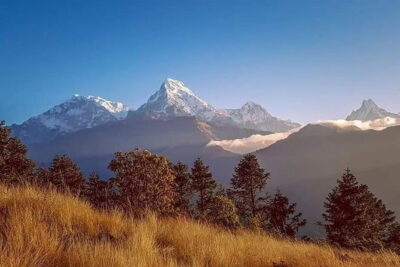
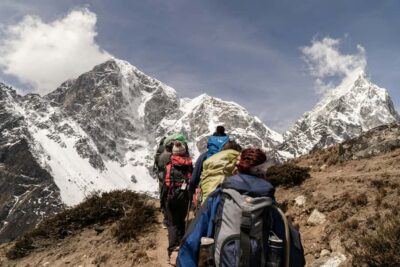
This trek is interesting because it hits the big Annapurna moment without turning into an extreme expedition. You start with a steady climb up to Ghorepani (2,874m), then go for sunrise views from Poon Hill (3,210m), and finish with village time in Ghandruk, known as the Land of Gurungs.
I love how well-paced it feels for a short trip, with classic stops like Ulleri, Ghorepani, and Ghandruk rather than nonstop walking. I also like that food and basics are handled for you in the mountains, so your days focus on the trail and the scenery.
The main drawback to consider is time on your feet and early starts. The hike days run about 5 to 7 hours, and sunrise morning means you’ll be up early, even though the route is positioned as suitable for moderate fitness and not a heavy acclimatization challenge.
Key things you’ll notice on this Ghorepani Poon Hill and Ghandruk trek
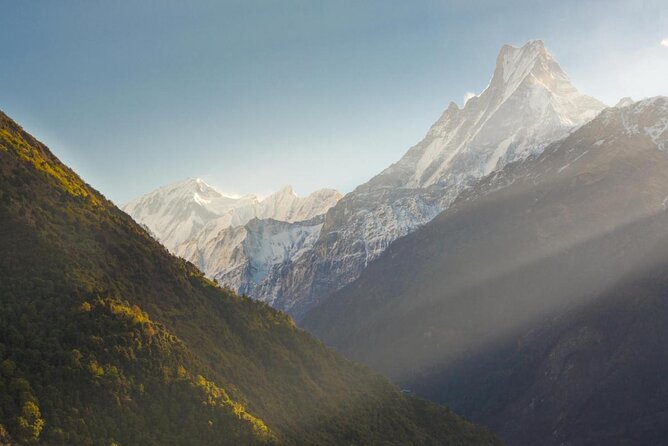
- Poon Hill sunrise at 3,210m, timed as a dedicated stop for early-morning views
- Village culture in Ghorepani (Magar communities) and Ghandruk (Gurungs)
- A route that avoids the hardest high-altitude grind, built for moderate hikers
- Day-by-day meals in the mountains, plus accommodation included
- A professional guide who handles practical decisions like lunch spots and day flow
Why this trek works when you want mountains, not chaos
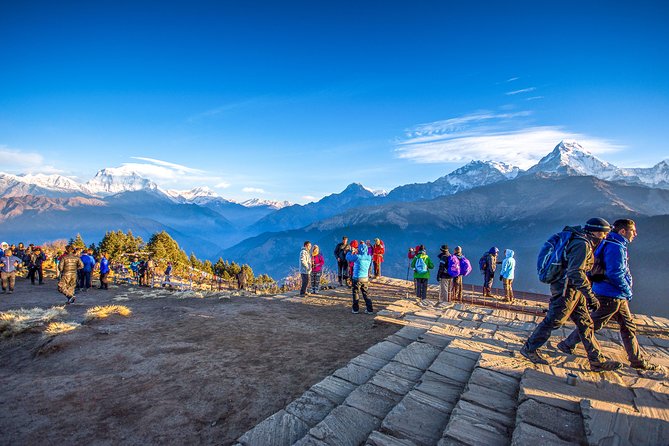
If you have limited vacation time and want an Annapurna foothills experience that feels real, this route is a smart fit. You’re not just walking past places. You’re changing villages as the days go on, from Nayapul to Ulleri, then up into Ghorepani, and down to Ghandruk.
What makes it especially appealing is how the trek balances big view moments with daily rhythm. Poon Hill is your headline sunrise, but the in-between days matter too, because they’re where you learn how communities live at different elevations. Ghorepani is known for native Magar communities, and Ghandruk is celebrated as the Land of Gurungs, including a large Gurung settlement in the region.
One more reason I like it for many people: it’s designed not to be a suffering contest. The trek is described as not demanding much physical fitness and not requiring serious acclimatization issues, which means you can focus on comfort, pacing, and enjoying the walk rather than fighting altitude.
More Ghorepani and Poon Hill departures:
- Poon hill Trek 3 days
★ 5.0 · 176 reviews - Pokhara: 4-Day Ghorepani, Poonhill & Ghandruk Mountain Trek
★ 5.0 · 132 reviews - Ghorepani – Poon Hill Trek 3N-4D
★ 5.0 · 125 reviews
Price and value: what $600 buys you (and what it doesn’t)
$600 per person can feel steep or like a bargain, depending on what’s included and what you’d otherwise pay out of pocket. Here, the package includes breakfast, lunch, and dinner in the mountains, plus accommodation in the mountain. It also covers permits, TIMS, and government tax, along with a very professional trekking guide.
You also get an air-conditioned vehicle included for the city transfers, and pickup is offered. There’s also a mobile ticket, and group discounts may apply, which helps if you’re traveling with friends.
What’s not included matters. Alcoholic beverages are not covered, tips for staff aren’t included, and private transportation is not included beyond what’s part of the package. Most importantly, flights are not included, and travel insurance is not included.
For me, the value question comes down to this: if you’d rather pay once and have the moving parts handled, this package does that. If you want to control every detail yourself, you might find a lower-cost DIY option. But if you want fewer logistics headaches, the included permits, guide, meals, and mountain lodging are the big wins.
Getting to Pokhara from Kathmandu: drive or a short flight
Your trip starts in Kathmandu at about 1,400m and then heads to Pokhara (around 830m). You can expect either a 6 to 7 hour drive or a 30 minute flight option, depending on how your plan is set up.
This part matters more than it sounds, because it sets your energy for the trek. Pokhara is your launch point for the walking days, and starting from there means you get straight to the trekking zone without extra moving around inside the mountains.
Also, note the day length reality. The drive option is long, so it helps to plan your first evening for recovery. The flight option is faster, but since flights are not included, you’ll still want to budget for that separately if you choose it.
Day 2 to Ulleri: your first altitude rhythm on the way up
After Pokhara, you move from about 830m up to Ulleri at roughly 1,925m. This walking day runs about 6 to 7 hours, so it’s not a casual stroll, but it’s also not the kind of grind that forces an extreme fitness level.
Ulleri is a useful first climb because it gives you time to find your walking pace. You can practice steady breathing, figure out what your pack feels like when you’re moving uphill, and get your legs used to continuous steps.
If you’ve ever started a trek and felt your body surprise you at the first real slope, this day is where you learn your rhythm early, not later. That helps for the next stage, when the altitude starts stacking up toward Ghorepani.
More to compare around Pokhara
- ZipFlyer Nepal – The World’s Steepest Zip-line
★ 5.0 · 608 reviews - Bungee Pokhara by HighGround Adventures
★ 5.0 · 366 reviews - From Pokhara: Sarangkot Sunrise Himalayas Tour
★ 4.7 · 218 reviews - ATV Adventure Tour in Pokhara, Nepal
★ 5.0 · 194 reviews
Day 3 to Ghorepani: 2,874m and the Magar villages vibe
From Ulleri (about 1,690m to 1,925m range depending on the route day planning), you climb to Ghorepani at 2,874m in about 5 to 6 hours. This is the day where the trip shifts into the classic high viewpoint zone.
Ghorepani is well-known for native Magar communities, and you’ll feel that village character as part of daily life, not as a separate “cultural stop.” The village vibe usually centers around guesthouse life, mountain meals, and the kind of everyday calm that comes from people living with the rhythms of the Himalaya.
This is also the day where the included structure helps you. Because breakfast, lunch, and dinner in the mountain are part of the plan, you’re not chasing meals or trying to decide logistics at each stop. That makes the altitude feel more manageable, because your attention stays on the hike rather than the next decision.
And since the trek is described as not demanding much physical fitness and not creating major acclimatization problems, you can approach this stage with a steady pace instead of panic. The best mindset is simple: walk within your comfort zone, take breaks without rushing, and enjoy the changing views.
Poon Hill day: sunrise at 3,210m without special climbing skills
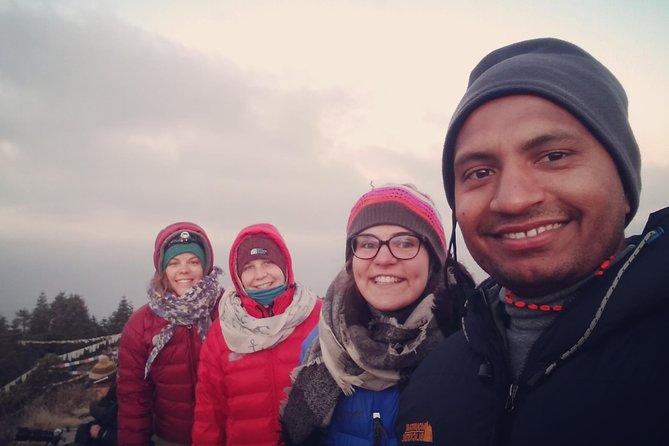
The centerpiece day takes you from Ghorepani (2,874m) down then up through Poon Hill at 3,210m before continuing to Ghandruk at 1,860m. This long day is about 6 to 7 hours total, but the real headline is the sunrise stop.
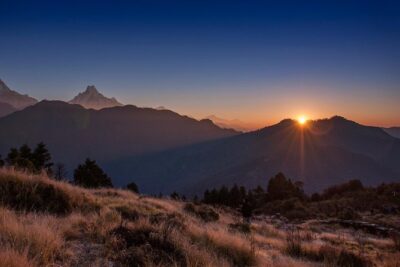
Poon Hill is famous because the view changes fast. You go from dark mountain contours to warm light across the ridgelines, and the mountains start looking closer than they did the night before. Even if you’re not chasing perfect photos, it’s the kind of moment that makes the effort feel worth it.
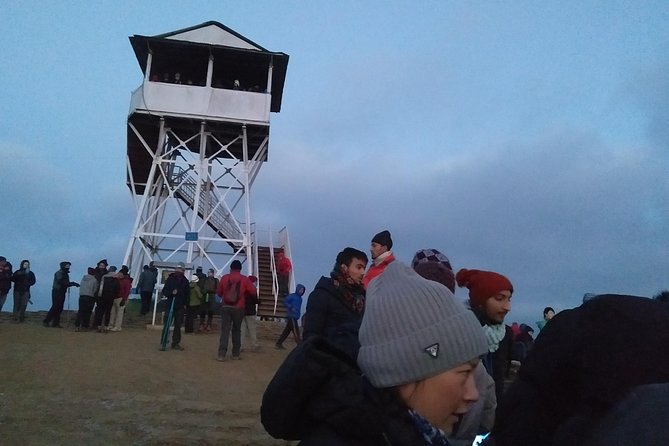
A practical tip: expect an early start, because sunrise only works if you’re in place before the light arrives. The upside is that once sunrise happens, you’re rewarded with a quieter downhill and village transition toward Ghandruk.
This day is also where your guide’s role becomes tangible. A professional trekking guide helps manage timing, pacing, and where you pause for lunch and where you rest in the evening. In past experiences with guides from this company, people have specifically praised support that ranges from planning a packing list to choosing lunch spots and evening accommodations. That kind of help reduces stress when you’re tired.
Day 5: Ghandruk to Pokhara, trading trail views for lakeside comfort
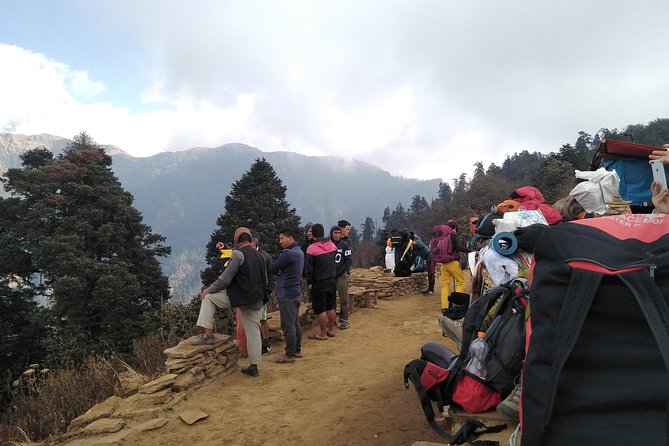
After several days of mountain air and steep steps, you go from Ghandruk down to Pokhara at about 830m. This is another 6 to 7 hour day on the move.
Why I like this transition: you get a “real finish,” not just a sudden ending after one easy morning. Ghandruk sits lower than Ghorepani, so your body gets some relief as the elevation drops. You’ll likely feel more like yourself by the time you reach Pokhara.
Pokhara is your decompression zone. You’ve earned time to eat well, shower, and walk around at an easier pace. And since your final trek day ends with a return to the city rhythm, it helps keep the total trip balanced instead of making you go directly from sunrise trekking into long travel without a break.
Kathmandu return and final departure: keep your last day flexible
You return to Kathmandu around 1,400m on the next day, again with about 6 to 7 hours of travel. Then you have your final departure on day 7.
This is a good point to plan your last day with a little breathing room if your schedule allows. A trek like this changes your sleep patterns and your legs take time to reset. Even if the trek itself is described as doable for different strength levels, fatigue doesn’t vanish instantly just because you finish walking.
Best time to go: March to May, and September to November
The recommended best seasons are March to May and September to November. Those windows usually give you a better chance for clear skies for sunrise and comfortable trekking temperatures.
If you’re choosing between these windows, I’d think about your bigger goal. If you care most about classic morning visibility for Poon Hill, you’ll want a season known for workable weather. And if you care most about overall hiking comfort, choosing the months that fall into these recommended periods is your safest bet based on the plan.
Fitness, pacing, and acclimatization: why this route feels friendly
This trek is positioned as not requiring you to worry about acclimatization issues and not demanding much physical fitness. That’s encouraging, but I still suggest thinking in practical terms.
You should have moderate physical fitness. Days are long enough to matter, with 5 to 7 hours of walking on most hiking days. The route is steep at times, especially as you climb from lower villages up toward Ghorepani and then to Poon Hill.
The best way to make this trek feel easy is to pace like an adult. Start slower than you think you need to. Take breaks when your breathing says you need them, not when you’re chasing a schedule. And treat downhill days with respect, especially the push toward Ghandruk where you’re combining view time, walking time, and altitude change.
What’s included in mountain life, and why it changes the whole experience
Your package includes breakfast, lunch, and dinner in the mountains, plus accommodation in the mountain. It also includes permits, TIMS, and government tax, and you’ll have a very professional trekking guide.
This is more than convenience. When meals and lodging are handled, you lose less time to decision-making. You show up, walk, eat, rest, repeat. That’s the rhythm you want on a short trek.
It also helps with stress around planning. People have praised their guides for practical support, including packing list help and smart choices for lunch and evening accommodations. When that kind of guidance is part of the experience, your attention stays on the trail and the villages, not on administrative tasks or guessing where to stop.
Solo, couples, and small groups: who should book this trek
This is a private tour/activity, meaning only your group participates. That’s great if you want a more personal pace, less crowd pressure, and a guide who can respond to your needs.
This trek also makes sense if you want the Annapurna foothills feel without committing to a longer, harder route. It’s built for hikers with different strength levels and is described as not needing major acclimatization.
If you want a full-day wilderness challenge or you’re training for very long altitude routes, you might find this short trek less intense. But if your goal is classic sunrise views, real village stops, and a well-managed trip, this is a strong match.
Should you book Ghorepani Poon Hill and Ghandruk?
I’d book this if you want an effective taste of the Annapurna region with sunrise magic and genuine village time, and you’d rather pay for a plan than assemble one. The included mountain meals, guide, permits, and mountain accommodation are where the value really shows up, and the route design is meant to be approachable for moderate fitness.
I’d think twice if early mornings and 5 to 7 hour hiking days sound like a bad fit. Also, if you absolutely need everything to be fully self-directed, remember that guide support and included logistics are part of what you’re paying for.
FAQ
How long is the Ghorepani Poon Hill and Ghandruk trek?
It runs for about 7 days, with 6 nights on the mountain trek route.
Where do you meet for the start of the activity?
The meeting point is listed as the Electric Vehicle Charging Station 6X55+64, Pokhara 33700, Nepal.
What time does the activity start?
The start time is 6:45 am.
Is pickup offered?
Yes, pickup is offered.
What meals and accommodations are included?
Breakfast, lunch, and dinner in the mountains are included, along with accommodation in the mountains.
Are flights included in the price?
No, the package notes that flight is not included.
What’s the best time of year to go?
March to May and September to November are recommended.
Is there free cancellation?
Yes. You can cancel up to 24 hours in advance for a full refund.
Is this a private group experience?
Yes, it is private, and only your group participates.
Latest Pokhara write-ups
- Sunrise View from Sarangkot★ 5.0 · 3 reviews
- Beautiful Sarankot Sunrise with Full Day Sightseeing in Pokhara★ 4.5 · 3 reviews
- Sarangkot Sunrise Tour in Private Car★ 5.0 · 3 reviews
- Pumdikot Mahadev Status and Peace Stupa Hiking Private Tour★ 4.5 · 3 reviews
- Pokhara: Dhampus Easy Trek for Families with YoungKids 2 Day Tour★ 5.0 · 3 reviews
- Pokhara: Private Car Drive Tour to World Peace Stupa★ 5.0 · 3 reviews
- 5-Day Private Farming Experience in Nayapul with Accommodation★ 5.0 · 3 reviews
- Transfer to Lower Mustang (Jomsom)★ 5.0 · 3 reviews
Poon Hill Trek, compared.
4-Day Ghorepani, Poonhill & Ghandruk Mountain Trek
Read our review →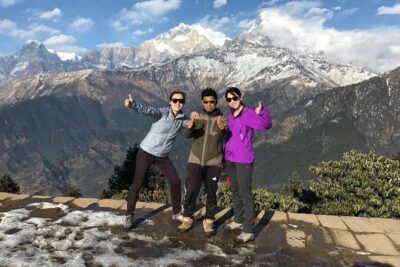
Browse the lists this tour appears in