
Reviewed · POON HILL TREK
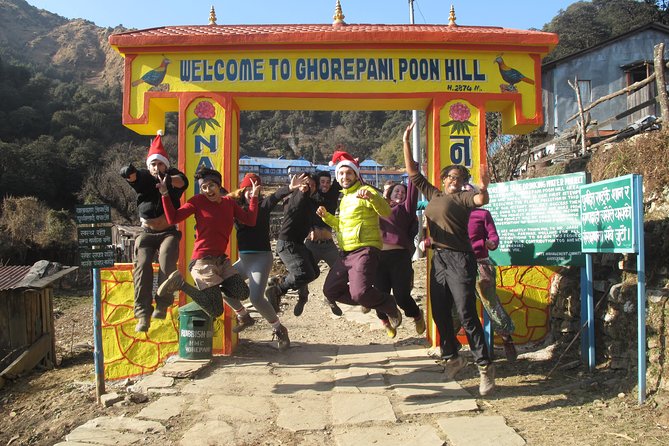
Ghorepani Poon Hill Trekking
Ghorepani Poon Hill is interesting because it packs huge Himalayan views into a short trek you can actually finish without turning your trip into a logistics project. I love that the experience is all-inclusive, with permits, meals, lodge stays, and transportation handled. I also love the Poon Hill sunrise payoff, where your early wake-up call turns into a wide panorama of peaks. One thing to consider is that you still hike uphill every day, and the hill lodges are basic, so cold nights are real.
You’ll spend your days walking through terraced villages, rhododendron forests, and oak woodlands, then sleep in tea house style lodges along the route. If you want a moderate challenge, clear mountain views, and a guide who helps you keep a steady pace, this is a strong match.
Key moments that make this trek worth it
All-in trekking package: meals, permits, lodge nights, and key transport included
Private guide, private group: easier pacing and more time for questions
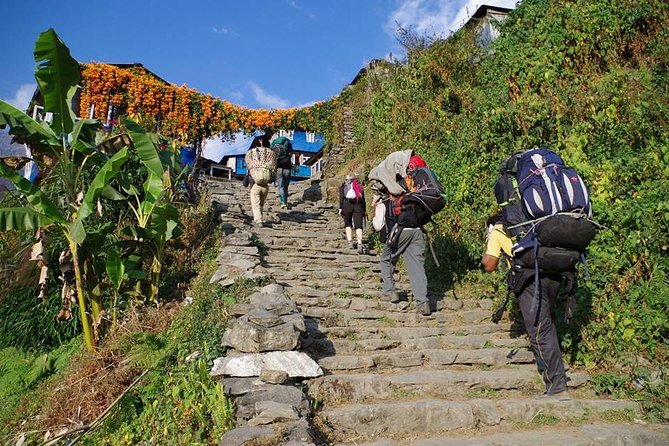
Day 1 stone staircase grind: steep start that warms up your legs fast
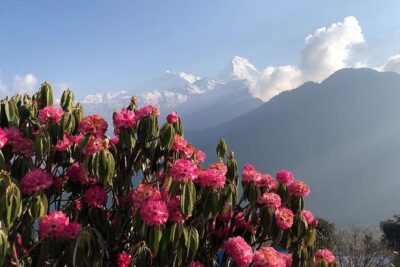
Day 2 rhododendron and forest walking: spring colors and birdlife can be part of the fun
Day 3 Poon Hill sunrise: early start, then breakfast back at Ghorepani
Day 4 Ghandruk descent: village feel plus a scenic finishing stretch
From Pokhara to Birethanti, then up to Gorepani’s first big views
Your trek begins with travel from Pokhara toward Birethanti, around 1.5 hours. The drive follows the Modi Khola and passes local villages and green hills, which helps you get oriented before the hiking starts. Then you move onto the trail at Tikhedhunga, after passing through Hile.
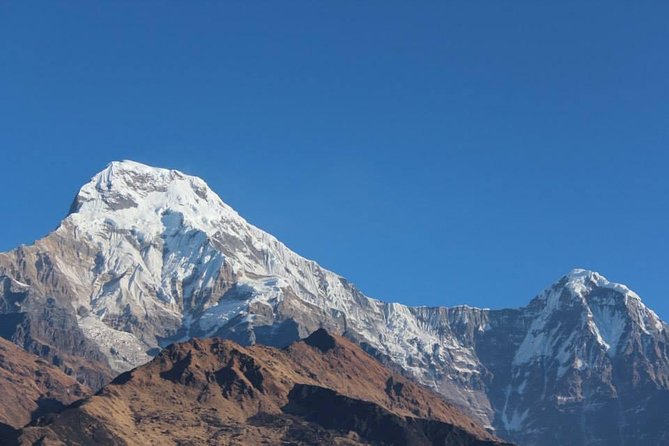
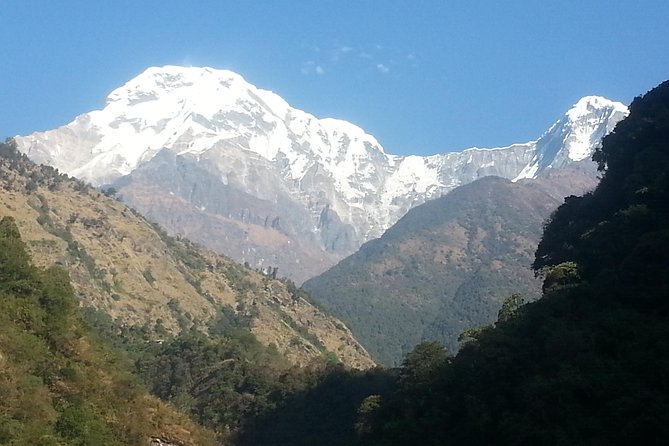
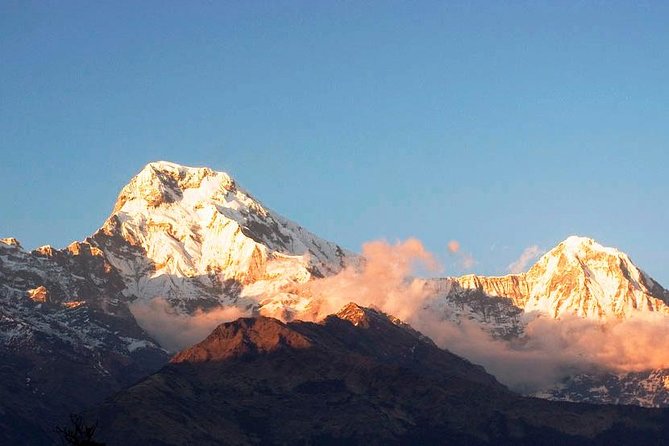
Day 1’s hiking has that classic Annapurna region feel: a noticeable climb early on. From Tikhedhunga, the route goes up steep stone stair steps, and it is very much a stair workout, not a gentle start. Your day ends in the Gorepani area, and you get your first meaningful mountain sightlines, including a view toward Hiunchuli and Mount Annapurna south.
What I like here is that the first day is short enough to handle, but steep enough to set the tone. What you should watch for is that the initial climbing can feel sharper if you are coming straight off travel. Wear decent shoes and take your time on the steps.
More Ghorepani and Poon Hill departures:
- Poon hill Trek 3 days
★ 5.0 · 176 reviews - Pokhara: 4-Day Ghorepani, Poonhill & Ghandruk Mountain Trek
★ 5.0 · 132 reviews - Ghorepani – Poon Hill Trek 3N-4D
★ 5.0 · 125 reviews
Day 2 to Ghorepani: Ulleri, rhododendron country, and a view day with Dhaulagiri in it
Day 2 starts with breakfast while the mountains are waking up. After leaving Ulleri behind, you hike for about 4 to 5 hours and pass a handful of scenic places along the way. Expect a shift into more forested walking, including a stop area known for rhododendron and oak woodlands, and then trails that follow the Bhrurngdi khola.
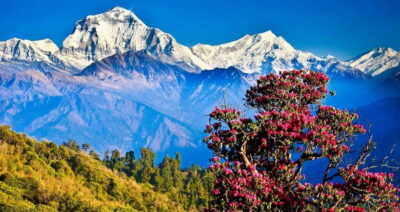
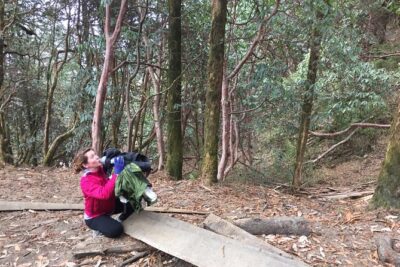
This is the day that often delivers that “Nepal by foot” feeling. You spend most of your route trailing through jungle-like sections, and in spring you can catch blooming rhododendron and more wild birdlife. Even when it is not spring, the forest cover keeps the hike from feeling like pure open slope.
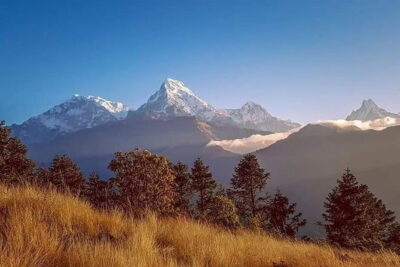
By the time you reach Ghorepani, the views broaden. The mountain lineup you can see from this area includes Dhaulagiri, Annapurna South, and Hiunchuli.
Practical note: Day 2 tends to feel like a mix of steady hiking and constant “wait, look at that” pauses. Build in small rests so you enjoy the forest and don’t just sprint between viewpoints.
Day 3: Poon Hill sunrise, the peak names, then the downhill toward Tadapani
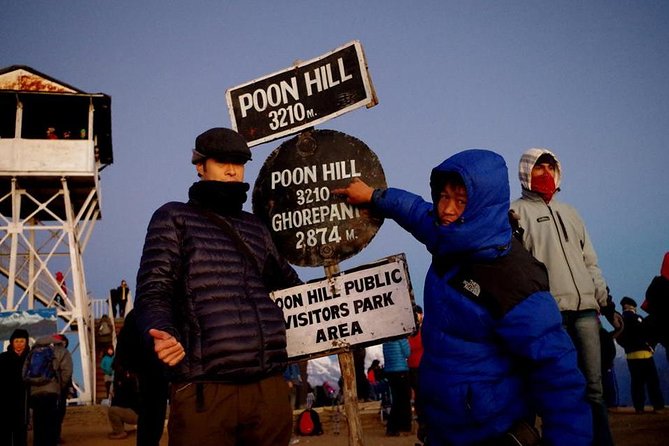
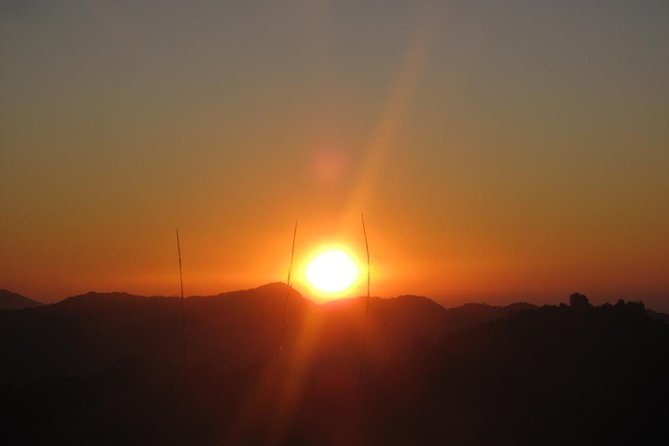
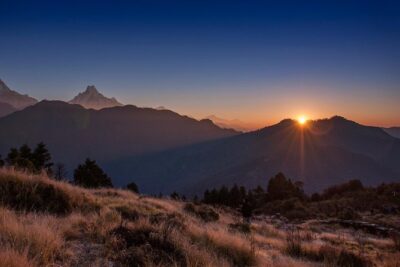
Day 3 is the one you plan your entire trek around. You wake early and go straight to Poon Hill to catch sunrise. This is one of those rare moments in trekking where the effort feels instantly worth it. The panorama you see is massive, and the peak list can be a lot to take in all at once, including Annapurna, Bahari Shikhar, Hiunchuli, Nilgiri, Dhaulagiri, Manaslu, and Machhapuchhre.
After sunrise viewing, you head back to Ghorepani. Breakfast is waiting at the lodge, which is a big quality-of-life win on an early-morning day. Then you start your descent toward Tadapani.
The main thing to know is that this day involves an early start plus a long walking rhythm after. If you are sensitive to cold mornings, dress in layers you can manage on the move and remove when the sun climbs.
Day 4: Tadapani to Ghandruk, rhododendron and oak on the way down
Your final day stays in the “hills on foot” lane, but with a downhill tilt. After breakfast on the hill, you go down toward Ghandruk. The trail passes rhododendron and oak woodland again, and you may notice wildflowers along the way, depending on season.
Ghandruk is a memorable landing point because it feels like a real village, not just a rest stop. It has local people, beautiful houses, and that crisp mountain air you noticed earlier in the trek. It is also popular with Nepali visitors for exactly this kind of scenery and village atmosphere.
At the end of the trek, you take a sharing Jeep or bus from the trek end point in Ghandruk back to Pokhara. That makes Day 4 feel like a clean finish, instead of dragging onward.
More to compare around Pokhara
- ZipFlyer Nepal – The World’s Steepest Zip-line
★ 5.0 · 608 reviews - Bungee Pokhara by HighGround Adventures
★ 5.0 · 366 reviews - From Pokhara: Sarangkot Sunrise Himalayas Tour
★ 4.7 · 218 reviews - ATV Adventure Tour in Pokhara, Nepal
★ 5.0 · 194 reviews
Price and logistics: what $600 per person actually buys you
At $600 per person for about four days, the value comes from what’s included, not just the fact that it is a guided trek. You get accommodation as per the itinerary, plus transportation from Pokhara to the trek start point (Birethanti) and back from Ghandruk. You also get local taxes, all necessary permits, and taxes and handling charges.
Meals matter on this route, because the trekking pace makes hunger show up fast. You get 3 meals a day during the trek: breakfast, lunch, and dinner. There is also coverage for your guide expenses, including food, accommodation, salary, insurance, and equipment.
That’s the real deal: you are paying for the structure that keeps the trip smooth. You are not spending time haggling for permits or figuring out lodge logistics after a long walk.
What is not included is also important. Alcoholic drinks are extra, and so are personal costs like bottled water, mobile or camera charging, hot shower, desserts, and sweets. Tips for your trekking guide are expected.
If you like predictable budgeting, this package style is comforting. If you want to control every meal choice and skip lodge stays, you might prefer a more DIY setup.
Meals and lodge nights: simple, with cold-weather reality
The lodges along the route are basic. One review experience specifically noted that lodges were simple and without heating, so cold can be a factor, especially in winter. That lines up with what you should expect on a trek like this: you will likely have a warm meal, but it is not the same as sleeping in a heated hotel room.
Since bottled water and some comforts are listed as personal expenses, plan to budget for what you want beyond the included meals. Charging and things like hot showers may cost extra depending on the lodge.
The upside is that meals are ready when you arrive, and the trekking schedule is built around those meal breaks. You should feel “fed and guided” rather than “walking until you solve dinner.”
Your private guide: why names like Raman, Santosh, and Raj keep coming up
This is not a random route with a map and hope. You get a professional English-speaking trekking guide trained by the Ministry of tourism, and the tour is private in the sense that only your group participates.
The reviews point to a specific style of guiding: patience, humor, and good pacing. Guides like Raman and Santosh are mentioned for being friendly and adjusting to the group’s pace, including helping beginners who were worried about finishing. Another guide, Suresh, is described as patient and not putting pressure on new trekkers, which matters more than people think on steep sections.
A small but memorable detail from one experience: the guide brought fruit up the trail and even played cards in the evening. That tells you something important about the vibe. You are not just “managed” on a schedule. You are also kept company during downtime.
In practical terms, this means you can ask questions about what you see, and you can slow down when your legs say slow down. That makes the whole trek feel smoother.
Weather and season: spring rhododendrons, rainy-season clarity, and cold mornings
The trek lives in a climate zone where seasons can change what you experience. In spring, rhododendron is a highlight, and you may also spot more wild birds and animals along forested stretches.
Rainy season can still work. One experience noted that it was rainy season, but there was little rain during daytime and mountains were visible clearly from Tadapani. That does not mean rain never happens, but it suggests visibility can still be good even when clouds roll in.
For you, the key is planning around the daily timing. Sunrise at Poon Hill depends on you being there early, and cold mornings can be part of that. Also remember that lodges may not be warm, so pack layers that actually help.
Who should book this, and who might struggle
This trek fits best if you want a moderate, short trek with big views. It is listed as moderately strenuous, and your best match is someone with at least a basic fitness level. Reviews included first-time trekkers who appreciated guides adjusting the pace to their ability.
You might not love it if you want an easy stroll with little elevation change. Day 1’s stone staircase climb is steep, and even if the total distance is manageable, the vertical effort stacks up.
If your priority is a summit-style push, this is not that kind of trek. Instead, it is about finishing comfortably, enjoying the villages, and getting that sunrise panorama.
Should you book the Ghorepani Poon Hill Trek from Pokhara?
I think you should book this if you want a short Annapurna region trek that hits the best “wow” moment early, Poon Hill sunrise, without dragging your trip into complicated planning. The included package makes it easier to focus on walking, photos, and enjoying the rhythm of the hill villages.
It is especially worth it if you like the idea of having a guide who can pace you and explain the mountain names as you go. I also appreciate that your money covers permits, meals, lodge nights, and transport, so you are not stuck estimating daily costs on the fly.
Skip it or at least rethink if you hate cold nights in simple lodges, or if you expect warm hotel-style comfort. With the right layers and a steady pace mindset, though, this is a strong 4-day choice for your first Nepal trek or a repeat trip for your camera.
FAQ
Where does the trekking start and where does it end?
The trek starts at Birethanti (with transport from Pokhara) and ends at Ghandruk. After the trek, you take a sharing Jeep or bus back to Pokhara.
What is included in the $600 per person price?
The price includes accommodation as per the itinerary, taxi to the trek start point from Pokhara, local taxes, all necessary permits, and 3 meals per day during the trek (breakfast, lunch, dinner). It also covers the professional English-speaking trekking guide, guide expenses, and the sharing Jeep or bus back to Pokhara.
Are meals included, and are there any food costs?
Meals are included during the trek, with breakfast, lunch, and dinner. Alcoholic drinks are not included, and personal expenses like bottled water and snacks or sweets are not included either.
Do I need to arrange permits or permits are handled for me?
Permits are included. All necessary permits for the Ghorepani Poon Hill trek are part of the package.
Is the guide English-speaking, and is the group private?
Yes. You get a professional English-speaking trekking guide trained by the Ministry of tourism. It is also a private tour/activity, so only your group participates.
Is this trek suitable for a beginner?
It is described as moderately strenuous, and there is mention that it can be adjusted to your level. Reviews include experiences from first-time trekkers who felt supported and paced comfortably by the guide.
What are the lodge nights like, and what should I pack for?
Lodges are described as simple and without heating in at least one experience. That means you should pack warm layers for cold nights, especially in colder seasons.
What about hot showers or charging my phone?
Hot showers and mobile or camera charging are listed under personal expenses, so they may cost extra depending on the lodge.
If I need to cancel, what refund do I get?
You can cancel up to 6 days in advance for a full refund. For a 50% refund, cancel 2 to 6 days before the experience start time. If you cancel less than 2 full days before, the amount paid is not refunded.
Latest Pokhara write-ups
- Sunrise View from Sarangkot★ 5.0 · 3 reviews
- Beautiful Sarankot Sunrise with Full Day Sightseeing in Pokhara★ 4.5 · 3 reviews
- Sarangkot Sunrise Tour in Private Car★ 5.0 · 3 reviews
- Pumdikot Mahadev Status and Peace Stupa Hiking Private Tour★ 4.5 · 3 reviews
- Pokhara: Dhampus Easy Trek for Families with YoungKids 2 Day Tour★ 5.0 · 3 reviews
- Pokhara: Private Car Drive Tour to World Peace Stupa★ 5.0 · 3 reviews
- 5-Day Private Farming Experience in Nayapul with Accommodation★ 5.0 · 3 reviews
- Transfer to Lower Mustang (Jomsom)★ 5.0 · 3 reviews
Poon Hill Trek, compared.
4-Day Ghorepani, Poonhill & Ghandruk Mountain Trek
Read our review →
Browse the lists this tour appears in