
Pokhara’s Thakali dish cooking class is interesting because you get pulled into a real family kitchen, not a showroom where you just watch. I love the hands-on cooking where you chop, stir, and work right alongside the chef. I also like that the class centers on a signature Thakali meal (often dal bhat) so you learn why the flavors work, not only how to follow steps. One drawback to consider, do plan to be hungry, because lunch is a big part of the experience.
You’ll spend about 3 hours in a relaxed group setting (and it’s private for your group). The pace is friendly, the teaching is patient, and you’ll get English support from the cooking family chef, plus hotel pickup and drop-off to keep the logistics painless.
The price is $45 per person, which can feel like more than a quick demo. But you’re also getting round-trip private car transfers, all ingredients and utensils, and lunch with soft drinks, so it’s closer to a guided meal plus a mini cooking workshop.
Key things that make this cooking class a smart Pokhara activity
- Hands-on Thakali cooking with step-by-step guidance, not just watching from the sidelines
- Signature dish focus like dal bhat, built around the Thakali idea of spice and flavor balance
- Family-kitchen atmosphere where you get to know the hosts, not just sit through a class
- English-speaking family chef instruction that works well even if you have zero cooking experience
- Taste during the cooking, so you understand the food as it develops
- Pickup, drop-off, and lunch included, which adds real value for a half-day plan
Thakali in Pokhara, why this class feels more personal than a demo
Thakali food is built on comfort and balance. You’ll quickly see that Thakali cooking is not only about heat. It’s about combining spices, vegetables, and lentils in a way that tastes grounded and satisfying, then finishing with a meal that feels complete.
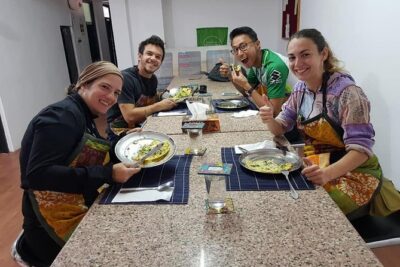
What makes this class special is that it happens in a real home kitchen. Several parts of the experience point to that: you’re guided by an English-speaking cooking family chef, and you’re treated like a visitor in the household, with time to ask questions. People also note how friendly and generous the hosts are, with a relaxed vibe that keeps the experience fun, even if you’re cooking for the first time.
The other big win is that this isn’t a scattershot snack class. You focus on a signature Thakali dish such as dal bhat or other traditional specialties, so you learn one menu properly.
More Cooking Classes in Pokhara
- Nepalese Momos or Dal Bhat Cooking Class (Cook with Delight)
★ 5.0 · 99 reviews - Nepalese Kitchen in Pokhara: Momos or Dal Bhat Cooking Class
★ 5.0 · 67 reviews - MoMo or Dal Bhat Cooking Class at Aama Kitchen in Pokhara
★ 4.9 · 28 reviews
The smooth start: hotel pickup and private car transfers
Time in Pokhara can disappear fast, especially if you’re juggling lakeside walks, the airport, and the usual sightseeing traffic. Here, the experience starts with hotel pickup and drop-off, plus a round trip transfer by private car.
That matters for two reasons:
- You don’t waste your best energy figuring out transport to a home kitchen.
- Your day stays predictable, because you’re not trying to guess a meeting point and then arrive rushed.
The tour also uses a mobile ticket, which helps on the practical side. You get confirmation at booking too, so you have less last-minute stress.
Welcome to the Thakali approach, spices, utensils, and the way food is taught
Before you touch ingredients, you’ll get a warm welcome and an introduction to Thakali cuisine. The goal is to help you understand what you’re about to cook, especially the role of aromatic spices and wholesome ingredients.
In a lot of cooking classes, the intro is short and vague. Here, the teaching style seems to focus on making you comfortable with what you’re doing. People highlight how organized the spices are in the kitchen and how efficiently the cooks move around the workspace. That organization is not just pretty. It’s how Thakali cooking stays consistent dish after dish.
You’ll learn cooking techniques specific to the Thakali tradition, including:
- Using local spices
- Working with traditional utensils
- Learning methods that have been passed down in the household
If you’re the kind of traveler who likes to understand the why, not only the how, this part is worth paying attention to. Even with no prior kitchen skill, you should leave with a mental map of what influences the taste.
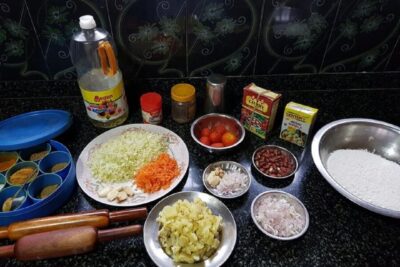
Hands-on cooking: chopping vegetables, stirring pots, and learning spice balance
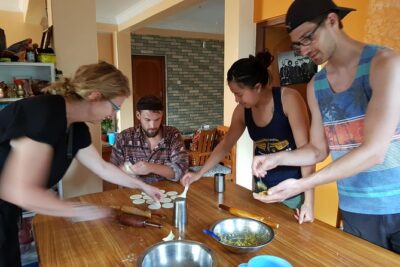
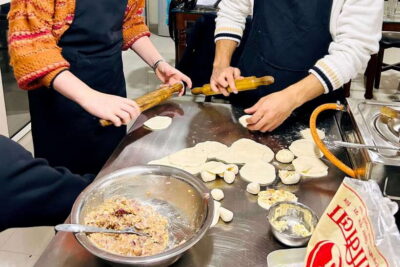
Once you’re in the kitchen, it turns into real work in the best way. You’re not there as a spectator. You’ll roll up your sleeves and help prepare the dishes, from chopping vegetables to stirring pots.
A few details make this hands-on approach click:
- The chef guides you step-by-step, so you’re not guessing timing.
- You can taste as the food develops, which helps you connect flavor to technique.
- The kitchen setup is efficient, and that means you’re not standing around waiting for someone else to do everything.
From the experiences shared by guests, the teachers can be patient and calm. Names you might see associated with instruction include Sanva and Shanta, along with women like Roma and Rita mentioned as leading parts of the cooking. The common thread is that they explain while working, so you’re learning while your hands are active.
Also, you’re likely to work with vegetables that are familiar to the local region. One guest noted using veggies they’d seen growing nearby. That type of ingredient choice matters because it keeps the flavors tied to the place, not generic grocery substitutions.
A different sort of day out of Pokhara:
- ZipFlyer Nepal – The World’s Steepest Zip-line
★ 5.0 · 608 reviews - Bungee Pokhara by HighGround Adventures
★ 5.0 · 366 reviews - From Pokhara: Sarangkot Sunrise Himalayas Tour
★ 4.7 · 218 reviews - ATV Adventure Tour in Pokhara, Nepal
★ 5.0 · 194 reviews
The signature dish: dal bhat and the lessons behind perfect balance
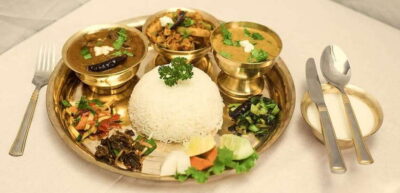
The class centers on a signature Thakali dish, often dal bhat or another traditional specialty. What you learn here is not just one recipe. You learn the Thakali logic of balance.
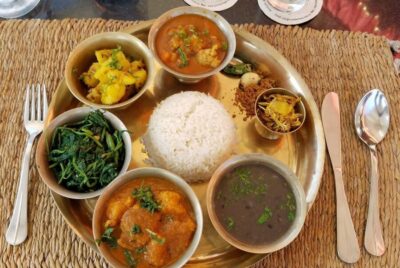
Dal bhat is a great example of why this style works. It’s built on a mixture of components, and the spices bring everything together. In practice, that means you’ll pay attention to how the lentils and sides taste at different stages, and how adjustments change the final plate.
Here’s what you can take away even if you don’t memorize every step:
- How spice intensity changes when ingredients are cooked longer
- How vegetables and lentils combine into a single cohesive flavor
- Why the kitchen approach values seasoning at the right moments, not only at the end
A nice bonus is that you don’t have to wait until the very end to understand the flavor. People mention being able to taste dishes as they cooked. That keeps you engaged and helps you learn faster.
Lunch with soft drinks, the best payoff for showing up hungry
Lunch is included, along with soft drinks, and it’s part of the point of this class. You are making food that you will actually sit down to eat.
This is also where the earlier tip becomes important. One guest directly advised to not eat breakfast before you go because there’s a lot of good eating. I agree with that mindset. If you arrive already full, you’ll miss the best part, which is tasting what you helped make.
In a family-kitchen setting, lunch also tends to feel like a shared moment. It’s not a rushed meal between activities. It’s the finale that connects the cooking lesson to the actual satisfaction of the food.
English support that actually helps you cook, not just understand
The class is led by an English speaking experienced cooking family chef. That wording matters. It suggests you won’t be stuck with silent gestures or translation delays.
What I like about this setup is that it supports practical learning. When you can ask a question in plain English, you understand technique faster. And when the chef explains in a way that matches how the kitchen works, you can follow along without turning it into a stressful test.
A couple themes from guest experiences stand out:
- Teachers are super patient
- The kitchen teaching is relaxed, not rigid
- People often cook confidently even if they start with little experience
That combination makes the class a good fit for beginners.
Price and value: $45 for 3 hours, pickup, utensils, and lunch included
Let’s talk value, not just cost. At $45 per person, you’re paying for more than the cooking lesson.
Included features that add up:
- Hotel pickup and drop off
- Round trip transfer by private car
- English-speaking family chef instruction
- All ingredients and utensils
- Lunch with soft drinks
So you’re not responsible for sourcing ingredients, bringing cookware, or arranging transportation to a private kitchen. For a short 3-hour activity, that’s a practical bundle.
Is it worth it? Usually, yes, if you want to come away with something tangible: the ability to recreate a Thakali meal and a better sense of how spices and cooking technique shape flavor. It’s less ideal if you only want a quick photo, or you dislike eating what you cooked.
Group size, private format, and who this fits best
This is a private tour/activity, meaning only your group will participate. In practice, that usually helps with comfort. You’re not squeezed into a crowded room, and you’re more likely to get individual attention when you’re chopping or adjusting seasoning.
It’s also often booked around 6 days in advance on average, which tells me it’s popular during peak travel times. If you have fixed plans in Pokhara, I’d treat it like a must-book experience and lock in your date earlier rather than later.
This class is a strong match for:
- Food travelers who like learning through doing
- Families, including kids who enjoy hands-on activities
- People who want a genuine local home meal experience
If you’re the type who prefers purely sightseeing, then a cooking class might feel like time indoors. But if you want one memorable Pokhara food story, this is the kind you’ll remember.
Should you book this Thakali dish cooking class in Pokhara?
If you want an authentic Pokhara experience that mixes family time, practical cooking, and a real lunch, I think you should book it.
Here’s my quick decision checklist:
- Book if you’re hungry for hands-on learning and want to cook a signature Thakali dish like dal bhat.
- Book if you like the idea of being picked up from your hotel and not dealing with the last-mile logistics.
- Don’t book if your goal is a short tasting only, or you don’t want to spend time in a kitchen setting.
Bottom line: for the price, you get a full package, and the experience is designed around interaction, not observation.
FAQ
How long is the Pokhara Thakali dish cooking class?
The class runs for about 3 hours.
Is hotel pickup and drop-off included?
Yes. Hotel pickup and drop-off are included.
Do I cook myself, or is it mostly a demonstration?
It is hands-on. You actively participate in the cooking, such as chopping vegetables and stirring pots.
What dishes will we learn to make?
The class focuses on a signature Thakali dish, such as dal bhat or other traditional specialties.
Is lunch included?
Yes. Lunch is included, along with soft drinks.
Are ingredients and utensils provided?
Yes. All cooking ingredients and utensils are included.
Who teaches the class?
An English speaking experienced cooking family chef leads the class.
Is this tour private?
Yes. It is private, and only your group participates.
What is the price?
The price is $45.00 per person.
Can I cancel for a full refund?
Free cancellation is available. You can cancel up to 24 hours in advance for a full refund. If you cancel within 24 hours, the amount paid is not refunded.
Latest Pokhara write-ups
- Sunrise View from Sarangkot★ 5.0 · 3 reviews
- Beautiful Sarankot Sunrise with Full Day Sightseeing in Pokhara★ 4.5 · 3 reviews
- Sarangkot Sunrise Tour in Private Car★ 5.0 · 3 reviews
- Pumdikot Mahadev Status and Peace Stupa Hiking Private Tour★ 4.5 · 3 reviews
- Pokhara: Dhampus Easy Trek for Families with YoungKids 2 Day Tour★ 5.0 · 3 reviews
- Pokhara: Private Car Drive Tour to World Peace Stupa★ 5.0 · 3 reviews
- 5-Day Private Farming Experience in Nayapul with Accommodation★ 5.0 · 3 reviews
- Transfer to Lower Mustang (Jomsom)★ 5.0 · 3 reviews
Cooking Classes, compared.
Nepalese Momos or Dal Bhat Cooking Class (Cook with Delight)
Read our review →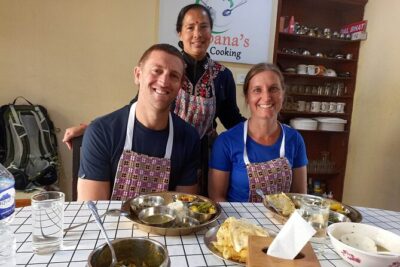
Nepalese Kitchen in Pokhara: Momos or Dal Bhat Cooking Class
Read our review →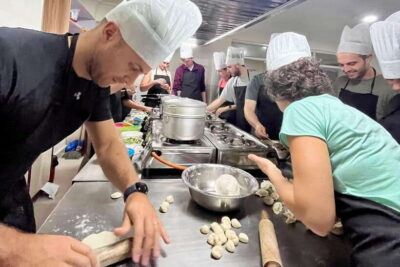
MoMo or Dal Bhat Cooking Class at Aama Kitchen in Pokhara
Read our review →Browse the lists this tour appears in