
Reviewed · MOMO MAKING CLASSES
Kathmandu: Local Women-Lead Nepali Cooking & Momo Class
Kathmandu’s local women-led cooking class is interesting because you get Kathmandu street life and real kitchen time in the same half day. I especially like the focus on momo plus dal bhat (not just a demo), and that the group stays small, so you get hands-on help. One consideration, the menu choices can be shared as a group, so if you want only momo, you may need to speak up.
You start with a market stop to choose fresh ingredients, then you cook with provided equipment, taste what you make, and leave with practical recipes you can repeat at home. English instruction is available, and the class is in Thamel, which makes it easy to fit into a Kathmandu itinerary. If Kathmandu traffic affects timing, plan to be a little flexible, especially with pickup.
Key things to look for
- Market tour for fresh ingredients right before you cook
- Hands-on momo and dal bhat with step-by-step coaching
- Small group, up to 10 people, so you are not stuck watching
- Pick your own starter, main, and dessert choices from what is offered
- Nepali masala tea included during the lesson
- English-speaking instructors and adjustable spice and vegetarian options (when you request)
Why Kathmandu Momo and Dal Bhat Works So Well for a Half-Day Class
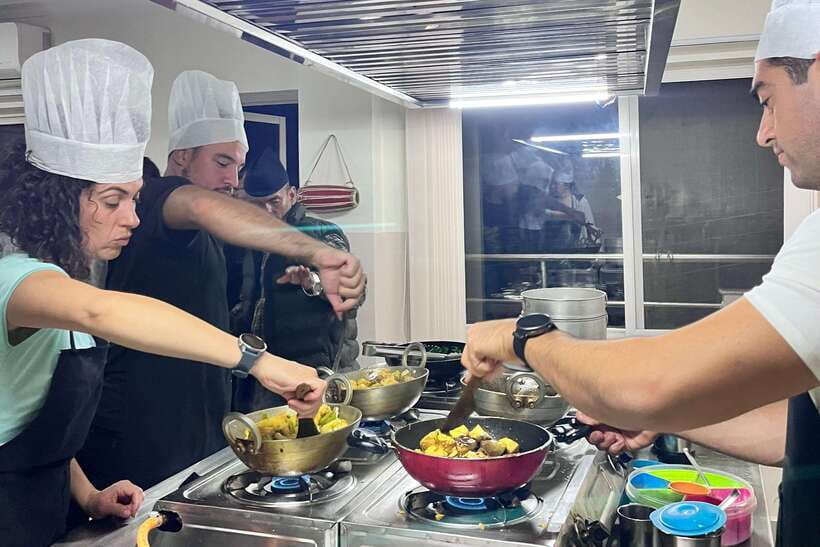
If you like your travel experiences practical, this type of Kathmandu cooking class hits the sweet spot. You are not just hearing about Nepali food, you are making it with your hands. The best part is that momo and dal bhat give you two different cooking skills at once. Momo teaches technique and texture, while dal bhat teaches comfort-food balance.
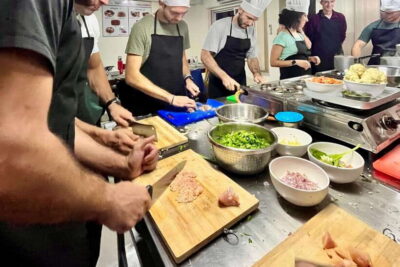
The class is designed around a real Nepali meal flow, and you can usually choose what you make. In previous classes, people have made things like chicken momo, dal bhat, aloo chop (spiced potato patties), and mushroom choila. That variety matters because it helps you understand Nepali cuisine beyond one dish.
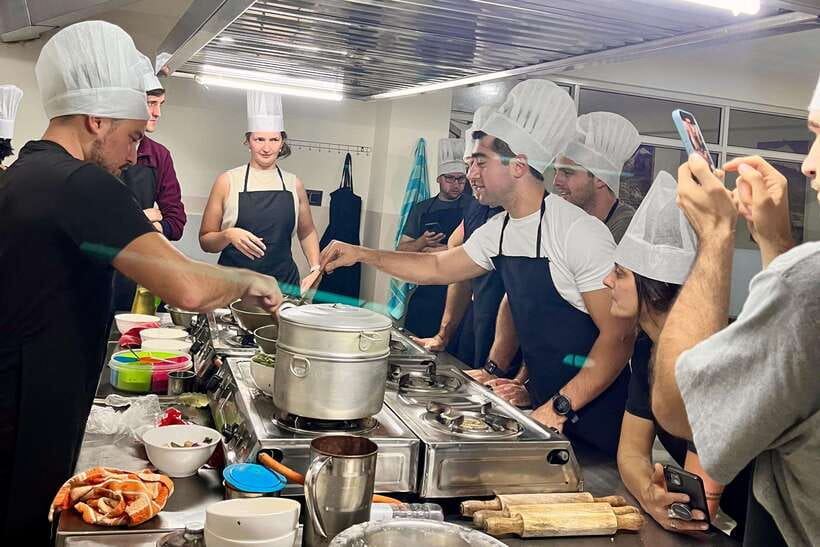
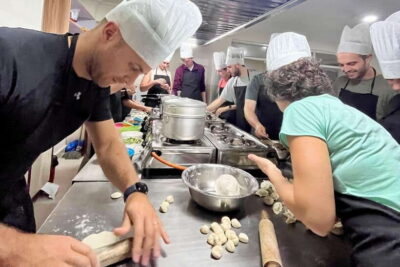
It also helps that the group is small, limited to 10 participants. In kitchens, small groups are the difference between “nice watching” and “I actually learned that.” You will be working alongside a chef and instructor, not waiting for your turn.
One more reason I like this format: the school uses provided equipment and guides you from start to finish. That means you do not need to bring skills or confidence. You just bring attention and appetite.
More Cooking Classes in Kathmandu
- Kathmandu: Local Women-Led Nepali Cooking & Momo Class
★ 4.9 · 360 reviews - Kathmandu: Local Lead Nepali Cooking & Momo Making Class
★ 4.9 · 40 reviews - Kathmandu: Women-Led Cooking Class & Momo Making-Local Taste
★ 4.8 · 15 reviews
Finding Kathmandu Cooking Academy in Thamel, and Getting Set Up
The class meets at Kathmandu Cooking Academy. Thamel is the hub for visitors in Kathmandu, so the location is convenient, easy to reach, and familiar if you are already staying nearby.
Plan to arrive at least 15 minutes early. That buffer is useful because you will likely want a quick hello, a sanity check on your chosen dishes, and time to get into comfortable cooking clothes. Wear something you can move in and get a little flour, steam, or spice on. You can bring a camera, since you will be cooking and eating in the same session.
If you booked hotel pickup, it helps for timing and stress. Pickup is offered from within Kathmandu Valley, but it is optional. If you do not choose it, you will make your own way to the venue.
Class communication is English, which is a big plus for solo travelers and couples who do not want to worry about language barriers. Also, the class is listed as wheelchair accessible, which is worth noting if you need barrier-free logistics.
Market Tour: Picking Ingredients Like You Actually Mean It
The class includes a market or shop tour before cooking. This is where the experience starts to feel real, because ingredient choices affect everything you taste later.
You go out to buy important ingredients, then bring them back to cook. Even if you are a beginner, you will start recognizing what matters in Nepali cooking: herbs, spices, vegetables, and staples that give momo fillings and dal bhat their character.
This part is valuable for two reasons. First, it turns cooking from a set of instructions into decision-making. You see what fresh looks like in Kathmandu, then you handle it yourself. Second, it gives you context for the recipes. Later, when you try making dal bhat or momo at home, you are not just copying amounts, you are understanding the role of each ingredient.
Tip: keep an eye on spice levels and substitutions. If you want vegetarian food, or you have dietary restrictions, tell the instructors in advance so they can accommodate you during planning and cooking.
Cooking Momo and Dal Bhat With a Step-by-Step Chef
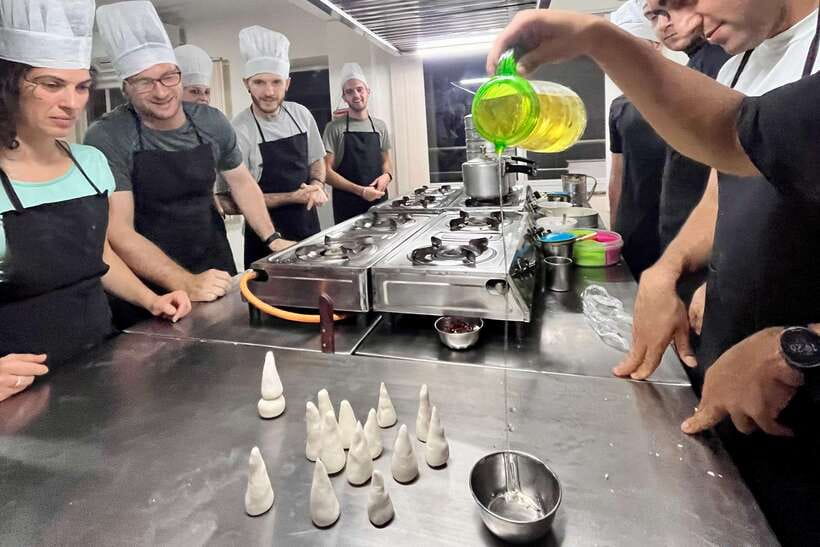
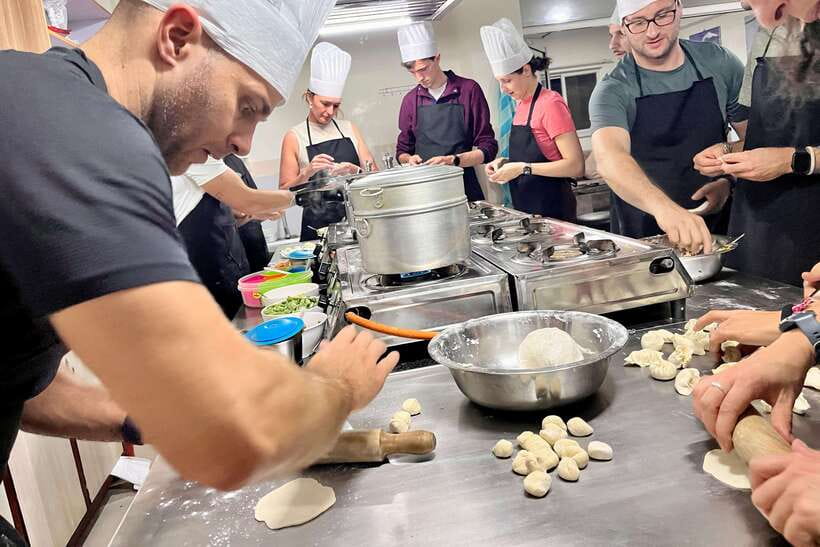
Now for the main event: the hands-on cooking session. The class is built around two core dishes, momo and dal bhat, and you get step-by-step guidance while you cook.
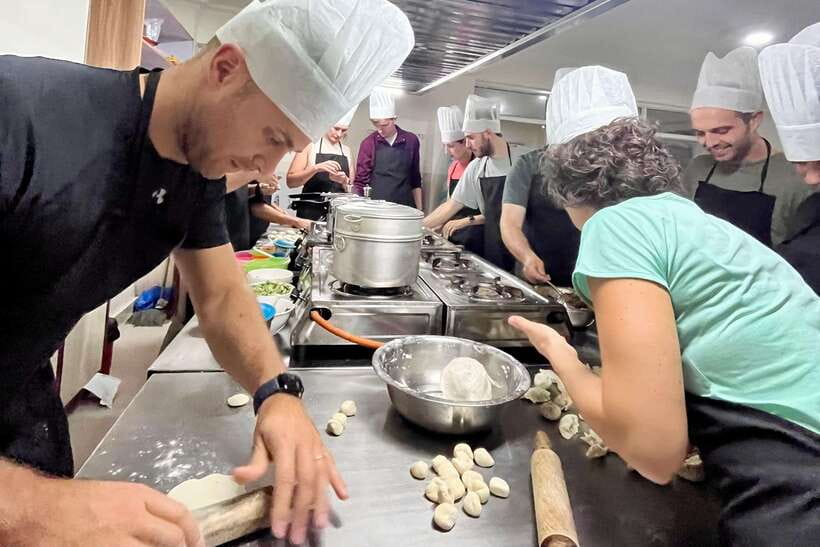
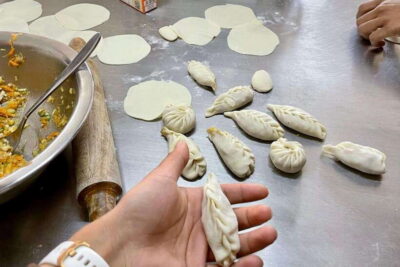
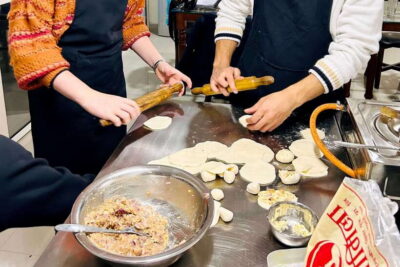
For momo, you typically work through the process with support. You will learn how to handle dough, prepare filling, and shape the dumplings. The goal is not perfection on the first try, it is understanding the method well enough that you can repeat it later.
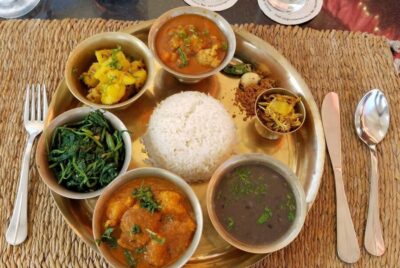
For dal bhat, the class focuses on the basics of Nepal’s staple meal. Expect coaching on how the dal and the rice work together, plus how seasonings and spices affect flavor. Dal bhat is comforting food, but it is not bland when it is done right, so you will be learning how to balance taste.
Dishes can vary based on what is available and what your group chooses. In past sessions, people have cooked alongside momo and dal bhat with options like aloo chop and mushroom choila, which show how Nepali flavors move from dumplings to hearty mains and savory sides.
Chef names you might hear in these classes include Nish and Nishma, and the teaching style tends to be friendly and patient. That matters because kitchens can feel intimidating if you are rushed, especially in a foreign country. Here, the pacing is built for learning.
More Momo Making Classes in Kathmandu:
- Kathmandu: Traditional Momo Making Class & Pickup
★ 4.8 · 60 reviews - Kathmandu: Momo Making Class with a Local Chef
★ 5.0 · 3 reviews - MoMo or Dal Bhat Cooking Class at Aama Kitchen in Pokhara
★ 4.9 · 28 reviews - Pokhara: 3 Hour MoMo cooking class
★ 4.5 · 10 reviews
Choosing Your Starter, Main, and Dessert, Without Losing Your Mind
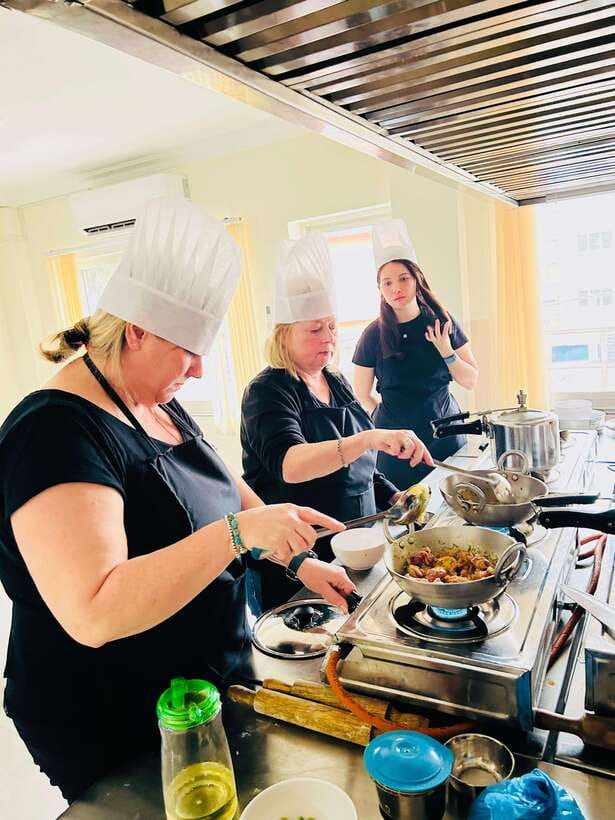
One of the most useful parts of this class is that you choose what you cook. The structure often works like this: you pick a starter, a main, and a dessert course (plus you may have additional dish choices depending on the class flow). That is how you end up with a meal you actually want to eat.
In small groups, choice is easier. Still, there can be a group decision element. One solo participant noted that when the group was planning dish selection, they had to encourage the group to include more momo. The bright side: small group size makes it more flexible than a large, fixed menu class.
If you want momo for sure, communicate early. Decide your course preferences right away when you arrive, so the chef can plan ingredients and station work.
Dessert is included as part of the meal experience, but the exact dessert type is not specified in the tour details you provided. Treat it as included and confirm what options are available during the class planning step.
There is also a practical benefit after class: you may receive a PDF of everything you cooked. That is a big deal if you want to recreate the dishes later without guessing. Some participants also mention a cookbook was available to buy, so if you love the food, you might want to ask what is available before you leave.
How Much Food You Actually Eat, and What Comes With It
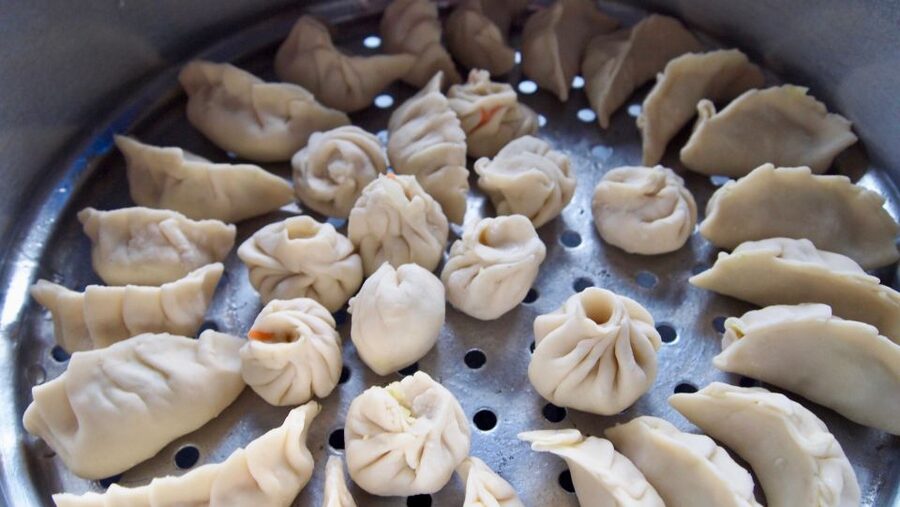
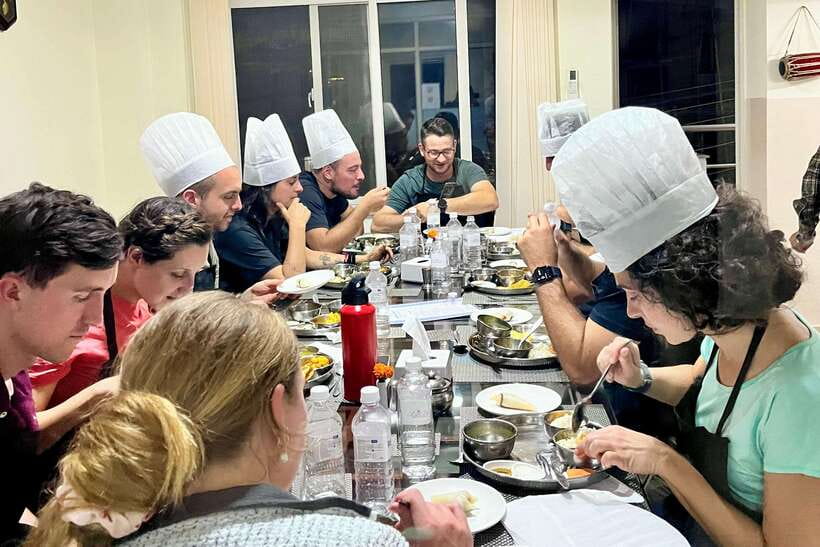
This is a class that feeds you. You do a tasting session of the food you prepared, so you are not just cooking for the sake of cooking.
Portion expectations are real. One participant said the quantity of food was huge and advised coming hungry. Another person described eating several dishes during the session, with plenty of food to go around.
You also get Nepali masala tea during the lesson. That little pause matters because the tea is part of how the meal feels Nepali, not just a beverage added at the end. It also helps when you taste spicy dishes or need a break while cooking.
In terms of drinks, specialty or alcoholic drinks are not included. So if you are expecting a bar setup, this is not that kind of class. It is focused on meal-making, tasting, and learning.
Timing, Pickup, and Why You Should Build in Kathmandu Buffer Time
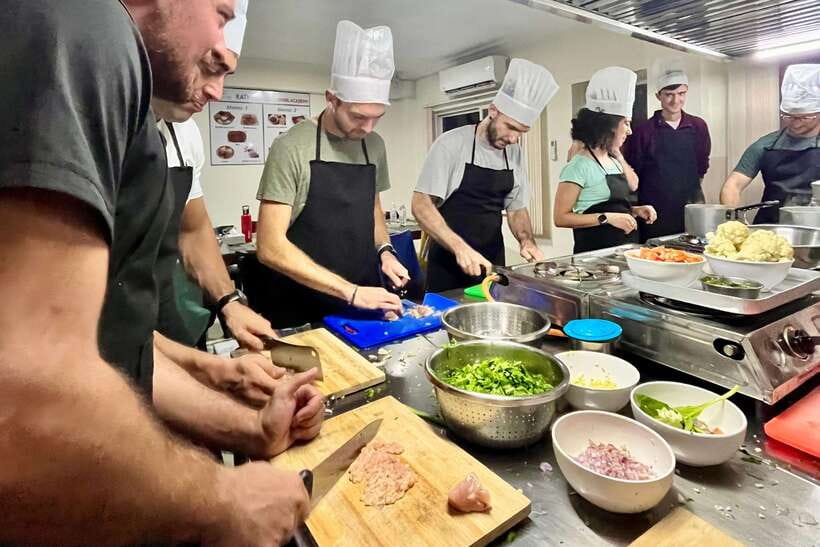
The class lasts 3 to 4 hours, with a typical duration of about 3 hours including the market visit and cooking. That makes it a solid half-day activity, especially if you want something hands-on without losing an entire day.
Pickup and drop-off are available only if you select the option during booking. If you choose pickup, it is from any location within Kathmandu Valley.
One practical reality: Kathmandu traffic can cause transport to run late. There are reports of pickup and drop-off being delayed, with people treating it as understandable given congestion. My advice: build in a little breathing room around your class time. Do not schedule a tight dinner reservation right after, especially if you depend on pickup timing.
Who This Class Suits Best (And Who Might Want Another Option)
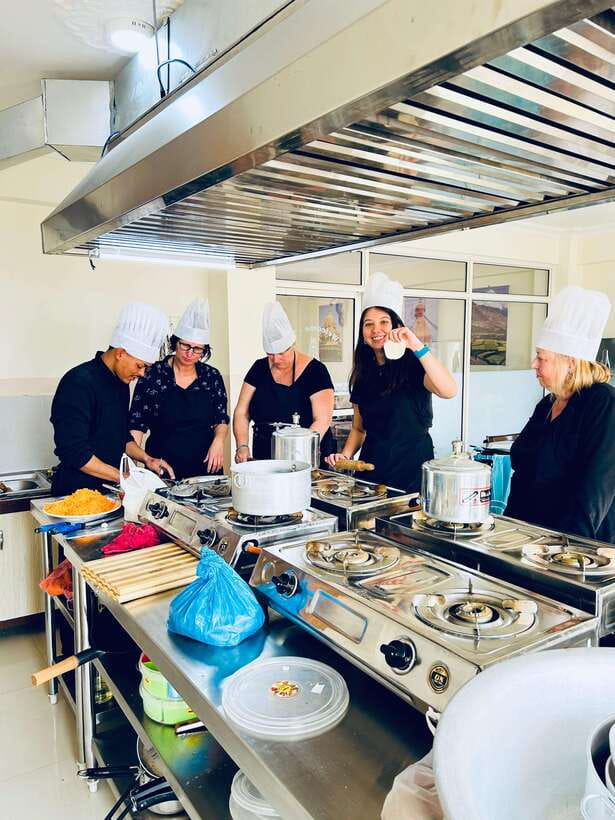
This activity is a great fit if you want:
- A small group cooking experience with real instruction
- A hands-on way to learn Nepali flavors, especially momo and dal bhat
- Something that works well for solo travelers, since small groups can still feel social and not intimidating
- A flexible menu where you can choose what you cook
Vegetarian travelers have an option here. At least one participant reports the chef adjusted for vegetarian preferences and spice level without difficulty. If you have dietary restrictions or allergies, tell the organizers in advance so they can accommodate you.
This also works well for visitors who are short on time but still want context. The market tour gives you that quick cultural link, while the cooking gives you the skill and memory.
It may not suit everyone. It is not suitable for children under 5, and it is not suitable for people over 95. Children above 7 are welcome, but adult supervision is required.
Value for Money: How This $5 Price Makes Sense
The headline price is about $5 per person, which is eye-catching. But the real value is in what is included for that cost: market ingredients selection, cooking instruction, equipment use, and the chance to taste everything you made.
You are paying for:
- A chef-led, step-by-step cooking session
- Momo and dal bhat focus
- Choice of additional dishes like a starter and dessert
- Nepali masala tea during the lesson
- Tasting session
- Optional pickup and drop-off
That is a lot of service for the price, especially compared to many cooking classes elsewhere that focus on demonstrations or charge more for market time and meals. The small group size helps too, since it increases the odds you get real coaching.
One more value angle from participant reports: the school supports a local charity with its earnings. That is not the reason to book, but it is a nice extra incentive if you like spending money where it helps the community.
Quick Tips So You Leave With Skills, Not Just Photos
Before you go, here are the practical things that will make your class smoother and more rewarding:
- Arrive about 15 minutes early. You will start calmer and get course choices settled faster.
- Wear comfortable clothing you can work in. Cooking means heat, steam, and possible mess.
- Bring a camera if you want photos of the market and cooking steps.
- Tell the chef about dietary restrictions and your preferred spice level. You can usually adjust, but you need to communicate early.
- Decide your momo goal up front. If momo is your must-have, say so during planning, especially in shared selection moments.
- Come hungry. The food is part of the lesson, and portions can be generous.
If you do these, you will get more than an afternoon activity. You will come home with a meal you can reproduce, plus a better feel for how Nepali flavors are built.
FAQ
How long is the Kathmandu momo and Nepali cooking class?
The class typically lasts around 3 hours, and the total duration is listed as 3 to 4 hours including the market visit and cooking time.
Where does the class take place?
The meeting point is Kathmandu Cooking Academy. You can find it on Google Maps using the provided link.
Do I get hotel pickup and drop-off?
Hotel pickup and drop-off are available only if you select the pickup option during booking. Pickup is offered from any location within Kathmandu Valley.
Is the class taught in English?
Yes. The instructor is listed as English-speaking.
Is it a small group?
Yes. The class is limited to 10 participants.
What dishes will I learn to cook?
The class focuses on momo and dal bhat. You can also choose additional dishes for a more complete meal, including a dessert.
Is there a market tour?
Yes. You visit a market or shop to buy important ingredients for cooking.
Is food included, or do I just watch?
You participate hands-on, then you have a tasting session of the food you prepared.
What should I bring and wear?
Bring a camera. Wear comfortable clothing since you will actively cook.
Is the class wheelchair accessible, and are children allowed?
The class is listed as wheelchair accessible. Children above age 7 are welcome with adult supervision. It is not suitable for children under 5 or people over 95.
Should You Book This Kathmandu Momo and Cooking Class?
Book it if you want a practical Kathmandu food experience built around real cooking, especially momo and dal bhat, with a chef guiding you in a small group. The market tour plus tasting session makes it feel like more than a simple class, and the option to adjust spice level or go vegetarian can help you end up with a meal you truly enjoy.
Skip it only if you are looking for a purely fixed menu with no group input, or if you hate any chance of pickup timing shifting due to Kathmandu traffic. If you can be flexible and you like hands-on learning, this is a very strong value use of a half day in Thamel.
Latest Kathmandu write-ups
- 16 Days Island Peak Climbing With Everest Base Camp Private Trip★ 5.0 · 3 reviews
- 15 Days Round Annapurna Trek with Poon Hill from Pokhara★ 5.0 · 5 reviews
- Private Nepal round trip including Ghorepani Poonhill trek★ 5.0 · 3 reviews
- Everest Base Camp Trekking 16 Days★ 4.0 · 7 reviews
- 14 Days Luxury Annapurna Base Camp Trek★ 5.0 · 6 reviews
- Everest Base Camp Trek★ 5.0 · 32 reviews
- Everest Base Camp Trek★ 5.0 · 87 reviews
- Everest Base Camp Trek★ 5.0 · 97 reviews
Momo Making Classes, compared.
MoMo or Dal Bhat Cooking Class at Aama Kitchen in Pokhara
Read our review →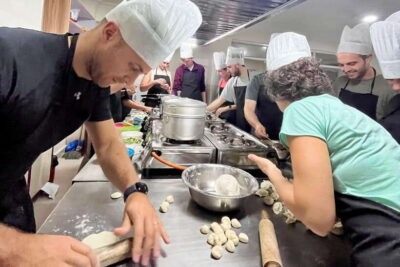
Browse the lists this tour appears in