
Reviewed · CITY TOURS
Pokhara: Day City Tour by Sharing Bus
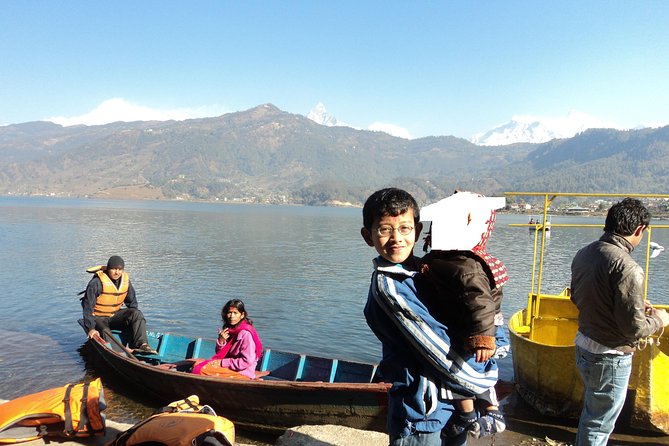
Pokhara has a way of stacking its best hits into one day, and this sharing bus day city tour is built for exactly that. You start at Shree Bindhyabasini Temple for mountain views, then roll through caves, waterfalls, a gorge, and lake scenery, ending back near the Lakeside area.
I especially like the tight pacing and the practical route, because you get a lot of variety without needing to figure out transport on your own. I also like the low price for a full half-day circuit, since the tour includes pickup and drop off within Lakeside and a local guide to help you make sense of what you’re seeing.
One thing to watch for is comfort and stop-by-stop consistency. Sharing minibuses can get crowded, and there is at least one negative experience noting an overbooked bus and a route change involving Begnas Lake, so you should confirm priorities when you meet your guide.
Key Highlights at a Glance
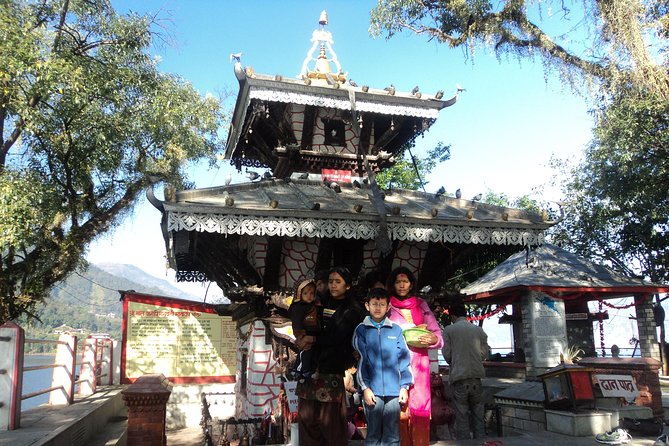
- Bindhyabasini Temple viewpoint with a clear look at the Annapurna range and Pokhara valley
- Two cave stops: Mahendra Cave and Gupteswar Gupha, with shorter time blocks that keep momentum
- Seti River gorge + Devi’s Fall in one smooth flow of water and rock sights
- Phewa Tal (Fewa Lake) lakeside return, so you can easily head back to your hotel on foot
- Dream City Pumdikot for a Shiva statue and panoramic Annapurna views
- Small group cap (max 20) and a shared mini bus format that keeps costs down
A Half-Day Loop Around Pokhara’s Temples, Caves, Water, and Lakes
This is the kind of day tour that works when you want variety and you do not want to plan like a logistics engineer. You’re out for about 6 to 7 hours, starting at 9:45 am, then you’ll move from high viewpoints to dark caves to water features, ending near the lake so you can slip back to your hotel easily.
Pokhara’s big draw is that it can feel both relaxed and dramatic. In one day you’ll see why people come for the Annapurna backdrop, then you’ll also get the odd, slightly spooky feeling that caves and gorge trails bring to the mix.
The tour also has a clear value angle. At $9.77 per person, you’re paying for transport plus a local guide, while keeping your entrance fees as a separate add-on (roughly $10 total, depending on what you pay for). That lets you control your budget on the spot.
More City Tours in Pokhara
- Guided Tour to explore the entire Pokhara City
★ 5.0 · 51 reviews - Pokhara: City Sightseeing Group Bus Tour
★ 4.1 · 37 reviews - Pokhara: Full-Day Guided Sightseeing Tour
★ 4.4 · 11 reviews
Price and Logistics: What $9.77 Really Covers
Here’s the practical breakdown. You get:
- A seat in a sharing normal mini bus
- Pickup and drop off within Lakeside area of Pokhara
- A local guide (you’ll need to ask for basic info if you want it)
What you do not get:
- Meals and drinks
- Entrance fees at sightseeing places (listed as around $10 overall)
For most people, that’s a fair deal because transport is the hard part to “DIY” in Pokhara if you are not renting a vehicle. This tour also includes a mobile ticket and runs with group discounts when available, which helps if you’re traveling with someone.
The small-group limit (maximum 20 travelers) is a plus. Still, since it’s a sharing bus, you should pack for the reality that you may be sharing space, and you may not get the best seat every time. One unhappy account specifically called out an overbooked bus and poor seating, so it’s smart to book early and show up ready to move fast at pick-up.
The 9:45 Route: What You’ll Actually Do From Stop to Stop
The itinerary runs like a good playlist. Short stops keep you moving, but you still get enough time to walk around, take photos, and get the main idea at each spot. The listed time blocks are roughly:
- Temple viewpoint: 35 minutes
- Caves and gorge stops: 20 to 40 minutes
- Waterfall and lakeside segments: 30 minutes each
- Pumdikot viewpoints: 25 minutes
Between stops, there is driving time. That’s why the overall estimate is 6 to 7 hours, not 4 hours. It’s also why a morning start matters. You’ll catch daylight for viewpoints at Bindhyabasini and Pumdikot, and you’ll avoid feeling rushed into caves.
Below is what each stop typically feels like and what to consider before you go.
Stop 1: Shree Bindhyabasini Temple for Annapurna Views
You begin at Shree Bindhyabasini Temple. This is a Hindu temple, and the visit starts with the temple area first, then you’ll head up for views.
The payoff here is the panorama. From the top, you should get an impressive look at the Annapurna mountain range and the wider Pokhara valley. It’s also one of the most photogenic moments early in the day, when your brain is fresh and your camera batteries are still happy.
Practical note: the admission ticket here is listed as free. That makes this an easy win stop, especially if you are trying to keep entrance costs low.
What to keep in mind:
- Wear something comfortable and easy to walk in, since temple climbs and viewpoints can involve stairs.
- If you’re sensitive to heat, go steady. Morning sun can still feel strong in the valley.
A different sort of day out of Pokhara:
- ZipFlyer Nepal – The World’s Steepest Zip-line
★ 5.0 · 608 reviews - Bungee Pokhara by HighGround Adventures
★ 5.0 · 366 reviews - From Pokhara: Sarangkot Sunrise Himalayas Tour
★ 4.7 · 218 reviews - ATV Adventure Tour in Pokhara, Nepal
★ 5.0 · 194 reviews
Stop 2: Mahendra Cave, Short and Dark (Plan for That)
Next you drive to Mahendra Cave. You get about 30 minutes, and entrance is not included.
Caves are not just “a photo spot.” They change the whole pace of your tour. You’ll likely want a quick, careful walk, and if you like photos, you’ll want to adjust your expectations for lighting. The time block is short, which is good if you want to keep your day efficient, but it means you probably will not feel like you can fully linger.
My advice: bring a jacket if you run cold easily. Cave temperatures can feel cooler than the sun outside, and that contrast is part of the experience.
Stop 3: Seti River Gorge for a Quick Water-Rock Moment
After the cave, you head to Seti River Gorge for about 20 minutes. Entrance is not included.
This is one of those stops where the “main thing” is visual, not long-walk exploration. Expect a compact visit, enough time to look, reposition for a couple angles, and move on.
If you like geology or you’re the type who enjoys how water shapes rock over time, this stop will feel satisfying even with the short time limit. If you want a long, guided hike, this might feel too brief, but for a day city circuit, it fits.
Stop 4: Devi’s Fall, the Most Famous Name on the Route
Then comes Devi’s Fall, timed at about 30 minutes. Entrance is listed as not included.
This is the stop most people have heard of. You’ll be walking around a waterfall feature, and it tends to be one of the spots where photos go viral because it looks odd and dramatic.
What to watch for:
- Footing can be slick near water, so go slow.
- If it’s busy, give yourself space. You don’t need to rush, but you also don’t want to lose your whole time block stuck in a crowd.
This is also a turning point in the day, mentally. After Devi’s Fall, you pivot from open water drama back into caves before the lake viewpoint segment later.
Stop 5: Gupteswar Gupha for Cave Time with a Different Feel
Next is Gupteswar Gupha (Gupteshwor Cave). You’ll get around 40 minutes, and entrance is not included.
This longer time block compared with Mahendra Cave suggests it’s one of the deeper “experience stops.” Even if you don’t love caves, this one can be memorable because it’s often more about moving through the space and noticing details than snapping one quick shot.
If you’re traveling with family, this is one of the stops where younger kids might get a bit restless. The upside is that the time is reasonable, and the rest of the day stays balanced with outdoor viewpoints afterward.
Stop 6: Phewa Tal (Fewa Lake) Side Area, Then Back on Your Own
After the caves, you drive to the Phewa Tal side area. The tour ends this segment with about 30 minutes, and entrance is not included.
This is a smart design choice. Instead of making you end on a bus far from everything, you’re brought back to an area where you can walk back to your hotel. For many people, that’s what turns a good tour into a genuinely useful day.
How to use this time well:
- Take the chance to stretch, grab a drink, and do a last photo round.
- If you want a relaxed end, don’t try to cram in extra stops. Use this as your decompression.
Also note: the tour overview mentions Fewa Lake and Begnas Lake. The itinerary wording suggests Begnas Lake may come before Devi’s Fall, but there has been at least one complaint about Begnas Taal not being visited. If Begnas Lake is a must for you, I’d treat it as a confirm-at-pickup item.
Stop 7: Dream City Pumdikot for Shiva and Annapurna Panoramas
Finally, you go to Dream City Pumdikot for about 25 minutes. Here the admission ticket is listed as included.
This is where the day closes on a viewpoint note. You’ll see the statue of Lord Shiva and you should get panoramic views of the Annapurna Mountain range.
Why this matters: after caves and waterfalls, you’re back outside and up high. That perspective shift is the perfect way to end. It also tends to be a better memory-maker than another quick stop, because you finish with wide shots that show Pokhara in one frame.
The Best Parts You Can Count On (And Why They Matter)
From a value-and-experience perspective, three elements make this tour feel like it earns its low price.
First, it’s a compact circuit that hits multiple “Pokhara icons” in one day. If you’re short on time, this prevents the common mistake of wasting a half day just getting around.
Second, it includes two cave experiences plus a gorge and Devi’s Fall. That mix keeps the day from becoming monotonous temple-only sightseeing or lake-only sightseeing.
Third, the ending at Phewa Tal side area gives you freedom. You can slow down afterward without needing to coordinate additional transport.
The most positive feedback tied to this kind of day tour is simple: a shared bus format can be a fun way to spend time together as a group. Just be realistic about seating, because sharing transport is not a private-car experience.
Where This Tour Can Fall Short for Some People
Let’s be honest about the main friction points.
The biggest risk is comfort and route adherence. One negative experience described an overbooked bus where seating felt inadequate, and said the itinerary did not match what was expected, specifically mentioning Begnas Lake being skipped and requiring extra transport at personal cost.
That does not mean it will happen to you. But it does mean you should set yourself up to handle it.
My practical checklist:
- Book early, especially since this tour is commonly booked about 16 days in advance.
- At pick-up, ask your guide to confirm the key stops you care about most, including Begnas Lake if it matters.
- If you have mobility issues or you know you get uncomfortable in tight seating, consider whether you want a more private option instead of a shared mini bus.
Who Should Book This Sharing Bus Day City Tour
This tour is a strong fit if:
- You want a one-day highlights loop without renting transport
- You enjoy a mix of temple views, caves, and famous water features
- You are traveling with friends or family and you want an easy group day
- You’re okay with entrance fees being added on, because you control the total cost
It may not be ideal if:
- You hate crowds or you are sensitive to bus seating
- Your #1 priority is one specific location like Begnas Lake and you cannot tolerate any changes
- You want long, slow exploration at each stop rather than short timed visits
Should You Book This Tour in Pokhara?
Book it if you want an efficient, budget-friendly way to see a lot of Pokhara highlights in one day, and you’re comfortable with shared transport and short stops.
Skip it or upgrade your approach if seating comfort is a major concern for you, or if Begnas Lake is a non-negotiable must. In that case, confirm the full route before you pay, and make sure you understand what is included versus paid at each stop.
If you go in with the right expectations, this tour can be a very practical Pokhara day: temple views early, caves and water in the middle, then a lake-side return that lets your afternoon breathe.
FAQ
What time does the tour start?
The tour starts at 9:45 am.
How long is the Pokhara day city tour?
It runs about 6 to 7 hours.
What is included in the tour price?
You get a seat on the sharing normal mini bus, plus pickup and drop off within the Lakeside area of Pokhara, and a local guide.
Are meals included?
No. All meals and drinks are not included and you can purchase them.
Are entrance fees included?
No. Entrance fees are not included. The total is listed as around $10.
Does the tour offer pickup and drop off?
Yes, it offers pickup and drop off within Lakeside area of Pokhara.
Which stops are included on the route?
The tour includes Shree Bindhyabasini Temple, Mahendra Cave, Seti River gorge, Devi’s Fall, Gupteswar Gupha, Phewa Tal (Fewa Lake side area), and Dream City Pumdikot.
Is Begnas Lake included?
The overview and route description indicate Begnas Lake is part of the day. If Begnas Lake is important to you, it’s smart to confirm it when you meet the guide.
What is the cancellation policy?
You can cancel for a full refund up to 24 hours before the experience starts.
Latest Pokhara write-ups
- Sunrise View from Sarangkot★ 5.0 · 3 reviews
- Beautiful Sarankot Sunrise with Full Day Sightseeing in Pokhara★ 4.5 · 3 reviews
- Sarangkot Sunrise Tour in Private Car★ 5.0 · 3 reviews
- Pumdikot Mahadev Status and Peace Stupa Hiking Private Tour★ 4.5 · 3 reviews
- Pokhara: Dhampus Easy Trek for Families with YoungKids 2 Day Tour★ 5.0 · 3 reviews
- Pokhara: Private Car Drive Tour to World Peace Stupa★ 5.0 · 3 reviews
- 5-Day Private Farming Experience in Nayapul with Accommodation★ 5.0 · 3 reviews
- Transfer to Lower Mustang (Jomsom)★ 5.0 · 3 reviews
City Tours, compared.
Private Kathmandu Sightseeing Tour | UNESCO World Heritage sites
Read our review →
Kathmandu Private Sightseeing Tour | UNESCO World Heritage Sites
Read our review →
Browse the lists this tour appears in