
Reviewed · CITY TOURS
Kathmandu: Private City Guided Tour
Kathmandu can feel like a maze, but this private half-day tour turns it into a clean, logical route. It pairs top UNESCO landmarks with major faith sites, including views from Swayambhunath and the real-life Hindu cremation scene at Pashupatinath. I love how much you cover in one afternoon, and I love the way a good guide connects the dots between Buddhism and Hinduism. The main consideration is simple: you will deal with temple crowds, foot traffic, and entrance fees you pay on the spot.
A big reason this day works well is the human part. I’ve seen guides like Kapil and Saru guide guests through the details, with clear, practical explanations and flexible pacing when you want extra time in one place.
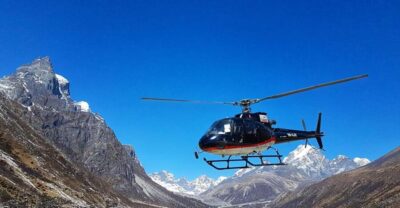
One more standout is the helicopter stop at Everest View Hotel for a closer sense of the Himalaya. Just remember the schedule is 6 hours, so you are choosing between “see everything” and “linger forever.”
Key highlights to look forward to
- A tight UNESCO route covering four major Kathmandu valley landmarks in one private day
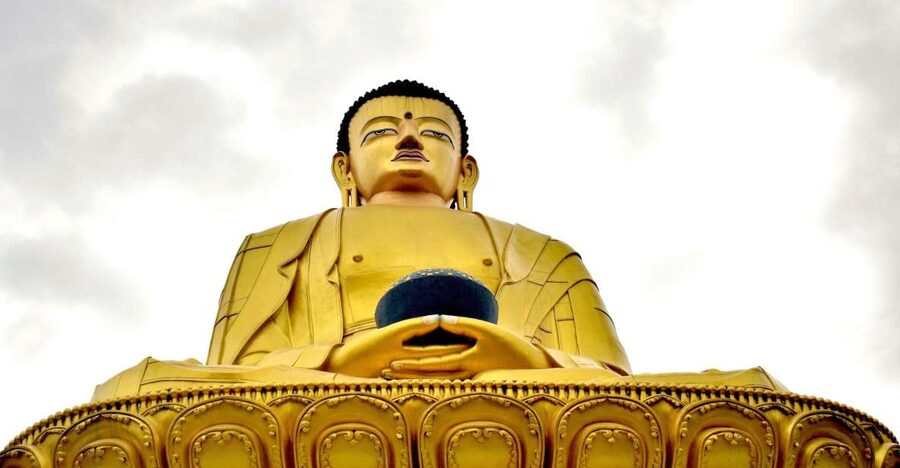
- Swayambhunath hilltop views plus those famous painted eyes on the stupa
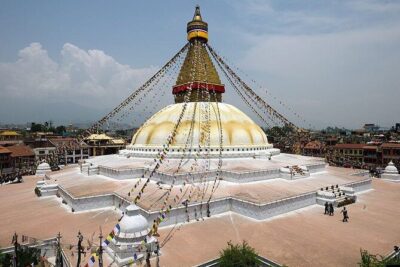
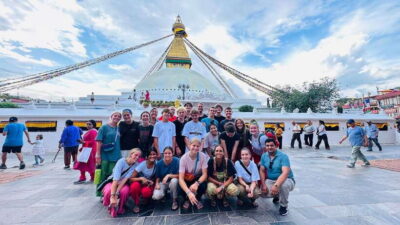
- Boudhanath’s Tibetan energy with monasteries and lamas clustered around the stupa
- Pashupatinath cremation viewing (with guidance on what to expect) at the Bagmati River
- Everest View Hotel helicopter stop for a quick Himalayan reality check
- Private transport with hotel pickup using an English-speaking guide and a car that fits your group
Why this 6-hour Kathmandu loop feels efficient, even when traffic bites
Kathmandu is not built for fast “clockwork travel.” Even short distances can stretch due to traffic, road works, and shifting crowd patterns around temples. That makes a guided loop like this valuable, because it reduces decision fatigue and keeps you moving through the day without guessing.
The time math is also smart. In about 6 hours, you hit two Buddhist giants, one major Hindu pilgrimage site, and one of the valley’s best architectural showcases. If you’re in Kathmandu only briefly, this is one of the easiest ways to get your bearings fast.
More City Tours in Kathmandu
- Kathmandu: Private Patan and Bhaktapur Sightseeing Tour
★ 4.7 · 64 reviews - 1 Day Kathmandu Valley Sightseeing Tour
★ 5.0 · 37 reviews - Patan and Bhaktapur City Full Day Tour
★ 5.0 · 24 reviews
Hotel pickup and a private car that actually helps
This is a private group experience with hotel pickup and drop-off. You can meet your driver and guide at multiple areas like Thamel, Lazimpat, Naya Bazaar, or even Boudhha, depending on your location. Then you’re in a sedan, SUV, or minivan based on your group size, so the day stays comfortable even when the streets get tight.
What I like most is that the pickup options make this tour usable no matter where you choose to stay. It’s also easier to manage timing if you’re coordinating with an internal Nepal plan, like flight days between cities.
One small practical note: this kind of city day is about location hopping, not lounge time. Wear shoes you can trust for uneven stone steps and smooth but slippery temple paths.
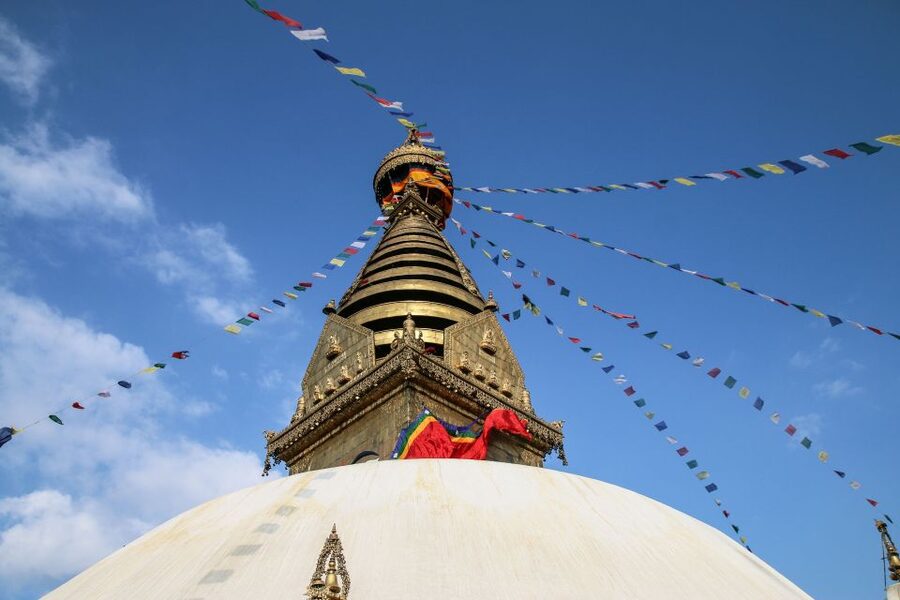
Swayambhunath Monkey Temple: 77 meters up, with painted eyes watching the valley
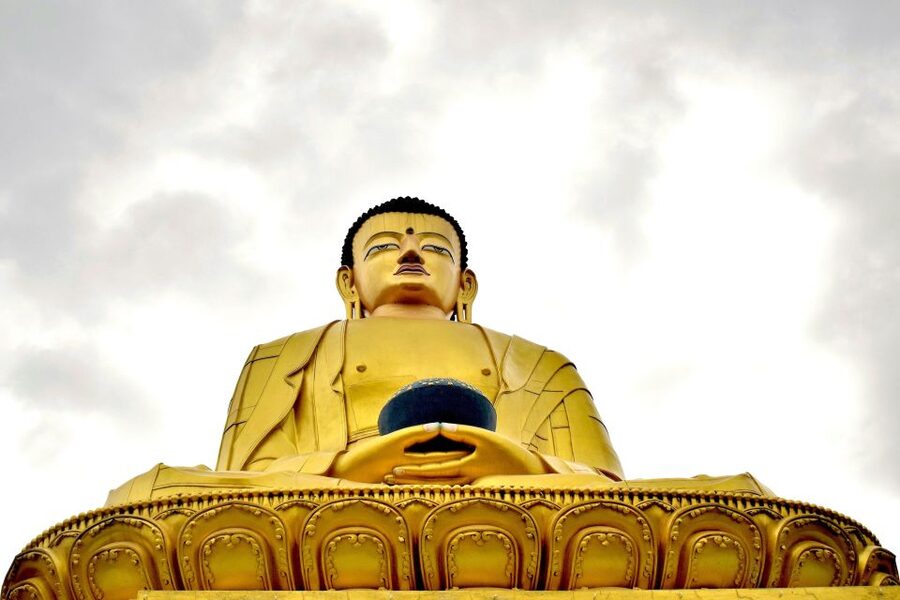
Swayambhunath sits on a hillock about 77 m above ground level, and that height matters. You’re not just visiting a temple, you’re getting a view that helps you understand how Kathmandu valley is shaped and layered.
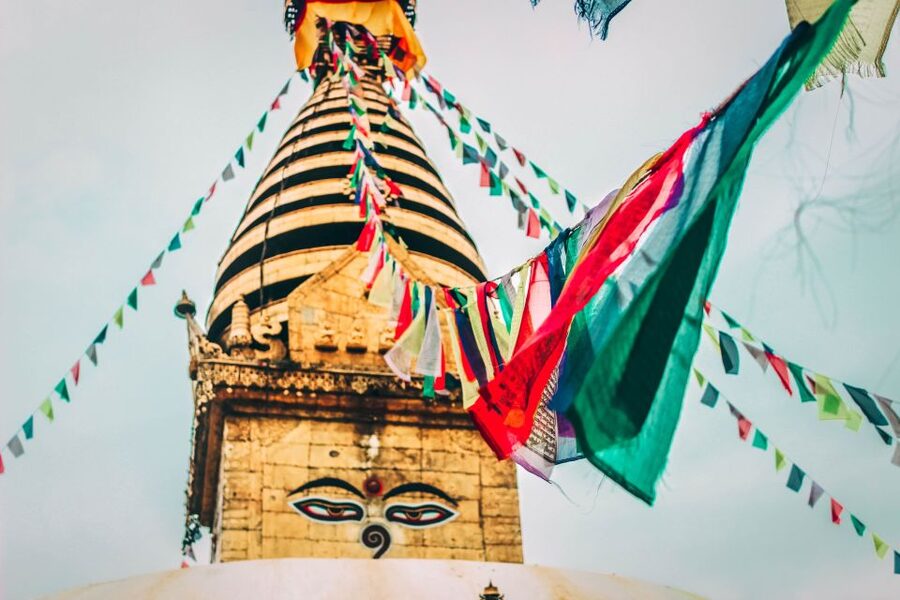
The stupa is often called the Monkey Temple, and that name comes from the area’s monkeys, which you’ll see around the steps and courtyards. But the real star is the stupa itself, a shrine with symbolism that’s easy to spot: painted eyes on four sides that represent the all-seeing Buddha.
As you walk through the complex, you’ll also notice the religious mix. The site includes Buddhist monasteries and a temple of Haratima, where both Buddhists and Hindus worship. Nearby are the temple of Manjushree and the Anandakuti Bihar, reachable on foot from the main area.
What to expect in real life:
- You’ll climb and move through crowded, active worship areas.
- You may have to navigate respectful boundaries, since some parts can be off-limits depending on ongoing religious activity.
Boudhanath Stupa: one of the world’s biggest, and a magnet for Tibetan devotion
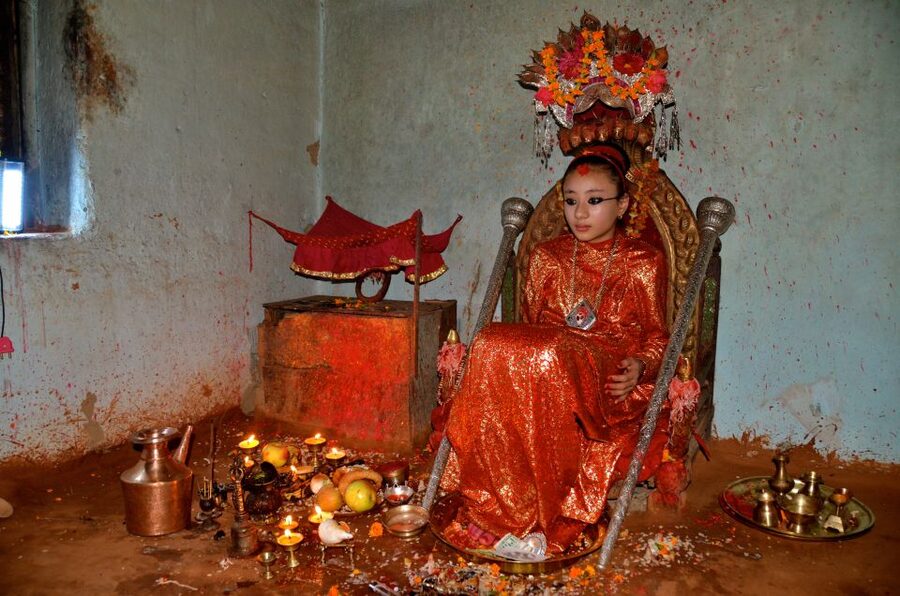
Boudhanath is about 6 km east of Kathmandu, and it feels different the moment you arrive. The stupa is believed to date back to the 5th century AD, and it’s described as one of the biggest Buddhist stupas in the world.
Look for how the place is organized around the stupa. It’s ringed by Buddhist lamas and monasteries, and that creates a constant “human circle” around the monument. In winter, Tibetan Buddhists come in large numbers, which makes the atmosphere especially intense for those dates.
Why this stop is worth budgeting time for:
- The scale is hard to appreciate from photos, so seeing it in person changes how you understand the Buddhist world here.
- The stupa is not an empty monument. It’s a working religious center where people come for practice and prayer.
A practical consideration: this is a place of devotion. If you’re wearing a face covering for dust or comfort, keep it on. Also, be ready for crowd flow that can slow you down if you try to rush straight to the perfect viewpoint.
A different sort of day out of Kathmandu:
- Kathmandu: 7 UNESCO Sites with Lunch
★ 4.8 · 744 reviews - Everest Base Camp Helicopter Tour landing at Everest View Hotel
★ 5.0 · 668 reviews - Kathmandu: Local Women-Led Nepali Cooking & Momo Class
★ 4.9 · 360 reviews - Manaslu Circuit Trek
★ 5.0 · 292 reviews
Pashupatinath Temple: Shiva, golden roofs, and cremations on the Bagmati River
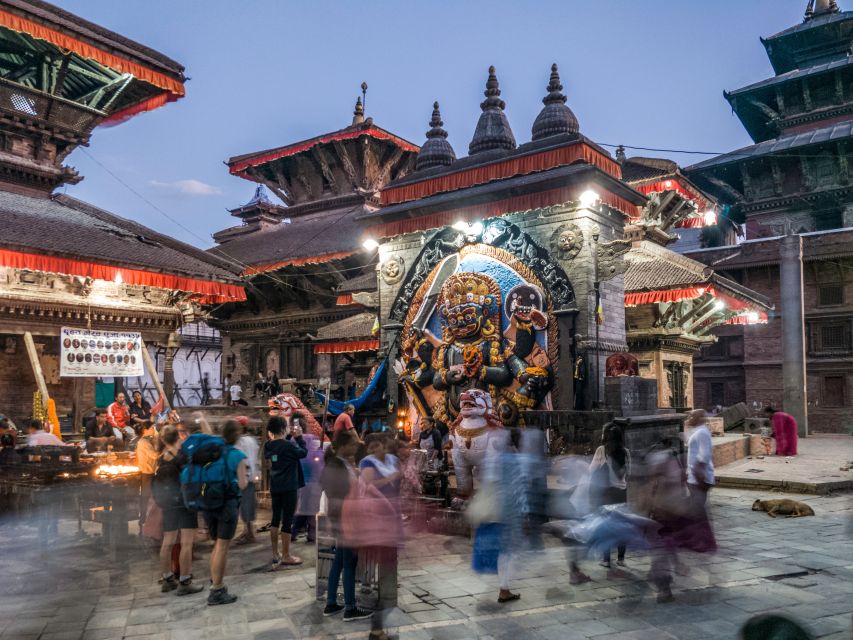
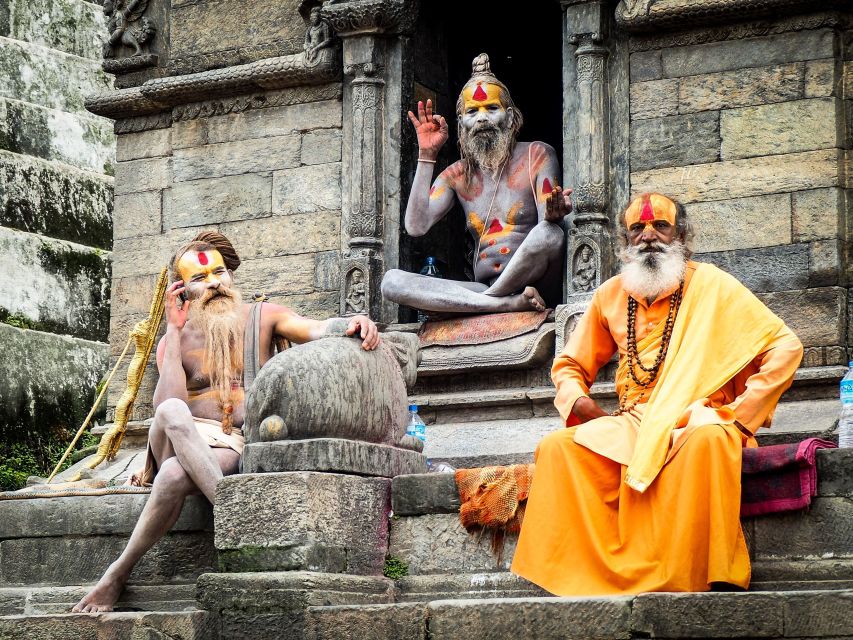
Pashupatinath is dedicated to Lord Shiva and sits about five kilometers east of Kathmandu on the Bagmati River. The temple is known for two golden roofs and four silver doors, making it one of the valley’s most recognizable pilgrimage icons.
This is also where the tour becomes emotionally real. At the riverbank, you can observe the cremation ritual of Hindus. It’s not a casual “look and move on” moment, and I recommend treating it with quiet focus rather than sightseeing energy.
The site also has a sensory side you should plan for. One guide approach that stands out is helping guests prepare for the smoke and smell. In at least one case, a guide provided masks because the cremation area can get smoky. Even if masks aren’t in your bag, bring a face mask or protective covering as the tour notes suggest.
What I’d do to make this moment easier for yourself:
- Slow down when you reach the river area.
- Keep your camera ready but be ready to lower it if people are actively involved in rituals.
- If you’re sensitive, ask your guide for the best way to observe respectfully from a comfortable spot.
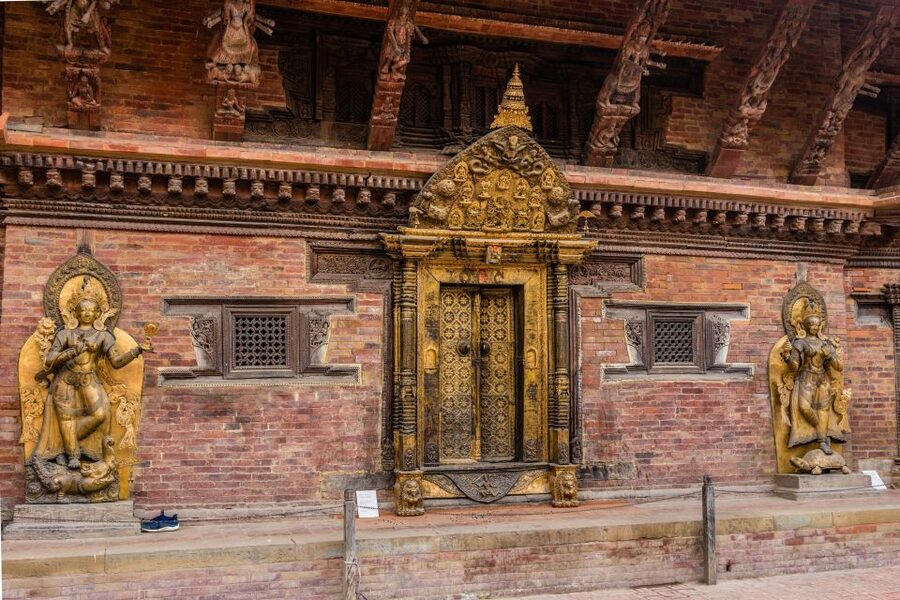
Patan Durbar Square: Newari architecture, Krishna’s pinnacles, and Mul Chowk
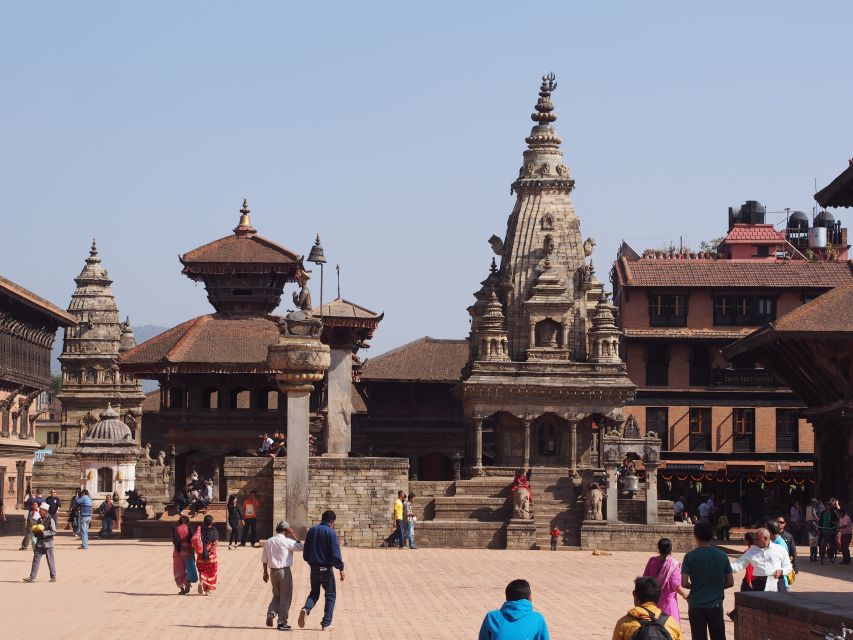
Patan Durbar Square is in the former Patan Royal Family area and is one of the three Durbar Squares in Kathmandu valley, often described as the most photographed. Even if you’ve seen other historic squares, Patan’s Newari architecture has a distinctive feel.
The standout is the Krishna Temple, with 21 golden pinnacles. That detail is exactly the kind of thing you miss if you speed through. Take a breath, then look upward and around, because the design isn’t just decoration, it’s a map of how power and devotion were displayed in stone.
You’ll also see Rudra Varna Mahavihar, a Buddhist monastery within the square that houses local treasures. Then there’s Mul Chowk, the central courtyard, which helps you picture the square not as a museum, but as a lived-in civic space.
The main drawback at Patan is that you can easily lose your sense of time if you like architecture as much as you like photos. With only a 6-hour day, you’ll need a guide who keeps you moving while still letting you look closely.
The Everest View Hotel helicopter stop: a quick Himalayan reality check
This tour includes a helicopter stop at Everest View Hotel for a closer look at Mt. Everest. That’s a huge change of pace from temple-heavy Kathmandu, and it’s one reason I think the tour stands out for first-timers.
How to make this part work:
- Weather can affect visibility, so go in expecting the view might be partial.
- Keep your phone charged and camera settings ready, because the best light and angles can happen fast.
- Treat it as a viewpoint moment, not a full sightseeing session.
Even if you already know the geography, a closer glimpse of Everest helps everything else on the day click. Kathmandu is the gateway city for the mountains, and this stop reminds you why people plan months of trekking in the first place.
Food during the tour: what’s included, what’s not, and how to eat well anyway
Meals and drinks are not included in the base price. That said, this kind of guided day often includes a lunch stop arranged by your guide, and several guests have described lunch as excellent, including rooftop options overlooking stupas.
Since you’re covering multiple sacred sites, plan for lighter eating than you might at home. You’ll want energy, not a food coma.
For your budget, think in two layers:
- Tour cost: covers private car, hotel pickup and drop-off, and an English-speaking guide.
- Food and monument entry: you pay these separately, so bring cash and expect to spend a bit more than the base price.
If you want local flavor, ask your guide for savory and sweet dishes that fit the time window. One pleasant surprise from guides on this route is that they often know good small places, not just the obvious tourist spots.
Price and what you actually get for $40 per person
At $40 per person for about 6 hours, the value is in the private logistics and the local interpretation, not in “everything is included.” Monument entry fees are separate, listed as NPR 2700 per person (about US$22). There are also different entrance prices for nationals of SAARC and Chinese nationals, so it’s smart to check the counter before paying.
Here’s the practical value equation:
- A private guide saves time by handling ticket purchases and explaining what to look for.
- A private car saves you from navigating taxis and route decisions between four far-flung sacred sites.
- Your one day turns into an orientation session, especially if it’s your first afternoon in Kathmandu.
The only real downside for value shoppers is that you must plan for extra spending on entry tickets and meals. If you’re traveling on a very tight budget, you might still prefer doing one or two sites by yourself. But if you want the full UNESCO-and-faith mix without stress, this price is reasonable.
Entrance fees, cash, and respectful temple basics you should not skip
Monument entry tickets must be bought on the spot, and your guide helps with that process. Because you pay at the counter, bring cash and expect prices can vary by your nationality category.
You’ll also want to pack for temple weather and temple routines:
- Comfortable shoes for stairs and uneven surfaces
- Water
- A face mask or protective covering, especially if you’re headed toward the cremation areas
If you like to be extra respectful with clothing, you might also consider a head covering to use in temples. One guest noted using a head scarf as a mark of respect, even though it wasn’t listed as required.
Who should book this tour, and who might want a different plan
This tour is a great match if you:
- Have limited time and want a clear Kathmandu introduction
- Want both Buddhism and Hinduism covered in one structured afternoon
- Appreciate a guide who can explain symbolism, architecture, and religious practice
It’s less ideal if you:
- Need wheelchair accessibility, since it’s not suitable for wheelchair users
- Have very low tolerance for walking and stepping around active religious areas
- Prefer slow travel with long stays in one place
The nice news is that the day often runs smoothly. Many guests have said the guides keep timing well, so it doesn’t feel like a rushed checklist. When you do want extra time in one spot, the guide can adjust.
Also, if guide style matters to you, you can request certain preferences. For example, if you specifically want a female guide, one past guest advised asking, and mentioned Saru as an example.
Should you book this Kathmandu private city tour?
Book it if you want a high-value first day that hits the biggest landmarks with interpretation, not just photos. This is especially smart for your first afternoon in Kathmandu, because you’ll leave with a mental map of the valley and a real sense of how Buddhism and Hinduism coexist in public space.
Skip it or swap sites if you hate crowds, you need full accessibility support, or you want a slower pace with no extra spending on monument fees. For most people doing a short stop in Kathmandu, this is one of the most practical ways to see four major sacred sites in one afternoon, then top it off with a Himalayan viewpoint stop.
FAQ
How long is the Kathmandu Private City Guided Tour?
The tour lasts 6 hours.
What does the tour cost?
The price is $40 per person.
What sites does the tour include?
You’ll visit Swayambhunath Temple (Monkey Temple), Boudhanath Stupa, Pashupatinath Temple, and Patan Durbar Square. The day also includes a helicopter stop at Everest View Hotel for a closer view of Mt. Everest.
What’s included in the price?
Hotel pick-up and drop-off, a private car, and an English-speaking guide are included.
Are monument entry fees included?
No. Monument entry fees are NPR 2700 per person (about US$22), and entrance tickets must be bought on the spot. Prices differ for SAARC nationals and Chinese nationals, so check the counter.
Are meals included?
Meals and drinks are not included.
Where can pickup and drop-off happen?
Pickup and drop-off are available at multiple locations, including areas such as Thamel, Lazimpat, Naya Bazaar, Kathmandu, Lalitpur, Ekantakuna, and Boudhha.
What languages are the guides?
The live tour guide speaks English, Hindi, and Nepali.
What should I bring?
Bring a passport or ID card, comfortable shoes, water, cash, and a face mask or protective covering.
Is the tour wheelchair accessible, and are pets allowed?
The tour is not suitable for wheelchair users. Pets are not allowed.
Latest Kathmandu write-ups
- 16 Days Island Peak Climbing With Everest Base Camp Private Trip★ 5.0 · 3 reviews
- 15 Days Round Annapurna Trek with Poon Hill from Pokhara★ 5.0 · 5 reviews
- Private Nepal round trip including Ghorepani Poonhill trek★ 5.0 · 3 reviews
- Everest Base Camp Trekking 16 Days★ 4.0 · 7 reviews
- 14 Days Luxury Annapurna Base Camp Trek★ 5.0 · 6 reviews
- Everest Base Camp Trek★ 5.0 · 32 reviews
- Everest Base Camp Trek★ 5.0 · 87 reviews
- Everest Base Camp Trek★ 5.0 · 97 reviews
City Tours, compared.
Everest Base Camp: 3 Hour Helicopter Sightseeing Tour
Read our review →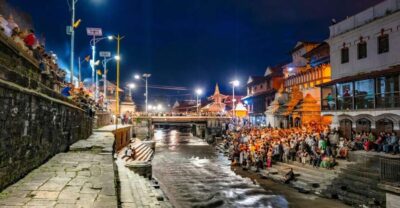
Kathmandu City Tour: TOP Highlights of the Kathmandu Valley
Read our review →Browse the lists this tour appears in