
Reviewed · POON HILL TREK
Pokhara: 3-Day Ghorephani and Poon Hill Private Trek
This trek is interesting because it packs classic high-mountain drama into just 3 days: steep stair sections, rhododendron forests, and a sunrise viewpoint that makes you feel like you timed everything perfectly. The big draw is the Annapurna and Dhaulagiri panorama, with Poon Hill doing most of the heavy lifting for your photos.
I also love how well this route balances scenery with real village life. You get Gurung culture around Ghandruk, plus guesthouse stops where your guide helps you choose the right meals and keep things moving at a human pace. And in a short trip, having a private guide matters, because you can ask questions and slow down when your legs insist.
One consideration: this is short, not easy. The route includes a lot of stairs, and the higher mornings can be very cold. If you’re expecting a gentle walk, you’ll want to mentally prep for the burn.
Key highlights worth planning for
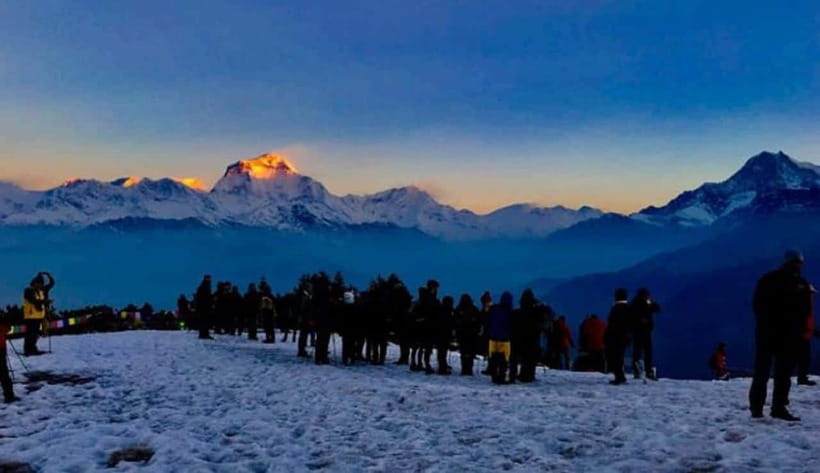
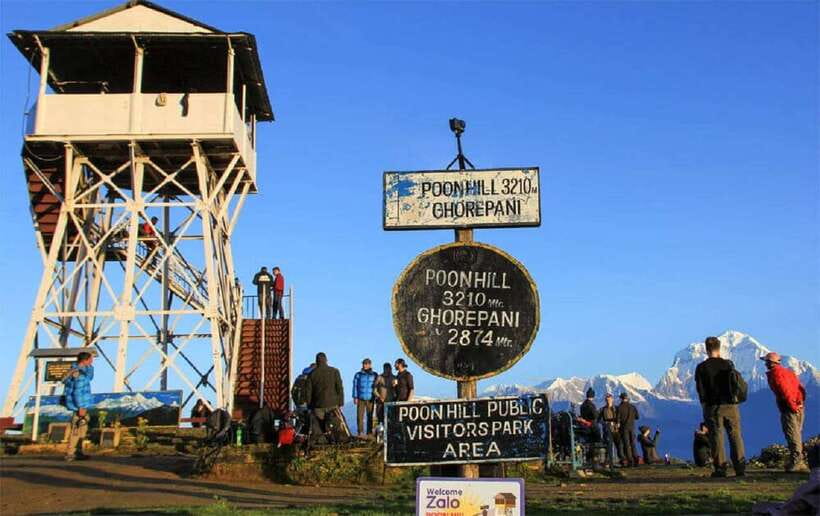
- Poon Hill sunrise at 3,210m for that golden-morning mountain view payoff
- Iconic views of Annapurna and Dhaulagiri ranges across multiple points, not just one
- Ghandruk Gurung village time for a more authentic cultural feel than a pure nature hike
- Rhododendron forest trekking that turns parts of the trail into a colorful seasonal walk
- Private guiding that adapts to you, with guide support that shows up on the hard bits
- Guesthouses with good food habits, plus practical help like hot drinks and re-filling water
Why this 3-day Pokhara to Poon Hill trek feels so satisfying
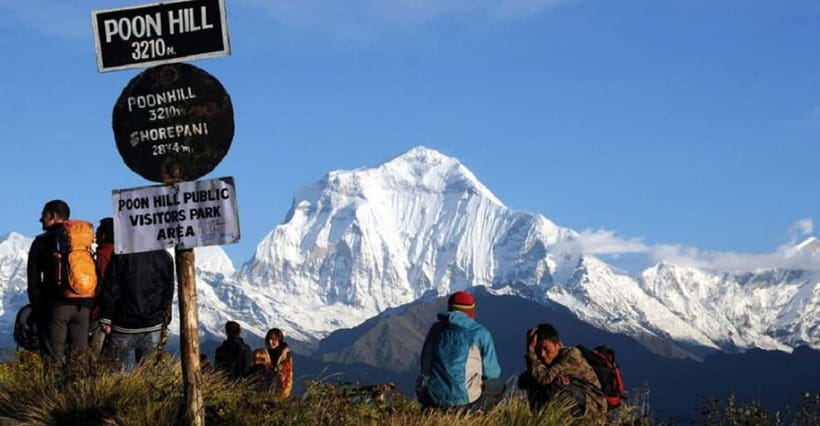
If you only have a few days in Pokhara, this trek is a smart move. You’re not trying to live at altitude for a week. Instead, you get a concentrated dose of the Annapurna region: mountain views, village encounters, and that early hike rhythm that rewards you before most people even start their day.
You also get a clear structure. You spend the first day climbing from the lowlands up into the hill country, the second day settling in at Ghorepani with bigger mountain sightlines, and the third day going for the sunrise from Poon Hill. It’s the kind of plan that keeps you from guessing and helps you focus on the experience.
Just be honest with yourself about effort. People praise this trek for its payoff, and they also call out that Day 1 can be tough because of the stairs. If you’re coming from a low-activity routine, take the stairs seriously and pace like a professional: steady, no ego.
More Ghorepani and Poon Hill departures:
- Pokhara: 4-Day Ghorepani, Poonhill & Ghandruk Mountain Trek
★ 5.0 · 132 reviews - From Pokhara: 3-Day Ghorepani Poon Hill Trek with Guide
★ 4.9 · 68 reviews - Pokhara: 2-Day Ghorephani and Poon Hill Private Trek
★ 4.6 · 50 reviews
Getting to the trail: Pokhara pickups, Nayapul, and the start energy
Your day begins in Pokhara with an optional pickup from hotels across the Pokhara Valley. The approach is simple: wait about 10 minutes before the pickup time, then look for the vehicle with the company logo or a guide holding a sign with your name. It sounds minor, but this kind of smooth handoff is part of why the trek feels low-stress.
From there, you head toward Nayapul, where you’ll have a break and a quick photo stop. This is a good moment to get your head right. The trek proper starts after you shift from road time to trail time, and the first stretch is where most people first notice how quickly elevation and effort add up.
You’ll then begin hiking toward Tikhedhunga and onward to Ulleri. Think of this as your “warm-up that is not really a warm-up.” It’s climb time, and the legs will learn your schedule fast.
Day 1 from Pokhara to Ulleri: the stairs that make or break your mood
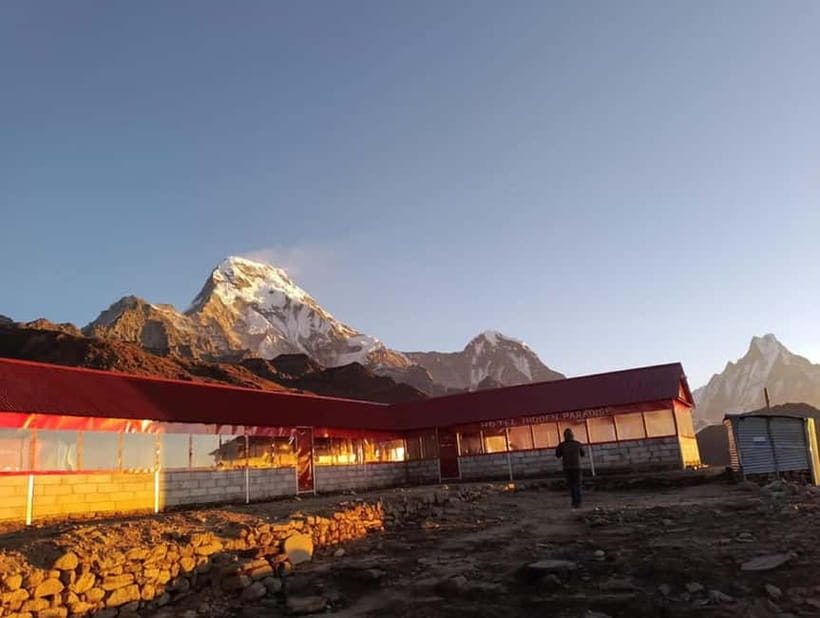
Day 1 is the climb. You’re moving from Nayapul up through Tikhedhunga and arriving at Ulleri for overnight. The total hiking time is typically around 8 to 9 hours, depending on pace and breaks.
The main feature here is the famous stair section. Guides repeatedly get credit for how they manage that part of the hike. If you’ve ever hit a staircase that felt like it never ended, you’ll understand why. The good news is you’re not doing it alone. A strong guide helps you keep cadence, take smart pauses, and avoid the common mistake of going too hard too early.
In the private- trek setup, your guide can also help with tiny practical issues that matter on a steep day, like making walking sticks for you, choosing the next stop before you’re exhausted, and keeping your water and hot drinks on track. That “check in often, don’t rush” vibe shows up in multiple guide experiences from past trekkers.
When you finish at Ulleri, take a minute to reset. Day 1 ends with the satisfaction of real progress, even if your thighs are filing complaints.
Day 2 Ulleri to Ghorepani: views open up, rhododendrons do their thing
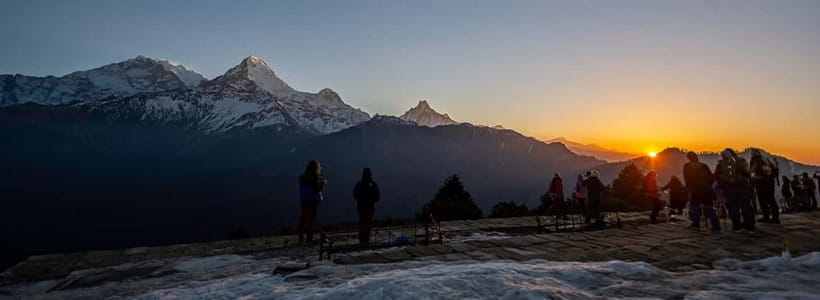
On Day 2 you climb further into the Ghorepani area, typically around 5 to 6 hours of hiking to reach Ghorepani at about 2,860m. This day is often described as more manageable than Day 1, and it’s where the mountains start feeling closer and more dramatic.
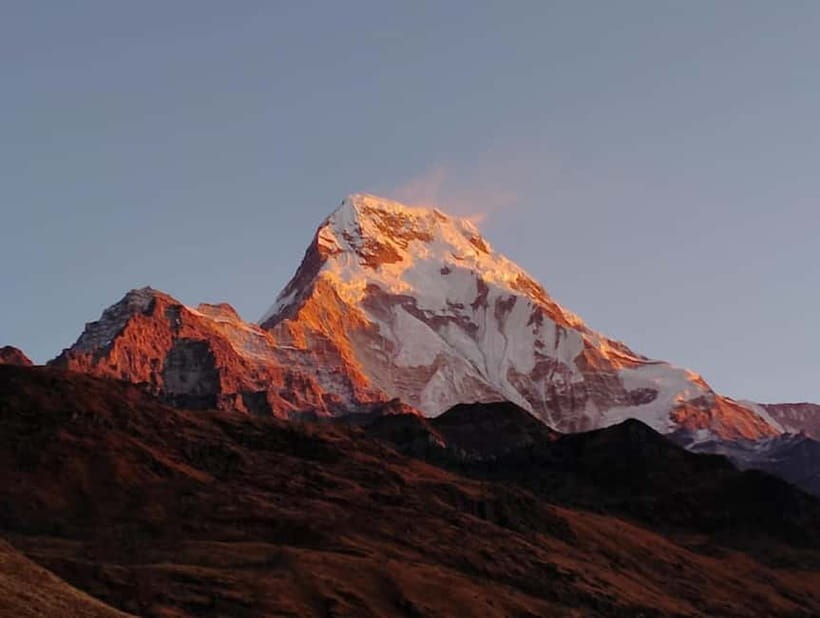
You’ll get wide views of the Annapurna and Dhaulagiri ranges as you hike. This matters because it changes your perception of the trek. On Day 1, you’re thinking about stairs. On Day 2, you start thinking about angles, ridgelines, and where the sunrise will likely hit.
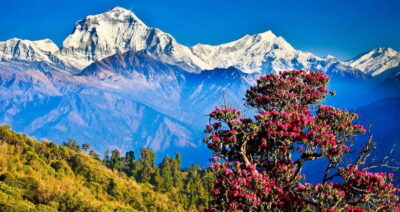
A big seasonal element is the rhododendron forest trekking. In the right time of year, those areas look like they were designed for color photos, and even without full bloom, the forest feel makes the trail less monotonous.
Your overnight in Ghorepani is your base for the next morning’s early climb. This is also a good night to be strategic about warmth. Even if the day feels mild, higher-altitude evenings can get cold, and being prepared helps you sleep instead of shivering.
More to compare around Pokhara
- ZipFlyer Nepal – The World’s Steepest Zip-line
★ 5.0 · 608 reviews - Bungee Pokhara by HighGround Adventures
★ 5.0 · 366 reviews - From Pokhara: Sarangkot Sunrise Himalayas Tour
★ 4.7 · 218 reviews - Full-Day Tibetan Cultural Tour to Tibetan Settlements Pokhara
★ 5.0 · 184 reviews
Day 3 the early push to Poon Hill: sunrise, crowds, and the payoff
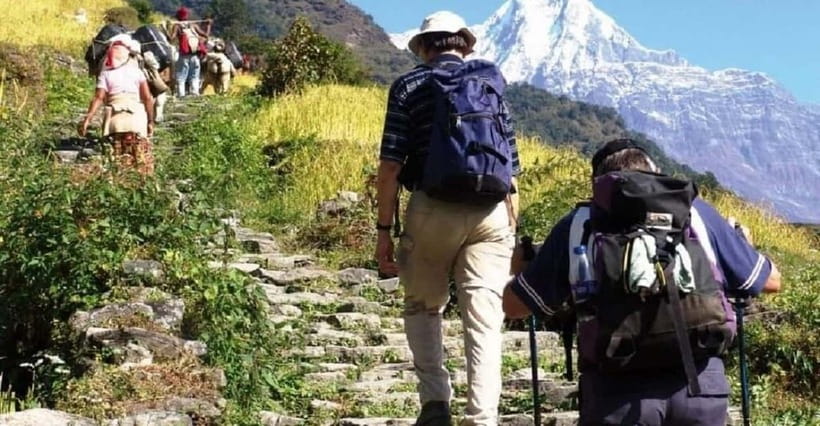
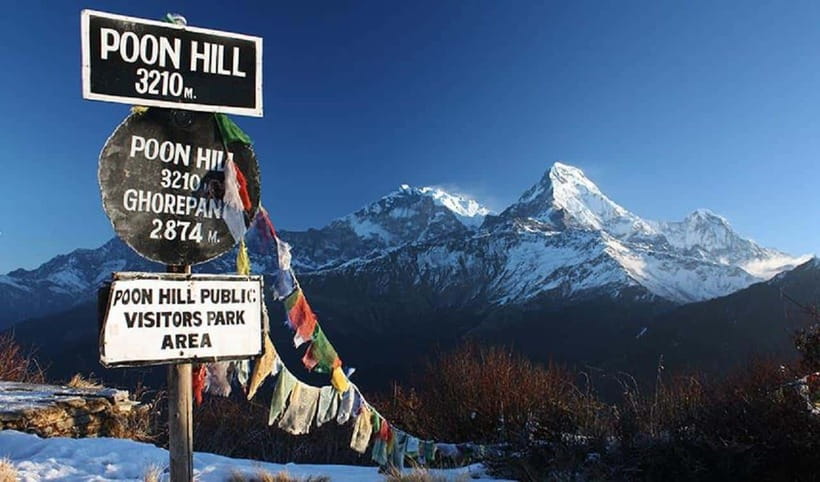
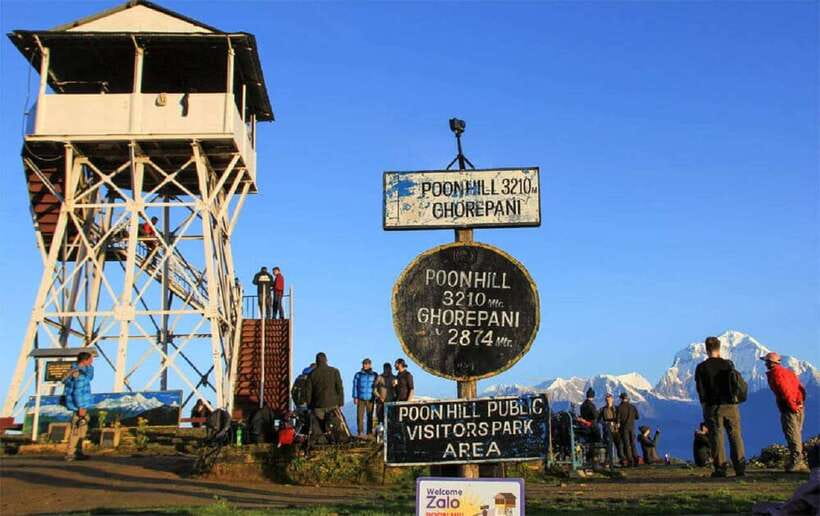
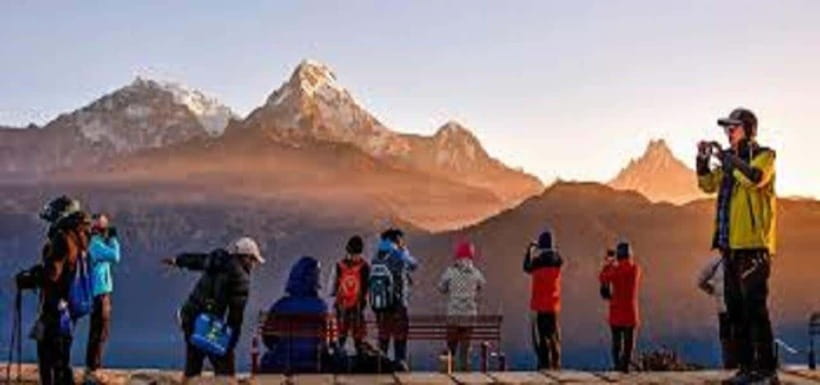
Day 3 is the classic formula: an early start, a relatively short climb to the viewpoint, and then the mountain show. Poon Hill sits around 3,210m, and the hike up typically takes about 2 to 3 hours depending on your pace and how many breaks you take.
This is where guides can make a noticeable difference. Several guide experiences highlight patience and positive momentum on the ascent, especially for hikers who are nervous about making the sunrise window. You’ll also likely pause for photo moments, and your guide helps keep you on track so you’re not sprinting at the wrong time.
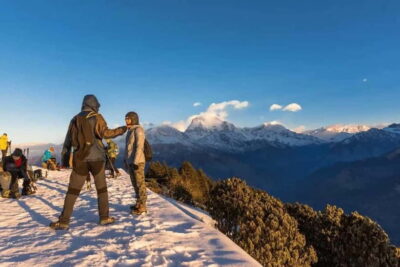
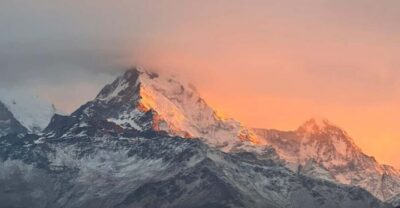
When sunrise hits, the views can include a wide sweep of peaks, including Annapurna and Dhaulagiri, and in clear conditions you may even see other names like Machhapuchhre and Nilgiri as the light changes. The best part is that the mountains don’t look flat or distant. They appear layered and textured, and the light shifts quickly, so you have to pay attention while it lasts.
After the viewpoint time, you head back down. Breakfast often happens around Ghorepani before you continue trekking back toward Nayapul. Then the bus returns you to Pokhara, where your body finally gets to stop negotiating with stairs.
Ghandruk and Gurung culture: the human side of the mountains
One thing that makes this trek feel more than scenic is the cultural stop around Ghandruk village and its Gurung culture. Instead of only passing through settlements, you get time to experience daily life at a human scale.
You’ll see what village tourism looks like when it’s not pretending to be something else. The trail brings you into contact with local routines, family-run guesthouse hospitality, and food that feels consistent with what people actually eat on a normal day.
This cultural piece is also a momentum booster. When your legs are tired, having something real to look at and people to meet makes the trek feel less like a workout and more like a journey.
Tea houses and food: why the guide choice affects your whole day
Food on a trek like this is not just fuel, it’s morale. The tea houses along the route can vary, and what you want is a place that serves warm meals, gives you a clean break, and helps you keep moving.
This is where private guiding shines. Multiple past trekkers praised guides for selecting good meal stops and handling the practical bits, like ordering and ensuring you get served what you need without wasting time. If you like dal bhat, you’ll likely be happy here. People specifically call out delicious dal bhat experiences on the trek.
You may also notice guides being proactive about hot drinks. One standout detail from past experiences is that guides helped refill hot water thermoses regularly. That turns cold mornings from miserable into tolerable.
And on the smaller kindness side, you’ll sometimes find thoughtful extras after the trek, like fruit or sweets. It’s not a big headline detail, but it makes the end feel warmer.
Your guide matters: pacing, safety, and names worth remembering
This is a private trek, and that’s not just a pricing detail. It changes how the trek feels when you’re tired.
Your guide is described as experienced and certified, and they speak English, Hindi, or Nepali. Across guide names like Santosh and Santos, Jeet Bhadur Nepali, Sun Bahudur Nepali, and Chandra, a consistent pattern shows up: they keep you safe, manage the hard sections with patience, and help you adapt.
Here’s what that adaptation looks like in real life:
- slowing down when you need it, without making you feel guilty
- making walking sticks when helpful
- organizing tea house choices so you’re not guessing
- adjusting the plan when someone gets ill or needs a different pace
- timing the Poon Hill sunrise effort so you arrive without panic
If you get a guide like Santosh, you might also find a lively personality and humor that makes the stair grind feel shorter. If you get Jeet or Laxman, you might notice a more calm, steady approach and a focus on going at your pace.
This is one of the most praised aspects of the whole experience, so if you’re choosing between trek styles, treat the guide as part of the product, not an add-on.
Packing tips that actually match the trek you’re doing
This trek has cold mornings and steep steps. So pack for both, not just for the daytime hiking.
Bring warm clothing, and don’t underestimate the cold at higher points. One practical advice echoed in past trekking experiences is to plan for things like gloves and a beanie. Good hiking shoes matter because you’ll be climbing and descending on uneven ground.
You should also bring:
- hiking pants
- a waterproof bag for gear you can’t afford to soak
- a waterproof layer if the weather turns
- passport or ID card, with a copy accepted
Also plan to send a copy of your passport at least one day before the trek so permits can be arranged. This is one of those behind-the-scenes steps that keeps everything legal and smooth.
Finally, bring a travel insurance policy. Rescue services are available if needed during the trek, but having insurance is still mandatory for safety and peace of mind.
Gear and comfort: what’s provided, what you still need
A helpful part of this trek is that gear support is included when needed. The trek includes trekking gear such as trekking sticks and sleeping bags as needed, plus first aid kits.
You also get luggage storage facilities in Pokhara, along with a duffel bag. That means you can travel light in your mind and in your pack weight.
Your accommodation is private and in standard lodging, typically family-run guesthouses. Reviews point out that rooms can be basic but welcoming, and in some cases you’ll find hot showers. Still, treat this as mountain trekking lodging, not a hotel vacation.
Price and value: is $126 per person fair for what you get?
At around $126 per person for a 3-day private trek, the value comes from what’s included, not the sticker price.
Your package includes:
- round-trip transportation between your hotel area, Pokhara International Airport area, and the trek starting point (as specified)
- trek permits and fees
- private accommodation in standard lodging
- a certified trekking guide
- guide and porter costs, including meals, accommodation, insurance, salary, and transport
- government and local taxes
- trekking gear like sticks and sleeping bags as needed
- first aid kits
- luggage storage in Pokhara
- a duffel bag
Meals are included throughout the trek if you choose the meal option. So you’ll want to confirm what option you’re taking based on your comfort level with food on the trail.
Where you might feel the cost is if you’re not prepared to spend on personal items. The only clearly listed non-included category is personal expenses, so think snacks, extra drinks, and anything you buy on your own.
Overall, if you compare this to piecing together a guide, permits, and transport yourself, the private guiding plus full support for guide and porter makes this price feel reasonable for the time you save and the stress you avoid.
Who should book this trek (and who should choose something else)
This trek is a strong fit if:
- you have limited time in Pokhara and still want classic Annapurna region highlights
- you want a private guide who can pace you and help with meals and navigation
- you like early mornings and want the sunrise payoff at Poon Hill
- you’re interested in a real cultural stop around Ghandruk, not just views
Choose a longer or gentler route instead if:
- you don’t handle stairs well, because Day 1 includes a lot of them
- cold nights and basic guesthouse comfort would be stressful rather than part of the adventure
- you’re expecting a relaxed stroll, not a physically demanding short hike
If you’re uncertain about your fitness, don’t panic. Just be honest with yourself and ask your guide to pace you. The best guide support is built for reality, not for heroic stories.
Should you book the Pokhara 3-Day Ghorephani and Poon Hill Private Trek?
Yes, if you want a short, high-reward trek with private guidance and a sunrise viewpoint that’s actually worth the early start. You’ll enjoy the Annapurna and Dhaulagiri panoramas, the culture stop in Ghandruk, and the practical support from guides like Santosh, Jeet, Sun Bahadur Nepali, Chandra, and Laxman who have a track record of helping people keep going.
Skip it or adjust your expectations if you’re not prepared for steep stairs and cold conditions at altitude. This is not a slow walk in the countryside. It’s a focused 3-day effort with a finish that makes you feel proud.
If you’re ready to put in the work for the view, this is a very solid way to experience the Annapurna region without burning your whole trip doing logistics.
FAQ
What is the duration of the Pokhara Ghorephani and Poon Hill trek?
The trek duration is 3 days.
Where does the trek start and end?
It starts from the trek starting point accessed from Pokhara, with transport to and from Pokhara to Nayapul and the trail. The trek ends with a return to Pokhara.
Is this a private trek?
Yes, it is a private group experience.
What language will the live guide speak?
The live guide speaks English, Hindi, and Nepali.
Are meals included?
Meals are included throughout the trek if you choose the meal option.
What trekking gear is provided?
The package includes trekking gear such as trekking sticks and sleeping bags as needed, plus first aid kits.
Do I need permits and fees?
Permits and fees for the trek are included.
Do I need to submit my passport details before the trek?
Yes. You need to submit a copy of your passport at least one day before the trek so permits can be arranged.
Can I cancel and get a full refund?
Free cancellation is available up to 24 hours in advance for a full refund.
What should I bring for weather and comfort?
Bring warm clothing, hiking shoes, hiking pants, a waterproof bag, and your passport or ID card (a copy is accepted). Temperatures can vary, and higher areas can be very cold.
Latest Pokhara write-ups
- Mardi Himal Trek -5 Day Short Trek From Pokhara★ 5.0 · 8 reviews
- Tandem Paragliding in Pokhara★ 4.8 · 8 reviews
- Pokhara: Peace Pagoda Sunset, Annapurna Mountain Views Tour★ 2.9 · 5 reviews
- Short & Scenic: 2-Day Private POON HILL Trek from Pokhara★ 5.0 · 8 reviews
- Seti George and Thrilling Suspension Bridge Tour at Pokhara★ 4.5 · 3 reviews
- Sarangkot Sunrise over the Himalayas★ 4.8 · 83 reviews
- Pokhara: Sarangkot Sunrise and Private Full Day Tour★ 4.8 · 24 reviews
- From Kathmandu/Pokhara: Private 3-Day Chitwan Safari Tour★ 4.7 · 34 reviews
Poon Hill Trek, compared.
4-Day Ghorepani, Poonhill & Ghandruk Mountain Trek
Read our review →
2 & 3 Days Ghorepani Poon Hill Private Guided Trek
Read our review →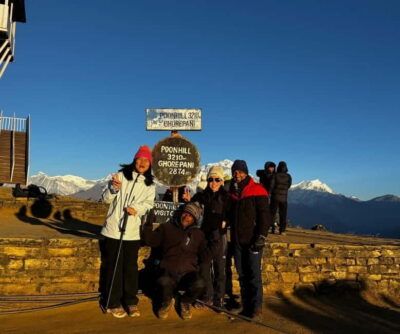
2-Days Beautiful Poon Hill Trek with Sunrise View
Read our review →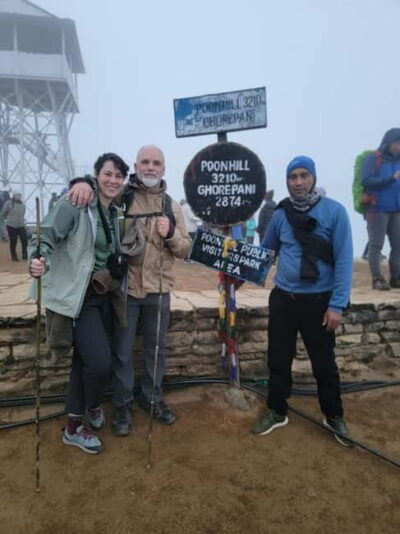
4-Day Beautiful Ghorepani Poon Hill & Ghandruk Trek
Read our review →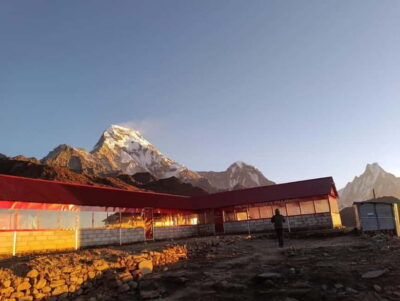
Browse the lists this tour appears in