
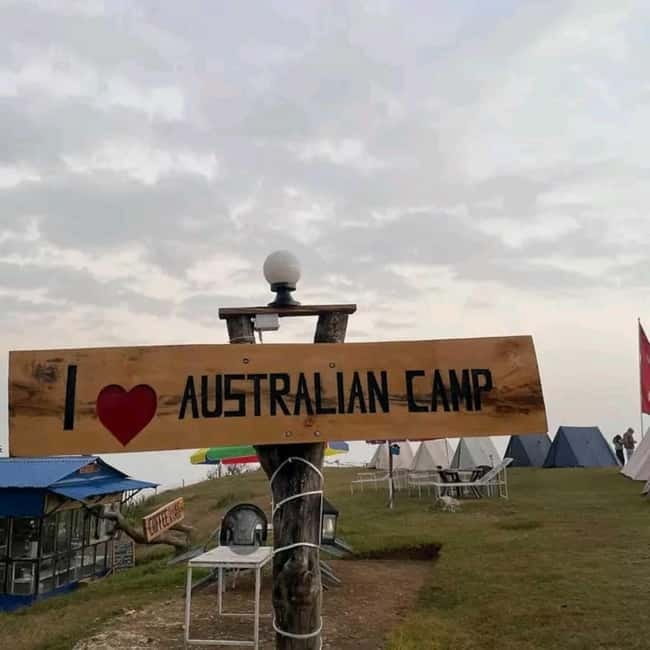
Reviewed · AUSTRALIAN CAMP TREK
Pokhara: Hike To Australian Base Camp
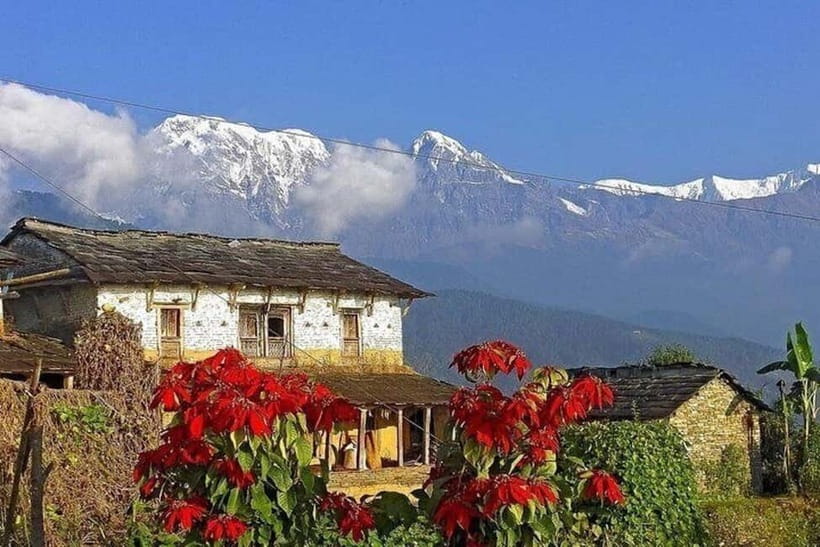
A day hike to Australian Camp is interesting because you’re not just walking, you’re chasing big Himalayan views from a fairly easy route out of Pokhara. I like that the day balances panoramic viewpoints with real village moments, including Gurung settlements. I also like that your guide manages the pace and makes it easier to enjoy the scenery, not just survive the steps. The one drawback to plan for is weather, when the peaks can be hidden, and the downhill can feel tiring if you’re not used to stone steps.
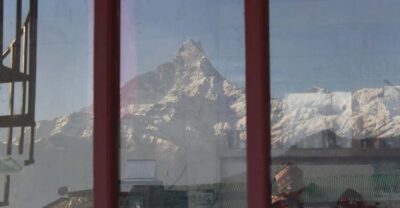
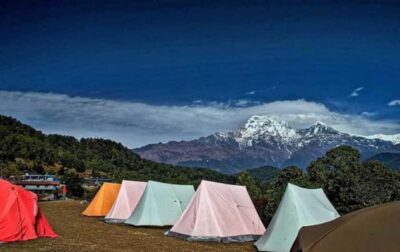
You start with pickup at Lakeside Pokhara, ride up toward Kande, then follow a well-trodden trail through forests and terraced fields. The best part is reaching the viewpoint breaks, especially around Australian Camp, where Annapurna and Dhaulagiri can look close enough to photograph like they’re on a postcard. If you’re comfortable hiking for a few hours and you pack sun and water basics, this is a strong option for your Pokhara days.
Key things I’d circle on your map
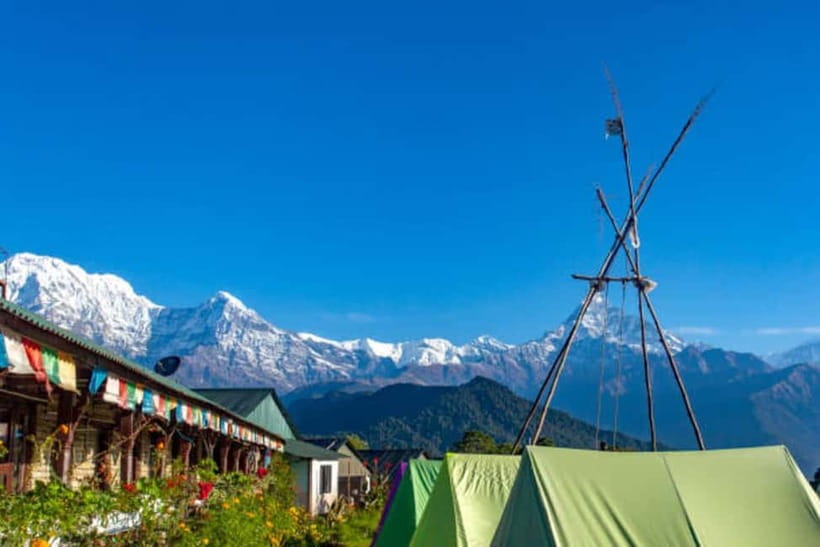
- Australian Camp viewpoint with a clear shot potential for Annapurna and Dhaulagiri
- Guided stops in Dhampus and Phedi for photo breaks plus local context
- Gurung settlement tour so the scenery comes with culture, not just views
- Pokhara Valley and Phewa Lake panoramas from higher viewpoints
- Small, private group feel with a guide who checks your pace
A solid day hike out of Lakeside Pokhara, aimed at peak views
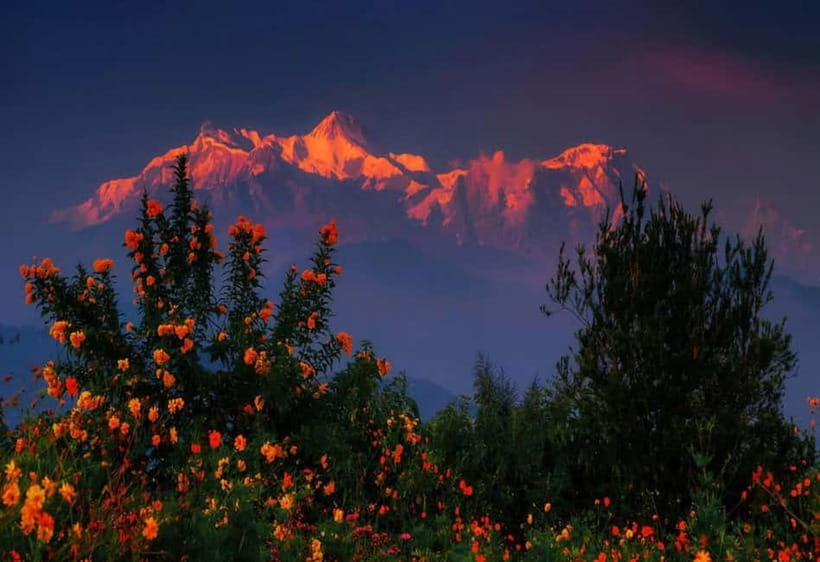
This is the kind of Pokhara outing that makes sense even if you’re not training for a trek. It’s a half-day style hike, built around viewpoint stops and a guided route. You’re in the hills long enough to feel like you got outside, but you’re back in Pokhara the same day, with less stress than longer treks.
The core idea is simple: drive up to Kande, hike out through greenery, reach the Australian Camp area, then work your way through Dhampus and onward toward Phedi before descending back. Along the way, you’re not expected to do anything technical. The trail is described as well-trodden, and the pace is handled by the guide, which matters more than people think for a short hike.
If you care about photos, you’ll also like the rhythm of the day. There are built-in photo stops at the trail head and around Dhampus, plus time to rest and eat before you start the downhill. That structure helps when you’re dealing with changing light on the mountains.
More short walks to Australian Camp:
- Pokhara: 1-Day Scenic Australian Camp & Dhampus Guided Hike
★ 4.9 · 24 reviews - Australian Base Camp Day Hike From Pokhara
★ 4.8 · 19 reviews - From Pokhara: Day Hiking Australian Camp & Dhampus
★ 5.0 · 17 reviews
Getting from Pokhara to Kande, and why that ride matters
Your day starts with pickup from many Lakeside-area hotels in Pokhara. You’ll wait around 10 minutes at the lobby while the guide arrives with a car and your name card. This matters because the hike begins with the drive, and in Pokhara, timing is everything. Getting to the right trail start without a scramble is part of the value.
From there, you head toward Kande, which is listed as the start area and first stop. The itinerary gives about 20 minutes for Kande, with a scenic walk and viewpoints on the way. In practice, those first minutes are your warm-up. They’re also where you get your first look at the valley angle, before the hike starts aiming upward toward the Australian Camp area.
Why I like this setup for first-time hikers: you’re not thrown into a long uphill grind with no rhythm. You get a gentle start, then the hike becomes a sequence of viewpoint goals.
Australian Camp and Dhampus: the part you came for
Australian Camp is the headline. The route includes the Australian Camp trail head at Dhampus, with a long stop that includes photo time and guided information, plus walking around the area. You’re looking for the moment when the mountains line up visually, and the day is designed around reaching that key viewpoint.
The itinerary shows about 85 minutes in that Australian Camp trail head zone, plus another photo stop and guided time later at Dhampus. That means you get more than one chance to frame your photos. It also means you can pace yourself, since you’re not rushing through the best parts just to keep moving.
What to expect in the Australian Camp area
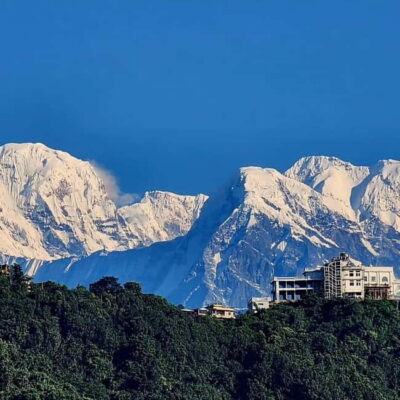
- Panoramic Himalayan views when visibility is good, often including Annapurna and Dhaulagiri ranges
- A good place to stop, breathe, and catch the photo angle you want
- A short break built into the schedule, so you can reset before the next section
A detail I think you’ll appreciate: the itinerary keeps you moving between photo points and walks, but the “best views” part is not treated like a quick photo and run. There’s time to stand, look, and react to what the mountains are doing that day.
About visibility and weather
One of the most important realities here is that views depend on the sky. A recent experience notes that the guide and the driver were great, but the viewpoint was limited due to weather. If you’re going specifically for the peak panorama, pick a day when the forecast looks friendlier, and keep expectations flexible. Even with clouds, the day can still be enjoyable for the village feel and valley views.
Gurung settlements, guided culture, and what it adds
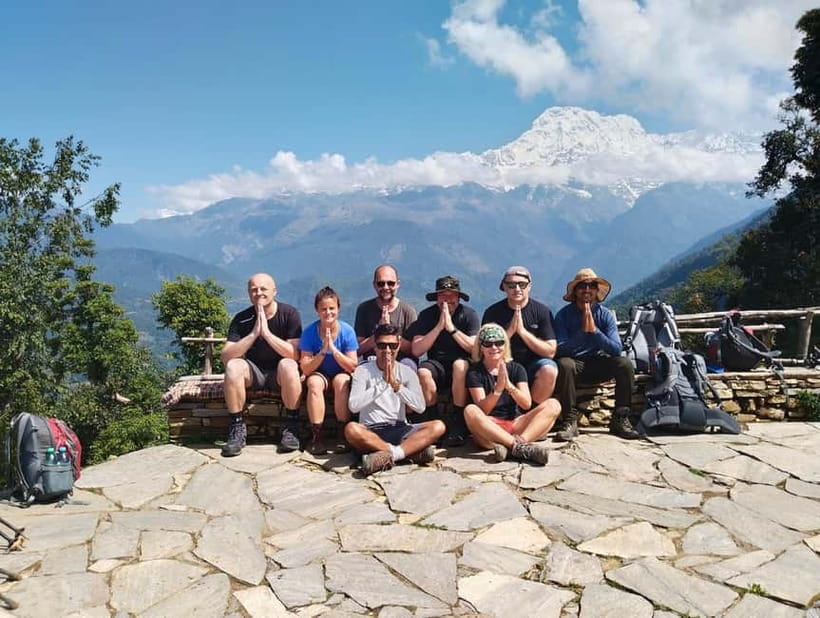
This hike isn’t only about views. It includes a guided tour that explores traditional Gurung settlements and helps you understand what you’re seeing as you walk through the area. In a place like this, you’ll pass homes, terraces, and paths that reflect how people live with the hillside.
In one of the experiences, the guide was praised for being friendly and knowledgeable, and for keeping the group comfortable. Another highlighted that the guide spoke gently in Japanese, which made the whole tour feel more relaxed. That’s not a small detail. Language can change how much you absorb in a culture stop, and it can also change how safe and comfortable you feel on a hike.
So what does the culture component actually do for your day?
- It gives context to the terraced fields and settlement areas you’re walking through
- It turns random scenery into something you can name and understand
- It breaks up the hike with storytelling and local explanations, which helps energy levels
This is also why I think the guided format is worth it here. You could hike the route on your own, but you would miss the “why” behind the route, the settlement pattern, and the points of interest along the way.
More to compare around Pokhara
- ZipFlyer Nepal – The World’s Steepest Zip-line
★ 5.0 · 608 reviews - Bungee Pokhara by HighGround Adventures
★ 5.0 · 366 reviews - From Pokhara: Sarangkot Sunrise Himalayas Tour
★ 4.7 · 218 reviews - Full-Day Tibetan Cultural Tour to Tibetan Settlements Pokhara
★ 5.0 · 184 reviews
Phedi and the valley angle, plus that Phewa Lake perspective
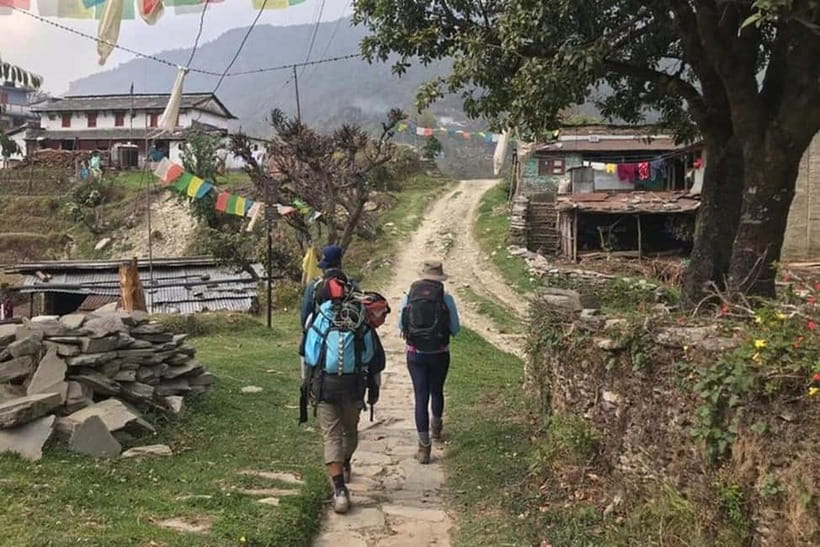
After Dhampus and the lunch stop, the route continues toward Phedi, with a guided tour and walk time of about one hour. This is another checkpoint that helps the day feel like more than just a single big climb to Australian Camp.
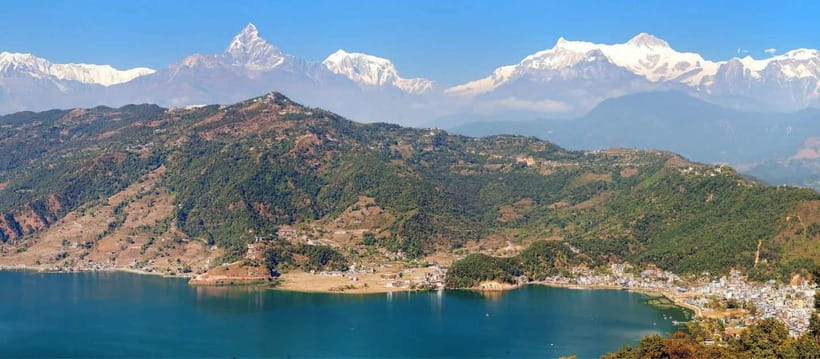
At Phedi, the highlight is the broader panorama angle. The experience description specifically calls out Pokhara Valley and Phewa Lake viewpoints. That’s a key reason this hike feels complete. You get mountain drama up top, then you get the valley sweep that shows you how Pokhara sits in the region.
If you’re the type who gets tunnel vision once you reach the biggest peak view, this part helps. It widens your perspective and makes the day feel more like exploring the area than chasing one shot.
And yes, for photo fans, the valley view can be easier to frame than mountain peaks when clouds move in. When the sky gets uncertain, valley angles and lake reflections can still give you strong images.
Lunch on the trail: where timing and energy matter
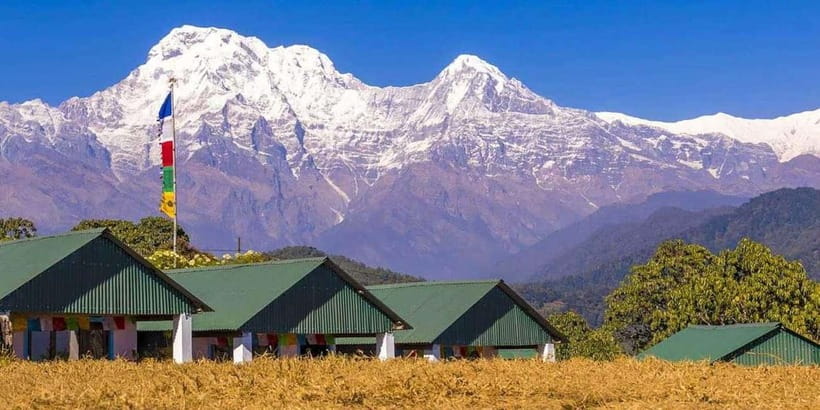
Lunch is scheduled during the Dhampus section, with about one hour for lunch. Meals and drinks are not included in the price, so you’ll want to plan for what you’ll eat. The good news is that the tour description mentions packed lunch during the hike, which suggests you’ll have a meal ready when you reach that break point.
Still, don’t count on the lunch break fixing everything. The hike directions recommend bringing a hat and sunscreen and using a refillable water bottle. It also says snacks can be helpful. That’s smart advice for this route because you’re in sun exposure at viewpoints and you’ll be walking up and down over a few hours.
My practical suggestion: carry a small snack even if you expect lunch. It keeps you steady on energy dips, especially during downhill sections.
The downhill reality: steps are part of the deal
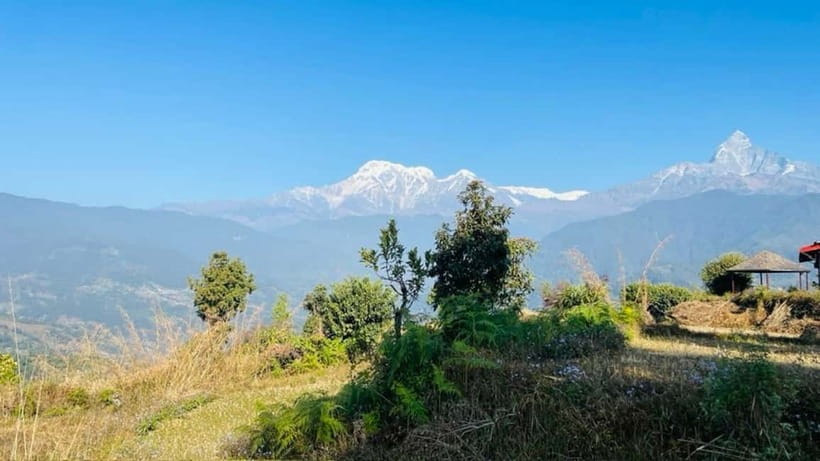
The day ends with a descent back toward Kande, then a drive back down to Pokhara. The route includes multiple walking segments, and at least one experience notes that the final descent on stone steps can be tiring.
This is the part you should respect when you choose shoes and pace yourself. A short hike still becomes a challenge when you’re going down uneven steps. If your knees get cranky easily, take it slow on the descent and use your whole foot. Small adjustments matter more than people expect.
Also, let your guide know how you feel. One review praised the guide for checking the group’s pace and calling out breaks. That kind of attention is exactly what you want in hilly terrain, even when the hike is described as short and easy.
Price, value, and what you truly pay for
The listed price is $65 per person, and the day runs about 6 hours total. When I look at value, I think about what’s included versus what you must pay separately.
What you get included:
- Guide
- Permits
- Bag keeping facilitated at Pokhara
- Photograph
What you should budget for separately:
- Meals and drinks
- Personal expenses
- Car for transfer, arranged by you, with a $30 payment directly to the driver, with no commission
So the $65 covers the guiding and official permissions and adds some helpful extras like bag keeping and a photo. Then the transfer cost is on top. For many people, that all-in feel still works out because you’re using a private guide format and a structured hike.
One more detail that affects value: it’s a private group experience. That can feel less chaotic than a shared tour, and it usually makes pacing and photo moments easier, especially when the guide is adjusting to your comfort level.
If you’re traveling solo, check whether the private format still makes sense for your group size. With a couple of friends, this often feels like a good compromise between cost and personal attention.
Who this hike suits best, and who should skip it
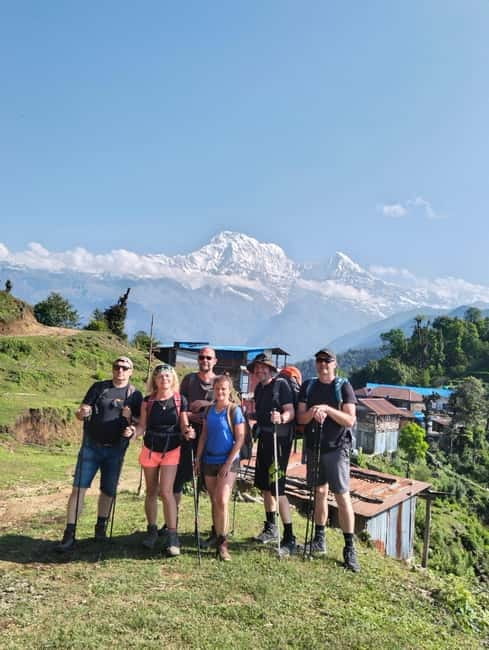
This is described as a short and easy day hike, but it’s not for everyone.
It is not suitable for:
- Wheelchair users
- People with back problems
- Pregnant women
So who will likely enjoy it?
- You want big views without committing to a multi-day trek
- You enjoy guided cultural stops, especially Gurung settlement context
- You’re comfortable walking for a few hours with some uphill effort and step downhill
If you’re deciding between this and a longer trek, think about your goal for the day. If your goal is a high-impact viewpoint day with guidance and minimal logistics, this fits well.
Tips that make a real difference on this route
Bring the essentials, because the sun and footing can be your real obstacles, not the overall distance.
- Comfortable hiking shoes with grip for stone steps
- A hat and sunscreen, since viewpoints mean exposure
- A camera, this route is built for photo stops
- A refillable water bottle, you’ll want it for the climb and breaks
- Snacks, even if lunch happens, because you might get hungry between segments
Also remember the rules:
- Smoking is not allowed during the hike
If you want the best mountain views, go in with a flexible mindset. When weather limits the peaks, you can still enjoy the valley perspectives, the guided cultural element, and the walking experience itself.
Should you book the Pokhara Australian Camp hike?
Book it if you want:
- A guided, structured hike around viewpoints rather than DIY wandering
- A realistic shot at Annapurna and Dhaulagiri views, plus valley and lake panoramas
- Gurung settlement context, not just scenery
Skip or think twice if:
- You’re sensitive to downhill stone steps, and you know your knees struggle
- You’re looking for an itinerary that feels fully “views only,” because this includes culture stops and walking segments
- You need accessibility accommodations, since it’s not suitable for wheelchair users and is not recommended with back problems or pregnancy
My final take: this is a very practical Pokhara day hike that gives you a lot of visual payoff for a manageable time commitment. The guide quality can make it smoother, and the viewpoint planning means you’re not betting everything on a single minute of perfect weather.
FAQ
How long is the hike from Pokhara to Australian Camp?
The duration is about 6 hours total.
Where does the day start, and is pickup included?
Pickup is available from many hotels at Lakeside Pokhara. You will wait about 10 minutes at your hotel lobby for the guide to come with a car and your name card.
What parts of the route are included in the hike?
The route includes Kande, then the Australian Camp trail head area at Dhampus, additional time around Dhampus (including lunch), and then Phedi before descending back toward Kande.
Is there a guide on the hike?
Yes. The tour includes a live tour guide and you can get an English or Japanese-speaking guide.
What is included in the price?
Included items are the guide, permits, bag keeping facilitation at Pokhara, and a photograph.
Are meals and drinks included?
Meals and drinks are not included. Snacks may help, and a packed lunch is part of the day’s flow, but you should still plan for food and water needs.
Do I need to pay for transportation separately?
Yes. The car for the transfer is arranged separately, and you pay $30 directly to the driver.
How much does it cost?
The price is $65 per person.
Is there free cancellation?
Yes, you can cancel up to 24 hours in advance for a full refund.
Is smoking allowed during the hike?
No, smoking is not allowed during the hike.
Latest Pokhara write-ups
- Mardi Himal Trek -5 Day Short Trek From Pokhara★ 5.0 · 8 reviews
- Tandem Paragliding in Pokhara★ 4.8 · 8 reviews
- Pokhara: Peace Pagoda Sunset, Annapurna Mountain Views Tour★ 2.9 · 5 reviews
- Short & Scenic: 2-Day Private POON HILL Trek from Pokhara★ 5.0 · 8 reviews
- Seti George and Thrilling Suspension Bridge Tour at Pokhara★ 4.5 · 3 reviews
- Sarangkot Sunrise over the Himalayas★ 4.8 · 83 reviews
- Pokhara: Sarangkot Sunrise and Private Full Day Tour★ 4.8 · 24 reviews
- From Kathmandu/Pokhara: Private 3-Day Chitwan Safari Tour★ 4.7 · 34 reviews
Australian Camp Trek, compared.
1-Day Scenic Australian Camp & Dhampus Guided Hike
Read our review →
Guided Day Hike From Dampus To Australian Base Camp
Read our review →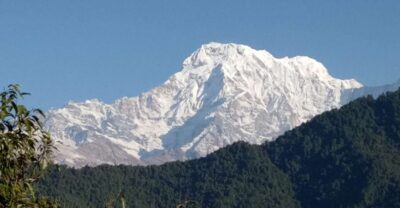
1 N 2 Days easy Dhampus,Australian camp trek from Pokhara
Read our review →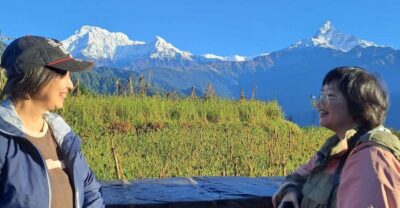
2-Day Australian Camp & Dhampus Village Easy Hike
Read our review →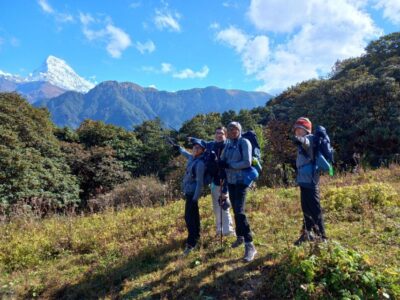
Browse the lists this tour appears in