
Reviewed · PRIVATE DRIVERS
Pokhara: Full-Day Sharing Bus Tour on 7 Iconic Destination
Pokhara can feel like a lot of places, but this full-day sharing bus loop makes it simple. You get a packed Pokhara hit of caves and cultural stops, from the mysterious Mahendra Cave to the calm of Bindabasini Temple. I especially like the balance of science-meets-mystery cave time, then real city nature time with the Seti River flowing through town.
The big thing to know up front: this is not a walk-and-talk guided tour. You’re on a shared bus with a set pace and time blocks at each stop, so you’ll want to be comfortable wandering on your own for parts of the day.
Key Points to Know Before You Go
- Mahendra Cave delivers dramatic underground shapes, with stalactites and stalagmites as the main event
- The day mixes culture and nature, not just one theme, including World Peace Stupa and the Seti River
- Cave variety shows up in different stops, with Gupteswor Cave and a Bat Cave segment in the program
- You start in Lakeside with pickup, then finish near Fewa Lake so it’s easy to keep exploring
- Expect extra small costs for entry fees (about US$4) and you’ll need to plan for food yourself
A Shared Bus Day That Packs Pokhara Into One Loop
This is the kind of tour I recommend when you have limited time in Pokhara and you want to cover the key sights without renting a scooter or piecing together multiple taxis. The format is straightforward: pickup from your Lakeside hotel area, then a full day on a shared bus with stops at the main religious sites, caves, and viewpoints along the route.
What makes it work is the variety. You’re not stuck staring at one thing for hours. One stop is spiritual and landscaped with intention, another stop is a river that shows how powerful nature can be even in an urban setting, and then you move into caves where the ground literally changes the mood.
Just keep your expectations realistic. The pace is efficient, not slow and scenic. If you like lingering, you’ll still enjoy it, but you may find yourself watching the clock more than you planned.
More Full-Day Tours in Pokhara
- Full-Day Tibetan Cultural Tour to Tibetan Settlements Pokhara
★ 5.0 · 184 reviews - Pokhara: Full-Day Private Tour on 7 Iconic Destination
★ 4.8 · 108 reviews - Pokhara: Sarangkot Sunrise and Private Full Day Tour
★ 4.8 · 24 reviews
Pickup and Pace: How the Day Runs in Real Time
The tour starts with pickup from hotels in the Lakeside area of Pokhara. You use a name card at pickup, which is handy if you’re arriving from a busier street than the company’s meeting point.
The advertised time is 6 hours, but it can feel like a longer day depending on traffic and how long the group spends at each stop. Many people like this structure because it cuts planning time to almost zero. You do the route once, you see the major highlights, and you’re back close to where you’re staying.
Also note the “shared bus” part. The ride is comfortable enough for a full day, and you’ll be traveling with a mix of tourists. That can be a plus if you’re a solo traveler who likes meeting people, but it also means you’re not choosing your exact timing between stops.
Pumdikot Shiva Idol and World Peace Stupa: Start With Big Meaning and Mountain Views
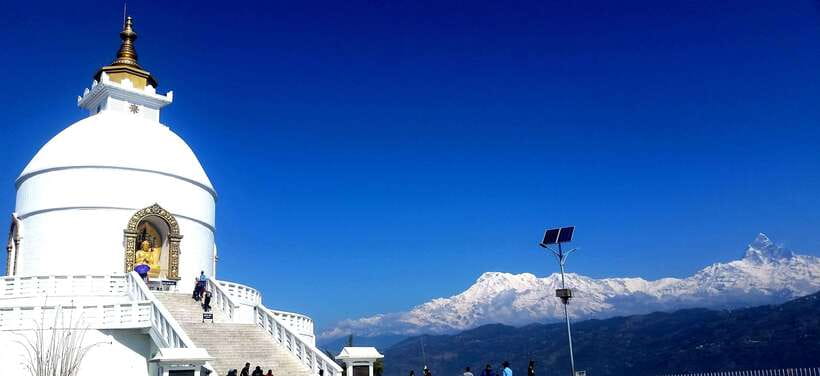
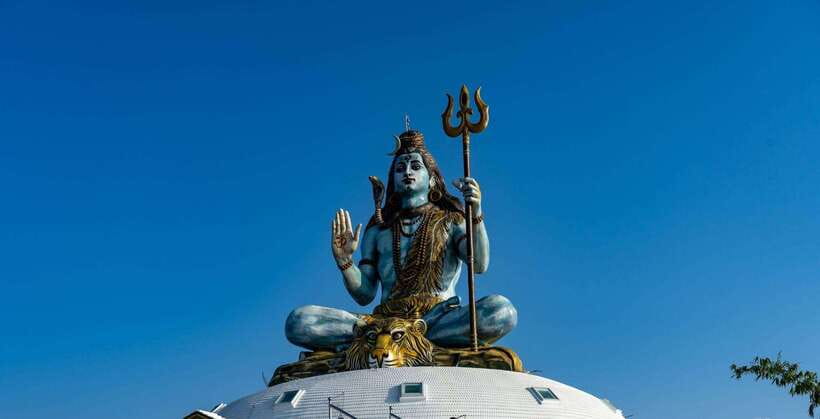
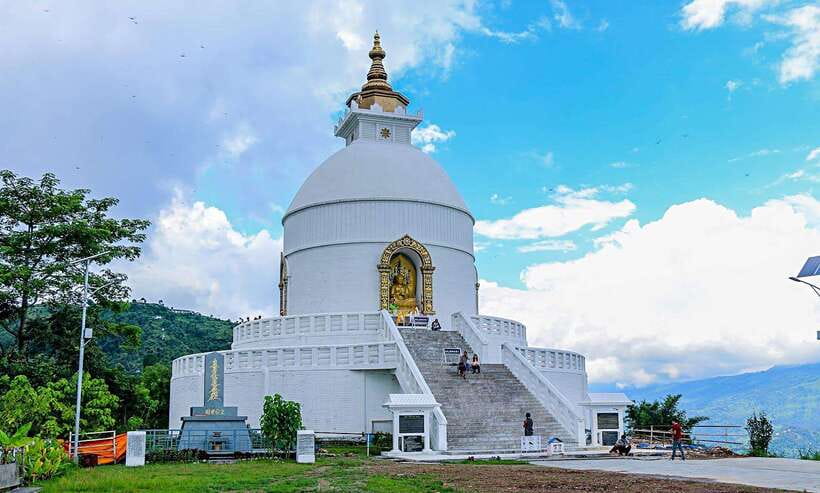
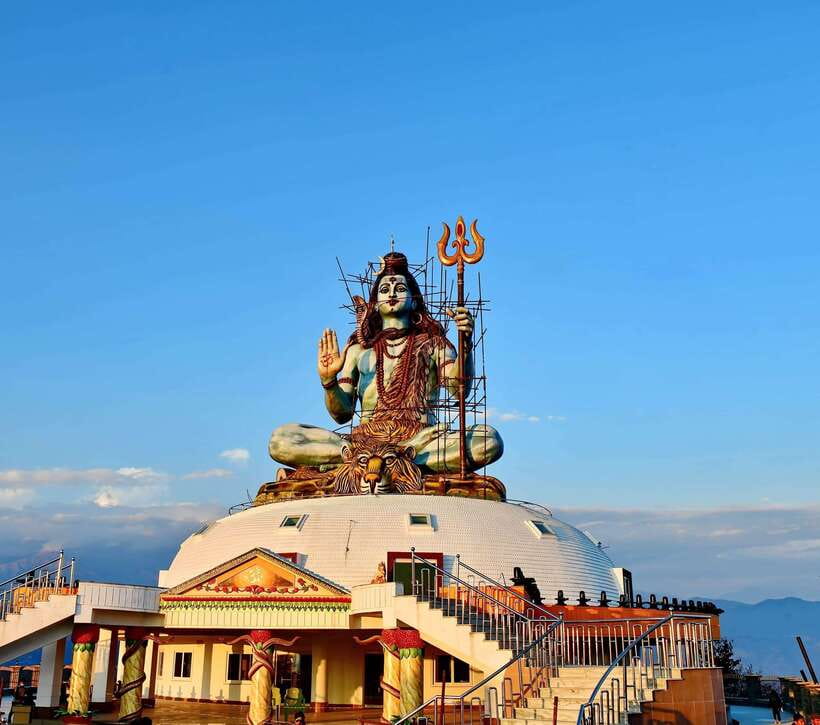
The first spiritual hit is the Shiva Idol at Pumdikot, followed by the World Peace Stupa. This is a classic Pokhara opener for a reason: you start with symbolism and views before the day turns underground and then moves toward the river.
At Pumdikot, the focus is on Shiva and the sacred energy of the site. Even if you’re not the type to read every plaque, you’ll feel it in the way people move through the space. Take a moment with your camera, because this part of the day is often when the light looks best on the surrounding area.
Then you shift to the World Peace Stupa, which is one of those stops where the design matters as much as the meaning. You get a calmer rhythm here. It’s also a good break before the physical effort of caves, so I’d treat it like your pause station.
Practical tip: wear shoes you can stand in easily. Even if the stops are short, you’ll likely do a bit of walking on uneven ground.
Devi’s Waterfall and Mahadev Cave: Nature Meets Religion
Next up is Devi’s Water Fall, plus Mahadev Cave. This is where the day starts to blend the natural world with religious context.
The waterfall stop is your outdoor reset. It’s a chance to get air, shake off the bus seat, and see the power of water in motion. Then you head to Mahadev Cave, which turns the experience from scenic to subterranean.
This shift matters. Outdoors you’re moving with the group and soaking in views and weather. In caves you’re dealing with steps, different footing, and dimmer light. If you’re traveling in hotter months, the cave part often feels like a welcome cool break.
And remember: you’ll want water with you. You’re walking in sun at least some of the day, and the cave sections do not replace hydration.
More to compare around Pokhara
- ZipFlyer Nepal – The World’s Steepest Zip-line
★ 5.0 · 608 reviews - Bungee Pokhara by HighGround Adventures
★ 5.0 · 366 reviews - From Pokhara: Sarangkot Sunrise Himalayas Tour
★ 4.7 · 218 reviews - Trekking in Annapurna/Langtang/Everest/Upper Mustang regions
★ 5.0 · 161 reviews
Mahendra Cave: The Underground Stop Everyone Remembers
The highlight for many people is Mahendra Cave, with the emphasis on its stalactites and stalagmites. This is the stop that turns the whole day from “I saw a waterfall” into “I saw something truly unusual.”
Why it’s worth your attention: cave formations create a kind of slow-motion wonder. You can’t get the full effect from a quick photo. You’ll want to look up, then look around, then wait a second for your eyes to adjust to the darker interior.
There’s also a built-in sense of story here. Caves feel mysterious in a way that temples and viewpoints never do. You’re literally inside the rock, and it changes how the mind frames everything else you saw earlier in the day.
One caution: cave time can be claustrophobic for some people. This tour is not suitable for people with claustrophobia, and that’s not a small note. If that’s you, you’ll be miserable.
Gupteswor Cave and the Bat Cave Segment: Keep Your Eyes on Small Life
The program includes additional underground sections, including Gupteswor Cave and a Bat Cave stop. Even when the cave is not visually flashy, it’s still interesting because caves are ecosystems, not just stone corridors.
What you should do in these stops is simple: go slowly, watch your footing, and keep your attention on the details. If there are bats around, it’s not something you control, so don’t plan your comfort around them. Instead, plan your pace around staying safe and calm in a dim, enclosed space.
This is also where timing matters. You’ll get a preset amount of time, so don’t wait until the end to start exploring. Do your “first look” quickly, then use the remaining time to wander a bit and take photos where the light catches.
Seti River in Town: The Strong Nature Moment Between Caves and Temples
After the underground stretch, you head down to the banks of the Seti River. This is a great contrast. Caves slow you down physically and mentally. The river wakes you up.
This stop is about force and flow. You’re seeing water moving through the city, and it gives you an instant sense of how Pokhara’s geography shapes daily life. Even if the river isn’t the main reason you came to Nepal, it works as a grounding moment in the middle of the day.
If you’re short on time, this is one of the best uses of that time. You don’t need to interpret a plaque. You just stand there, look, and let the water do the talking.
Photo tip: aim for video or a short burst of photos. Moving water looks better captured in motion than as a single still.
Bindabasini Temple: A Quiet, Carefully Designed Finish
The final cultural stop is Bindabasini Temple, described as intricately designed and focused on serenity. This is where the pace shifts again. After caves and the river, temples feel like a breath.
I like this ending because it helps you close the loop. The day starts with Shiva symbolism, moves through “nature power” with waterfalls and river flow, then brings you back to a place designed for calm.
Even if you’re not a devout traveler, temples are useful on a practical level. They slow the day down without adding stress. It’s a good place to collect your thoughts, check your photos, and plan what you’ll do once the bus drops you off near Fewa Lake.
Fewa Lake Drop-Off: How to Use the Rest of Your Evening
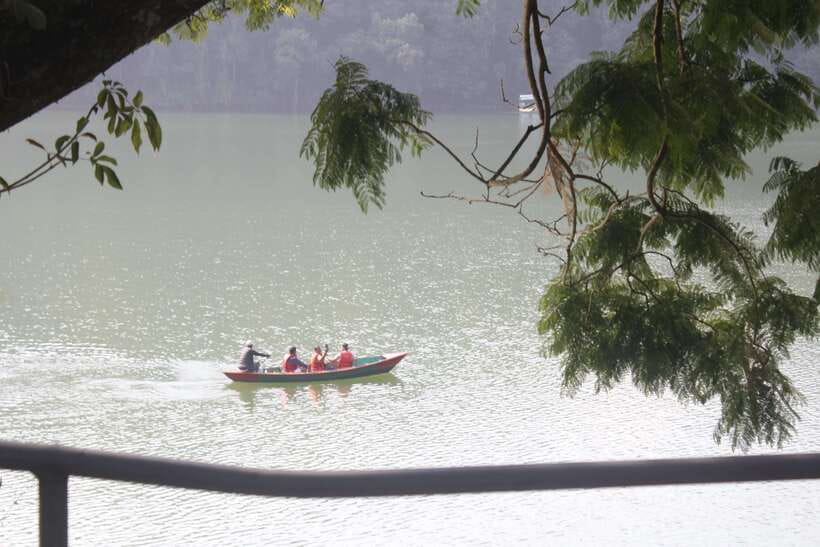
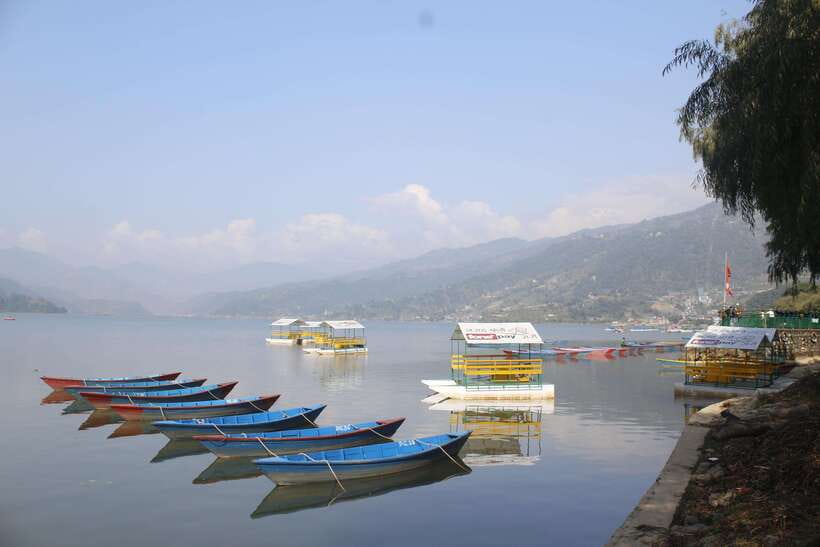
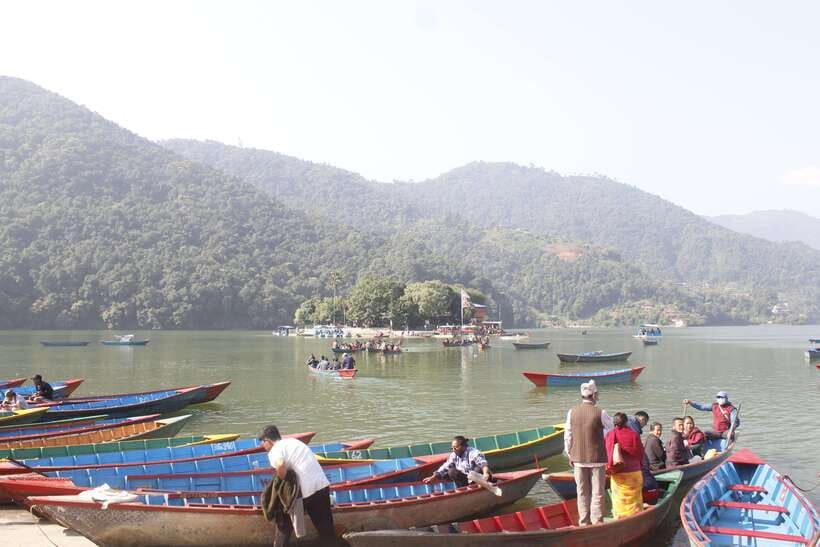
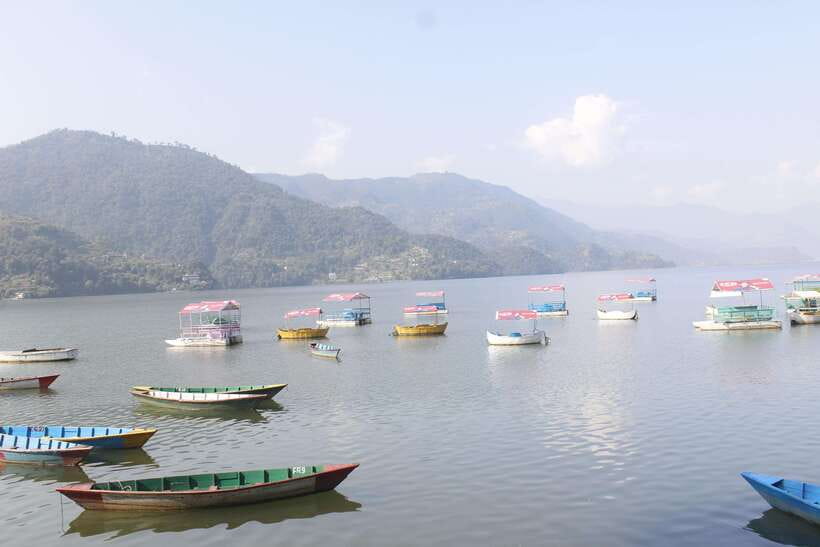
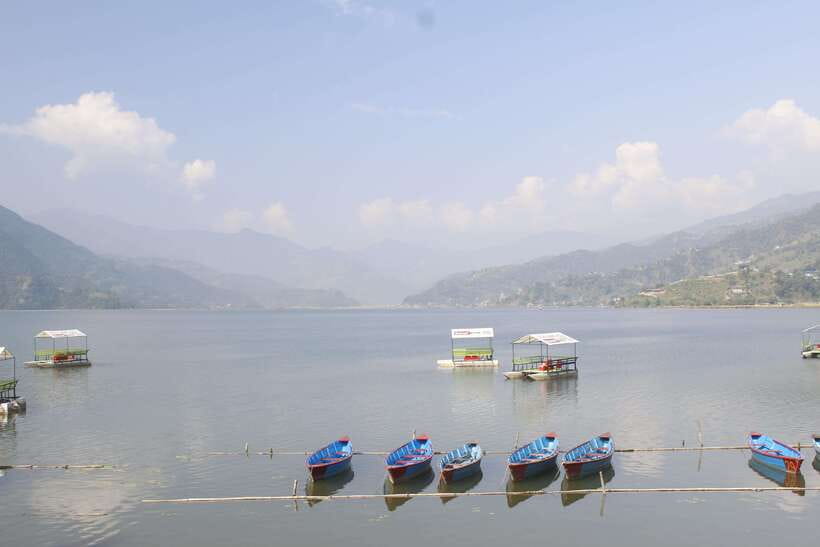
At the end, the bus drives you back toward Fewa Lake. You can opt to explore the Fewa Lake area on your own, since it’s the last stop close to the hotel zone.
This is an underrated part of the value. Instead of ending far away and forcing another round of transport, the tour leaves you in one of the easiest areas to move around on foot. You can grab dinner, stroll lakeside, or simply unwind after a day that moves fast.
If you’d rather not wander, you can also return to your hotel on the same bus at the same time. That gives you a simple off-ramp when you’re tired.
Price and Value: Why US$12 Can Be a Smart Buy
The price is US$12 per person, with hotel pickup and drop-off (within Lakeside) included, plus sightseeing by shared bus.
Here’s how I think about it as value:
- You’re paying for logistics. In Pokhara, covering multiple sites by yourself is possible, but it’s time-consuming and can cost more once you add transport.
- The tour covers a high-effort day. Caves take time, and the stops are spread out enough that a single bus route is genuinely helpful.
- Extra costs are limited and predictable. Entry fees are approximately US$4, and food and drink aren’t included.
Food is the main budget variable. Since it’s not included, I’d set aside extra money for lunch and water. The tour may provide small comforts like tea, but you should still treat meals as your responsibility.
One more value point: the day is efficient enough for short stays. If you only have one full day in Pokhara, this kind of “major hits” route is usually the lowest-stress choice.
What You Should Bring (and What Matters Inside Caves)
Bring comfortable shoes and use them for the cave sections. You’ll also want a camera, sunscreen, and water. That sounds obvious until you realize how quickly the cave stops and outdoor river stops can mix in one exhausting day.
Also, plan for the rules. Smoking and alcohol or drugs are not allowed.
Given that the tour includes caves, I also strongly suggest packing for comfort: closed-toe footwear matters more than fashion. Even if you’re just going for photos, your feet will do the work.
Who This Tour Suits Best
This experience is a good fit if:
- you want to see several Pokhara highlights in one day
- you don’t want to arrange transport between sites yourself
- you’re okay with a shared bus and a preset amount of time at each stop
- you prefer exploring independently at the sites, rather than having a guide explaining every step
It may be a poor fit if:
- you have claustrophobia (caves are a big part of the route)
- you have back problems, since caves and walking can be hard on the body
- you use a wheelchair, since the tour is not suitable for wheelchair users
If you’re a solo traveler, this can still work well. A big part of the enjoyment is that the bus ride and shared day naturally create easy social moments with other visitors. You get companionship without needing to organize anything.
The Big Question: Is It Really Guided?
This tour is essentially self-guided at the stops. You’ll have a schedule and time windows, but you won’t get a traditional, always-with-you guide while you’re inside each site.
So your best strategy is to come mentally ready to explore on your own for portions of the day. If you like learning quick facts while you wander, read up on Mahendra Cave, Bindabasini Temple, and Seti River before you go. If you don’t, you can still enjoy it just for the sights.
Also, the driver matters. Many people rate this highly specifically because the driver feels professional and the ride feels safe and comfortable. You’re not just buying sights, you’re buying a calm way to move across town.
FAQ
FAQ
How long is the Pokhara full-day sharing bus tour?
The duration is 6 hours. Starting times depend on availability.
Where does hotel pickup happen?
Pickup is included for hotels within the Lakeside area of Pokhara. You’ll be picked up with a name card.
Are entry fees included in the price?
No. Entry fees to the monuments are approximately US$4 and are not included.
Is food included?
Food and drink are not included. You’ll need to plan your own meals.
Is the tour suitable for people with claustrophobia?
No. It is not suitable for people with claustrophobia because the tour includes cave visits.
What should I bring for the day?
Bring comfortable shoes, a camera, sunscreen, and water.
Should You Book This Full-Day Pokhara Sharing Bus Tour?
Yes, I’d book it if you want an efficient way to see Pokhara’s most visited mix of spiritual sites, river scenery, and cave formations without dealing with transport logistics. The value is strong at US$12, especially since pickup and drop-off from Lakeside are included and the stops cover real variety.
Skip it if caves are a problem for you, or if you hate moving on a schedule. And if you want a fully guided, step-by-step explanation at every site, look for a different style of tour.
If your goal is simple, see a lot, stay flexible, and come back to Fewa Lake with a full day behind you, this is a solid choice.
Latest Pokhara write-ups
- Mardi Himal Trek -5 Day Short Trek From Pokhara★ 5.0 · 8 reviews
- Tandem Paragliding in Pokhara★ 4.8 · 8 reviews
- Pokhara: Peace Pagoda Sunset, Annapurna Mountain Views Tour★ 2.9 · 5 reviews
- Short & Scenic: 2-Day Private POON HILL Trek from Pokhara★ 5.0 · 8 reviews
- Seti George and Thrilling Suspension Bridge Tour at Pokhara★ 4.5 · 3 reviews
- Sarangkot Sunrise over the Himalayas★ 4.8 · 83 reviews
- Pokhara: Sarangkot Sunrise and Private Full Day Tour★ 4.8 · 24 reviews
- From Kathmandu/Pokhara: Private 3-Day Chitwan Safari Tour★ 4.7 · 34 reviews
Private Drivers, compared.

1-Hour Mount Everest Flight with Private Transfer
Read our review →
Mount Everest Scenic Flight with Airport Transfer
Read our review →
Everest Scenic Flight By Buddha Air with Free Hotel Transfer
Read our review →
Browse the lists this tour appears in