
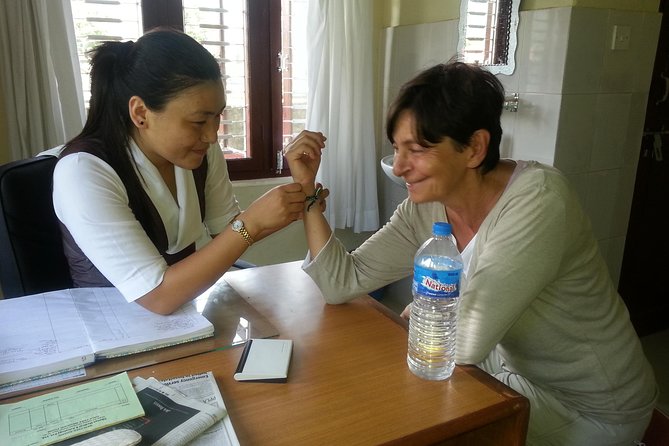
Reviewed · TIBETAN SETTLEMENT VISITS
Full-Day Tibetan Cultural Tour to Tibetan Settlements Pokhara
This day trip is interesting because it feels like a real visit to people and places, not a quick photo stop. You spend the morning and early afternoon in Tibetan religious sites, then move into a refugee settlement where daily life, schooling, and food show up in practical, human ways.
I especially love the small-group size and the chance to ask questions directly to Mr. Thupten Gyatso, a local Tibetan guide who grew up in the community. I also like that the tour doesn’t treat religion as something distant, you see it at work in monastery routines and afternoon prayer.
The only possible drawback is timing. The day is full, and if you want more nuance on today’s Tibet politics, you may wish you had time for a longer, topic-focused conversation beyond the scheduled stops.
Key highlights you should know before you go
- Mr. Thupten Gyatso guides the day, with a personal connection to the Tibetan community in Nepal
- Monastery routines you can actually hear, including afternoon chanting and instruments like horns, drums, and conch shell
- A true settlement walk, with time to see how Tibetan schools and education are organized
- Food at a family home in the settlement, not just a restaurant tasting
- Transfers inside Pokhara plus meals included, so you are not juggling logistics for 8 hours
- Free admission tickets listed for each stop, which helps keep the day’s value straightforward
Tibetan settlements from Pokhara: why this tour works as a full-day experience
Pokhara is full of day tours, many of them centered on views. This one is different. You are trading scenery for context, and the payoff is deeper understanding of Tibetan life in exile in Nepal.
The format also helps. You start at 9:00 am and run for about 8 hours, with hotel pickup and drop-off within Pokhara. That means you spend most of the day with your guide and group, rather than waiting around to meet buses or figuring out where to go next.
This is also a family-friendly choice, which tells you something: it is designed to be engaging without being overly technical or too intense. Still, it is meaningful. Monasteries, prayer chanting, and the reality of refugee life are not props, they are part of the schedule because they are part of life.
More Full-Day Tours in Pokhara
- Pokhara: Full-Day Sharing Bus Tour on 7 Iconic Destination
★ 4.1 · 179 reviews - Pokhara: Full-Day Private Tour on 7 Iconic Destination
★ 4.8 · 108 reviews - Pokhara: Sarangkot Sunrise and Private Full Day Tour
★ 4.8 · 24 reviews
Meet Mr. Thupten Gyatso: the guide factor that shapes the whole day
The tour’s engine is the guide, Mr. Thupten Gyatso. The way the day is described, he is not just translating facts. He has a personal background in the community, so his answers tend to connect culture, religion, and daily realities in a way you cannot fake.
This matters for you because a Tibetan cultural day is easy to do poorly. Some tours become a lecture with no room for questions. Here, the structure is set up for conversation. You get multiple chances to ask about Tibetan culture, religion, cuisine, and what it is like to live as part of a refugee community in Nepal.
If you like your travel days interactive, this is a good match. If you prefer quiet museum-style pacing, you might still enjoy it, but you should go in ready to talk and ask.
The 9:00 am schedule in plain terms: what 8 hours actually feels like
You will be moving through five main stops, most of them about an hour, with one longer village segment. The listed duration is about 8 hours total, which is a full day, especially in warm weather.
Here is the pacing in human terms:
- You start with a monastery visit.
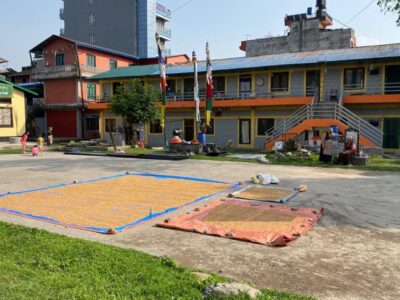
- Then you spend a bigger block of time walking through a Tibetan refugee settlement.
- After that, you rotate through two more monastic sites and one final family home food stop.
Because your meals are included, you do not need to hunt for lunch. Still, the schedule is packed enough that you should wear comfortable shoes and plan to be outdoors at points. If you have limited mobility, the walking through the village may be the main challenge.
Stop 1: Shree Gaden Dhargay Ling Monastery and the morning tone
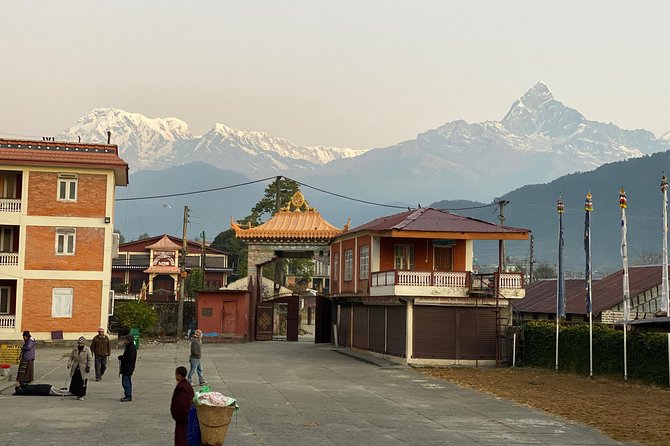
The day begins at Shree Gaden Dhargay Ling Monastery. The stop is listed as about 1 hour, and admission tickets are free.
What you can expect here is the start of a cultural framework. You get the chance to learn about Tibetan culture and religion, along with the refugee context in Nepal. This first stop is helpful because it gives you questions to carry forward. After you see the basics of monastic life, the later village and education parts make more sense.
Practical tip: arrive ready to observe. Monasteries tend to reward people who look, then ask. If you are not sure what to ask, ask something simple like how daily routines work or what prayer means in everyday life. Mr. Thupten’s background is the reason these questions get answered in a satisfying way.
More Historical Tours in Pokhara
- Afternoon Tibetan cultural tour
★ 5.0 · 41 reviews - Full Day Tibetan Cultural Tour
★ 5.0 · 12 reviews - Half day Tibetan cultural tour
★ 5.0 · 4 reviews
Stop 2: Tashi Ling Tibetan Village and time with Tibetan schools

Next is Tashi Ling Tibetan Village, the longest stop at about 4 hours, with free admission tickets listed.
This is the heart of the tour because you are not just looking at buildings. You are walking around a Tibetan refugee settlement and seeing how community life is organized. The day’s description highlights several things you should pay attention to:
- Tibetan people living in Nepal and Buddhist cultural life
- Tibetan schools and how the education system works
- The chance to ask questions and get a lived perspective
For you, the value here is practical understanding. When schooling and daily routines sit side by side with religion and culture, you start to see why the community builds continuity through education. It also helps you separate stereotypes from reality.
One small consideration: a 4-hour village block means you will be on your feet longer than the monastery stops. Comfortable footwear is not optional, especially if your tour timing includes warmer hours.
Stop 3: Pema Ts’al Sakya Monastic Institute and meeting a young monk
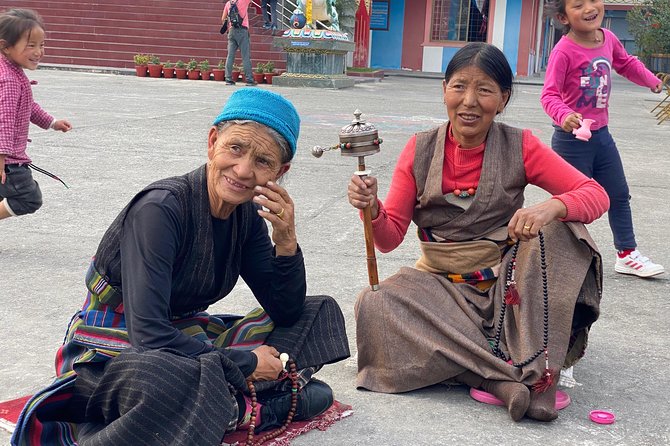
After lunch and breaks on the schedule, you head to Pema Ts’al Sakya Monastic Institute for about 1 hour, with admission tickets listed as free.
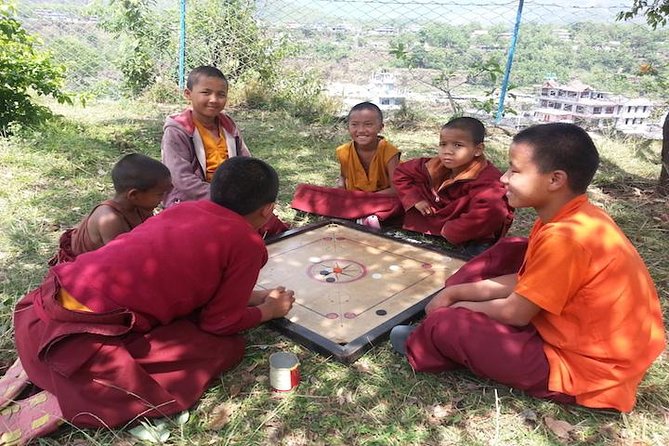
This stop is described as a way to discover monastic life and meet a young monk eager to share insights into monastic life and education. That is a powerful combination, because education is both a topic and a lived practice in monasteries.
What makes this moment useful is the angle. You are not only learning religious ideas. You are learning how a student understands the structure of study, discipline, and spiritual practice.
Practical tip: bring one or two respectful questions about education or how a day is organized. If you get nervous about phrasing, ask about something observational, like what sounds or activities come first in the day.
Stop 4: Jangchub Choeling Tibetan Monastery and the afternoon prayer sounds
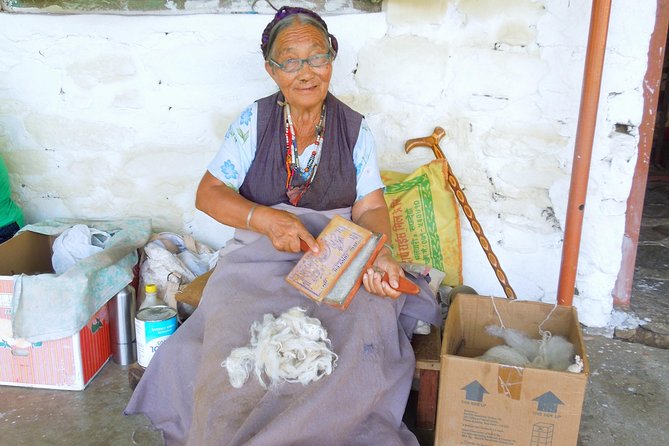
Then comes Jangchub Choeling Tibetan Monastery for about 1 hour. This stop includes the chance to attend afternoon prayer chanting with the monks.
The description specifically calls out the sensory elements: horns, drums, and conch shell. That detail matters because it changes the stop from visual sightseeing to a full experience. Even if you do not know the meanings of every element, you can feel the rhythm and seriousness of the practice.
This is also where some people find the day most moving, because prayer is not a performance for tourists. It is part of the monastery’s ongoing life. The soundscape is intense enough that you may want to stand a bit back if you are sensitive to noise.
Stop 5: Tashi Palkhel Tibetan Settlement, a family home, and Tibetan food
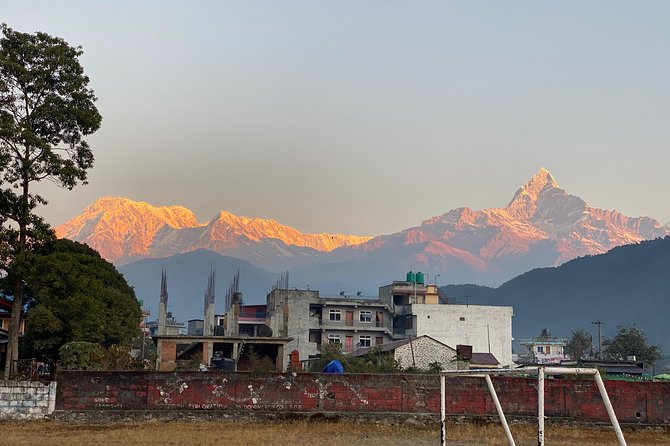
The final stop is Tashi Palkhel Tibetan Settlement, listed at about 1 hour, with free admission tickets.
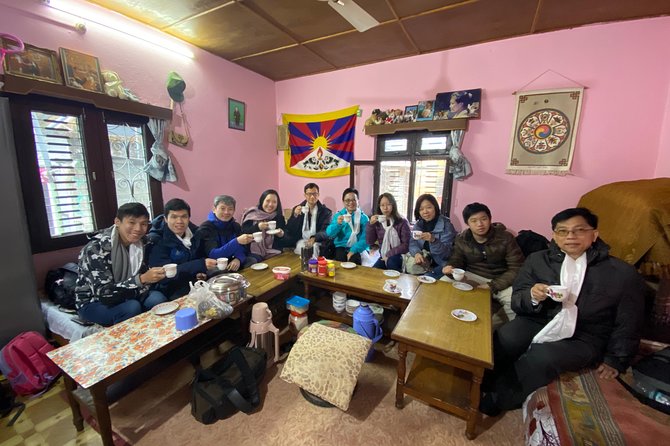
This is the most intimate ending: you visit a local Tibetan family’s home and experience traditional Tibetan food. The tour also frames this as a chance to learn about the history and world of Tibetan cuisine, not just eat.
This stop is valuable for you because it ties everything together. Earlier parts of the day explain culture and religion in public settings. Here, you see how food fits into daily life and family routine.
Also, the day is described as including opportunities to buy crafts. If you like carrying home a story, this is a place to look closely, ask what something represents, and decide based on whether it feels personal to the community rather than a generic souvenir.
Diet notes you should know: you can request a vegetarian option at booking, and the tour also serves gluten free food.
Meals, drinks, and small comforts that help on an 8-hour day
The tour includes a lot of food support, which is honestly why the price feels reasonable.
Included items are listed as:
- Lunch
- Snacks
- Afternoon tea
- Bottled water
- Coffee and/or tea
This matters because it keeps you from spending your day searching for lunch or paying extra for water. In Pokhara, that kind of convenience can quietly save both time and money.
If you have dietary needs, plan ahead when you book. The vegetarian and gluten free options are specifically mentioned, which means you are not guessing. Tell the operator you need it so your meals match your requirements.
Price and value: is $85 worth a full day with transfers?
At $85.00 per person for about 8 hours, this tour sits in a mid-range category for Pokhara. It is easier to judge value than it looks, because several real costs are covered:
- Hotel pickup and drop-off within Pokhara
- A professional guide and driver
- Lunch, snacks, bottled water, and afternoon tea plus coffee or tea
- Free admission tickets for the main stops
- A small group capped at maximum 15 travelers
If you compare this to paying separately for transport, a guide, and meals, the math usually tightens in favor of the package. The main question is whether you want this style of cultural day. If you do, you are buying structure and access. If you do not, you might feel the day is too planned.
Who this tour is best for, and who should skip it
This experience fits best if you:
- Want a hands-on cultural day instead of a view-only day
- Like meeting people and asking questions, not just taking photos
- Want to understand Tibetan Buddhist life in Nepal, including refugee settlement context
- Prefer a small group setting with a guide like Mr. Thupten Gyatso
It may not be your best match if you:
- Want a lot of free time to wander on your own for hours
- Get impatient with religious or prayer elements taking real time in the schedule
- Need a more relaxed pace, because the day is packed with multiple stops
In plain terms, go if you like meaning and conversation. Skip if you want low-structure sightseeing.
Etiquette and preparation tips that make the day smoother
You do not need to overthink it, but a few basics help:
- Wear shoes you can walk in for the village segment, because there is a lot of walking around the settlement.
- Bring a water bottle only if you prefer one, because bottled water is included.
- Have 2 to 4 questions ready for your guide. Topics like how education works, daily monastic routines, and how Tibetan food fits into community life are naturally relevant.
- Plan for a day that includes sound and chanting. If you are noise-sensitive, you may want to position yourself mindfully during prayer.
If you are traveling with kids, this tour’s family-friendly angle is a strong point. It gives you multiple short experiences, then a longer village segment where children can still see real life rather than staged shows.
Should you book Tibetan settlements from Pokhara?
I think you should book if you want a cultural day that feels human, with a guide named Mr. Thupten Gyatso and multiple chances to ask real questions. The combination of monasteries, settlement life, Tibetan schooling, and a family food stop makes it more than a checklist tour.
You should think twice if you dislike packed schedules or if you want a deeper, hours-long discussion on current Tibet politics than what a structured day can provide. In that case, this tour can still be valuable, but you might want to plan additional reading or time with other sources afterward.
FAQ
What does the tour include for meals and drinks?
Lunch is included, plus snacks, afternoon tea, bottled water, and coffee and/or tea during the day.
Is hotel pickup and drop-off included?
Yes. The tour includes hotel pickup and drop-off within Pokhara.
How long is the tour, and when does it start?
It starts at 9:00 am and runs for about 8 hours.
Are admission tickets included for the monastery and settlement stops?
Admission tickets are listed as free for each of the stops.
Can I request vegetarian or gluten free food?
Yes. A vegetarian option is available if you advise at booking. Gluten free food is also served.
How large is the group?
The tour has a maximum of 15 travelers.
Can I cancel for a full refund?
You can cancel for a full refund if you cancel at least 24 hours before the experience’s start time. If you cancel less than 24 hours before, you would not receive a refund.
If you tell me your travel dates and whether you want vegetarian or gluten free meals, I can help you decide if the 9:00 am start fits your Pokhara schedule.
More Visits to the Tibetan Settlements in Pokhara
- Pokhara: Private Half-Day Tour and Tibetan Culture Tour
★ 3.8 · 14 reviews
Latest Pokhara write-ups
- Mardi Himal Trek -5 Day Short Trek From Pokhara★ 5.0 · 8 reviews
- Tandem Paragliding in Pokhara★ 4.8 · 8 reviews
- Pokhara: Peace Pagoda Sunset, Annapurna Mountain Views Tour★ 2.9 · 5 reviews
- Short & Scenic: 2-Day Private POON HILL Trek from Pokhara★ 5.0 · 8 reviews
- Seti George and Thrilling Suspension Bridge Tour at Pokhara★ 4.5 · 3 reviews
- Sarangkot Sunrise over the Himalayas★ 4.8 · 83 reviews
- Pokhara: Sarangkot Sunrise and Private Full Day Tour★ 4.8 · 24 reviews
- From Kathmandu/Pokhara: Private 3-Day Chitwan Safari Tour★ 4.7 · 34 reviews
Tibetan Settlement Visits, compared.

Browse the lists this tour appears in