
Reviewed · PRIVATE DRIVERS
Pokhara: Visit Best Seven Tourist Destination by Sharing Bus
Pokhara in a single day can feel like a lot, but this route stays interesting because you travel by sharing bus between major sights, from the sacred hill stops to the waterfall and cave complex. The day also stacks a mix of viewpoints and worship places, including the World Peace Pagoda, without asking you to plan a full route yourself.
I really like two things here. First, you get strong variety in one loop, with David Falls, multiple caves, and the Bindabasini Temple all tied together. Second, the tour includes a live guide and hotel pickup and drop-off in the Lakeside area, which keeps your day from turning into a taxi scavenger hunt.
One caution: the bus can run crowded, and late arrivals can stretch the day. Plus, you should be ready for stair climbing and walking, since the tour includes about 200 steps total plus short walks at each stop.
Key things that make this Pokhara trip worth your time
- A 6-hour route that hits multiple Pokhara classics without you changing plans all day
- Cave time plus temple time, including Gupteshwor Mahadev and Shiva-related spots
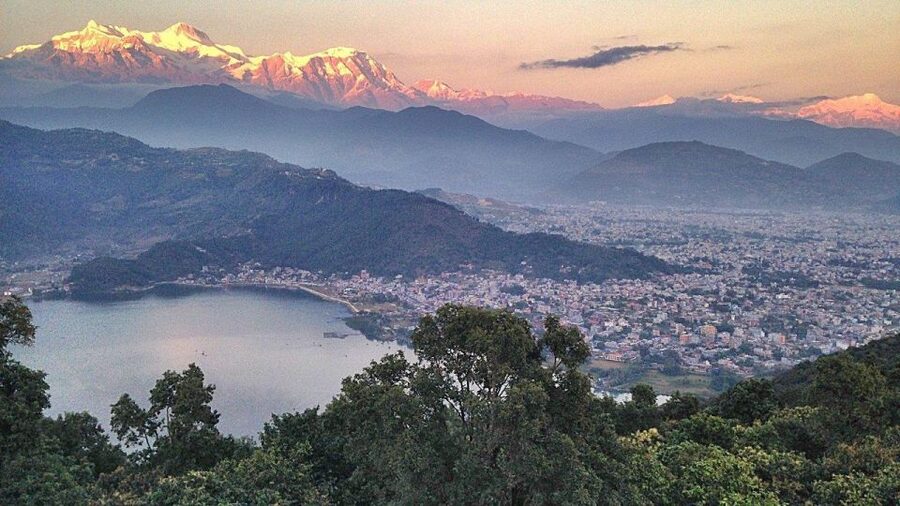
- World Peace Pagoda views over Pokhara and the Annapurna mountain range
- David Falls (Patale Chhango) with a scenic walk to the falls
- Bindabasini Temple in the heart of Pokhara with prayer activity to watch
- Local bus energy, meaning it can be lively, sometimes tight, and schedule can be flexible
Price and what $9 really covers in Pokhara
At about $9 per person for a 6-hour guided outing, this is priced like a “tour like a local” day. What that means in practice: you’re paying for guided access and transport, but you’re not paying for everything you might want while you’re out.
Your costs to plan for:
- Entrance fees are not included, with an estimate of about NPR 800 per person
- Food and drinks are not included
That entrance-fee line matters because it can change the real out-of-pocket cost. Still, if you want a packed route that strings together several top Pokhara stops, the value stays solid, especially compared with piecing together taxis for every site.
More to compare around Pokhara
- ZipFlyer Nepal – The World’s Steepest Zip-line
★ 5.0 · 608 reviews - Bungee Pokhara by HighGround Adventures
★ 5.0 · 366 reviews - From Pokhara: Sarangkot Sunrise Himalayas Tour
★ 4.7 · 218 reviews
How the sharing bus loop works from Lakeside hotels
This tour is built around round-trip transportation by sharing local bus and pickup and drop-off within the Lakeside area of Pokhara. Pickup is convenient, but there’s one practical rule: wait in the lobby around 10 minutes before your scheduled pickup time.
The day runs like a sequence of short “arrive, walk, see, repeat.” You’ll have a few brief on-foot stretches, then bus time between areas, then short temple or cave visits.
From a comfort perspective, sharing bus tours are a trade:
- You get the low cost and the easy logistics
- You also accept that the bus may be tight, and timing can shift if the group is late
One review described an overcrowded bus and guests arriving 20 to 30 minutes late, which made the day longer than planned. So if you’re the type of traveler who hates schedule drift, keep that in mind.
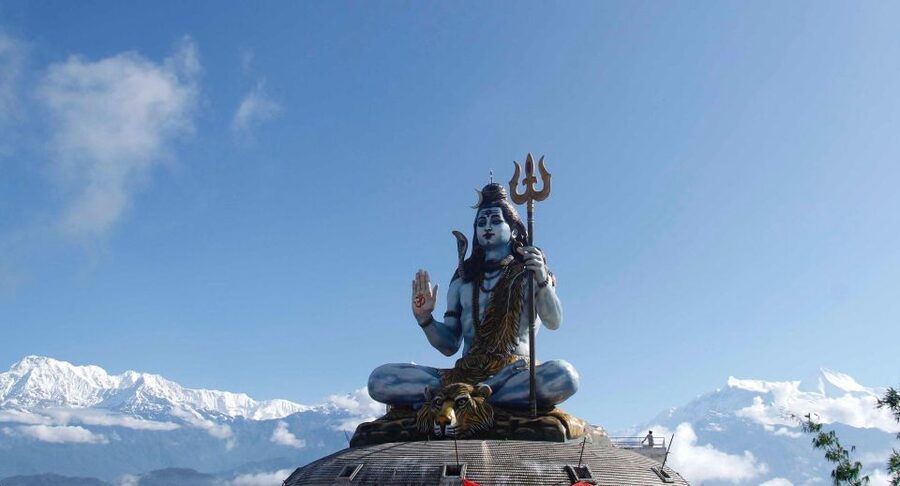
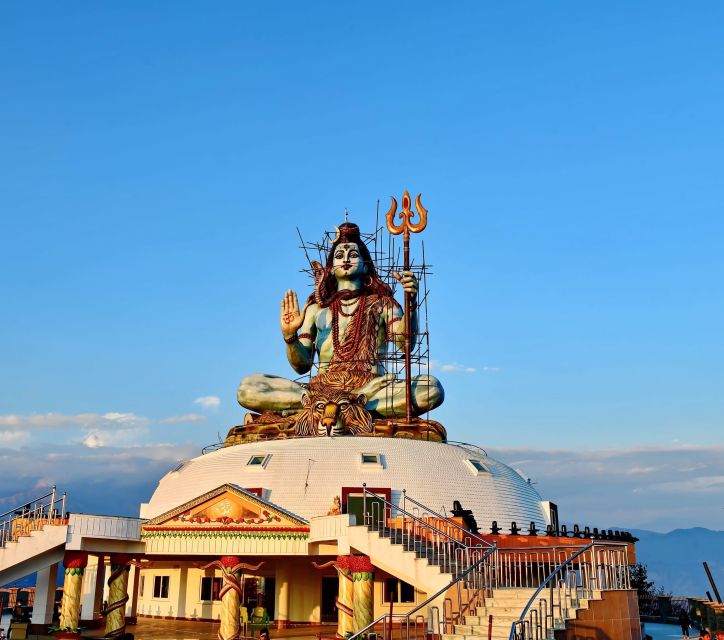
Pumdikot Shiva Statue: your first calm hill stop
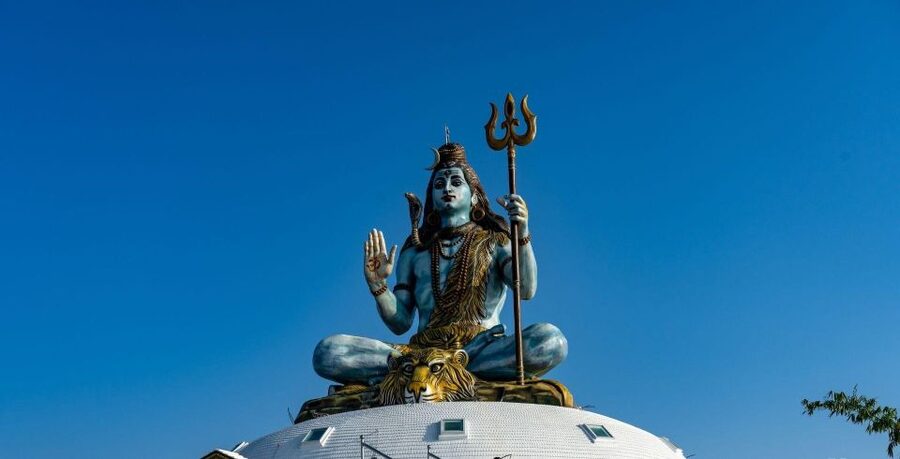
You start with transportation, then you reach the Pumdikot Shiva Statue area. Expect this to be a quieter tone than the bus-and-falls rhythm later in the day. The goal here is to slow down, take in the hill setting, and feel the spiritual vibe.
After that initial viewpoint moment, you move onward by coach to your next major stop. There’s also a theme to the pacing: short visits, then moving again. If you like “high coverage” days, this fits. If you prefer lingering, you’ll probably need to do that on your own during the scheduled visit window.
World Peace Pagoda: Buddhist views with a big Pokhara backdrop
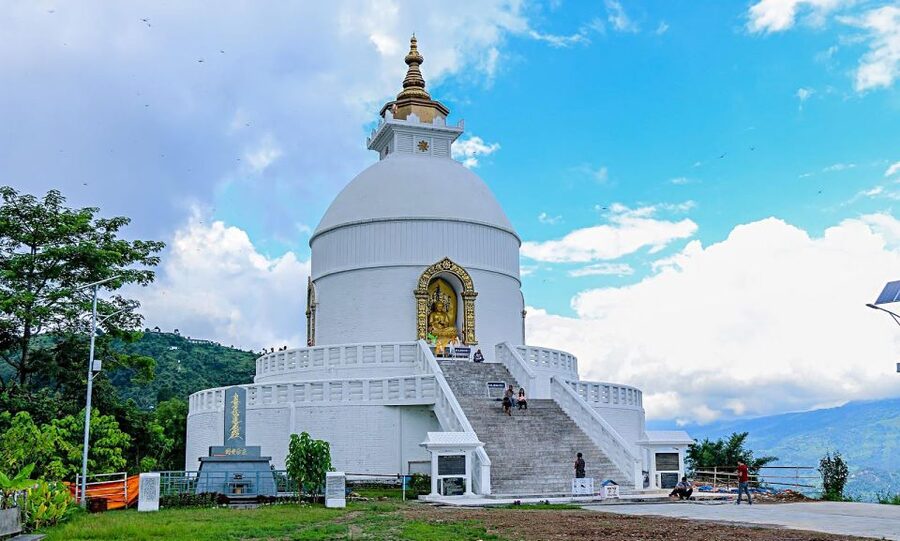
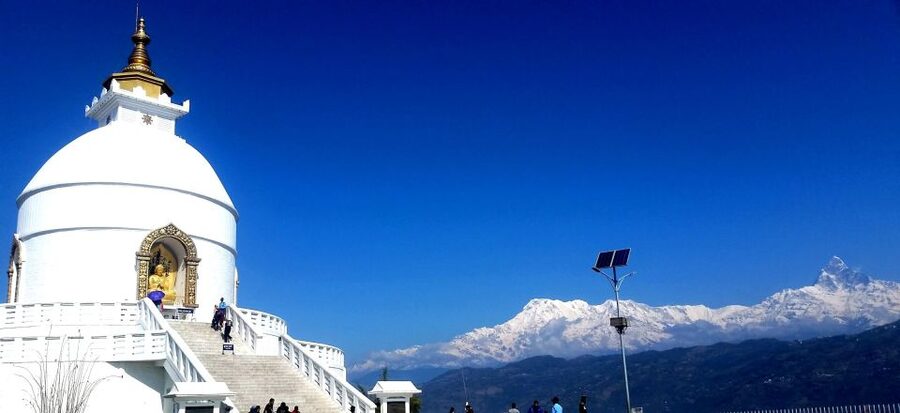
Next up is the World Peace Pagoda, a Buddhist monument on a hill with sweeping views of Pokhara and the Annapurna mountain range. The real value of this stop is the contrast. You’re still in the same day, but the mood shifts toward quiet observation and panoramic looking.
You’ll have around 30 minutes here. That’s long enough to:
- take in the views from the hilltop area
- watch how people move through the space
- get some photos without feeling rushed in every direction
The catch is simple: 30 minutes passes quickly once you’re looking out at the mountains and turning your camera on and off. If visibility is good, you’ll want time. If it’s hazy, you’ll want even more patience.
A different sort of day out of Pokhara:
- Full-Day Tibetan Cultural Tour to Tibetan Settlements Pokhara
★ 5.0 · 184 reviews - Pokhara: Full-Day Sharing Bus Tour on 7 Iconic Destination
★ 4.1 · 179 reviews - Trekking in Annapurna/Langtang/Everest/Upper Mustang regions
★ 5.0 · 161 reviews - Pokhara: 4-Day Ghorepani, Poonhill & Ghandruk Mountain Trek
★ 5.0 · 132 reviews
David Falls (Patale Chhango): waterfall time with a scenic walk
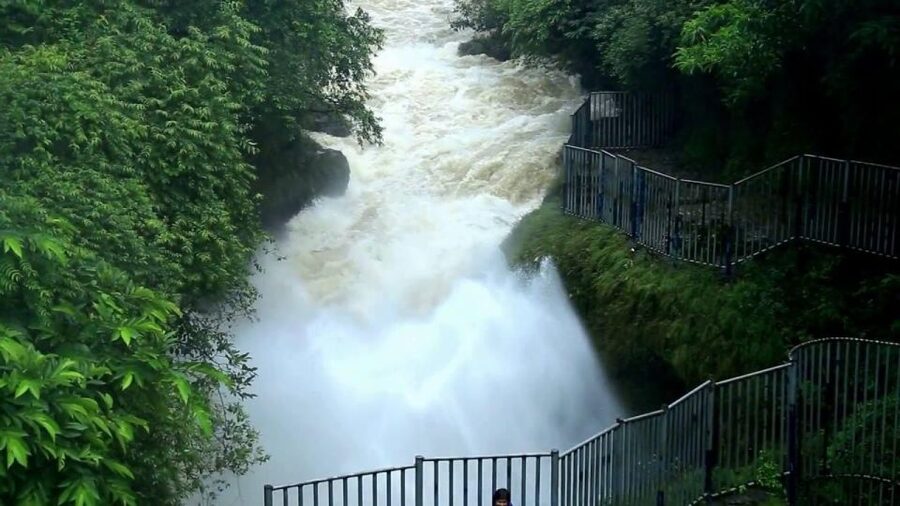
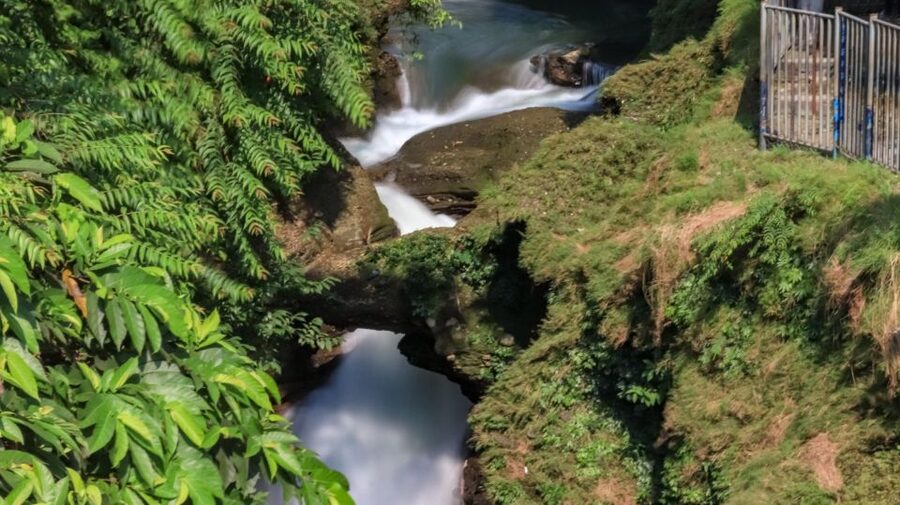
David Falls, also known as Patale Chhango, is one of the most famous water stops in Pokhara. The tour sends you there with a bus ride, then you’ll enjoy a scenic walk to the falls.
Expect the visit to be about 20 minutes, so you’re going for the effect, not a long picnic-and-stay. You’ll see the powerful cascades and hear the associated legend tied to the site. Even if you’re not a legend person, the physical sight is the main point.
What I’d watch for:
- The day includes multiple caves and temples, so your legs will already be working by the time you reach the falls.
- A “short” visit still means you need to move carefully around the viewing areas.
If you want one big natural highlight that feels dramatic even in a fast-paced day, David Falls is that anchor stop.
Gupteshwor Mahadev Cave: stalactites, stalagmites, and Lord Shiva
After David Falls, the route brings you to Gupteshwor Mahadev Cave, described as a connected series of caves near the falls. This is a strong pick if you like seeing how sacred space and geology share the same room.
You go by bus to Shiva Mandir, then you visit the religious cave area dedicated to Lord Shiva. Inside, the focus is on natural rock formations, plus stalactites and stalagmites, which means the cave feels more like a slow “look around” space than a single-photo hallway.
From a practical standpoint, caves have a different feel from temples. They can be cool and dimmer. That makes this stop memorable, because it breaks up the daylight sightseeing with something physically different.
Important reality check: the tour already includes stair climbing and walking. Add caves and you’ll want comfortable shoes even if you’re not planning to hike.
Mahendra Cave and the Bat Cave: geology with rules for wildlife
This part of the day includes two more cave experiences: Mahendra Cave and the Bat Cave.
Mahendra Cave
Mahendra Cave is named after the late King Mahendra. You reach it in the Batulechaur area by taking a bus to Mahendrapul, then walking a short distance. The visit centers on limestone formations and underground chambers.
This is where the tour leans into “Pokhara’s caves are not just for show.” The appeal is the structure and the way the cave environment feels separate from the city.
Bat Cave
Then you visit Bat Cave, a cave that serves as a habitat for bats. The important part is that access to bat caves can be regulated to protect bats and their habitats.
The tour data doesn’t list specific restrictions, so I’d handle this the way you would anywhere wildlife-sensitive:
- follow staff instructions
- avoid trying to get closer for photos if it isn’t allowed
- keep your expectations flexible if access is limited
If you like nature, this stop feels unique. If you’re uncomfortable around bats or cave uncertainty, you might feel less enthusiastic here.
Seti River Gorge: a quick look at Pokhara’s natural power
Between caves and temples, you get a brief visit to Seti River Gorge, around 10 minutes. This is a smaller time block than most other stops, but it helps the day feel connected.
You’re seeing a mix of “sacred and natural” themes, and Seti River Gorge fits that. It’s also a useful breather. After longer cave time, a short outdoor view can help reset your legs and your mood.
Bindabasini Temple in central Pokhara: Durga prayers plus city views
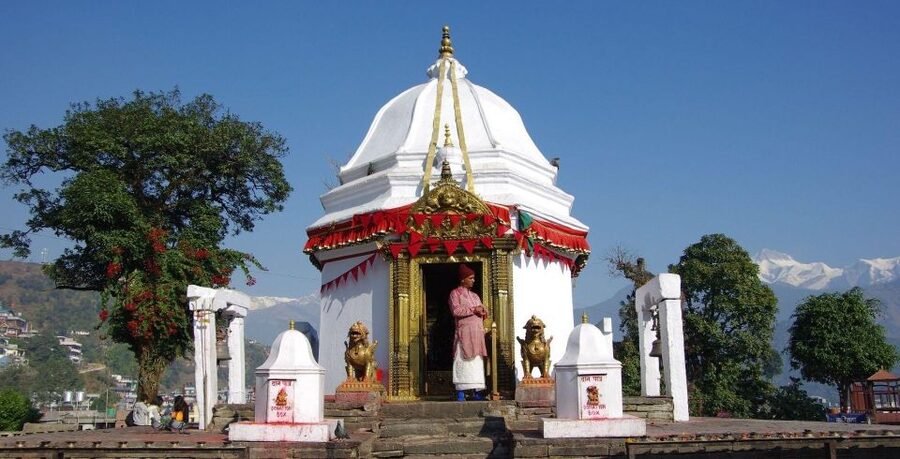
The last major cultural anchor is Bindabasini Temple, a famous Hindu shrine dedicated to Goddess Durga. This temple is in central Pokhara, and the tour includes both the spiritual feel and the practical location advantage.
How it plays out:
- you take a bus to Bagar
- you do a short walk to reach the temple
- you watch devotees offering prayers
- you soak in panoramic views of the city from the temple premises
- the visit lasts about 30 minutes
This is the most “people watching” type stop in the set, because prayer activity tends to be steady and meaningful. It’s also a good place to slow down before your return.
One more practical note: temple steps and walking add up. By the end of the day, you’ll feel it even if each stop looks short on paper.
Walking and stairs reality check: about 200 steps total
The tour makes it clear: you will climb 200 steps on the temple and to the cave, plus you’ll walk at each place you visit. That’s the single biggest factor for comfort.
What to do with this info:
- Wear shoes you can trust on uneven surfaces and stairs.
- If you’re nursing any knee or back issues, this is not a casual outing.
- Keep your energy for the mid-day cave stops. That’s often when people feel the stairs most.
Mobility wise, the tour also states it is not suitable for wheelchair users. So if you use a wheelchair, you’ll need a different format.
Group dynamics, language expectations, and why timing can vary
This is where the tour’s mixed rating makes sense. Some parts are well organized, while others depend on group variables.
What to expect based on real feedback patterns:
- The bus can be crowded.
- Late guests can push the schedule and make the full day longer.
- Language support may not match what you expect. One traveler reported that French was missing despite selecting a French option, and the tour assistant handled personal needs in a supportive way even though broader language expectations were not met.
So here’s my straightforward advice: if you need specific language help, confirm before you go. If you’re flexible and happy with “guide plus pointing plus basic context,” you’ll likely do fine.
Who this Pokhara sharing-bus tour suits best
This tour makes sense if you:
- want a packed Pokhara highlights day without planning transport
- like mixing temples and caves
- enjoy panoramic viewpoints and short sightseeing windows
- are comfortable with stairs and short walks
You may want to skip it (or consider a private option) if you:
- hate schedule delays and crowded buses
- have mobility limits that make 200 steps a problem
- need reliable language support in a specific language
Should you book this Pokhara seven-destination bus day?
I’d book this if your goal is coverage, variety, and a low-cost guided loop that takes you to major Pokhara sights in about 6 hours. It’s a good value when you want David Falls, World Peace Pagoda, caves, and Bindabasini Temple without the hassle of driving between them yourself.
Hold off if you need a slow pace or step-free movement. Also, if your travel style depends on exact timing, this shared-bus format may frustrate you when the group runs late.
If you’re comfortable with stairs, keep expectations realistic about group logistics, and you’re happy to move from place to place, this is one of the easier ways to see a lot of Pokhara in a single day.
FAQ
How long is the Pokhara Best Seven Tourist Destination tour?
The duration is 6 hours.
What does the price include?
It includes hotel pickup and drop-off within the Lakeside area and round-trip transportation by sharing local bus, plus a live tour guide.
Are entrance fees included?
No. Entrance fees are not included, and the estimate provided is about NPR 800 per person.
Where is pickup and drop-off offered?
Pickup and drop-off are included within the Lakeside area of Pokhara, with several listed hotel pickup options and corresponding drop-off locations.
How much walking and stairs should I expect?
You will climb about 200 steps on the temple and to the cave, and you also need to walk at each place you visit.
Is this tour wheelchair accessible?
No, it is not suitable for wheelchair users.
What should I bring?
Bring comfortable shoes and comfortable clothes.
Are drones or large bags allowed?
Drones are not allowed, and luggage or large bags are not allowed. Pets are also not allowed.
Latest Pokhara write-ups
- Mardi Himal Trek -5 Day Short Trek From Pokhara★ 5.0 · 8 reviews
- Tandem Paragliding in Pokhara★ 4.8 · 8 reviews
- Pokhara: Peace Pagoda Sunset, Annapurna Mountain Views Tour★ 2.9 · 5 reviews
- Short & Scenic: 2-Day Private POON HILL Trek from Pokhara★ 5.0 · 8 reviews
- Seti George and Thrilling Suspension Bridge Tour at Pokhara★ 4.5 · 3 reviews
- Sarangkot Sunrise over the Himalayas★ 4.8 · 83 reviews
- Pokhara: Sarangkot Sunrise and Private Full Day Tour★ 4.8 · 24 reviews
- From Kathmandu/Pokhara: Private 3-Day Chitwan Safari Tour★ 4.7 · 34 reviews
Private Drivers, compared.

1-Hour Mount Everest Flight with Private Transfer
Read our review →
Mount Everest Scenic Flight with Airport Transfer
Read our review →
Everest Scenic Flight By Buddha Air with Free Hotel Transfer
Read our review →
Browse the lists this tour appears in