
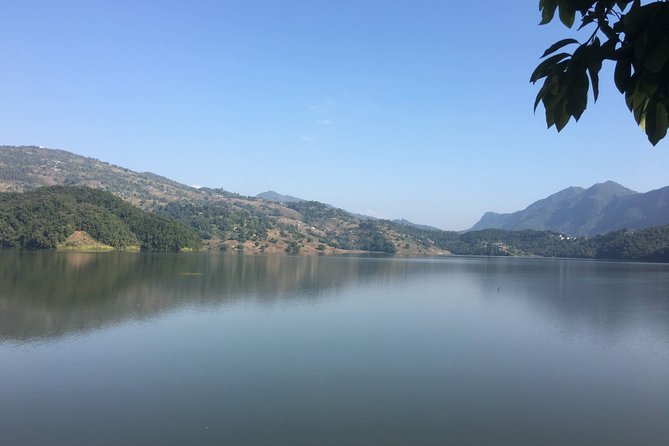
Reviewed · FULL-DAY TOURS IN POKHARA
Entire Day Pokhara Complete Tour
This full-day Pokhara loop is interesting because you cover a lot of ground without having to figure out transport on your own, riding in an air-conditioned vehicle with a licensed guide. You start with views from Sarangkot and end up high with sunset over Pokhara’s lake and valley.
I love how the day mixes dramatic viewpoints with places that explain what you are seeing. I also like that the guide can keep the experience smooth, with one praised guide named Gobinda reportedly checking in often to make sure the pace and stops worked for the group.
One drawback to plan around: the early sunrise moment at Sarangkot depends on the sky. If it’s cloudy, the Annapurna-range view can be muted.
Key highlights worth planning for
- Sarangkot sunrise timing: about 1 hour, with admission included
- Phewa Tal plus Barahi Temple: a short but meaningful lake stop, about 30 minutes
- Devi’s Fall into underground caves: about 25 minutes focused on the water story
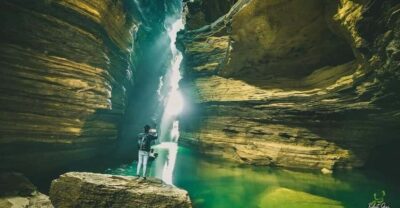
- Gupteswar Gupha caves and Shiva temple: about 30 minutes, including rock formations and a waterfall view from inside (when possible)
- Two museums that connect place to story: International Mountain Museum and Gorkha Museum
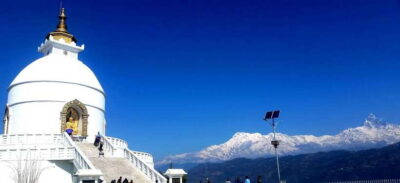
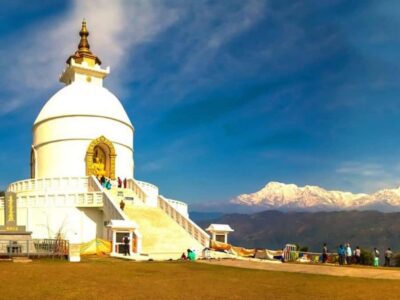
- Peace Stupa access road at sunset: about 45 minutes, with wide views over Pokhara and Phewa Lake
A Full Pokhara Circuit, From Sarangkot Sunrise to Peace Stupa Sunset
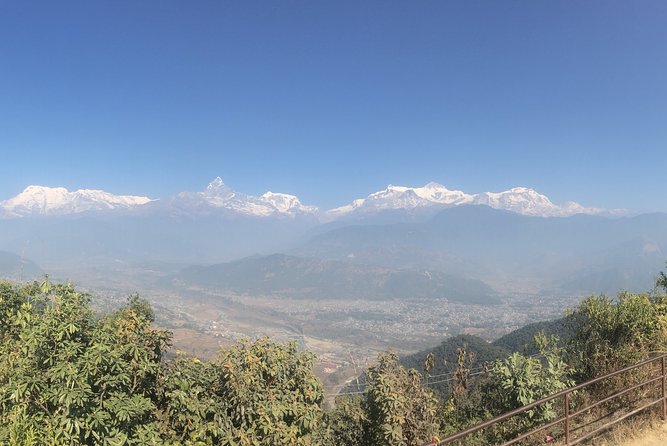
If you want a day that feels like a “great hits” Pokhara sampler, this is the kind of route that works. You go from sunrise viewpoint to lake temples, then to cave and museum stops, and you finish with viewpoints geared toward sunset.
What makes it especially practical is the car-based flow. You are not bouncing between scattered attractions on your own time, and you still get short, focused chunks at each place, not long awkward waits. The whole day runs about 6 to 7 hours, which fits nicely if you want to see a lot without turning it into a marathon.
More Full-Day Tours in Pokhara
- Full-Day Tibetan Cultural Tour to Tibetan Settlements Pokhara
★ 5.0 · 184 reviews - Pokhara: Full-Day Sharing Bus Tour on 7 Iconic Destination
★ 4.1 · 179 reviews - Pokhara: Full-Day Private Tour on 7 Iconic Destination
★ 4.8 · 108 reviews
Sarangkot Sunrise: Your Best Shot at the Annapurna-Range Panorama
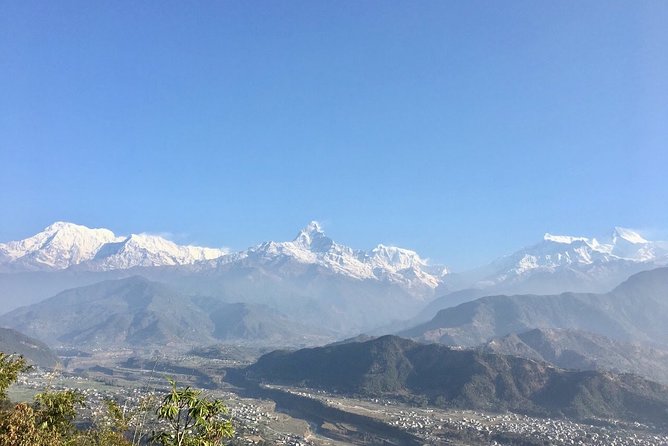
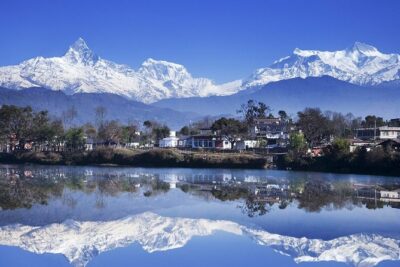
You kick off at Sarangkot very early, with about 1 hour to watch the sunrise. The payoff here is the view over the Annapurna Himalayan range plus a panoramic look across Pokhara city.
This is one of those experiences where timing matters more than anything else. You do not want to show up late, because the best light is usually at the beginning of the viewing window.
The big consideration is weather. One account flagged that a cloudy morning made the sunrise impossible to see. So if you are chasing that exact sunrise moment, keep expectations flexible and treat Sarangkot as a “view-first” stop even if the sky does not cooperate.
Phewa Tal and Barahi Temple: A Quiet Lake Stop That Breaks Up the Day
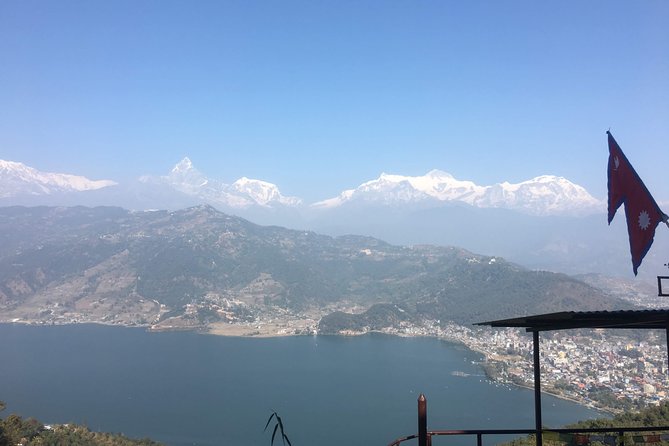
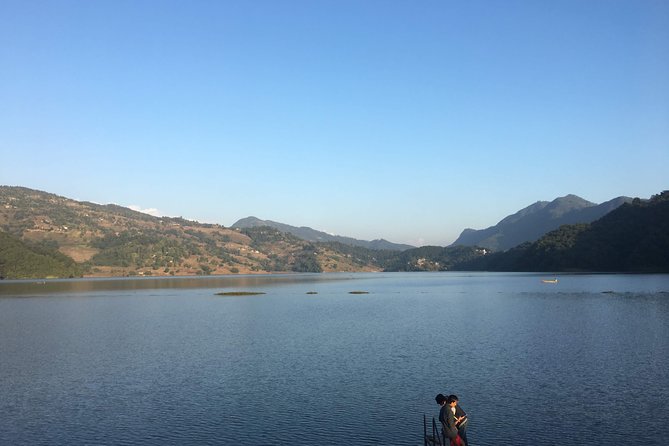
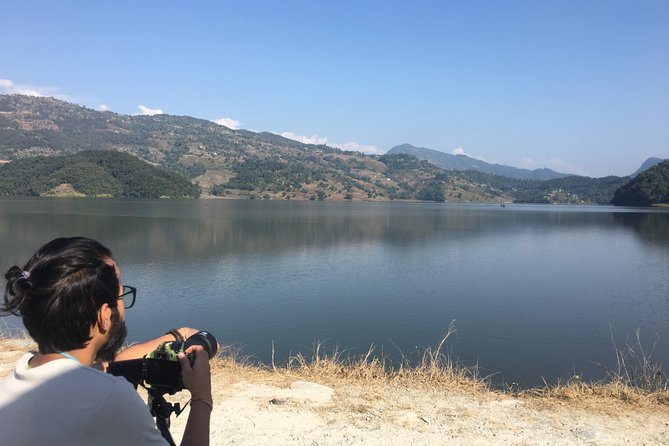
After the viewpoint, you head to Phewa Tal for about 30 minutes. This stop centers on the Barahi temple and then gives you time to explore the lake’s outskirts.
I like this kind of pacing because it turns the day from sky and stone to something calmer. The lake-side setting also gives you a reset before the more enclosed spaces at Devi’s Fall and Gupteswar Gupha.
A drawback to note: 30 minutes goes fast. You will see a lot, but you will not have a slow, lingering stroll. If you know you want longer time by the water, you might plan a separate unhurried visit on another day.
Devi’s Fall: Watching Water Travel Into the Underground Cave Network
Next comes Devi’s Fall, about 25 minutes. The highlight is the way the water flows down and into an underground cave network beneath the city.
This is a stop that rewards curiosity. You are not just walking around a pretty spot, you are trying to understand the movement of water and how the site behaves. Even in a short time, it helps to focus on the central feature and take in the layout from the main viewpoints provided.
Because the visit window is brief, you should treat Devi’s Fall like a “capture the key moments” stop. If you spend too long wandering at the edges, you may feel rushed later.
More to compare around Pokhara
- ZipFlyer Nepal – The World’s Steepest Zip-line
★ 5.0 · 608 reviews - Bungee Pokhara by HighGround Adventures
★ 5.0 · 366 reviews - From Pokhara: Sarangkot Sunrise Himalayas Tour
★ 4.7 · 218 reviews - ATV Adventure Tour in Pokhara, Nepal
★ 5.0 · 194 reviews
Gupteswar Gupha Caves and Shiva Temple: Rock Formations and a Waterfall View From Inside
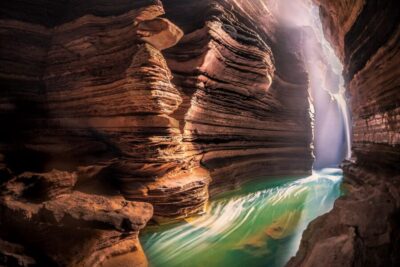
Gupteswar Gupha is the cave stop you should expect to remember. You get about 30 minutes to explore caves and an ancient Shiva temple, known for naturally forming rock stalagmites.
What makes it more than a quick cave peek is the chance to see the waterfall from inside the cave from which it flows deeper into the river. The site is also set up so that during the fall, you can go deeper and watch the water in a more dramatic way.
Practical advice: caves can mean uneven ground and slippery surfaces. Even if you are not an “adventure traveler,” wear shoes with good grip, and move slowly. Also, keep an eye on time. When you are inside, it is easy to lose track, and the rest of the stops are time-sensitive.
International Mountain Museum: The Stop That Often Becomes a Favorite
After the cave, you switch gears to learning at the International Mountain Museum, about 30 minutes. This museum focuses on the Himalayas, including its history, the people connected to it, and how it inspires people around the world.
This is one of the reasons I think the day feels balanced. You have already looked at the mountains from a distance at Sarangkot. Here, you get context for why the Himalayas matter culturally and emotionally to many different groups.
In one praised highlight, this was called out as the favorite part of the tour. I get that. A museum stop gives you a mental anchor for the rest of the day, especially if you are thinking about Pokhara as more than just viewpoints.
If you do not love museums, you can still use the time strategically. Scan the major themes first, then slow down for the exhibits that connect to what you saw earlier.
Gorkha Museum: A Short, Sharp Culture and Identity Lesson
Then there’s Gorkha Museum, about 20 minutes. It is centered on the Gorkhas, described as brave and revered around the world.
It is a compact stop, so you are not going to walk out with a full semester of history. But it can add an extra layer to your Nepal experience, especially if you like culture stops that are direct and efficient.
Seti River Gorge and Seti Gandaki: Two Angles on the Same Natural Force
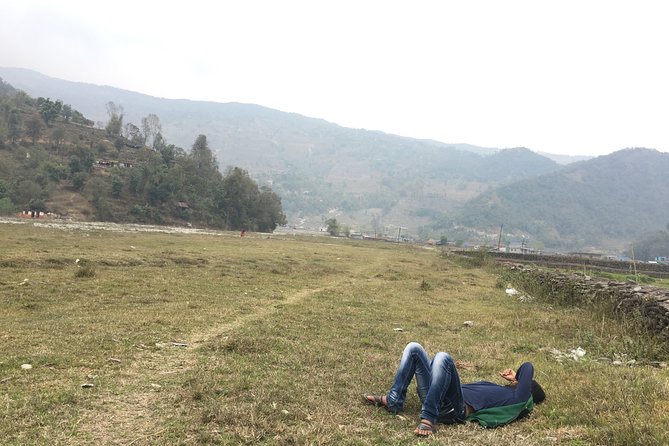
You get two quick river-focused moments.
First is Seti River Gourge, about 15 minutes, where you see how the Seti river flows through the gorges and how it formed the landscape. The point of this stop is to understand the “why” behind the scenery.
Then you go to Seti Gandaki (Seti River) for about 20 minutes, specifically at a vantage point from a high hanging bridge. This is also where you get a look at what the tour description calls the most common style of bridges found throughout Nepal.
These stops are short, so your success here depends on your photo priorities. If you want one good shot, go early in the time window and pick your spot. If you want multiple angles, be ready to move quickly between viewpoints.
Peace Stupa Access Road: Sunset Views Over Pokhara Valley and Phewa Lake
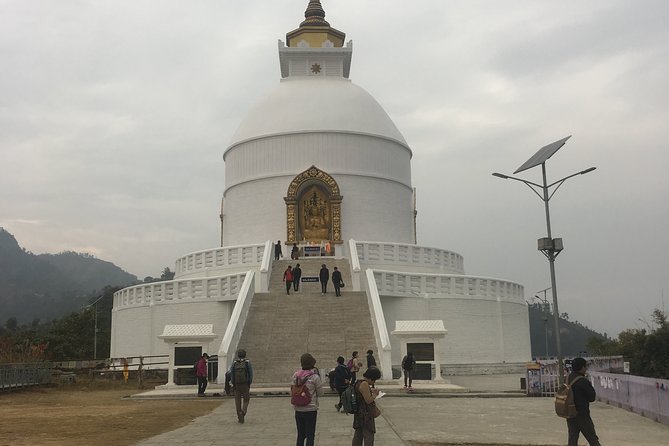
The late-day scenery is built around the World Peace Stupa access road stop, about 45 minutes. You get a view of the Pokhara valley and Phewa Lake from the Peace Pagoda, a temple dedicated to Buddha.
This is your payoff moment. After caves, museums, and river views, you end with open sightlines and a slower, scenic feel, especially since the timing is geared toward sunset.
Take this stop seriously for photos and just for downtime. Even if you are not a sunset person, the extra time here compared with earlier stops is deliberate, and it gives you room to enjoy the view without rushing.
Bindhyabasini Temple and the Tibetan Refugee Camp: Culture in Three Focused Stops
Near the end of the day, you shift into cultural stops.
At Bindhyabasini you visit a hilltop temple dedicated to the sacred feminine of Hindu culture, with time to experience customs and sacred rituals. This is about 20 minutes.
Then comes the Tibetan Refugee Camp, about 30 minutes. Here you experience the unique culture of Tibetan people exiled from their country, who have built a place in Pokhara.
I like that this part of the tour does not try to cram culture into one generic checklist. You get Hindu temple time, then Tibetan community time, and both are tied to real living traditions, not just static exhibits.
A respectful tip: temples and community spaces work best when you keep your pace calm. Follow what the guide suggests, and be mindful of where you are allowed to stand and take photos.
Private-Group Comfort, Pickup, and What the Licensed Guide Actually Changes
This tour is set up as a private tour/activity, meaning only your group participates. That matters because you do not get stuck waiting for other travelers who move slowly or need extra time at each stop.
You also get pickup offered, plus an air-conditioned vehicle. For a 6 to 7 hour day, that comfort is not a small detail. It keeps the energy up so you can actually enjoy the stops, not just endure travel time.
The guide is licensed, and that quality can show up in small ways. One named guide, Gobinda, was praised for making sure everything felt good and for constantly checking in. That kind of attention helps when your day includes early mornings, tight time windows, and several places that can feel visually overwhelming.
You also get a mobile ticket and group discounts. If you are coordinating with friends or family, that can make planning easier and sometimes cheaper than booking each person separately.
Price and Value: What $114.53 Buys in a Packed Day
The price is $114.53 per person, and the big value point is what you do not have to manage yourself. The tour includes an air-conditioned vehicle and covers all fees and taxes.
That coverage matters because a day with many paid sights can turn into a paperwork and payment hassle. Here, you are guided between places, and the stop descriptions list admission tickets as included for several key attractions.
Food and drinks are not included. That is normal for a tour built around a moving schedule, but you should plan for it. If you skip snacks, your day can feel heavier than it needs to be.
Is it expensive? It depends on how you prefer to travel. If you would otherwise pay for private transport plus separate tickets plus a guide, this price starts to look more reasonable. If you only want one or two sites, it could feel like paying for a full circuit when you were ready for a shorter day.
Food, Timing, and What to Bring for a 6 to 7 Hour Day
This is not a lazy afternoon stroll. You start early for sunrise viewing, then you move from lake to caves to museums, then you settle into sunset scenery.
So plan food around that. Since food and drinks are not included, bring your own strategy: either budget for quick meals outside the tour or pack simple snacks you can handle while moving. I also suggest you keep water on your personal plan, even if your tour guide offers general guidance.
For clothing, think practical. Early morning can mean you feel cooler than you expect, and cave stops can involve damp or uneven conditions. Wear supportive shoes, and bring layers you can adjust as the day shifts from sunrise to late-day viewpoints.
Also, consider timing and attention. With multiple stops, the easiest way to feel satisfied is to set your top two priorities ahead of time, then let the rest of the day be the bonus.
Who This Pokhara Tour Fits Best
This tour is a strong match if you want a structured day that covers a lot of Pokhara highlights with minimal independent planning. It also fits well if you like mixing different types of attractions: viewpoints, water sites, caves, museums, and temple and community culture.
Most travelers can participate, and service animals are allowed. If you are traveling as a small group and want a private format with pickup and an air-conditioned car, this setup is built for you.
If you are someone who hates a timed schedule, or you want hours at one single place, you might feel rushed. In that case, you may prefer a slower plan that lets you repeat your favorite spots.
Should You Book This Entire Day Pokhara Complete Tour?
Book it if you want one day that checks off major Pokhara experiences in a sensible order, and if you value having a licensed guide keep the day moving. The stop mix is strong, especially the combination of Sarangkot sunrise, cave sites like Gupteswar Gupha, and learning stops like the International Mountain Museum.
Skip it or rethink it if sunrise conditions are your only priority, since clouds can affect the view. Also skip it if you know you want long, unstructured time in just one area, because this tour is designed as a tight circuit.
If you fall in the middle, this tour is a good bet. It is focused, time-efficient, and it saves you from the most annoying part of sightseeing, figuring out how to connect everything smoothly.
FAQ
How long is the Entire Day Pokhara Complete Tour?
The tour runs about 6 to 7 hours.
Is pickup offered for this tour?
Yes, pickup is offered.
What is included in the tour price?
The tour includes an air-conditioned vehicle and all fees and taxes. Admission tickets are included for several of the stops listed.
Are food and drinks included?
No, food and drinks are not included.
What happens if sunrise at Sarangkot is cloudy?
Sunrise visibility can be affected by weather, so a cloudy morning can reduce how much you can see from the sunrise viewpoint.
What is the cancellation policy?
You can cancel for a full refund up to 24 hours before the experience starts. If you cancel less than 24 hours in advance, the amount you paid will not be refunded.
Latest Pokhara write-ups
- Landing Annapurna Base Camp by Helicopter Tour from Pokhara★ 4.0 · 5 reviews
- Sarangkot sunrise with Morning Tibetan Cultural Tour★ 5.0 · 5 reviews
- 3 Day Kapuche Glacier Lake Trek with Siklesh from Pokhara★ 5.0 · 5 reviews
- 3 Day Mardi Himal Base Camp Trek from Pokhara★ 5.0 · 5 reviews
- Private Tour Local Culture and The View of Mohare Danda★ 5.0 · 6 reviews
- 3 Days Ghorepani and Poonhill Private Trek from Pokhara★ 5.0 · 6 reviews
- Pokhara: Poon Hill Ghorepani Short Trek★ 5.0 · 6 reviews
- Hiking to World Peace Stupa★ 5.0 · 6 reviews
Full-Day Tours in Pokhara, compared.
The Best of Pokhara: Full-Day Private Tour with Sarangkot Sunrise
Read our review →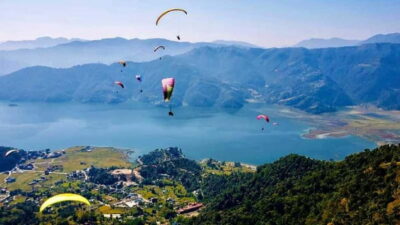
Group Joining Full Day Highlights Tour With Sunrise
Read our review →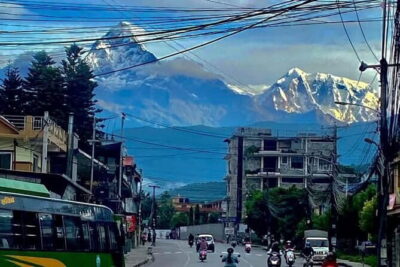
Full day Suspension Bridge, Boating, George, Sightseeing Tour
Read our review →Browse the lists this tour appears in