
Reviewed · AUSTRALIAN CAMP TREK
From Pokhara: Australian Camp & Dhampus 1, or 2-Day Trek
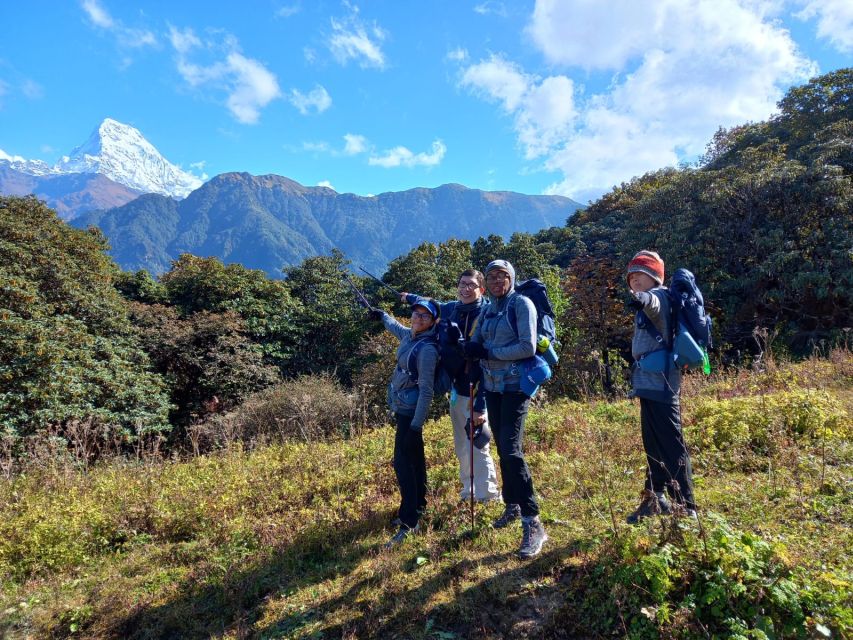
This short Annapurna foothills trek is interesting because you get high-altitude feel without committing to weeks on the trail. You trade Pokhara traffic for Dhampus and Australian Camp, then watch the Annapurna range light up in a way that feels almost unfair for the effort.
I especially like the effort-to-view ratio. A moderate climb lands you at Australian Camp (2,060 m) for wide Himalayan panoramas. I also like the human side, the walk through living Gurung villages and the way the day is paced for beginners, including strong guide support from people like Mr Raju, Prakash, and Pratip.
One drawback to consider is timing and conditions. If clouds roll in, sunrise can be hit or miss, and the mountain lodging can be quite basic. On one experience, the room was simple and there was no toilet paper or hand towels, so plan to bring a few small comforts.
Key things to know before you go
- 180-degree Himalayan views from Australian Camp after a moderate climb
- Sunset or sunrise experience depends on which option you pick and the weather
- Gurung village walking through terraced fields and slate-roofed homes in Dhampus
- Meals and permit paperwork handled so you can focus on the trek
- Gear support included, including a down jacket, trekking poles, and a sleeping bag
- Private group and English guide, with flexible pacing for beginners
Why this Australian Camp trek feels right for a short Nepal trip
If you only have a day or two, this trek makes sense. It is built around the Annapurna foothills, with a viewpoint camp that hits fast, not a long grind to something you might see from far away.
The core idea is simple: you get a serious view day plus village life, without the logistics headache of a complex multi-day route. That is why it works so well as an add-on to your Pokhara stay, especially if you want something more real than just sitting by the lakeside.
More short walks to Australian Camp:
- Pokhara: 1-Day Scenic Australian Camp & Dhampus Guided Hike
★ 4.9 · 24 reviews - Australian Base Camp Day Hike From Pokhara
★ 4.8 · 19 reviews - From Pokhara: Day Hiking Australian Camp & Dhampus
★ 5.0 · 17 reviews
The big payoff: Australian Camp at 2,060 m
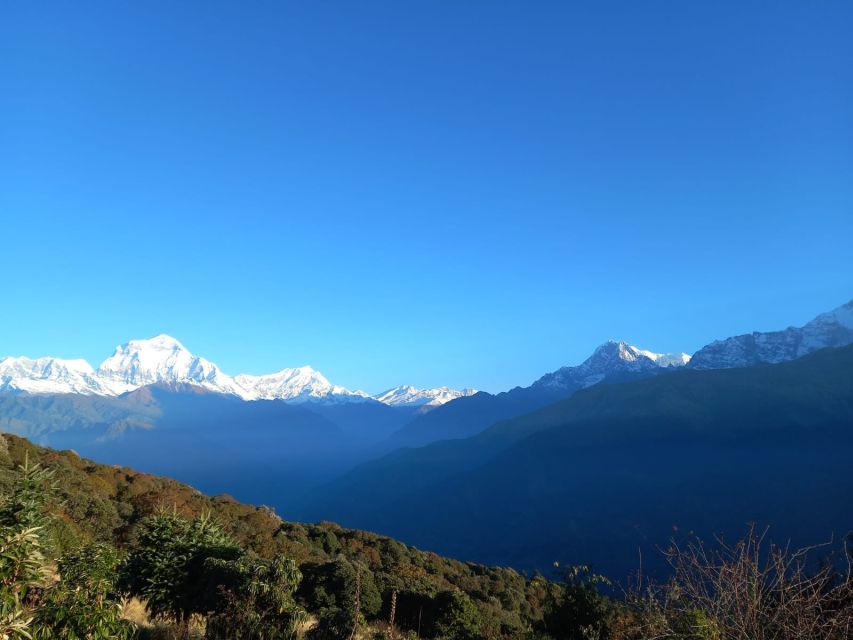
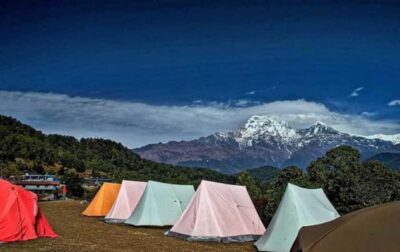
Australian Camp is the anchor of the whole experience. You climb to a wide grassy plateau at 2,060 m, and the reward is a panoramic view of the Annapurna range and key peaks.
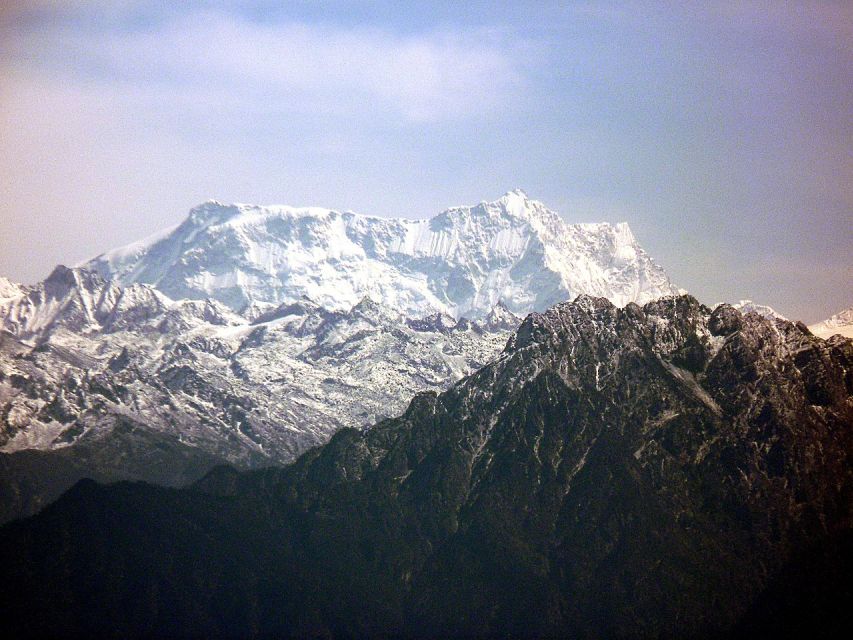
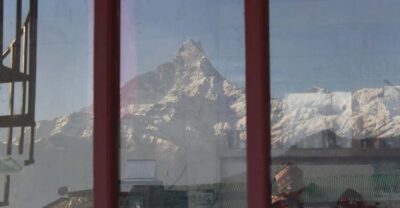
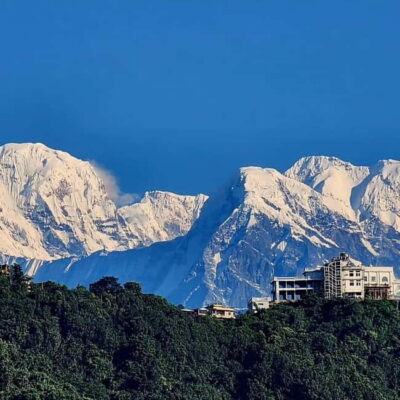
From Australian Camp, you can typically see Annapurna South, Hiunchuli, and Machhapuchhre (Fishtail). The viewing angle matters too. You are not fighting for a single photo spot, you can spread out and take in the 180-degree sweep.
This is also where the vibe changes. The trail turns more open, the air can feel cooler, and the attention shifts from walking to watching. If you are a photographer, it is one of those places where you stop counting minutes and start counting angles.
Kande and Phedi: how the hike actually starts
Your day begins with a drive out of Pokhara toward the trailhead area. For a 1-day express option, the trek starts at Kande. For a 2-day option, you typically begin from Phedi.
From there, the hiking is straightforward and manageable. In the shorter option, the climb to Australian Camp is described as about a 2-hour hike through forested paths. That detail is important because it keeps the trek in the realm of moderate effort, not endurance training.
You will likely feel it in your legs on the way up, but the pace is realistic. If you have ever started a trek and worried you picked something too hard, this is the kind of route that helps you reset expectations early.
Through the forest: the climb section that sets the tone
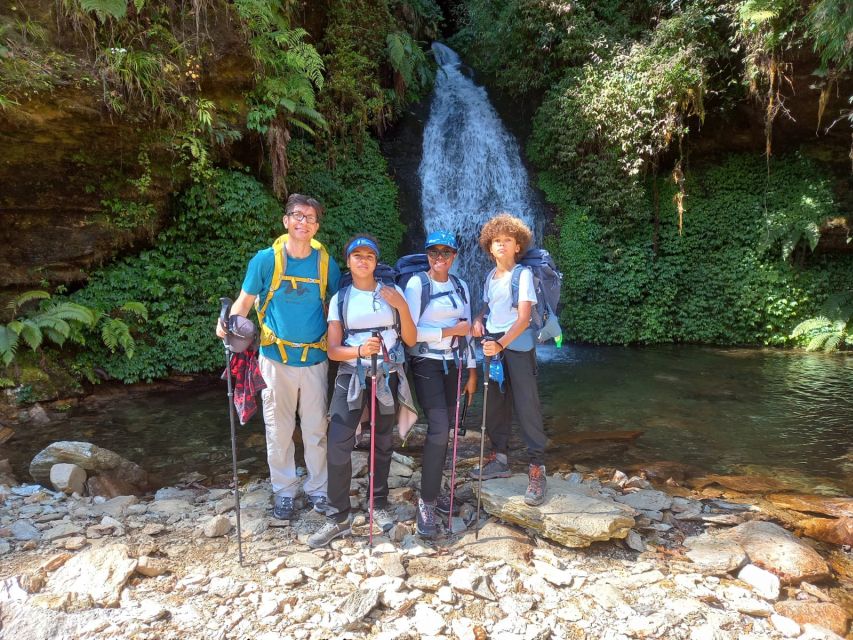
The trail to Australian Camp is not just a straight line upward. Expect a mix of forest sections and paths that feel shaded for at least part of the way.
This matters because you are not baking in full sun for the entire climb. Also, the forest walking gives you time to get your rhythm, ask questions, and settle in before the view opens up.
If you are bringing trekking poles (or borrowing them), this is where they help most. The footing can be uneven, and poles reduce stress on knees when you transition from uphill to the flatter plateau.
More Dhampus ridge walks:
- 1-Day Private Dhampus Trekking Tour
★ 5.0 · 35 reviews - 1 N 2 Days easy Dhampus,Australian camp trek from Pokhara
★ 4.9 · 10 reviews - Pokhara: 2-Day Australian Camp & Dhampus Village Easy Hike
★ 5.0 · 6 reviews - Pokhara : Easy Dhampus & Astam Village Day Hike
★ 5.0 · 4 reviews
Dhampus Village: where the trek stops being scenery and becomes culture
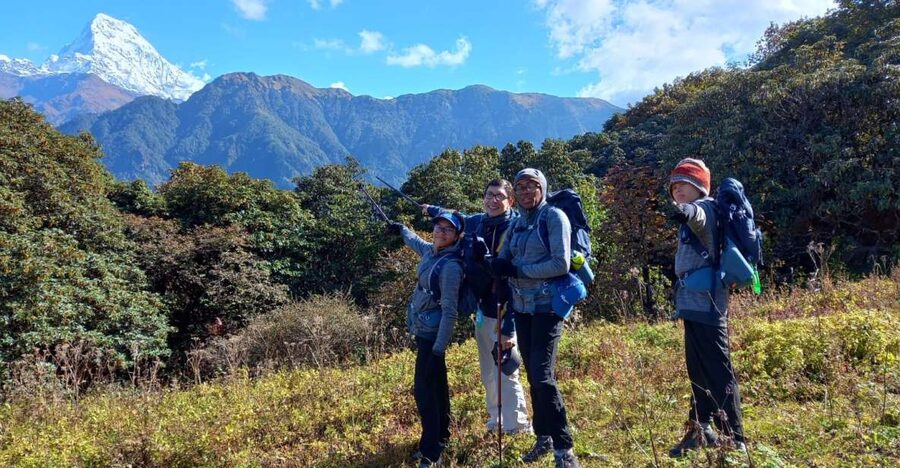
The highlight many people remember is not just the viewpoint. It is the walk through Dhampus Village, a traditional Gurung settlement.
Dhampus feels lived-in. Slate-roofed homes, terraced fields, and everyday farming details shape what you see. This is the part that turns the trek from a photo mission into a real cultural walk, where you might slow down and look longer than you planned.
You also get a sense of community flow. The trail passes through areas that function as homes and working landscapes, so you will likely notice small signs of village life rather than just a tourist view corridor.
In the 1-day express option, the route also includes a stop in Pothana Village for a warm Himalayan tea. That is the kind of simple pause I love on mountain days, because it warms you up and makes the descent feel less like you are rushing.
Sunset at Australian Camp: the sky show you can plan for
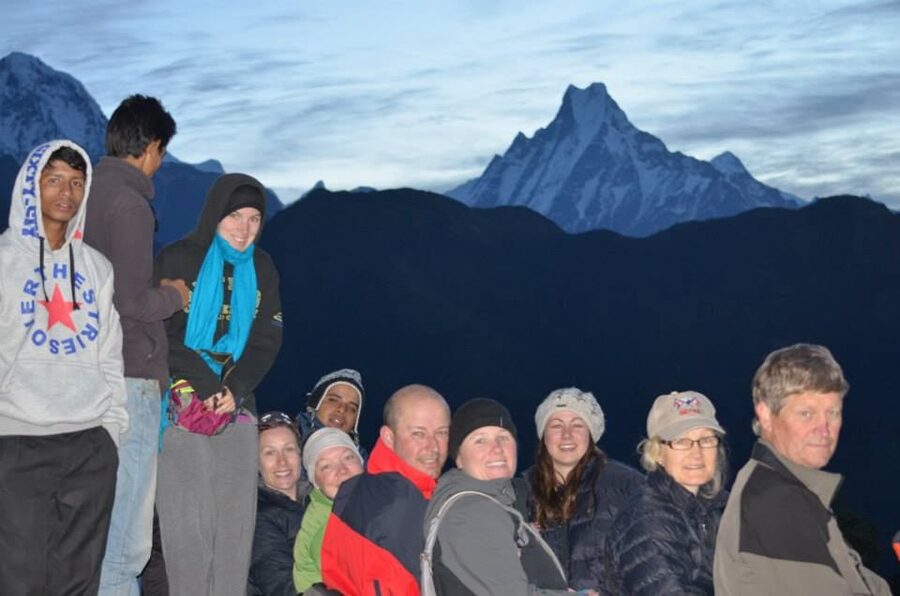
If you choose the 2-day overnight option, your first evening centers on sunset over the Annapurna range. This is when the peaks tend to shift colors and the whole ridge line starts looking dramatic.
Sunset is also a great time to slow down and let the day land. You have done the uphill work, and now you are collecting light.
Even when you do not get perfect conditions, the timing still gives you a worthwhile payoff. The air can be still, the light can be soft, and you can talk with your guide about what you are seeing as the sky changes.
Sleeping high: what the overnight lodge experience is like
With the 2-day option, you spend the night in mountain lodging near Australian Camp, then wake early for sunrise on Day 2. You are also told you get 1-night accommodation in a guest house with private bathroom for the 2-day option.
In practice, expect “basic but functional.” One account noted a very simple room and missing bathroom staples like toilet paper and hand towels. That tells you two things: do not pack comfort expectations like a hotel, and do pack small essentials of your own.
If you borrow the sleeping bag included with the package, that helps a lot. Nights can feel chilly once you are higher up, and a sleeping bag makes the difference between tolerable and miserable.
Sunrise on Day 2: worth it, but treat weather as a co-author
Day 2 is built around an early wake-up for sunrise, then a slow descent back down to Kande. Sunrise can be breathtaking when it is clear, because the peaks can look sharp and glowing.
One experience had sunrise not work out, and yet the trek still delivered on scenery. That is a key mindset for this route. Treat sunrise as the prize, not the guarantee.
If clouds are present, your best move is to stay patient. Your guide can help you adjust expectations and point out what you can still see. Even a cloud-softened morning can be atmospheric, and the descent gives you plenty to enjoy.
1-day express vs 2-day overnight: pick based on your patience level
Choose the 1-day express if you want an efficient taste of Annapurna foothills. It is typically described as around 7 hours total, with hotel pickup, drive to Kande, about a 2-hour climb, and then a descent through Dhampus Village and back toward Phedi for the return drive. You get lunch, plus the viewpoint time.
Choose the 2-day overnight if you want a fuller mountain rhythm. Day 1 becomes the climb plus sunset, and Day 2 becomes sunrise plus a more relaxed descent. You also get the experience of spending the night at higher altitude, which can feel like a mini expedition even though the trek is short.
Here is how I’d decide. If you are the type who hates early mornings and wants a clean finish, go 1-day. If you can handle waking up for sunrise and you want to feel the mountain in two parts, go 2-day.
The role of your guide: why beginners feel safe here
This trek gets praise for guide quality, especially for people who might start with low motivation. Guides like Mr Raju, Prakash, and Pratip are described as friendly, knowledgeable, and focused on making the experience work for the group.
That matters because a short trek still needs real pacing. A good guide keeps you from sprinting on the uphill, helps with small logistics, and uses the time to explain what you are looking at.
You get a live English tour guide with a private group setup. Private is not just about comfort. It also means the pace can be adjusted if someone in your group needs a slower rhythm or more breaks.
What’s included, and why it adds value
This package is set up to remove a lot of friction.
You get hotel pickup and drop-off in Pokhara, plus private vehicle transfers. You also get the trekking guide, and the trek includes necessary paperwork and travel permits. For many visitors, handling permits and paperwork is the annoying part of Nepal planning, so having that organized is real value.
Meals are also included in a clear way:
- For the 2-day option: 1 breakfast, 2 lunches, and 1 dinner.
- For the 1-day express option: 1 lunch.
Water purification tablets are included as required, which is a practical inclusion for a short mountain route where you might forget to bring your own filter system.
Finally, you can borrow key gear like a down jacket, trekking poles, and a sleeping bag. If you travel light or forgot winter layers, this is a lifesaver.
Equipment and comfort tips that matter on a short trek
You are asked to bring hiking shoes, a camera, and your passport. Oversize luggage is not allowed, and alcohol and drugs are not allowed.
Here is what I think you should add to your packing brain even if you are borrowing gear. Bring a small personal item kit for the lodge. Some mountain rooms can be simple, so pack basic hygiene items and plan for limited supplies.
Also, your shoes matter more than you think. This is a moderate trek, but you still want traction and support for uneven trail bits, especially during descents.
If you are sensitive to cold, treat the borrowed down jacket as a starting point, not a guarantee. Temperature can swing quickly, and you may want a warm layer for mornings and evenings.
Managing expectations about effort and views
The route is described as moderate, and the climb to Australian Camp is about 2 hours in the 1-day express framing. That combination is why the trek is called an effort-to-view ratio winner.
But I want you to understand what moderate means. You will feel the climb. You will use your thighs. You will appreciate breaks.
The payoff is not one single viewpoint. It is the combination of:
1) forest trail
2) open plateau panorama at Australian Camp
3) cultural walk in Dhampus Village
4) warm tea stop on the express option
5) sunset and sunrise opportunities if you go overnight
If you enjoy small moments, you’ll get a lot out of this trek even if you are not a hardcore hiker.
Price and logistics value: what you are really paying for
Even without seeing a specific price tag here, the value is in what you do not have to organize. Your permits and paperwork are handled, meals are included, and gear borrowing reduces the need to purchase winter trekking items.
Private pickup and private vehicle transfers also matter. In Pokhara, travel time and logistics can eat a whole day. Here, you get a direct transport rhythm designed around the trek schedule.
You should still think about what you might add. Hot, cold, and alcoholic drinks are not included, and additional snacks are not listed. If you like frequent drinks and small snacks, budget for that.
And if you want help carrying your load, a porter is available as an add-on option, but it is not included by default.
Who should book this Australian Camp and Dhampus experience
This trek fits best if you want:
- a short Annapurna foothills escape
- big viewpoints without a long trekking commitment
- Gurung village walking and cultural context
- a guided, beginner-friendly pace
It is also a strong choice for photographers because Australian Camp gives you wide angles, and the sunrise or sunset timing gives you better light than mid-day.
If you hate early starts and want one clean day, go 1-day express. If you want the full mountain feel and can handle waking early, go 2-day overnight.
Should you book this tour?
I think you should book if you want a high-reward Annapurna experience that still feels doable. The trek’s structure focuses on a key viewpoint (Australian Camp), adds real village walking in Dhampus, and includes the basics you’d otherwise scramble to arrange.
Skip it or choose a more flexible plan if you are only chasing sunrise and nothing else. Weather can interfere, and you might find yourself grateful anyway for the views and cultural stops, just not perfectly at sunrise.
If you do book, pack smart for lodge basics, wear solid hiking shoes, and lean on your guide. When the guide is thoughtful, as people describe with Mr Raju, Prakash, and Pratip, the trek feels easier and more fun, not like a chore.
FAQ
How long is the trek, 1-day or 2-day?
The experience runs for 1 to 2 days. The 1-day express option is about 7 hours, while the 2-day option includes an overnight stay and a morning sunrise experience on Day 2.
Where do we start trekking?
For the 1-day express option, you drive to Kande and start from there. For the 2-day option, you drive to Phedi and start from there.
Is there a chance to see sunrise?
Yes, the 2-day overnight option includes waking early to watch sunrise. The 1-day express option focuses more on the daytime trek and return, so sunrise is not part of that option in the same way.
What food is included?
For the 2-day option, meals are full board with 1 breakfast, 2 lunches, and 1 dinner. For the 1-day express option, one lunch is included. Hot, cold, and alcoholic drinks are not included.
Does the tour include an overnight stay?
Yes. The 2-day option includes 1-night accommodation in guest house with private bathroom.
Do I need trekking equipment, or is it provided?
You can borrow equipment, including a down jacket, trekking poles, and a sleeping bag. You still need hiking shoes.
Can I add a porter?
A porter is available as an add-on option, and the package notes a duffel bag for the porter setup. Porter service is not included by default.
Latest Pokhara write-ups
- Mardi Himal Trek -5 Day Short Trek From Pokhara★ 5.0 · 8 reviews
- Tandem Paragliding in Pokhara★ 4.8 · 8 reviews
- Pokhara: Peace Pagoda Sunset, Annapurna Mountain Views Tour★ 2.9 · 5 reviews
- Short & Scenic: 2-Day Private POON HILL Trek from Pokhara★ 5.0 · 8 reviews
- Seti George and Thrilling Suspension Bridge Tour at Pokhara★ 4.5 · 3 reviews
- Sarangkot Sunrise over the Himalayas★ 4.8 · 83 reviews
- Pokhara: Sarangkot Sunrise and Private Full Day Tour★ 4.8 · 24 reviews
- From Kathmandu/Pokhara: Private 3-Day Chitwan Safari Tour★ 4.7 · 34 reviews
Australian Camp Trek, compared.
1-Day Scenic Australian Camp & Dhampus Guided Hike
Read our review →
Guided Day Hike From Dampus To Australian Base Camp
Read our review →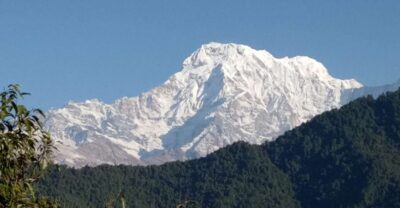
1 N 2 Days easy Dhampus,Australian camp trek from Pokhara
Read our review →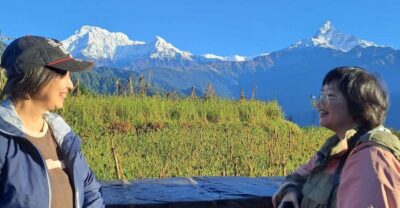
2-Day Australian Camp & Dhampus Village Easy Hike
Read our review →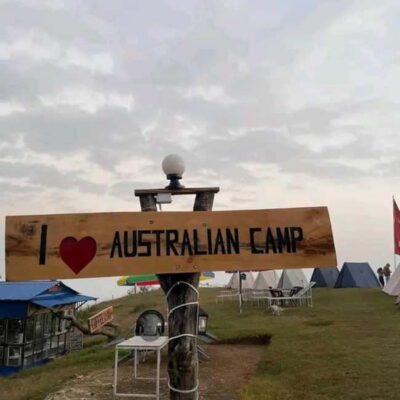
Browse the lists this tour appears in