
Reviewed · 3-DAY EXPERIENCES
Pokhara: 3-Day Trek
Pokhara’s 3-Day Trek is interesting because it gets you out of the city fast and into the Annapurna foothills, on a route built for comfort. I like that it is private and adjustable to your pace, not a fast factory-line walk. I also like the built-in “comfort upgrades,” especially the lodge setup with attached bathrooms and hot showers.
The main thing to think about is that this is still a trek, just a gentle one. It climbs to ridge viewpoints for sunrise and sunset over the Annapurna Range, so you should expect some real uphill effort. Also, it is not suitable for pregnant women or people with mobility impairments.
Key highlights worth your attention
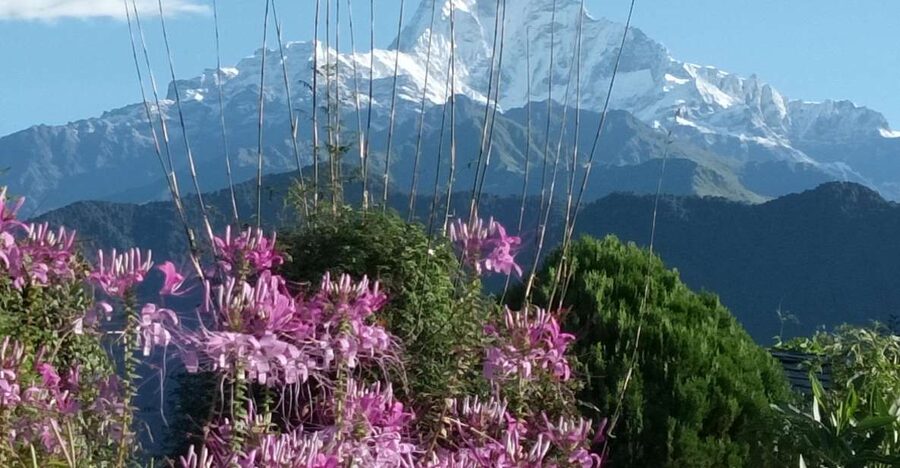
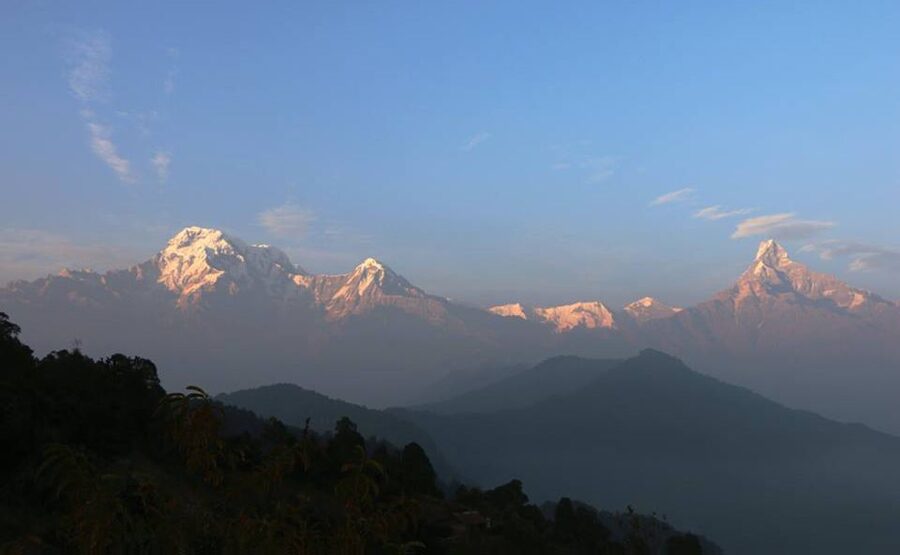
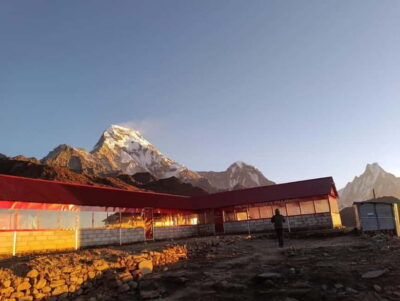
- Australian Camp sunrise over the Annapurna Range, with big Himalayan views right from your lodge area
- Private, pace-controlled trekking, with route options that can shorten the walk using drives
- Ridge-to-village hiking through Dhampus and onward to Astam, with sweeping views over the valley
- En-suite lodge comfort, including hot shower on the first night and attached bathrooms on the second
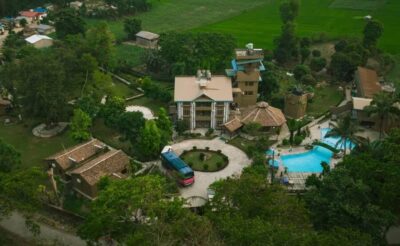
- Eco-minded Astam stay at Annapurna Eco Village Resort, with organic farm and water reuse practices
A Himalayan taste near Pokhara, without the heavy grind
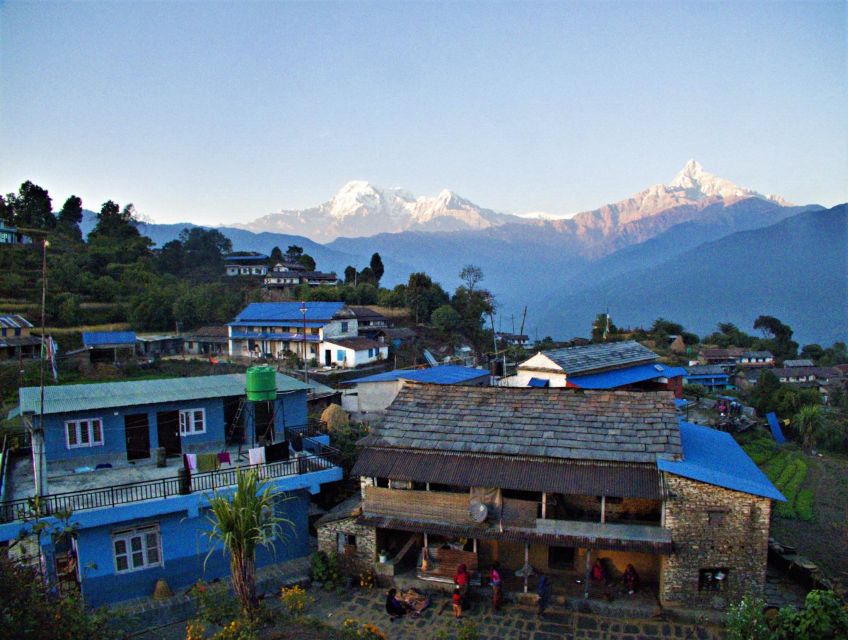
This trek is set in Pashchimanchal, in Nepal’s Western Region, using Pokhara as your launch point. The walking area sits about 30 kilometers northwest of Pokhara, closer to Mount Fishtail and the Annapurna Himalayas. That distance matters because you get the mountains fast, without spending days on logistics.
What you’re actually doing is a short “real trek” that still feels doable. Most of the route follows scenic teahouse country, then works along ridges between villages. The effort is front-loaded into a climb, then you settle into a ridge-following rhythm with long view breaks over terraced fields and the valley.
If you want a taste of trekking culture, this hits a sweet spot. You’ll be in small settlements, seeing how people live up close, and you’ll get mountain views that feel earned rather than packaged.
More to compare around Pokhara
- ZipFlyer Nepal – The World’s Steepest Zip-line
★ 5.0 · 608 reviews - Bungee Pokhara by HighGround Adventures
★ 5.0 · 366 reviews - From Pokhara: Sarangkot Sunrise Himalayas Tour
★ 4.7 · 218 reviews
Route feel: ridges, teahouses, and pace you can control
The trekking idea here is simple. Day 1 and Day 2 build you toward the best viewpoints, while Day 3 gives you an easier finish on the way back.
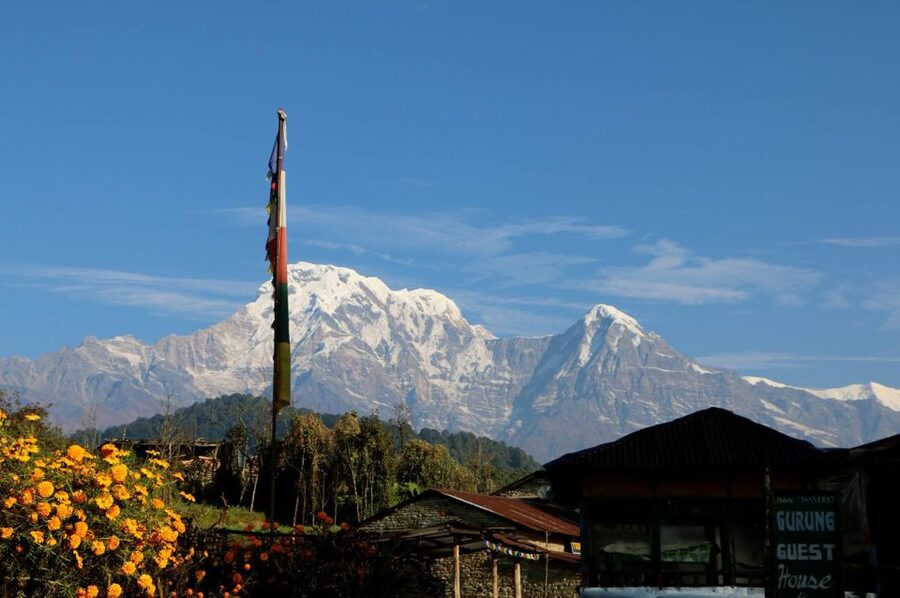
The trail threads through a popular teahouse area called Australian Camp and then continues through Dhampus toward Astam village. You’ll climb to the ridge, then follow the ridge to Astam. That ridge walking is the part that gives you those long, horizon-style mountain views.
One smart detail: the route can be customized. There are several options for driving to a higher point, which can shorten the trip if you want to reduce time on your feet. That is exactly how a comfortable short trek should work. You still get the feeling of trekking in the Himalayas, but you can keep the day from running away from you.
Also, this is designed to be private. In practice, that usually means you are not forced into someone else’s pace. On a 3-day trek, pace matters, because a slow day can feel short and a rushed one can feel exhausting.
Day 1 Naudanda to Australian Camp: that first big morning view starts early
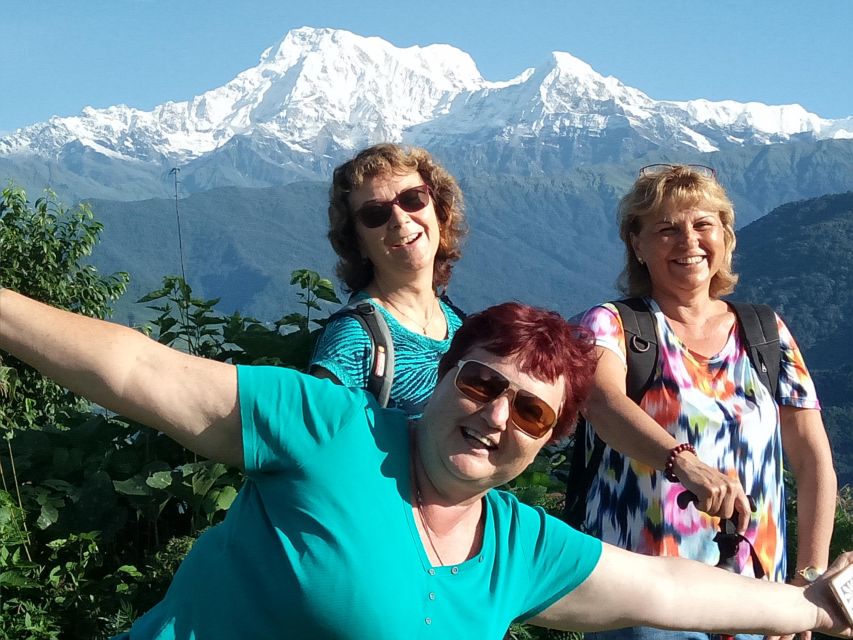
Your Day 1 begins with a short drive, about half an hour, to Naudanda. From there, you walk gradually down toward a stream, then climb to Dhampus over about two hours. This first climb is the “setting the tone” part. You go from valley travel to hillside walking quickly, and you start feeling the air change as elevation increases.
After Dhampus, you continue for about one more hour to Pothana village, where you stop for lunch. This is a good break point. Pothana is the kind of village stop that lets you reset, eat something warm, and take photos without rushing.
Then it is a shorter final leg, around 30 minutes, to Australian Camp for your first night. Australian Camp is a small teahouse settlement above Dhampus, in a rhododendron forest area. The teahouses here are set up for trekkers, and the overnight stay is meant to feel solid and comfortable.
The big promise on Day 1 is the location. You are aiming for the kind of sunset and sunrise views people remember: the Himalayas in a wide panorama. And the reviews you’ll read about this trip consistently point to the sunrise moment at the camp. Plan your schedule with that in mind. Sunrise views are best when you do not oversleep.
Lodging on night one
You spend the first night at Australian Camp with a comfortable teahouse and an attached toilet and bathroom setup plus a hot shower. For a short trek, that matters more than you might think. When you only have three days, you want your body to recover, not just survive.
A different sort of day out of Pokhara:
- Full-Day Tibetan Cultural Tour to Tibetan Settlements Pokhara
★ 5.0 · 184 reviews - Pokhara: Full-Day Sharing Bus Tour on 7 Iconic Destination
★ 4.1 · 179 reviews - Trekking in Annapurna/Langtang/Everest/Upper Mustang regions
★ 5.0 · 161 reviews - Pokhara: 4-Day Ghorepani, Poonhill & Ghandruk Mountain Trek
★ 5.0 · 132 reviews
Day 2 Dhampus ridge to Astam and Annapurna Eco Village Resort
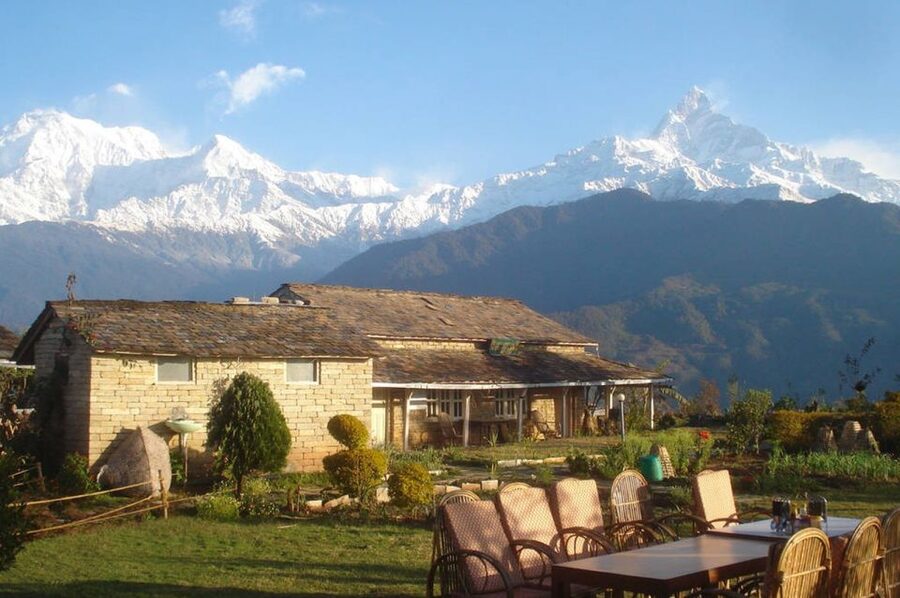
Day 2 starts with breakfast with Himalaya views. Then you move on from the ridge walking toward Astam village, aiming for about four hours of trekking.
This is where the route feels most like “proper” hiking. You are not just moving uphill in a straight line. You’re walking along scenic ridges and village edges, with that shifting view effect as the valley opens and closes behind you.
As you head toward Astam, you get a real sense of the countryside lifestyle. Terraced fields, seasonal crops, and the small-scale rhythm of villages give you context for what you are seeing from above. It is not only pretty scenery. It helps you understand how people live in this region, right where the mountains dominate daily life.
The highlight stay: an eco-minded village resort
In Astam, you check in to Annapurna Eco Village Resort. Rooms are simple but comfortable, with attached bathroom and toilet.
What makes this stay interesting is the eco approach described for the village and resort. It uses practices such as water reuse, rainwater harvesting, and organic farming. Even if you are not an eco-program nerd, you’ll likely appreciate the practical side of this. It means the property fits the local setting rather than feeling like a detached, built-up hotel box.
You can also learn about the organic farm, village life, and the eco-friendly measures directly during your time there. If you enjoy seeing how places work beyond the main viewpoint, this is one of the most rewarding parts of the trip.
Meals on Day 2
Your lodge stop also means you can eat well without going hunting. Meals are not included as part of the package, but it is possible to order food at the teahouses and pay directly. The food is described as simple but tasty, with international options available at these trekking stops.
Day 3 Astam downhill to the highway, then back to Pokhara
Day 3 is the payoff day: less time on steep terrain and a quicker return toward civilization.
You trek about two hours down to the highway. After that, you drive back to Pokhara. This final descent is where you feel your legs settling back into normal rhythms. It is a good day to slow down, take a few extra photos, and enjoy the last views without forcing it into a grind.
Because this trek is only three days, Day 3 matters. It turns the experience from a “survive the route” event into a “complete the story” event. By the time you reach the highway, you’ve done the ridge portion, seen the teahouse world, and ended with a real village stay.
Your guide and porter: safety, plus real mountain context
This trek is led by a licensed and experienced trekking guide, with an English-speaking guide option. You’ll also have a porter to carry luggage to each day’s destination. That changes the trip feel immediately. Your job becomes walking and enjoying, not managing extra weight on your back.
The guide role is more than directions. One reason the trip earns such high satisfaction is how guides explain what you see. You may hear stories from the mountains and get cultural context about the villages you pass.
From the guide names tied to this trek, you might meet someone like Prabin, Jit, Dansay, Probin, or Basanta. In the hands of an attentive guide, even a short trek feels grounded and personal, not like a generic sightseeing walk.
A private trek also tends to make communication easier. If you have questions about what you’re walking through, it is more likely you get clear answers and adjustments to your pace.
Lodges and showers: comfortable trekking that still feels local
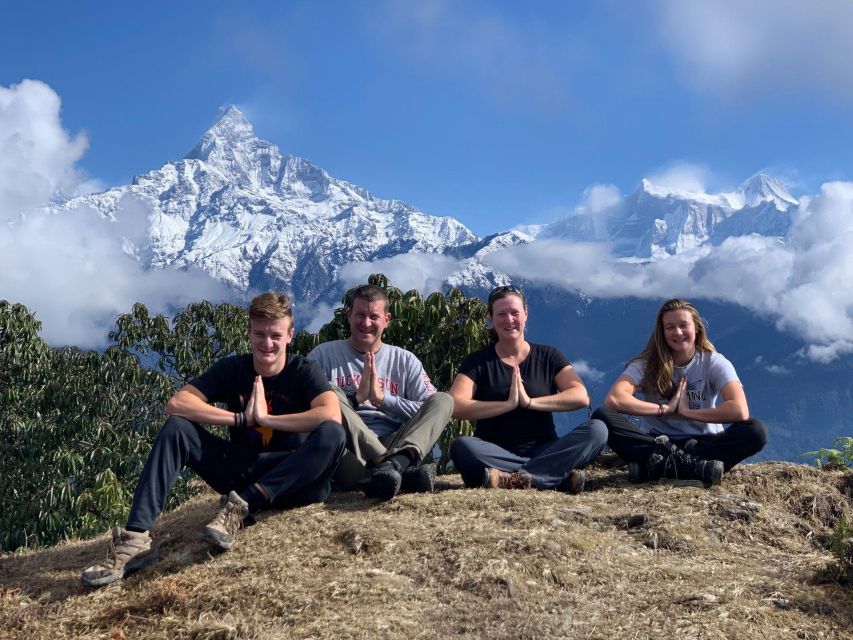
For many people, the biggest fear with short treks is that “easy” means uncomfortable. Here, the accommodation is a core selling point.
Night one at Australian Camp includes attached toilet and bathroom plus a hot shower. That is a real comfort upgrade. A warm shower after a ridge climb helps you feel human again, and it matters even more when you’re only out there for three days.
Night two at Annapurna Eco Village Resort also uses rooms with attached bathroom/toilet. The setup is described as simple yet comfortable. Since this is a village-based resort with eco practices, you shouldn’t expect luxury in the city-hotel sense, but it is built for trekkers and designed to feel clean and workable.
The practical win: you can spend time relaxing without thinking about how you’ll manage washing, sleeping, and recovery.
Meals on the trail: how to plan when food is not included
Meals are not included in the package. The good news is that meals can be ordered at the teahouses, and you pay directly. The teahouses serve simple but delicious international cuisine, which is helpful if you want variety without getting stuck with only one style of food.
Two practical tips for your budget and your peace of mind:
- Expect to pay for at least some meals separately, since only the trek structure and lodging are included.
- If you have dietary needs, clarify what’s available at the teahouse stops when you arrive each day.
On a short trek, meal surprises can affect your energy. But with the teahouse model, you generally can choose what you want rather than being locked into a single fixed menu.
Price and value: why $250 can feel fair for what you get
At $250 per person for a 3-day trek, you’re paying for a specific mix of comfort and support. This is not just “here’s a trail map.” You get private transportation to and from the trailhead, a guide, and a porter.
That support is part of the value. A licensed guide keeps the experience safe and smooth, and a porter removes the extra burden so you can focus on walking. On top of that, your lodging is more comfortable than the classic barebones trek model, with attached bathrooms and hot shower on the first night.
The main cost offset is that meals are not included. So if you eat every meal on trek days, you should set some additional budget for lunches and dinners. Still, because meals are orderable directly at the teahouses, you have flexibility.
If you want a trek that feels like the Himalayas, but with a comfortable basecamp routine, this price starts to make sense.
What to bring for a smooth 3 days on foot
Bring comfortable shoes. This trek is short, but you still spend time hiking ridges and descending back down.
Bring sunglasses. With Himalayan viewpoints and open ridges, glare can be real.
If you’re packing like a seasoned hiker, it’s also smart to consider items mentioned by people who’ve done this trek before, like sun protection and bug protection (insect spray and sunscreen were specifically called out). Pack them, even if your day looks “easy” on paper.
And keep your daypack light. The porter carries luggage between stops, so you can focus your own load on water, snacks, and a layer.
Who should book this, and who should skip it
This trek fits best if you want:
- a short trek that still feels authentic
- views over the Annapurna Range with sunrise and sunset possibilities
- the comfort of en-suite-style lodging during a 3-day schedule
- a private, pace-adjustable experience
It is also a solid pick for first-time trekkers. The walk is designed as short and manageable, with the option to reduce time by using drives to higher points.
Skip it if you are:
- pregnant
- someone with mobility impairments
Those limitations are explicit for this experience. Don’t try to force a gentle trek into a situation it’s not meant for.
Should you book the Pokhara 3-Day Trek?
If you want a Himalayan trek that feels real but not punishing, I’d say yes. This is the kind of itinerary that gives you big payoff for limited time: ridge walking, village life, and that first-night Australian Camp view setup, plus a comfortable stay in Astam at an eco-focused resort.
Book it if you value comfort and support, especially the licensed guide and porter. Also book it if you want sunrise and sunset over the Annapurna Range without committing to a longer trek.
One reason to pause: meals are not included in the package, so you’ll need to budget for teahouse dining and be ready to order on site. If you like to know every cost up front, add a bit of buffer.
If you’re flexible, curious, and want the mountains close to Pokhara, this trek is a very practical way to get there.
FAQ
Is the trek difficulty suitable for beginners?
The trek is described as short and easy, with options to customize the route by driving to higher points to shorten walking time. It is still a trekking experience with climbs to ridges for viewpoints.
What is included in the price?
The package includes private transportation to and from the trekking trailhead, comfortable teahouse accommodation with attached bathrooms and toilets, and a trekking guide with a porter.
Are meals included?
Meals are not included. You can order meals in the teahouses and pay directly.
Where does pickup happen in Pokhara?
Pickup is included only if your hotel is in the Lakeside area of Pokhara. If your hotel is away from Phewa Lakeside, there is extra cost for pickup.
How long are the treks on each day?
Day 1 is a half-day style walk with segments that total about 3.5 hours of trekking time, plus stops. Day 2 includes about 4 hours of trekking. Day 3 is about 2 hours of trekking down to the highway.
Is this trek suitable for everyone?
It is not suitable for pregnant women or people with mobility impairments. It is also built around hiking, so comfortable walking ability is important.
Latest Pokhara write-ups
- Mardi Himal Trek -5 Day Short Trek From Pokhara★ 5.0 · 8 reviews
- Tandem Paragliding in Pokhara★ 4.8 · 8 reviews
- Pokhara: Peace Pagoda Sunset, Annapurna Mountain Views Tour★ 2.9 · 5 reviews
- Short & Scenic: 2-Day Private POON HILL Trek from Pokhara★ 5.0 · 8 reviews
- Seti George and Thrilling Suspension Bridge Tour at Pokhara★ 4.5 · 3 reviews
- Sarangkot Sunrise over the Himalayas★ 4.8 · 83 reviews
- Pokhara: Sarangkot Sunrise and Private Full Day Tour★ 4.8 · 24 reviews
- From Kathmandu/Pokhara: Private 3-Day Chitwan Safari Tour★ 4.7 · 34 reviews
3-Day Experiences, compared.
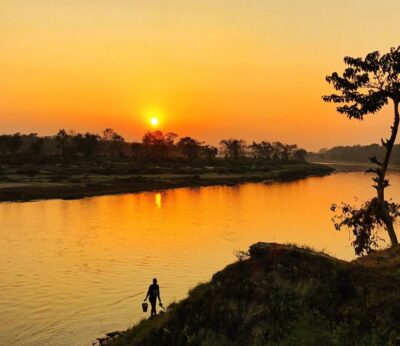

3-Day Chitwan Safari Tour with Hotel Transfers
Read our review →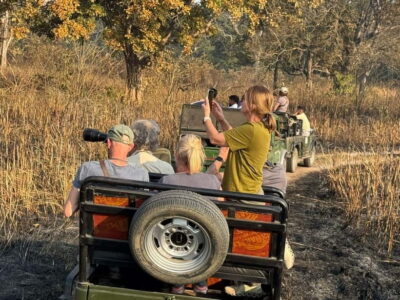
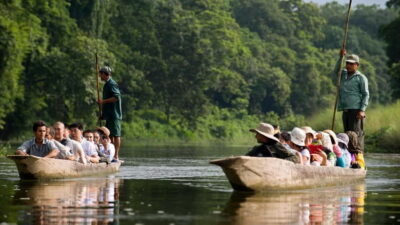
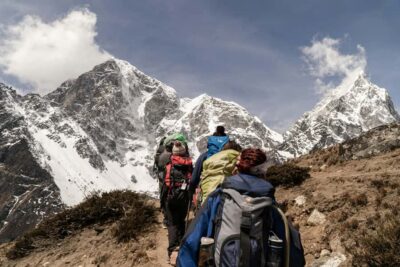
2 & 3 Days Ghorepani Poon Hill Private Guided Trek
Read our review →Browse the lists this tour appears in