
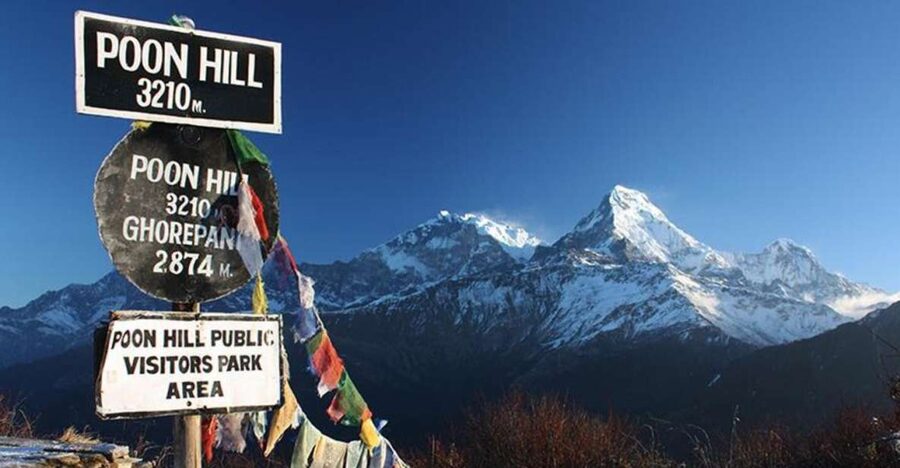
Reviewed · POON HILL TREK
Pokhara: 5-Day Ghorepani and Poon Hill Private Trek
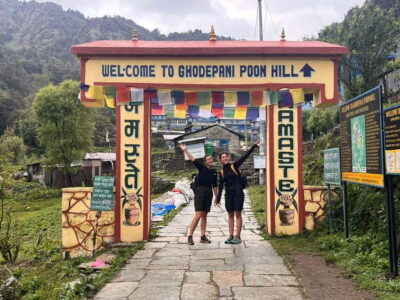
Pokhara to Poon Hill is interesting because you get big Himalayan payoff in a short trek. I love how this route mixes sunrise drama with real village walking, not just a single viewpoint and back. It also fits well if you want the Annapurna area without committing to weeks on the trail.
I also like the way the itinerary builds altitude step by step, with a meaningful rest day in Ghorepani before the early climb to Poon Hill. You’ll pass rhododendron forests and meet people in teahouse life, then end in Ghandruk, a Gurung village with distinctive traditional architecture.
One consideration: you should be ready for a lot of stairs. Even on an “easy” trek, the Poon Hill approach and some village sections can feel stair-heavy, so pack for comfort and take it at a steady pace.
Key highlights worth circling
- Poon Hill sunrise with clear views of peaks like Dhaulagiri and Annapurna South
- Ghandruk village time in a Gurung settlement known for traditional homes
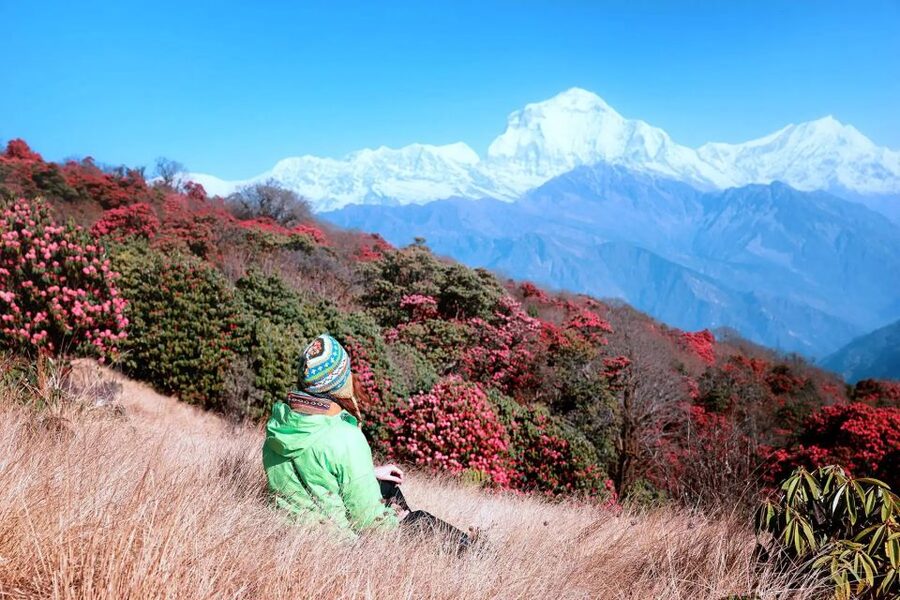
- Rhododendron forest hiking on quieter sections with Himalayan sightlines
- Guides who manage details like pacing, meal ordering, and making your day run smoothly
- A balanced 5-day route that keeps you moving without constant high-altitude pressure
Why this 5-day Ghorepani and Poon Hill trek feels like a smart choice
This trek works because it hits multiple “Nepal” moments in a single loop: lakeside Pokhara access, a forested uphill, village tea stops, and a sunrise that makes people wake up before their alarms. Poon Hill is famous for a reason, but the real value is how the trail gets you there, with changing scenes and plenty of chances to pause.
I like that it’s positioned as a relatively easy trek you can finish in five days. That matters in real life. You’re not spending days just trying to reach basic elevation comfort. Instead, you get a clear progression, including an acclimatization day in Ghorepani before the top viewpoint morning.
The private-group format also helps you avoid the usual group-travel friction. You can move at your pace, stop when you want, and have your guide handle the small logistics that can slow a trip down.
More Ghorepani and Poon Hill departures:
- Pokhara: 4-Day Ghorepani, Poonhill & Ghandruk Mountain Trek
★ 5.0 · 132 reviews - From Pokhara: 3-Day Ghorepani Poon Hill Trek with Guide
★ 4.9 · 68 reviews - Pokhara: 2-Day Ghorephani and Poon Hill Private Trek
★ 4.6 · 50 reviews
The altitude plan you’ll actually feel (and why it’s built in)
You’ll start low in Pokhara, then climb gradually toward the highest point at Poon Hill.
- Day 1: Pokhara 820 m, Nayapul 1,070 m, Tikhedhunga 1,570 m
- Day 2: Ghorepani 2,850 m
- Day 3: Poon Hill 3,210 m, then Tadapani 2,610 m
- Day 4: Ghandruk 1,940 m
- Day 5: Nayapul 1,070 m, back to Pokhara 820 m
This matters because it reduces the chance you’ll feel like you are “overreaching” too fast. Ghorepani at 2,850 m is where you slow down and adjust before the early morning push to 3,210 m. Poon Hill isn’t a high-altitude trek by Himalaya standards, but it still pays to treat the climb seriously, especially at sunrise when you’re cold, sleepy, and moving quickly.
Day 1: Pokhara to Nayapul to Tikhedhunga (820 m to 1,570 m)
You’ll begin with the convenience of transportation from Pokhara. Pickup is included from any hotel or the airport in Pokhara, then you drive to Nayapul. This section of the day is about transition, not suffering. You go from lakeside comfort into trekking mode.
Once you start walking, the trail threads through terraced farmland and village paths. The views over the Annapurna and Dhaulagiri mountain ranges are part of the early charm, even before the big sunrise day. By the time you reach Tikhedhunga at 1,570 m, you’re in the rhythm of the trek: steady steps, frequent tea breaks, and that feeling of getting farther from town.
Practical note: this is often the day where you’ll notice your footwear needs. If your shoes rub on stairs, you’ll feel it early. Consider testing socks and lacing before you climb a single step at altitude.
Day 2: Tikhedhunga to Ghorepani (2,850 m) for acclimatization and village life
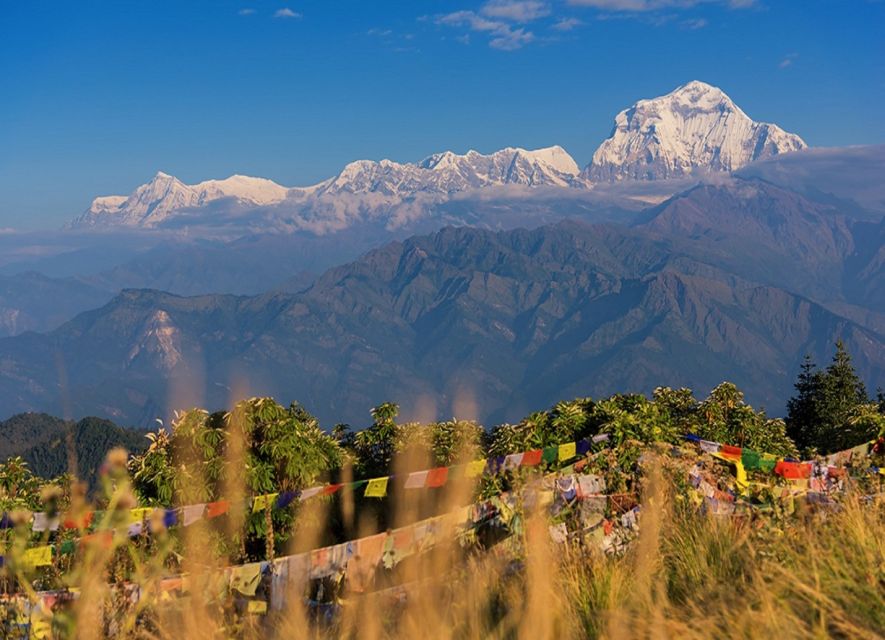
Day 2 climbs to Ghorepani at 2,850 m, and that’s the key acclimatization stop. Ghorepani is a classic trekking base with traditional houses and lots of teahouse energy. You’re not just passing through. You’re settling, eating, and letting your body adjust.
This is also where your guide can make the day easier in small ways. In past trips, guides such as Bidur have been praised for explaining the names and stories behind towns and mountains, then helping you order meals without hassle. That kind of support matters more than you might think, because teahouses can be busy and menus can be simple but confusing if you’re hungry and cold.
Expect the hike to feel uphill but manageable. The goal is not to sprint. It’s to arrive, breathe, and sleep well enough for the early start to Poon Hill.
More to compare around Pokhara
- ZipFlyer Nepal – The World’s Steepest Zip-line
★ 5.0 · 608 reviews - Bungee Pokhara by HighGround Adventures
★ 5.0 · 366 reviews - From Pokhara: Sarangkot Sunrise Himalayas Tour
★ 4.7 · 218 reviews - Full-Day Tibetan Cultural Tour to Tibetan Settlements Pokhara
★ 5.0 · 184 reviews
Day 3: Sunrise hike to Poon Hill (3,210 m), then Tadapani (2,610 m)
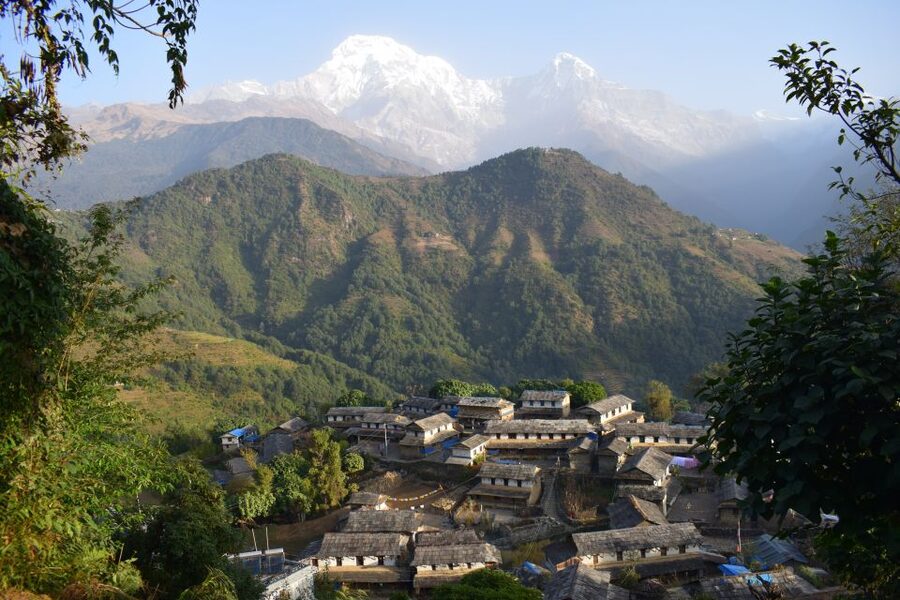
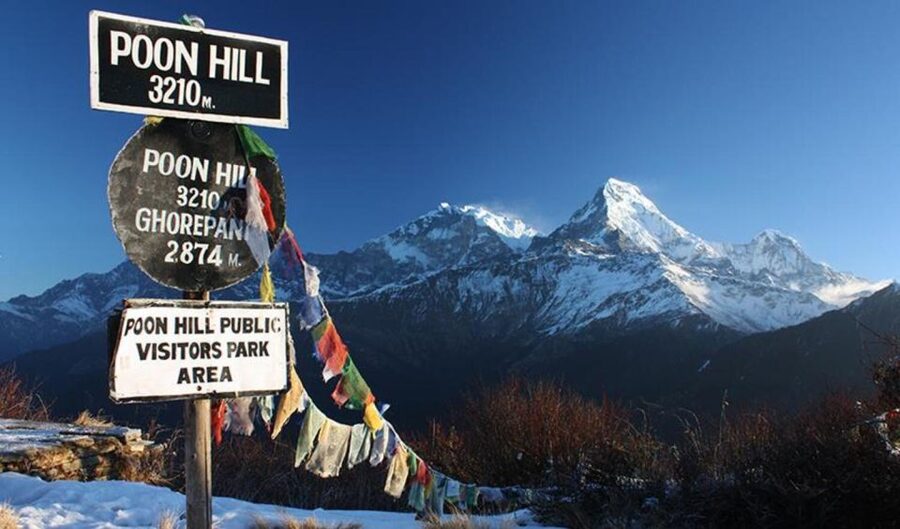
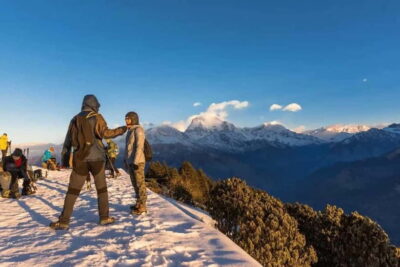
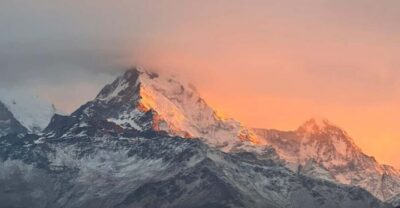
This is the “get out of bed in the dark” day. You’ll hike to Poon Hill at 3,210 m to watch sunrise over the Himalayas. The view is the reason this trek is so popular. You can look for peaks like Mt. Dhaulagiri, Annapurna South, Hiunchuli, and Machhapuchhre when the weather cooperates.
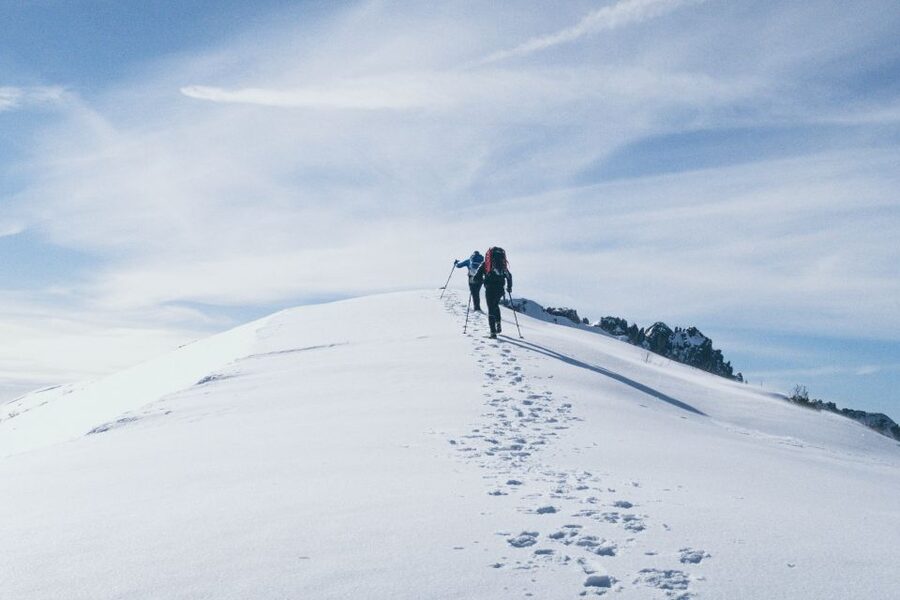
Now, about the stairs: one review highlighted that you should be seriously prepared. Even when a route is described as easy, Poon Hill approaches can involve lots of stair steps. If you’re sensitive to knees or you hate repetitive climbing, plan for it. Slow down on the way up, and don’t treat sunrise like a race.
After sunrise, you return to Ghorepani for breakfast, then continue onward to Tadapani at 2,610 m. This shift is one of the best parts of the trek day. Instead of only viewpoints, you get deeper trail walking through rhododendron forests, often with Himalayan sightlines peeking through trees.
If you want to maximize comfort, this is a good day to dress in layers. Sunrise mornings can be chilly, and you’ll warm up quickly once you start moving.
Day 4: Tadapani to Ghandruk (1,940 m) and Gurung village atmosphere
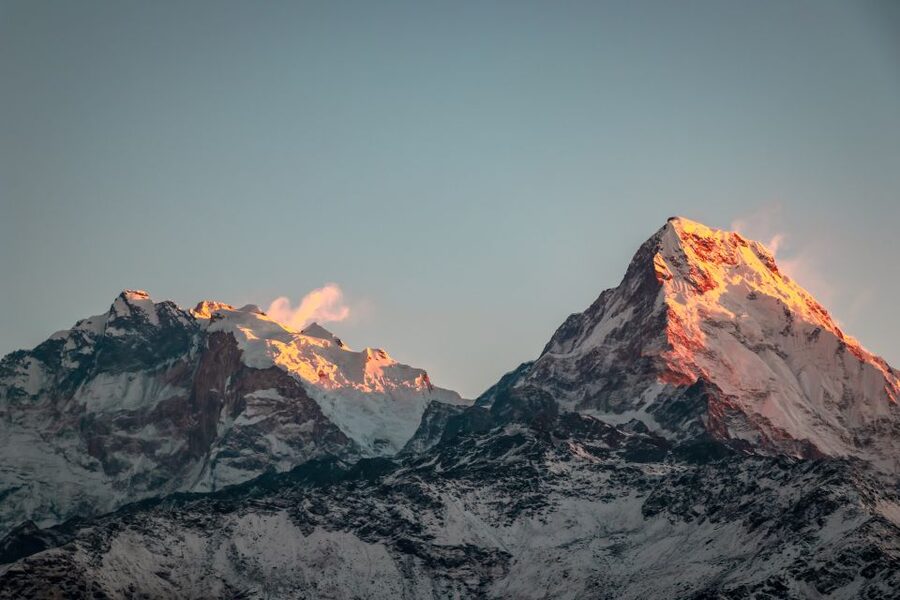
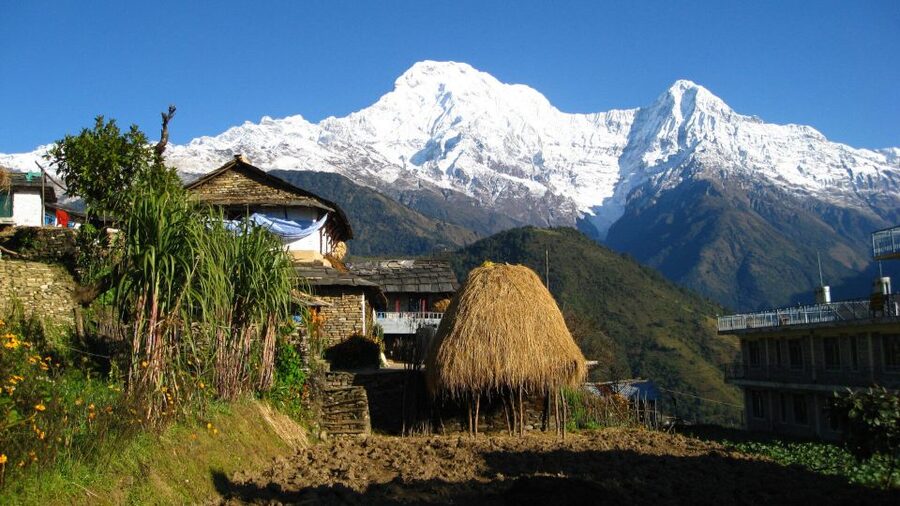
Day 4 drops you down to Ghandruk at 1,940 m, a beautiful Gurung village known for traditional architecture and cultural heritage. The day feels different than Day 3 because it’s less about chasing height and more about moving through a living community.
You’ll see why people talk about Ghandruk as a meaningful stop. Homes and streets have a local feel, and the views often include big peaks in the Annapurna area, including Machhapuchhre on clear days.
This is also a day where food and rest feel simpler. You’re lower, usually warmer, and your pacing can be a bit more flexible. If your guide, such as Paras in one account, customizes the itinerary to your needs, Day 4 is a good place to request a relaxed schedule. You want energy for village wandering and photos that don’t feel rushed.
Day 5: Ghandruk to Nayapul (1,070 m) and back to Pokhara (820 m)
The final day is all about descent and relief. You hike down to Nayapul at 1,070 m, then drive back to Pokhara at 820 m.
This is a practical close to the trip. You get the satisfaction of completing the loop, but you don’t finish with another long day of elevation climbing. Instead, you end back where you can shower, eat a proper meal, and decompress by the water in Pokhara.
If you want one last memory, use the drive time for peak-spotting and wrap-up conversations with your guide. It’s a good moment to ask what you saw and how the mountains sit relative to each other.
Guide quality is the hidden value here
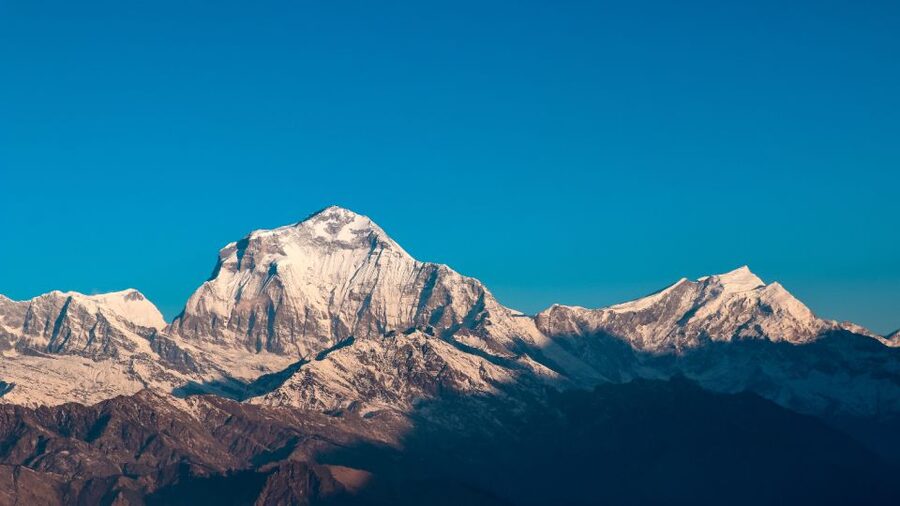
A five-day trek lives or dies by small moments: the pace, the explanations, and the quiet problem-solving. In the best versions of this trek, the guides are not just there to lead. They’re there to make the day smoother.
In past private trips, guides like Bidur have been praised for:
- being relaxed and supportive while letting you set the pace
- explaining mountains and the language of places you pass
- handling ordering meals and paying bills when needed
- helping with practical things like Wi-Fi access at stops
Another account praised Paras for customizing the trip to personal needs. That kind of flexibility is worth something. It can turn a good trek into a comfortable one, especially if you have a slower rhythm or you want more breaks for photos.
If you care about culture, your guide can also be a bridge. One account credited a guide with knowledge reaching beyond trekking logistics into Nepali countryside and even broader topics. Even if you only catch a few stories, you come away with a richer feel for daily life around the trail.
Included vs. not included: what you should plan for
This trek is priced at $187 per person and includes the essentials that tend to inflate costs if you book everything separately. You get all taxes and service charges, entrance fees (TIMS and permits), an English-speaking experienced trekking guide, 4 nights in guest house accommodation, and round-trip transportation.
Meals are not included. You’ll buy food at teahouses, and your guide can help you order. That’s not a dealbreaker. It’s often a benefit because teahouses offer flexible options based on appetite and altitude comfort.
Also, rescue costs are not included in the price. That’s standard for many treks, but you should still travel with appropriate coverage so you’re not surprised by emergencies.
Price value check: what $187 is really buying
The best value here is that you’re not just paying for walking. You’re paying for:
- a guide to manage route timing and day flow
- permits and TIMS handled for you
- guest house beds covered for the nights on route
- transportation in and out of the trek starting area from Pokhara
If you were to arrange guide, permits, and lodging separately, you’d likely spend a similar amount or more. The private format also reduces friction. You don’t have to fit yourself into a group schedule. When you’re waking up for sunrise, that flexibility is not small.
Who this trek suits best
This trek is a strong fit if you:
- have limited time but want a classic Annapurna sunrise experience
- want an easy-to-moderate trek with meaningful village stops
- prefer a private group where pace control is in your hands
- like guided support for details like meal ordering and logistics
It may feel challenging if:
- you strongly dislike stairs (this route can be stair-heavy)
- you have knee issues and don’t like repetitive descents and climbs, even at lower elevations
- you expect a trek with zero physical strain, because even “easy” days still involve uphill walking
What to pack and how to not ruin your sunrise
The trek length is short, but the early start is real. Bring layers for cold mornings, because you’ll begin before sunrise and then climb and warm up. Comfortable walking shoes matter more than fancy equipment. Teahouse life means you’ll wear the same items for stretches of time, so plan for practical clothing you can wash and dry.
Also, mentally prepare for stair sections. Go slow. Use breaks. Don’t save your legs for a future day that never comes. The smartest strategy for Poon Hill is pacing that keeps you steady, not breathless.
Should you book this 5-day private trek?
If your goal is the Poon Hill sunrise plus authentic village walking within a tight schedule, I think this is a very reasonable booking. The route is short enough to fit into a Pokhara trip, and the overall setup is designed to reduce hassle with permits, transport, and lodging.
Book it if you value a guide who can help with pace and details, especially if you like the idea of strong support like meal ordering and calm explanations from guides such as Bidur or Paras. Skip it or be cautious if you know you struggle with stairs and repetitive step climbs, because that part of the trek is real.
If you want a memorable Annapurna taste with real communities and a sunrise that justifies the early wake-up, this one earns its reputation.
Latest Pokhara write-ups
- Mardi Himal Trek -5 Day Short Trek From Pokhara★ 5.0 · 8 reviews
- Tandem Paragliding in Pokhara★ 4.8 · 8 reviews
- Pokhara: Peace Pagoda Sunset, Annapurna Mountain Views Tour★ 2.9 · 5 reviews
- Short & Scenic: 2-Day Private POON HILL Trek from Pokhara★ 5.0 · 8 reviews
- Seti George and Thrilling Suspension Bridge Tour at Pokhara★ 4.5 · 3 reviews
- Sarangkot Sunrise over the Himalayas★ 4.8 · 83 reviews
- Pokhara: Sarangkot Sunrise and Private Full Day Tour★ 4.8 · 24 reviews
- From Kathmandu/Pokhara: Private 3-Day Chitwan Safari Tour★ 4.7 · 34 reviews
Poon Hill Trek, compared.
4-Day Ghorepani, Poonhill & Ghandruk Mountain Trek
Read our review →
2 & 3 Days Ghorepani Poon Hill Private Guided Trek
Read our review →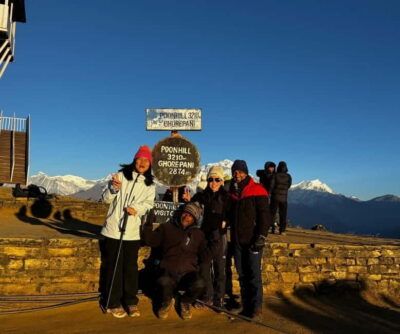
2-Days Beautiful Poon Hill Trek with Sunrise View
Read our review →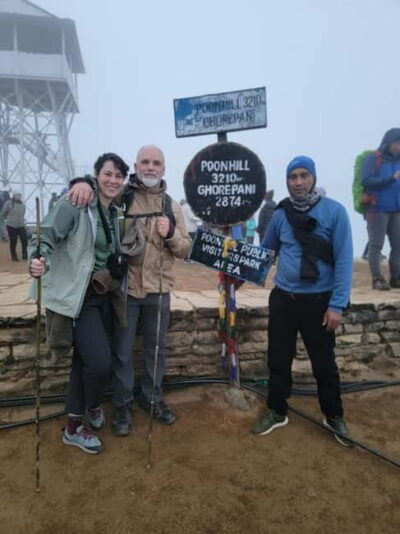
4-Day Beautiful Ghorepani Poon Hill & Ghandruk Trek
Read our review →Browse the lists this tour appears in