
Reviewed · SARANGKOT
Sarangkot Village Coffee Culture and Authentic Local Life Tour
If you like your travel with a little sweat and a lot of real life, this Sarangkot village coffee tour hits the sweet spot. You get big views over Phewa Lake, then you walk into small-scale organic farming and meet the people behind it.
I like two things most: the chance to learn farm-to-cup processing from local growers, and the feeling that your money supports a community project that pays farmers better. One thing to consider, though, is the walking. Even with moderate fitness, you’ll do uphill stretches as part of the hike.
Key Highlights You’ll Care About
- Phewa Lake walking start: a lakeside approach before the climb, so the day doesn’t go straight to heavy hiking
- Sharing Seeds connection: training plus better prices for farmer cherries, not just a quick coffee demo
- Women-led food and jobs: your lunch comes from a community tourism project that creates local work
- Arabica plus honey tastings: coffee and honey included, when available, along with fruits and chocolate bars
- Pandeli Park viewpoint at 1,200 m: a scenic break with one of the oldest trek routes toward the Annapurna region
- Small group size (max 10): easier conversations with guides and farmers during the tour
From Phewa Lake to Khapaudi: The Walk That Sets the Tone
The tour starts at SalesBerry Department Store in Pokhara, with a start time of 11:15 am and a typical length of about 6 hours. You’ll have private transportation to get into position, then you begin a guided walk that follows the shore of Phewa Lake.
This first leg matters more than it sounds. It warms up your legs and gives you time to look at everyday village life along the water, not just the “destination” after the hiking starts. It also sets expectations: you’re going to be outside, on foot, with real paths.
You’ll head toward Khapaudi Village from the lake area, and that lakeside portion takes about 1 hour 30 minutes. After that, the route turns uphill, and this is where the day earns its keep.
More sunrises from Sarangkot:
- From Pokhara: Sarangkot Sunrise Himalayas Tour
★ 4.7 · 218 reviews - Sarangkot Sunrise over the Himalayas
★ 4.8 · 83 reviews - The Best of Pokhara: Full-Day Private Tour with Sarangkot Sunrise
★ 5.0 · 66 reviews
The Uphill Hike Through Village Life (And How to Enjoy It)
From Khapaudi, plan on an uphill hike that takes about 2 hours 30 minutes. That’s long enough that you’ll feel it, but it’s also long enough for the guide to point out what’s happening around you.
This is the part where you get the human side of the region, not just the scenery. You’ll spend time in and around local spaces, and you’ll have chances to interact with people connected to the community farming work. It tends to make the coffee part feel real, because you’re seeing the setting before you taste anything.
If you’ve got limited mobility, ask about options during booking. One review mentions an accommodation that swapped a hike section for a taxi ride, so there may be flexibility depending on timing and your needs. The tour does ask for moderate physical fitness, so don’t assume it’s stroller-easy.
Also, bring basic hiking comfort. I’d rather see you arrive with good walking shoes and a small refillable water bottle than scrambling once you’re halfway up. The tour doesn’t include gear or equipment for the hike.
Pandeli Park at Sarangkot: The View Break at 1,200 M
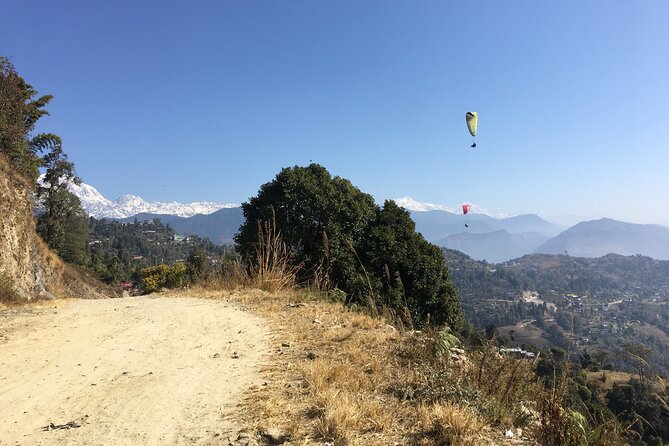
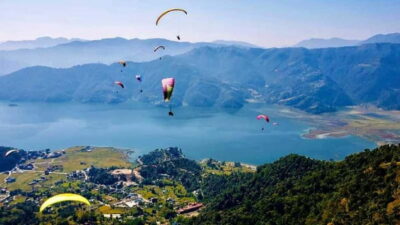
After the uphill section, you reach Pandeli Park in Sarangkot. This is one of the best spots for a sweeping view of Phewa Lake from about 1,200 meters of altitude.
Expect a rest stop, not a photo sprint. You’ll have some time to take in the view and catch your breath, and that matters because the day is still building toward the farming and tasting portions. Even if you love coffee, this viewpoint can be the mental highlight that keeps you energized.
Pandeli Park also sits on an older trek route toward the Annapurna region. That gives the area a layered feeling. It’s not only modern tourism, it’s also part of a longer tradition of moving through this country on foot.
The Coffee Story Starts With People, Not Equipment
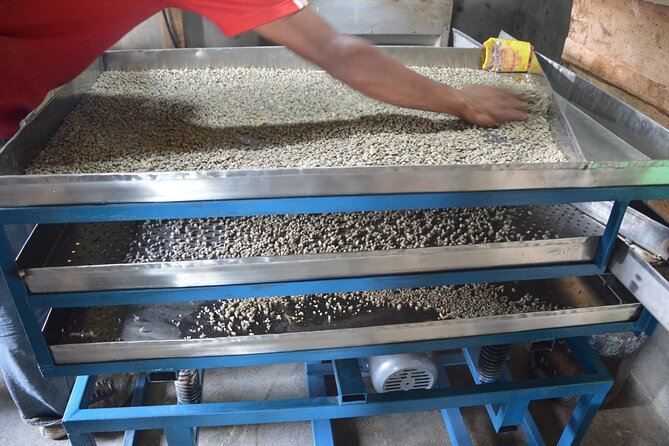
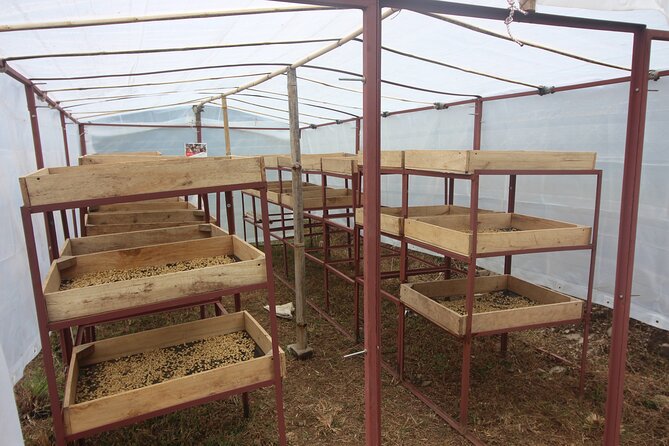
This tour’s core is organic Arabica coffee, and it covers many stages from farm to cup. You’ll meet small local Arabica coffee farmers in the Sarangkot Pandeli village area, and you’ll learn what “organic” means in practice.
The guide explains how coffee is grown and processed, then how it ends up as something you can drink. That’s a big deal because most coffee tastings treat beans like a mysterious product you magically buy at the café.
Here, you get the chain of decisions. You see the plants and talk about farming challenges, and you learn how a non-profit organization supports farmers to operate sustainably. The group referenced here is Sharing Seeds, and the idea is community-centered training that helps farmers keep improving.
A different sort of day out of Pokhara:
- ZipFlyer Nepal – The World’s Steepest Zip-line
★ 5.0 · 608 reviews - Bungee Pokhara by HighGround Adventures
★ 5.0 · 366 reviews - ATV Adventure Tour in Pokhara, Nepal
★ 5.0 · 194 reviews - Full-Day Tibetan Cultural Tour to Tibetan Settlements Pokhara
★ 5.0 · 184 reviews
Sharing Seeds and the 30% More Model
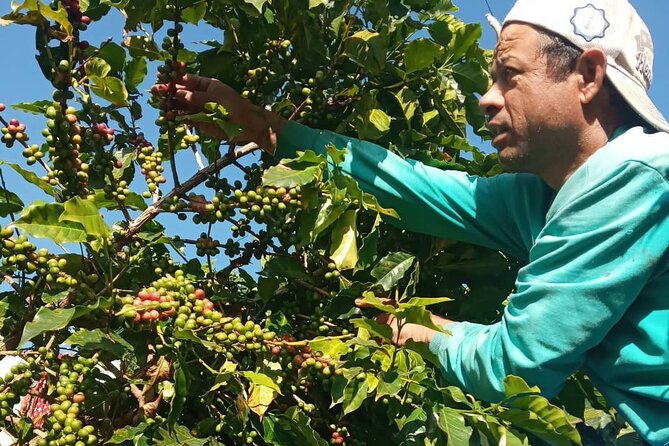
One of the most meaningful parts of this experience is the financial logic behind the coffee. The project supports farmers by providing training and updated knowledge for sustainable farming, and it also pays 30% more money for farmer coffee cherries compared to other collectors in the region.
That might sound like a business detail, but it changes how the story lands. When a farmer earns more for cherries, it can reduce short-term pressure and make long-term farm care more feasible. You’re not just buying a cup, you’re supporting a system built to keep coffee cultivation sustainable.
It also keeps the tour from turning into a purely educational lecture. You’re learning that the coffee is tied to people’s livelihoods, including what happens after harvest and how processing affects quality.
Honey and Coffee Tastings: When You Actually Taste the Work
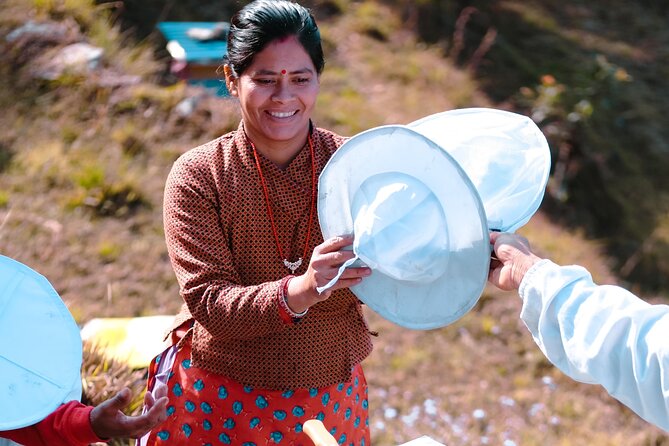
Included in the tour are organic coffee and honey tastings, but it’s noted as upon availability. That means you should go with a flexible mindset. If tastings are available, it’s a real payoff for all the explanation you’ve heard on the way up.
The tasting is also where you can connect information to your senses. You might notice differences that come from processing methods, and you can compare how coffee and honey show up in flavor. One of the best things about this part is that it’s not rushed. You’re given time to taste, then talk about what you’re experiencing.
Beyond coffee and honey, you’ll also get seasonal fruits and chocolate bars. It’s a small inclusion, but it helps keep energy up during a day that mixes hiking and learning.
Some folks mention iced coffee as part of what they enjoyed during the visit, which fits the “taste then talk” rhythm. If you’re sensitive to caffeine, pace yourself.
Women-Led Lunch: Community Tourism That Feels Like Lunch, Not a Performance
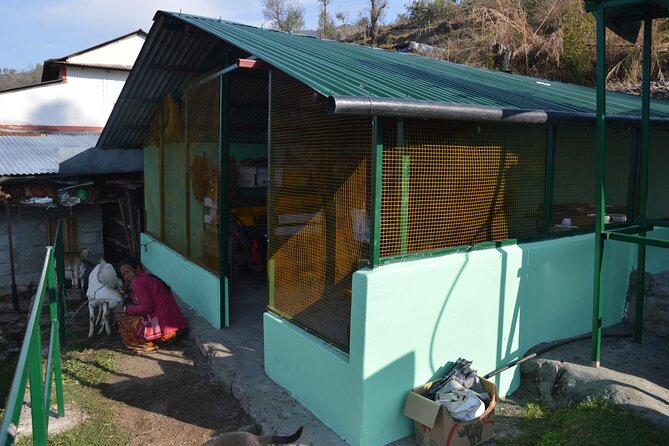
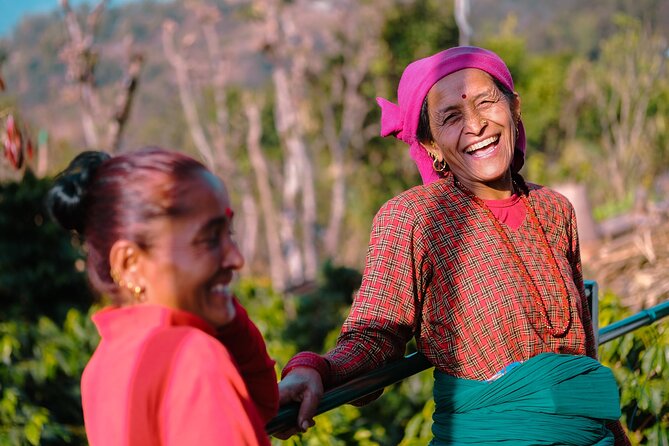
One of the tour highlights is the organic lunch prepared by a women group connected to the community tourism project. This isn’t a buffet that feels generic. It’s tied to local work, and it supports jobs created inside the village area.
You’ll eat after you’ve walked and toured the farm spaces, so lunch feels earned. In multiple accounts, the lunch gets described as delicious and authentic, and that’s exactly what I’d look for when I’m choosing a food moment in Nepal. You want the meal to feel like part of daily life.
This is also where the “empowerment” idea becomes practical. Women have local roles through tourism linked to agriculture and food. You’re not just looking at a program, you’re watching it operate through everyday actions like cooking and serving.
The Farm Visit: What You’re Likely to See
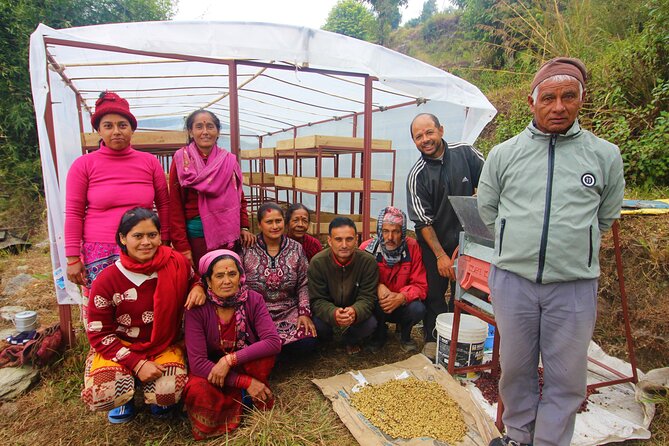
The experience focuses on the farming and processing stages, so expect to spend time on the coffee plants themselves. You’ll also likely see other parts of the farm ecosystem tied to organic living, including areas connected to honey production and crop growing.
One account mentions beehives and a vegetable garden as part of the farm tour experience. Even if the exact mix varies by season and availability, the tour’s purpose is clearly about showing how coffee fits into the broader organic farm routine.
A good guide here makes the difference. In one review, Abby is specifically called out for explaining the coffee progress in a very clear way. If Abby is your guide, you’re likely to get a walkthrough that turns complex steps into something you can actually understand.
Price and Value: Is $60 Fair for This Kind of Day?
At $60 per person for about 6 hours, this tour sits in the mid-range for Pokhara experiences. It doesn’t feel cheap, but it also doesn’t feel like you’re paying for a short, scripted show.
You’re getting several value levers at once:
- A longer hike with lake views and a proper viewpoint stop at altitude
- A guided education on organic Arabica from farm to cup
- Tastings that are included when available, plus fruits and chocolate
- An organic lunch prepared by a women group
- A direct connection to a community project that pays farmers more and provides training
Private transportation is included, and the group is capped at 10 travelers, which usually means you’ll get more attention than big bus tours. If you care about authenticity and want your money to land locally, the pricing can make sense.
If you’re only after a quick coffee break, you might find it pricey. But if you want the why behind the cup, it’s closer to a full learning day than a half-hour activity.
Timing, Weather, and What to Wear
The tour starts at 11:15 am and runs around 6 hours. That timing works well because you’re not committing to an early morning scramble, and you still get daylight for the views over Phewa Lake.
Weather matters. The experience notes a requirement for good weather, so if conditions are poor, your date may shift or you may be offered another option or a refund. In practice, that means plan to stay flexible for your Pokhara schedule.
For clothing, think hiking first. The day includes uphill walking and time outdoors at altitude for viewpoints. Dress in layers, use sunscreen, and wear shoes with real traction. The tour does not include gear, so the safest move is to come ready.
Also, since you’ll be interacting with locals and tasting foods, keep your day simple. Avoid packing too much. A small day bag beats wrestling a heavy backpack up a hill.
Who This Tour Suits Best (And Who Should Rethink It)
This is a strong match if you want more than coffee trivia. You should book it if you like hands-on learning, enjoy walking through rural village settings, and want to see how better pricing and training can support sustainable farming.
It also fits well if you’re the type who loves food that has a story behind it. The women-led lunch is part of the value, and it adds a meaningful local touch.
If you dislike hikes or you’re struggling with moderate physical fitness, you might find the uphill portions tiring. The tour does allow service animals, but it still centers on walking and outdoor time. If that’s you, ask what alternatives exist for your route.
It’s also ideal for couples or solo travelers who want a small group. With a max of 10 people, conversations tend to stay more personal, and you’re less likely to feel like you’re just moving along on a schedule.
Should You Book This Sarangkot Coffee and Village Life Tour?
I think you should book it if you want a day that connects three things: views, real farming work, and a community-based lunch that supports jobs locally. The strongest pull is the combination of organic coffee education and the Sharing Seeds model, including the detail that farmers are paid 30% more for cherries and get training to farm sustainably.
Skip it if your idea of a perfect day is mostly sitting, or if uphill walking for roughly 2.5 hours sounds like stress, not a challenge. You’ll still get a great view, but this is not a low-effort activity.
If you’re choosing between coffee in a café versus coffee with context, this tour gives you the context. And once you taste the cup, the story stays with you longer than any souvenir shop stop.
FAQ
How long is the Sarangkot Village Coffee Culture and Authentic Local Life Tour?
It runs for about 6 hours.
What is included in the tour price?
The tour includes private transportation, organic coffee and honey tasting when available, seasonal fruits, and chocolate bars.
Do I need to bring hiking gear?
The tour does not include gear or equipment for the hike, so plan to bring what you need for comfortable walking.
What fitness level do I need?
The tour is for people with moderate physical fitness, since it includes uphill hiking.
How big is the group?
The maximum group size is 10 travelers.
Where does the tour start and end?
It starts at SalesBerry Department Store in Pokhara and ends back at the same meeting point.
Latest Pokhara write-ups
- Landing Annapurna Base Camp by Helicopter Tour from Pokhara★ 4.0 · 5 reviews
- Sarangkot sunrise with Morning Tibetan Cultural Tour★ 5.0 · 5 reviews
- 3 Day Kapuche Glacier Lake Trek with Siklesh from Pokhara★ 5.0 · 5 reviews
- Entire Day Pokhara Complete Tour★ 5.0 · 5 reviews
- 3 Day Mardi Himal Base Camp Trek from Pokhara★ 5.0 · 5 reviews
- 3 Days Ghorepani and Poonhill Private Trek from Pokhara★ 5.0 · 6 reviews
- Private Tour Local Culture and The View of Mohare Danda★ 5.0 · 6 reviews
- Pokhara: Poon Hill Ghorepani Short Trek★ 5.0 · 6 reviews
Sarangkot, compared.

The Best of Pokhara: Full-Day Private Tour with Sarangkot Sunrise
Read our review →
Browse the lists this tour appears in