
Reviewed · POON HILL TREK
4-Day Private Poon Hill Trekking Tour
A short trek with big payoff is hard to beat, and this one is built around the classic Poon Hill sunrise and Himalayan views in only four days. You’ll hike through village trails and end up with dramatic sightlines across the Annapurna region.
What I like most is the built-in safety net: you’re traveling with a professional English-speaking guide and you get the permits handled for you. I also like that the package includes teahouse meals plus a pre-trek meeting, so you’re not guessing what to do day to day.
One consideration: it’s a private trek, but you still need a decent fitness level for steep uphill and long hiking days. If you want mostly flat walking, this won’t feel easy.
Key things to know before you go on Poon Hill
- Sunrise at Poon Hill (3,210 m), timed for early views across multiple ranges
- Private pacing with your own guide, so you can stop for photos and breaks without a group squeeze
- Ulleri to Ghorepani to Ghandruk area hiking that mixes steep sections with calmer stretches
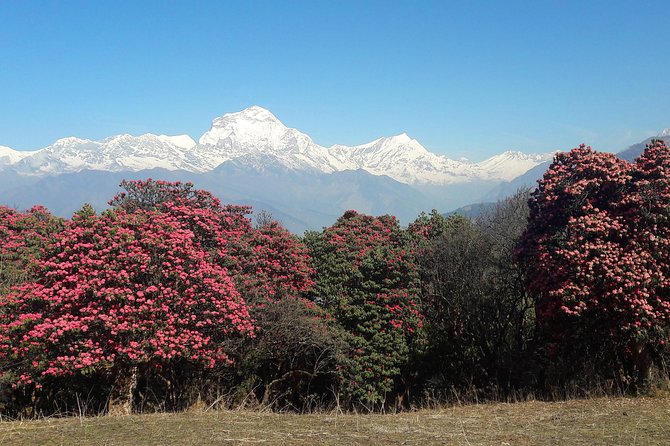
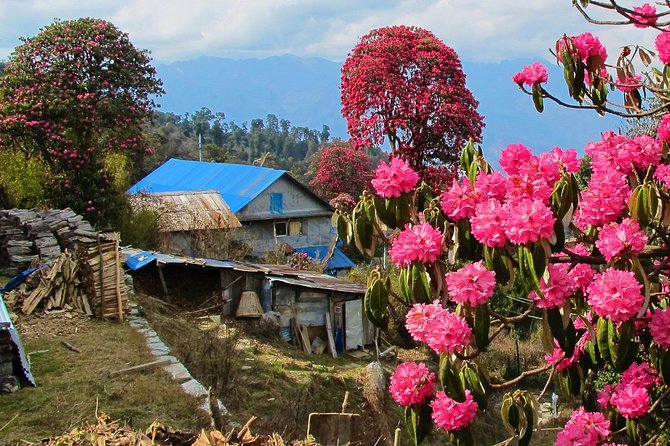
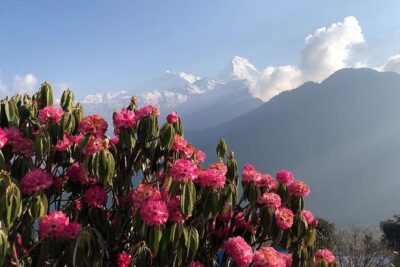
- Rhododendron forests, waterfalls, and bridges around Ghorepani, great if you like variety
- Meals and teahouse accommodation included, which makes budgeting simpler
- English-speaking guide with insurance and a first aid kit, plus a meeting the day before
Why a 4-day Poon Hill trek hits the sweet spot in Nepal
If you’re short on time in Nepal, this style of trekking can feel like the best plan: you get the high-mountain rewards without signing up for a full-on multi-week grind. The entire route is designed around sunrise and day-by-day hiking that stays within a few hours each day, with a “moderately challenging” pace that works well for active people.
I also like the way the trip is structured for confidence. Pickup from Pokhara is included, and the start is clearly planned. Your guide handles the route logistics, and you’re not left to figure out how to connect trails, permits, and tea houses on the fly.
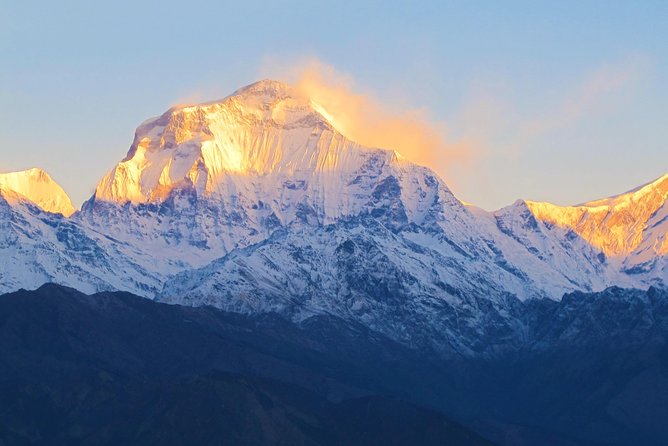
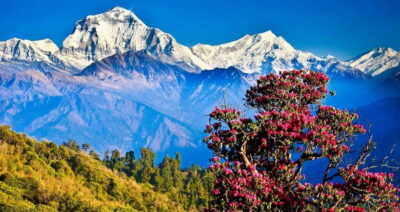
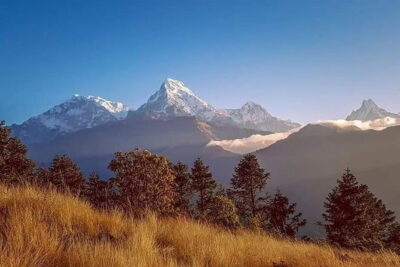
Finally, the view payoff is the main event here. Poon Hill is at 3,210 m, and on the sunrise morning you’ll be looking at the Annapurna range plus Dhaulagiri and Fishtail. That’s a rare amount of mountain variety for a trek that’s only four days long.
More Ghorepani and Poon Hill departures:
- Poon hill Trek 3 days
★ 5.0 · 176 reviews - Pokhara: 4-Day Ghorepani, Poonhill & Ghandruk Mountain Trek
★ 5.0 · 132 reviews - Ghorepani – Poon Hill Trek 3N-4D
★ 5.0 · 125 reviews
The Pokhara start: pickup, Nayapul access, and day-one momentum
The experience begins in Pokhara. You get picked up after your morning meal, then you transfer by taxi to Nayapul, which sits at 1,009 m. The ride takes about an hour. That may sound like a minor detail, but it matters: it reduces the “how do we even start?” stress that can eat into your first day.
From there, you begin trekking toward the first highlight area, Ulleri. Day 1 runs about 6 hours, which is a solid starter day. It’s also a good first test of your hiking legs before you spend a night near Ghorepani and then chase sunrise on Poon Hill.
Tip I’d follow: start this trek looking for rhythm, not speed. Ulleri day-one hiking tends to include uphill effort and lots of stair-like sections, so pacing early helps your energy last through the later sunrise morning.
Ulleri day: your first real taste of the hills
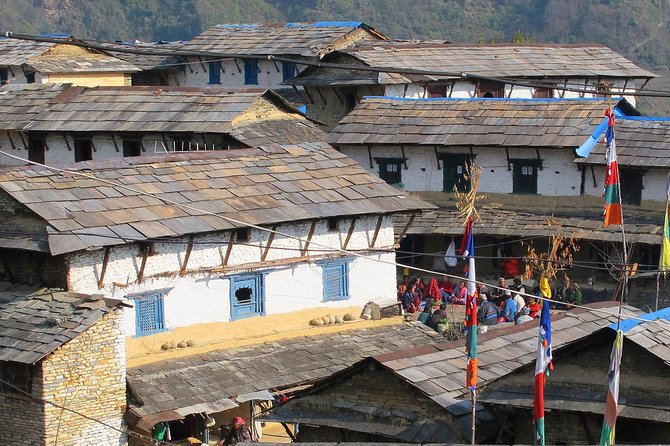
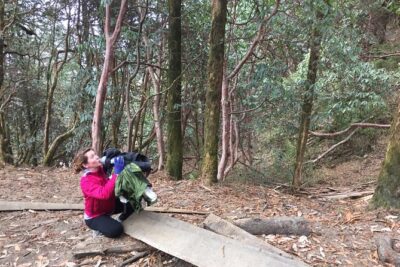
Ulleri is where the trek starts feeling like a proper hike rather than a stroll. You’re moving from the Nayapul access point into higher village trails, and day 1 is long enough to feel rewarding by evening.
What I’d watch for on this day is the mix of uphill effort and altitude adjustment. Even though you’re not yet at the top viewpoints, you still gain elevation steadily, and your body needs time to settle in.
A private guide is useful here. If you’re the type who likes to understand what’s happening on the trail, you’ll get context along the way, including Nepali nature and culture from your guide. If you’d rather just keep moving and save questions for later, you can do that too.
Drawback to consider: day 1 is 6 hours, so if you’re coming in from Pokhara feeling stiff or underpacked for warm layers, you’ll want to address that before you start. The included setup is simple, but your comfort is still on you.
Ghorepani day 2: rhododendron forests, waterfalls, and breaks that feel earned
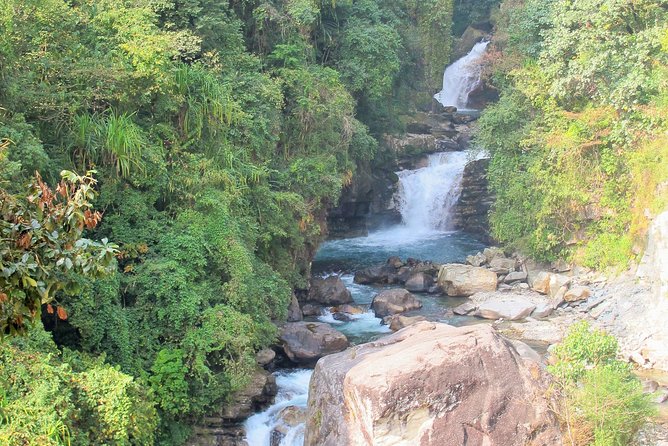
Day 2 runs about 5 hours and is described as more relaxed than the previous day. That’s a welcome rhythm change after the Ulleri climb.
This day is also where you get scenery variety. You’ll hike through rhododendron forests, and you’ll pass waterfalls and quaint bridges. That combination matters. Many treks become “one kind of view, one long hike.” Here, the forest and water features help break up the trek visually and mentally.
Ghorepani is also your base for the big sunrise day ahead. So even if the walking feels friendlier, treat the day as preparation. You’ll want to eat well, rest, and be ready for an early start the next morning.
One more practical point: because the package includes meals, you can plan your energy without constantly thinking about where food will come from. Still, beverages are not included, so bring a plan for water and your personal drink preferences.
More to compare around Pokhara
- ZipFlyer Nepal – The World’s Steepest Zip-line
★ 5.0 · 608 reviews - Bungee Pokhara by HighGround Adventures
★ 5.0 · 366 reviews - From Pokhara: Sarangkot Sunrise Himalayas Tour
★ 4.7 · 218 reviews - ATV Adventure Tour in Pokhara, Nepal
★ 5.0 · 194 reviews
Poon Hill sunrise at 3,210 m: the early wake-up that makes the whole trek work
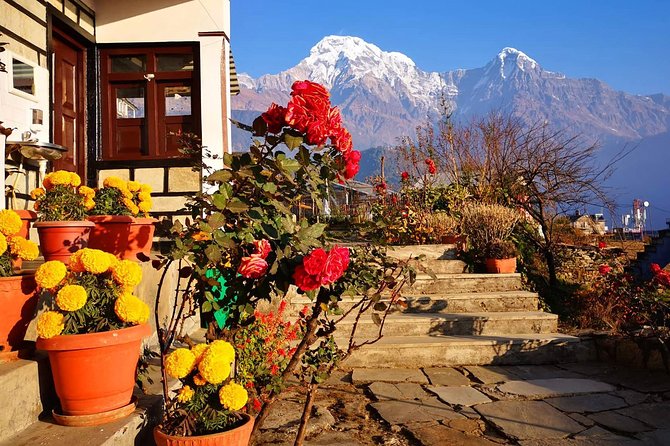
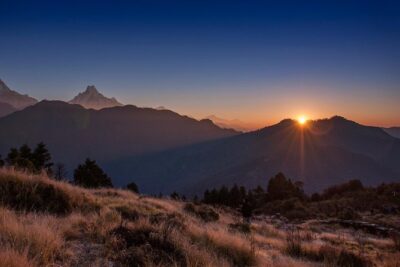
This is the headline. Day 3 focuses on an early outing to witness sunrise from Poon Hill at 3,210 m. The timing is what you’re paying for, because sunrise viewing is a specific window and it’s why these treks are scheduled this way.
From Poon Hill, you’ll see the Annapurna range, plus Dhaulagiri and Fishtail. Those names are not just trivia. They signal that on a clear morning you can get layered mountain views rather than one single peak.
How I’d think about this day: treat it like an event. You’re up early, you’re outside in cool air, and you’re watching the sky change. That’s why teahouse stays and included meals are helpful. When you finish sunrise viewing, you’ll still want a steady breakfast plan, and then the rest of the day can feel smoother.
Day 3 is about 8 hours, which is long compared with day 2. Some of that time is the early start and the slow-moving viewing moments. If you’re the kind of person who hates waiting around, you might want to bring a flexible mindset. It’s worth it, but it’s not a sprint.
Finishing near Pokhara: early light over Annapurna South and Hiunchuli
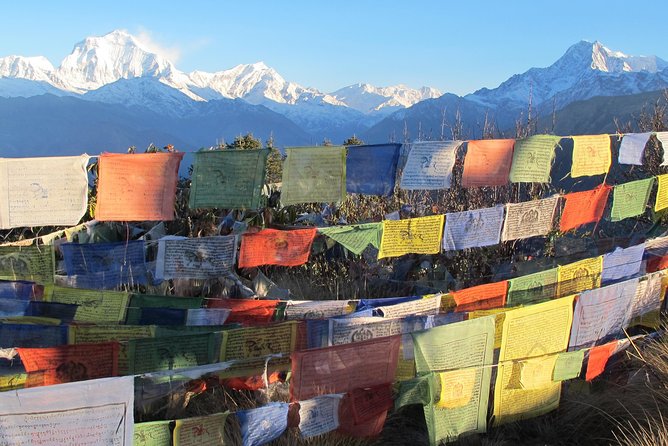
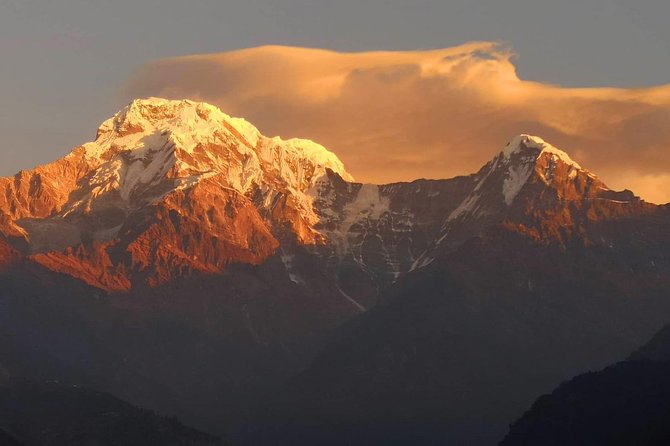
Day 4 wraps things up with another early sunrise moment, this time with backdrop views of Annapurna South (7,219 m) and Hiunchuli (6,441 m). The view is described from your lodge terrace, which is a nice way to end without an extra summit-style scramble.
Day 4 is about 5 hours. That shorter timing compared with day 3 helps you transition from trek energy back into normal travel mode.
What I like about finishing this way is that it feels calm. You’ve done the big sunrise at Poon Hill, and now you get one last early-morning payoff without the same intensity. It’s a good ending if you want your final day to feel like closure rather than another test.
Practical note: your final hike connects you back toward Pokhara, and accommodation in Pokhara is not included. So you’ll want to confirm where you’ll stay in Pokhara after the trek, and have your plan for a comfortable night in a proper bed.
Guides and value: why private matters on a short trek
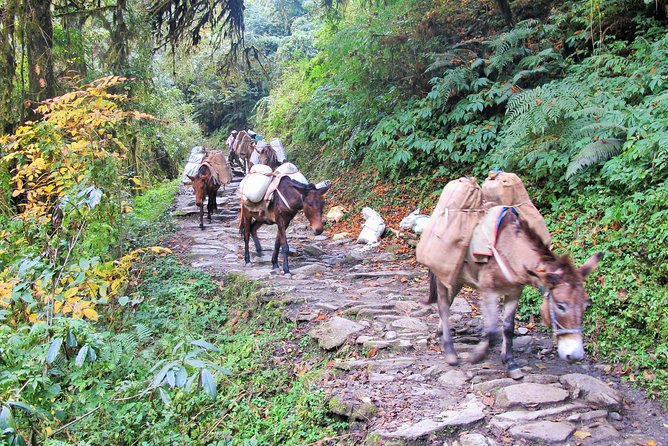
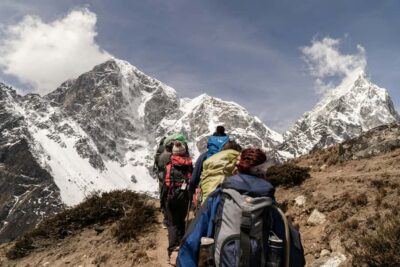
This is a private tour, meaning it’s only your group. That changes the feel of a trek, even when the route is famous. You can move at your own pace, stop for photos without a herd to manage, and ask questions without feeling like you’re slowing everyone down.
The guide is described as professional and English-speaking, and the package includes the guide’s insurances and expenses. There’s also a first aid kit included. Those details are easy to overlook until something feels off on the trail. The point isn’t that the trek will be difficult. The point is that you’re not on your own.
One detail I paid attention to from guide feedback is that the operator has multiple guides who are repeatedly praised for being flexible and supportive. Names that come up include Raj Kumar, Roman, Kumar, Sarot, and Saroj. The consistent theme is adapting to what feels right for a group, whether it’s first-time hikers or people adjusting plans.
That matters on a four-day itinerary. A short trek has less “buffer time,” so having a guide who can handle real-life needs is a genuine value.
Price and what you actually get for $359
At $359 per person, the value story here is about what’s included, not just the base cost.
Included items that matter on a trek like this:
- Permits and TIMS cards
- A pre-trekking meeting with your guide day before
- English-speaking guide with insurances and expenses
- Meals (breakfast, lunch, and dinners across the days listed)
- Teahouse accommodation (not Pokhara hotel nights)
- First aid kit
Also included are trekking service options. The trip notes choices like Essential, Comfort, Full Service, or Premium. I’d treat these as a real decision point. Comfort can be worth it if you’re sensitive to basic bedding, if you want smoother coordination, or if you’d rather spend less time thinking about what’s missing.
What’s not included helps you plan:
- Beverages during the trekking
- Accommodation in Pokhara
- Personal expenses like snacks, WIFI, battery charging, laundry
- Tips for your guide and porter (the listing explicitly calls out both)
- Travel and rescue insurance for you
So the real math is this: you’re paying to reduce uncertainty. You’re not just buying walking time. You’re buying a managed route, required documents, meals, and lodging along the way.
Service options and what to check before you commit
Because the package mentions multiple service levels, don’t just compare price. Compare what changes between Essential, Comfort, Full Service, and Premium. The listing also notes that check what’s excluded in each service option.
Also pay attention to lodge basics. The notes say lodges do not provide towels and toiletries. That’s common in trekking, but it’s still a big comfort issue if you arrive thinking toiletries are included. Pack accordingly.
If you’re picky about sleeping, decide how important it is to you to upgrade service level for better convenience. A four-day trek means you’ll spend fewer nights than longer itineraries, so choosing the right comfort tier can still make a meaningful difference.
What to pack and how to pace yourself on this moderately challenging trek
The trek is labeled moderately challenging and best for active travelers, so you should pack like you’ll be outside most of the day.
Here are the practical things I’d plan for, based on what’s stated and what usually matters on early-morning Himalayan trekking:
- Warm layers for early sunrise starts (you’ll be at high points and outside before the sun warms up)
- A rain plan for sudden showers, since waterfalls and forest trails mean you’re in terrain where weather can change fast
- Small basics you know you need, since towels and toiletries are not provided by lodges
- A personal snack plan, because beverages and personal extras are not included
- Cash for personal expenses like snacks, WIFI, or battery charging
Pacing-wise, day 3 is the longest at about 8 hours. Day 1 is 6 hours. That means you should keep day 2 calmer and treat it as a recovery day, even if you want to explore.
One more pacing trick: take breaks before you feel exhausted. A private guide helps here because you can ask to pause for a breath, not just when your legs are done.
Who this trek suits best, and who should choose a different plan
This works best if you:
- Have a tight schedule but still want Himalayan views and a classic sunrise moment
- Prefer a private guide so you can go at your own pace
- Are comfortable with uphill hiking for multiple days
- Like learning about Nepali nature and culture rather than treating the trek as only a photo stop
You might think twice if you:
- Want mostly flat hiking
- Are looking for fully guided comfort with every convenience included (some basics are not included, like beverages and personal toiletries)
- Have very low hiking tolerance, since even day 2 is still a real trekking day
Also, the trek is set up for safety. You get a guide to reduce the risk of getting lost. That can be a big deal for first-time trekkers.
Should you book this 4-day private Poon Hill trek?
I’d book it if you want a short, managed trek that focuses on the best part of the Annapurna region, sunrise views from Poon Hill, and village-trail hiking through Ulleri and the Ghorepani area with the route described as going via Ghandruk.
I would not book it if you’re expecting a relaxed walk with zero uphill effort. Day 1 and day 3 are long enough that you’ll feel the trek, especially if you’re not used to mountain stairs.
If you do book, choose the service level that matches your comfort needs. With lodging and meals included, the main “unknowns” become your personal comfort items, beverages, and your own energy management. Sort those out, and this becomes a very efficient way to experience the mountains without stealing half your vacation.
FAQ
How long is the Poon Hill trekking tour?
It’s scheduled for 4 days.
Where does the trek start?
Pickup starts in Pokhara after your morning meal. You then take a taxi to Nayapul before beginning the hike.
What time does the trek start each day?
The meeting/start time is listed as 8:00 am.
Is this tour private or shared?
It’s a private tour/activity, and only your group participates.
What is included in the price?
The package includes a professional English-speaking guide, permits (including TIMS cards), a first aid kit, a pre-trekking meeting with your guide, and meals. Teahouse accommodation is included, while accommodation in Pokhara is not.
Are meals and drinks included?
Meals are included (breakfast, lunch, and dinners as listed). Beverages during the trekking are not included.
Do lodges provide towels and toiletries?
No. The notes say lodges do not provide towels and toiletries.
What fitness level do I need?
The tour is suggested for travelers with moderate physical fitness.
What is the cancellation policy?
Free cancellation is offered if you cancel up to 24 hours in advance of the experience start time. If you cancel less than 24 hours before, the amount paid is not refunded.
Latest Pokhara write-ups
- Sunrise View from Sarangkot★ 5.0 · 3 reviews
- Beautiful Sarankot Sunrise with Full Day Sightseeing in Pokhara★ 4.5 · 3 reviews
- Sarangkot Sunrise Tour in Private Car★ 5.0 · 3 reviews
- Pumdikot Mahadev Status and Peace Stupa Hiking Private Tour★ 4.5 · 3 reviews
- Pokhara: Dhampus Easy Trek for Families with YoungKids 2 Day Tour★ 5.0 · 3 reviews
- Pokhara: Private Car Drive Tour to World Peace Stupa★ 5.0 · 3 reviews
- 5-Day Private Farming Experience in Nayapul with Accommodation★ 5.0 · 3 reviews
- Transfer to Lower Mustang (Jomsom)★ 5.0 · 3 reviews
Poon Hill Trek, compared.
4-Day Ghorepani, Poonhill & Ghandruk Mountain Trek
Read our review →
Browse the lists this tour appears in