
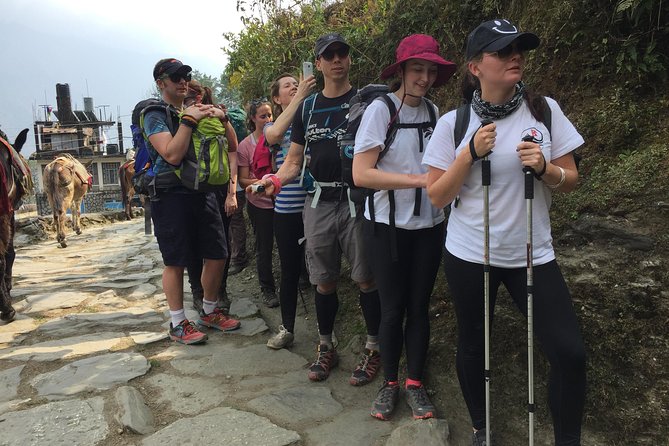
Reviewed · 5-DAY EXPERIENCES
5 Days Annapurna Mountain View Trekking from Pokhara, Nepal
This trek is interesting because it gives you a real taste of the Annapurna range in just five days, with big views and culture stops built in. I like the Poon Hill sunrise focus, especially the early push to the 10,532-foot (3,210-meter) viewpoint. I also like the private hotel-to-trail transfers, so you start hiking without a day of bus hopping.
One thing to consider: the route includes long hike days on the first and last days, so it is not the kind of trip where you sleep in and stroll. If you plan your pacing, take breaks, and pack smart, it can still feel very doable.
Quick reasons this 5-day Annapurna trek works so well
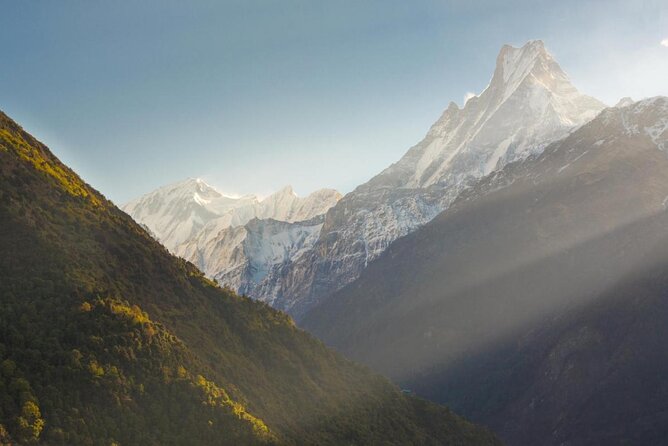
- Poon Hill at 3,210 meters with a dawn view schedule built in
- Rhododendron forests on the way to Ghorepani
- Private guided pacing, so your group sets the rhythm
- Ghandruk and the Gurung cultural museum for a meaningful culture day
- Private round-trip transfers from your Pokhara hotel to Nayapul
- Guesthouse nights included (meals are not, so you stay flexible)
Why this five-day Annapurna foothills route feels efficient
If you have only a short window in Nepal, you still want more than a short photo stop. This itinerary is built around the Annapurna foothills idea: day hikes that stack into one satisfying trek without turning into a marathon.
You get two “signature days” that many people come for. First, there is the early-morning climb to Poon Hill for sunrise over the Annapurna massif. Second, there is the cultural payoff in Ghandruk, the well-known Gurung village, where you can slow down and actually spend time with people and their stories.
Another big value point is that the trek is private for your group and guided throughout. A guide matters here because the schedule includes steep, timed moments, like the 4am start for the sunrise, and the guide can help you manage energy, watch footing, and keep the day’s flow from getting stressful.
More to compare around Pokhara
- ZipFlyer Nepal – The World’s Steepest Zip-line
★ 5.0 · 608 reviews - Bungee Pokhara by HighGround Adventures
★ 5.0 · 366 reviews - From Pokhara: Sarangkot Sunrise Himalayas Tour
★ 4.7 · 218 reviews
Day 1: Nayapul to Ulleri, a proper on-ramp to mountain hiking
Your day begins with pickup from your Pokhara hotel area around 8:00 am. Then you ride in a private car to Nayapul, about 1.5 hours away. That transfer is not glamorous, but it is the kind of logistics that makes a short trek work. You arrive ready to move, not still figuring out transport.
After that, the hike starts with an ascent to Ulleri, roughly a five-hour climb. This is where your “warm up” strategy matters. You are going up through foothills terrain, and if you sprint early, you will pay for it later. Instead, I recommend hiking at a steady effort you can maintain for the full climb, then letting your breathing settle when you stop.
Overnight is in a typical guesthouse in Ulleri. Guesthouses on this route are simple but practical. You will likely trade the day’s climb for a hot drink, a shower if you get lucky with water, and a chance to rest your legs for the next forest day.
Practical note: because Day 1 is a longer uphill, it is worth planning an easy morning before pickup, and not eating anything heavy right before you start trekking.
Day 2: Ulleri to Ghorepani through rhododendron forests
Day 2 starts at 8:00 am and pushes you toward Ghorepani in about six hours. The standout feature here is the rhododendron forest hiking. In many seasons, that means thick trail shade and a tunnel-like feel at points, which can make the climb more pleasant than exposed sun corridors.
You are moving toward the viewpoint region where the Annapurna views become more frequent. Ghorepani is also the base zone for the sunrise plan on Day 3, so you are setting yourself up for an early start without wasting time.
Tonight’s stay is another guesthouse night. This is also a good moment to check your gear. If you are carrying a headlamp, charge it or replace the batteries. If you are using trekking poles, make sure the straps fit well. Small comfort fixes now matter a lot at 4am.
Day 3: 4am to Poon Hill for sunrise, then down to Tadapani
This is the day you will remember, even if the rest of the trek is great. The plan is a 4:00 am start to Poon Hill. From Ghorepani, it is about a 45-minute walk to reach the viewpoint.
The altitude for Poon Hill is 10,532 feet (3,210 meters), and sunrise at that elevation is the whole point. The route here is short in distance but very time-sensitive. You get that rare experience of being up before the trail gets crowded, with the sky doing its slow change overhead.
Once sunrise is done, you descend back to Ghorepani and continue trekking to Tadapani, about five hours. This part is more about rhythm than spectacle. Your legs will feel the altitude-adaptation and the early schedule, so keep your steps controlled on the way down.
Overnight in Tadapani brings you back into the “teahouse trek” rhythm. You will be settling into another guesthouse night, eating when you want, and letting the day cool down slowly.
From a value perspective, this day is a strong trade. You invest in the early start, then you get a big payoff with the main view moment, plus a full hiking day afterward so you do not feel like you only did one thing.
A different sort of day out of Pokhara:
- ATV Adventure Tour in Pokhara, Nepal
★ 5.0 · 194 reviews - Full-Day Tibetan Cultural Tour to Tibetan Settlements Pokhara
★ 5.0 · 184 reviews - Pokhara: Full-Day Sharing Bus Tour on 7 Iconic Destination
★ 4.1 · 179 reviews - Poon hill Trek 3 days
★ 5.0 · 176 reviews
Day 4: Morning views and the Ghandruk culture day
Day 4 gives you a gentler change of pace compared with the sunrise day. In the morning, you enjoy views from your current location, then trek down to Ghandruk in about four hours.
Ghandruk is where the trip becomes more than scenery. It is a famous Gurung village, and you are not just passing through. You explore the village, interact with locals, and visit the Gurung cultural museum. That museum stop is the kind of detail that can turn a trek into something you remember beyond photographs, because it helps you understand how the community fits into the Himalaya.
This day is also a useful balance point if the earlier days felt intense. After two days of steady movement and the 4am wake-up, spending time in a village area lets your body recover while your mind stays engaged.
Overnight in Ghandruk is another guesthouse stay. Expect the village to feel more settled than the trail zones, and plan to slow down your dinner pace. You will likely be tired, but it is a good kind of tired.
Day 5: Tadapani to Nayapul and back to Pokhara
On the final day, you continue down to Nayapul in about five hours. This is not the easiest ending, because the trek is still a full day on your feet. If you are thinking about your overall comfort, this is where good foot habits matter most. Use the same pacing rules as Day 1, avoid rushing down steep sections, and keep an eye on how your feet feel.
Once you reach Nayapul, you get a drive back to Pokhara and drop off at your hotel. This is a relief after the last hiking hours, and it is one of the biggest practical reasons to choose a guided package like this. You are not worrying about transport or timing.
The trip end is simple and clean: hike finish, car ride, hotel drop. For a five-day itinerary, that matters. You want your last day to feel like you completed something, not like the trip is still sorting itself out.
What the private guide actually improves
A private guided trek can sound like a “nice-to-have,” but on this route it changes how the days feel. Because you have a set 4am plan and multiple multi-hour hikes, your pacing and decision-making matter.
Here is what you gain with a professional trekking guide:
- You get help managing the schedule, so the sunrise push stays realistic.
- You have a person to keep the trek informative, with lots of relevant context as you walk.
- You can hike at a pace that suits your group, instead of feeling rushed or stuck behind slower hikers.
Guides also help with “soft logistics,” like where to pause, when to push, and how to handle typical trail conditions. Even if the trek seems straightforward on paper, foothill trails can surprise you with slippery spots or steep steps. A guide reduces the guesswork.
Price and value: is $380 per person fair for this trek?
At $380 per person for about five days, this is positioned as a midrange package for a private guided trek with permits and transfers included. The real question is what you are getting for that money.
What is included:
- Guesthouse accommodation as per the itinerary (four nights)
- National Conservation Park fees, including TIMS and permits
- A professional guide
- Hotel pickup and drop-off in Pokhara
- Private round-trip transfers
- Transport by private vehicle
- All taxes, fees, and handling charges
What is not included:
- Food and drinks (you buy as you go)
- Rescue cost in an emergency
For many short treks, the hidden costs are permits, transport, and guide time. Here, those are bundled. Since this is also private, you are not sharing a guide with random people. You do still need to budget for meals, but that is often a plus if you have preferences or dietary needs.
If you value time, and you want a smooth start and finish from your Pokhara hotel, this package pricing can feel like good value.
Guesthouses and meals: plan your budget and your comfort
You are sleeping in typical guesthouses for four nights. That usually means basic rooms and shared common areas. The trade-off for this kind of trek is simple: you get access to the trails without paying luxury prices, and you spend money where it matters, like good trekking socks, water, and snacks.
Food is available for purchase, but it is not included. This means you control your spending and can choose what you feel like eating on each day. In practice, you should expect that breakfasts often happen early on the sunrise day and dinners can be simple but filling.
My practical advice is to plan snacks and hydration so you are not relying only on what you find at tea houses between meal stops. On long hike days like Ulleri and Day 5, a little extra buffer keeps you comfortable.
Timing and effort: moderate fitness, but respect the climbs
The trek is listed for travelers with moderate physical fitness. That is sensible. You are not doing a long high-altitude endurance grind, but you are doing multiple days of hiking with multi-hour climbs and descents.
The schedule is built from these hiking blocks:
- Ulleri hike: about five hours on Day 1
- Rhododendron forest to Ghorepani: about six hours on Day 2
- Sunrise hike and then trekking to Tadapani: short uphill at dawn plus about five hours later on Day 3
- Down to Ghandruk: about four hours on Day 4
- Down to Nayapul: about five hours on Day 5
The early morning start on Day 3 is the big body challenge. It is short in distance, but it can mess with sleep and appetite. If you tend to get sluggish at dawn, plan to go to bed with enough time to rest. The second challenge is the first and last day, which are often the longest feeling days. If you keep a steady pace and take breaks that match your energy, it becomes manageable.
Culture in Ghandruk: a day that adds meaning
It is easy for mountain treks to turn into a loop of walking, eating, and sleeping. Ghandruk breaks that rhythm.
You explore the village and interact with locals, then you visit the Gurung cultural museum. That combination is what makes the day feel worth it beyond the views. Even if you are not a museum person, the idea is to connect the trek to the people who live alongside these trails and mountains.
This is also a good day for slowing down. You will likely feel the earlier hikes. The village setting lets you recover without feeling like you are wasting the day.
Who this trek suits best
This is a great fit if:
- You want Annapurna foothills views without a super long multi-week trek
- You care about a sunrise viewpoint and want it built into the plan, not improvised
- You like having guided help for permits, pacing, and trip flow
- You want at least one day with a clear culture focus in Ghandruk
It may be less ideal if:
- You hate early mornings, because Day 3 starts around 4:00 am
- You want a trek with only short walks, because Day 1 and Day 5 are both about five hours
Should you book the 5 Days Annapurna Mountain View Trek from Pokhara?
I would book this trek if you want a short, structured Annapurna experience with less hassle and more time on the trail. The private guide, hotel-to-trail transfers, and included permits make it easier to enjoy the hike instead of managing the moving parts.
I would also book it if Poon Hill sunrise is on your mental checklist. The whole itinerary is organized around that moment, plus you get rhododendron forest walking and a real culture day in Ghandruk.
If you are very sensitive to long hiking days, go in with the right expectations and pace yourself from the first climb. Done smartly, this is one of those treks that delivers real Nepal mountain time without asking you to spend half a month on the trail.
FAQ
How long is the trek?
It is about five days.
Where does the trip start?
It starts in Pokhara. Pickup is from your hotel area at 8:00 am.
What is the highest viewpoint on the route?
Poon Hill at 10,532 feet (3,210 meters).
Is this a private trek or shared group?
It is private. Only your group participates.
What does the price include?
Guesthouse accommodation for four nights, permits (TIMS and national conservation park fees), a professional guide, hotel pickup and drop-off, and private round-trip transfers and private vehicle transport. Taxes and handling charges are included too.
Are meals included?
No. Food and drinks are available for purchase, but they are not included in the price.
How are permits handled?
The guide takes care of permits as part of the included services.
What is the typical daily hiking schedule like?
You hike for several hours each day. For example, Ulleri is about five hours, Ghorepani is about six hours, and Day 5 to Nayapul is about five hours, with the sunrise day including a short pre-dawn walk to Poon Hill.
What kind of fitness level do I need?
The trip is for travelers with moderate physical fitness.
Do I need a passport for booking?
Yes. Passport name, number, expiry, and country are required at booking for all participants, and a passport-size digital photo is required prior to the trip.
Latest Pokhara write-ups
- Sunrise View from Sarangkot★ 5.0 · 3 reviews
- Beautiful Sarankot Sunrise with Full Day Sightseeing in Pokhara★ 4.5 · 3 reviews
- Sarangkot Sunrise Tour in Private Car★ 5.0 · 3 reviews
- Pumdikot Mahadev Status and Peace Stupa Hiking Private Tour★ 4.5 · 3 reviews
- Pokhara: Dhampus Easy Trek for Families with YoungKids 2 Day Tour★ 5.0 · 3 reviews
- Pokhara: Private Car Drive Tour to World Peace Stupa★ 5.0 · 3 reviews
- 5-Day Private Farming Experience in Nayapul with Accommodation★ 5.0 · 3 reviews
- Transfer to Lower Mustang (Jomsom)★ 5.0 · 3 reviews
5-Day Experiences, compared.
5 Day Annapurna Base Camp Trek & Natural Hot Spring
Read our review →
5 Day Private Guided Trekking in Annapurna Base Camp
Read our review →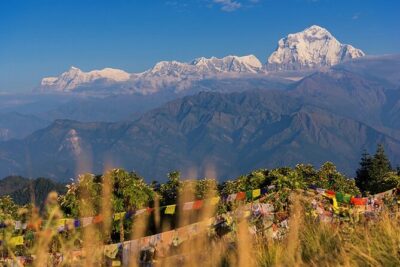
The Best of Nepal : 5-Day Trek to Ghorepani Poon Hill & Ghandruk
Read our review →
UNESCO World Heritage Sightseeing Tour in Kathmandu – 5 Days
Read our review →Browse the lists this tour appears in