
Reviewed · ANNAPURNA BASE CAMP TREK
7 Days Annapurna Base Camp Trek from Pokhara
Annapurna Base Camp is interesting because it is not just about the final view. Over 7 days, you walk through working villages, forested trails, and high-mountain terrain, then you get to see the Annapurna area up close at around 4130 to 4310 meters. I really like the English-speaking trekking guide focus and the way the plan includes guest house accommodation, so you can spend your energy on the walk, not on logistics.
The main drawback to consider is the fitness and altitude demand. This is listed for travelers with strong physical fitness, and you should expect long hiking days and real effects from getting higher.
Quick highlights
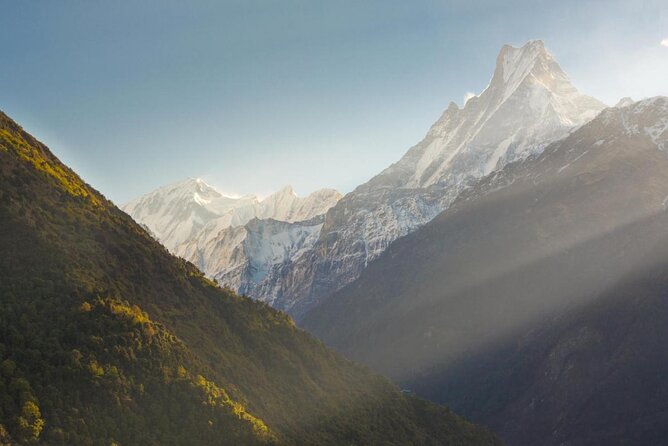
- A route built around real village life through Gurung countryside, with classic trekking rhythm and tea-stop pacing
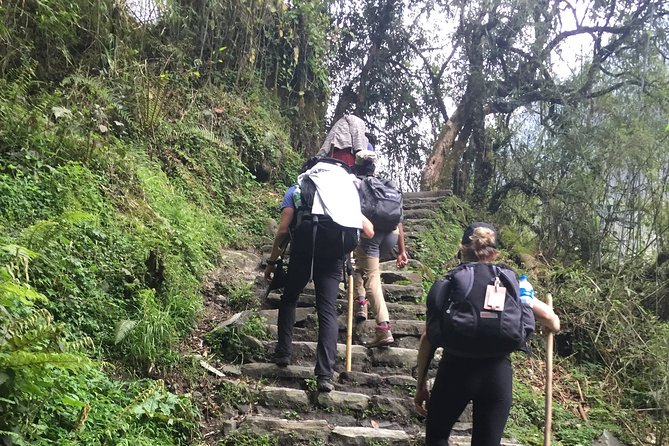
- Forest trails and a suspension bridge crossing that add variety beyond just stone steps
- Permits handled up front with trekking permit and TIMS card included
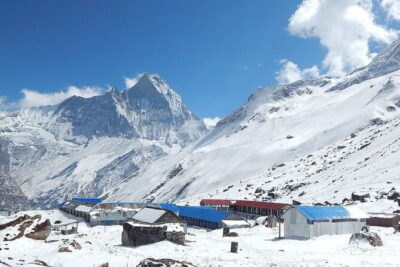
- Machhapuchhre Base Camp included before reaching Annapurna Base Camp, for a rewarding staging day
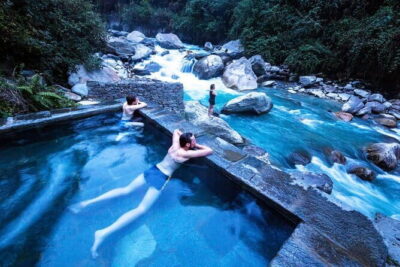
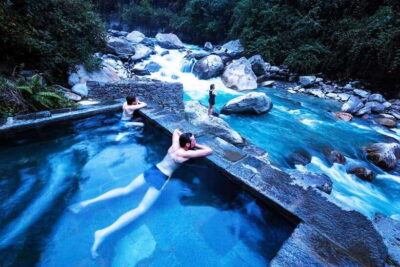
- Hot springs on the way back to loosen up after the highest effort days
Price and Logistics, What $287.92 Covers
At $287.92 per person, this trek can feel like good value if you compare it to what you’d pay on your own for guide time, permits, and the in-country moving parts. The big items that matter for comfort and simplicity are included: hotel pickup and drop off, a round-trip private car transfer tied to the start and finish, and the essentials for trekking paperwork (trekking permit and TIMS card).
You also get an English-speaking trekking guide and guest house accommodation for the trek nights. That is not a small deal in Nepal. Guest houses are the norm on ABC routes, but having someone organized for your group reduces the usual uncertainty, especially on busier weeks.
What is not included is the stuff that can quietly add up on a trekking budget: all meals and personal expenses. The tour also lists rescue costs in an emergency as not included, so you should plan on travel insurance. There is an optional gratitude expectation, so it helps to keep some cash set aside for your guide and support team.
More routes into the Annapurna Sanctuary:
- Kathmandu/Pokhara: 5-Day Annapurna Base Camp (ABC) Trek
★ 4.9 · 72 reviews - Annapurna Base Camp Trek -8 days
★ 5.0 · 56 reviews - Private 7 – Day Annapurna Base Camp Trekking
★ 5.0 · 50 reviews
Pokhara to Nayapul to Ghandruk: The Trek Starts Like a Real Journey
Your trek begins with a drive from Pokhara to Nayapul, about 1 hour 30 minutes. I like starting this way. It cuts the “get ready, get moving” stress and gets you outdoors while you still have plenty of energy.
From Nayapul, you trek to Ghandruk for about 6 hours. This is where the Annapurna story starts to feel cultural, not just scenic. The route passes through countryside communities, including Gurung villages, and you get a sense of how trekking fits into daily life there. If you enjoy meeting people, asking questions, and watching how meals get made and tea gets poured, Ghandruk tends to deliver that early.
A practical note: 6 hours on Day 1 is long, but it is also a controlled introduction. You are not thrown straight into the steepest altitudes yet. Still, pace yourself. Take short breaks. Drink water even when you do not feel thirsty. If you treat Day 1 like a warm-up hike, the rest of the week feels easier.
Possible drawback to plan for: Day 1 is still a full hiking day. If you arrive in Pokhara already tired, consider resting the afternoon before your start so you do not pay for it in the first climb.
Chhomrong Day: Your Body Learns the Rhythm
On Day 2, you trek to Chhomrong for about 6 hours. This is the part of the trek where your body starts to learn the routine: uphill effort, downhill recovery, and repeat. You will likely notice how often the trail alternates between steady climbs and brief descents.
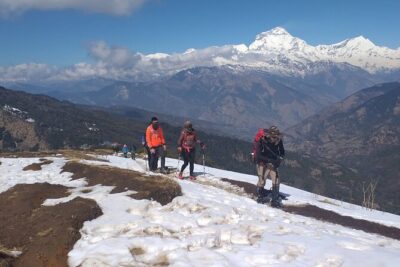
Chhomrong is a key spot because it acts like a mid-trek reset point. From here, the air feels a little thinner than at lower villages, and the views tend to sharpen when the weather cooperates. I also like that this day keeps things varied. You are not just walking in one boring line. The trail works its way through the mountain settlements and wooded sections, and you get those classic trekking moments where the scenery changes every time you crest a ridge.
What to watch: if you rush uphill in the morning to get it over with, the afternoon can punish you. Build in a slow, steady pace. Your goal is arriving with enough energy to enjoy the stop, not just survive the hours.
Into the Annapurna Sanctuary Area: Forest, Altitude, and Mood Shifts
Day 3 takes you to the Annapurna Sanctuary area, trekking about 7 hours to reach the Himalaya stop. This is one of those days where the experience changes. At first, it is the trail and the effort. Later, it is the feeling of being surrounded by mountain terrain, while the air gets drier and lighter.
This part of the trek is also where the route description matters: forests and a suspension bridge are part of what you should expect on the broader ABC journey. Those details help break up the hike visually and mentally. A suspension bridge crossing is not just a novelty. It changes the pacing, pulls your attention to the moment, and gives you a chance to reset your breathing.
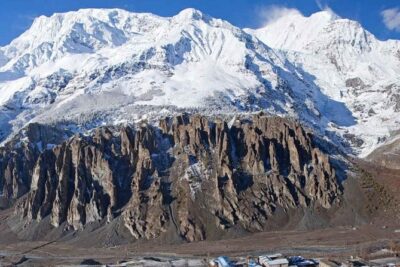
The Annapurna Sanctuary area tends to bring more dramatic mountain presence. When you start seeing the terrain open up, you understand why people put this trek on their Nepal list. It is not a single photo moment. It is a slow buildup.
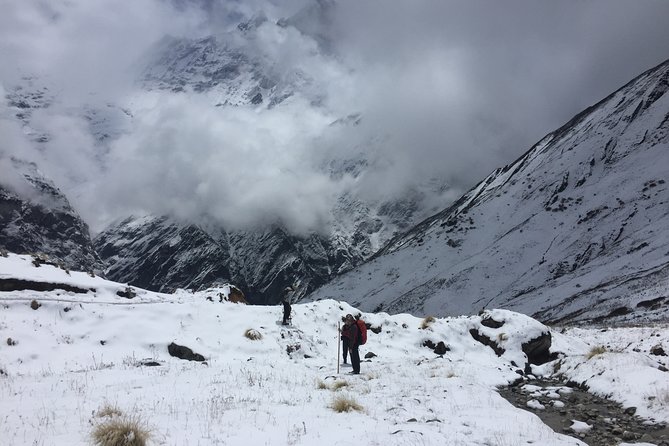
One consideration: a 7-hour day at higher elevation can feel longer than it sounds. Keep your pack light and your layers sensible. The weather can shift quickly at altitude, and it is easier to manage when you are not sweating heavily for long stretches.
More to compare around Pokhara
- ZipFlyer Nepal – The World’s Steepest Zip-line
★ 5.0 · 608 reviews - Bungee Pokhara by HighGround Adventures
★ 5.0 · 366 reviews - From Pokhara: Sarangkot Sunrise Himalayas Tour
★ 4.7 · 218 reviews - ATV Adventure Tour in Pokhara, Nepal
★ 5.0 · 194 reviews
Machhapuchhre Base Camp Then Annapurna Base Camp: The Best Kind of Hard
Day 4 is the big one, and it is designed in two phases. First, you trek to Machhapuchhre Base Camp, then you head onward to Annapurna Base Camp. The day is described as 5 hours plus another 2 hours to reach the base camp area.
I like this structure because it gives you a meaningful “almost there” feeling before the final arrival. Reaching Machhapuchhre Base Camp is often about perspective. You get a stronger sense of the mountain angles and why the Annapurna region feels so intense. Then, the final push to Annapurna Base Camp feels like a culmination, not a random stop.
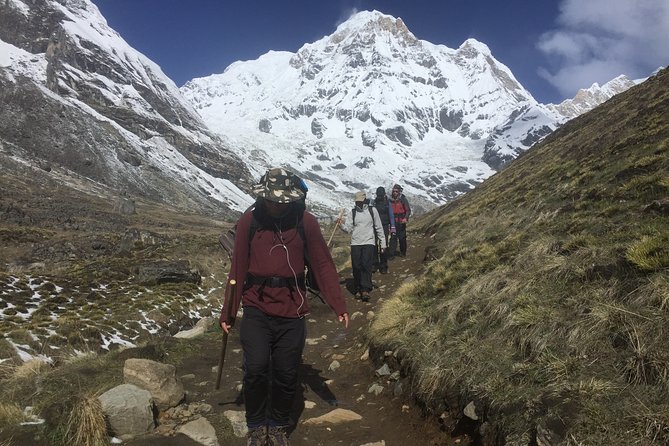
From a practical point of view, this is where your trekking days and your altitude strategy meet. If you have been pacing well, you will have the breathing space to enjoy the summit-like feeling at base camp. If you have been rushing, you might still arrive, but you may not experience it the way you wanted.
Also, base camp altitudes are commonly described around 4130 to 4310 meters in trek feedback. That range makes a point. Altitude and weather can vary, so treat your body like the final measuring tool. Slow down as you feel winded. Let the day be hard, but not panicked.
Down to Bamboo, Hot Springs, and Back to Ghandruk: Recover Without Wasting Time
Day 5 brings a descent to Bamboo for about 6 hours. Day 5 is often the day people either handle well or regret. Descents can feel easier than climbs, but they can be tough on knees and shins. Keep your steps controlled. Take shorter strides. Use trekking poles if you have them.
Day 6 includes a trek to hot springs, followed by about 4 hours of hiking to reach Ghandruk again. This is one of those practical comforts that makes the whole trek feel more human. Hot springs on a mountain schedule help you reset your legs. Even if you do not want to stay in the water long, just knowing you have that relief planned can change how you think about the next day.
I also like that the route works you back through known areas. That familiarity helps when the trail starts to feel repetitive in the best way. You are tired, but you are not completely lost in new terrain every single day.
Final Day to Phedi and the Return to Pokhara Lakeside
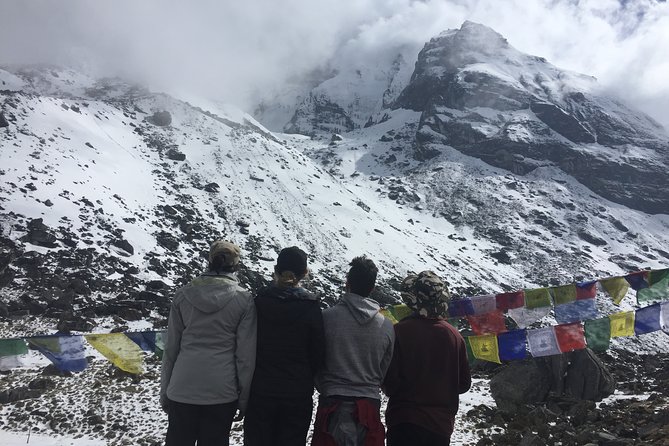
Day 7 is a trek down to Phedi for about 4 hours, then a short drive of about 45 minutes back to Pokhara, with transfer to your hotel.
This last day is a gift to your body. You get to finish the week with less climbing pressure than the high points earlier. It is also a good day to reflect on what matters to you from the trek. Was it the daily progress? The mountain views? The village interactions? The guide support?
If you have to plan one indulgence after the trek, do it here. Eat something simple and warm when you get back. Hydrate well. And if you can, plan a relaxed evening near Pokhara lakeside. You earned the easy night.
What the Included Guide and Guest House Setup Means for You
This trek includes a private trip setup, meaning it is just your group. That matters more than people expect. In a private setup, you get smoother pacing and less crowd-pressure, especially on narrow trails and in guest house dining areas.
The guide is also a core value point. The tour is described with an English-speaking trekking guide, and trek feedback often highlights strong, attentive support. Names that came up in that feedback include Mr. Saroj as an owner figure, and Mr. Krishna as a guide. In one case, team support names like DB and Prem were also mentioned with a sense of energy and care.
What I take from that, without overpromising specifics, is that you should expect more than just directions. On ABC routes, a good guide helps you pace for altitude, manage timing, and keep decisions practical when weather or trail conditions shift. That is what makes the week feel controlled instead of chaotic.
Guest houses are included, which is key for comfort and time. You will still need to budget for meals separately, but knowing you have a place to rest and access to an orderly routine helps with sleep and recovery.
Fitness and Altitude: How to Prepare So You Enjoy Base Camp
The trek listing asks for travelers with strong physical fitness. That is the right warning. ABC is not a gentle walk in the park. It is a serious multi-day hike where your stamina, breathing control, and mental patience matter.
Here is what helps most, based on the structure of the days you’ll hike:
- Plan for long hiking hours like 6 to 7 hours on multiple days
- Expect real altitude exposure by the time you reach the sanctuary and base camp area
- Use a steady pace strategy. Faster is not automatically better at altitude
- Keep your layers flexible for changing mountain weather
If you are deciding between starting this trek now or later, be honest about your recent hiking habits. If your “regular fitness” is more desk time than steep trails, you might want a shorter trek or additional acclimation first. Base camp rewards effort, but it punishes overconfidence.
Day-by-Day Breakdown: What Makes Each Stop Worth the Hours
Instead of treating each day like a checklist, think about what each stage gives you.
- Nayapul to Ghandruk is your cultural and logistical warm start, with Gurung countryside character and a gradual rise.
- Ghandruk to Chhomrong is where your body starts to settle into rhythm, and where the view potential increases.
- Chhomrong to the Annapurna Sanctuary area brings mood shift, forests, and route variety like a suspension bridge moment.
- Machhapuchhre Base Camp then Annapurna Base Camp is your payoff day. It is long, but staged well, so the final arrival feels earned.
- Bamboo down day helps you recover while still moving forward, which is important for keeping the return smooth.
- Hot springs and back to Ghandruk adds a real recovery tool and keeps the end of the trek comfortable.
- Phedi and the ride back to Pokhara gives you a clean finish, with hotel transfer waiting at the end.
If you want the trek to feel rewarding, keep your expectations tied to process. Base camp is the headline, but the best memories are usually the ordinary moments, like the tea break after a tough climb, or the relief when the trail finally levels for a while.
Who Should Book This Trek, and Who Might Skip It
This trek is a good match if you want:
- A guided Annapurna Base Camp experience with permits handled and guest houses included
- A route that includes both villages and mountain focus, not just one scenery type
- A plan that gets you to base camp in a compact 7-day format
You might rethink it if:
- You do not have strong hiking fitness and altitude readiness
- You are looking for a totally easy pace, because multiple days run 6 to 7 hours
- You rely heavily on meals being included, since meals are not part of the package
Should You Book This 7-Day Annapurna Base Camp Trek from Pokhara?
I think it is worth booking if you want a well-organized ABC trek where the critical basics are covered: guide, guest house stay, permits, and private transfers. At this price level, the value comes from reducing planning stress while still leaving room for you to enjoy the trail.
If you are physically ready, this is the kind of trek where you will remember the daily effort as much as the final view. Just be honest about fitness, bring proper trekking basics, and treat altitude seriously, and you’ll have a week that feels like more than sightseeing.
FAQ
How long is the Annapurna Base Camp trek?
The trek is listed as about 7 days.
Where does the trek start and end?
It starts in Pokhara with a drive to Nayapul, and it returns to Pokhara after trekking down to Phedi.
Is hotel pickup and drop-off included?
Yes. Hotel pickup and drop-off are included.
Are trekking permits included?
Yes. The trek includes a trekking permit and a TIMS card.
Is an English-speaking guide provided?
Yes. An English-speaking trekking guide is included.
Are meals included?
No. All meals are not included, so you will need to budget for food during the trek.
What kind of accommodation do you get?
Accommodation is in guest houses during the trek.
Is this a private trip?
Yes. It is listed as private, with only your group participating.
What costs are not included besides meals?
Rescue costs in case of an emergency and personal expenses are not included. Gratitude is also optional.
What is the cancellation policy?
It offers free cancellation. You can cancel up to 24 hours in advance for a full refund, and changes within 24 hours are not accepted.
Latest Pokhara write-ups
- Sunrise View from Sarangkot★ 5.0 · 3 reviews
- Beautiful Sarankot Sunrise with Full Day Sightseeing in Pokhara★ 4.5 · 3 reviews
- Sarangkot Sunrise Tour in Private Car★ 5.0 · 3 reviews
- Pumdikot Mahadev Status and Peace Stupa Hiking Private Tour★ 4.5 · 3 reviews
- Pokhara: Dhampus Easy Trek for Families with YoungKids 2 Day Tour★ 5.0 · 3 reviews
- Pokhara: Private Car Drive Tour to World Peace Stupa★ 5.0 · 3 reviews
- 5-Day Private Farming Experience in Nayapul with Accommodation★ 5.0 · 3 reviews
- Transfer to Lower Mustang (Jomsom)★ 5.0 · 3 reviews
Annapurna Base Camp Trek, compared.
Browse the lists this tour appears in