
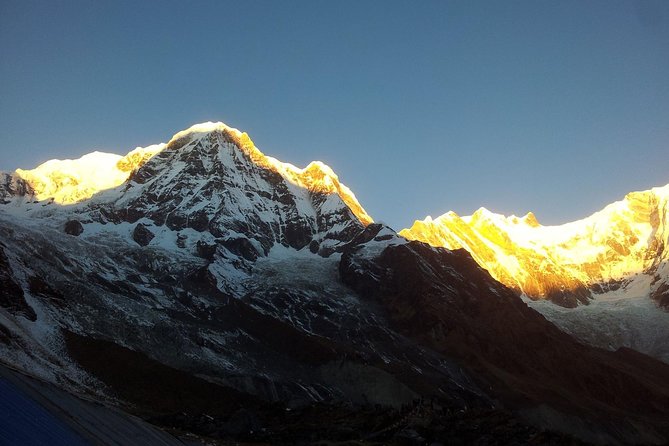
Reviewed · ANNAPURNA BASE CAMP TREK
Annapurna Base Camp Trekking
This Annapurna Base Camp trek works because it delivers big Himalayan scenery and everyday Nepal culture in the same route. You begin in Kathmandu, transition through Pokhara, then start walking from Nayapul into Gurung, Magar, and Thakali villages before the air gets thinner.
I love the tea house style of trekking here, with overnight lodge stays that keep things simple and social. I also like that the itinerary includes a classic early-morning Poon Hill sunrise moment, plus a relaxing break at Jhinu Danda hot springs.
One possible drawback: some days are built around long hikes, with multiple walking days listed at about 12 hours, so you will want solid stamina, not just good intentions.
Key highlights you should care about
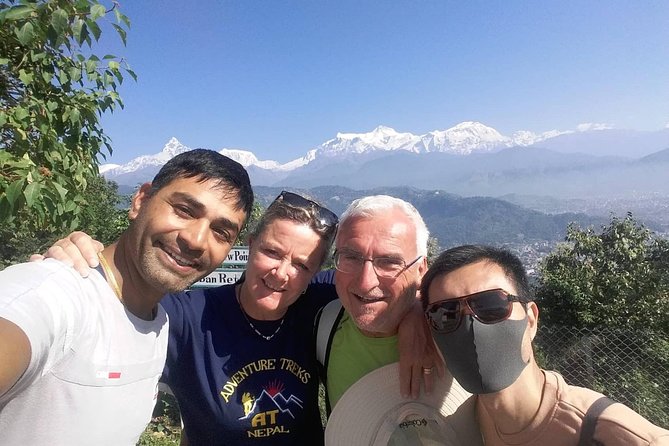
- Annapurna views built around a real amphitheater of peaks: Annapurna III, Annapurna South, Hiunchuli, Fang, Machhapuchhare, and Gangapurna form the big visual story around the base camp area.
- Tea house lodging all the way up: you are not hopping hotels, you are settling in mountain lodges for breakfast, lunch, and dinner as you go.
- Poon Hill sunrise is scheduled up front: a short, focused window for one of the best light shows in the region.
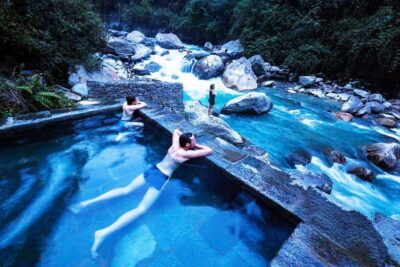
- Jhinu Danda hot springs are included as a recovery stop: after hard walking, you get a true reset.
- One porter for every two people: the trip is designed to keep you moving without hauling your own heavy load.
Kathmandu arrival: the easy start before the real trek
Day 1 is a Kathmandu arrival day with an included admission ticket and transport tied into the overall plan. In plain terms, this is about getting you through landing stress and into a normal rhythm fast. You will likely spend most of the day adjusting, hydrating, and figuring out how you want to handle the first sleep in Nepal’s capital.
I like the way this kind of setup gives you a buffer. Annapurna is no joke, but you do not need to start with a chaotic day on top of jet lag. If you land feeling wrecked, this day gives you space to recover.
More routes into the Annapurna Sanctuary:
- Annapurna base camp trek 5 Days
★ 5.0 · 252 reviews - 14-Day Private Annapurna Base Camp Trek
★ 5.0 · 180 reviews - Annapurna Base Camp Trek
★ 5.0 · 111 reviews
Pokhara and Phewa Lake walks: why the pre-trek day matters
On Day 2, you drive to Pokhara, then walk around Phewa Lake. That sounds light, and it kind of is, but it is a smart move. Pokhara is where you get your bearings in the same country you are about to walk through for days.
This is also the day to think about practical comfort. You will be carrying layers, charging gear when possible, and trying to keep your schedule calm. If you take this day seriously, you arrive at the trail with fewer mistakes like wrong clothing or underestimated rain gear.
Nayapul to Ulleri: first trekking day, first culture contact
Day 3 starts with a drive to Nayapul, then trekking up toward Ulleri for your overnight tea house or lodge. This is the part of the trek where the trail starts feeling real. The climbs are steady rather than extreme, but you earn your first altitude shift.
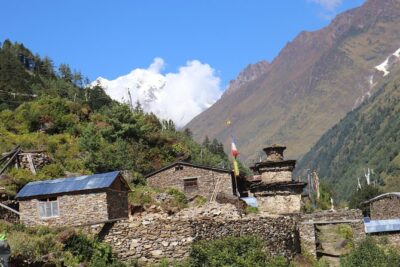
The route passes through traditional communities like the Gurung, Magar, and Thakali. What I like about this stage is that it is not just scenery. You can pause for conversations if you want, and you get a sense of daily life rather than only chasing viewpoints.
Potential drawback: if you rush your pace, Day 3 can be too intense too early. Keep your effort controlled, snack often, and treat it like warm-up legs, not a race.
Ulleri to Ghore Pani: rhododendron forests and steady altitude
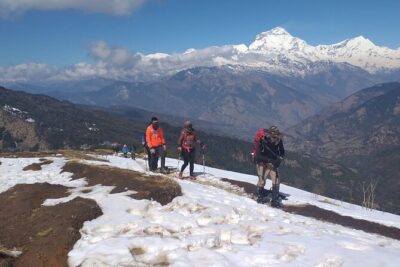
On Day 4, you trek to Ghore Pani and stay in another tea house or lodge. This portion is known for dense rhododendron forest stretches, with Himalayan views starting to creep closer as you gain height.
This is also where tea house trekking becomes a full rhythm. You will arrive, drop bags, eat, and then decide how much energy you have left. The air gets cooler, and nights feel more serious as you go.
Tip: pack items you want during the hike in a day bag. You will appreciate being able to pull out sunscreen, lip balm, a light layer, and snacks without rummaging through your main duffel.
More to compare around Kathmandu
- Everest Base Camp Trek – 14 Days
★ 5.0 · 1,499 reviews - Everest Base Camp Trek
★ 5.0 · 842 reviews - Private Kathmandu Sightseeing Tour | UNESCO World Heritage sites
★ 5.0 · 756 reviews - Kathmandu: 7 UNESCO Sites with Lunch
★ 4.8 · 744 reviews
Poon Hill sunrise: the short push for a huge payoff
Day 5 is built around Poon Hill sunrise, listed as about 45 minutes for the viewing window. Even with the short time, it is one of the most worthwhile moments of the trek because it changes how you see the mountains. Morning light tends to make peaks look sharper and taller than they do during the day.
The value here is not just the view. It is the discipline of doing it early, then continuing your hike with a clear head. When the rest of your day feels tiring, that sunrise memory becomes a little fuel tank.
One practical consideration: sunrise mornings mean cold starts. You might find that your motivation is strong, but your hands and ears need layers.
Chhomrong and Deurali: where the trail turns into a proper test
Day 6 takes you to Chhomrong for an overnight lodge stay. Day 7 moves to Deurali. These are trekking days where your legs start to notice the altitude, even if you are moving at a steady pace.
What I like about this section is the mix of effort and reward. You go from village scenes into more open, higher-feeling terrain, and the mountain presence becomes more constant. The itinerary also keeps you in tea house rhythm, which means you are not dealing with gear logistics on the fly.
If you are new to multi-day trekking, these two days are a good reality check. They are manageable for a moderate fitness level, but you will still earn everything.
The “360-degree” Annapurna Mountain Range day: big views, long hours
Day 8 is scheduled for 360-degree viewing of the Annapurna mountain range, with a long hiking day listed at about 12 hours. This is the kind of day that makes people remember the trek years later, because it is not one corner view. It is more like the mountains wrap around you.
Then Day 9 continues trekking to Bamboo for an overnight tea house stay. This is a useful contrast. After a long view heavy day, the rest of the trek becomes more about steady movement and regrouping.
Practical tip: on view-heavy days, keep your camera battery strategy simple. Cold eats power, and you do not want to waste your prime moment hunting for a charger.
Jhinu Danda hot springs: the recovery stop you will thank yourself for
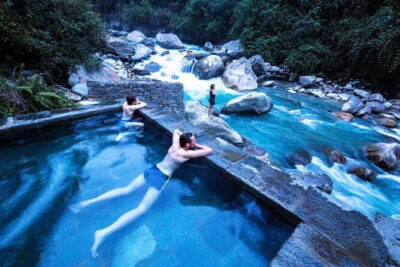
Day 10 includes hot springs at Jhinu Danda. After days of climbing and descending, this is the kind of included treat that feels unfair, in a good way. Your legs, your feet, and even your mood benefit.
This stop also breaks the trek into chapters. You are not just grinding upward. You get a reset point, and that makes later days feel easier to handle.
If you are someone who cares about comfort, plan to take your time. The hot springs are not just a photo stop. Use them like recovery.
Pothana night: closing in on the base camp story
On Day 11, you trek to Pothana for an overnight lodge stay. Pothana often feels like a transition into the final stretch of the trekking arc. Even without naming every single peak in the sky, your brain starts connecting the dots.
This is also where your routine matters most: eat well, sleep as best you can, and keep your hydration steady. Altitude can play tricks on appetite and fatigue, so treat meals as fuel, not just snacks.
Back to Pokhara: decompress like an adult
Day 12 brings you back to Pokhara from the trek, with time to visit around. This day is about decompression. Your body will feel the effort in a delayed way, especially the calves and feet, so keep plans flexible.
If you can, do a slow stroll, find a simple meal, and let your nervous system downshift. You will enjoy Kathmandu more if you have space to breathe here.
Fly back to Kathmandu and enjoy a free day
Day 13 returns you to Kathmandu by flight and gives you a free day. This is a great buffer for real life stuff. You might want to shop for gifts, grab a comfortable shower (unlike during trekking), or simply wander.
This free day also helps you handle any jet lag and lingering trek soreness. It is not a rushed return. You get time to land softly.
Day 14 departure: finishing well
Day 14 is departure from Kathmandu for your onward journey. I like that the tour is structured to end back where it started in the Kathmandu meeting point area, so you are not left solving last-minute transportation puzzles.
Price and value: what you pay for, what costs extra
The price is $1,779 per person for a 14-day experience. For Annapurna Base Camp trekking, this price range usually reflects more than walking time. Here, you are paying for a whole package: Kathmandu and Pokhara accommodations with breakfast, trekking meals (breakfast, lunch, dinner), guide and porter support, and key transport segments including Kathmandu to Pokhara drive and Pokhara to Kathmandu flights with airport tax.
What is included also matters for peace of mind:
- Tea house accommodation during the trek
- A trekking duffel bag
- A guide and porter with insurance
- A map of the trekking region
- Government taxes and office service charge
- Transport tied to the itinerary, including Pokhara, Nayapul, and Phedi routes
What is not included is where costs can sneak in:
- International airfare
- Nepal entry visa fee
- Drinks, dessert, juice, mineral water
- Heater charge and hot shower charges during the trekking period
- Tips for guide, porter, and driver
My advice: budget a little extra for drinks and warm comfort items. You are moving through cold air at elevation, and the small purchases add up fast if you do not plan.
Guides and support: why this trek feels safe and genuine
A big theme in the experience feedback is the support team. Names that come up often include guides such as Gyanendra and Anuj, and support staff like Dev in a medic role. Porters named Bishnu and Bishal are also mentioned, along with other guides like Ramesh. The common thread is reliability and care.
You should care about this because Annapurna trekking is not only about views. It is about pacing, decision making when the weather changes, and handling logistics like where you sleep and how you eat when you are tired.
Also, this trip is private, and it runs with a minimum of 2 people. That matters because you are not stuck in a giant mixed group where nobody adjusts to anybody else’s pace.
What the itinerary teaches you about the Annapurna region
This route has a clear “story arc.” You begin with city adjustments in Kathmandu. You warm up in Pokhara. You then walk into village life with Gurung, Magar, and Thakali communities. As you climb, you shift into denser rhododendron forest, cooler hills, and Buddhist-influenced areas.
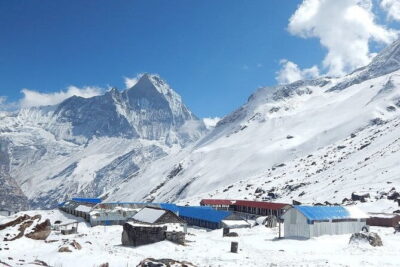
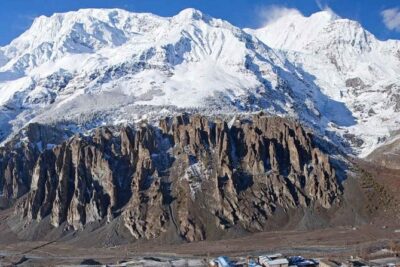
Then the mountains dominate the mental picture. The trek is framed around the Annapurna massif, with peaks like Annapurna III, Annapurna South, Hiunchuli, Fang, Machhapuchhare, and Gangapurna. The base camp area sits around 4,130m, and the view is described like a glacier-covered amphitheater with peaks arranged in a circle around the center.
Even if you are not a hardcore mountaineer, that kind of geographic framing helps you understand why people get emotional at Annapurna Base Camp. It is not just height. It is the way the peaks group together.
Who this trek suits best
This Annapurna Base Camp trek is designed for people with moderate physical fitness. If you can handle multi-day walking and you have patience for long days, you are a good match.
You will likely love it if you want:
- Tea house trekking rather than rough camping
- A mix of culture and mountains
- Scheduled highlights like Poon Hill sunrise and Jhinu hot springs
- A private group setup with guided and porter support
You might want to rethink if you hate early starts, cold mornings, or long hiking days around 12 hours. The trek is doable, but it is not a lounge vacation.
Should you book this Annapurna Base Camp trek?
Yes, you should book it if you want a well-supported, classic Annapurna route with lodge stays, cultural village contact, and two major “reward moments” built in: Poon Hill sunrise and Jhinu Danda hot springs. The included meals, guide and porter support (with insurance), and transport between Kathmandu, Pokhara, and the trail reduce a lot of stress.
I would hesitate only if you are expecting a short trek, or if you dislike long hiking days. If that describes you, look for a gentler itinerary instead.
If you book, do one smart thing first: plan your clothing and snacks for cold mornings and long days, and treat the recovery hot springs as part of the trek, not a side quest. You will feel the difference in your final days.
FAQ
How long is this Annapurna Base Camp trek?
It runs for about 14 days.
Where do you start and where does the experience end?
The meeting point is Tribhuvan International Airport, Ring Rd, Kathmandu, Nepal. The activity ends back at the meeting point.
What is included in the trekking package?
You get arrival and departure transport, Kathmandu and Pokhara accommodation with breakfast, trekking breakfast, lunch, and dinner, tea house accommodation during the trek, a trekking duffel bag, guide and porter support with insurance, and key drives and flights between Kathmandu and Pokhara.
What is not included in the price?
International airfare, your travel insurance, the Nepal entry visa fee, drinks like juice and mineral water, heater charge and hot shower during the trekking, and tips for the guide, porter, and driver are not included.
Do I need a Nepal visa, and how much is it?
The Nepal entry visa fee is listed as US$50 for 30 days and US$30 for 15 days. It also notes to get a via open your arrival.
Is this a private trek?
Yes. It is private, and only your group participates. It also notes that a minimum of 2 people is needed for the trip to run.
If I cancel, can I get a refund?
No. The experience is non-refundable and cannot be changed for any reason. If you cancel or ask for an amendment, the amount paid will not be refunded.
Latest Kathmandu write-ups
- Visit Swayambhunath and Bauddhanath Stupa with Guide★ 5.0 · 5 reviews
- 10 days Annapurna Base Camp Trek★ 5.0 · 5 reviews
- Langtang Trek from Kathmandu 7 Days★ 5.0 · 5 reviews
- 7 Day Kathmandu Pokhara Tour★ 4.5 · 5 reviews
- Island Peak Climbing with Everest Base Camp★ 5.0 · 5 reviews
- Chandragiri Hill Cable Car Tour with Hotel Transfers from Kathmandu★ 4.5 · 5 reviews
- Everest Mountain Flight★ 5.0 · 5 reviews
- Kathmandu city day tour (4 world heritage sites)★ 5.0 · 5 reviews
Annapurna Base Camp Trek, compared.
Browse the lists this tour appears in