
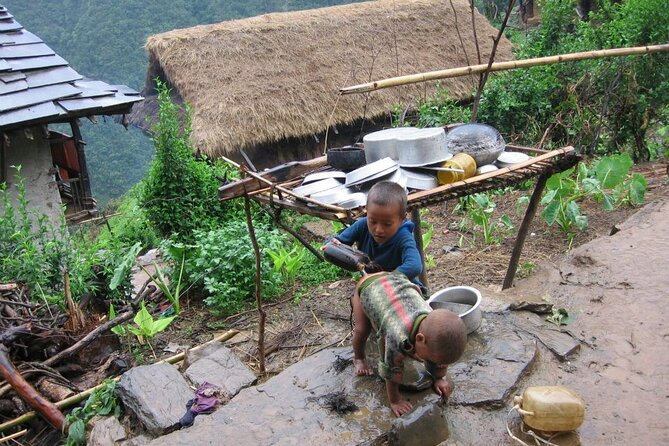
Reviewed · CHISAPANI TREK
Chisapani Nagarkot Trekking
A short trek in the Kathmandu Valley can still feel like real mountain travel, especially when your route links Chisapani, Nagarkot, and Changu Narayan. You’ll move through Tamang villages and forested ridgelines, then end with big-deal Himalayan views for both sunrise and sunset.
What I like most is how this trip packages the logistics for you: guesthouses for two nights, plus breakfast, lunch, and dinner so you are not hunting for food after each climb. I also like the practical structure, with a licensed English-speaking guide and private-car transfers that keep the start and finish stress-free.
The main consideration is that this is not a flat stroll. On day one, the climb can feel stair-heavy, with reports of more than 100 flights of stairs to reach the first night’s lodging, so comfortable shoes and a steady pace really matter.
Key things to know before you go
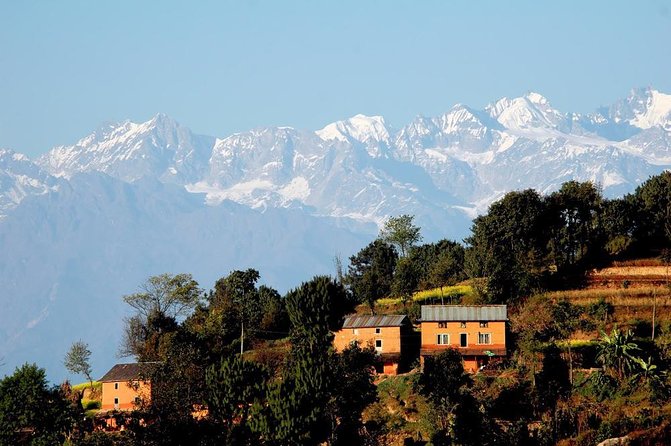
- Short time, big viewpoints with Nagarkot sunrise-style timing and a classic sunset stop
- Meals are included as listed (breakfast 2, lunch 3, dinner 2), so you hike with less decision fatigue
- Guesthouse nights on the trail keep you close to the walking instead of commuting far
- Forest and village mix through Mulkharka and Tamang communities, plus Shivapuri forest segments
- Moderate fitness needed, with stairs on day one that can surprise first-timers
- Limited group size (maximum 15), which usually keeps the trek from feeling overcrowded
Chisapani, Nagarkot, Changu: why this 3-day trek works
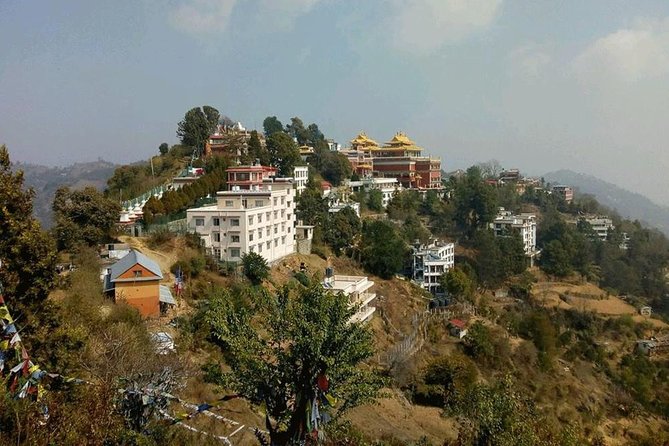
The Kathmandu Valley has a way of making you underestimate how much effort a “nearby” trek can take. This itinerary is built for travelers who do not have 10-plus days, but still want the payoff: ridge hiking, village life, and those postcard angles toward the Himalaya.
Chisapani brings you into the forested upper slopes and calmer rhythms. Nagarkot adds the viewpoint culture, since Kathmandu residents use it for weekend escapes. Then Changu Narayan brings heritage into the hike, with terraced fields and a temple area that feels worlds away from the city even though you are still close to Kathmandu.
This is also a good way to test your trekking legs. You get enough walking to feel accomplished, but you are not locked into a marathon schedule.
More of the Chisapani ridge:
- Kathmandu: Chisapani Nagarkot 3-Days 2-Nights Trek
★ 4.8 · 29 reviews - Chisapani – Nagarkot Trek Nepal – 3 Days
★ 5.0 · 16 reviews - Kathmandu: 2 Nights 3 Days Chisapani Nagarkot Trek
★ 5.0 · 13 reviews
Price and what you truly get for $350
At $350 per person for about three days, the value depends on what you would otherwise have to arrange. Here, the package includes:
- Two nights in guesthouses during the trek
- All meals as listed (breakfast 2, lunch 3, dinner 2)
- Private surface transfers from Kathmandu to Sundarijal and from Nagarkot back to Kathmandu
- A local government licensed English-speaking guide
- Government taxes
- A pickup in Kathmandu and return to the meeting point area
If you tried to piece this together on your own, you would still likely pay for at least a guide, at least some transport, and lodging plus meals. The biggest hidden cost on short trips is time, not money. This tour saves you that time by bundling everything so you can focus on the trail.
That said, you should mentally budget extra for what is listed as not included, especially drinks and the Changu Narayan admission ticket on day three.
Getting started in Kathmandu at 6:30 am
The trip starts at 6:30 am with pickup coordinated through Outshine Adventure Pvt. Ltd at Paknajol Chock, Kathmandu (44600). Plan to be there early, not right at the moment. Mountain mornings in Nepal start before you feel ready, and being organized is the simplest way to enjoy the day instead of rushing it.
Because the first leg is a private car ride to Sundarijal, this tour is also a nice option if you want to avoid a long, confusing scramble through multiple buses or shared rides. You arrive ready to hike.
Day 1: Sundarijal to Chisapani, Tamang villages and a stair-heavy welcome
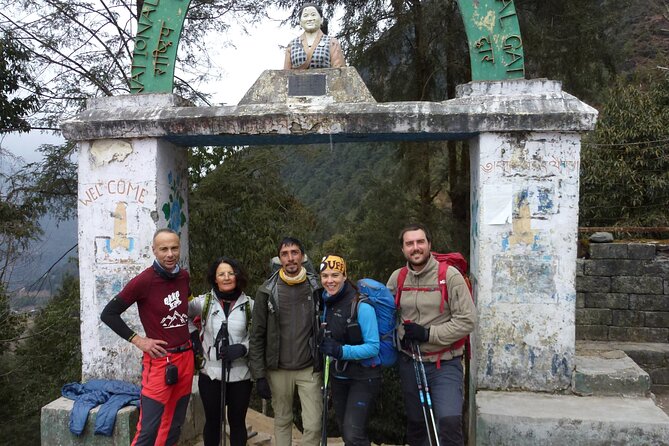
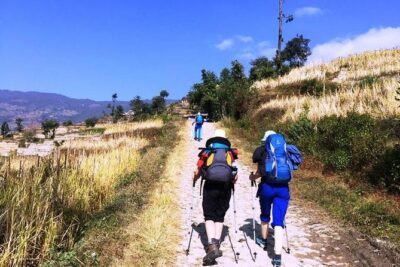
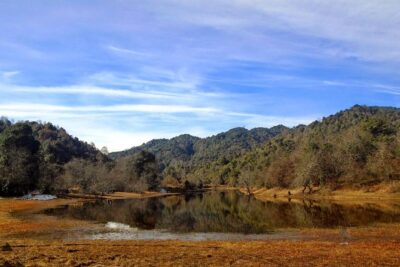
Your day begins with transport to Sundarijal (2200m), then a trek through Mulkharka village with Tamang community life along the way. The route climbs toward the east ridge, then continues into Shivapuri forest, where the walk passes areas of oaks and rhododendron.
This is a classic “forest-to-ridge” Nepal day: the air tends to feel cooler as you gain height, and the walking brings frequent changes in scenery. It is not just pretty, it is practical. Forest paths usually give you more consistent footing and natural pauses for short breaks.
One detail you should take seriously is the climb to the first night’s lodging. There are reports of well over 100 flights of stairs before you reach the guesthouse. Even if the route is only labeled as a few hours, stairs are still stairs. If you are new to trekking, build in extra margin for leg burn.
What to pack for day one
- Shoes with grip for stone and steps
- A small daypack with water, sunscreen, and a layer for cool moments
- Trekking poles if you already use them (stairs feel easier with the extra support)
Dinner and sleeping happen in Chisapani in a guesthouse. Food is included, but expect basic trekking-lodging fare rather than restaurant-level variety. Comfort matters more than culinary dreams on day one after that stair push.
More sunrises from Nagarkot:
- Nagarkot Sunrise View and Day Hiking from Kathmandu
★ 5.0 · 471 reviews - Private Bhaktapur and Nagarkot Day Tour From Kathmandu
★ 5.0 · 305 reviews - Kathmandu: Nagarkot Sunrise View & Morning Hike with Lunch
★ 4.9 · 188 reviews - Kathmandu: Nagarkot Sunrise and Hike Tour to Changu Narayan
★ 4.7 · 151 reviews
Day 2: Chauki Bhanjag to Nagarkot, big Himalayan drama at sunset
After breakfast, you start with morning views that can be striking when the sky cooperates. Your hike begins at Chauki Bhanjag, taking about 2.5 hours, then continues along trails toward Nagarkot (2175m). This is the day where the trek starts feeling like a viewpoint journey.
Nagarkot is one of the most popular nearby mountain destinations for people living in Kathmandu, and you will understand why quickly. From the right spots and in clear weather, the Himalaya range can show up from the west toward Everest and beyond to Kanchenjunga in the east.
The real highlight is the sunset from the Nagarkot hill station. Timing matters here. Even if it is not perfectly clear, the light shift is still usually beautiful, and you will see more if you arrive with a calm pace instead of sprinting to the best angle.
How to get more out of Nagarkot
- Keep an eye on cloud cover. If the view improves, stay longer rather than moving immediately.
- Bring a warm layer even if the morning felt mild. Hill stations can cool down fast near evening.
- If you get photos, also watch with your eyes. Mountain weather can change by the minute.
Dinner and another guesthouse night take care of the end of the day. Meals are included, and day two is often when trekkers feel the combination of fatigue plus satisfaction. This is a good day to pace yourself on the final approach into Nagarkot so you arrive with energy left for the sunset moment.
Day 3: Early sunrise trek to Changu Narayan Temple
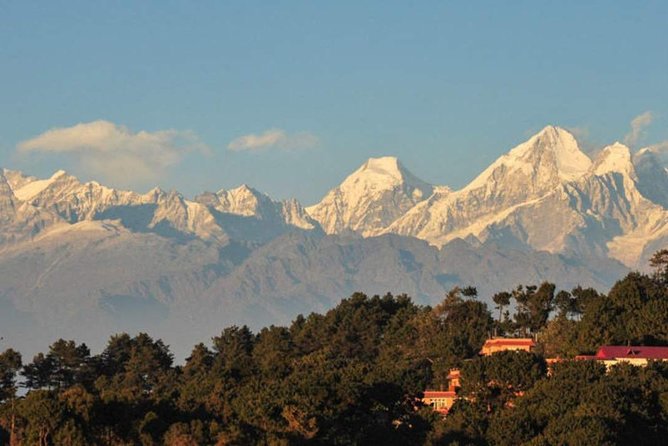
Day three starts early, because you wake up to see sunrise through the eastern Himalayan ranges, including Mt. Everest. Reality check: sunrise views depend on clarity, but waking early still makes sense because you are maximizing your odds.
After breakfast, you trek toward Changunarayan (Changu Narayan Temple). Along the way you pass:
- Terraced fields
- Dense Tamang villages with traditional ocher-colored homes
- A chance to see local life, including people making Raksi, a local alcoholic drink made by distillation
This is also a day where the trail feels both cultural and human. You are walking through areas close to Kathmandu where traditional rhythms still show up in daily work. It is a reminder that the valley is not only about monuments and shopping streets. People live here, grow food here, and keep customs alive, and you see parts of that on the path.
The hiking has two phases in the description: the first part leans more toward culture, while the second part turns more natural through a deciduous forest segment. Expect less of the “view rush” and more of the slow observation walking.
Your trek duration is listed at about 4 hours, and you also have an important budget note: the Changu Narayan admission ticket is not included. Plan to pay it on the day, and keep some cash or confirm what the guide expects you to handle.
Guesthouses and meals: what “included” really means on a short trek
This tour handles your meals in a structured way: breakfast (2), lunch (3), dinner (2) are included. That matters on a short itinerary. When your schedule is only three days, you do not want to lose time deciding where to eat or bargaining for basic meals.
Breakfasts and dinners happen at the guesthouses you stay in, while lunches are provided during the day. The exact menu can vary by the guesthouse, but it is designed for trekking needs: enough calories, easy-to-eat items, and no complicated cooking requirements mid-route.
One caution from an actual experience: dinner may be very simple. In one case, the provided dinner was saimin noodles. If you are a person who needs variety or expects western-style meals, consider bringing a few small comfort items like tea bags, instant coffee, or snack bars, as drinks are not included.
Guesthouses are included too. That is the point of this trek. You are not just sight-seeing, you are living the overnight rhythm of the trail.
The guide and group size: how it affects your day
This is a small-group trek with a maximum of 15 travelers, guided by a local government licensed English-speaking guide. In practice, this is a sweet spot. It is big enough that you are not going solo through the hard parts, but small enough that the guide can actually answer questions and keep you moving together.
The guide’s role is more than direction. You also get information along the way, especially around villages and the landscape types you pass. That kind of context helps you feel connected to the route instead of just collecting mountain photos.
Group size also affects pace. With fewer people, it is easier to pause for rest, photos, or questions without turning the trail into a crowded bottleneck.
Stairs, fitness, and how to make day one feel fair
Even if your overall fitness level is “moderate,” this tour is still walking on uneven paths and climbing ridges. The one element you should respect is the stair volume on day one. Reports indicate it can be intense enough to feel like a stair marathon before you settle into the first night’s lodging.
Here is how to handle that without turning it into suffering:
- Start slower than your ego wants. Let your breathing settle within the first 15 minutes.
- Take short breaks more often. Two minutes to reset is better than ten minutes later when you are already drained.
- Keep your steps small on stairs. Long strides waste energy and can mess up your rhythm.
If you are prone to knee pain, consider trekking poles and pay extra attention on the descent segments where knees take most of the hit.
Weather, sunrise/sunset expectations, and a smart mindset
This trek’s main hook is viewpoint time: Nagarkot sunset and sunrise for the eastern Himalayan ranges (including Everest). Those moments are worth it, but you should plan for weather to be unpredictable.
So I suggest you treat it like this:
- If the sky is clear, you get the full show.
- If clouds roll in, you still get a meaningful mountain atmosphere, just with less definition.
The win is that you are not stuck in one fixed viewpoint for an entire day. You have morning hiking, cultural moments, forests, then a dedicated sunset period, so even imperfect weather usually still gives you value.
Should you book the Chisapani Nagarkot trek?
Book it if:
- You want a short trek that still feels like a real journey into the valley’s hills
- You like the mix of forest hiking, village life, and major viewpoints
- You prefer a packaged experience where meals, guesthouses, and transfers are handled
- You are okay with moderate trekking and understand that stairs can be a real part of the work
Skip it or think twice if:
- You are expecting a mostly flat walk with minimal climbing
- You are picky about dinner variety or you dislike simple guesthouse meals
- You cannot handle early mornings, since day three involves sunrise timing
For most people looking at Nepal for the first time or time-crunched in Kathmandu, this is a strong, practical choice. You get three key places that complement each other, and you do not spend your limited vacation time trying to coordinate transport and food on your own.
Latest Kathmandu write-ups
- Langtang Valley Trek★ 5.0 · 3 reviews
- Khopra Danda Trek★ 5.0 · 3 reviews
- Langtang Valley Trek from Kathmandu★ 5.0 · 3 reviews
- 5 night / 6 days Kathmandu Nagarkot Chitwan Pokhara tour★ 5.0 · 3 reviews
- Nepal Highlights Tour: 5 Nights 6 Days Kathmandu & Pokhara Tour★ 5.0 · 3 reviews
- Kathmandu Valley Private Day Tour★ 5.0 · 3 reviews
- Conquer the Himalayas: The Ultimate 16-Day Annapurna Circuit Trek★ 3.5 · 3 reviews
- Kathmandu Heritage Day Tour★ 5.0 · 3 reviews
Chisapani Trek, compared.
Sundarijal-Chisapani-Nagarkot Trek with Changunarayan
Read our review →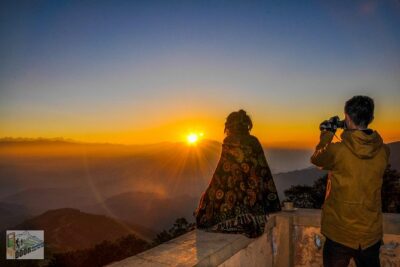
3 days hike to Sundarijal-Chisapani-Nagarkot from Kathmandu
Read our review →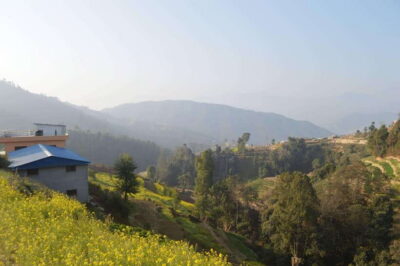
Browse the lists this tour appears in