
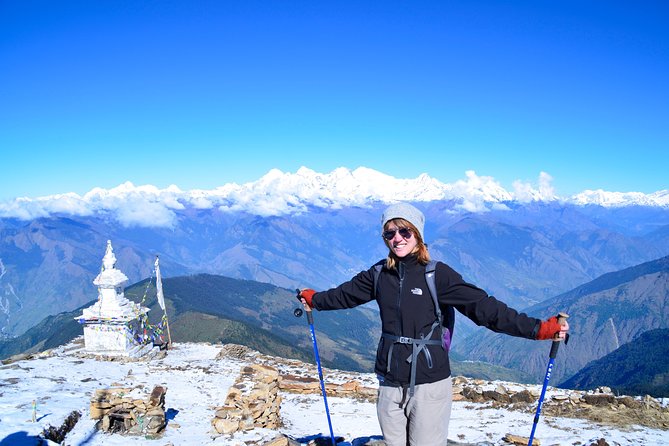
Reviewed · LANGTANG VALLEY TREK
Langtang Valley Trek
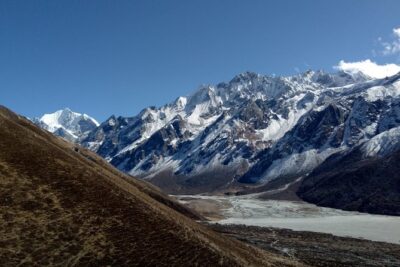
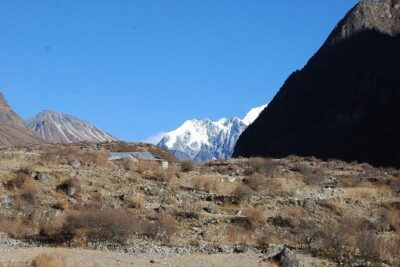
Langtang Valley Trek is interesting because it mixes big mountain scenery with real villages that keep life going at high altitude. You’ll trade traffic and busy streets for rhododendron forests, prayer flags, and that unmistakable Langtang Valley feeling, where the peaks seem close enough to touch.
I really like two things about this trek: the government-licensed English-speaking guide support (and strong examples like Hari and Norris from operator feedback), and the chance to eat and hang out in the Tamang and Tibetan-influenced communities, finishing with yak cheese and curd in Kyanjin Gompa.
One drawback to consider is that you should expect a few tougher walking days, including a steep climb with a big altitude gain, plus you are not getting included meals or travel insurance in the price. Go in with the right gear and budget for food, and you’ll be in much better shape.
Key highlights to know before you go
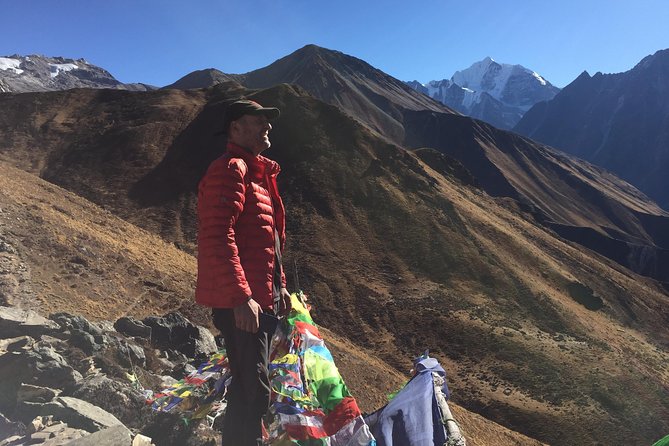
- Private jeep transfers cut down the time and stress of getting to and from the trail
- Permits included (TIMS and Langtang National Park permits), plus you are told to keep them handy at the park gate
- Tamang and Tibetan-influenced villages like Thuman and Briddhim, where culture is part of the walk
- Kyanjin Gompa for dramatic views and yak dairy treats
- Optional Tserko Ri hike to a high viewpoint (listed as 5,000m) on your rest day
- Small group size with a maximum of 10 travelers, plus porter support (2 trekkers to 1 porter)
Langtang Valley Trek in plain terms: what you’re really signing up for
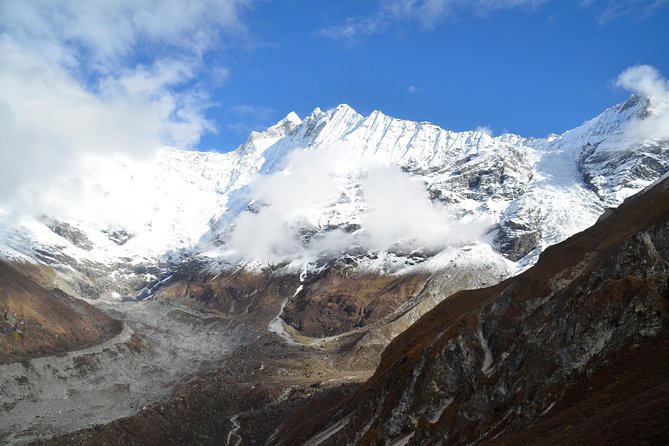
The Langtang Valley Trek is a classic Nepal hiking route with a simple promise. You’ll spend about 10 days moving through Langtang National Park area, then you’ll return to Kathmandu with your legs tired and your eyes full of mountains. If you like cultural stops as much as the views, this itinerary does a good job of balancing both.
Your experience starts in Kathmandu with hotel pickup and a private vehicle. From there, you’ll drive into the region in a long day of road travel, then begin hiking in stages: forests, grasslands, villages with prayer wheels and mani walls, and finally the Kyanjin Gompa area, which is the emotional payoff point for many people.
What makes this trek especially practical is the way it’s paced. Most days fall in the 6 to 7 hour range, then you get a rest day at Kyanjin Gompa with optional high-altitude sightseeing. That matters, because you will feel altitude changes even when you are not sprinting up a mountain.
More of the Langtang valley:
- Langtang Valley Trek
★ 5.0 · 140 reviews - Langtang Valley Trek
★ 5.0 · 61 reviews - Langtang Valley Trek
★ 5.0 · 50 reviews
First day in Kathmandu: getting oriented without wasting time
Day 1 is all about arrival comfort and quick orientation. When you land, an Asian Heritage Treks and Travels representative meets you with a sign that shows your name. They handle luggage and take you to your hotel by private vehicle.
On the way in, you pass by major sights that help you understand Kathmandu fast. You’ll see Pashupatinath Temple from the route. You also get an outside glimpse of Royal Palace Museum, known as Narayanhity, and you pass the Garden of Dreams near Thamel.
This is a low-pressure way to start. It also helps you mentally switch gears from city mode to trek mode before tomorrow’s long drive.
The long drive to Gatlang: why Day 2 matters more than it seems
Day 2 starts after breakfast and turns into a full transit day. You’ll take an 8 to 9 hour drive from Kathmandu to Gatlang, with mountain views along the climb over a ridge. The route is listed with views of Ganesh Himal, Manaslu, and Annapurna, which is a nice preview of the kind of scenery that will dominate later.
The practical point on Day 2 is paperwork timing. You are specifically asked to keep your TIMS and Langtang National Park Permit handy because you’ll show them at the Park Gate before reaching Dhunche. If you’ve ever fumbled for documents while everyone waits, you know how much this can affect your mood. Keep them in an easy pocket or folder.
After Dhunche, the drive continues toward Sayabru Besi and then into the Langtang National Park area. Gatlang is described as a Tamang village with terraced hills and warm hospitality, so you arrive ready for a community-based trekking day rather than a pure wilderness slog.
Day 3 to Nagthali: forests, possible monkeys, and a big grassland reveal
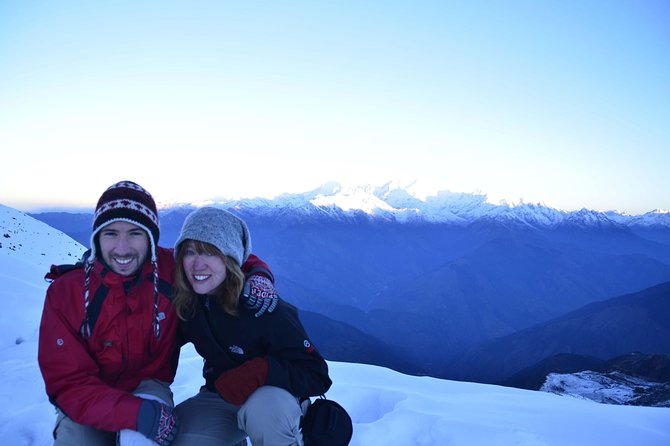
Today’s hike runs Gatlang to Nagthali, about 7 hours. You walk on a path from Chilime, moving through thick forest where you might spot Nepal Gray Langur monkeys. Then the trek opens up into a wide grassland with big Himalayan views, including the Ganesh Himal, Langtang Range, and Sanjen Ranges.
This day is a good example of why people like Langtang Valley. The scenery is not only about peak photos. It’s also about the shift from shaded forest to open grassland, which changes how you feel on the trail. When the view opens, your pace tends to naturally slow because you want to look.
Nagthali itself is described as a former famous meditation center for local monks and priests. That’s a useful context when you arrive. You are not just reaching a campsite. You’re stepping into a place that has long been tied to quiet practice.
More to compare around Kathmandu
- Everest Base Camp Trek – 14 Days
★ 5.0 · 1,499 reviews - Everest Base Camp Trek
★ 5.0 · 842 reviews - Private Kathmandu Sightseeing Tour | UNESCO World Heritage sites
★ 5.0 · 756 reviews - Kathmandu: 7 UNESCO Sites with Lunch
★ 4.8 · 744 reviews
Day 4 through Thuman and Briddhim: Tibetan-influenced Tamang culture on the move
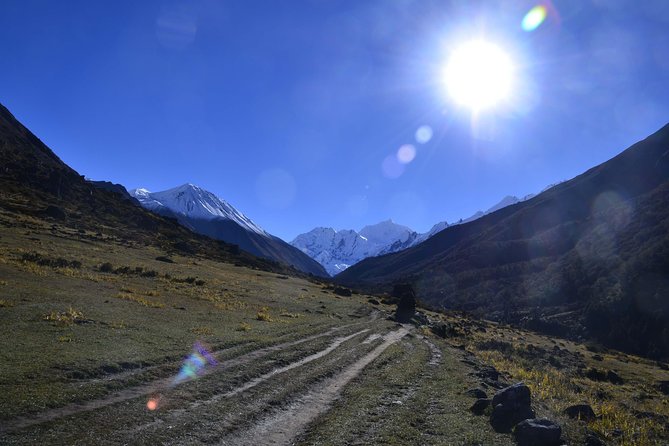
Day 4 begins with a downhill walk for about an hour to Thuman. Thuman is known for Tibetan cultural influence and a setting with strong natural beauty. It’s also where you get more Langtang Himalayan range views while you are still easing into the trek rhythm.
From there, you walk through rhododendron forests and meadows toward Briddhim, another Tamang community with Tibetan influence near the Langtang Himalayas. This is also a day where culture is not an optional detour. You’re moving through living village space where people love singing and dancing.
That matters if you worry that trekking routes can feel like walking past lifeless backdrops. Here, the itinerary is built around villages that still carry traditional rhythm.
One small consideration: singing and dancing can mean slower moments and more conversation than some people expect. If you prefer quiet, you can still find quiet, but go in with flexibility.
Day 5 from Briddhim toward Khanjum: prayer walls, fields, and moderate effort
Day 5 starts from Briddhim and moves through forests, terraced fields, and villages. Sherpa Gaun is one of these stops, noted for higher placement and great surrounding views.
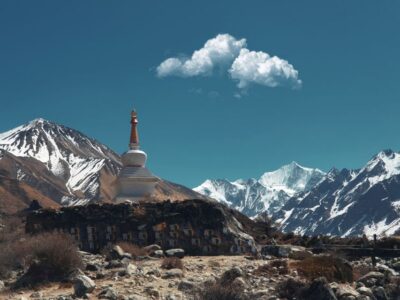
The hike climbs to Khanjum village and the route includes chortens, mani walls, and prayer flags. These are more than decorations. They’re part of how people mark meaning across the landscape, and they tend to create memorable photo moments without feeling staged.
The day is described as moderately challenging. That usually translates into an honest uphill day, but not a full mountain expedition. Expect things to feel real, especially after a couple of trekking days already in your legs.
The views mentioned include Langtang Lirung, Langtang II, Ganesh Himal, plus other peaks in the Langtang range. This is the kind of day where a good guide explanation helps. When you can identify what you’re looking at, the views stop being random and become a story.
Day 6 Sherpa Gaun to Langtang Village: the steep day and the prayer-wheel reward
Day 6 is your more challenging transition. It runs Sherpa Gaun to Langtang Village in about 6 to 7 hours, with a climb up a steep forested slope. The route notes a total gain of about 1,000 meters, plus constant accompaniment from the Langtang River sound.
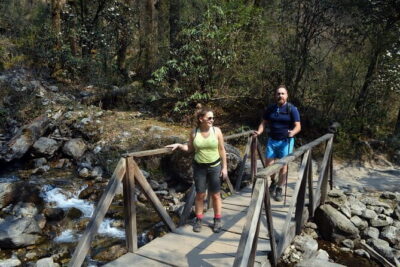
There’s a clear physical payoff theme here. You’ll cross a refreshing stream, and you’ll see water-driven prayer wheels. That detail is important because it gives you a practical way to understand local Tibetan Buddhist influence in motion, literally tied to water flow.
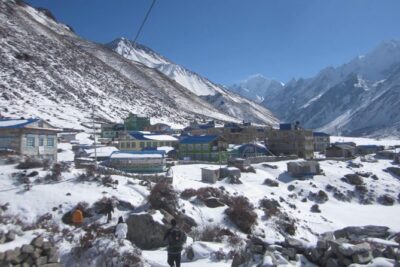
As you climb higher, the description shifts toward arrival in Langtang Village, framed as an ancient settlement with strong mountain views around it. This is one of those days where you feel the work, then you get a view that makes the effort feel worth it.
Day 7 Langtang to Kyanjin Gompa: the famous prayer wall moment
Day 7 hikes from Langtang to Kyanjin Gompa, around 3 hours. It’s shorter on paper, but you still get the full wow factor.
Along the way, you’ll see a large wall covered in prayers and writings on stones. You also cross several rivers, each one described as a unique experience. These crossings tend to be where your attention resets. You stop thinking about distance and start focusing on footing and the sound of water.
Kyanjin Gompa is the peaceful village end of the day. The highlight here is food that feels connected to the place: you can try cheese and curd made from yak milk. After multiple days of trekking meals, having a local specialty at destination time can be a real morale boost.
Day 8 at Kyanjin Gompa: rest day that still lets you see more
Day 8 is the “rest” day. You acclimatize, relax, and explore nearby places, with options listed in the plan.
Your optional hike is up to Tserko Ri, described as the highest point in the trek at 5,000m. From the viewpoint, you get views of mountains, glaciers, and the Langtang Valley. Even though it’s optional, it’s the best lever you have to turn a restful day into a truly memorable one.
There’s also mention of visiting the ancient monastery in the village, plus a cheese factory and glacier visit. These are all listed as included options with no extra cost.
Practical advice: treat this day as altitude management. Even if you feel good at breakfast, take it slow on the hike up. Save energy for coming down.
Day 9 back down toward Lama Hotel: dense forest and Tamang settlements
Day 9 is a downhill walk from Kyanjin Gompa to Lama Hotel, about 6 to 7 hours. It runs through dense forest, and you pass Tamang settlements influenced by Tibetan religion and cultural practices.
This is often psychologically harder than people think. Downhill days can feel easy at the start, then start to punish your knees and feet later. You’ll likely move carefully to keep control over your footing.
Still, the forest walk can be a mental break from the constant wide-open views. Sometimes shade and tree cover feel like a reward after a week of staring at mountains.
Day 10 returning toward Syabrubesi: last hike, then the long drive home
Day 10 starts at Lama Hotel with a trek toward Syabrubesi. After a heavy breakfast, you hike downhill for about 3 to 4 hours, walking through a lush green forest and taking in scenery one last time.
Then comes the drive back. The drive from Syabru Besi to Kathmandu is listed as about 6 to 7 hours. It’s a full finishing stretch, so plan to bring a good attitude for road time. If you need motion comfort, handle it proactively.
When this day ends, you get the mental reset of Kathmandu without losing the memory of the mountains.
Day 11 Kathmandu free day: Thamel time and optional add-ons
Day 11 is your free day in Kathmandu. You can rest, stroll around Thamel, and shop for souvenirs. The plan also lists optional activities you can choose from, including a full-day Kathmandu sightseeing, a mountain flight like an Everest Flight, and workshops such as Nepal food cooking, momo cooking, or a handicraft tour.
This is a nice built-in flexibility because trekking days can make your schedule feel rigid. Having a free day is helpful if you want extra culture time, or if you want to keep it simple and just recover.
What’s included versus what you must plan for
This trek is structured around included transport, permits, guides, and lodging, and it leaves you to plan your meals and personal costs.
Included highlights:
- Kathmandu to Gatlang and Syabrubesi to Kathmandu by private jeep
- 8 nights accommodation during the trek in local lodges
- An experienced, English speaking, government-licensed trekking guide
- Porter service with a 2 trekkers to 1 porter ratio
- Langtang National Park permits, TIMS, and other necessary permits
- Kathmandu hotel stay: 3 nights at Hotel Yatri Suites & Spa or similar, on breakfast basis
- Staff costs including their salary, insurance, equipment, and accommodation
Not included:
- All meals and drinks during the trek, plus beverages throughout the trip
- Tips for guide, driver, and others supporting
- Emergency rescue evacuation insurance
- International flights and tourist visa
- Travel insurance
- Personal hiking gear and personal kits
- Any donations in temples, schools, monasteries
- Room upgrades and extras
The value angle on price matters here. At $715.59 per person, you are paying for a lot of operational pieces: private vehicle logistics, permits, guide, and trekking-lodge lodging. Where the price can feel stingy is the meals and insurance side, which you will need to handle separately. If you budget for food daily and carry proper travel insurance, the package starts to look like a solid deal for the service level.
Guides, group size, and how to judge service quality
The group size cap is 10 travelers, which keeps things more manageable than big bus-style tours. Smaller groups often mean less waiting and more responsive pacing when trail conditions change.
The guiding quality is a standout. Operator feedback includes examples like Hari’s exceptional knowledge that made the trip feel easier to handle and more meaningful. Another example is Norris, who led well and adapted pacing to match the needs of the group.
That tells me something useful if you care about more than checklists. You want a guide who can explain what you’re seeing and adjust effort when your group needs it. This itinerary is built around that kind of trekking.
Practical advice to make this trek smoother
Here’s what I’d plan for before you go, based on what the itinerary emphasizes.
1) Keep permits in reach
You are told to show TIMS and the National Park Permit at the park gate before reaching Dhunche. Put them where you can grab them fast.
2) Expect at least one steep day
Day 6 includes a steep forest slope with about 1,000 meters of gain. That means you need sturdy footwear and steady pacing.
3) Use your rest day wisely
On Day 8, the Tserko Ri hike up to 5,000m is optional. If you do it, go slow and protect your energy.
4) Don’t forget you pay for food
Meals are not included. Build your budget for lunch and dinner every day, and expect limited options in smaller villages.
5) Bring a small Kathmandu buffer
Day 11 is free time, which helps if the trekking schedule runs slightly long or if you want an extra recovery day.
Should you book the Langtang Valley Trek?
Book it if you want a Nepal trek that balances mountain drama with village culture, especially Tamang and Tibetan-influenced communities. The combination of Kyanjin Gompa, optional Tserko Ri, prayer-wheel details, and monastery visits gives you more than just “walk and look.”
I’d be careful if you don’t handle steep climbs well or you are not comfortable managing food and insurance costs on your own. Also, the day-length range means you need to take packing and pacing seriously.
If you are the type of person who likes to understand what you’re seeing, and you appreciate a guide who can keep things moving without rushing, this itinerary is a strong match.
Latest Kathmandu write-ups
- Khopra Danda Trek★ 5.0 · 3 reviews
- Langtang Valley Trek from Kathmandu★ 5.0 · 3 reviews
- 5 night / 6 days Kathmandu Nagarkot Chitwan Pokhara tour★ 5.0 · 3 reviews
- Nepal Highlights Tour: 5 Nights 6 Days Kathmandu & Pokhara Tour★ 5.0 · 3 reviews
- Kathmandu Valley Private Day Tour★ 5.0 · 3 reviews
- Conquer the Himalayas: The Ultimate 16-Day Annapurna Circuit Trek★ 3.5 · 3 reviews
- Kathmandu Heritage Day Tour★ 5.0 · 3 reviews
- Kathmandu Bike Tour: Patan Heritage & Newari Food by Bike★ 4.6 · 3 reviews
Langtang Valley Trek, compared.
7 Days Langtang Valley Private Trek From Kathmandu
Read our review →Browse the lists this tour appears in