
Reviewed · LANGTANG VALLEY TREK
Langtang Valley Trek from Kathmandu
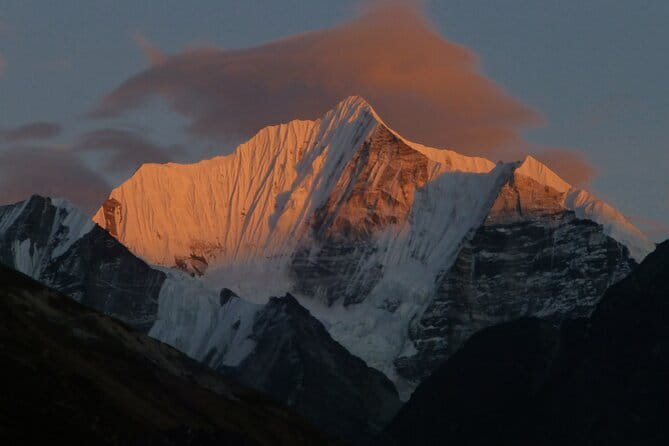
Langtang Valley is interesting because it mixes Tamang heritage with high-Himalaya views, without the big-crowd feel you get on Everest or Annapurna-style routes. You’ll walk through Tibetan-influenced villages, see the work of recovery after the 2015 earthquake, and visit Kyanjin Gompa where the spiritual vibe is real and the history feels close.
I like two things most. First, the trek route takes you away from traffic and into a calmer rhythm, where the scenery and village life come at you step by step. Second, this is built around practical guidance, with an experienced English-speaking trekking guide and real support on the ground, not just a map and a hope. One drawback to consider: the trek is aimed at people with moderate physical fitness, and you should expect altitude and day-to-day hiking to be part of the deal.
Key things to know before you go
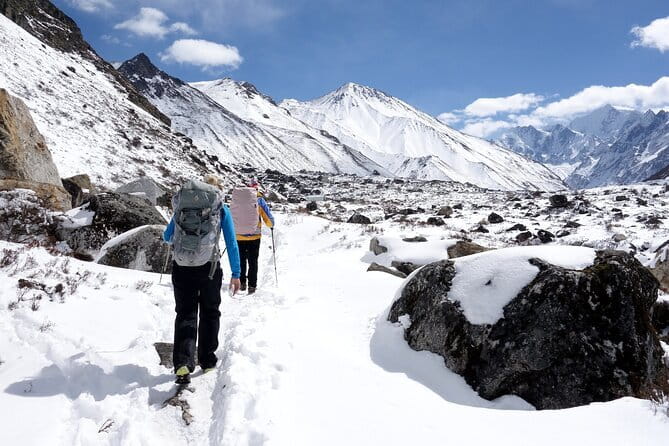
- Tamang villages and Tibetan-influenced culture: you’re not only hiking, you’re meeting communities and seeing daily life.
- Kyanjin Gompa plus the Kyanjin cheese stop: monastery views paired with a concrete taste of local production.
- Two big viewpoints options: the experience includes the main ridge day to Cherco Ri and mentions optional hikes to Kyanjin Ri or Tserko Ri.
- Guesthouse trekking with meals included: breakfasts, lunches, and dinners are planned, with a clear note that some meals are extra.
- Support that helps you feel safe: the trip is guided and there is a porter role mentioned in feedback, which matters when you’re traveling solo.
Why Langtang feels different from the usual Nepal trek
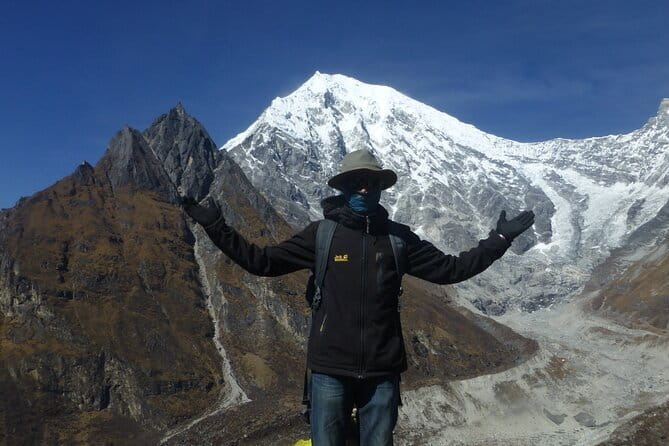
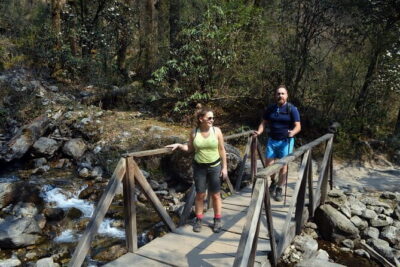
If you’ve ever felt like the popular trail scenes in Nepal can blur together, Langtang is a good change of pace. This valley trek is centered on human scale. You’ll pass through small settlements, cross rivers by suspension bridges, climb through forests that change as you gain altitude, and then settle into mountain rhythms where conversations, prayer flags, and simple routines take over.
The cultural side is not an add-on. The itinerary is structured around places you can actually stop and understand: Tamang heritage villages, then the spiritual landmark of Kyanjin Gompa. Even the way the days are paced supports that. Some days are shorter, some are clearly designed for movement with rest built in, and you’re not constantly rushing to hit a checklist.
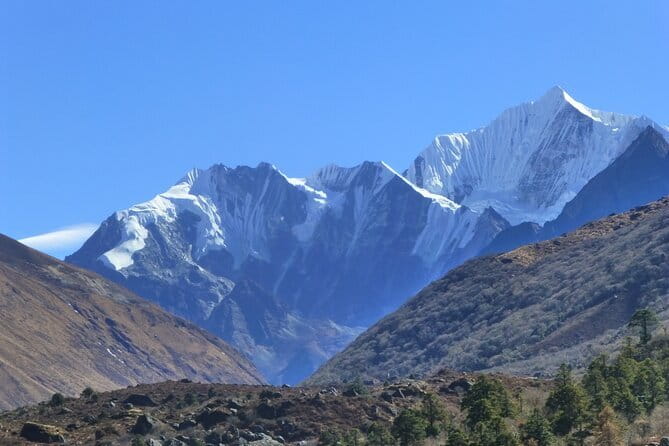
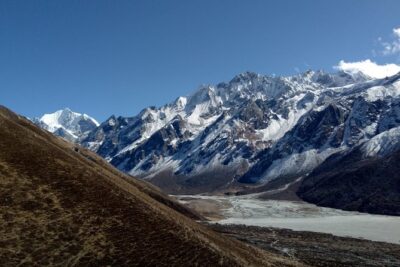
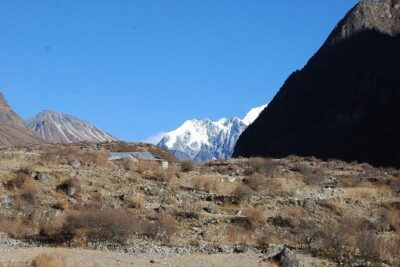
One more reason this works: Langtang sits in a striking view corridor. You’ll see Langtang Lirung and other peaks in the broader region, and on the ridge and monastery days, the perspective opens up in a way that makes all the walking feel worth it.
More of the Langtang valley:
- Langtang Valley Trek
★ 5.0 · 140 reviews - Langtang Valley Trek
★ 5.0 · 61 reviews - Langtang Valley Trek
★ 5.0 · 50 reviews
The value of a guided trek at $1,110 per person
Let’s talk money in a practical way. $1,110 per person is not a budget price, but for Nepal trekking it can be fair when the package includes the stuff that usually costs you time or hassles to arrange yourself.
Here’s what’s included that matters:
- Transfers and pickup/drop-off in Kathmandu
- Round-trip sharing bus transfers between Kathmandu and the trekking start/end point
- Trekking permit and TIMS card
- English-speaking experienced trekking guide
- Guesthouse accommodation during the trek
- First aid box carried with the guide
- Meals planned across the days, with a note that not all meals are included
And what’s not included:
- Al meals, listed as about $25 per day
- Gratitude (optional)
So what does that mean for you? It means you can spend your energy on hiking and being present instead of managing paperwork, coordinating permits, and translating logistics. That’s also where the feedback you shared becomes important. People mentioned organization and that they felt well cared for. When a team runs things smoothly, it often lowers stress more than you expect.
Getting from Kathmandu to Syabrubesi: the ride that starts your trek
Your trek begins with a 6 to 7 hour Himalayan ride to Syabrubesi. This is a long chunk of time, but it’s not wasted. Road travel in Nepal gives you an early sense of geography fast, and you start seeing the shift from Kathmandu’s bustle into greener hills, riverside areas, and countryside.
The drive crosses the Tirshuli route, which the description frames as a move into something wilder. Even if you only catch glimpses through a window, it helps you mentally prepare for the valley rhythm: smaller roads, steeper terrain ahead, and a gradual move away from city comfort.
Practical tip: use this day to hydrate and eat early. Even though the official trekking work is later, you’ll feel better if you arrive rested.
Day on the move: Syabrubesi to Lama Hotel through forest and bridges
After settling into the trek start area, you head toward Lama Hotel, with about 6 hours of walking. This section is described with dense forests and the sound-and-sight rhythm of the Langtang River plus suspension bridges.
What I like about this kind of day is how it trains your body gently. You’re working, but you’re not just staring at stone and snow. Rhododendron, oak, and bamboo show up along the way, and that mix keeps the hike visually interesting without forcing huge altitude gains all at once.
Also, bridges matter on this route. When you’re crossing river channels, you get frequent changes in perspective, and it’s easier to stay mentally engaged.
One consideration: river gorge areas can feel cooler and damp. Pack for changing weather, not one perfect forecast.
More to compare around Kathmandu
- Everest Base Camp Trek – 14 Days
★ 5.0 · 1,499 reviews - Everest Base Camp Trek
★ 5.0 · 842 reviews - Private Kathmandu Sightseeing Tour | UNESCO World Heritage sites
★ 5.0 · 756 reviews - Kathmandu: 7 UNESCO Sites with Lunch
★ 4.8 · 744 reviews
Entering the Langtang Valley: stone houses, yak pastures, and recovery
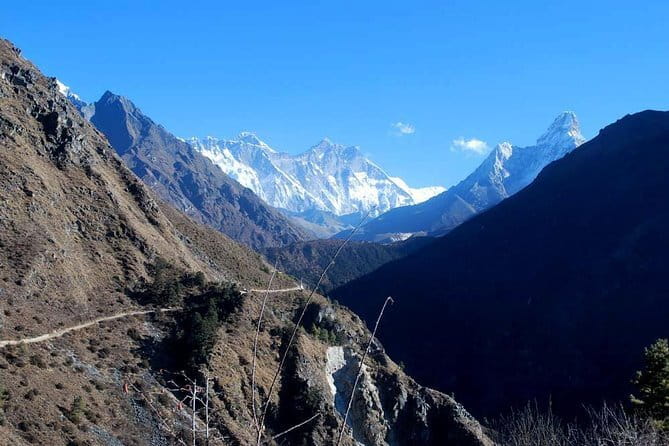
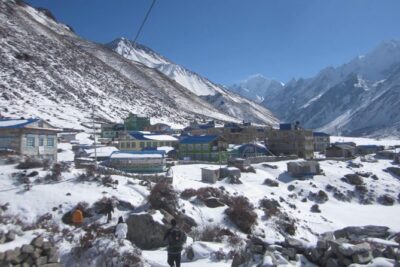
The core of the experience starts when you reach Langtang Valley trekking, arriving at Langtang Village. This is described as a 6 hour day with expansive views of Langtang Lirung, plus traditional stone houses and yak pastures.
I really value this stage because it has both scale and meaning. The views give you the emotional payoff, but the village part gives you context. The route is framed around recovery and resilience after the 2015 earthquake, and that changes the tone of your walking. You’re not just passing through scenic locations. You’re seeing communities rebuild, and you’ll likely feel that shift in conversation and the way people live day to day.
Practical note: the village day is a good time to slow down. Take a moment to notice what’s been repaired and what is still new. Even simple interactions can make the trek feel grounded.
Kyanjin Gompa day: monastery calm and a local cheese moment
Then you shift to Kyanjin Gompa, a principal monastery and a key spiritual stop. The travel time is shorter, about 5 hours, which makes this a good day to keep your energy for the atmosphere.
The highlights include panoramic mountain views, ancient monasteries, and the famous Kyanjin Cheese Factory. That cheese stop is a small detail, but it’s the kind of real-world touch I love on treks. It helps you connect the monastery setting to daily livelihoods. You’re seeing how people make food and manage their environment in a place where supplies are not automatic.
When you arrive, you get a different kind of silence than in the lower valleys. You’ll feel the mountains more. If you’re the type who enjoys taking photos, bring patience. The best shots often happen when you stop rushing and let the light shift.
Cherco Ri: the early start that turns into wide views
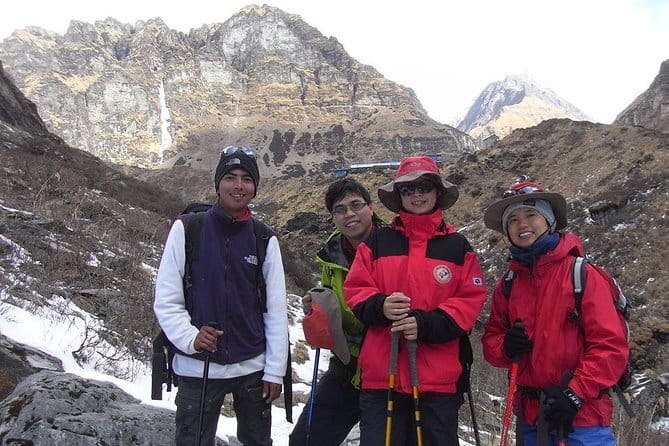
The most important viewpoint day is the hike toward Cherco Ri, with an early breakfast and packed snacks. The itinerary notes you cross a small wooden bridge over the Langtang River and begin climbing.
This is the day that rewards effort. Ridge hikes are where Langtang stops being a trek and becomes a panorama. You’re higher, your air feels thinner, and suddenly those peaks and valleys you saw earlier become more readable. This is also a good place to see how your pace has changed since day one. If you kept steady on earlier climbs, Cherco Ri tends to feel like the payoff rather than the punishment.
Practical tip: start slow. People often feel fine at the beginning, then regret it once they realize how hard uphill breath can be at altitude. Keep your steps controlled. Let your body catch up to your ambition.
The return to Lama Hotel: downhill that still takes work
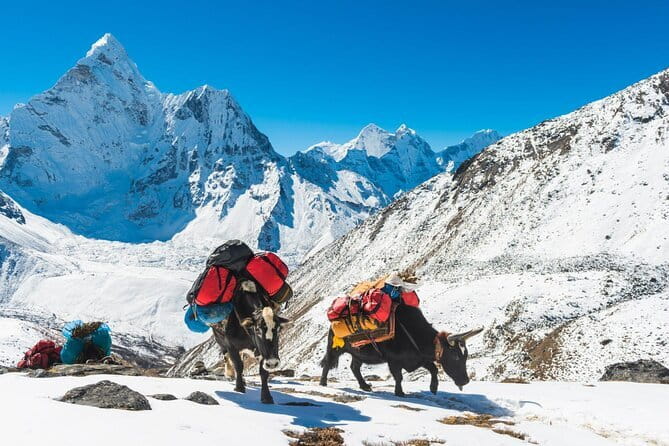
After your ridge day, you head back toward Lama Hotel with about 6 hours of walking. The description calls it an easy downhill walk with less strenuous altitude as you go down.
I’ll add a real-world note: downhill is often easier than uphill, but it still taxes knees and ankles. Watch your footing, use trekking poles if you have them, and keep your weight balanced. The valley can narrow, and that can make you feel like you’re always switching between river views and the trail edge.
If you’re carrying camera gear, this is also when you’ll learn whether your pack is truly comfortable. Take a few minutes to adjust straps and check load weight today.
Finishing strong: Lama Hotel back to Syabrubesi
The trek back is described as 7 hours with mostly descending as you return to Syabrubesi. There’s also an optional route via Sherpagaun if you want a more scenic alternative.
I like the idea of giving you options. On many treks, you feel like you have to follow one line exactly. Here, you can choose a slightly different approach on the way out, which can help if you’ve grown attached to certain views and want one last shot from a specific angle.
If you take the optional path, treat it as an extra, not a requirement. You still want to arrive with enough energy for the return ride to Kathmandu.
Day 8 back to Kathmandu: decompress and plan a better meal
You return to Kathmandu with about 6 hours of travel, crossing green hills, forests, and riverside countryside on the way.
Once you arrive, you’ll transfer to a selected hotel. The best way to handle this day is simple: eat something satisfying, hydrate, and get a shower that feels like a small celebration. Your legs might be fine, or they might be tight. Either way, don’t schedule anything intense that night.
Also, remember that al meals are not included. So once you’re back in Kathmandu, you can control what you eat and where. If you want a comfort meal, this is your moment.
Support on the ground: why the guide experience matters
One of the most praised parts in the feedback you shared is how people felt supported. There are comments about guides and porters being kind, caring, experienced, and reliable, plus a strong sense of safety for someone traveling alone, including as a woman.
Even without knowing individual guide names, the practical lesson is clear. This trek includes the core safety structure you actually need: an English-speaking trekking guide and first aid support through a first aid box carried with the guide. That translates into better pacing decisions, more confident trail navigation, and fewer moments where you feel stuck.
If you’re a solo hiker, this kind of team support can be a big deal. You’re not dependent on luck. You have a plan, and you have someone who knows the route well enough to manage the day’s reality.
What to pack (based on how this route actually feels)
The route shifts between forests, rivers, village days, monastery visits, and ridge hiking. So pack for layers and changing conditions.
I’d prioritize:
- Light layers you can add or remove as you climb or cool down
- Rain protection, because mountain weather can change quickly
- Good hiking shoes with grip for downhill
- A small day pack for snacks on ridge and monastery days
- Sunglasses and sun protection, because high altitude makes UV feel stronger
- A water plan that works for your comfort
You’ll also be doing guesthouse stays along the trek. That usually means you can keep heavier luggage in Kathmandu or with the group arrangement your operator uses, but you should still bring only what you’ll carry daily.
Who this trek is best for
This experience is best if you want:
- Moderate fitness and a real trekking challenge without the extremes of the most technical routes
- Cultural stops that feel part of the trek, not a quick photo pause
- A quieter alternative to the busiest trekking corridors
- Guided support and an organized plan
It may not fit as well if you have physical limitations or if you’re dealing with illness. The tour data specifically notes that physically ill persons should not take part.
If you’re traveling solo and want extra reassurance, the feedback you provided suggests that a guided setup and caring staff can make you feel safe and relaxed.
Should you book Namaste Nepal’s Langtang Valley Trek?
If your goal is a Tamang-focused trek with strong scenery, clear cultural stops, and a team that handles details so you can enjoy the walk, I’d say yes. The price is high enough that you should want solid organization, and your feedback points to exactly that: people reached their goal despite natural challenges and felt well cared for.
Book this if you:
- Want Kyanjin Gompa in your trek plan
- Are excited about a ridge day to Cherco Ri
- Like the idea of rebuilding villages after the 2015 earthquake, not just passing scenery
- Prefer guided support, especially if you’re traveling alone
Think twice if:
- You want a very easy stroll with no altitude challenge
- You’re sensitive about downhill strain on knees
- You don’t want to handle extra meal costs, since al meals are not included and can run about $25 per day
If you prepare well, take the climbs steady, and treat the monastery and village parts as equal to the views, Langtang gives you a trek that feels personal, not crowded.
FAQ
How long is the Langtang Valley Trek from Kathmandu?
It’s listed as 8 days approximately.
What is the price per person?
The price is $1,110.00 per person.
Does the tour include pickup and drop-off in Kathmandu?
Yes, hotel pickup and drop off are included.
Are trekking permits included?
Yes. The trekking permit and TIMS card are included.
What meals are included and what is not?
Breakfast is included for 7 days, and lunch (8) plus dinner (8) are included. Other meals (al meals) are not included, estimated at about $25 per day.
Is accommodation included during the trek?
Yes, accommodation in guest house during the trek is included.
Is this tour suitable for all fitness levels?
It’s recommended for people with moderate physical fitness level. Physically ill persons are not listed as suitable.
Is cancellation free?
Yes. You can cancel up to 24 hours in advance for a full refund. If you cancel less than 24 hours before the experience start time, the amount paid is not refunded.
Latest Kathmandu write-ups
- Langtang Valley Trek★ 5.0 · 3 reviews
- Khopra Danda Trek★ 5.0 · 3 reviews
- 5 night / 6 days Kathmandu Nagarkot Chitwan Pokhara tour★ 5.0 · 3 reviews
- Nepal Highlights Tour: 5 Nights 6 Days Kathmandu & Pokhara Tour★ 5.0 · 3 reviews
- Kathmandu Valley Private Day Tour★ 5.0 · 3 reviews
- Kathmandu Heritage Day Tour★ 5.0 · 3 reviews
- Conquer the Himalayas: The Ultimate 16-Day Annapurna Circuit Trek★ 3.5 · 3 reviews
- Kathmandu Bike Tour: Patan Heritage & Newari Food by Bike★ 4.6 · 3 reviews
Langtang Valley Trek, compared.
7 Days Langtang Valley Private Trek From Kathmandu
Read our review →Browse the lists this tour appears in