
Reviewed · SPA & HOT SPRINGS
From Pokhara: 5-Day Annapurna Basecamp Trek with Hot Springs
Annapurna Base Camp is the kind of trek that feels bigger than the calendar, because each day stacks a little more Himalayan reality on top of the last. I like this 5-day plan because it’s built around clear altitude stages, plus a finish at Jhinu Danda where you can soak sore legs. I also like the cultural thread, with time on trails that pass through villages tied to the Gurung, Magar, and Tibetan communities.
You should know the potential drawback up front: at 4,130m you are in cold, thin-air territory, and the “moderately challenging” label still means some steep ups, steep downs, and a body that may protest. If you’re not comfortable with altitude cold and variable effort, this route may feel harder than you expect.
Key things to know before you go
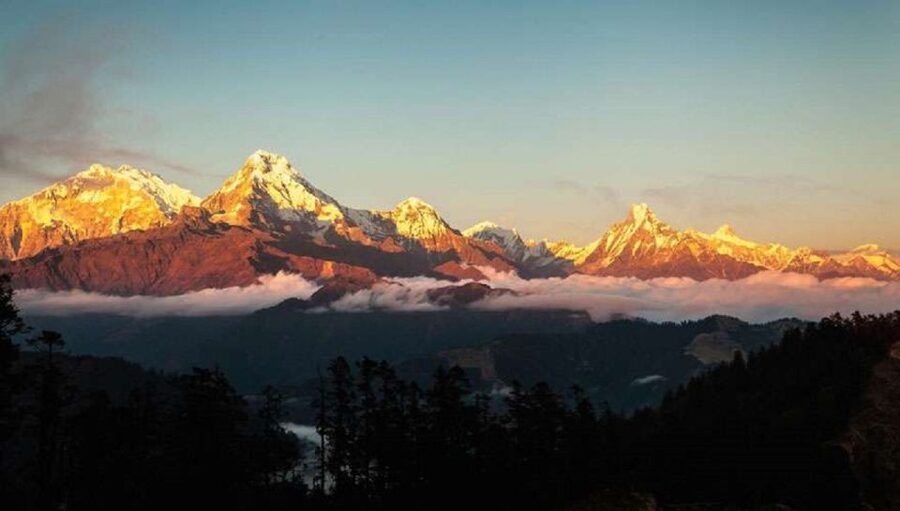
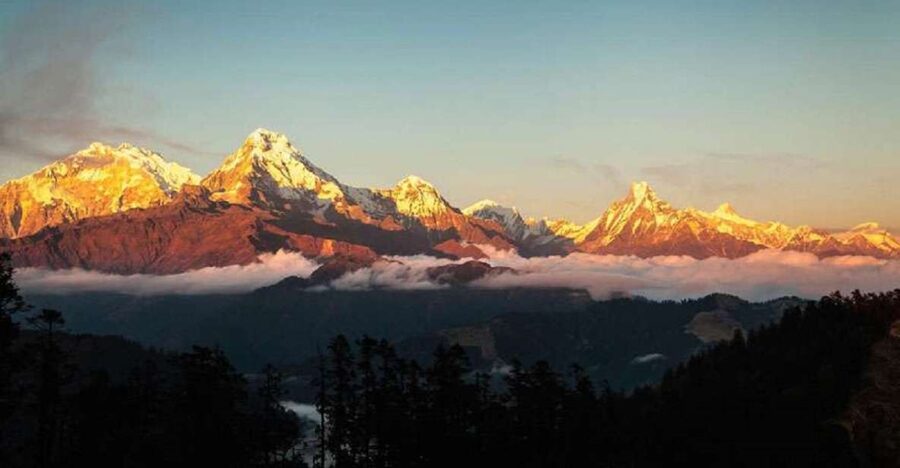
- Base Camp at 4,130m with classic views of Annapurna South, Annapurna I, Hiunchuli, and Machhapuchhre (Fishtail)
- A culture-forward route through villages and terraces tied to Gurung, Magar, and Tibetan communities
- Tea house nights in simple lodges, with meals provided during the trek (option dependent)
- Rhododendron, oak, and bamboo forests early on, then more exposed mountain walking near higher camps
- Hot springs included by entry fee at Jhinu Danda after the descent
- English, Hindi, or Nepali guide with government registration, plus luggage storage and a first aid kit
Why This 5-Day Annapurna Base Camp Trek From Pokhara Makes Sense
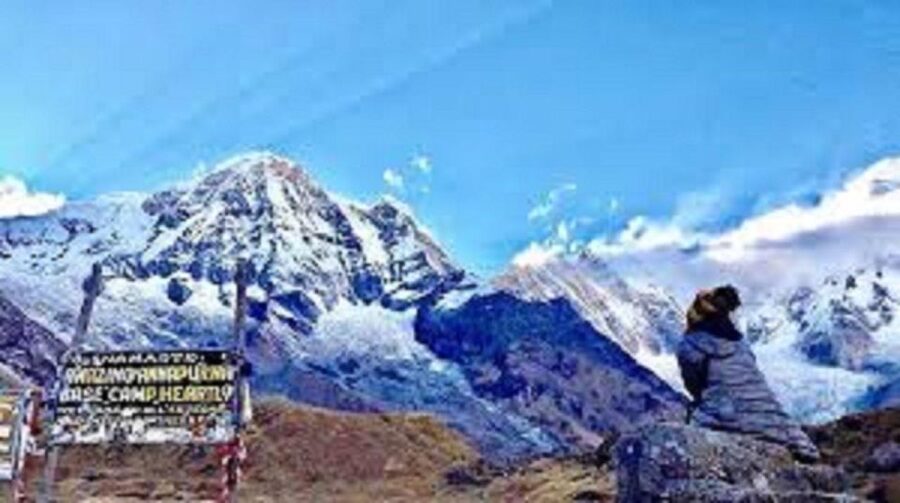
If you’re coming from Pokhara, this trek is interesting because it compresses the Annapurna Base Camp experience into a five-day window without pretending altitude is optional. You get mountain payoff at the highest point, then you still get a reset day with the hot springs finish.
I especially like that the walking is paced in recognizable chunks. You start around Chomrong/Sinuwa at about 2,170m to 2,340m, work up toward Deurali at 2,900m, then reach Annapurna Base Camp at 4,130m before descending again. That arc helps your body adjust, even if you still need to take it slow.
Another thing I like is the route’s variety. You’ll walk through forest and village trails in the lower and middle days, then you shift into more open views as you climb. It’s not just “another long hike,” it’s a sequence of ecosystems and settlement styles.
The main consideration is that you’re still asking your legs to move daily with real elevation gain, plus cold conditions higher up. Bring gear for the temperature swings, and don’t assume you’ll “power through” thin air like it’s a flat city jog.
Getting From Pokhara to the Trail: Jhinudanda, Scenic Stops, and a Real Head Start
Your trek starts with overland travel from Pokhara into the Annapurna region, with multiple vehicle segments built in. Expect around 3 hours by jeep or SUV and another 3 hours by bus or coach before you reach the area where the hike begins.
Once you’re close, you’ll get a Jhinu Danda photo stop and guided sightseeing before setting off. This matters because it gives you a soft landing day, not a hard straight-to-the-hills start.
From a practical standpoint, you’ll want to treat the ride time as part of your preparation. Hydrate before you go, keep a light layer handy for vehicle cold, and don’t pack your most-used items at the bottom of your bag. The better your organization, the less you’ll fumble when you first start climbing.
Also, the hot springs finish later means you should keep room in your day bag for a change of clothes and something you can wear to relax after the hike. That way, your last day feels like a reward, not a scramble.
More to compare around Pokhara
- Pokhara: 5 Day Annapurna Base Camp Trek & Natural Hot Spring
★ 4.9 · 44 reviews - Pokhara: 7-Day Annapurna Base Camp Via PoonHill & Hot Spring
★ 5.0 · 6 reviews - Pkr/Kathmandu: 5-Day Annapurna Base Camp & Hot spring Trek
★ 5.0 · 6 reviews
Chomrong or Sinuwa Day: Village Trails at 2,170 to 2,340m
On day one, you drive to the trailhead area around Matque/Jhinudanda and then trek up to Chomrong (2,170m) or Sinuwa (2,340m), depending on the route option used by your group. The walk takes about 4 to 5 hours, and the description “moderately challenging” fits here, because you’re dealing with some steep descents right away.
This is a good day for learning your trekking rhythm. If you start too fast, you’ll feel it later. If you keep steady effort, you’ll arrive ready to eat well and sleep without fighting fatigue.
You’re also walking through the kind of settlement patterns that make Annapurna feel lived-in. These villages are not museum sets. They’re working communities, with trail life shaped by seasonal farming and local trade, and you’ll start noticing how often the trail connects homes to the outside world.
One useful approach: take short photo breaks, but spend your real energy looking at how the trail threads through the terraces and into village lanes. That’s where you start understanding the human geography of the region.
Deurali Day: Rhododendron, Oak, and Bamboo Before the Thin-Air Test
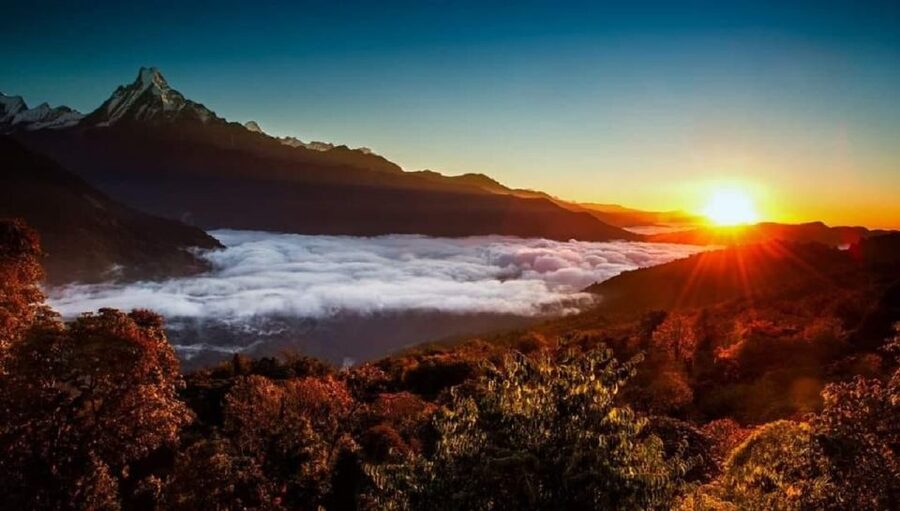
Day two climbs from Chomrong/Sinuwa up toward Deurali (about 2,900m), typically taking 6 to 7 hours. The trail passes through dense forest of rhododendron, oak, and bamboo, which is a welcome shift if you’re worried about being exposed too soon.
This forest day is also a mental checkpoint. When the trail is shaded and the air feels thicker than higher camps, it’s easy to feel confident. Use that confidence to practice good habits: slow steps, consistent breathing, and regular water intake.
The path includes steep ascents and descents. That means your cardio matters, but your pacing matters more. If you go “leg heavy” early, you’ll find the downhills on day two and later days wear you out faster.
Arriving at Deurali is where the trek starts reminding you that cold is coming. Even if you’re sweating during the hike, temperatures can shift quickly as you gain elevation. Pack layers like you expect the weather to change every hour. It often does.
Reaching Annapurna Base Camp at 4,130m: The Day Everything Clicks
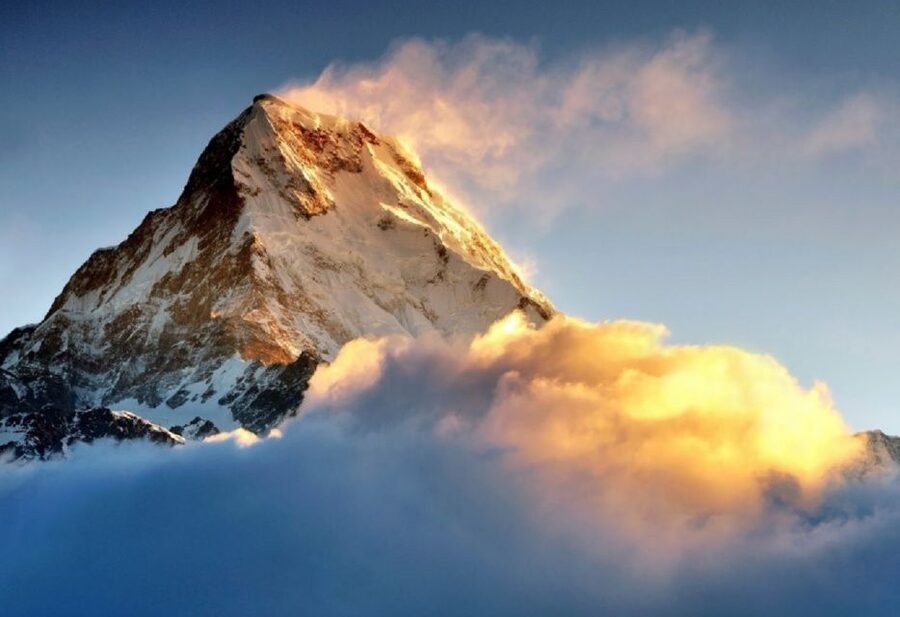
Day three is the big one, moving from Deurali up to Annapurna Base Camp (4,130m) in about 5 to 6 hours. Along the way, you pass near Machhapuchhre Base Camp, and the massif opens up into the kind of mountain views you remember long after the miles fade.
This day is challenging because it combines steep sections with altitude. You may not feel “out of breath,” but you might feel slower, heavier, and a little less sharp. That’s normal. Don’t measure effort by speed, measure it by control.
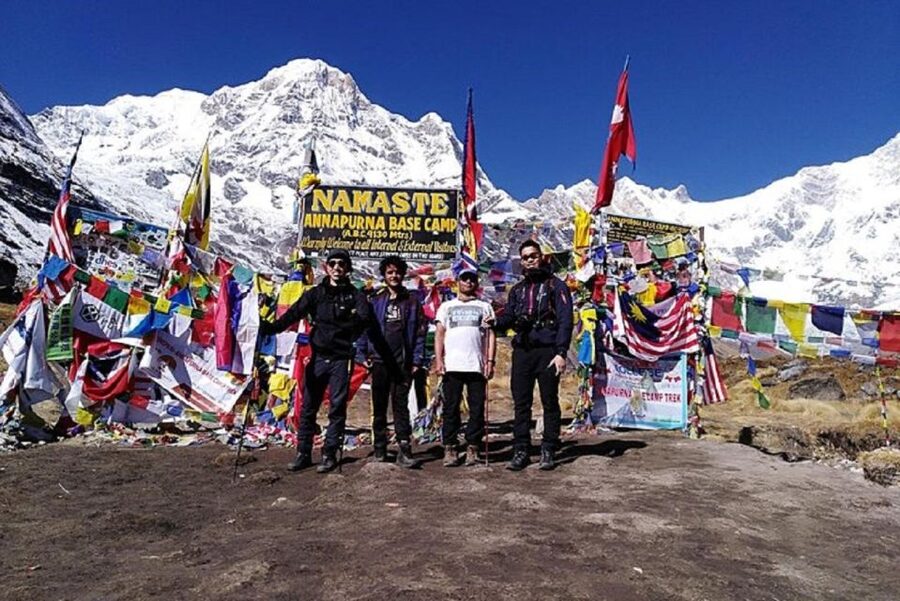
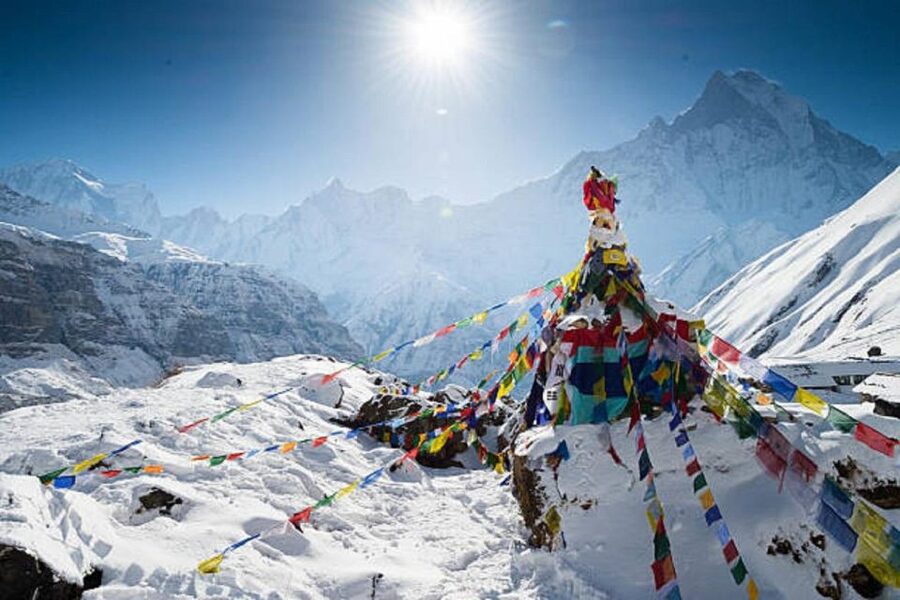
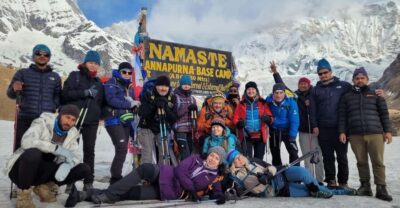
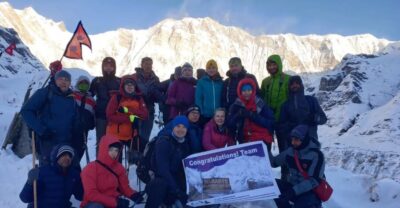
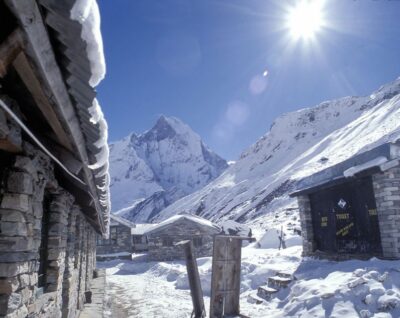
Once you arrive at ABC, you’re there for the classic skyline of Annapurna South, Annapurna I, Hiunchuli, and Machhapuchhre (Fishtail). These peaks show up like they’re arranged on purpose, even though the real reason is geometry plus weather. When clouds clear, the view can feel almost unfair.
Timing-wise, the day includes photo time, guided time, and some free time for walking, sightseeing, and sunrise-style moments. If you care about photos, ask your guide when visibility is best and plan to move calmly, not hurriedly.
Here’s the practical truth: Base Camp is about more than a single moment at a single elevation. You’ll feel the difference between “I made it to a number” and “I’m actually standing in the heart of the Annapurna amphitheater.” The second feeling is usually what people come back for.
A different sort of day out of Pokhara:
- ZipFlyer Nepal – The World’s Steepest Zip-line
★ 5.0 · 608 reviews - Bungee Pokhara by HighGround Adventures
★ 5.0 · 366 reviews - From Pokhara: Sarangkot Sunrise Himalayas Tour
★ 4.7 · 218 reviews - Full-Day Tibetan Cultural Tour to Tibetan Settlements Pokhara
★ 5.0 · 184 reviews
Down to Bamboo and Then Jhinu Danda: Hot Springs as the Finish Line
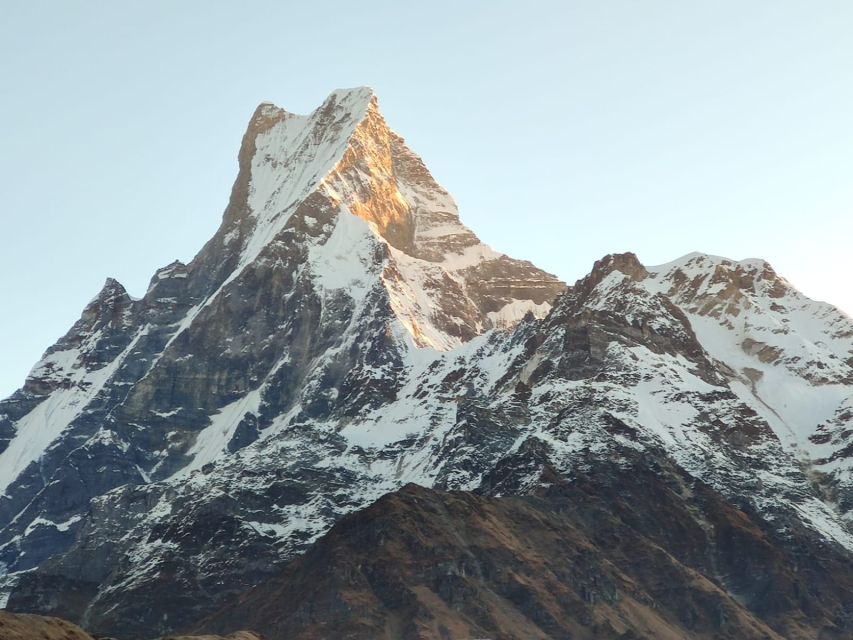
Day four takes you from Annapurna Base Camp back down to Bamboo (about 2,340m). It’s mostly downhill with some steep sections, and it typically takes 6 to 7 hours.
Downhill is where trekking poles earn their keep. Your quads do less work on the uphills, then they get hammered on the descents. If you shorten your stride and use poles, your knees will feel less drama later.
You also get to see the trail from the opposite direction. That’s useful. Parts of day three can feel like a blur of effort, but day four turns that effort into understanding. You start recognizing where the trail bends, how ridgelines guide the route, and why the tea house spacing works.
Day five finishes the job: Bamboo to Jhinu Danda/Hot Spring (about 1,780m) in around 5 to 6 hours, then a drive back to Pokhara that takes 2 to 3 hours.
The hot springs entry fee is included, which is a big deal for value and recovery. Your legs are not going to care about the beauty of the mountains on the last day. They’ll care about warmth, water, and a place to sit without your muscles seizing.
Also, remember that Jhinu Danda is still at altitude compared to Pokhara. You’ll likely feel a chill in the evening, so rinse off, warm up gradually, and don’t treat the hot water as a substitute for proper clothing.
Food, Tea Houses, and the Comfort Level You’re Paying For
This trek uses basic tea houses or lodges along the route. That means you should expect simple rooms, shared dining spaces, and the kind of setup that works because it’s consistent across trekking routes.
Meals are provided throughout the trek depending on the option you select. What you’ll typically value most here is regular food and reliable tea. When you’re high and cold, energy management becomes a bigger deal than culinary excitement.
One thing I like about this kind of route is the predictability. You’re not searching for “the best place to eat” each day. You’re focusing on walking, then getting warm and fed, then resting.
Bring a practical attitude toward comfort. If you’re expecting hotel-level amenities, you’ll feel disappointed. If you think of tea houses as functional bases, you’ll feel better and sleep easier.
Guides, Safety Rhythm, and Why the Right Team Matters
A government-registered English-speaking trekking guide is included, and your team can communicate in English, Hindi, or Nepali. In the experience, you might hike with guides like Anil, Uttam, Santosh, Bishnu, or Sun Bahadur, and sometimes guide pairs show up like Candra and Sanik or Santos and Milo.
What stands out in the way this trek is described is not just knowledge, it’s how the guides help you manage yourself. People talk about being encouraged during colder moments, being guided patiently as a first long trek, and getting practical help with arrivals at guesthouses. That kind of support matters more on a compressed five-day plan than on a longer trek, because you have less slack time.
Safety rhythm is also built into the structure. You don’t just go “up, up, up.” The route alternates effort days with descending or settling days, and the guide is there to keep pace realistic.
If you’re a nervous beginner, this is where the guide becomes your anchor. You’ll feel less pressure if you can stop, breathe, and move at your own rate without the group melting into a fast line.
Price and Value: What $155 Covers, and What to Budget Anyway
At $155 per person for five days, the real question is what you’re getting for the money. This price includes major items that often cost extra on other tours: ACAP permit, round-trip transportation between your Pokhara hotel and the trek starting point, meals depending on your option, and accommodation in tea houses or lodges during the trek.
It also includes an English-speaking government-registered trekking guide, a first aid kit, and even a hot springs entry fee for the Jhinu Danda stop. Plus, there’s luggage storage in Pokhara, which is useful if you’re traveling light or want to avoid dragging extra bags around town.
Not included items are clear and important to plan for: travel insurance is mandatory, personal expenses and snacks or beverages aren’t covered, emergency rescue services aren’t included, and a porter is optional at $20 per day if you want extra help.
Here’s my value take: this price feels strongest if you want everything handled in a structured way, especially the permits, guiding, and core meals and stays. If you already have your own guide, your own transport, and you’re comfortable arranging ACAP permit paperwork, then the value shifts. For most people, though, the included pieces reduce stress at the exact moments you’ll be too tired to deal with logistics.
What to Pack for Annapurna Cold, Rain, and Long Days
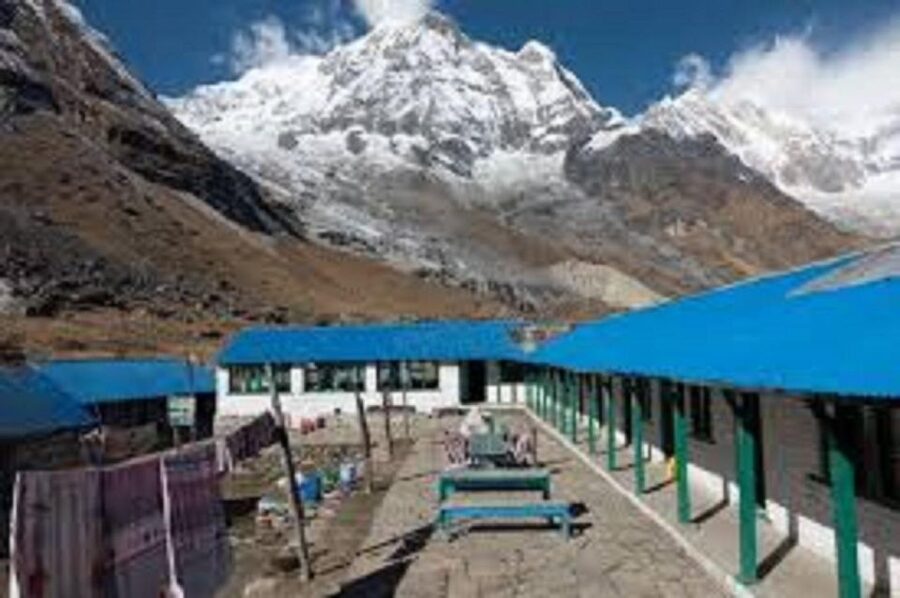
This trek is only five days, but it still covers big altitude temperature swings. Temperatures can vary significantly, and higher altitudes are often very cold, so pack for cold and for weather changes.
Bring:
- Comfortable shoes, plus hiking shoes
- Hat and hiking pants
- Change of clothes
- Rain gear
- Layers you can add or remove
- Camera
- Cash
- Hair tie
- Trekking gear
- Passport, with a copy accepted
You’ll also want to submit a copy of your passport at least one day before the trek so the necessary permits can be arranged. That one step can save you a lot of last-minute stress.
Quick tip: keep the items you’ll use hourly in the top area of your bag, and keep your “cold layer” easy to reach. On mountain mornings, delays cost warmth.
Who Should Book This Trek, and Who Might Rethink It
This is a strong choice for people who want the iconic Annapurna Base Camp payoff without spending two weeks in transit and on the trail. The route is described as moderately challenging, but the reality is that 4,130m is serious, so you should bring a baseline level of fitness and good health.
You’ll probably love it if:
- You like mountain views that build day by day
- You enjoy village and forest walking, not just summit chasing
- You want a warm finish at Jhinu hot springs
- You value a supportive guide, especially if this is your first longer trek
You might rethink it if:
- Altitude and cold conditions make you anxious
- You need a very easy route with minimal steep sections
- You don’t plan to follow pacing advice and rest when needed
If you’re unsure, talk honestly with your guide and be ready to use a porter if it helps your comfort. A porter is optional, but your goal is finishing the trek with good memories, not just finishing.
Should You Book This Annapurna Base Camp Trek With Hot Springs?
I think you should book it if you want a well-structured five-day plan with core logistics handled, a real guide who supports pace and cold moments, and a satisfying recovery stop at Jhinu Danda. The value is strongest when you appreciate what’s included, like the ACAP permit, transport from Pokhara, tea house stays, and the hot springs entry fee.
Before you commit, make sure you’re comfortable with:
- Daily walking with steep ups and downs
- Cold at higher elevations around Deurali and ABC
- The need for travel insurance
- A packing plan that covers wet weather and layers
If that all sounds like you, this trek is a clear shot at the Annapurna Base Camp experience, plus a hot-spring finish that turns sore legs into a story you’ll actually want to tell.
FAQ
How long is the Annapurna Base Camp trek from Pokhara?
The trek lasts 5 days.
What altitude do you reach at Annapurna Base Camp?
Annapurna Base Camp is at about 4,130m.
What is included in the tour price of $155 per person?
It includes round-trip transportation between your Pokhara location and the trek starting point, an ACAP permit, meals throughout the trek depending on the option selected, tea house or lodge accommodation during the trek, an English-speaking government-registered trekking guide, hot springs entry fee, and a first aid kit.
Is travel insurance included?
No. Travel insurance is mandatory for your safety and peace of mind.
Do I need a passport copy?
Yes. A copy of your passport is accepted, and you need to submit it at least one day before the trek so permits can be arranged.
Is a porter available if I need one?
A porter is available if needed, and the cost is $20 per day.
Where do the hot springs happen?
The trek finishes at Jhinu Danda/Hot Spring, and the hot springs entry fee is included.
Is the guide language English?
The guide is listed as English, Hindi, and Nepali.
What should I bring for the trek?
You should bring comfortable shoes and hiking shoes, a hat, change of clothes, a camera, rain gear, comfortable clothes, cash, passport (copy accepted), a hair tie, hiking pants, and trekking gear.
Latest Pokhara write-ups
- Mardi Himal Trek -5 Day Short Trek From Pokhara★ 5.0 · 8 reviews
- Tandem Paragliding in Pokhara★ 4.8 · 8 reviews
- Pokhara: Peace Pagoda Sunset, Annapurna Mountain Views Tour★ 2.9 · 5 reviews
- Short & Scenic: 2-Day Private POON HILL Trek from Pokhara★ 5.0 · 8 reviews
- Seti George and Thrilling Suspension Bridge Tour at Pokhara★ 4.5 · 3 reviews
- Sarangkot Sunrise over the Himalayas★ 4.8 · 83 reviews
- Pokhara: Sarangkot Sunrise and Private Full Day Tour★ 4.8 · 24 reviews
- From Kathmandu/Pokhara: Private 3-Day Chitwan Safari Tour★ 4.7 · 34 reviews
Spa & Hot Springs, compared.
5 Day Annapurna Base Camp Trek & Natural Hot Spring
Read our review →
7-Day Annapurna Base Camp Trek & Natural Hot Spring
Read our review →
7-Day Annapurna Base Camp Via PoonHill & Hot Spring
Read our review →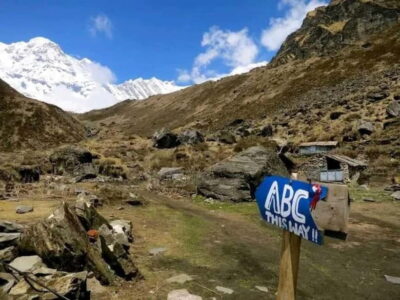
Pkr/Kathmandu: 5-Day Annapurna Base Camp & Hot spring Trek
Read our review →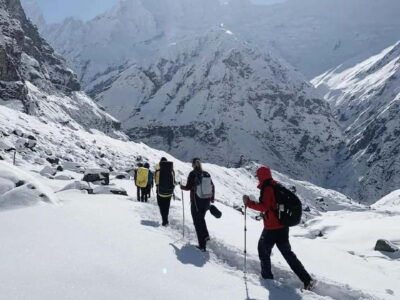
5-Day Trek to Annapurna Base Camp and Hot Springs
Read our review →Browse the lists this tour appears in