
Reviewed · ANNAPURNA BASE CAMP TREK
Pokhara: 7-Day Annapurna Base Camp Via PoonHill & Hot Spring
This trek is interesting because it squeezes in two classic Annapurna moments in one week, Poon Hill sunrise at 3210m and then the big finish at Annapurna Base Camp (4130m). I also like that the trip has a built-in recovery stop at the end, Jhinu Dada hot spring at 1600m, so you get a proper muscle reset instead of just collapsing at your guesthouse.
The main drawback to consider is altitude and time on your feet. You will climb hard on several days, including a long push up to base camp, so you should show up with real trekking stamina and be ready for cool nights, steep steps, and a slower pace.
Key Things That Make This Trek a Solid Choice
- Poon Hill sunrise without wasting daylight: You get up early to chase the views from 3210m.
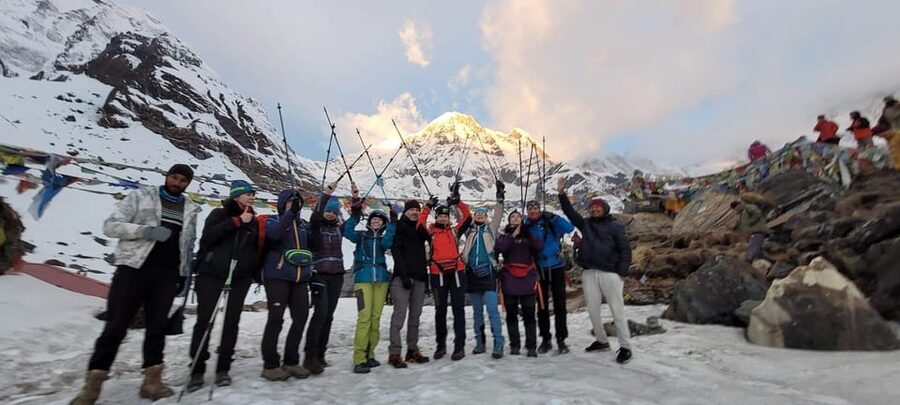
- Base Camp’s dramatic payoff: The trek ends at Annapurna Base Camp at 4130m, surrounded by snow peaks and glaciers.
- A mix of forests and river corridors: You’ll walk through rhododendron, bamboo, and along river meeting points.
- Practical high-low rhythm for acclimatization: You go up, then down, then up again, instead of a straight grind.
- Hot springs on the way back: Jhinu Dada soaking time is about two hours, built into the final day.
- Guides and porters with proven track records: Past trips have included guides like Mahesh or Prakash, and porters such as Bishal, Avinesh, and Sujal.
Why This 7-Day Route Works: Poon Hill Sunrise plus Annapurna Base Camp
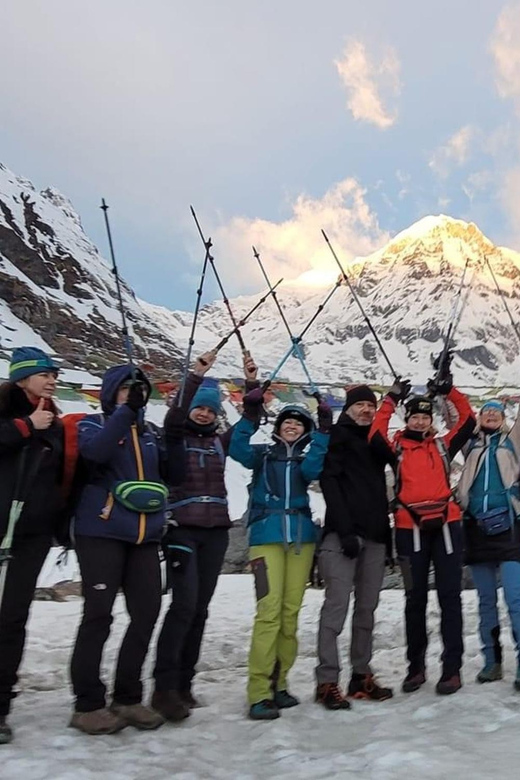
If you want the Annapurna story in one week, this route makes sense. You start in lakeside Pokhara with an easy first transfer day, then you work your way up through villages and forest trails toward higher viewpoints. After that, you hit Poon Hill early for sunrise, then continue to the real goal, Annapurna Base Camp.
What I like most is the emotional arc. Poon Hill gives you that early-morning “how is this even real?” feeling, and base camp turns it into something more physical and intense, with the altitude and the surrounding ice features right in front of you.
One more reason this trek is a good value is how many logistics are handled for you. You have permits and paperwork taken care of, a guide to manage the route, and local accommodation along the way. That matters in Nepal, where the best experience is usually the one that runs smoothly on the ground, not the one that sounds perfect on paper.
More routes into the Annapurna Sanctuary:
- Kathmandu/Pokhara: 5-Day Annapurna Base Camp (ABC) Trek
★ 4.9 · 72 reviews - Pokhara: 5 Day Annapurna Base Camp Trek & Natural Hot Spring
★ 4.9 · 44 reviews - Pokhara: 7 Day Annapurna Base Camp Trek
★ 4.9 · 38 reviews
Pokhara to Ghorepani: Your First Lift into the Hills
The trek starts with a scenic drive from Pokhara to Nayapul, then you continue onward by road up to the trailhead. You pass streams and small villages while the route gradually climbs. Even before you start proper hiking, you’re already moving into Annapurna’s world.
From there, you trek up to Ulleri and then continue to Ghorepani, reaching about 2840m by the end of the day. This is a solid “warm-up climb” day. It’s long enough to get your legs ready, but not so punishing that it wipes you out before sunrise season.
Two practical notes. First, your overnight here is in a tea house, so you can count on the classic trekking-night vibe, warm drinks and simple meals. Second, you start thinking about layers early. At these elevations, your jacket can feel like a must instead of a suggestion.
Ghorepani to Tadapani or Chuile: Sunrise Prep, Poon Hill Payoff
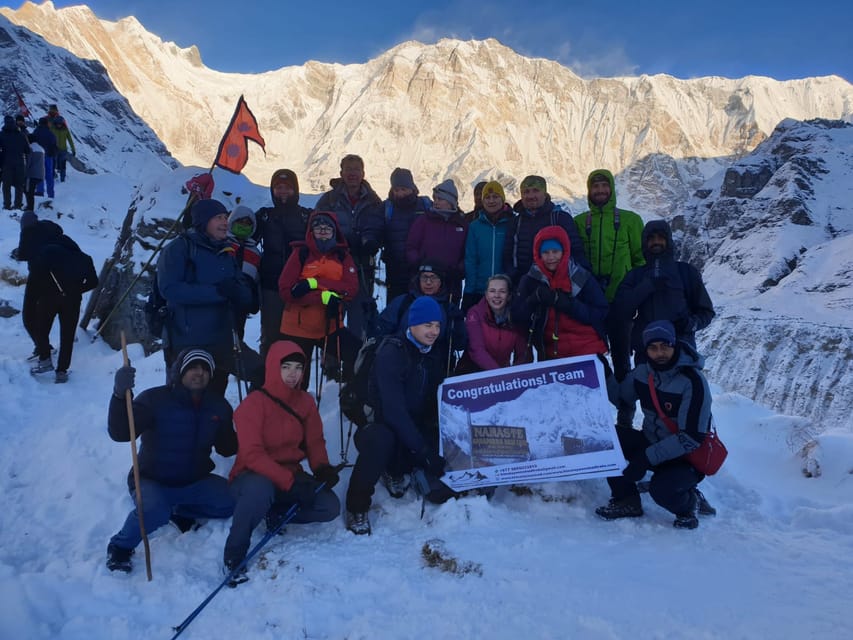
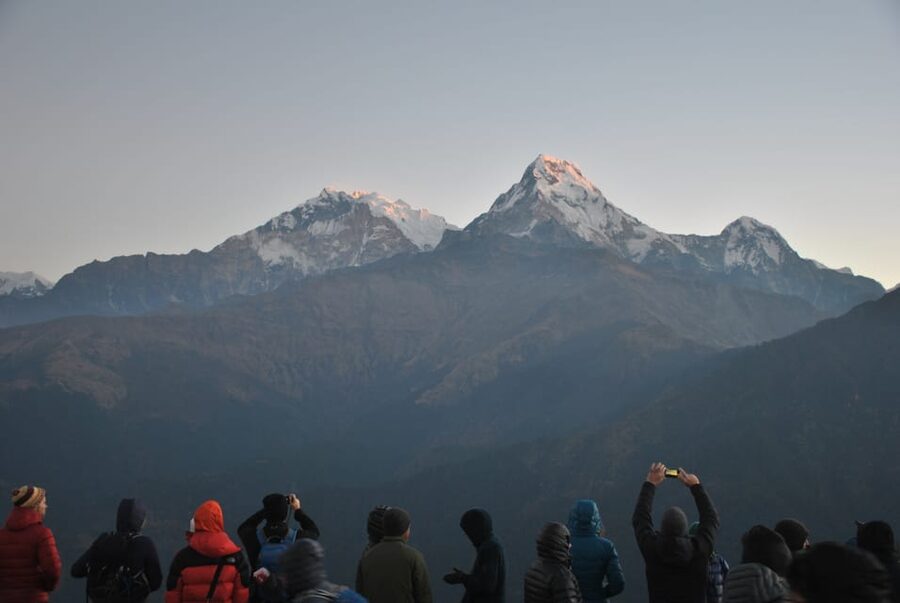
The second day is built around a simple idea: get to Poon Hill for sunrise, then descend before you burn yourself out. You rise early from Ghorepani, climb up to Poon Hill at 3210m, eat breakfast, then head back down after the views.
That early hour is the whole point of this day. Poon Hill is famous for sunrise because it gives you wide visibility and dramatic mountain silhouettes. Your trek schedule even reflects this by placing the push to 3210m right here, rather than scattering big climbs across the week.
After breakfast, you descend to Tadapani or Chuile, around 2400m, and you sleep in a hotel in the village. This part is important for pacing. You’re still trekking about six hours total, but the downhill section helps you recover for what’s coming next.
If you want a small strategy that helps on this kind of route, it’s this: keep your mornings calm. You will be cold and focused before sunrise. Take small steps, drink water when you can, and don’t treat it like a race up the stairs.
Chuile to Sinuwa: River Energy and the Kumrung-Modi Junction
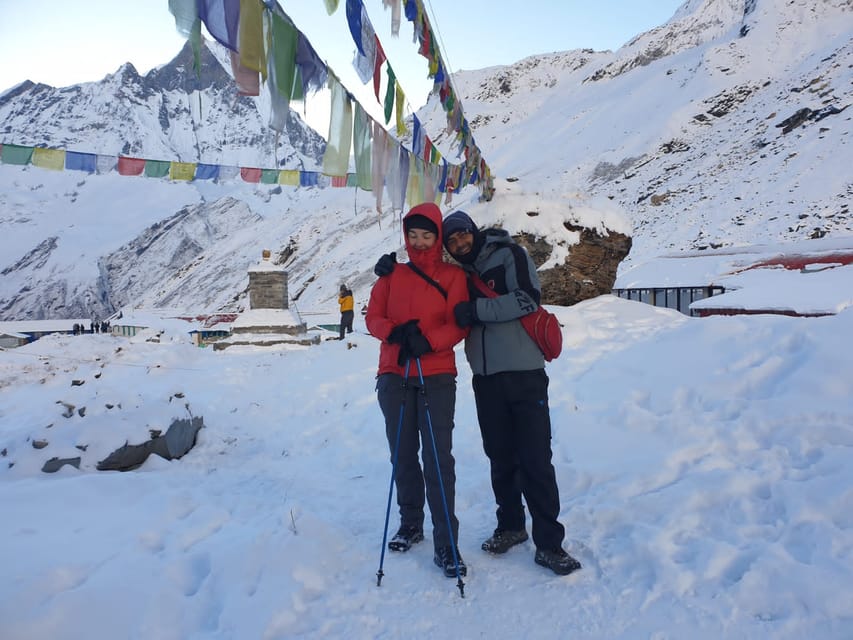
On the third day, the trail keeps turning toward the Annapurna Base Camp approach. You’re moving from Chuile to Sinuwa, dropping and rising through the valley system as you go. By the end of this day, you’re around 2170m.
One of the more interesting pieces of this leg is the way it’s described: you’ll cross the meeting point area of the Kumrung and Modi rivers. Walking near rivers changes the feel of the trek. It can mean more life and sound along the path, and often a more forgiving grade than a straight cliff-wall ascent.
This is also the day where the trek becomes “real hiking” for many people. The time on your feet can feel steady, less about big landmarks and more about maintaining a good rhythm. If you’re prone to overdoing it early, this is a good day to remind yourself that the mountain rewards consistency.
More Ghorepani and Poon Hill departures:
- Pokhara: 4-Day Ghorepani, Poonhill & Ghandruk Mountain Trek
★ 5.0 · 132 reviews - From Pokhara: 3-Day Ghorepani Poon Hill Trek with Guide
★ 4.9 · 68 reviews - Pokhara: 2-Day Ghorephani and Poon Hill Private Trek
★ 4.6 · 50 reviews - From Pokhara: 2 Day 1 Night Ulleri,Ghorepani Poon Hill Trek
★ 4.9 · 33 reviews
Sinuwa to Deurali at 3200m: Machhapuchhre Vistas Through Rhododendron and Bamboo
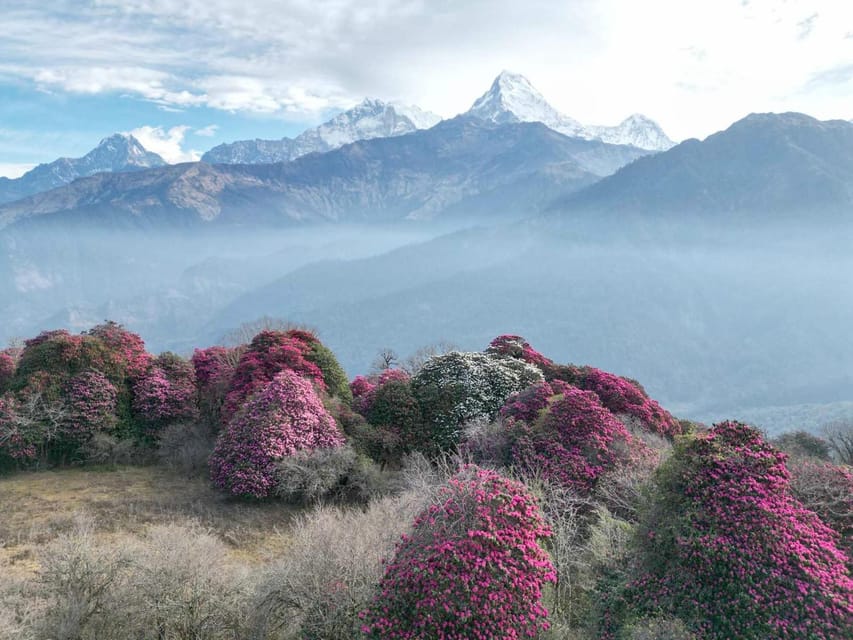
The fourth day climbs again, this time from Sinuwa up toward Deurali at about 3200m. You walk through lush forests, and you’re specifically in rhododendron and bamboo areas as you continue toward Dovan and then Deurali.
A big plus here is the view context. You get the chance to spot Annapurna and Machhapuchhre mountain views along the way. Machhapuchhre, sometimes called the Fishtail, tends to feel special on treks like this because it’s so recognizable when weather cooperates.
This leg is about balance. It’s high enough to make you notice altitude, but not yet at the base camp intensity. It’s also a good staging day because it sets you up for the final push the next day.
What can catch people is fatigue. You might not feel crushed yet, but you’ll probably feel the altitude in your breathing. The fix is simple: slower steps, shorter strides, and steady water and snacks.
Deurali to Annapurna Base Camp at 4130m: The Day Your Legs Remember
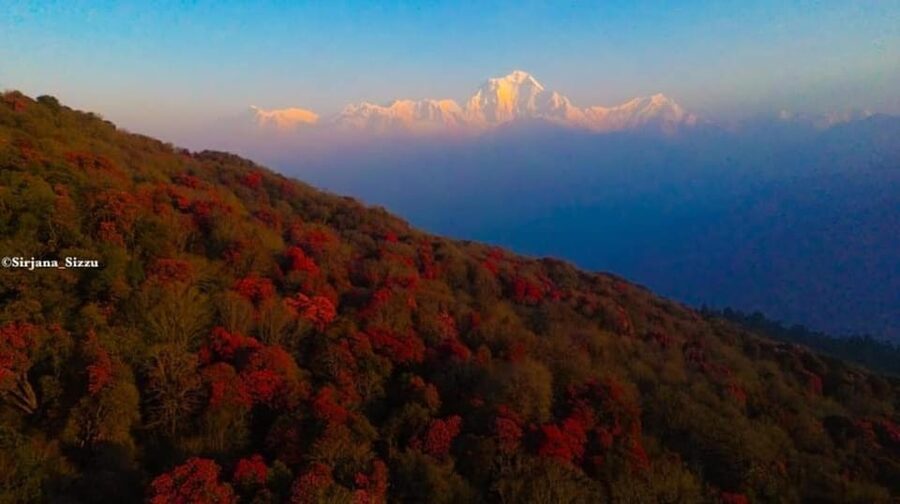
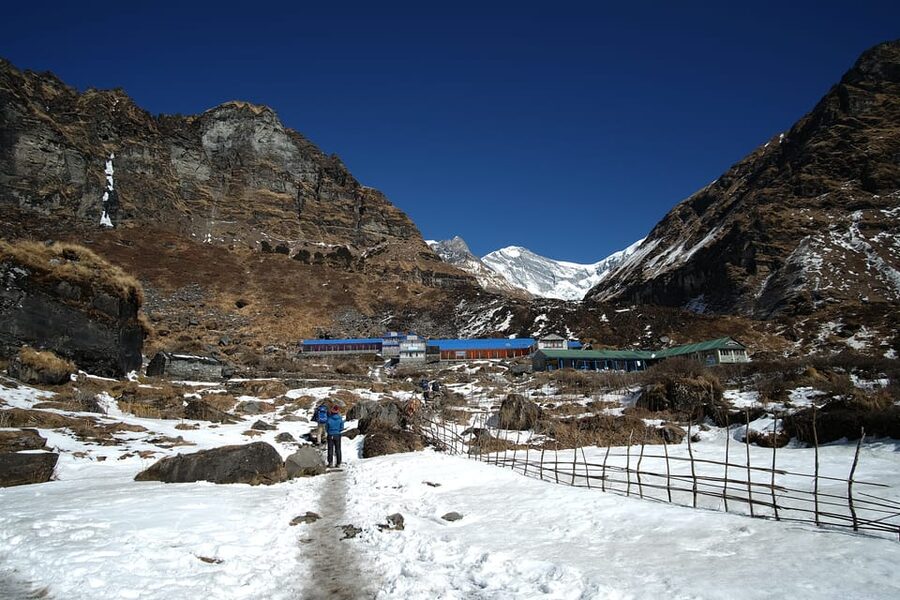
Day five is the one you plan for all week. You trek from Deurali to Annapurna Base Camp at 4130m in about six hours, and the route is the classic grind toward a high-altitude destination.
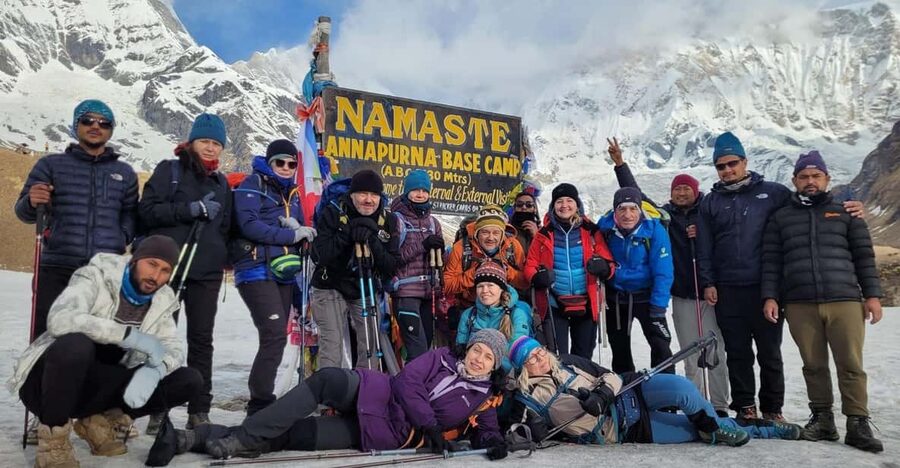
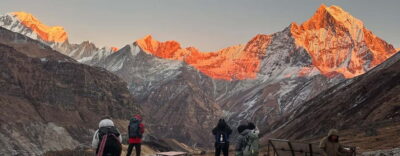
The description is clear about the reward. At base camp, you stand in awe of an amphitheater of mountains, surrounded by snow-capped peaks and dramatic glaciers. This is where the trek stops feeling like a hiking itinerary and starts feeling like a mountain experience.
It’s also the part where you should treat your body like the main guide. If you get light-headed, slow down immediately. Keep breathing steady, and avoid the urge to sprint to “catch up.” You want to arrive feeling impressed, not wrecked.
This day is also a reminder of why the route alternates high and lower sleeping elevations earlier in the trek. You’re still climbing, but you’ve already had time to gradually acclimatize with the Poon Hill morning and the earlier descent days.
Base Camp Back to Bamboo, then Jhinu Dada Hot Springs Recovery
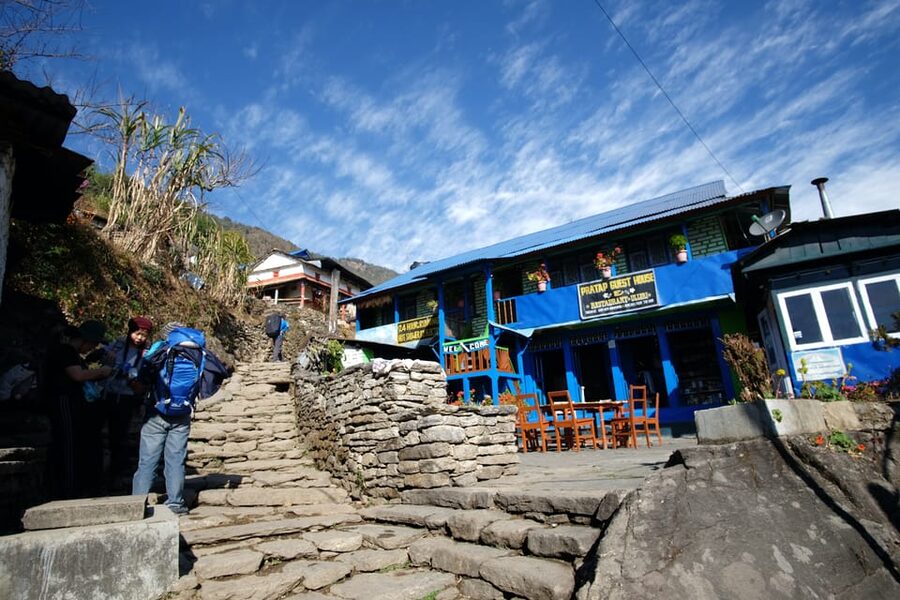
After you’ve had the base camp moment, the sixth day is about descent and moving back to more manageable altitude. You trek from Annapurna Base Camp down to Bamboo, around 2300m, in roughly six hours and stay overnight in Bamboo.
This is a crucial day mentally. People sometimes think day six is boring because it’s “just the way back,” but it’s actually when you get to process the whole trip. You’ve seen the high wall of mountains already. Now you can look around and appreciate how different the terrain feels on the way down.
Then comes the grand recovery plan. On the seventh day, you continue descending from Bamboo to Jhinu Dada hot spring at about 1600m. You get roughly two hours to soak in the natural hot water. This is one of those details that sounds simple until you do it. After days of downhill pounding, warm water often feels like a reset button.
After soaking, you return toward Lakeside Pokhara. The day includes trekking until Samrung, about thirty minutes, then a jeep ride back to Pokhara. That mix of short walking and vehicle time helps you finish strong instead of ending with one last long hike.
Guides, Teamwork, and How the Trip Stays Organized
This trek runs with a private group and an authorized English-speaking local expert guide. You also get hotel pickup and drop-off, plus permits and paperwork handled as part of the package.
In the real world, that kind of structure matters. When the weather changes or your pace needs adjusting, your guide can make decisions on the ground. Past departures have included guides like Mahesh and Prakash, and the feedback has highlighted how responsive they were, answering questions and adjusting the route to match abilities.
You might also have a porter team depending on your selection. Porters are listed as available for purchase. Reviews have specifically mentioned porters like Bishal, Avinesh, and Sujal doing important work and offering good company along the way. Even if you go without a porter, it’s smart to plan around carrying your essentials carefully, especially on the steeper segments.
Price and Logistics: What $267 Includes (and Why It Adds Value)
At $267 per person for a 7-day trek, the value comes from what’s covered, not just the daily cost. Included in the package are:
- an authorized English-speaking local guide
- hotel pickup and drop-off
- trekking permits and the paperwork/TIMS fee(s)
- accommodation during the trek
- all meals (breakfast, lunch, dinner) during the trek if you choose the full package
- deluxe transportation by 4-wheel drive jeep as per the itinerary and group size
- all guide expenses, including meals, accommodation, salary, equipment, insurance, and transportation
What you do not get, and should plan for, is also clearly listed. Soft and hard drinks, travel and rescue insurance, entrance fees during sightseeing, international flights, Nepalese visa fee, personal expenses like phone calls, laundry, battery recharge, and bottled or boiled water are not included.
Here’s the practical way to think about value. You are paying for route planning, permits, a guide, and the on-the-ground logistics that can eat time if you try to manage everything yourself. For many people, that saves mental energy, and mental energy is what you need when you’re climbing at altitude.
Also note you’re not paying for a flashy hotel in the mountains. The package includes accommodation along the trek, but the comfort level will match the trekking reality of tea houses and village lodging. If your priority is comfort over scenery, you’ll still get views, but you should keep expectations realistic.
What to Pack for 3210m to 4130m (and How Not to Freeze)
The provided packing list is your best starting point:
- passport or ID card
- comfortable shoes
- sunglasses and sunscreen
- jacket and comfortable clothes
- sleeping bag
- trekking gear
From a comfort point of view, I’d treat layering as your main weapon. Nights get cold, and mornings for sunrise are colder than you expect at this elevation. Sunglasses matter because the light at altitude can be sharp, and sunscreen matters because you’re often walking in exposed areas.
One more practical tip. Bring what you can carry comfortably. The trek includes optional porters for purchase, but you still want your own essentials organized. Keep your most-needed items easy to reach so you’re not unpacking every time the temperature changes.
Who This Trek Suits Best, and Who Should Skip It
This trek is a strong fit if you:
- want a full Annapurna Base Camp experience with the added Poon Hill sunrise moment
- have a limited time window and still want a meaningful trek
- prefer a private group with an English, Hindi, or Nepali speaking guide
- like well-managed logistics so you can focus on walking and views
It’s not suitable for pregnant women, per the activity info. If you have any medical concerns, altitude can be a deal-breaker, so you should discuss it directly with a professional before you plan your climb.
Should You Book This Annapurna Base Camp Trek via Poon Hill?
I’d book it if you want the classic Annapurna storyline in one week: sunrise at 3210m, then a serious high point at 4130m, and a real recovery soak at Jhinu Dada. The route is paced with climbs and descents, which helps your body, and the package includes the permit work, guide support, and transport that make a big difference in practice.
I’d skip or rethink if you know you dislike steep, long walking days or you’re not confident about altitude fatigue. This is not a casual stroll, and the schedule expects you to hike several days with meaningful vertical effort.
If you do book, pick the option that includes all trek meals if that’s available to you, pack warm layers and a real sleeping bag, and plan to move at a steady pace. That combination is what turns this into a proud finish, not just a box-ticking trip.
FAQ
How long is the trek?
It’s a 7-day trek, moving from Pokhara area trails up toward Annapurna Base Camp and then returning via Jhinu Dada hot spring.
What is the highest altitude on this route?
The highest point listed is Annapurna Base Camp at 4130m, and Poon Hill for sunrise is at 3210m.
Does this trip include meals?
Yes, all meals (breakfast, lunch, dinner) are included during the trek for the full package option.
Is transportation included?
Yes. The package includes hotel pickup and drop-off, plus deluxe transportation by 4-wheel drive jeep as per the itinerary.
Are porters included?
Porters are not included, but they are available for purchase.
Is this trek suitable for pregnant women?
No. It is listed as not suitable for pregnant women.
Latest Pokhara write-ups
- Mardi Himal Trek -5 Day Short Trek From Pokhara★ 5.0 · 8 reviews
- Tandem Paragliding in Pokhara★ 4.8 · 8 reviews
- Pokhara: Peace Pagoda Sunset, Annapurna Mountain Views Tour★ 2.9 · 5 reviews
- Short & Scenic: 2-Day Private POON HILL Trek from Pokhara★ 5.0 · 8 reviews
- Seti George and Thrilling Suspension Bridge Tour at Pokhara★ 4.5 · 3 reviews
- Sarangkot Sunrise over the Himalayas★ 4.8 · 83 reviews
- Pokhara: Sarangkot Sunrise and Private Full Day Tour★ 4.8 · 24 reviews
- From Kathmandu/Pokhara: Private 3-Day Chitwan Safari Tour★ 4.7 · 34 reviews
Annapurna Base Camp Trek, compared.
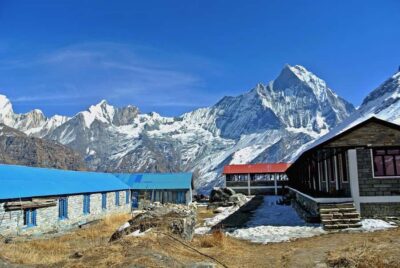
5 Day Annapurna Base Camp Trek & Natural Hot Spring
Read our review →
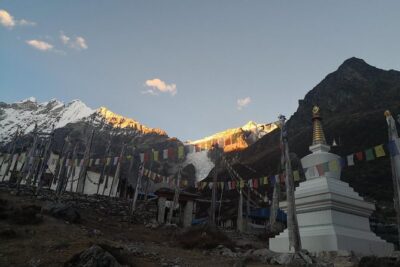
14 Days Annapurna Base Camp Trekking | Best trek for visit Nepal 2020
Read our review →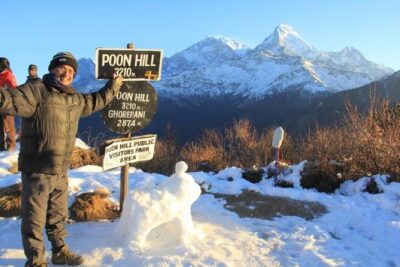
7-Day Annapurna Base Camp Trek & Natural Hot Spring
Read our review →Browse the lists this tour appears in