
Reviewed · MARDI HIMAL TREK
Pokhara: 5-Day Mardi Himal Trek with Guide
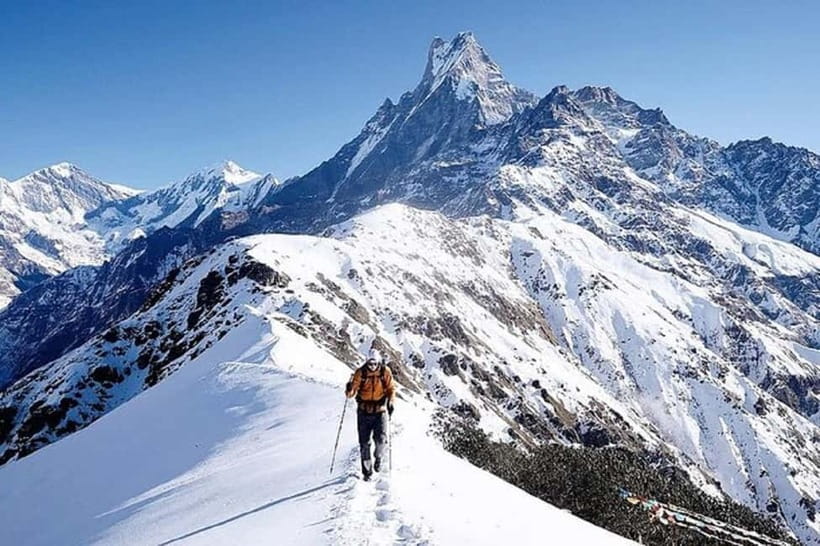
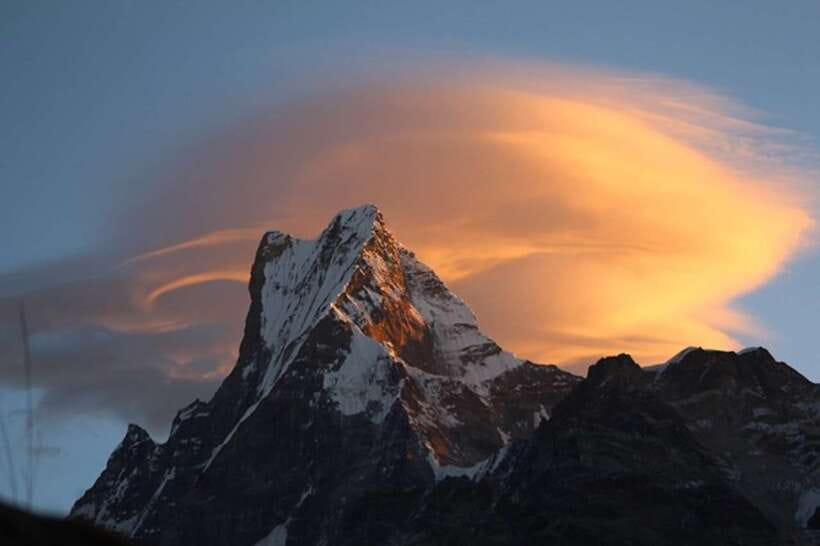
This 5-day trek to Mardi Himal Base Camp is interesting because it aims for big Annapurna views on a route that feels quieter than the most famous trails. I like the early morning sunrise drama over the Annapurna range and the close-up feeling of Mardi Himal and Machapuchre as the days pass.
One thing to think about before you book is the physical side. This is daily climbing and descending, and even though plenty of first-timers finish, you should be honest about knees, breath, and how your body handles altitude over five days.
Key things I’d mark on your radar
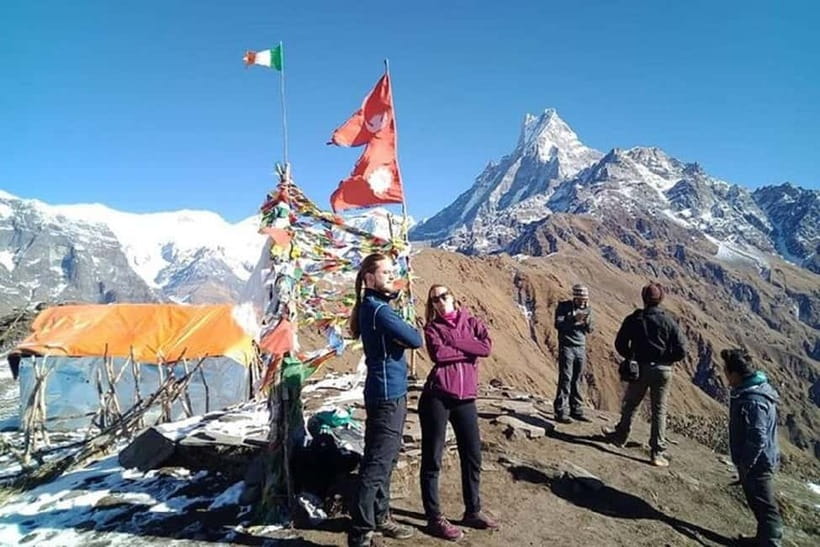
- Sunrise potential with clear views toward the Annapurna range from the higher camps and Base Camp area
- Rhododendron forests and small settlements that make the trail feel human, not just scenic
- The trek’s “close-in” mountains vibe, especially toward Mardi Himal and Machapuchre
- A guide who adds real value, with one standout guide, Santosh, sharing the route and local stops when weather cooperates
- Practical hiking tips from real experience, including bringing trekking poles and asking about altitude meds like Diamox (with medical guidance)
Why Mardi Himal Base Camp feels different from Pokhara

The Mardi Himal route is built for people who want mountain payoff without turning the trip into a grind of 10 to 12 hour days. From Pokhara, you start with a drive and then step into a trail world where the scenery changes every few hours, not every few days.
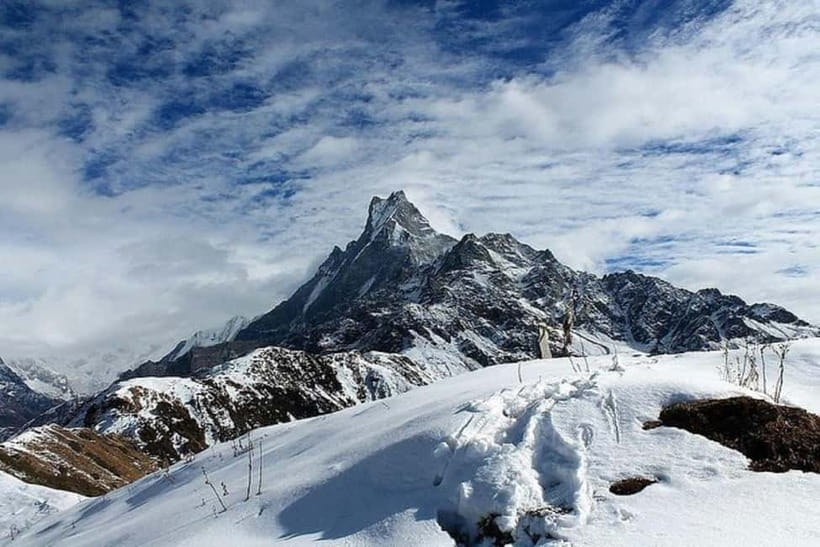
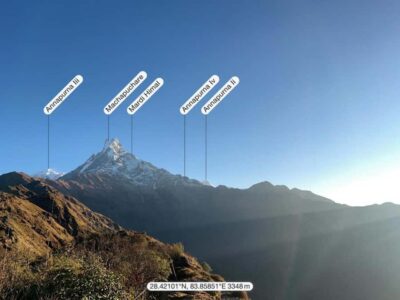
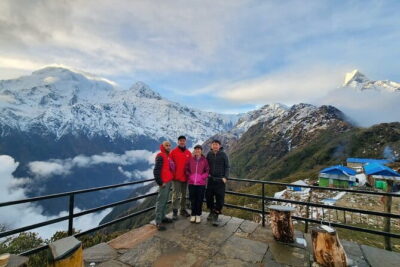
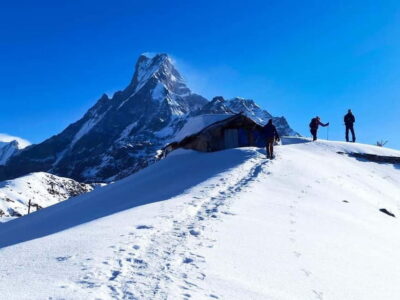
What I like most is how often you get the sensation that the mountains are close enough to read details. Mardi Himal and Machapuchre show up again and again, and the higher you go, the more the views start to feel like you are standing right in the Annapurna bowl.
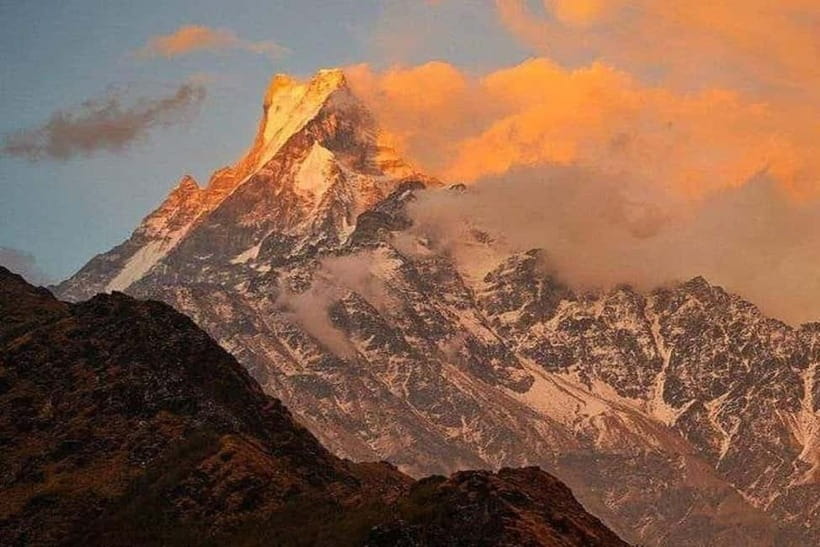
You also have a strong “early light” storyline. Sunrise isn’t guaranteed, but the route is arranged so you’re in position for it, particularly around Base Camp morning. That is the day a lot of trekkers remember most, because the clouds can lift and suddenly the peaks look crisp.
More on the Mardi Himal ridge:
- Pokhara: 4-Day Mardi Himal Trek
★ 4.9 · 59 reviews - Pokhara: 4-Day Mesmerizing Mardi Himal Guided Trek
★ 4.8 · 9 reviews - Mardi Himal Trek -5 Day Short Trek From Pokhara
★ 5.0 · 8 reviews
Price and Logistics: what $181 really buys you
At $181 per person for a 5-day guided trek, the value comes from what’s included around your actual hiking days.
In the package you get:
- Round-trip transportation between your hotel, Pokhara International Airport, and the trek starting point
- Meals throughout the trek depending on the option you choose
- Tea house or lodge accommodation along the way (simple, practical, not fancy)
- A certified trekking guide
- Permits and fees
- Trekking gear as needed, specifically trekking sticks and sleeping bags, plus luggage storage in Pokhara
- Coverage of the guide and porter costs (and meals, accommodation, insurance, salary, transportation, equipment)
There’s also a clear optional add-on:
- A porter is not automatically included if you want one, but you can add a porter for $15 per day.
Two notes that affect your budget and decision:
- Personal expenses and snacks are on you, so plan a little spending money for extras.
- Travel insurance is mandatory, and it is not included in the price. For a trek like this, that is non-negotiable if you want peace of mind.
Pace, altitude reality, and who this trek suits
This trek sits in the “not too easy, not too difficult” zone that often works well for active travelers and first-time multi-day hikers. A key detail from real experience matters here: one trekker with a knee problem still finished, which suggests the route is manageable when you pace carefully and take breaks.
That said, the route climbs each day:
- Day 2 builds you toward Low Camp
- Day 3 pushes to High Camp, which is the final settlement area on the trail
- Day 4 goes to Base Camp and then you retrace your steps
If you’re considering altitude support, you’ll hear practical advice like bringing trekking poles and discussing altitude meds such as Diamox. If that’s in your plan, do it the right way: talk to your doctor first, because medication choices are personal and health-specific.
This trek is also very clearly not for everyone:
- Not suitable for people with mobility impairments
- Not suitable for people with motion sickness
- Not suitable for people over 95 years
If you are in good hiking shape and you want a serious day-by-day mountain experience without an extreme itinerary, this fits well.
Day 1: Pokhara to Pitam Deurali, the rhododendron start
Day 1 mixes easy travel with the first taste of mountain walking. After breakfast, you take a scenic drive to Kande, then start hiking through countryside that rolls from viewpoint energy into trail rhythm.
You’ll trek via Australian Camp and Pothana, and the day includes lunch in rhododendron forest country. That part matters because it’s not just pretty, it’s also cooling shade when the sun is strong. You can settle into the cadence of the trek right away.
The day ends at Pitam Deurali, with time built around the viewpoint area. It’s the kind of stop that helps you mentally calibrate: you see what altitude feels like before the climbs get more serious.
Possible drawback: Day 1 can feel like a “setup day,” and if you expect the hike to start instantly at maximum effort, you might feel a little underwhelmed until you reach the rhododendron sections. That’s normal. Use it to get your legs working and your pack comfortable.
More to compare around Pokhara
- ZipFlyer Nepal – The World’s Steepest Zip-line
★ 5.0 · 608 reviews - Bungee Pokhara by HighGround Adventures
★ 5.0 · 366 reviews - From Pokhara: Sarangkot Sunrise Himalayas Tour
★ 4.7 · 218 reviews - Full-Day Tibetan Cultural Tour to Tibetan Settlements Pokhara
★ 5.0 · 184 reviews
Day 2: Low Camp, where the villages and forests do the work
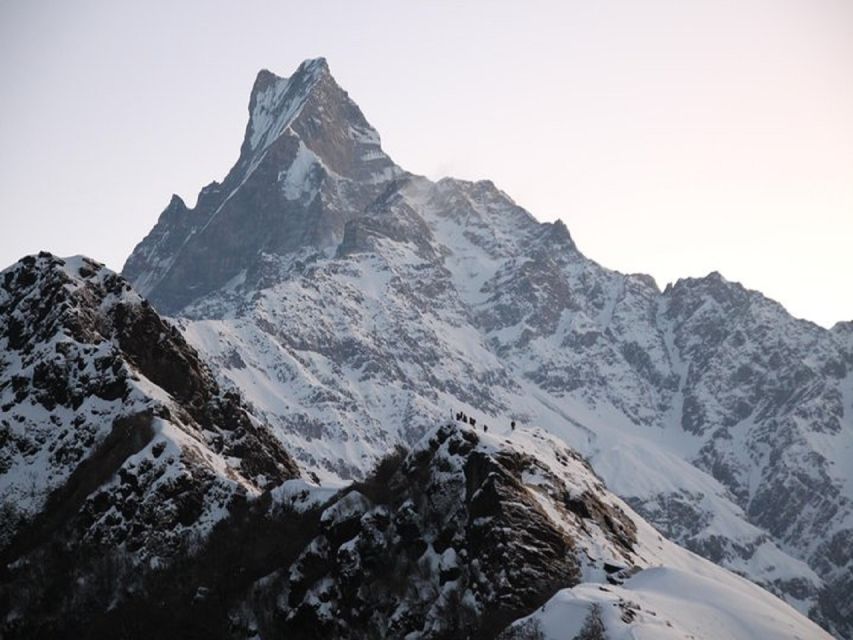
Day 2 is a true trail day. You go from one charming settlement into another, with rhododendron forests along the way, until you reach Mardi Himal Low Camp.
You get a lunch break on the trail, then you stop for the night. Low Camp is not just an address on a map, it’s part of your acclimatization story. It gives your body time to adjust while still moving forward.
This is also where the trek feels more “local” than purely scenic. Small villages and everyday trails add texture. Even if the peak views are slightly muted on some days, you still get plenty of interest in the journey.
Practical tip: take this day seriously even if it feels calmer. Your pace today affects how you feel on Day 3, which is the bigger push.
Day 3: High Camp, the final settlement and the effort check
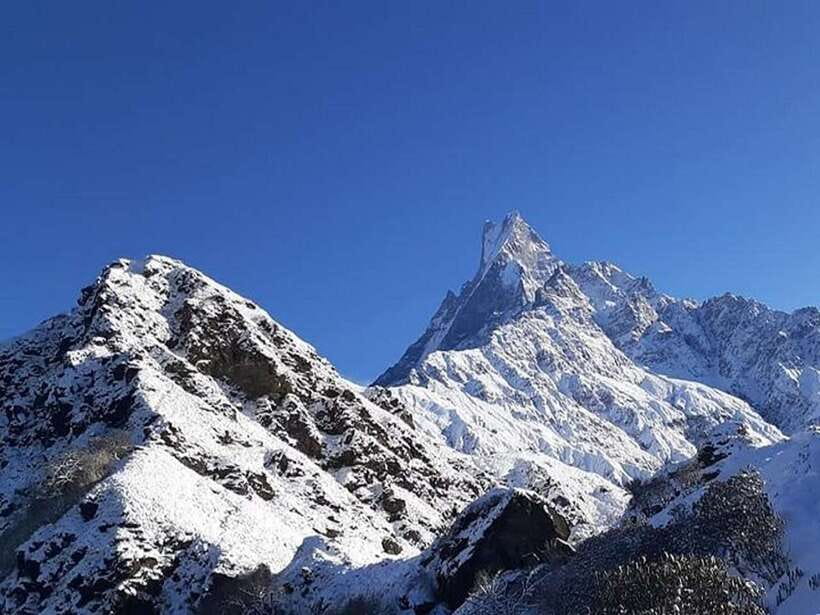
Day 3 is your ascent day. After breakfast, you climb toward High Camp, stopping for lunch along the way.
High Camp is described as the final settlement area on this route. That phrase matters. It usually means less “in-and-out” comfort and more ruggedness as you get higher. You are building toward a Base Camp experience now, not just walking through it.
The views here are one of the reasons people choose Mardi Himal. As the trail gains altitude, the peaks start showing up in clearer angles. If weather has been cooperative, this is where you often feel the trip “click” into the real goal.
Possible drawback: the uphill can be steeper than you expect if you’re used to easy sightseeing walks. Take shorter steps, keep moving steadily, and use trekking poles if you have them. (One real-world recommendation I trust here: trekking poles help a lot, especially with knee concerns.)
Day 4: Base Camp day, sunrise over the Annapurnas and a big view payoff
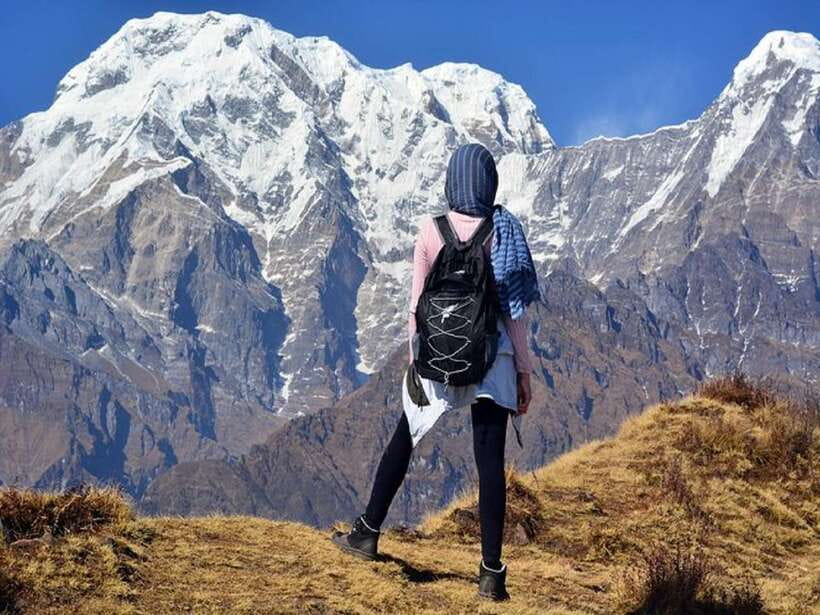
Day 4 is the day most people are saving their energy for. You trek from the camp up to Mardi Himal Base Camp, then you return to Low Camp for the night.
This is also the morning story. The itinerary includes time around witnessing the sunrise over the mountains, plus panoramic views of the Annapurna Himalayan range. When the sky clears, you can get that wow feeling where every direction looks like a new postcard.
What I appreciate is that you’re not rushed. You have ample time at Base Camp to look around, take photos, and just sit with the view for a bit. Then you head back down, which is smart. Your legs will thank you later because Day 5 is a descent plus a return transfer.
Practical consideration: the sunrise portion depends on weather. Don’t go in expecting perfect conditions. Bring layers for cold mornings and keep your timing plan flexible, because mountain conditions are their own boss.
Day 5: Lumre canyons, Lwang Ghalel, and the ride back to Pokhara
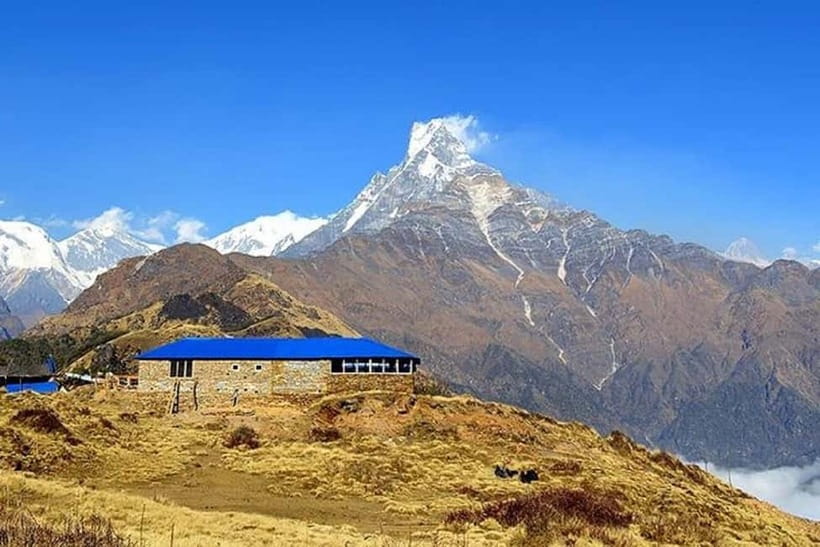
Day 5 starts with breakfast, then a descent toward Sidding, where you pause for lunch. After that, you continue hiking to Lumre, where your vehicle is waiting to take you back to Pokhara.
There is also a guided time slot focused on Lumre canyons and Lwang Ghalel. This is a great contrast to the earlier days. Instead of aiming only for height, you get to appreciate how the terrain reshapes as you come down.
A standout from real experience: one guide, Santosh, used extra time after finishing the hike early to take a group to Lwang village. The group watched a volleyball tournament and even shared a barbeque with locals. That’s the kind of human moment that makes the trek feel complete, not just like a summit mission.
Your return ends with transport back to your hotel. It’s a nice finish because you’re not left scrambling for the next leg of the journey.
Guides and tea houses: what you’ll feel day to day
The guide is a core part of this trip. You get a certified trekking guide and the tour is offered with English, Hindi, and Nepali support. That language range matters on a trek where you want clear safety guidance, trail notes, and quick answers.
What also matters is how the guide shapes your time. In one case, Santosh’s local knowledge helped turn a flexible moment into a cultural stop in Lwang village. That tells you the guide isn’t just there to manage logistics. They can make the itinerary feel more alive when conditions allow.
Accommodation is simple: tea houses or lodges. You should expect basic rooms and warm enough setups for typical trekking nights. The included sleeping bag as needed helps if you are bringing lighter gear.
What to bring (and what to skip) for this 5-day route
The tour gives you trekking sticks and sleeping bags as needed, which is helpful if you travel light. Still, you should plan to bring the basics that keep you comfortable and moving safely.
From the provided packing guidance, bring:
- Comfortable shoes
- Jacket and comfortable clothes for changing mountain temperatures
- Hat for sun and wind
- Camera if you like sunrise and peak angles
- Cash
- Hair tie
- Trekking gear (even if sticks are provided, you may prefer your own)
A simple strategy for packing: focus on layers you can adjust quickly. Mountain mornings start cold, afternoons can warm up, and wind can switch things fast. If you are unsure, pack one reliable warm layer and one rain or wind layer.
Health checklist: because motion sickness makes this trek unsuitable, if you have a sensitive stomach, treat that as a red flag. If you have altitude concerns, keep an honest plan with your doctor. The trek’s effort level is real, and good decisions before you go beat heroics on the trail.
Should you book this Mardi Himal trek?
Book it if:
- You want an Annapurna region trek with close views of Mardi Himal and Machapuchre
- You like the idea of rhododendron forests and villages, not just a bare ridge hike
- You want a guide-supported experience that works well for a first multi-day trek
- You value flexible local moments, since a good guide can add meaningful time beyond the planned stops
Skip it if:
- You have motion sickness, mobility limits, or you fall into the age range listed as not suitable
- You want a totally gentle stroll with no daily climbing
- You are not willing to handle altitude exposure responsibly and bring the right layers and pacing
If you’re looking for a 5-day trek with a realistic challenge level, strong sunrise potential, and a guide who can make the journey feel human, this is a solid choice.
FAQ
What is the duration of the Mardi Himal trek?
This experience runs for 5 days.
Where does the trek pickup happen?
Pickup options include Lakeside Rd 6, Pokhara International Airport (PIA), and Pokhara Lakeside.
What is included in the price besides the trek itself?
The tour includes round-trip transportation between your hotel and the trek starting point, meals depending on the option selected, tea house or lodge accommodation, a certified trekking guide, permits and fees, and required taxes. It also includes trekking sticks and sleeping bags as needed, plus luggage storage in Pokhara.
Are meals included every day?
Meals are included throughout the trek, depending on the option you select.
Is a porter included?
A porter is not included by default. If you want a porter, you can add one for $15 per day.
What language will the guide speak?
The guide provides live interpretation in English, Hindi, and Nepali.
What should I bring for the trek?
Bring comfortable shoes, a hat, a camera, a jacket, comfortable clothes, cash, a hair tie, and trekking gear.
What types of accommodation should I expect?
You will stay in simple tea houses or lodges during the trek.
Is travel insurance required?
Yes. Travel insurance is mandatory for your safety and peace of mind, and it is not included in the price.
What is the cancellation policy?
You can cancel up to 24 hours in advance for a full refund.
Latest Pokhara write-ups
- Mardi Himal Trek -5 Day Short Trek From Pokhara★ 5.0 · 8 reviews
- Tandem Paragliding in Pokhara★ 4.8 · 8 reviews
- Pokhara: Peace Pagoda Sunset, Annapurna Mountain Views Tour★ 2.9 · 5 reviews
- Short & Scenic: 2-Day Private POON HILL Trek from Pokhara★ 5.0 · 8 reviews
- Seti George and Thrilling Suspension Bridge Tour at Pokhara★ 4.5 · 3 reviews
- Sarangkot Sunrise over the Himalayas★ 4.8 · 83 reviews
- Pokhara: Sarangkot Sunrise and Private Full Day Tour★ 4.8 · 24 reviews
- From Kathmandu/Pokhara: Private 3-Day Chitwan Safari Tour★ 4.7 · 34 reviews
Mardi Himal Trek, compared.
4-Day Mardi Himal Trek with Guide & Himalayan Views
Read our review →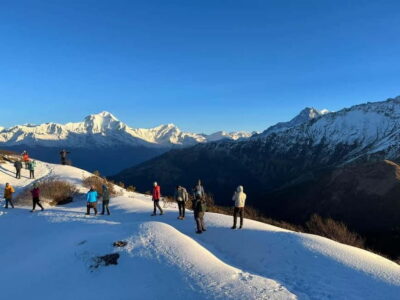
Majestic Mardi Base Camp Guided Trek with HotSpring
Read our review →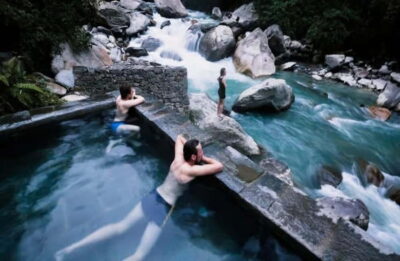
Browse the lists this tour appears in