
Reviewed · MARDI HIMAL TREK
Pokhara: 4-Day Mardi Himal Trek
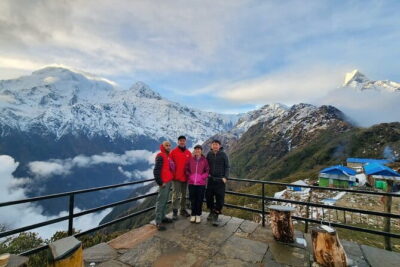
Mardi Himal is one of those Nepal treks that feels special because it is not all about crowds. You get big Annapurna views, plus that classic Mt. Fishtail (Machhapuchhre) sunrise drama from the 4200m viewpoint. I also love how the route moves through forests, terraced fields, and small Gurung and Magar villages, so the hike is never just a long stair grind.
The main drawback is effort. This trek is moderate, but it is still a lot of steps, and weather can change the plan fast at higher elevations. In winter, snow can make the area beyond the viewpoint steep and slippery, so you need to trust the guide’s call.
Key Highlights You Will Actually Feel on the Trail
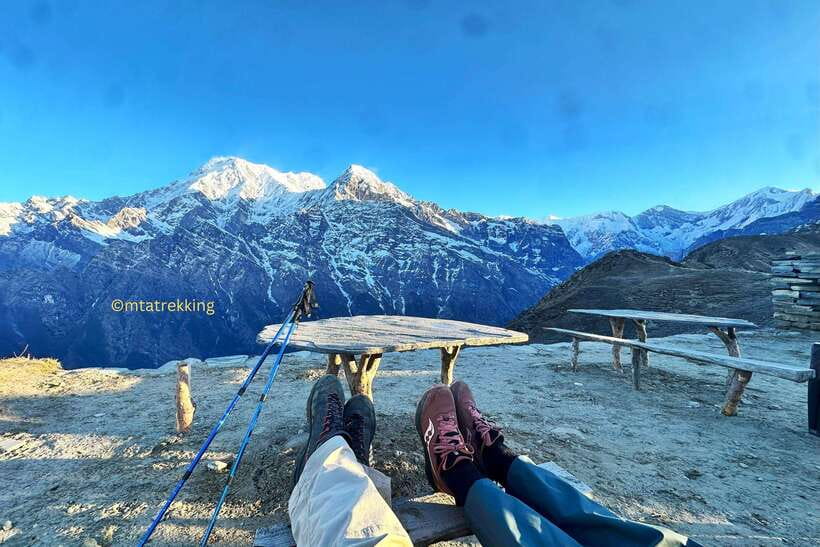
- Sunrise at 4200m with Mt. Fishtail and the Annapurna range in the same frame
- Forest and village walking with rhododendron, terraced fields, and real community hospitality
- Wildlife spotting when conditions are right, from birds and butterflies to Himalayan thar
- Optional extra hike toward Mardi Himal Base Camp around 4500m when weather allows
- Gear and support included, including trekking poles and a sleeping bag, plus an English-speaking licensed guide
Why Mardi Himal Works When You Want the Annapurnas Without the Chaos
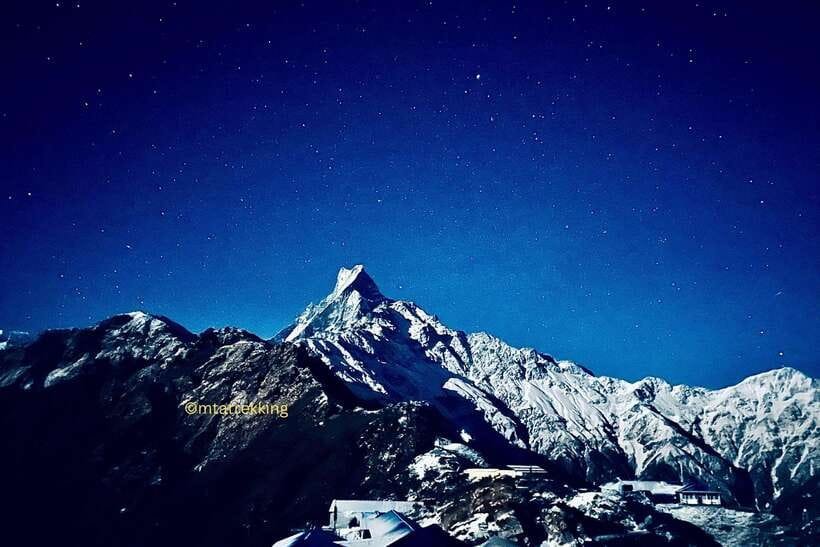
If you are choosing between Annapurna treks, Mardi Himal is a strong pick because it gives you that Himalayan feeling without turning every hour into traffic. The trail gradually rises through different ecosystems, from lower green hills to higher alpine zones. That slow altitude build matters, because it helps your body adjust and keeps the day from feeling like an all-out climb.
The emotional payoff is the sunrise. Waking up early, then walking up just enough to reach the viewpoint before light hits the peaks, is the kind of moment you remember on flights home. Machhapuchhre looks sharp and sculpted in dawn color, and the Annapurna range spreads out behind it.
And the best part for most people is that it is not technical. You do not need climbing gear. What you need is steady pacing, warm layers, and patience for stairs.
More on the Mardi Himal ridge:
- Pokhara: 4-Day Mesmerizing Mardi Himal Guided Trek
★ 4.8 · 9 reviews - Mardi Himal Trek -5 Day Short Trek From Pokhara
★ 5.0 · 8 reviews - Pokhara: 4-Day Mardi Himal Trek with Guide & Himalayan Views
★ 4.9 · 7 reviews
Pokhara Pickup, the Kande Start, and the Forest Camp Setup
Your trek life starts in Pokhara. You can be picked up from several spots around town, including places like Pokhara Lakeside and Baidam, then you head toward Kande. This first transfer is short and scenic, and it helps you get the jitters out before the walking begins.
From Kande, you hike for about five hours to Forest Camp (around 2600m). This is a classic “get your legs working” day. You pass lush fields, denser forest sections, and views down toward the Seti River. There is usually a tea house break in the middle, and it is a good rhythm practice for later days: snack, sip, move, repeat.
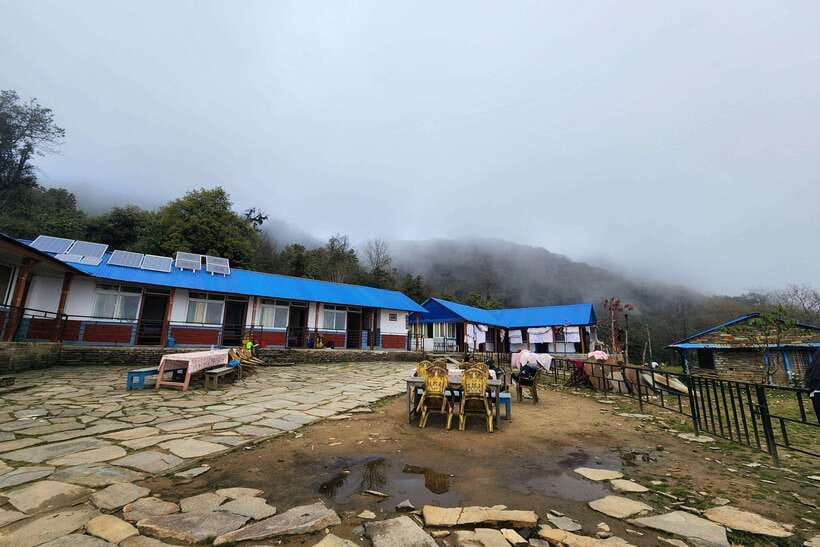
Forest Camp is where the trek starts to feel real. You get that higher-elevation quiet, and the air often turns cooler by evening. Tea house stays here are typically cozy enough that you can relax without feeling like you are in a bare-bones survival situation. Still, manage expectations: it is mountain lodging, not a city hotel.
One practical note: if you are prone to motion sickness in jeeps, tell your guide early. The route is mostly straightforward, but you will still be bouncing from Pokhara to the trailheads and later back.
Forest Camp to High Camp: The Day the Steps Get Serious
Day two pushes you from Forest Camp to High Camp at roughly 3550m. Expect around five hours of trekking. This is the day where the vegetation can feel thicker and greener, and the trail turns into more consistent uphill work.
Why this day matters: it is not just about altitude. It is also about energy management. If you go too fast on day two, day three’s early wake-up will feel brutal. The guides are used to pacing people for this reason, and you can feel the difference when your pace stays calm instead of heroic.
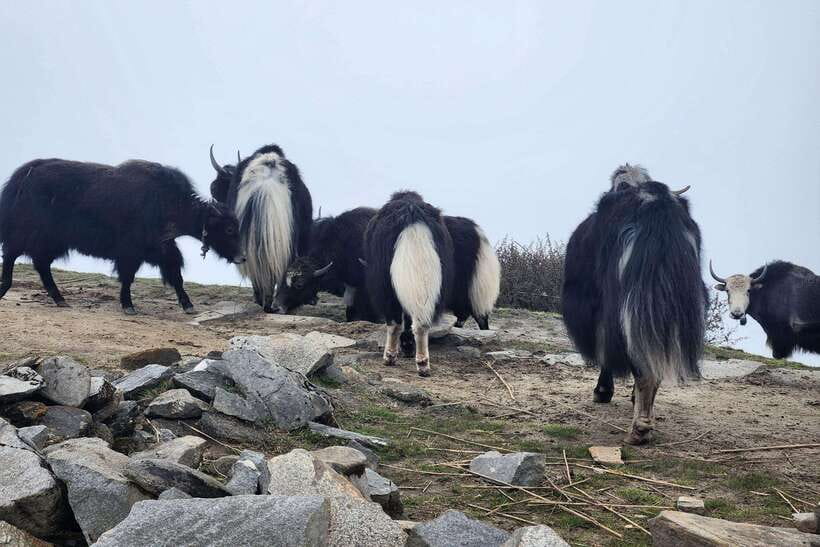
This section also has a chance for wildlife sightings. I love that this trek is not all about views only. You might spot birds and butterflies, and if you are lucky, you can even see Himalayan thar from the right vantage. Even when you do not spot animals, the forest feel is a big part of why the hike stays engaging.
High Camp is where conditions can be more basic. Some tea houses may have limited conveniences like weaker network or reduced amenities. Plan to keep your phone for photos, not for scrolling, and keep your expectations simple.
Sunrise Viewpoint at 4200m, Plus the Optional Base Camp Decision
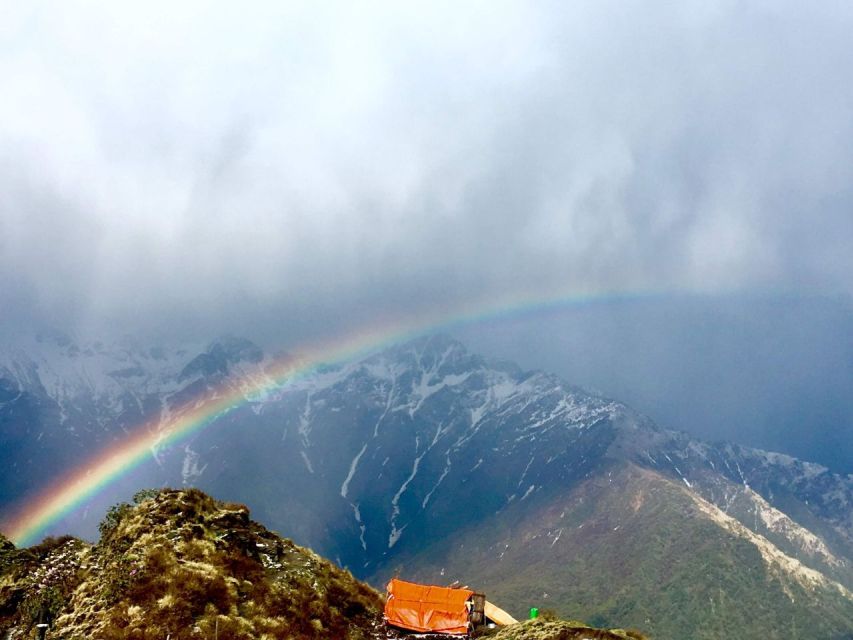
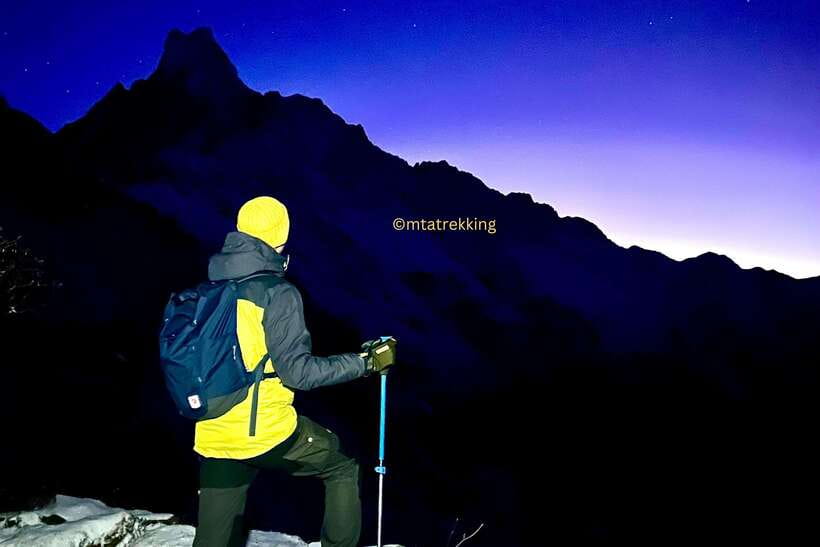
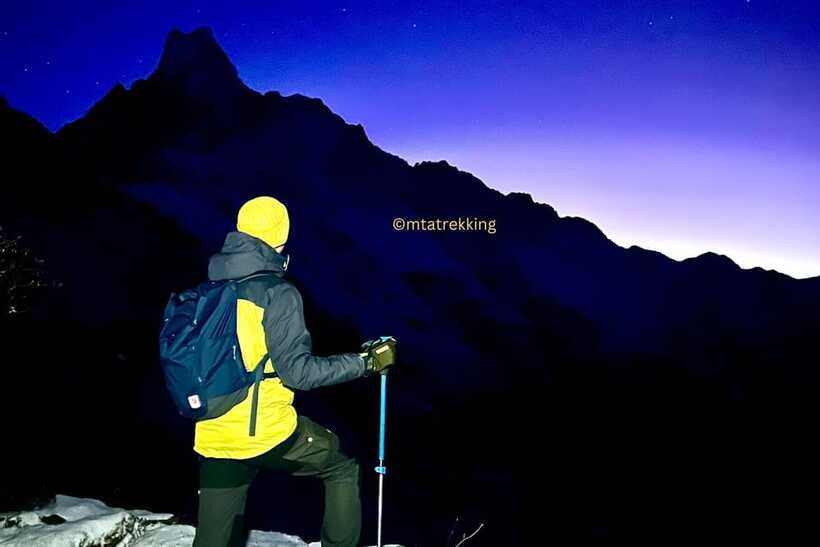
The signature day is your early morning hike from High Camp. You leave around 4:00 am for the sunrise viewpoint, roughly 1.5 to 2 hours to around 4200m. You go in the dark, then the world starts changing fast once the sun gets leverage. When the peaks show up, it is not subtle.
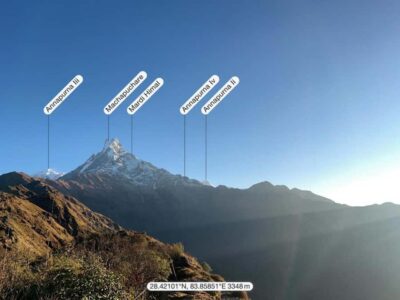
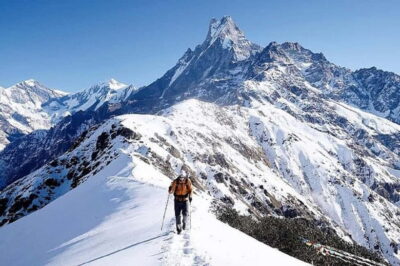
From the viewpoint, Mt. Fishtail (Machhapuchhre) is the star, with the Annapurna range and Mardi Himal in view. This is where the trek justifies the effort. You can stand there long enough to see how weather changes the contrast, and then you hike down with a clearer sense of where you just were.
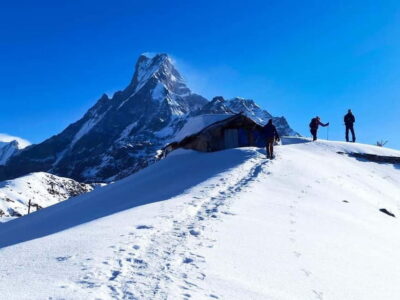
Optional add-on: if weather is good, you may continue toward Mardi Himal Base Camp, around 4500m. This is not guaranteed. In winter months, snow can make the path steeper and more slippery beyond the viewpoint, and you may need crampons depending on conditions. The smart move is to let the guide decide based on what is safe that morning, not what you wish would happen.
When I think about this option, I tell you to be ready for two outcomes:
- You get the viewpoint sunrise and it is already an A+ day.
- You reach higher only if conditions cooperate.
Either way, you still get the payoff. Overreaching when the weather is questionable is the fast track to a bad experience.
More to compare around Pokhara
- ZipFlyer Nepal – The World’s Steepest Zip-line
★ 5.0 · 608 reviews - Bungee Pokhara by HighGround Adventures
★ 5.0 · 366 reviews - From Pokhara: Sarangkot Sunrise Himalayas Tour
★ 4.7 · 218 reviews - Full-Day Tibetan Cultural Tour to Tibetan Settlements Pokhara
★ 5.0 · 184 reviews
Downhill to Forest Camp and the Kalimati Finish Back to Pokhara
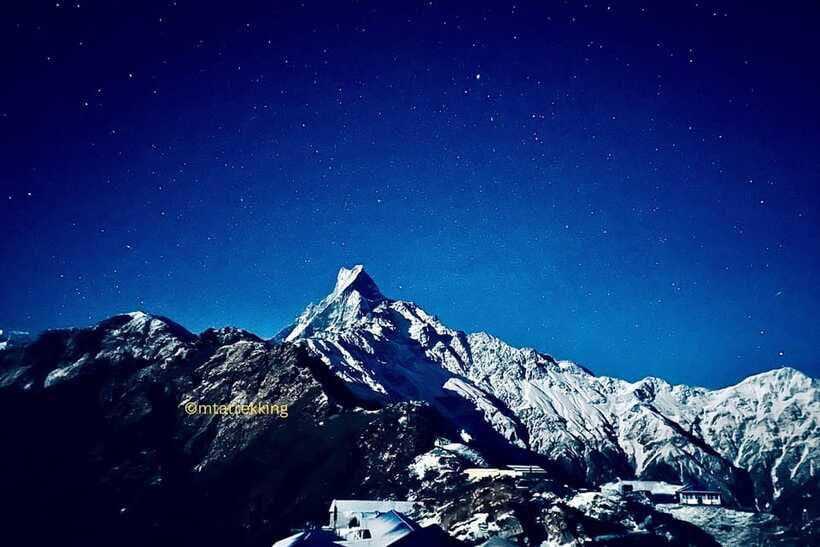
After the sunrise, you hike down to Forest Camp for breakfast and your next rest. Then day four becomes a gentle shift from big altitude to more comfortable hiking, ending at Kalimati around 1800m before a jeep ride back to Pokhara.
This final day has a different vibe. It is quieter, more bird-like, and often cooler under tree cover. You pass forest pathways, small bridges, and gentle waterfall sounds that make the descent feel easier than you expect. Plus, Machhapuchhre tends to stay in view for long stretches, like it is keeping watch as you drop in elevation.
At Kalimati, you board a jeep directly back to Pokhara. The ride is usually about 1.5 to 2 hours, and it feels surprisingly good after days of walking. You go from thin air to real hot showers and restaurant menus fast.
If you want to make the finish smoother, bring a little cash for tea house stops and snacks, then avoid spending everything on day one. Keeping cash organized helps, because mountain pricing can be different from what you expect.
Price and Value: Why $139 Can Be a Good Deal
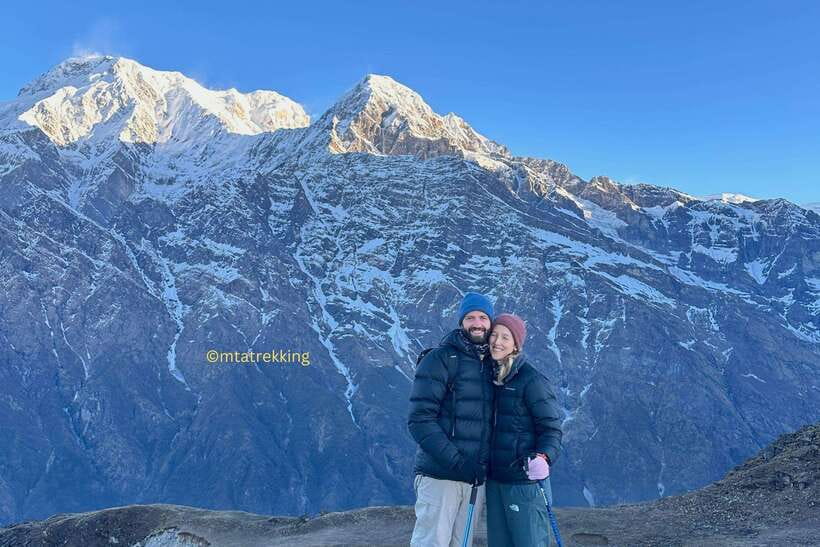
At around $139 per person for four days, the value comes from the package structure, not just the headline number. You are paying for more than a guide and permits. You are also getting organized transportation from Pokhara, trekking permits and TIMS paperwork fees, and the daily logistics that usually eat time and energy on your own.
You also get practical gear support. Trekking poles and a sleeping bag are included, which can save money if you do not already own them. That matters, because buying or borrowing this stuff adds up.
Where value gets even better is private guiding. This is a private group setup, and that means your pace can be tailored. In the real world, the difference between “keep up” and “walk comfortably” can be the difference between enjoying the trek and just surviving it.
One caution about price: meals depend on your chosen package. If your meals are not included, you will pay for food at tea houses. Also, soft drinks and personal expenses are not included, and porter costs are extra at $20 per day if you decide you need one.
If you are the type who likes to be fed regularly and not haggle with tea house menus, choose the meal-inclusive option if you can. It turns your energy into walking, not decision-making.
Tea Houses, Food, and the Cash You Should Bring
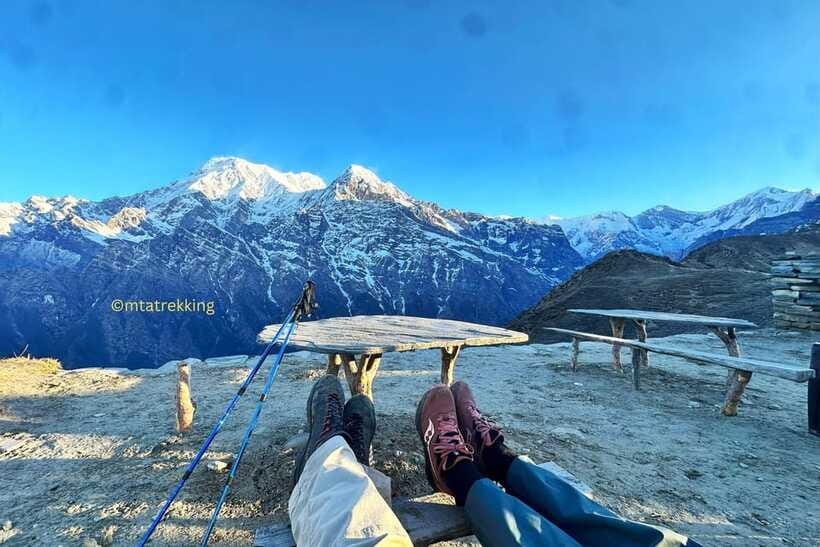
Tea houses are part of the experience here, not just a place to sleep. The best ones feel warm and familiar, especially on colder nights. Expect simple, filling meals. In higher camps, food options may be limited, and the goal is to keep you eating and hydrated.
From my perspective, the most important food rule is this: eat what is fresh and easy to digest. Guides often steer people toward fresh veggies and rice rather than junk or frozen snacks at altitude, because digestion gets touchier as you climb.
A real practical point from the trail: some people noted room charges and the need for enough cash for tea house-related costs. So even if your accommodation is handled, bring some extra cash for food, drinks, and any small extras that pop up at each stop.
Also be ready for basic conditions in high elevations. You might run into limited shower availability, patchy network, or fewer comfort items, especially around High Camp and near the viewpoint. That is normal for the mountains. Bring a flashlight and keep your toiletries minimal.
If you are picky about cleanliness, pack your own liner or consider using your own sleeping setup. Some hikers recommend bringing a sleeping bag (even if provided) if you worry about hygiene, so you can feel more comfortable overnight.
Guides in Real Life: The Difference Between a Trek and a Memory
The most consistent praise in this trek is how the guide makes the days work. You see it in how guides named in past treks managed pace, check-ins, and logistics. People spoke highly of guides like Ramit, Lalit, Kaji, Prabit, Shishir, Santosh, Binod, Jeevan, and Gobinda. They all share one theme: you should feel supported, not rushed.
What that support looks like on the trail:
- Checking how you feel and adjusting pace as needed
- Planning rest stops and tea house timing so you do not arrive exhausted
- Watching for altitude stress and encouraging caution rather than ego
- Helping with small things like photos on viewpoints, meal ordering, and staying hydrated
One example of this mattered during altitude discomfort. When someone experienced altitude sickness, the guide responded with helpful safety steps and a careful plan so the hike could continue. That is exactly why you want an experienced local guide on this route, not just someone pointing the way.
If you want to maximize your experience, communicate early about your fitness, your concerns, and how you handle stairs. The guide can only pace you properly if you tell them what your body is telling you.
Safety, Altitude Reality, and Who Should Not Do This Trek
This trek goes high enough to care about altitude. Mardi Himal Base Camp sits around 4500m, and the viewpoint sits around 4200m. Those numbers are not extreme compared to Everest country, but you still feel the air.
The trek is labeled moderate and can be suitable for beginners, but do not confuse moderate with easy. You will likely walk endless stairs for stretches, and your legs will feel it. Fitness helps, but so does pacing.
Winter and monsoon are different stories. In winter, snow can make the path beyond the viewpoint challenging and steep, with limited safety infrastructure. In monsoon, trail conditions can get slippery. For your safety, the higher section to Base Camp is decided based on weather and snow conditions that day.
Not suitable for:
- Pregnant women
- People with altitude sickness
- People over 70 years
Even if you are healthy, protect your plan with simple habits: go slow, drink water, eat warm food, and watch for symptoms like headaches and nausea. If something feels off, take it seriously and tell your guide immediately.
Also, bring flashlight and warm clothing. Nights can feel cold fast. Sunglasses and sunscreen matter too, because at altitude the sun can hit hard even when it looks mild.
Best Seasons: When You Get Clear Peaks Instead of Cloud Drama
For the best views, aim for spring (March to May) or autumn (September to November). This is when weather tends to be more stable and mountain visibility is more reliable.
If you trek in other seasons, you might get fewer summit views. Clouds can cover the peaks for long stretches, and that can reduce the thrill of the sunrise payoff. Even then, the hike can still be satisfying because the forest and village walking remains enjoyable, but it is less of a guarantee that you will see everything clearly.
If you are set on the viewpoint sunrise, remember that your real control is clothing and timing, not the sky. Show up prepared. Let the day decide what it can deliver.
Who This Trek Suits Best, and Who Might Want a Different Plan
This trek fits best if you want:
- A shorter Annapurna-region trek that still reaches high viewpoints
- A mix of forest, fields, and villages
- A big visual payoff focused on Machhapuchhre and the Annapurna range
- A moderate, non-technical route with a guide who manages pacing
It can suit beginners who are okay with stairs and early mornings. People often say the route is not technical but still demands a decent fitness base for steady hiking.
If you dislike early wake-ups, long descents, or stair-heavy walking, you may feel less happy here. Also, if you are traveling with altitude concerns, or you do not handle cold well, you should reconsider or talk to a medical professional first.
Should You Book Mardi Himal With MTA Trekking Pvt. Ltd.?
If you like your mountain days organized and your pace respected, I think this is a very reasonable way to do Mardi Himal. The guides are consistently described as attentive, friendly, and safety-minded, with people naming guides like Ramit, Lalit, Kaji, Prabit, Shishir, Santosh, Binod, Jeevan, and Gobinda for that personal care. That is the difference between a checklist trek and a trip you remember.
Book it if:
- You want sunrise at 4200m as the main event
- You want forest and village walking, not only peak chasing
- You want private guiding with English support
- You are traveling in spring or autumn for the clearest chance at views
Think twice if:
- You plan to go in winter and hate snow conditions
- You cannot handle stairs for several days
- You need guaranteed Base Camp access, because it depends on weather and safety
My final practical advice: bring warm layers, bring enough cash for tea house costs and extra food, and trust the guide on the higher section. Mardi Himal rewards good pacing more than tough-guy efforts.
FAQ
What altitude do you reach on this Mardi Himal trek?
The trek reaches about 4200m for the viewpoint sunrise. It can also include an optional push toward Mardi Himal Base Camp around 4500m depending on weather and snow conditions.
Is this trek suitable for beginners?
It is described as moderate and suitable for all levels, including beginners looking for adventure. That said, it includes a lot of steps and early mornings, so a basic fitness level helps.
What is included in the trek price?
The package includes hotel pickup and drop-off in Pokhara, a licensed English-speaking guide, trekking permits and TIMS fees, taxes, tea house or accommodation for the Standard Package, private accommodation during the trek, trekking gear provided (including trekking poles and a sleeping bag), transportation during the trek, and meals only if you choose the Full Package.
Do I need to pay extra for a porter?
Porter costs are not included. Porter hiring is listed separately at $20 per day if you choose to add one.
What should I bring for the trek?
Bring warm clothing, sunglasses, a sun hat, sunscreen, and a flashlight.
What season is best for the views?
Spring (March to May) and autumn (September to November) are the ideal times, with more stable weather and better mountain visibility. Winter can bring snow and make the higher section beyond the viewpoint more challenging.
Latest Pokhara write-ups
- Mardi Himal Trek -5 Day Short Trek From Pokhara★ 5.0 · 8 reviews
- Tandem Paragliding in Pokhara★ 4.8 · 8 reviews
- Pokhara: Peace Pagoda Sunset, Annapurna Mountain Views Tour★ 2.9 · 5 reviews
- Short & Scenic: 2-Day Private POON HILL Trek from Pokhara★ 5.0 · 8 reviews
- Seti George and Thrilling Suspension Bridge Tour at Pokhara★ 4.5 · 3 reviews
- Sarangkot Sunrise over the Himalayas★ 4.8 · 83 reviews
- Pokhara: Sarangkot Sunrise and Private Full Day Tour★ 4.8 · 24 reviews
- From Kathmandu/Pokhara: Private 3-Day Chitwan Safari Tour★ 4.7 · 34 reviews
Mardi Himal Trek, compared.
4-Day Mardi Himal Trek with Guide & Himalayan Views
Read our review →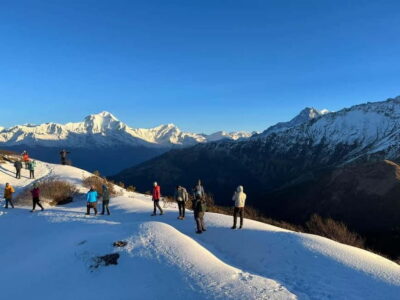
Majestic Mardi Base Camp Guided Trek with HotSpring
Read our review →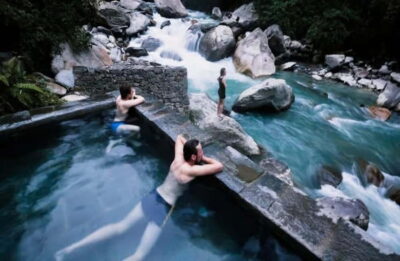
Browse the lists this tour appears in