
Reviewed · MARDI HIMAL TREK
Mardi Himal Trek
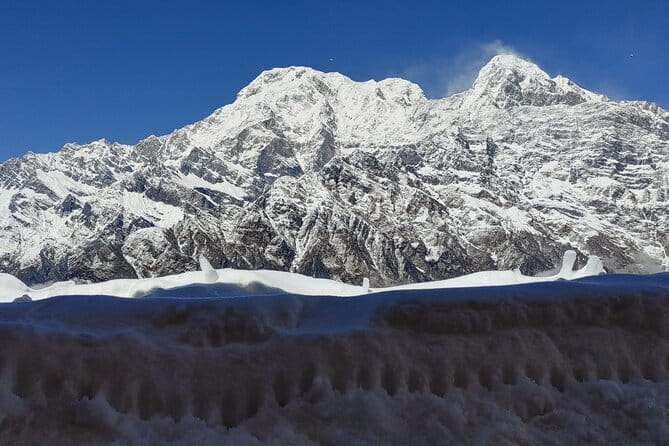
Mardi Himal is interesting because it mixes big Himalayan drama with a route that stays friendly for first-time trekkers in the Annapurna region. You’re not just walking to a number on a map, you’re moving through forest, high camps, and then into the zone where the views start feeling personal.
I like how the plan is built around acclimatization, with shorter days once you’re over 3000m. I also like that the operator handles the heavy lifting: permits, domestic flights, and a trekking guide and porter team included. One drawback to think about: even on a “beginner-friendly” trek, weather can turn cold fast, and you’ll still earn sore legs.
Key points before you go
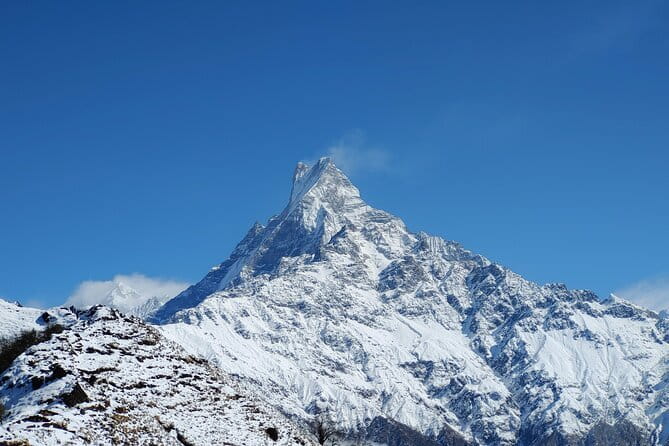
- Mardi Base Camp payoff: the most intense climb is the section that many people remember most, around 4500m.
- Acclimatization days over 3000m: shorter trekking blocks help you adjust instead of forcing pace.
- Strong guide and porter support: expect real route management, not just “follow the leader.”
- Lodges and meals on the trail: you’re sleeping in teahouse-style accommodations with set meal support.
- Pokhara finish with sightseeing time: tea garden sunrise, lakeside days, and guided stops like Davis Waterfall.
Why Mardi Himal feels like a smart first taste of Nepal’s Annapurna views
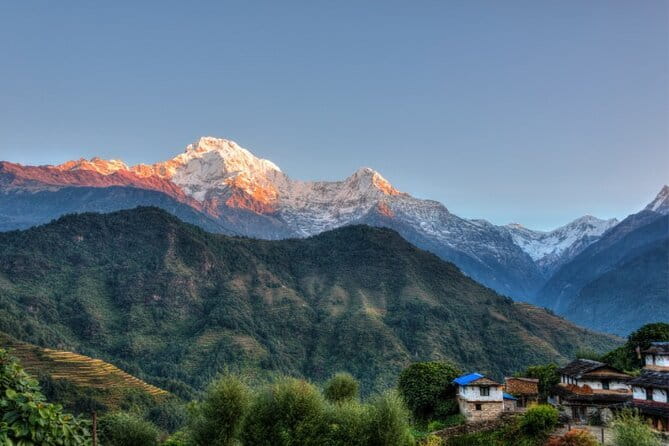
Mardi Himal sits in the Annapurna region, but it has a different vibe than the bigger, busier trails. The path feels more like a winding journey up through zones of vegetation, then into the high-mountain stillness where every stop gives you a fresh angle on the peaks.
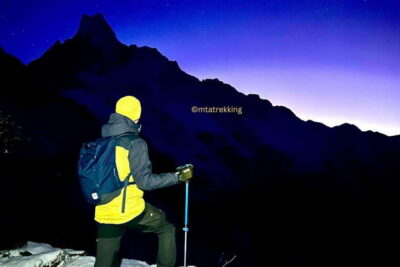
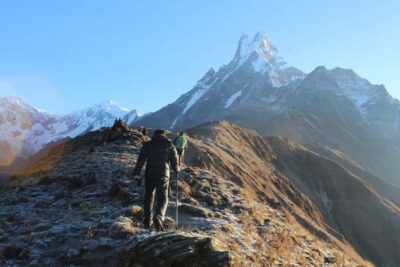
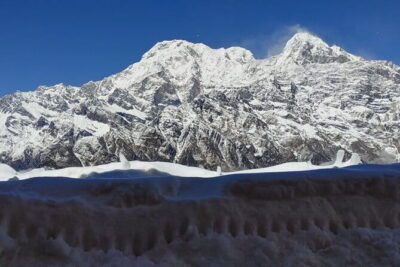
You’ll start at lower elevation and build upward in a way that makes sense for most hikers. The trek route typically runs through Deurali, then Forest Camp, then High Camp, and finally Mardi Base Camp. Along the way, you’ll be facing views that often include Annapurna’s massif, Mount Machhapuchhre, and Mardi Himal itself.
If you want a trip that feels like hiking plus payoff, this is that kind of trek. And if you like the idea of celebrating at base camp instead of just “checking a box,” this route is famous for turning that final push into a real moment.
More on the Mardi Himal ridge:
- Mardi Himal Trek Nepal
★ 5.0 · 29 reviews - Mardi Himal Trek – 8 Days | Hidden Gem of the Annapurnas
★ 5.0 · 19 reviews - Mardi Himal Base Camp Trek -9 Days
★ 5.0 · 18 reviews
Price and logistics: what you’re really paying for
This itinerary costs $1,058 per person for about 11 days, and it includes more than you might expect for a trek at this altitude.
Here’s where your money goes:
- Flights: Kathmandu to Pokhara and back, including the guide’s domestic flight tickets.
- Permits: ACAP and TIMS for the trek.
- Lodging and meals on the trail: twin-share lodge stays plus breakfasts, lunches, and dinners listed in the package.
- Guide and porter support: a government-licensed trekking guide with meals and insurance, plus a strong porter also with meals, lodging, salary, and insurance.
- Ground transfers: private vehicle transfers in Kathmandu and Pokhara, including airport and city transfers.
- Airport arrival support and authorization handling: you’re met at Kathmandu airport for the drive into Thamel after entry authorization.
What’s not included matters too:
- Your international flights, the Nepal visa, and travel and rescue insurance are on you.
- Meals in Kathmandu and Pokhara are only included where specified.
- Personal costs like drinks, WiFi, hot shower, and tipping are not covered.
So, is it good value? For me, the best sign is that the core trek costs are packaged in, especially permits and the full guide and porter setup. If you tried to piece it together yourself, you’d still end up paying for the same essentials, but with more stress and more uncertainty.
Kathmandu arrival: easy start, Thamel base, and a quick setup
Day 1 is about getting you into Nepal mode without chaos. After you receive entry authorization at the Kathmandu airport, an employee from the company or your tour leader meets you and drives you to Thamel, where most trekkers base themselves for shopping, gear checks, and dinner plans.
You’ll check into a 3-star hotel in Kathmandu with breakfast included. This matters because the next day includes an early domestic flight. You don’t want Day 1 turning into an endurance event.
Practical note: if you’re coming from a long international flight, use the Thamel evening to do simple things only, like sorting your layers, charging devices, and confirming what day-by-day cold weather gear you actually need.
Day 2: Kathmandu to Pokhara, then a gentle start up to Kande
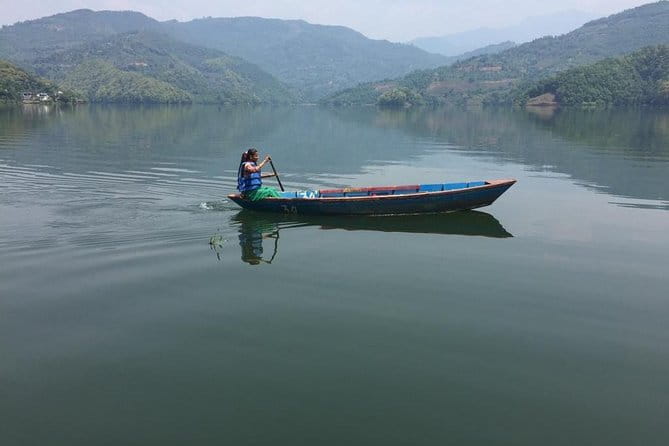
Day 2 begins with the earliest morning flight from Kathmandu to Pokhara, then a drive to Kande. The trek portion starts relatively easy, and today’s hiking time is about 5 hours.
This is where you’ll feel the difference between “vacation tired” and “trek tired.” You’re not yet at high elevation, so your pace can stay comfortable, and you can focus on getting into walking rhythm.
This day sets you up well for the rest of the trek because it reduces the chance you’ll start too hard. If you’re the type who wants to charge uphill early, resist that urge. Save your effort for the real climb days.
More to compare around Kathmandu
- Everest Base Camp Trek – 14 Days
★ 5.0 · 1,499 reviews - Everest Base Camp Trek
★ 5.0 · 842 reviews - Private Kathmandu Sightseeing Tour | UNESCO World Heritage sites
★ 5.0 · 756 reviews - Kathmandu: 7 UNESCO Sites with Lunch
★ 4.8 · 744 reviews
Days 3 and 4 through Deurali, Forest Camp, and Low Camp: the forest-to-high transition
Day 3 runs about 6 hours and typically moves from the Deurali area toward Forest Camp. The route begins along a more level path, and you’ll likely pass through woodland scenery that can be especially colorful in spring. This is one reason Mardi Himal is popular for novice hikers. You’re not instantly dropped into thin air. You ease into the altitude.
Day 4 is shorter, about 5 hours, and it notes that once you’re above 3000 meters, the covered distance may be reduced. That’s a smart design choice. It means the schedule respects acclimatization instead of just stacking hours.
Your day includes a hike through mixed woodland and a lunch stop at Low Camp. Expect this to be a day where you slow down, drink water consistently, and keep your breathing steady. If you feel a little out of rhythm, that’s normal at altitude, but the goal is to keep your body calm.
Day 5 acclimatization: shorter treks and hydration as your best tool
Day 5 is again about 5 hours, and it’s specifically framed around altitude management. You’re already over 3000m, so the itinerary includes shorter treks to help you acclimate.
This is one of those “boring but important” days that can save your whole trip. The guidance is clear: you strongly should stay well-hydrated to reduce altitude sickness risk.
I like this approach because it treats altitude like a technical part of trekking, not a surprise. If you only remember one thing from this day, remember that water intake is a training tool. It’s also something you control.
Day 6 toward Mardi Base Camp: the day views get serious
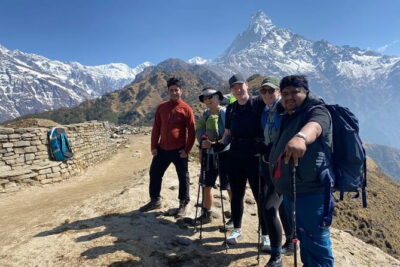
Day 6 is the longest push so far, about 7 hours, and it’s the road toward Mardi Himal base camp. En route, you’ll reach a viewpoint with panoramic vistas that often includes the Annapurna massif, Mount Machhapuchhre, and Mardi Himal.
This is where the trek starts to feel different in your body. Even if your legs are okay, the air can make every step feel deliberate. Your guide’s role matters here, because pacing and route choices can affect how you feel at the end of the day.
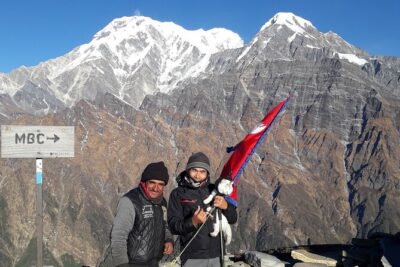
One of the strongest themes from real trip experiences is that the climb to base camp is often the emotional highlight. People describe reaching Mardi Base Camp as a moment of real accomplishment, sometimes with tears of joy. That’s not hype. That’s what happens when you do the hard part and you can finally see what you’ve been climbing toward.
Day 7: Sidhing, descending with care, and rhododendron and pine vibes
Day 7 is about 6 hours and focuses on descending to Siddhing (often spelled Sidhing or Sidding). Today starts with an alpine breakfast at a higher elevation, then you walk down again.
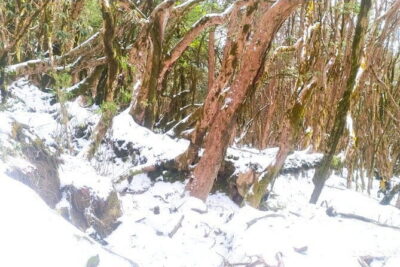
The route includes rhododendron and pine trees, which gives you a change of scenery after the higher camp days. This day can feel easier than the climb days, but don’t treat it like a vacation stroll.
Descents can be rough on knees, especially if you’ve had a few long days already. Use short steps, keep your weight balanced, and if your guide recommends pacing changes, take that advice seriously. One thing I’ve learned from mountain trekking is that “easy on paper” still means careful footwork.
Day 8: Lwangghale and Lwong village, plus that flatter-feeling ridge day
Day 8 is often described as a highlight because it’s on mostly flat terrain, about 6 hours. The route passes through Lwong, a village with quaint ancestral houses, then continues to Lwangghale.
This is the kind of day that helps you recover mentally. When the trail stops demanding constant effort, you notice details: the way houses are built, the pace of local life, and the fact that you’re still in Nepal, not just in mountain math.
If you’re craving photos, this is a good day for them. The journey gives you time to pause. And the village setting tends to deliver more interesting scenes than you get from trail alone.
Days 9 and 10: Pokhara recovery, tea gardens sunrise, and guided stops
After reaching Lwangghale, you return to Pokhara on Day 9, with about 5 hours of activity that day. The itinerary includes an early wake-up to walk through the tea gardens around Lwong for sunrise views. You get that early-morning payoff without spending another full day on the trail.
Then you head back to the guesthouse and enjoy downtime. This is important. Trekking trips often forget rest, but here you get a real decompression block.
Day 10 continues in Pokhara with guided sightseeing time. The plan includes stops like Davis Waterfall and Gupteswor Mahadev. The wording suggests you’ll do more than two stops, but those are specifically called out, so you can expect them as part of the guided plan.
Pokhara is where you can shift your focus from altitude and steps to food, views from town, and just letting your body catch up.
Day 11 back in Kathmandu: final day, town guide time, and wrap-up
On Day 11, you fly or travel back to Kathmandu, with about 5 hours of scheduled activity. You’ll end the tour back at the meeting point in Thamel area, with a town guide leading you through popular destinations.
This is a good final structure because it keeps the last day from feeling empty. It also helps you not waste daylight hunting for your own transportation and directions right after the mountains.
If you have one more day on your own, consider using it for a slow stroll and a last Nepal meal. After days of tea house trekking food, city meals can feel like a luxury.
Lodges, meals, and the gear you get on request
On the trek, you stay in best available lodges with twin sharing, and meal support is part of the package. The itinerary lists 10 breakfasts, 8 lunches, and 8 dinners.
One practical note that’s come up in past experiences: warm clothing is not optional. Even with provided gear, you should plan for genuinely cold nights. The package includes a down jacket, sleeping bag, and duffel bag on request, and it says those are to be returned after the trek. That tells you the operator is set up for cold-weather trekking, but it also means you should still pack layers and gloves you trust.
Food-wise, mountain lodge meals can be surprisingly satisfying, especially when you’re tired. If you’re wondering whether you’ll be able to eat enough, the trek is built around meal stops and lodge dinners, so you’re not left to fend for yourself at random points.
Guides and porters: where the trip turns from hard to doable
This trek is described as beginner-friendly, but don’t confuse that with “no skill needed.” On high trails, your guide’s job is safety, pacing, and keeping you moving in the right order.
A name that repeatedly shows up in positive trekking experiences is Birendra. People praise him for careful arrangements and warm hospitality, including taking photos during the trek. That matters because pacing plus photography can be tough to manage without someone who knows when to stop and when to keep you safe.
Porters get similar praise for being caring and smart, with strong experience hauling gear and helping the team function smoothly. The package includes a strong porter with meals and insurance, so the load plan is intentional, not improvised.
One more thing I like about this setup is route flexibility. Past experiences mention that guides can adjust the trekking route when weather or conditions require it. On a mountains trip, that flexibility is the difference between a fun day and a miserable one.
Who should do Mardi Himal, and who should rethink it
This trek fits well if you:
- want a first Himalayan trek without the longest, toughest schedules
- like a route that includes forest walking, high camps, then a big viewpoint moment
- value a guided plan with permits and logistics handled
- prefer lodge-based trekking and a clear end point at base camp
You might reconsider if you:
- have very limited hiking ability, especially with altitude and uneven stone paths
- hate cold nights and you don’t want to commit to proper layers
- expect hot showers and lots of creature comforts, because the trek focuses on functioning lodging, not spa life
Should you book this Mardi Himal Trek tour?
Book it if you want an organized, value-focused trek where the hard parts are handled: permits, domestic flights, guide and porter team, and lodge stays. The best reason is the structure around acclimatization plus the big Mardi Base Camp push that creates a real sense of achievement.
Skip it or ask more questions if you’re extremely sensitive to cold, you’re worried about knee strain on descents, or you want total control over every detail. This is a guided itinerary with a clear rhythm. Most people find that reassuring.
If you’re choosing between “planning yourself” and “doing it right,” this package is the kind of middle ground that keeps the trip fun, not complicated.
FAQ
How long is the Mardi Himal Trek?
It runs for about 11 days.
Where does the trek start and end?
It starts at Mission Himalaya Treks and Expeditions in Thamel, Kathmandu, and ends back at the same meeting point.
Are domestic flights included?
Yes. Flights between Kathmandu and Pokhara are included for you and your guide.
What permits are included?
The trek includes the ACAP and TIMS permits.
What kind of accommodation is included in Kathmandu and Pokhara?
You stay in 3-star category hotels in Kathmandu and Pokhara with breakfast included.
Do you get a trekking guide and porter?
Yes. A government-licensed trekking guide is included, and a strong porter is included as well.
Are permits and taxes included in the price?
Yes. All required permits plus government and local taxes and GST are included.
What trekking meals are included?
The package includes 10 breakfasts, 8 lunches, and 8 dinners, with other meals covered only where specified.
Is gear included for cold weather?
Down jacket, sleeping bag, and duffel bag are available on request, and they are returned after the trek.
Is there free cancellation?
Yes. You can cancel up to 24 hours in advance for a full refund.
Latest Kathmandu write-ups
- Visit Swayambhunath and Bauddhanath Stupa with Guide★ 5.0 · 5 reviews
- 10 days Annapurna Base Camp Trek★ 5.0 · 5 reviews
- Langtang Trek from Kathmandu 7 Days★ 5.0 · 5 reviews
- Island Peak Climbing with Everest Base Camp★ 5.0 · 5 reviews
- 7 Day Kathmandu Pokhara Tour★ 4.5 · 5 reviews
- Everest Mountain Flight★ 5.0 · 5 reviews
- Kathmandu city day tour (4 world heritage sites)★ 5.0 · 5 reviews
- Chandragiri Hill Cable Car Tour with Hotel Transfers from Kathmandu★ 4.5 · 5 reviews
Mardi Himal Trek, compared.
Mardi Himal Trek – 8 Days | Hidden Gem of the Annapurnas
Read our review →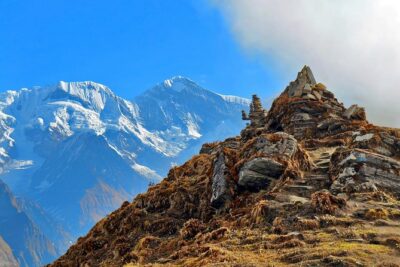
Browse the lists this tour appears in