
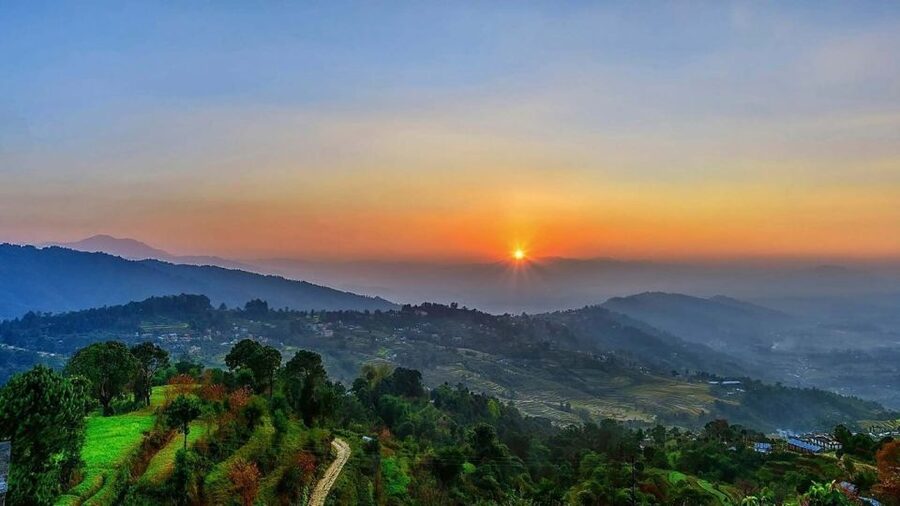
Reviewed · NAGARKOT
Kathmandu: Chisapani Nagarkot 3-Days 2-Nights Trek
If you want Himalayan scenery without the stress of a high-altitude slog, this 3-day Nagarkot trek is a smart way to do it from Kathmandu. You’ll climb through Shivapuri National Park, pass Tamang villages, and end with the famous Nagarkot viewpoint timing that many people chase.
I really like the mix of views and culture. One day you’re watching for Langtang Himal in the distance, and the next you’re descending toward the historic Changu Narayan Temple (323 AD). I also like that you hike with an English-speaking licensed guide, with guide names like Dipak Karki, Govinda Pathak, and Ramesh showing up in past groups’ experiences.
The main drawback is simple: weather controls everything. If clouds roll in (monsoon or not), you might get fewer big-panorama moments, and you may need to move slower or adjust plans if rain turns heavy.
Key things that make this trek worth your time
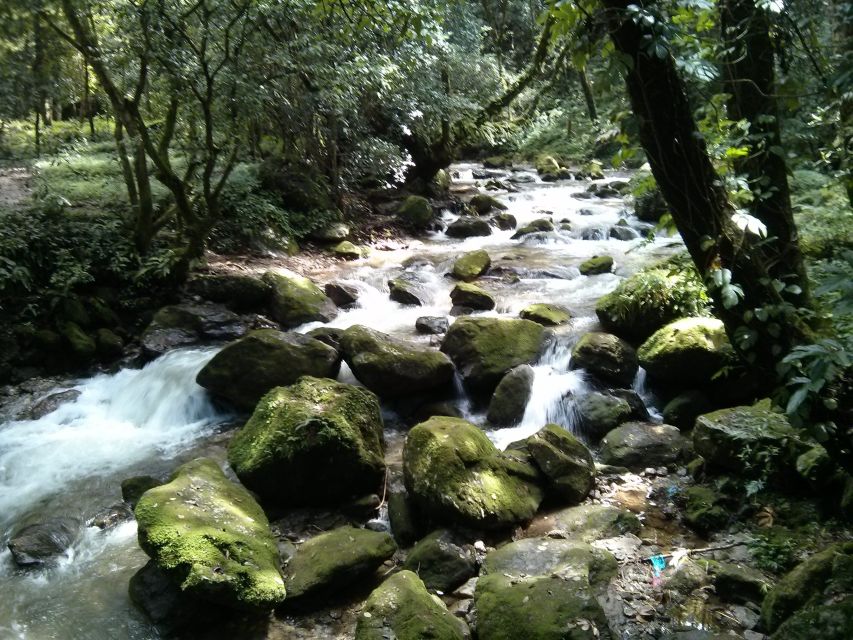
- Sundarijal to Chisapani via Shivapuri National Park, with a trail that starts by following a water pipe uphill
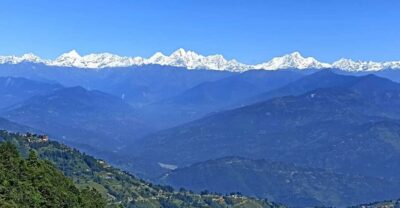
- Langtang Himal views are the goal, especially if skies are clear
- A sunrise morning in Nagarkot before you head down toward Changu Narayan
- Private vehicle transfers at both ends so you are not piecing together transport
- English-speaking guide support, including route explanations and care on the trail
Why This Short Nagarkot Trek Fits a Kathmandu Schedule
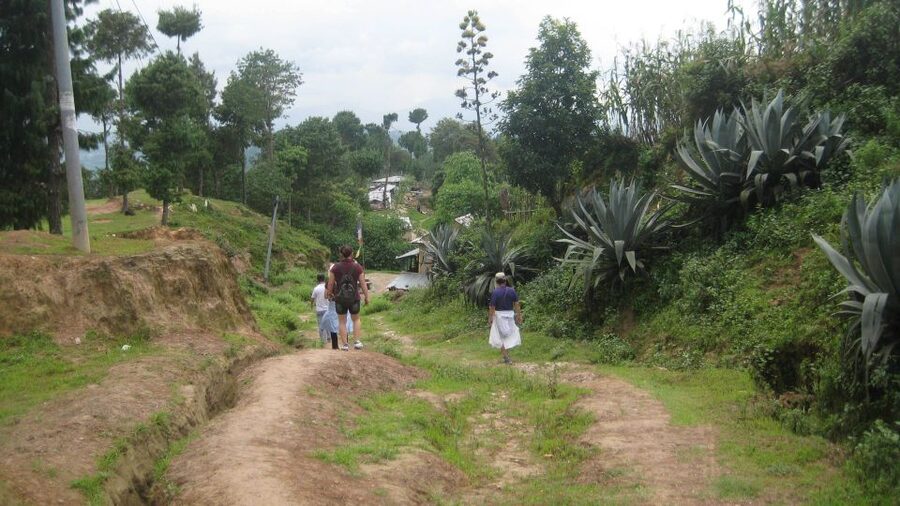
This is a low-altitude, 2-night trek designed to feel like real trekking, not a bus tour with a hike stapled on. You start around 1,460 meters in Sundarijal, work up into the 2,100 to 2,175 meter zone around Chisapani and Nagarkot, and then finish at Changu Narayan (1,541 meters). That altitude profile matters because it helps you focus on trail time and scenery, rather than treating every breath like a problem.
You also get a practical structure. Instead of bouncing between multiple towns, you travel once to the trek start point, hike for three days with one guided thread, and then ride back into Kathmandu at the end. It’s the kind of trip that works well if you want Nepal’s hiking flavor but you do not want to burn a whole week.
More of the Chisapani ridge:
- Chisapani – Nagarkot Trek Nepal – 3 Days
★ 5.0 · 16 reviews - Sundarijal-Chisapani-Nagarkot Trek with Changunarayan
★ 4.8 · 3 reviews - From Kathmandu: 3-Day Chisapani-Nagarkot Trek & Bhaktapur
★ 4.2 · 3 reviews
Day 1: Sundarijal, Shivapuri National Park, and Chisapani Sunset
Day 1 has a clear rhythm: drive to Sundarijal, then an uphill hike into Shivapuri National Park, ending in Chisapani. After pickup in Kathmandu, you drive for about 1 hour to the trek starting point at Sundarijal (1,460 meters). Then you begin hiking for about 5 to 6 hours.
The start is memorable because the trail begins uphill along a large water pipe running down from the Sundarijal Reservoir. It’s not just scenery. That early stretch gives you a sense of the area’s infrastructure and how water moves through the hills.
From there you enter Shivapuri National Park and keep climbing toward Mulkharka Village, then past Tamang Village, before reaching Chisapani. If you like seeing how communities connect to the land, this day delivers, because the trail runs through village life, not just untouched forest.
Chisapani is also your sunset payoff. When the weather behaves, you can look out from here for panoramic Himalayan views, including Langtang Himal. Even if the sky is hazy, sunset often gives you color and depth rather than a flat gray wall, so it still feels like a win. Then you settle into a lodge for the night with breakfast included.
What can feel tough: Day 1 is mostly uphill, and expect plenty of stair work. In one set of experiences, hikers called out that this day has stairs and a real climb. Plan your pace accordingly, especially if you are coming in from a low activity week in Kathmandu.
Day 2: Chisapani to Nagarkot Through Forest, Villages, and a Final Climb
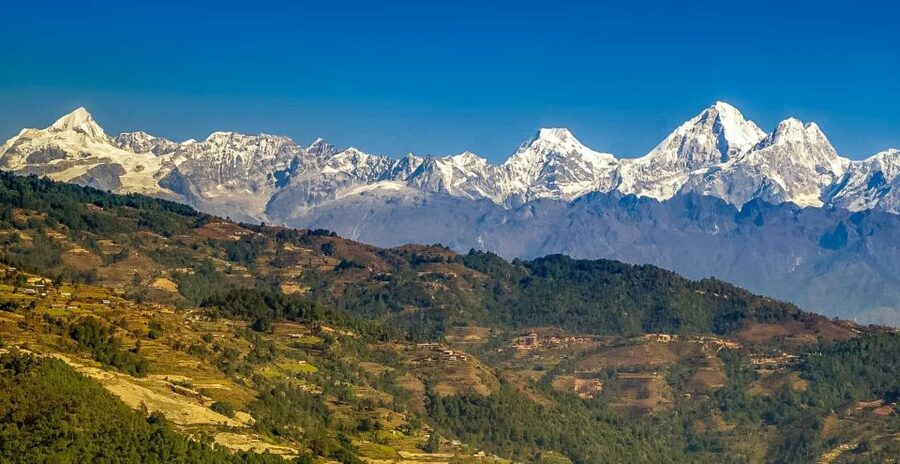
Day 2 is the longest-feeling day on this trek, around 6 to 7 hours. You start with breakfast in Chisapani, then head into a route that alternates between forest hiking and downhill segments before you push again.
The trail begins with ascent through lush forest, then you descend toward Jhule and Chauki Bhanjyang. From there it crosses more villages and terraced fields, which is a great reminder that Nepal’s hills are lived in, farmed, and shaped by people.
The climb begins to build again as you move on to Kattike Bhanjyang, then you face the main effort: you must ascend up to reach Nagarkot. This is where Nagarkot’s viewpoint role becomes real. If visibility is good, this final climb is your chance to look out for Himalayan ranges including Langtang Himal and others.
One of the best practical cues from real-world experiences is that Day 2 can be very long, even if you have prepared for “a hike.” A past group noted it can run around 25 kilometers, so treat it as a serious day, not a gentle stretch between viewpoints.
What you’ll likely appreciate: The variety. Forest, downhill, villages, fields, then a final climb. It keeps your brain awake. And with a guide who knows the route, you are less likely to waste energy second-guessing the trail.
Day 3: Nagarkot Sunrise, Changu Narayan Temple (323 AD), and the Return to Kathmandu
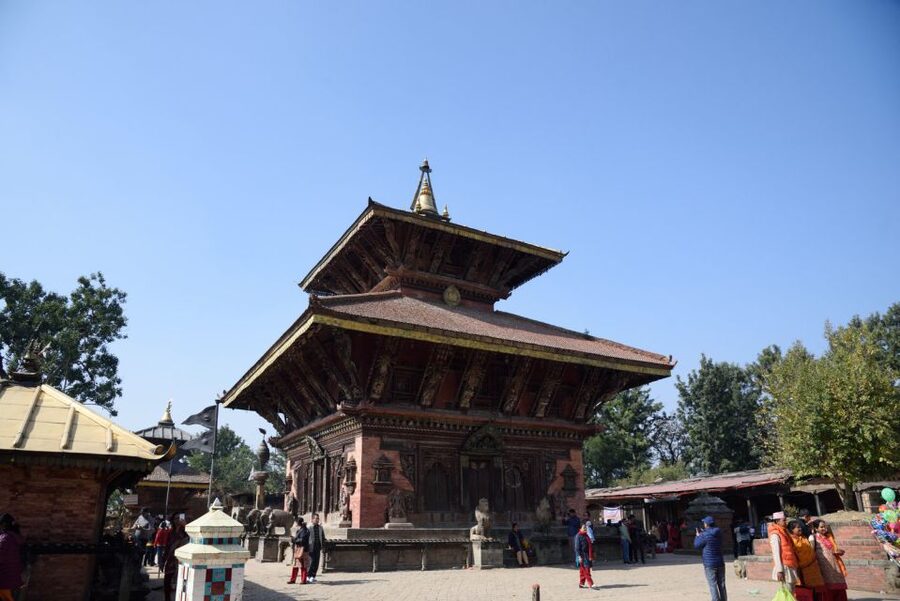
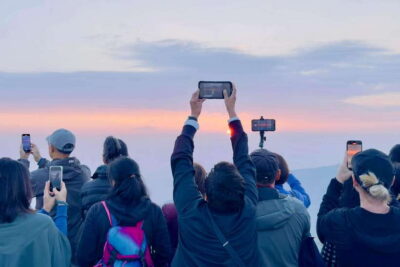
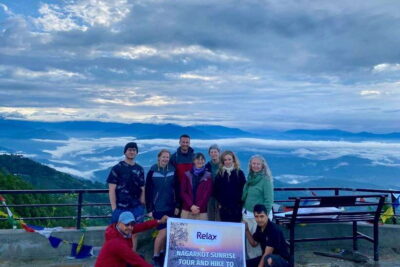
Day 3 starts early for a reason. You wake up in time to observe sunrise over the Himalayas. This is the Nagarkot moment people hope for, and it’s hard to beat when the sky clears.
After breakfast, you hike from Nagarkot to Changu Narayan for about 3 to 4 hours. The route trends downhill via Telkot. As you descend, you get a bird’s eye view that includes Bhaktapur and Kathmandu. That’s a nice contrast to the earlier valley-hugging feel of the trek.
Then you reach Changu Narayan, famous for the 323 AD Temple. Even if you are not a hardcore archaeology person, this stop is worth it because it adds meaning to the hike. It is not only walking for views, you are also ending at a place with real age and identity.
Once you arrive at Changu Narayan, your vehicle meets you and drives you back to Kathmandu for about 1 hour, dropping you off at your hotel.
A realistic consideration: If weather turns ugly, this is the day where you might feel tempted to shorten. One past experience described heavy rain prompting a half-way adjustment and a ride back to Kathmandu. You should still expect the route as planned, but it helps to know your guide can think tactically if conditions change.
More sunrises from Nagarkot:
- Kathmandu: Nagarkot Sunrise View & Morning Hike with Lunch
★ 4.9 · 188 reviews - Kathmandu: Nagarkot Sunrise and Hike Tour to Changu Narayan
★ 4.7 · 151 reviews - Kathmandu: Nagarkot Sunrise & Hike with Lunch -Private/Group
★ 4.9 · 122 reviews - From Kathmandu: Nagarkot Hike with Mount Everest View
★ 4.8 · 89 reviews
Hotels and Food Planning: What You Get, What You Must Bring
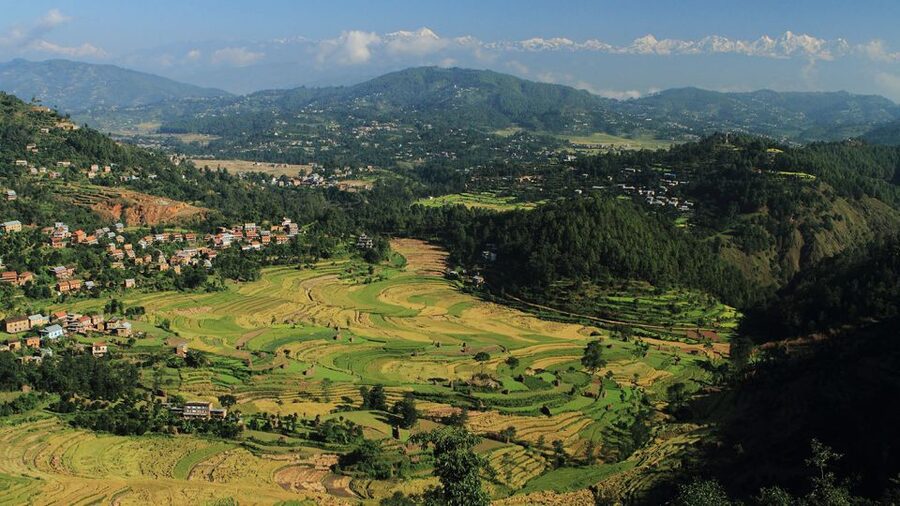
This trip includes lodge or guest house accommodation with breakfast in Chisapani and accommodation with breakfast in Nagarkot that has an attached bathroom.
You are not paying separately for permits either. The trek includes hiking and national park permits, plus taxes. That matters because permits and paperwork can become annoying add-ons if you cobble things together on your own.
Food is where you need your own plan. Lunch and dinner are not included, so budget for meals at lodges or along the way. Breakfast is included at the lodges.
Now the practical gear and comfort advice. The essentials listed for this trek are spot on:
- Windbreaker
- Rain gear
- Hiking shoes
- Warm clothing
I’d also add one small reality check: lodges are not always hotel-clean. One set of experiences mentioned a first hotel room that was not cleaned and lacked toilet paper. Even if that is not your likely outcome, it costs almost nothing to pack a few travel tissues and keep them in your day bag. In monsoon season, quick-drying habits also help.
Where the lodging really helps: because this is only three days, you do not want to spend each night worrying about comfort. Nagarkot’s lodging is where you likely get the viewpoint reward, so having a decent place to reset matters.
Weather, Monsoon, and the View Question (Langtang and More)
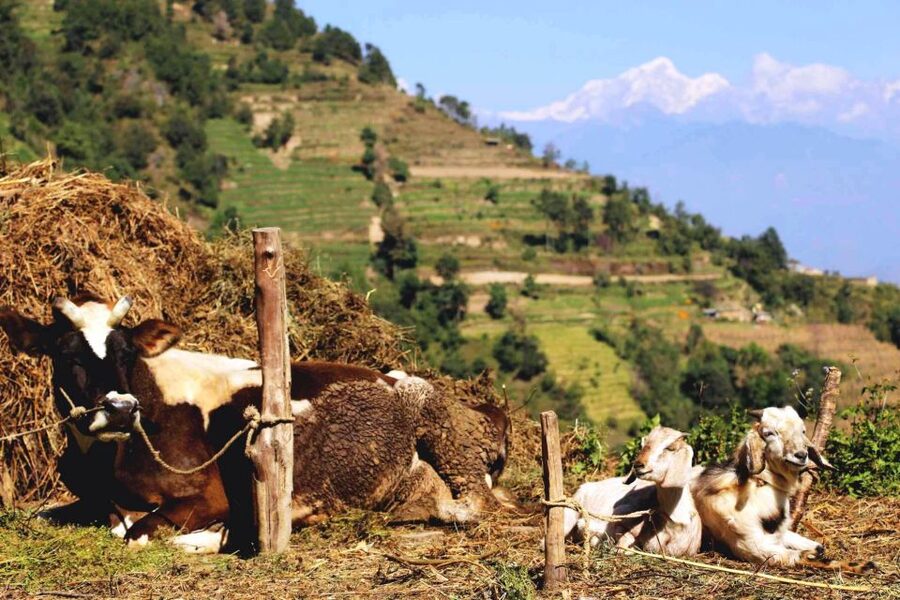
The biggest question you should ask yourself before booking is also the simplest: do you have room in your schedule and expectations for weather?
This trek runs daily all year round, but you are aiming for panoramic Himalayan views, including Langtang Himal. The key phrase is if weather is clear. That is not marketing fluff. It’s the nature of trekking in these valleys.
In monsoon season, you can still have a great experience. One group described hiking at the end of June and having wonderful weather and views. That means clear windows can happen, even in wetter months.
But if clouds stick around, you may still hike forests and villages and reach cultural sites, yet the big “wow, there is the mountain” moments can fade. That’s why I recommend treating this trek as both:
1) a hike with changing scenery
2) a chance for big skyline views
If you go in expecting both, you can handle either outcome. If you go in expecting perfect visibility, you might be disappointed.
My tip for better chances: start early on each day and keep your pace consistent. When you arrive at viewpoints in time, you avoid the last-minute panic that happens when everyone is waiting for fog to lift.
Fitness and Footwear: The Real Work Behind a 3-Day Route
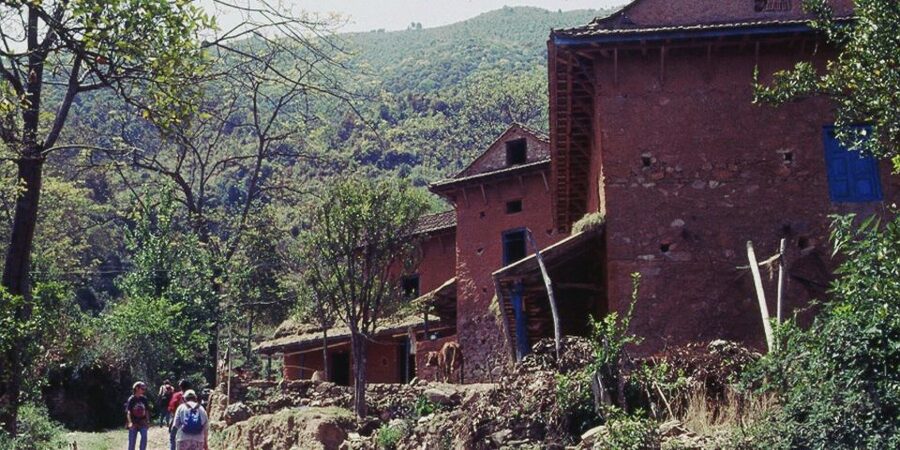
This is not a technical climb, but it is not a walk either. Day 1 runs 5 to 6 hours with uphill and stairs. Day 2 runs 6 to 7 hours and may feel like a longer distance day, including around 25 kilometers in one past experience. Day 3 is shorter at 3 to 4 hours, but you’ll still be moving downhill and then walking through temple grounds.
So think in terms of time on your feet, not just distance. If you can walk for 60 to 90 minutes at a steady clip, and you are comfortable with stairs, you’ll be fine.
The guide support helps here. With an English-speaking licensed guide, you are not guessing where to place your effort. Also, they can help with pacing so you finish the day without arriving wrecked.
Footwear matters because you’re hiking uneven ground in a place that can be wet. You are given a shopping list for a reason, so take it seriously:
- Hiking shoes
- Rain gear
- Warm layers
Value for $190: Private Transfers, Licensed Guide, Permits
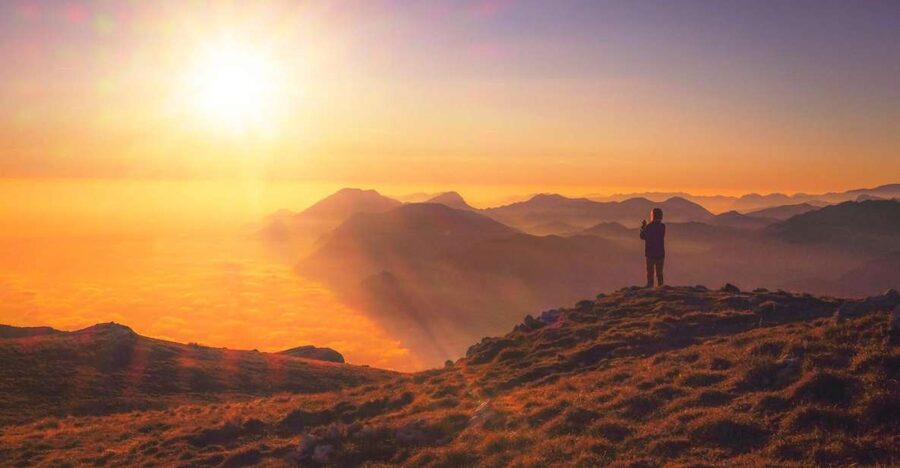
At $190 per person, you’re paying for more than walking. You are paying for:
- Private hotel pickup and drop-off in Kathmandu
- Private vehicle transfers to the trek start point at Sundarijal
- Private vehicle back from Changu Narayan to Kathmandu
- A licensed guide who speaks English
- Accommodation in Chisapani and Nagarkot with breakfast
- Permits for hiking and the national park
That is what makes this feel like good value. If you tried to recreate it yourself, you’d likely end up stitching together transport, permits, lodging, and guiding. The cost might go down on paper, but the friction goes up fast, especially if your Nepal logistics experience is limited.
Where the price can feel high is if you are traveling solo and you end up paying for something private that you could have shared in a group. One experience noted it was a bit expensive when traveling alone in monsoon season because a private tour was needed. Still, for many people, paying extra for control and safety is money well spent.
Bottom line on value: You’re buying structure and fewer headaches, not just the trail.
Who This Trek Is For, and Who Might Want a Different Option
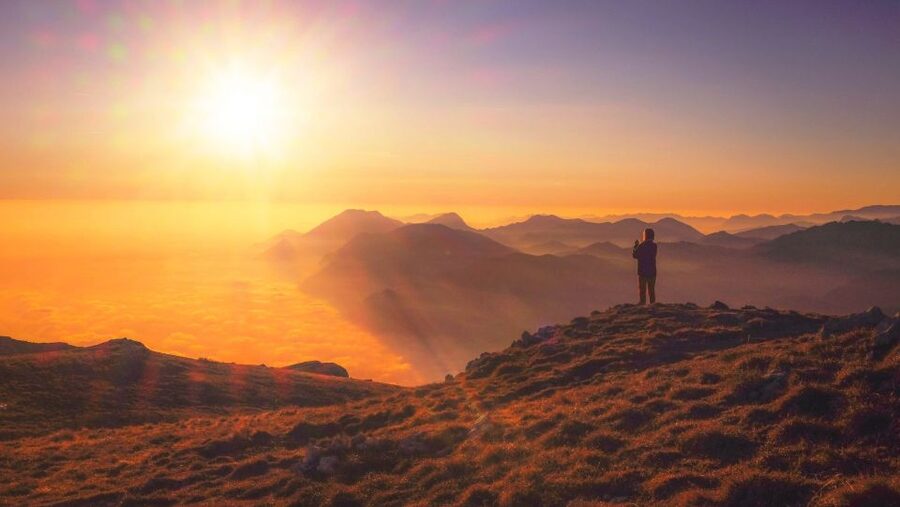
This trek fits best if you want:
- Himalayan views without high-altitude risk
- a short commitment from Kathmandu
- a mix of forest, villages, and a historic temple
- an English-speaking guide who can explain what you’re seeing
It may not be ideal if:
- you are extremely weather-sensitive and cannot tolerate fog or rain
- you hate stair-heavy hiking
- you expect meals all-inclusive, since lunch and dinner are not included
- you want a guaranteed “see the mountain” outcome, because visibility is weather dependent
For families or older hikers, the trail effort might be too much unless everyone is comfortable with long walking days and stairs. For solo travelers who want a guided plan and private transport, it can feel reassuring, especially because guides like Dipak Karki, Govinda Pathak, and Ramesh have supported groups with friendly, attentive care.
Should You Book This Nagarkot Trek? My Take
I’d book it if you want a real trekking experience in just 3 days, with strong logistics and a guide who helps you move with confidence. The private transfers take the pressure off, and the route gives you both natural scenery and a meaningful cultural finish at Changu Narayan Temple (323 AD).
I would hesitate if your trip is short and you cannot afford a weather letdown. In that case, you might still enjoy the hikes and villages, but the signature views can be hit or miss.
If you do book, prepare for two things: stairs on Day 1 and distance on Day 2, and weather uncertainty. Pack the basics listed for the trek, keep a little patience for clouds, and go with the mindset that you’re hiking Nepal, not just collecting photos.
FAQ
What are the main trek days and duration?
The trek is 3 days with 2 nights. It runs from Sundarijal to Chisapani, then to Nagarkot, and finally to Changu Narayan before returning to Kathmandu.
Where do I start, and at what altitude?
You start in Sundarijal, at about 1,460 meters.
Where does the trek end?
The trek ends at Changu Narayan, at about 1,541 meters, then you drive back to Kathmandu.
How long are the daily hikes?
Day 1 is about 5 to 6 hours. Day 2 is about 6 to 7 hours. Day 3 is about 3 to 4 hours.
Is a guide included?
Yes. The trip includes a highly experienced licensed guide who provides live English guidance.
Are permits included?
Yes. Hiking and national park permits are included.
What about lodging and bathrooms?
You get lodge or guest house accommodation in Chisapani with breakfast. In Nagarkot, you get accommodation with breakfast and an attached bathroom.
Are meals like lunch and dinner included?
No. Food and drinks (lunch and dinner) are not included.
Do I need a porter?
A porter is not included. If you need one, you would have to arrange it separately.
What should I pack for this trek?
Bring a windbreaker, rain gear, hiking shoes, and warm clothing.
Is pickup and drop-off included in Kathmandu?
Yes. You get hotel pickup and drop-off in Kathmandu, and transfers are done by private vehicle to and from the trek endpoints.
Latest Kathmandu write-ups
- 16 Days Island Peak Climbing With Everest Base Camp Private Trip★ 5.0 · 3 reviews
- 15 Days Round Annapurna Trek with Poon Hill from Pokhara★ 5.0 · 5 reviews
- Private Nepal round trip including Ghorepani Poonhill trek★ 5.0 · 3 reviews
- Everest Base Camp Trekking 16 Days★ 4.0 · 7 reviews
- 14 Days Luxury Annapurna Base Camp Trek★ 5.0 · 6 reviews
- Everest Base Camp Trek★ 5.0 · 32 reviews
- Everest Base Camp Trek★ 5.0 · 87 reviews
- Everest Base Camp Trek★ 5.0 · 97 reviews
Nagarkot, compared.
Nagarkot Sunrise and Hike Tour to Changu Narayan
Read our review →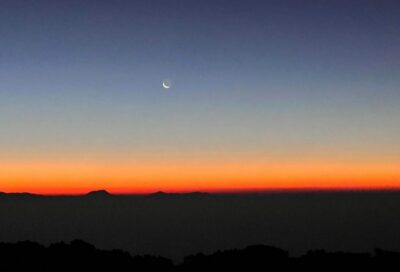
Nagarkot Sunrise View & Day Hike with Lunch – Private/Group
Read our review →Browse the lists this tour appears in