
Reviewed · ANNAPURNA BASE CAMP TREK
10 Days Annapurna Base Camp Trek From Pokhara
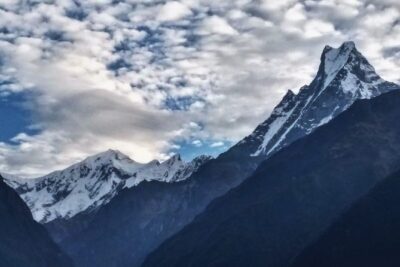
Annapurna Base Camp is interesting because it mixes big Himalayan views with real village trekking, so you get mountain drama and day-to-day Nepal life in the same walk. This route is also thoughtfully paced for people who want a practical plan, including iconic stops like Poon Hill for sunrise. You’ll spend your nights in simple guesthouses and wake up to a new trail each day.
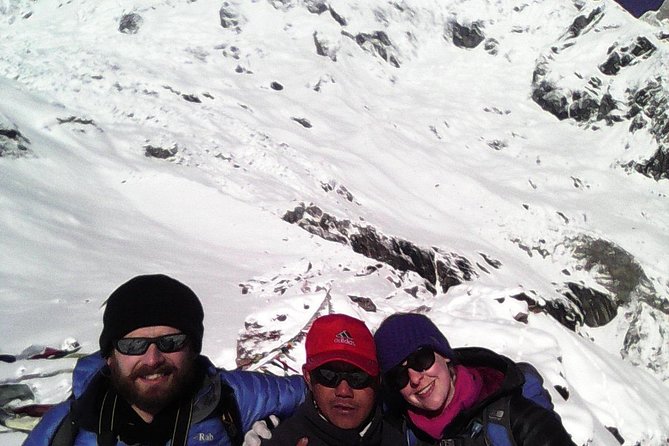
What I like most is how the trek is organized around the best-known segments of the Annapurna region, with rhododendron forests, Gurung villages, and lots of suspension bridges along the way. I also appreciate the human side, guides like Krishna Adhikari and Biru are repeatedly highlighted for friendliness, safety focus, and local knowledge that helps the whole thing feel smooth.
One drawback to consider: meals and drinks are not included, so you’ll be budgeting for breakfast, lunch, and dinner as you go. And at the high point, the plan can adjust based on weather or altitude comfort, sometimes meaning an overnight shift to Machchhapuchchhre Base Camp (3700 meters) instead of staying at ABC.
Key Highlights You’ll Actually Feel on This Trek
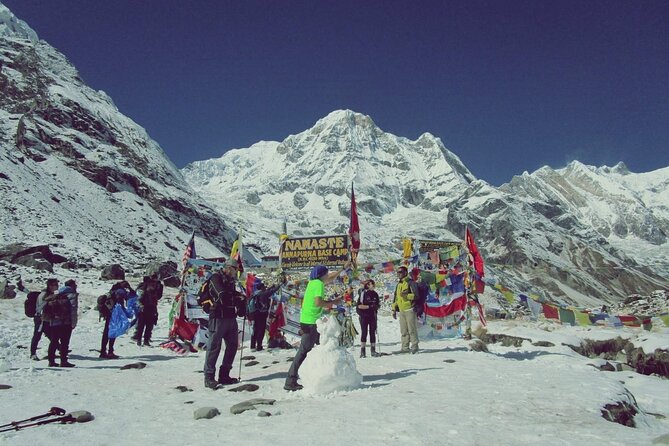
- Poon Hill sunrise timing to start the day with one of the most famous views in the region
- Gurung village trekking with cultural context, not just scenery photos
- Suspension bridges and forest trails that keep the walking interesting
- English-speaking local guide support with an emergency first aid kit on hand
- Guesthouse nights in tourist standard accommodations for a comfortable base
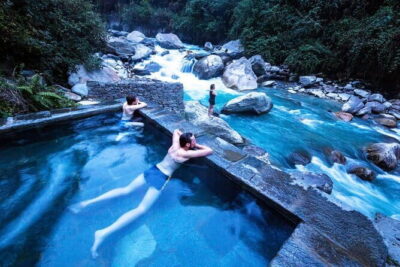
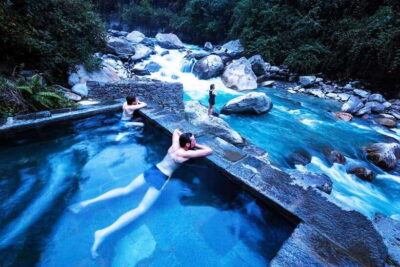
- Jhinu Danda hot spring bath to end the trail with a practical recovery day
Why Annapurna Base Camp From Pokhara Works So Well
Starting from Pokhara is a smart move for most people. You get a warm-up day of logistics, then you’re walking into the Annapurna region quickly, without a complicated multi-day approach. This trek also aims to cover a lot of what makes the area special, rural mountain villages, culture, and the classic trekking geography that keeps showing up on the map.
I also like the way the route balances famous viewpoints with “in-between” days that feel more like you are actually traveling through the mountains. Places like Ulleri, Ghorepani, and Chhomrong are well-known for a reason, but you still get variety day to day.
One more thing, this isn’t presented as a bare-bones adventure. It’s built around a practically prepared itinerary and consistent daily structure, which helps if you want to focus on the trek instead of coordinating everything yourself.
More routes into the Annapurna Sanctuary:
- Kathmandu/Pokhara: 5-Day Annapurna Base Camp (ABC) Trek
★ 4.9 · 72 reviews - Annapurna Base Camp Trek -8 days
★ 5.0 · 56 reviews - Private 7 – Day Annapurna Base Camp Trekking
★ 5.0 · 50 reviews
Price and Logistics: What You Get for $493.58
At $493.58 per person for a roughly 10-day trek, the value comes from what is handled for you, not just the price tag. Included elements matter here: the trekking permit and TIMS, a friendly English-speaking local guide, tourist standard guesthouse accommodation, and hotel pickup plus drop-off.
Here’s what you should expect is covered:
- Trek permits and TIMS
- Hotel pickup and drop-off in Pokhara
- Round trip private transfer
- Private trip with only your group participating
- Accommodation in guesthouses (tourist standard)
- A trekking pole
- Emergency first aid kit carried with your guide
What is not included:
- All meals and drinks
- Rescue costs if an emergency requires it
- Gratitude for your guide (optional)
So your total trip budget won’t just be the trek price. Still, you gain a lot of certainty from the items that are already included. And the reviews you’ll see about this kind of service tend to focus on organization and guides who keep you moving safely, not on nickel-and-diming.
If you’re traveling with a group, you may also benefit from group discounts and the trip uses a mobile ticket format, which keeps things simple before you arrive.
Day 1: Ulleri, From Nayapul to Village Trek Rhythm
Day 1 is all about getting your legs used to the trail. You drive from Pokhara toward Nayapul, then start walking to Ulleri. The drive is about 1.5 hours, and the trek part is listed as around 5 hours.
Why Ulleri works as a first trekking day: it’s long enough to feel like a trek, but it’s early in the route where you’re still fresh. It also sets expectations for Nepal mountain walking, villages, narrow paths, and the steady climb and descent pattern that repeats through the days ahead.
Practical consideration: if you’re prone to sore knees, take it slow early. Day 1 is your chance to find a pace that you can hold without turning every step into a negotiation.
Day 2: Ghorepani via Rhododendron Forests and Big Annapurna Views
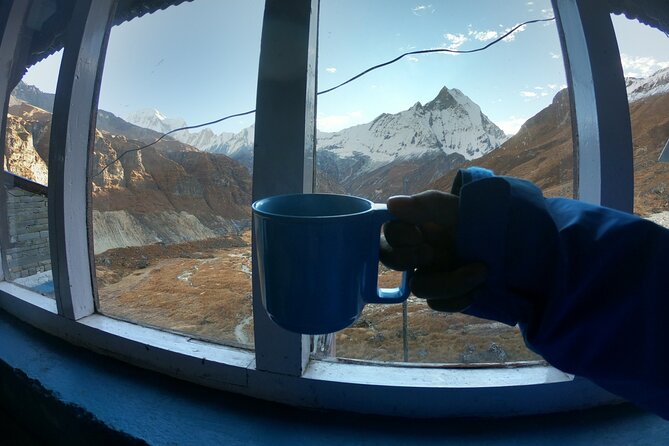
On Day 2 you head toward Ghorepani through rhododendron forests, with views of Mt. Annapurna along the way. The day is listed as about 6 hours.
This is where the trek starts to feel like the classic Annapurna experience. The rhododendron forest route gives you more than views, it gives you shade and a softer-feeling walking corridor compared to more exposed stretches. And Ghorepani is a base area people recognize for good reasons, it’s positioned well for the sunrise plan later.
Potential drawback: forest days can be cooler, which is good, but they also often mean variable footing as weather changes. Walk carefully around slippery or uneven trail patches.
More to compare around Pokhara
- ZipFlyer Nepal – The World’s Steepest Zip-line
★ 5.0 · 608 reviews - Bungee Pokhara by HighGround Adventures
★ 5.0 · 366 reviews - From Pokhara: Sarangkot Sunrise Himalayas Tour
★ 4.7 · 218 reviews - ATV Adventure Tour in Pokhara, Nepal
★ 5.0 · 194 reviews
Day 3: Poon Hill Sunrise Then Continue to Tadapani
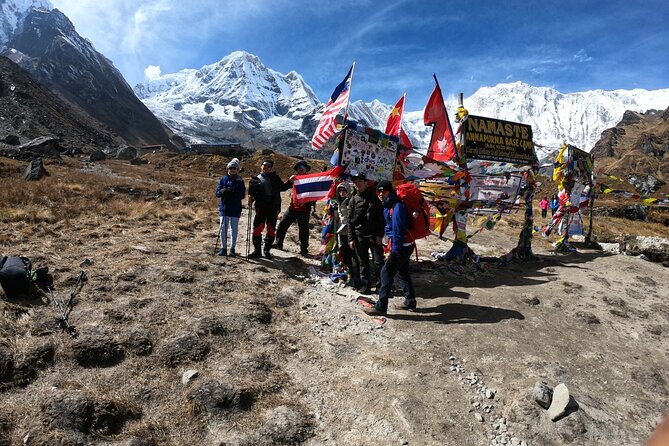
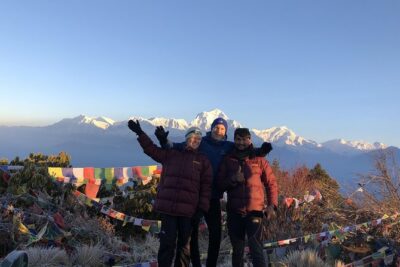
Day 3 is a long day at about 7 hours, with a strong early start. You hike to Poon Hill at dawn for sunrise over Annapurna, then continue the trek to Tadapani.
This is one of the best “I’m glad I did the early wake-up” moments on the entire route. Sunrise at Poon Hill is famous because it gives you a payoff that feels bigger than the effort. Even if clouds soften the view, the morning atmosphere in the mountains is still a memorable reset.
After sunrise, you’re not done. You keep trekking to Tadapani, which helps you avoid the common problem of doing only a half-day and then losing momentum. Your body gets to keep working, then you sleep at altitude with less time wasted.
Tip for comfort: expect the morning to feel colder than you think, and dress in layers you can manage quickly. Also bring focus to your breathing, the early push can feel deceptively strenuous.
Day 4: Chhomrong, One of the Key Village Steps
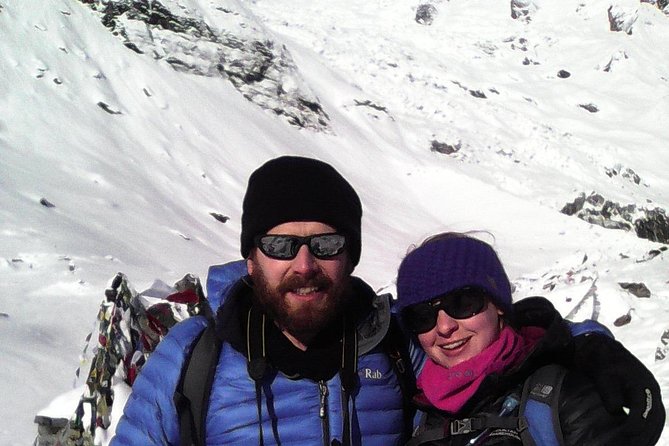
Day 4 takes you to Chhomrong in about 6 hours.
Chhomrong is a big marker in many Annapurna itineraries because it’s where the trek becomes more obviously “high-mountain village” territory. The trail structure often changes here, with more dramatic surroundings and a clearer sense that you’re closing in on the heart of the Annapurna region.
What you’ll likely enjoy on this day is how the trekking feels more connected to daily life. It’s not only about climbing. It’s also about moving through places where people live with the mountain right in their routines.
Possible drawback: if you rush, this day can feel like it takes more out of you than expected. Keep your pace steady and don’t treat it like a fitness test.
Day 5: Bamboo to Dovan, Forest Walking Keeps the Pace Honest
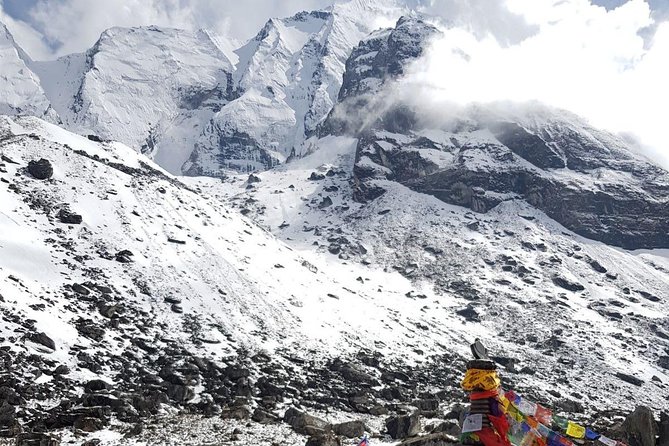
Day 5 has you trek to Dovan (often referenced as the Bamboo to Dovan segment) in about 6 hours.
This part of the route is notable because it keeps you in the rhythm of forest and gradual altitude changes without forcing you into constant maximum effort. It’s also a practical day for hikers who want time to adjust to the slower, altitude-aware mindset.
You should expect more “walk, rest, walk” moments here. That’s not a bad thing. It can be the day you learn how to manage your energy so the later days feel less punishing.
Day 6: Deurali Overnight, Moving Toward the Base Camp Zone
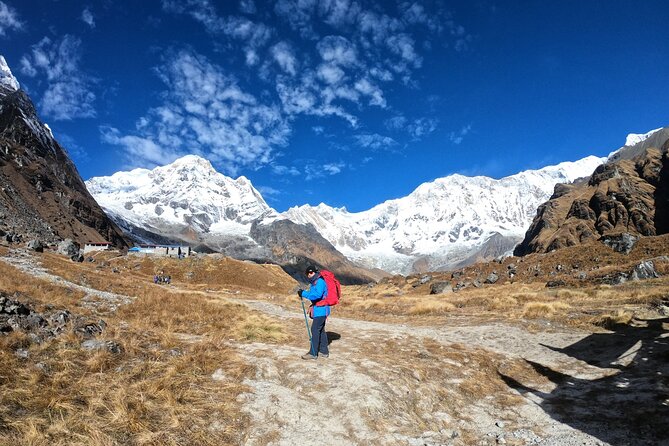
Day 6 is about reaching Deurali for your overnight stay, listed at around 5 hours.
This day is shorter on paper, which often helps when altitude is starting to make itself known. Deurali is placed so you can gain ground without feeling like you’re sprinting upward.
What this means for you: the trek stays structured, and you get a checkpoint night before the final push. You also get another chance to take altitude seriously. If your breathing feels off, you’ll still have time to adjust before the final destination area.
Day 7: Annapurna Base Camp Day, With the Machchhapuchchhre Backup Plan
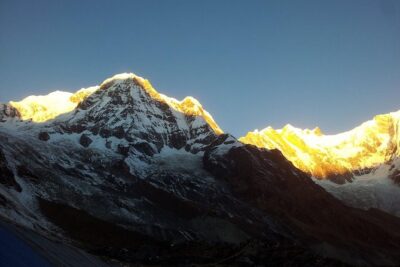
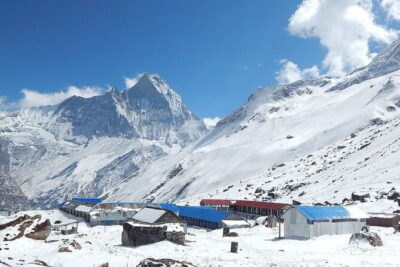
Day 7 is the big day at around 5 hours. You finally reach Annapurna Base Camp, your destination. The plan includes an overnight at ABC if conditions are right for both the weather and your health. If not, you descend to Machchhapuchchhre Base Camp (3700 meters) for an overnight stay.
This contingency matters. It’s practical thinking built into the itinerary. Altitude and weather are not theoretical threats out here. They affect how safe and comfortable you feel, and this route acknowledges that by keeping a fallback option.
I like that the plan focuses on you being able to sleep and recover, not just stamp a checkmark for arrival. If you have any worries about altitude, you’ll appreciate that the itinerary doesn’t force a one-way deal at the top.
Drawback to consider: it can be emotionally disappointing if you don’t stay right at ABC. But the trade-off is that you’re still progressing on a responsible plan, and you still get the base camp zone experience.
Day 8: Trek Down to Bamboo, Recover While You Still Move
Day 8 brings you back down to Bamboo in about 6 hours.
This is where trekking becomes less about “achievement” and more about smart movement. Descents can be tough on knees, but they also help your body settle. You’re still walking, so you don’t feel like you’re just stuck in transit, and you’re setting yourself up for easier later days.
I also find this day helps mentally. You’ve reached the highlight. Now you get the chance to focus on finishing with good energy instead of trying to squeeze in extra effort.
Day 9: Jhinu Danda Hot Springs, A Real Reward for Your Legs
On Day 9 you go to Jhinu Danda, with a natural hot spring bath listed as part of the day. The trekking time is about 5 hours.
This is a genuinely useful reward. Hot springs are not just a fun add-on. After multiple days of climbing and descending, a warm soak can feel like a reset button for sore muscles and stiff feet.
What to plan for: you’ll likely want time in the springs and time to dry off before the next walking stretches. Simple things like quick towel access and a change of clothes can make the experience feel more comfortable.
Day 10: Back to Nayapul and Pokhara Drop-Off
Day 10 ends the trek with a walk to Nayapul and then a drive back to Pokhara (about 1.5 hours). Total time is listed as about 7 hours, and you’re dropped back to your hotel.
This is the day where you feel both relief and that odd post-trek emptiness. You’re still moving, but the hardest part is behind you, and the drive back lets you reset and refuel properly.
If you can, plan an easy evening after you return. You’ll likely be tired in a good way, and a calm dinner helps you enjoy the whole trip instead of rushing straight into your next schedule item.
Guides, Guesthouses, and Safety Details That Keep It From Feeling Stressful
One of the most praised aspects of this trek is the guide support. People often mention guides such as Krishna Adhikari, Biru, Milán, Sunil, and team members like Shambu and Ravi for managing facilities and keeping things organized.
What you should take from that, practically: the guide is not just there to point at scenery. You get permit handling support, a plan for the daily schedule, and someone who’s thinking about pacing and safety. The trip also includes an emergency first aid kit with the guide, which is exactly the kind of quiet, useful detail you don’t want to think about until you need it.
Accommodation is guesthouse style, described as tourist standard, which usually means you’re not sleeping in luxury, but you are sleeping in places meant for trekkers. Reviews also mention friendly hotel staff and that the operator handled stays smoothly, including the comfort of well-run facilities.
Meals are not included, so you’ll buy breakfast, lunch, and dinner along the way. On this route, guesthouses typically offer food, but quality and pricing can vary by stop. The good news from reported experiences is that the trekking meals often end up being satisfying enough that food isn’t a major worry.
Who This Trek Fits Best, and Who Might Want a Different Plan
This trek is aimed at people with moderate physical fitness. If you can walk for 5 to 7 hours most days and handle steep moments, you’ll likely do well with this pacing.
It’s also especially good for you if:
- You want the Annapurna Base Camp experience without having to plan each day solo
- You care about Gurung culture and village walking, not only summit chasing
- You prefer a private trip where your group sets the vibe and pace
- You value having an organized guide with emergency basics provided
You might reconsider if:
- You know you cannot adjust your plan based on altitude or weather
- You don’t want the extra cost of meals, since meals and drinks are not included
- You are expecting a fully catered luxury trekking experience
Should You Book This Annapurna Base Camp Trek From Pokhara?
If you want a well-run Annapurna Base Camp trek that mixes famous moments like Poon Hill sunrise with practical high-value days in real villages, this is a strong option. The best reason to book is how the core stuff is already handled for you: permits, a guide, guesthouse nights, transport from Pokhara, and a contingency plan around weather and altitude comfort.
I’d book it if you like the idea of being guided, safe, and supported, and if you’re okay budgeting for meals. I’d think twice only if you need your itinerary to be completely fixed no matter what, because the plan can shift at the highest point.
If you’re traveling from Pokhara anyway, and you want one trip that covers the Annapurna area with culture, forests, bridges, and the classic finish at Jhinu hot springs, this trek is the kind that turns a checklist into a real story.
FAQ
Are hotel pickup and drop-off included?
Yes. The trek includes hotel pickup and drop-off in Pokhara, plus round trip private transfer.
Is the trek price ($493.58) all-inclusive?
No. Meals and drinks are not included, and rescue costs in an emergency are also not included. Everything else listed under included is covered.
What about trekking permits and TIMS?
Both the trekking permit and TIMS are included.
Is this a private tour or a shared group trek?
It’s a private trip, meaning only your group participates.
What fitness level do I need?
The operator says you should have a moderate physical fitness level.
What happens if ABC overnight is not possible?
The itinerary states that if weather or your altitude comfort is not suitable, you will descend to Machchhapuchchhre Base Camp (3700 meters) for an overnight stay.
How much time do I have to cancel for a full refund?
You can cancel up to 3 days in advance for a full refund. If you cancel less than 3 full days before the start time, the amount paid is not refunded.
Latest Pokhara write-ups
- Sunrise View from Sarangkot★ 5.0 · 3 reviews
- Beautiful Sarankot Sunrise with Full Day Sightseeing in Pokhara★ 4.5 · 3 reviews
- Sarangkot Sunrise Tour in Private Car★ 5.0 · 3 reviews
- Pumdikot Mahadev Status and Peace Stupa Hiking Private Tour★ 4.5 · 3 reviews
- Pokhara: Dhampus Easy Trek for Families with YoungKids 2 Day Tour★ 5.0 · 3 reviews
- Pokhara: Private Car Drive Tour to World Peace Stupa★ 5.0 · 3 reviews
- 5-Day Private Farming Experience in Nayapul with Accommodation★ 5.0 · 3 reviews
- Transfer to Lower Mustang (Jomsom)★ 5.0 · 3 reviews
Annapurna Base Camp Trek, compared.
Browse the lists this tour appears in