
Reviewed · MARDI HIMAL TREK
5 Days Mardi Himal Trek.
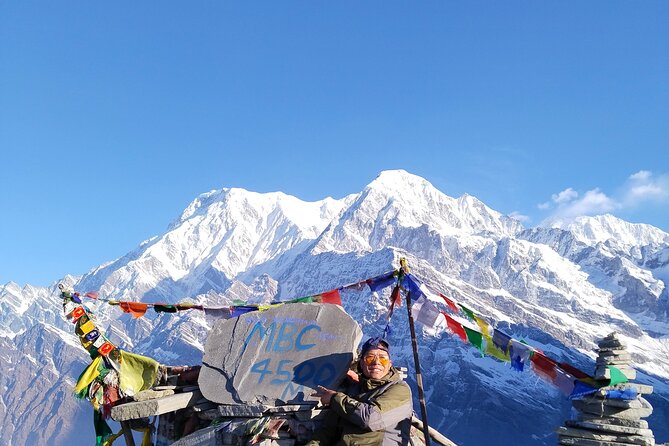
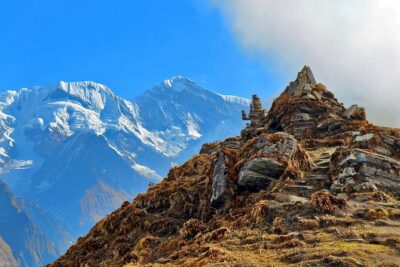
The Mardi Himal trek is interesting because it feels like a pioneer route with a real sense of discovery, and the hike pushes up around 4,500 meters. If you want big mountain time without the most crowded vibe, this is the kind of trek that scratches that itch.
I love that you get an English-speaking guide, Dadhi Ram Thapa, and he can answer questions as you walk. I also like the practical setup, teahouse accommodation included, so you are not spending your energy on logistics.
One consideration: meals and drinks are not included, and you are hiking for several hours each day. Go in with moderate physical fitness, and budget extra for food so it never becomes a stress point.
Quick highlights you will actually care about
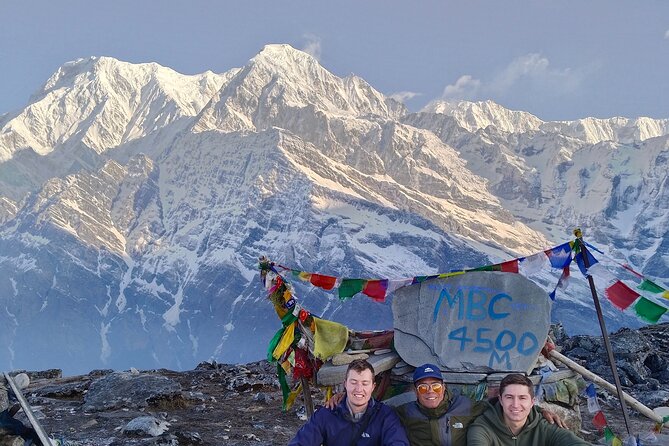
- Virgin-feel hiking to roughly 4,500 m with a calmer, exploratory vibe
- English guidance from Dadhi Ram Thapa, plus route flexibility if you want changes
- Teahouse stays built into the trip, so you do not have to plan nights from scratch
- Forest-to-hills walking each day, with birds, river views, and misty trail moments
- Early sunrise viewpoint day, then breakfast before continuing the route
- Rural last day with Lumre and a hanging bridge, then a drive back to Pokhara
Why the Mardi Himal trek feels different at 4,500 meters
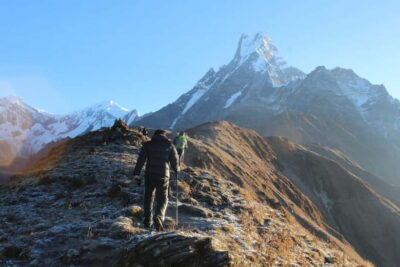
Mardi Himal earns attention because it is a pioneer, virgin-feeling trek. You are not just hiking from one famous stop to the next, you are moving through sections that feel more remote and exploratory. That changes the whole mood. You notice the trail. You watch the weather. You pay attention to the small stuff, like birdsong and river sounds under the trees.
The altitude target, about 4,500 meters, matters because it turns the hike into a real effort, not just a scenic stroll. You do not need to be an athlete, but you do need common sense. Pace slow. Drink water. Take breaks before you feel slammed. If you do that, you will enjoy the ride rather than fight it.
This is also a five-day format with a steady rhythm. You will walk, sleep in teahouses, and start again. That makes it ideal if you want a clear plan and not a chaotic scramble.
More on the Mardi Himal ridge:
- Pokhara: 4-Day Mardi Himal Trek
★ 4.9 · 59 reviews - Private Mardi Himal Trek
★ 5.0 · 42 reviews - Mardi Himal Trek
★ 5.0 · 30 reviews
Day 1: Getting from Pokhara to Pothana by private transport
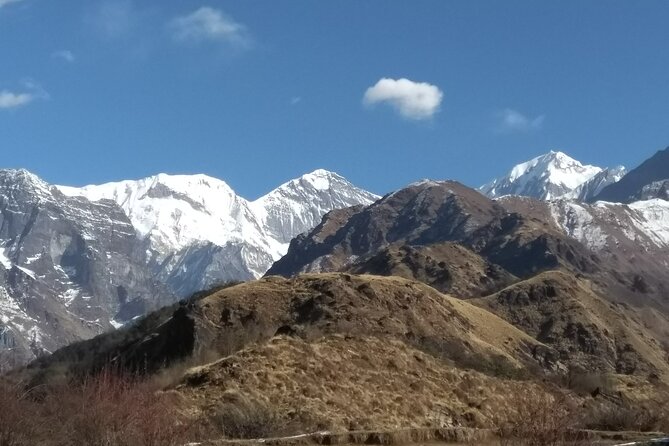
You start at 8:30 am, and the trip is set up with hotel pickup and drop-off. The early part is mostly about getting you out of Pokhara and onto the trail without hassle.
On day 1, you travel by private transport from Pokhara to Melbot, then you trek on to Pothana. The walking time listed is about 5 hours. This is a smart “starter day.” It gives you a warm-up without rushing you into the hardest sections right away.
Pothana is where you settle into trek mode. Expect village rhythm, tea house life, and a chance to get comfortable with the pace. The best part of this first day is not a single view, it is the transition. Your mind clicks from city speed into slow, steady hiking.
Day 2: Forest Camp, river sounds, and the bird-and-mountain combo
After breakfast on day 2, you trek toward Forest Camp. The day is listed at about 5 hours, and the vibe is clearly about nature and variety.
You will be walking through forest, with mountain views and a river along the way. Birds are specifically mentioned, which makes sense because forest sections tend to bring more sound and movement than open ridges. If you enjoy that “quiet attention” feeling, this day rewards you.
One of the underrated benefits of a forest day is that it can feel mentally easier. Shade helps. The trail can feel less exposed if the weather turns. Still, do not assume it will be dry. Bring rain gear and be ready for mist.
At the end of the day, you sleep in a teahouse. That keeps the trip grounded and practical, and it means you can focus on the hike instead of searching for your next bed.
Day 3: Mardi High Camp, forest-to-hills walking, and glacier views
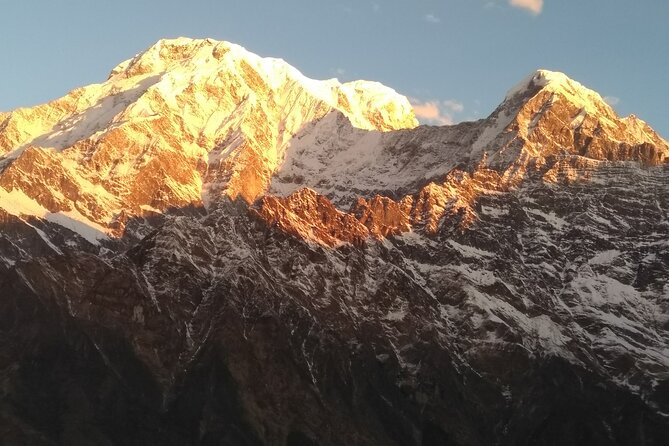
Day 3 is the “higher view” day in your trek. After breakfast, you hike to Mardi High Camp for about 6 hours.
The route mix matters: it is described as roughly half through forest, half through hills. That change in terrain keeps your body working in different ways. Forest walking can be rhythmic and steady, while hillside sections tend to make your legs feel the slope more.
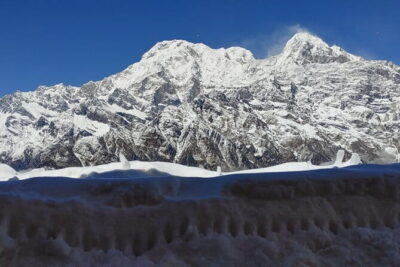
This is also where you are promised big panorama payoffs. You are looking at mountain views on both sides, plus valley and river scenery, and glacier views are part of the mix. When you get glimpses like that, you understand why people come to this area at all.
If you are sensitive to altitude, treat this day with extra respect. Start early within the day’s schedule, keep a slow pace, and avoid the temptation to sprint just because the views look close. You will arrive tired either way, but arriving calmer gives you the energy to enjoy the camp and the evening.
Teahouse accommodation continues here, so you can recharge and sleep without moving every hour.
More to compare around Pokhara
- ZipFlyer Nepal – The World’s Steepest Zip-line
★ 5.0 · 608 reviews - Bungee Pokhara by HighGround Adventures
★ 5.0 · 366 reviews - From Pokhara: Sarangkot Sunrise Himalayas Tour
★ 4.7 · 218 reviews - ATV Adventure Tour in Pokhara, Nepal
★ 5.0 · 194 reviews
Day 4: Sunrise viewpoint first, then the trek to Siddhing
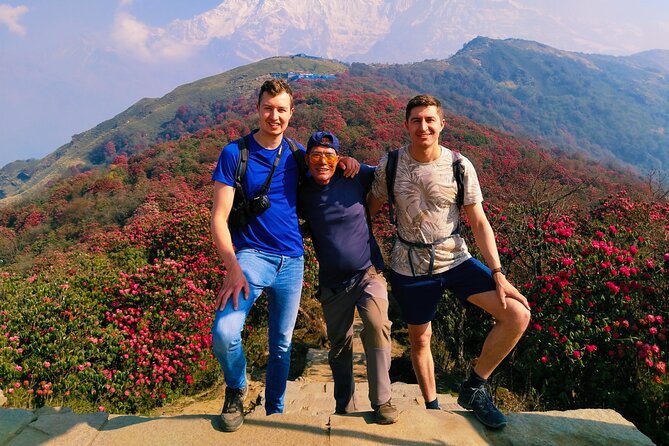
Day 4 starts early. You go to a viewpoint before the sun rises to see sunrise and mountain views. Then you head back, eat breakfast, and continue on to Siddhing. The walking time is listed at about 6 hours.
This sequence is classic for good reason. Sunrise can be the most intense “wow” moment of a trek, especially in Himalayan regions where the light can change fast. And going back for breakfast afterward means you are not chasing food while you are cold, tired, and half-awake.
After sunrise, the day becomes more about hiking steadily toward Siddhing. This is often where trekkers feel the cumulative effect of several previous days. Your win is consistency, not speed.
Siddhing is your next teahouse base. That sets you up for the final day, which is more about local village walking and getting back toward Pokhara.
Day 5: Lumre village walking, a hanging bridge, and back to Pokhara
On day 5, you eat breakfast, then trek toward Lumre. The day is listed at about 6 hours, and it includes rural village walking, a hanging bridge crossing, and lunch in Lumre.
This is a nice way to end the trek because it changes the tempo from high-altitude intensity to community scenery. You get to see the human side of the route, not just the mountain side.
The hanging bridge is a specific highlight. Even if it is not dramatic every time, it tends to be one of those “we are really here” moments, because it forces you to slow down and focus. It is also a good marker that you are in the home stretch.
After lunch, you drive back to Pokhara. Trip ends once you return, so the last day feels like a smooth landing instead of an abrupt stop.
Guide, permits, and what the $500 price really buys you
At $500 per person for about five days, the biggest question is value: what are you actually getting for your money?
Here is what is included:
- TIMS and permit
- Teahouse accommodation
- An English speaking trekking guide, Dadhi Ram Thapa
- Necessary transportation
- Hotel pickup and drop off
That combination matters. Permits and TIMS can be annoying to sort out on your own. Teahouse stays remove a whole layer of planning. Pickup and drop-off make the start and end easier, especially when you are trying to organize everything around limited time in Nepal.
You also get group discounts and a mobile ticket. And the trip is private, meaning only your group participates. That last part is underrated. Private setups can mean you get more flexibility in pacing and questions, rather than always merging into someone else’s rhythm.
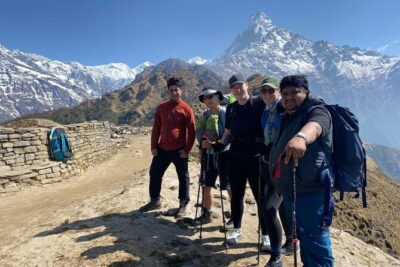
From what I have seen work well on this kind of trek, Dadhi Ram Thapa’s experience is the real value add. He can answer questions as you go, and the route can be adjusted to your preferences. That is not just comfort. It is safety and enjoyment. If the conditions look off, having a guide who can adapt helps you keep moving with confidence.
Teahouses, meals, and budgeting the extra $30 per day
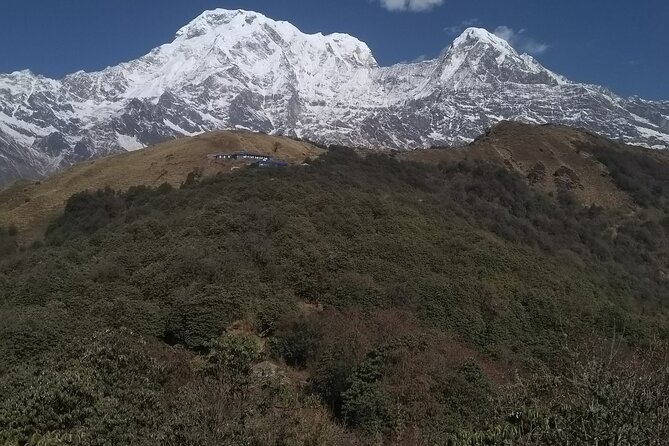
Meals and drinks are not included, but they are available for purchase. The info provided estimates about $30 per day per person.
So your real budget is your $500 trek price, plus roughly $30 per day for food and drinks. Since the hike is multi-day, this can add up. The advantage is that you can choose what you want to eat instead of being locked into one set menu.
Teahouse dining also tends to be simple and practical. You will usually want warm meals and easy calories, because your body is working for hours. If you are the type who plans every detail, this can feel like less structure than you wanted. But in exchange, you get control.
For me, the key is to avoid running low on cash or energy. If you budget realistically from the start, the meals part becomes a routine, not an unexpected hurdle.
Weather, monsoon season, and why fog can be part of the fun
This trek can be done in monsoon season, and you should know that weather shapes the experience. In monsoon conditions, you might get foggy forest walks and a more mysterious feel on the trail. The views can still be amazing, just not always in a clear, postcard way.
That fog can also be a blessing if you love atmosphere. The forest sounds different when mist is around. Trails can feel quieter. You might notice birds and small movement more because visibility changes what you can see.
Still, monsoon means rain gear, slower footing, and a bit more patience. Plan for damp clothes, slick sections, and the fact that sunrise might be more about light filtering through clouds than crisp blue skies.
If you are flexible and okay with weather changing the plan a little, monsoon can make the trek more memorable.
What to expect each day, pace-wise
This itinerary runs on consistent hiking blocks. Day 1 is about 5 hours. Day 2 is about 5 hours. Day 3 and day 4 are about 6 hours each. Day 5 is about 6 hours too.
That is the pacing reality. You should treat the days as “hike and recharge” instead of trying to maximize every single hour. With teahouses included, your recovery is built in. Use it. Eat breakfast, walk smart, and let the day end naturally.
Also, because you are in the altitude zone around 4,500 meters, you should not rely on willpower alone. A moderate fitness level is mentioned for a reason. If you can maintain a steady pace for multiple hours, you are already on the right track.
Who this trek fits best
This is a good fit for you if:
- you want a virgin-feel trek route, not a crowded conveyor belt
- you like a guide who answers questions and can adjust the route when needed
- you are comfortable with teahouse basics and a multi-day hiking rhythm
- you want sunrise viewpoint time and a final village-focused finish
It may not be ideal if:
- you cannot do repeated multi-hour hikes
- you do not want to plan for extra spending on meals and drinks
- you struggle with altitude and do not like slow pacing
Should you book the 5 Days Mardi Himal Trek with Dadhi Ram Thapa?
If you are choosing this trek for mountain time, discovery, and a steady five-day rhythm, I think it is a strong yes. The included package covers the hard-to-handle parts, permits, teahouse lodging, and transportation, plus you get an English-speaking guide in Dadhi Ram Thapa who is experienced and flexible.
Before you book, make a simple check. Are you ready for 5 to 6 hours of hiking most days, and are you comfortable with an altitude goal around 4,500 meters? If yes, you will likely enjoy the mix of forest walking, glacier-area views, sunrise payoff, and the rural finishing touches around Lumre and the hanging bridge.
If you want maximum views with minimal effort and no extra budgeting, you might prefer a different style of trek. But if you want a more exploratory route with real satisfaction, this one is worth your time.
FAQ
What time does the trek start?
The start time is 8:30 am.
Is hotel pickup and drop-off included?
Yes. Hotel pickup and drop off are included.
Are meals included in the trek price?
No. All meals and drinks are not included, but they are available to purchase for about $30 per day per person.
Where will you stay during the trek?
You get teahouse accommodation during the trek.
Do I need to be in good shape?
You should have moderate physical fitness level.
Is this tour private?
Yes. This is a private tour/activity, and only your group will participate.
What happens if I need to cancel?
You can get a full refund if you cancel up to 24 hours in advance of the experience start time. If you cancel less than 24 hours before, the amount paid is not refunded.
Latest Pokhara write-ups
- Sunrise View from Sarangkot★ 5.0 · 3 reviews
- Beautiful Sarankot Sunrise with Full Day Sightseeing in Pokhara★ 4.5 · 3 reviews
- Sarangkot Sunrise Tour in Private Car★ 5.0 · 3 reviews
- Pumdikot Mahadev Status and Peace Stupa Hiking Private Tour★ 4.5 · 3 reviews
- Pokhara: Dhampus Easy Trek for Families with YoungKids 2 Day Tour★ 5.0 · 3 reviews
- Pokhara: Private Car Drive Tour to World Peace Stupa★ 5.0 · 3 reviews
- 5-Day Private Farming Experience in Nayapul with Accommodation★ 5.0 · 3 reviews
- Transfer to Lower Mustang (Jomsom)★ 5.0 · 3 reviews
Mardi Himal Trek, compared.

Mardi Himal Trek – 8 Days | Hidden Gem of the Annapurnas
Read our review →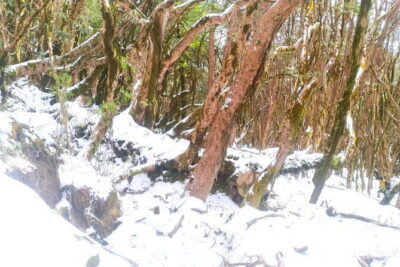
Browse the lists this tour appears in