
Reviewed · SARANGKOT
Day Long Hiking from Sarangkot to World Peace Stupa
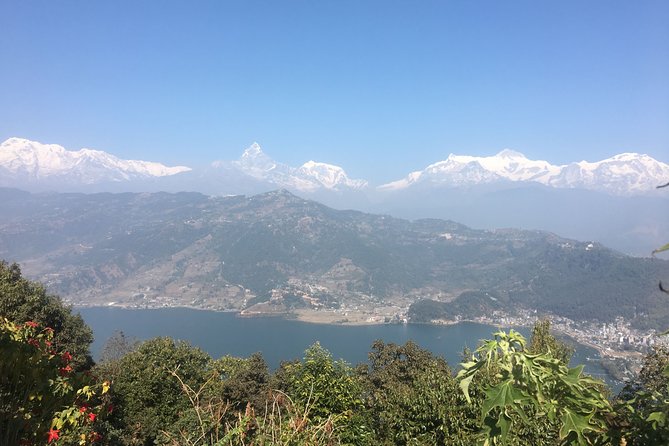
A day hike from Sarangkot to the World Peace Stupa is interesting because it mixes classic Pokhara viewpoints with a real walking trail. You start up high near Sarangkot, then work your way along paths through forests and green hills, with Mt Annapurna range views and Phewa Lake scenery as your reward.
I love the way this trip gives you big mountain payoff without pretending it is a quick stroll. I also like that you have an English speaking trekking guide, and the help can be personal, with guides like Bisham and Milan praised for their patient, practical support and clear explanations along the way.
One consideration: it is a long day. You are looking at about 6 hours of hiking plus transfers, so bring a sensible pace and make sure the uneven paths feel doable for you.
What makes this hike work so well
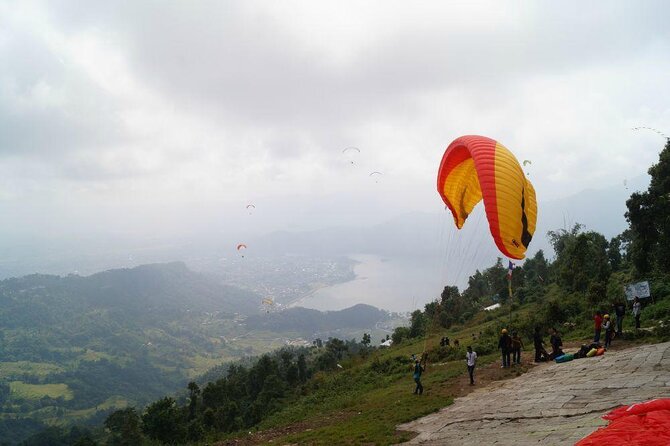
- Sarangkot start for instant viewpoint energy, before you even settle into the trail
- Forest and hill walking, so it feels like more than a photo stop
- Mt Annapurna range and Phewa Lake views from multiple angles
- English speaking trekking guides who can explain what you are seeing, including Bisham and Milan
- Hotel pickup and drop off plus a car transfer to the trail start, which saves time
- Private trip for your group, so the pace can be more your pace
Sarangkot to World Peace Stupa: a Pokhara day hike built for real views
If you are in Pokhara and you want more than a view from a roadside parking spot, this Sarangkot to World Peace Stupa hike is a strong choice. It is designed as a day long warm-up in the mountain hills of Nepal, with the best part arriving in slices. You do not wait until the end to see what the day is about.
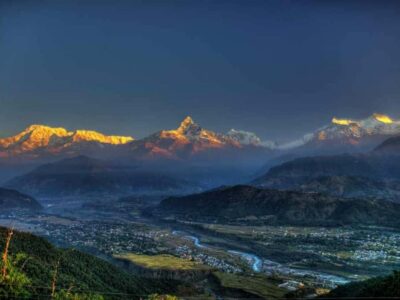
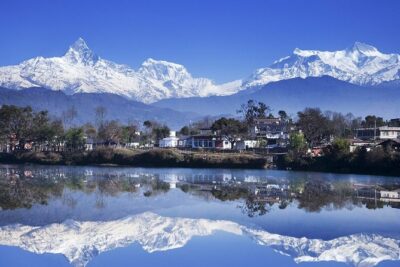
The big visual theme is consistent. You move through forests and open hill sections, and you keep catching wide angles of the Mt Annapurna range and Phewa Lake. That means you are not stuck scanning one horizon line the whole time. Instead, the views shift as your route changes.
At $66.84 per person for a guided private trip with hotel pickup, it also feels like workable value, especially if you are trying to do a meaningful outdoor activity without the hassle of figuring out transport and route timing on your own. The day is long enough to feel earned, but not so long that it turns into a multi-day commitment.
More sunrises from Sarangkot:
- From Pokhara: Sarangkot Sunrise Himalayas Tour
★ 4.7 · 218 reviews - Sarangkot Sunrise over the Himalayas
★ 4.8 · 83 reviews - The Best of Pokhara: Full-Day Private Tour with Sarangkot Sunrise
★ 5.0 · 66 reviews
Price and what you truly get for it
Let’s translate the price into what matters for your day.
You are paying for:
- Hotel pickup and drop off
- Car transfer to the hiking starting point
- English speaking trekking guide
- Private trip for your group
The hike is roughly 6 to 7 hours total, with about 6 hours of hiking. For a full guided day in Pokhara that includes transport and a guide, that is the kind of structure that usually saves you time and stress. You show up, start walking, and let the guide handle the rhythm.
What you should budget separately:
- Personal expenses
- Gratitude, which is optional
- Admission ticket not included (so if an entrance fee applies at the World Peace Stupa area or along the route, plan for it)
If you are the type who hates last minute logistics, paying for the full service setup makes sense. If you are already an experienced hiker with solid local navigation, you might compare alternatives. But the guided, pickup-included format is what makes this feel low friction for most people.
Your day timeline: how the experience flows
This is a straight day plan, simple on paper. The flow is basically:
- Start at Sarangkot
- Hike along forest and hillside trails
- Continue toward the World Peace Stupa
- End with the return transfers back to where you started
Because the listed hiking time is about 6 hours, you should think of this as a steady, continuous effort. Not a stop every 10 minutes kind of walk. The goal is to keep moving while still making time for viewpoint moments.
Transfers matter too. You get pickup and drop off, plus a car transfer to the trail start. That means your legs hit the trail without wasting half the morning on getting oriented or negotiating transportation.
And because it is a private trip, you are not forced into a rigid group schedule. Your guide can adjust the rhythm to what your group can handle, within reason.
Stop 1 at Sarangkot: the viewpoint warm-up you feel right away
Sarangkot is where the day begins, and it sets expectations fast. Even before you get fully into the trail work, you are in that “mountain viewpoint” zone that makes Pokhara famous.
Starting here is smart because it does two things at once:
- It gives you immediate scenery, so you feel like you are already winning the day.
- It helps you build a mental picture of what you are chasing later, especially with the Annapurna range and Phewa Lake in the broader backdrop.
Practically, Sarangkot is also a good warm-up location. You do not go from zero to full effort instantly. You begin with the higher viewpoint energy, then settle into walking.
If you want to get the most out of this start, arrive ready to pause. Even if you move at a steady hiking pace, set aside time to look around. This hike is about catching the same targets from different angles as your route changes.
More walks up to the Peace Pagoda:
- Pokhara: Golden Hour at Peace Pagoda – Himalayan Sunset Tour
★ 4.5 · 16 reviews - From Pokhara : Hiking to Peace Pagoda via Fewa Lake & Jungle
★ 5.0 · 10 reviews - The World Peace Pagoda in Pokhara
★ 4.5 · 7 reviews - Hiking to World Peace Stupa
★ 5.0 · 6 reviews
The hiking trail: forests, green hills, and shifting Annapurna views
The middle of the day is where the experience turns from “viewing” into “hiking.” You are walking through forests and amazing viewpoints, with scenery that keeps reappearing as the trail opens and curves.
Here is what I like about this structure. The route does not rely on one single magic viewpoint. As you move, your perspective changes. You see parts of the Annapurna range from different angles, and the Phewa Lake view can show up in the mix depending on where the trail bends and opens.
Also, this is not just scenic sightseeing. The walk itself is the point. You get the satisfaction of covering distance, while still having frequent visual rewards.
A practical consideration: expect uneven ground. Even when paths are clear, hill trails can vary. Wear shoes you trust. Bring water and something for sun protection, since mountain light can be sharp even when the air feels cool.
And since the hike includes an English speaking trekking guide, you are not just following footprints. A guide can help you make sense of what you are seeing and how to time your stops without turning the hike into a slow-motion lecture.
World Peace Stupa: the payoff stop, not just a photo corner
The destination is the World Peace Stupa, and it functions like the emotional end point of the day. The stupa area is your moment to slow down, take in the wider views, and reset your breath after hours of hiking.
This stop also feels meaningful because it is tied to the theme of peace and reflection, which pairs nicely with the physical effort of the trail. Whether you are a spiritual traveler or just someone who likes a quiet viewpoint, this is one of those places where you can do both: look outward at the mountains, then feel the day settle into you.
What you can expect here, based on the hike’s description and the consistent focus on views:
- Large panoramic scenery with the surrounding hills and lake areas potentially visible depending on the day and angles
- Strong sightlines that make the earlier viewpoint moments feel connected
- Time to linger after your hike, rather than rushing through everything at walking speed
Also remember: the admission ticket is not included. So if you see an entrance fee at the stupa area, you will want cash or the local payment method that the site accepts.
Why the guide matters: explanations and support you can actually feel
A day like this lives or dies by how well your guide supports the walk. Luckily, the guides highlighted in the experience have strong praise behind them.
People specifically called out Bisham for gentle service and help during the long hike, plus the way he explained things. Milan also gets credit for being very helpful and for guiding well. That matters because it is not just about route finding. It is about keeping you comfortable, managing pace, and helping you read the scenery while you walk.
As a practical traveler, here is what I’d expect from a good guide on a route like this:
- They keep the hiking flow smooth, so you do not spend energy second guessing where to step next.
- They explain the key sights at the right time, when you can actually look and process.
- They help your group stay together, which is huge on longer routes where attention can wander.
And because the tour is private for your group, you should feel more comfortable asking questions. If you want more viewpoint context or you need occasional reassurance on the trail, a guide can give it.
Duration reality: what 6 hours of hiking feels like
“6 hours” can mean a lot of things. For you, think of it as:
- steady movement most of the time
- short stops for breath and photos
- a day that will likely tire your legs even if you are fit
This is not framed as a casual, stroll-and-chat activity. It is a day hike that gives you a body warm-up in the Nepal mountain hills. If you are active and used to walking, you will likely enjoy the challenge. If you are coming from a lot of sitting, you might want to keep your pace conservative.
A smart trick: start a bit slower than you think you should. Then build momentum. You want your energy for the viewpoint stops, especially near the end where the payoff moments matter.
Also, because you are picked up and transported to the trail start, you can cut out some pre-hike fatigue. That helps. Less time rushing around town means you can focus on walking.
What to pack for a viewpoint hike in Pokhara hills
The tour data does not list gear, so I’ll stick to safe, practical recommendations that match a 6 to 7 hour hiking day with forest sections and mountain views.
Bring:
- Comfortable hiking shoes with good grip
- A light layer for early or late mountain air
- Sun protection (hat and sunscreen)
- Water, since it is a long walk
- A small snack, because your energy needs will show up faster than you expect
Also consider camera space or extra phone battery. When the Annapurna range and Phewa Lake show up clearly, you will want a few different shots from different angles.
Who this hike suits best (and who might want to pick something else)
This is best for you if:
- You want a day hike with big views, not just a short walk
- You like guided experiences that handle transport and route timing
- You want to see more of Pokhara’s mountain scenery in one go
- You are comfortable walking for about 6 hours
It might be less ideal if:
- You want a very easy walk with minimal effort
- You are sensitive to longer hiking days
- You are only looking for a quick viewpoint without the walking part
If you are traveling with friends or family, the private trip setup can be a nice fit. You get your own pace. If you are traveling solo, you can still enjoy the guide and the organized structure, but the main value is the route planning and transport included with pickup.
Should you book the Sarangkot to World Peace Stupa hike?
I think you should book this hike if you want a guided, practical way to experience Pokhara’s mountain viewpoints with a real trail in between. The best part is the combo: forest and hill walking, plus consistently strong Annapurna and Phewa Lake scenery, topped off at the World Peace Stupa.
Skip it only if a 6 hour hiking day would feel stressful for you, or if you prefer very short, low-effort activities. For most people who are already in “let’s walk and see the views” mode, this one is a solid pick.
FAQ
How long is the hike from Sarangkot to the World Peace Stupa?
It is about 6 to 7 hours total, with approximately 6 hours of hiking.
Where does the experience start?
The hike starts at Sarangkot and then goes toward the World Peace Stupa.
Is hotel pickup and drop off included?
Yes. Hotel pickup and drop off are included.
Does the tour include a guide?
Yes. You get an English speaking trekking guide.
Is the tour private?
Yes. It is a private tour or activity, so only your group participates.
Is an admission ticket included?
No. The admission ticket is not included.
How much does it cost?
The price is listed as $66.84 per person.
What is the cancellation policy?
You can cancel for a full refund up to 24 hours in advance. Within 24 hours, it is not refundable.
When do I get confirmation after booking?
Confirmation is received at the time of booking.
Latest Pokhara write-ups
- Sunrise View from Sarangkot★ 5.0 · 3 reviews
- Beautiful Sarankot Sunrise with Full Day Sightseeing in Pokhara★ 4.5 · 3 reviews
- Sarangkot Sunrise Tour in Private Car★ 5.0 · 3 reviews
- Pumdikot Mahadev Status and Peace Stupa Hiking Private Tour★ 4.5 · 3 reviews
- Pokhara: Dhampus Easy Trek for Families with YoungKids 2 Day Tour★ 5.0 · 3 reviews
- Pokhara: Private Car Drive Tour to World Peace Stupa★ 5.0 · 3 reviews
- 5-Day Private Farming Experience in Nayapul with Accommodation★ 5.0 · 3 reviews
- Transfer to Lower Mustang (Jomsom)★ 5.0 · 3 reviews
Sarangkot, compared.
The Best of Pokhara: Full-Day Private Tour with Sarangkot Sunrise
Read our review →
Sarangkot Village Coffee Culture and Authentic Local Life Tour
Read our review →
Browse the lists this tour appears in