
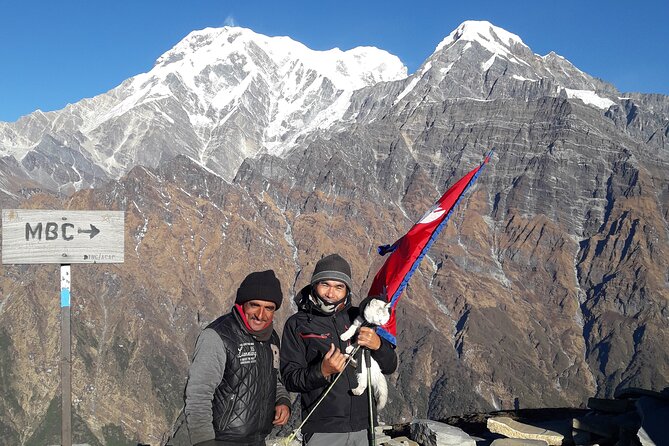
Reviewed · MARDI HIMAL TREK
Private Mardi Himal Trek
A private Mardi Himal trek is interesting because you get the high-altitude payoff of the Annapurna region while keeping control of pace, stops, and comfort. I like the private format with your own guide and porter team, which makes it easier to keep a steady rhythm. I also like that the trek bundles serious add-ons, like permits, a cold-weather sleeping bag, micro spikes, and trekking poles, so you are not scrambling for rentals.
One thing to think through: this route expects moderate physical fitness, and the plan is set up for a cold, lodge-to-lodge trek style where you feel altitude and weather more than once. If you do better with slower days and lots of time to acclimatize, you should be ready for that reality here.
Key things that make this trek a smart pick
Private pacing with a first aid trained, English-speaking guide
Permits included (ACAP and TIMS), plus the necessary paperwork handled for you
Cold-weather support with a sleeping bag rated for minus-25 degrees, plus micro spikes and poles
A clear view progression from Deurali through Forest Camp, Low Camp, High Camp (3700m), and the base camp hike
Porter help built in (one porter for every two trekkers) and a kitbag for your belongings
Lodge-based comfort with meals included across the trek days
Mardi Himal Trek With a Private Guide: what you are really buying for $399
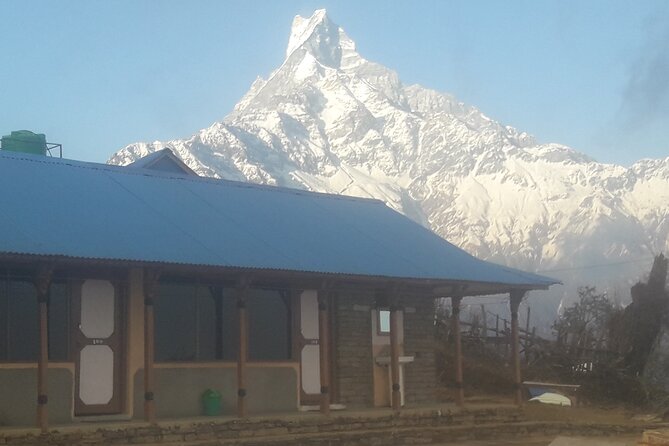
At $399 for about 5 days, this trek is not just a ticket to walk in the mountains. You are paying for the stuff that usually turns into extra charges and extra headaches: permits, a trained guide, porter support, and a full trekking kit that matters when it gets cold.
You also get the benefits that feel small on paper but big on the trail. A private group lets you match the pace to your legs, not someone else’s. People often underestimate how much that matters when you are climbing from forest sections toward High Camp and then asking your body to do a base camp hike the next day.
More on the Mardi Himal ridge:
- Pokhara: 4-Day Mardi Himal Trek
★ 4.9 · 59 reviews - Mardi Himal Trek
★ 5.0 · 30 reviews - 4 Day Mardi Himal Base Camp Trek from Pokhara
★ 5.0 · 18 reviews
Price value check: what is included that would cost extra elsewhere
These are the kinds of items that add real value in this package:
- Permits: ACAP permit and TIMS card permit
- Guide and porter coverage: fluent English-speaking, government registered, experienced, first aid trained, plus a porter for every two trekkers
- Winter-ready gear: micro spike and trekking poles, and a sleeping bag rated for minus-25 degrees
- Food basics: breakfast and dinners, plus lunches during the trek days
- Logistics coverage: private transport from Pokhara to Kande, then shared jeep back from Siding Village to Pokhara
Even if you are an experienced hiker, you will likely feel relief that gear and permits are already sorted.
A quick note on the guide style
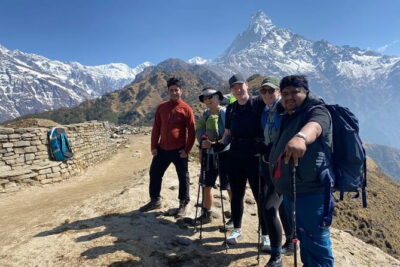
The experience is described as being led by an expert female guide, and that is worth highlighting if you want a women-led dynamic in the mountains. In addition, feedback has praised guides for practical pacing and a calm, supportive vibe, especially on multi-day climbs and in colder seasons.
Pokhara to Kande and Dhampus to Deurali: Day 1’s forest start (the smart way to begin)
Day 1 is built like a warm-up with a purpose. You drive from Pokhara to Kande (about 1 to 1.5 hours), then start hiking toward Deurali.
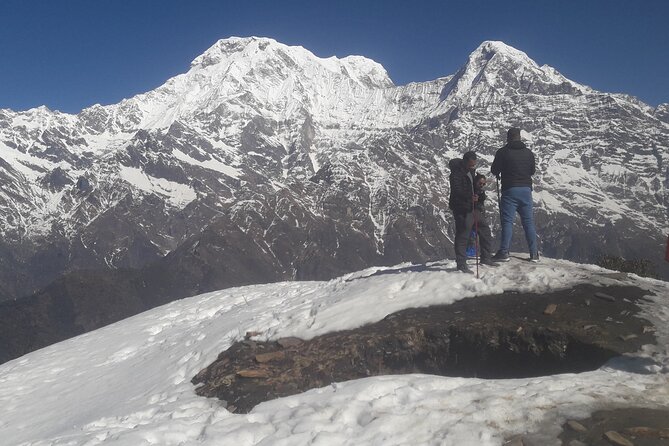
The trail runs through lush forest sections, and you start building a sense of the Annapurna views ahead. You also get glimpses of Annapurna South and Hiunchuli, which helps the day feel more than just “walk until dinner.”
Practical reality check: Day 1 is listed at about 5 hours of trekking, so you do not want to treat this as a zero-effort start. It is a gentle beginning, but it still asks for steady walking.
More to compare around Pokhara
- ZipFlyer Nepal – The World’s Steepest Zip-line
★ 5.0 · 608 reviews - Bungee Pokhara by HighGround Adventures
★ 5.0 · 366 reviews - From Pokhara: Sarangkot Sunrise Himalayas Tour
★ 4.7 · 218 reviews - ATV Adventure Tour in Pokhara, Nepal
★ 5.0 · 194 reviews
Where this day helps you for the rest of the trek
The win on Day 1 is pacing and acclimatization by design. You start lower, walk long enough to settle into rhythm, and sleep at Deurali before the climb becomes more demanding.
And yes, lodge overnight matters. Having clean lodge accommodations along the way during the Mardi Himal portion means you are not piecing together your own lodging plans at every stop.
Day 2 from Pothana through Forest Camp (2600m) to Low Camp: your big altitude step
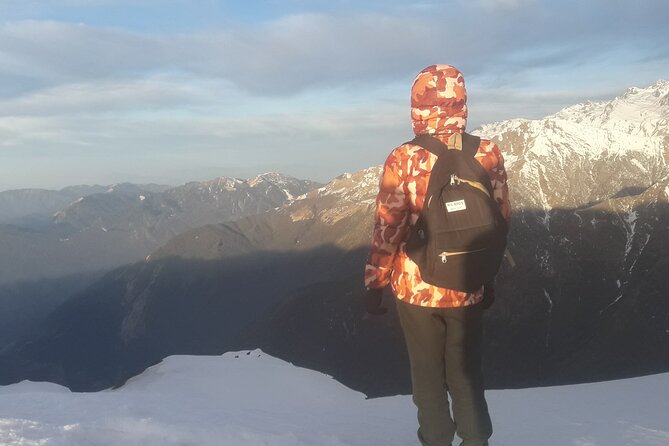
Day 2 is the classic “work day.” After about 4 hours, you reach Forest Camp at 2600m for lunch, then you keep trekking to Low Camp. The total trekking time is about 6 hours from Pothana.
This is where the mountain starts showing more clearly. Panoramic views pop up along the route, and the setting shifts as you climb out of the heavier forest vibe.
The overnight is at a lodge in Low Camp, which sets you up for the next day’s jump to High Camp.
What I like about this structure
This day gives you a mid-route pause at Forest Camp for lunch, then pushes forward. That means you are not slogging continuously without a break, which helps a lot for altitude days.
Also, having lunch included (5 lunches across the trek days) means you can focus on walking rather than budget math at every stop.
One small consideration
Your body may feel the altitude change even if the hike is not the steepest. If you are prone to feeling winded, keep your breathing calm and let your guide’s pace choices help you.
Day 3 Low Camp to High Camp at 3700m: Machhapuchhre days feel different
Day 3 is where Mardi Himal starts to feel serious. The trek from Low Camp to High Camp (3700m) takes about 4 hours, and the reward is big.
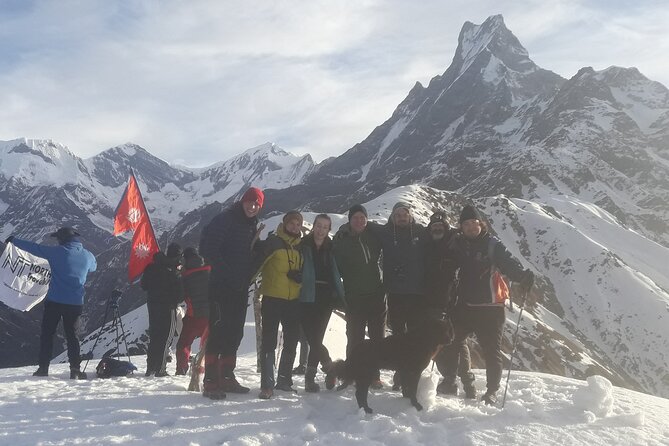
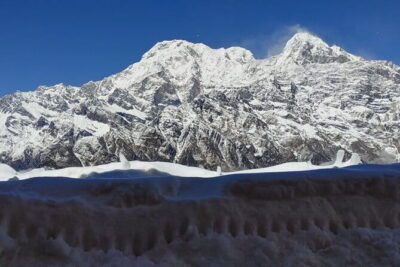
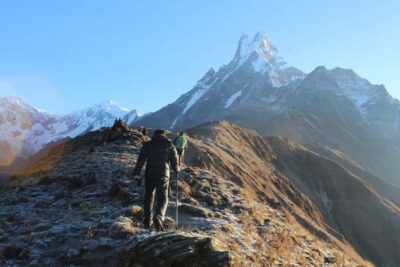
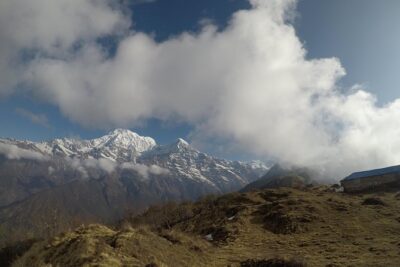
Expect stunning views of Machhapuchhre and Annapurna South. This is not the kind of scene you forget quickly, and it is also why people talk about Mardi Himal as a step higher on the Annapurna side.
You sleep at a lodge in High Camp.
The hidden value: lodge sleep at altitude
It is easy to treat High Camp as a “place to eat and sleep.” In real life, the lodge night is part of your altitude plan. You want your evening routine to be predictable: warm layers, water planning, and an early night so you can handle the base camp hike the next day.
This package helps by providing a sleeping bag rated down to minus-25 degrees, plus micro spikes and trekking poles to manage cold or slick conditions.
Day 4 Base Camp hike to Mardi Himal, plus a descent to Badal Danda (3210m)
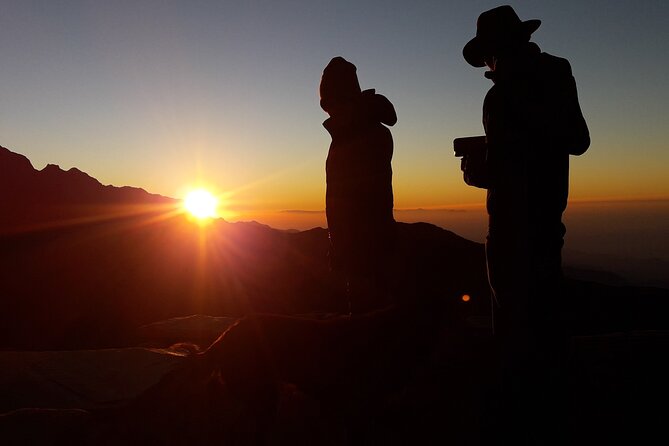
Day 4 has two phases: a hike up, then a descent. First, you go from High Camp to Mardi Himal Base Camp for about 4 to 5 hours round trip.
If you want a shorter effort, you can trek to a viewpoint halfway instead. Then you return to High Camp.
After that, you descend to Badal Danda at 3210m and overnight at a lodge.
Why this day is the heart of the trek
The base camp trip is your chance to feel like you have truly reached the end of the line. Even if you choose the half-way viewpoint option, you still get the mountain payoff without forcing your body through the longest version.
Also, the descent is strategic. Dropping down toward Badal Danda helps you stay mobile and reduces pressure on your legs for the final day.
A real-world tip for comfort
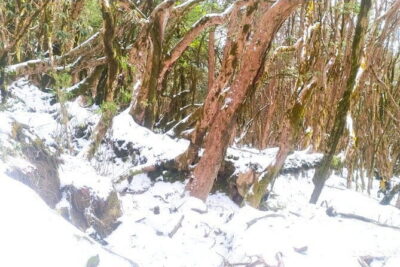
Along this route, conditions can turn cold fast. The fact that micro spikes and a proper sleeping bag are included makes a difference, especially if you are trekking in winter conditions or shoulder seasons when people worry about slipping and staying warm.
Day 5 Badal Danda to Siding Village and back to Pokhara: end with recovery
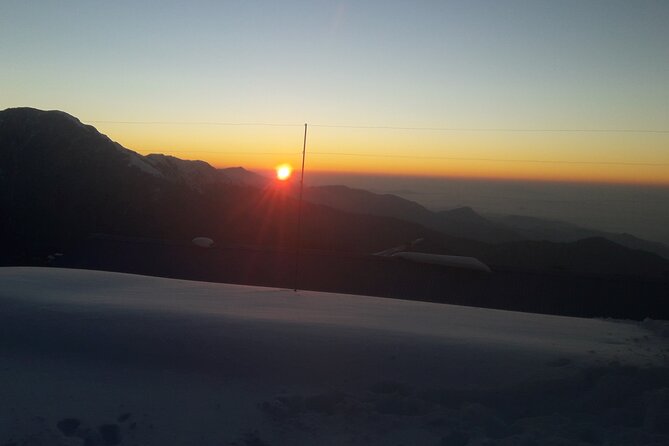
Day 5 is shorter in altitude drama, but you still hike. It is listed as about 5 hours of trekking from Badal Danda to Siding Village.
From Siding Village, you drive back to Pokhara via shared jeep.
There is also an option to extend by one extra day if you want more time in the area: Siding to Lwang via Ghalel takes about 5 to 6 hours, then you return to Pokhara.
Why the ending route is worth your attention
Ending through Siding Village is a nice shift from High Camp intensity. It gives you a final walking day that feels like completion rather than another hard ascent.
And having transport back to Pokhara already arranged means you can transition to food, shower time, and normal life without juggling local ride options.
The guide and porter team: why pacing and small help matter
A lot of treks look similar on paper. What separates a good trek from a better one is how the guide and porter team actually run the day.
Feedback on this trekking style highlights:
- Guide pacing that matches your trekking pace, with thoughtful check-ins
- Friendly, reassuring energy when the altitude and cold feel like a lot
- Support that stays practical, from handling items to staying attentive to comfort
You also get a porter ratio of one porter for every two trekkers, plus a kitbag for storing belongings. That usually means your load feels more manageable, and you can focus on stepping steadily.
Porters highlighted in past feedback include people like Tashi Tamang, Menjom, Manjung, Kazoo, Sabin, and Gobinda. Guides mentioned include Saugat Tamang, Bhim, Yakub, Jakub, and Ganesh. The common theme is reliable support, not drama.
Permits, first aid trained leadership, and the paperwork load you do not want
Two permits are included: ACAP permit and TIMS card permit. These are not “optional extras.” They are part of keeping your trek compliant and organized in Nepal’s protected-area and trek registration system.
On top of that, the package includes necessary paper works, all government and local taxes, and even a certificate of appreciation from Nepal wilderness trekking after a successful trek.
Why I think this matters for you
If you have ever had to hunt down permits while on a tight schedule, you know how stressful it can be. Here, the effort is handled for you. That gives you one less to worry about as you move from city time into trail time.
What to pack mentally (and how to plan for cold and water)
This trek includes key cold-weather gear, but you still need a realistic plan. You should be ready for lodge-based trekking where you might not find everything instantly available at every stop.
One practical note that shows up in feedback: water can be pricey. So budget for it and plan ahead, rather than assuming you can restock cheaply all the time.
Also, since micro spikes and trekking poles are included, make sure you actually use them. Slippery sections and cold mornings are where gear earns its keep.
Who should book this private Mardi Himal trek?
This is a great fit if:
- You want a private trek rather than a mixed group
- You care about having permits, meals, and gear handled
- You are comfortable with moderate fitness and multi-day hiking
- You want lodge stays and a clear route toward High Camp and the Mardi Himal Base Camp area
It may not be the best choice if you prefer very slow ascents, lots of buffer days, or minimal altitude exposure.
Should you book this private Mardi Himal trek?
If you want value that goes beyond just paying for guides, this one is worth serious attention. For $399, you get the permit setup, porter support, cold-weather sleep gear, and key trekking tools like micro spikes and poles, plus meals are included on the trek days.
Book it if you like a structured plan with a memorable payoff, Machhapuchhre views, and a base camp day that you can adjust shorter if needed. Skip it only if you know you struggle with altitude days or you want a less demanding schedule than High Camp and the base camp round trip.
If you are ready for a real Annapurna trek experience at a manageable length, this private Mardi Himal route is a strong, practical choice.
FAQ
How long is the Private Mardi Himal Trek?
The trek runs for 5 days (approx.).
Where does the trek start and how do you get there?
You start from Kande after a drive from Pokhara (about 1 to 1.5 hours). At the end, you return from Siding Village to Pokhara via shared jeep.
Are permits included in the price?
Yes. The package includes the ACAP permit and the TIMS card permit, along with necessary paperwork and local taxes.
What trekking gear is included?
Included gear covers a sleeping bag rated for minus-25 degrees, micro spikes, trekking poles, and a kitbag for storing your belongings.
What meals are included during the trek?
Meals included are breakfast (4), lunch (5), and dinner (4), during the trekking portion of the trip.
Is free cancellation available?
Yes. Free cancellation is offered, and you can cancel up to 24 hours in advance for a full refund.
Latest Pokhara write-ups
- Landing Annapurna Base Camp by Helicopter Tour from Pokhara★ 4.0 · 5 reviews
- Sarangkot sunrise with Morning Tibetan Cultural Tour★ 5.0 · 5 reviews
- 3 Day Kapuche Glacier Lake Trek with Siklesh from Pokhara★ 5.0 · 5 reviews
- Entire Day Pokhara Complete Tour★ 5.0 · 5 reviews
- 3 Day Mardi Himal Base Camp Trek from Pokhara★ 5.0 · 5 reviews
- Private Tour Local Culture and The View of Mohare Danda★ 5.0 · 6 reviews
- 3 Days Ghorepani and Poonhill Private Trek from Pokhara★ 5.0 · 6 reviews
- Pokhara: Poon Hill Ghorepani Short Trek★ 5.0 · 6 reviews
Mardi Himal Trek, compared.

Mardi Himal Trek – 8 Days | Hidden Gem of the Annapurnas
Read our review →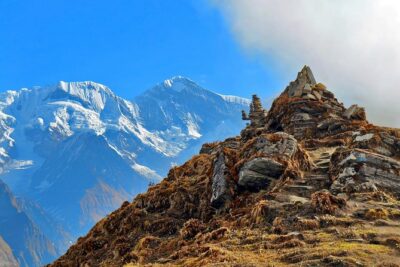
Browse the lists this tour appears in