
Reviewed · MARDI HIMAL TREK
Mardi Himal Base Camp Trek (5 Days)
Mardi Himal Base Camp is interesting because it gives you a real Himalayan experience without the time commitment of bigger treks. I like how less-crowded trails in the Annapurna Conservation Area keep the walk calm, and I love the early sunrise push that turns Day 4 into the trip’s big wow moment. One consideration: weather can shuffle plans, and fog or clouds may affect what you see on the way up, especially early in the trek.
This is a private 5-day trek based out of Pokhara, with pickup offered and a mobile ticket. You also get permits handled for TIMS and the Annapurna Conservation Area Project (ACAP), plus meals and accommodation on the trek, which means less scrambling for logistics once you’re in Nepal. If you’re the type who enjoys controlling every detail yourself, you may want to double-check what’s optional versus included before you go.
The best part, at least from my kind of travel perspective, is that the trek can be paced to your group. Guides such as Madhav or Madu are known for adjusting to what you need, and having someone who can also explain the culture and nature along the way makes the short trek feel richer, not rushed.
Key Highlights You’ll Actually Care About
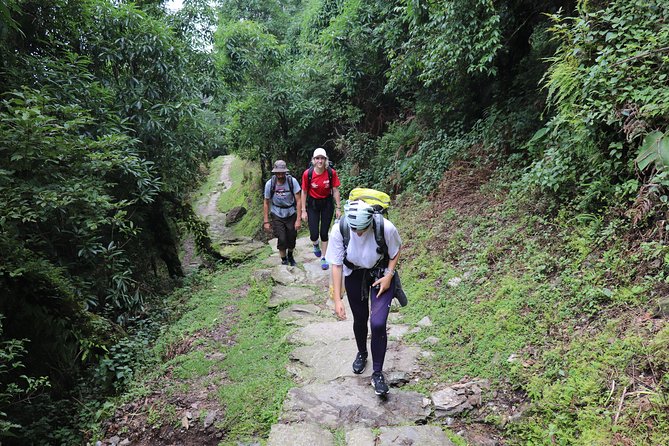
- A shorter trek with room to breathe: Less crowded than Annapurna Base Camp routes, so the trail feels peaceful.
- Jungle quiet on Day 2: Walk through forested areas in the Annapurna conservation zone, with silence and wildlife chances.
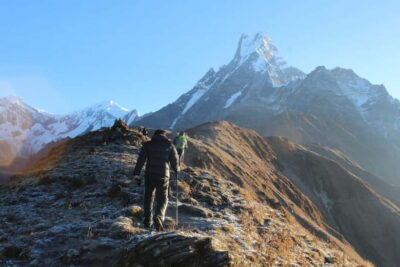
- High Camp as the main view-maker: You start getting broader Annapurna-region views as you climb.
- A 4:00 to 4:30 AM sunrise plan on Day 4: Base Camp is the target, with a backup viewpoint if sunrise arrives first.
- Guides who adjust pace and share local context: Madhav/Madu guidance is a big reason people love the experience.
- Included permits and tea house logistics: TIMS and ACAP, plus food and accommodation on the trek, reduce stress.
Why Mardi Himal Feels Different Than Annapurna Base Camp
Mardi Himal is one of those treks where you feel close to the mountains without the same heavy foot traffic you see on more famous routes. That matters because your day-to-day experience changes. When the trail isn’t packed, you hear more birds and wind, you pause more often for photos, and you don’t feel like you’re walking through a queue.
The trek’s route is also short enough that you stay emotionally invested in the journey. You’re not spending a week just getting to the “real” part. Instead, you climb in a steady rhythm, sleep in tea houses, and by Day 3 and 4, the Himalayan views start to become the whole point.
Because you’re in the Annapurna Conservation Area, you’re also trekking in an environment with protected landscapes. The permits are included (TIMS and ACAP), which is one of those behind-the-scenes details that actually helps you feel like you’re doing things correctly.
More on the Mardi Himal ridge:
- Pokhara: 4-Day Mardi Himal Trek
★ 4.9 · 59 reviews - Private Mardi Himal Trek
★ 5.0 · 42 reviews - Mardi Himal Trek
★ 5.0 · 30 reviews
Price and What You Actually Get for $480
At $480 per person, this trek is priced like a “logistics-light but service-rich” option. What you should like here is that several big costs are already handled: permits (TIMS and ACAP), private transportation, and your food and accommodation during the trek.
Included items listed for the trek include:
- Food and accommodation on the trek
- Breakfast, plus lunch and dinner during the trek (lunches and dinners are counted as 4 each, breakfasts are counted as 4)
- All fees and taxes
- Private transportation
- Permits (TIMS and ACAP)
What is not included:
- Trekking equipment
- Porter services
- Personal expenses
So the value question comes down to this: if you already know what you want to carry, and you’re comfortable arranging your own gear, you’ll likely feel good about the price. If you need to hire a porter and buy gear, your total budget may rise. Either way, the key point is that you’re not paying extra for the essentials of the trekking plan.
Pokhara to Khande: Day 1 and the Forest Camp Tea House Night
Day 1 is all about getting you out of Pokhara early and into trekking mode. You start from Pokhara Lakeside in the morning, then head toward Khande before you begin walking. This is a smart way to beat traffic and start your trek while your energy is high.
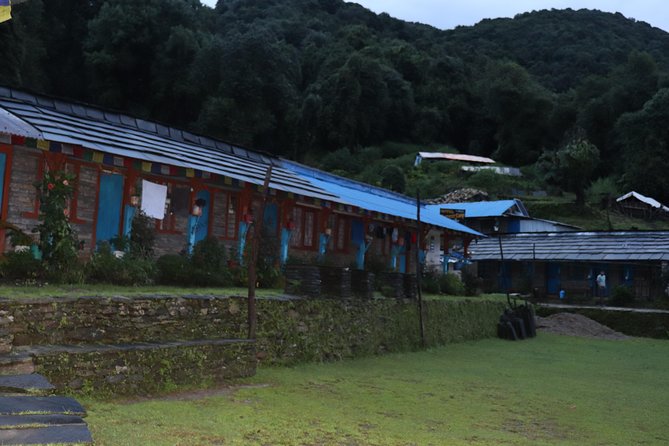
Your first trekking night is at Forest Camp, where you sleep at a local tea house. The “tea house night” detail matters more than it sounds. It means you’re not searching for lodging at each stop, and you’re also more likely to eat like a trekker than like a tourist. Expect a simple, practical rhythm: walk, eat, rest, repeat.
A practical consideration for Day 1: the early departure helps, but it also means you should plan for a full day on travel energy. If you’re arriving in Pokhara the day before, give yourself enough time to settle.
Badal Dhanda Through Quiet Jungle: Day 2 Walking Rhythm
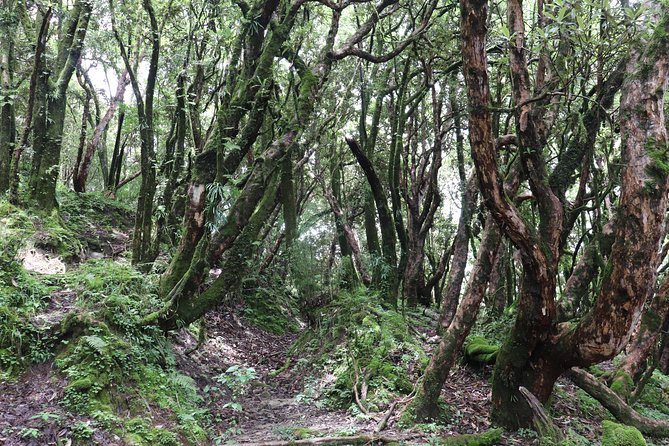
On Day 2, you start with breakfast, then begin the trek toward Badal Dhanda. This day is described as a walk through the jungles of the Annapurna Conservation District, with trees, possible wildlife sightings, and a lot of silence.
That combo is what makes Day 2 feel special. In a lot of mountain treks, the early hours can be loud or crowded. Here, the emphasis is on calm. You’re walking under forest cover, so the air and light can feel different from higher, more exposed sections.
The biggest “day structure” advice I’d give you for this portion is to treat it like a rhythm day, not a speed day. A shorter trek still includes a long-term goal, and building steady legs on Day 2 makes Days 3 and 4 feel much more manageable.
More to compare around Pokhara
- ZipFlyer Nepal – The World’s Steepest Zip-line
★ 5.0 · 608 reviews - Bungee Pokhara by HighGround Adventures
★ 5.0 · 366 reviews - From Pokhara: Sarangkot Sunrise Himalayas Tour
★ 4.7 · 218 reviews - ATV Adventure Tour in Pokhara, Nepal
★ 5.0 · 194 reviews
High Camp and 360-Degree Views: Day 3 Goals
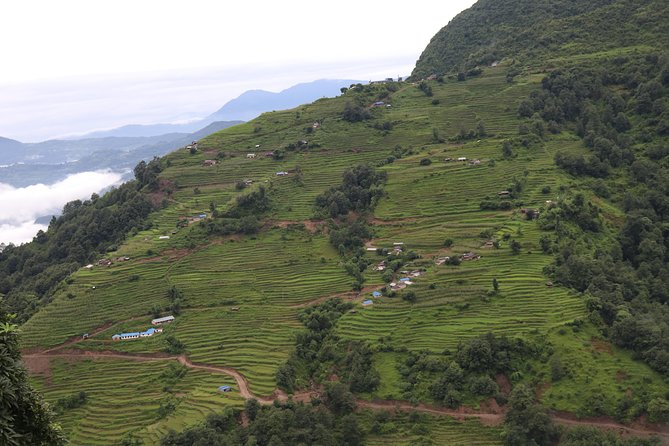
Day 3 takes you on to High Camp. The trek time is about 4 to 5 hours for this section, and as you climb, you begin to get broader views across the Annapurna Conservation District and the Himalayan mountains.
This is the day when your effort starts turning into payoff. Even before you reach the sunrise morning on Day 4, you’ll feel the trip shift from “walking through the region” into “looking at the region.”
If conditions are cloudy, don’t treat that as a lost cause. Fog and low visibility can happen in the higher mountains. The practical move is to keep walking steadily, because conditions can improve by the time you reach higher camp areas.
The 4:00 AM Sunrise Push to Mardi Himal Base Camp: Day 4
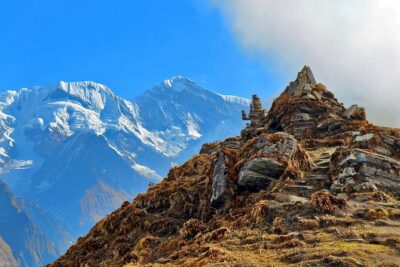
Day 4 begins around 4:00 to 4:30 AM, with the goal of reaching Mardi Himal Base Camp to watch the sunrise. If sunrise arrives before you can get all the way in, you’ll still have a viewpoint option planned for the views.
This is the heart of the itinerary, and it’s where your preparation matters most. A pre-dawn start means you should come ready with layers, and you’ll want to move efficiently in the dark hours. Even if you’re a confident hiker, start slow at the beginning of the ascent, because early-morning pace mistakes are common.
Also, sunrise is weather-dependent. That’s not a reason to worry, it’s just a reason to manage expectations. The plan includes a backup approach, which helps you keep the morning productive even when clouds play games.
From a trip-experience standpoint, the early start tends to make you feel like you earned your views. You’re not arriving at the perfect photo moment by accident. You’re arriving because you showed up at the right time.
Back to Pokhara via Sidhing: Day 5 Wrap-Up
On Day 5, you walk back toward Pokhara, starting early. The route heads to Sidhing, where you catch your ride back to Pokhara.
This day is often underestimated. People focus on the climb and sunrise, but the return walk still takes energy, and you may feel a little tired once you start descending and walking for hours. The tradeoff is that you get the quiet satisfaction of finishing your circuit cleanly and ending in Pokhara when you still have daylight.
Once you reach Sidhing and get your ride back, you’re basically done with the trekking effort. It’s a neat way to keep the trek self-contained: start in Pokhara, leave on foot, sleep along the route, then return with a straightforward transfer.
Permits, Tea House Meals, and the ACAP/TIMS Factor
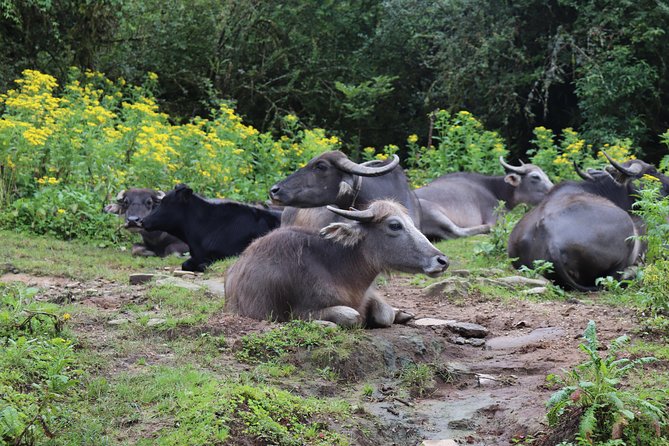
One of the most practical strengths of this trek is that it includes permits for TIMS and ACAP. These are the types of items that can become a hassle when you’re trying to build a trek independently.
Having them included usually means:
- You’re more likely to avoid bureaucratic delays.
- You’re trekking in a regulated conservation area with the required documentation.
- You can spend your mental energy on the trail rather than on paperwork.
You also get breakfast plus multiple lunches and dinners during the trek. That matters because tea houses are not restaurants with full menus and flexible hours. The included meals help you keep your day stable. You walk, eat what’s available, and move on. It’s part of why short treks work so well.
Guides That Make a Short Trek Feel Personal (Madhav and Madu)
On a 5-day trek, the guide has outsized impact. There’s less time to recover from mistakes, and there’s less time for “wandering.” That’s why I pay attention to guide quality.
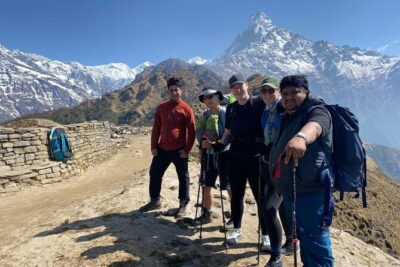
In this case, guides such as Madhav or Madu are described as attentive to what you want and need, and good at adapting the pace and plan for the group. When someone can also share cultural and natural context along the way, the trek stops feeling like pure exercise and becomes something you remember for its meaning, not just its photos.
If you’re traveling with friends or you have specific pacing needs, this is a trek where a good guide matters. Short treks reward clarity. You’ll benefit from a guide who can explain what’s coming next, adjust pace when your legs need it, and help you stay confident even if conditions change.
Porters are not included, but if you decide to hire one, that can be a smart way to protect your energy for the sunrise morning.
What to Pack for a 4:30 AM Start and Mountain Weather
You’ll want to treat this like a real high-hill trekking trip, not a casual hike. Since trekking equipment is not included, plan ahead. At minimum, bring the basics you need to walk comfortably for multiple days and to handle early hours.
For Day 4 in particular, the early start is a clue. You’ll likely face colder temperatures and low light. Bring layers you can adjust, plus something for rain or wind if you have it.
Also think about:
- Comfortable hiking shoes or boots with grip
- Warm layer for the pre-dawn period
- A headlamp or reliable light source for early departure hours
- A day bag sized for your essentials
Even if you’re an experienced trekker, do a quick gear check the night before Day 4. The trek will keep moving, so you want your packing system to be simple.
Weather Reality: When Fog Shows Up Early
This trek requires good weather, and it’s also designed to handle imperfect conditions. If fog or clouds arrive early, it can reduce visibility, but you still have a defined plan for continuing toward High Camp and pushing for sunrise.
The best strategy is mindset. Don’t treat a cloudy morning as a sign the trek is ruined. Keep moving with steady effort. When you reach higher points, you may find that visibility improves, and the views can still be strong at the moments that count.
Who This Trek Fits Best
This is best for people with moderate physical fitness who want a Himalayan trek that doesn’t take over their whole vacation. It’s also a strong choice if you like nature and quiet, because the route is not as crowded as some Annapurna hot spots.
It suits:
- First-time trekkers who are ready for a multi-day hike
- Couples or small groups who want a private experience
- Travelers who want a big view payoff in a short window
- Anyone who values guide support and cultural explanation
If you want a long, high-altitude grind with multiple acclimatization days, you might find the “short trek” format less appealing. But if your goal is a practical, memorable base camp style trek in 5 days, this one fits.
Should You Book This Mardi Himal Trek?
I’d book this if you want a short, focused trek with a calm trail vibe, strong scenery days, and less logistical stress because meals, accommodation, and key permits are included. The sunrise morning is the main reason, and the plan includes a backup viewpoint approach, which helps you feel less at the mercy of the sky.
I would hesitate only if you’re trying to travel ultra-light and you cannot bring or rent trekking equipment, or if you strongly prefer porters to be included automatically. Since porter services are not included, you’ll need to plan that decision early.
If you’re visiting Nepal for the Annapurna region and you want something that feels real and personal, this trek is a solid bet.
FAQ
How long is the Mardi Himal Base Camp trek?
The trek is listed as 5 days approximately.
Where does the trek start and finish?
It starts from Pokhara Lakeside and returns you back to Pokhara on the final day.
Is pickup included?
Yes, pickup is offered.
What permits are included?
The price includes permits for TIMS and the Annapurna Conservation Area Project (ACAP).
Are meals and accommodation included?
Yes. Food and accommodation on the trek are included, including breakfasts, lunches, and dinners as listed.
Is trekking equipment included?
No, trekking equipment is not included.
Are porter services included?
No, porter services are not included.
What happens if weather is poor?
The experience requires good weather. If it is canceled due to poor weather, you will be offered a different date or a full refund.
What is the cancellation window?
Free cancellation is allowed up to 24 hours in advance for a full refund. If you cancel less than 24 hours before the start time, you will not receive a refund.
Latest Pokhara write-ups
- Beautiful Sarankot Sunrise with Full Day Sightseeing in Pokhara★ 4.5 · 3 reviews
- Sunrise View from Sarangkot★ 5.0 · 3 reviews
- Sarangkot Sunrise Tour in Private Car★ 5.0 · 3 reviews
- Pumdikot Mahadev Status and Peace Stupa Hiking Private Tour★ 4.5 · 3 reviews
- Pokhara: Dhampus Easy Trek for Families with YoungKids 2 Day Tour★ 5.0 · 3 reviews
- Pokhara: Private Car Drive Tour to World Peace Stupa★ 5.0 · 3 reviews
- 5-Day Private Farming Experience in Nayapul with Accommodation★ 5.0 · 3 reviews
- Transfer to Lower Mustang (Jomsom)★ 5.0 · 3 reviews
Mardi Himal Trek, compared.

Mardi Himal Trek – 8 Days | Hidden Gem of the Annapurnas
Read our review →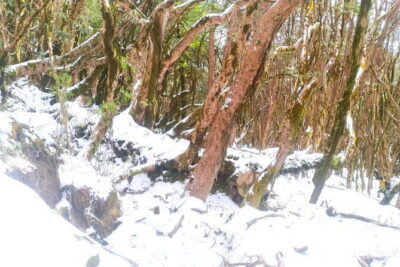
Browse the lists this tour appears in