
Reviewed · CITY TOURS
Beautiful Sarankot Sunrise with Full Day Sightseeing in Pokhara
Sarangkot sunrise is the headline here. You start before most of Pokhara is awake, then spend your morning chasing Himalayan views and famous local stops in a single run. It is a good fit if you want one day that covers a lot without turning it into a puzzle.
I especially like the packed-with-meaning itinerary. You move from Sarangkot into major sights like Gupteswar Gupha cave and Devi’s Falls, then end with the Peace Temple area for a calmer, scenic finish. I also like that most of the friction is handled, including air-conditioned transport and admission for the sights along the route.
One possible drawback to plan for: this can feel more like a well-driven shuttle than a talk-rich guided experience. If you love historical context and detailed narration, you may need to ask more questions yourself or choose a different style of tour.
Key highlights at a glance
- Sarangkot hill before sunrise for big mountain views and serious photo time
- Entry tickets included at most stops, so you spend less time paying and queueing
- Gupteswar Gupha cave connection that leads you straight into Devi’s Falls
- World Peace Pagoda visit for a slower, reflective end to a busy day
- Air-conditioned vehicle pickup and a route built for efficient sightseeing
Sarangkot sunrise at 5:00 am, then Pokhara’s must-sees
This day starts at 5:00 am, and that early start is the whole point. Sarangkot is where you go for sunrise views over the Himalayas and the valley below. It is not about sleeping in and hoping the weather cooperates. It is about being in the right place when the light first hits the peaks.
You will get picked up from your hotel around that early hour and driven to Sarangkot. The timing matters because sunrise on the hill is a moving target. Even if clouds roll in, you will still get a full view attempt, and you’ll see why Sarangkot stays busy for dawn watchers.
A small practical note: sunrise time usually means cooler air than you expect in the city. If you run warm easily, bring a layer anyway. You will be standing or waiting for the sky to do its thing, and you do not want to spend the best minutes of the morning shivering.
More City Tours in Pokhara
- Guided Tour to explore the entire Pokhara City
★ 5.0 · 51 reviews - Pokhara: City Sightseeing Group Bus Tour
★ 4.1 · 37 reviews - Pokhara: Full-Day Guided Sightseeing Tour
★ 4.4 · 11 reviews
Sarangkot Hill Viewpoint: chasing first light over the Annapurnas
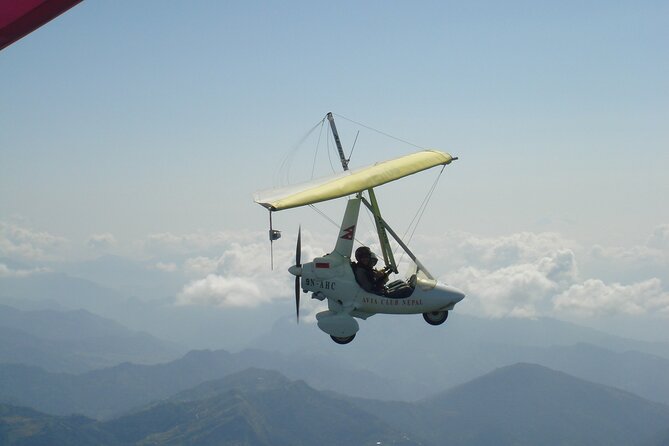
At Sarangkot, you get about two hours to experience the sunrise. Some people treat this like a quick photo stop. I think that is a mistake. The real payoff comes from letting your eyes adjust to how clouds, haze, and mountain texture change as the sun climbs.
You are aiming for snowcapped mountain views and a sense of scale across the valley. When the light turns, the colors shift fast, and you will see why Sarangkot is famous for dawn. If you care about photos, arrive ready before the main moment. Once the view starts delivering, you will want to be able to focus on framing, not rummaging through your bag.
Sarangkot admission is listed as free, which helps keep the day feeling straightforward and affordable. It also means you can spend your energy on the viewpoint rather than budgeting a stop fee in the moment.
White River vibes at Seti River Gorge
After sunrise, the route keeps moving. Next up is Seti River Gorge, often called the White River because the water looks pale. The reason is simple and pretty cool: the water comes from the Annapurna Himalayan region and mixes with limestone, which gives it that lighter, milky look.
You are there for about 30 minutes. This is not a long hike or a slow, lounging stop. Think of it as a quick visual bookmark in the middle of a busy day. If you want extra time, you might find yourself wishing for longer here, but as part of a full-day circuit, it makes sense.
The main value at Seti Gorge is variety. After the dramatic sky and mountains of Sarangkot, this is a natural-features break that reminds you Pokhara is not just temples and views. It is water, geology, and motion.
Bindhyabasini Temple: a wedding-famous stop with local energy
Then you head to Bindhya Basini Temple, known in Pokhara for weddings. You get around 30 minutes here, which is enough time to see the temple area and take in what makes it special to locals.
What I like about this stop is that it adds a human scale to the day. The sunrise is grand. The waterfall is dramatic. A wedding-famous temple puts you back in local routines and culture. Even if you are not there for a ceremony, you will feel the difference between tourist photo points and places with ongoing community meaning.
This is also one of those stops where you can be casual. You do not need perfect timing. If you want to wander a little, take your time, but keep moving so you stay comfortable for the cave and waterfall later.
More Full-Day Tours in Pokhara
- Full-Day Tibetan Cultural Tour to Tibetan Settlements Pokhara
★ 5.0 · 184 reviews - Pokhara: Full-Day Sharing Bus Tour on 7 Iconic Destination
★ 4.1 · 179 reviews - Pokhara: Full-Day Private Tour on 7 Iconic Destination
★ 4.8 · 108 reviews - The Best of Pokhara: Full-Day Private Tour with Sarangkot Sunrise
★ 5.0 · 66 reviews
Gupteswar Gupha cave: where Devi’s Falls comes into view
The next stop is Gupteswar Gupha (the cave). You get about 30 minutes. This one is special because from inside the cave you can also see Devi’s Falls.
That connection is the clever part of this itinerary. Instead of treating Devi’s Falls as just a roadside waterfall, the route sets up a second viewpoint experience. You see it from one angle on the way through, then you revisit it again after.
Caves add their own practical needs. Wear shoes that work on uneven surfaces. Keep your phone and camera secure if the area feels damp. The point is not to be fancy. The point is to move safely so you can focus on the view line into the falls.
If you are not a cave person, it can still be worth it because it is not a random detour. It is a route designed around the way you view the next big stop.
Devi’s Falls: the famous cascade near Lakeside
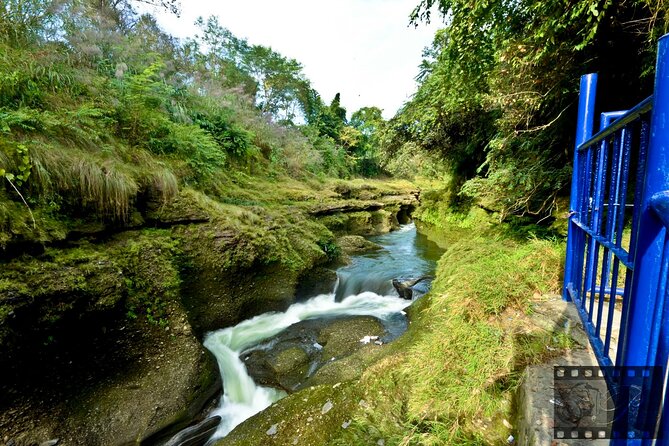
After the cave, you go straight to Devi’s Falls. You get about 30 minutes here, and this is one of Pokhara’s best-known waterfall stops near the lakeside area.
Devi’s Falls is famous, so you are likely to recognize it on first sight. The key value during a short visit is not just seeing water. It is watching the flow from the accessible viewpoint and understanding why it became a must-do in Pokhara.
Because the day is already full, you might feel tempted to rush. I recommend the opposite. Spend the first couple minutes taking it in from the main area, then walk just enough to find a different angle. Even in a limited time window, that small effort can make the waterfall feel more “yours” rather than just something you checked off.
Also, remember the cave visit set you up to “see the falls twice.” That is good design, and it makes Devi’s Falls feel less like a single photo moment and more like a continuous story in the day.
Pumdikot Shiva Statue: up the hill, then back to big views
Next comes Pumdikot Shiva Statue. You drive up the hill for about 15 minutes to reach it, and you get around two hours for this part of the day.
This is a tall, prominent Hindu Shiva temple. What I like here is the change in rhythm. You have been moving around natural features and water. Now you shift to a temple viewpoint high above the area, with a chance to see more Himalayan views if the weather is clear.
The itinerary hints that visibility can improve when the sky cooperates. That means you should be ready for both scenarios: perfect clarity, or a softer, cloudier look. Either way, the payoff is the effort. You are already awake early, and you are already out. This is where that early start often pays off again.
If you love photography, give yourself time to step back and take a wide view. Temples at viewpoints tend to look best when you include the surrounding perspective, not just the structure up close.
Peace Temple (World Peace Pagoda): a calmer finish with views
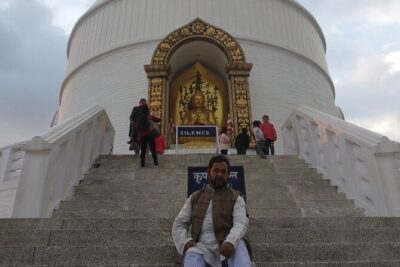
The final major stop is the Peace Temple, also called the World Peace Pagoda. You get about two hours here, which is longer than some of the earlier stops. That timing matters. It gives you room to slow down after the morning’s sprint.
This is described as a place for peace of mind and meditation with Himalayan views. Even if you are not there to meditate, the atmosphere helps. You can sit, take photos, and just let the day cool down.
If you want a practical takeaway: use this final segment to reset your brain before heading back to Pokhara city. After sunrise, caves, a waterfall, and a hill temple, you might not realize how tired you are until you finally have a quieter space to absorb what you saw.
Getting around: what the transport style feels like
You travel in an air-conditioned vehicle with pickup, parking fees covered, and admissions handled. From a comfort perspective, that is a big plus in a long day.
At the same time, one review point to keep in mind is that the experience may not include lots of commentary. If your ideal tour is a storytelling guide who explains history and culture at each stop, you might feel like it is mostly being driven from place to place. That is not a deal-breaker, but it shapes your expectations.
My advice: go in with a curiosity mindset. When you arrive at each stop, look for the small details you can interpret yourself. Ask simple questions if your driver can help. And if you want more depth, plan to do a little reading before you go.
How long it takes and how to plan your day in Pokhara
The duration is listed as 6 to 8 hours. That is long enough to feel like a full day, but short enough that you still have energy left for an evening meal and a relaxed lakeside stroll.
The day is also time-locked around sunrise. That means you are committing to an early wake-up, and you should plan the rest of Pokhara loosely. Do not schedule a second big outing right after. Your legs will be fine for most people, but your brain will be tired.
If you are traveling with family, this can be a good structure because the route is predictable and stops are clearly timed. If you are traveling solo and love walking, you may find the short visit lengths keep you from lingering too long, but you get the big highlights without the stress of planning each leg.
Price and value: $50 per person with tickets and transport included
At $50.00 per person, this tour is priced like a sensible half-to-full day package. The best value piece is what you get bundled: pickup, an air-conditioned vehicle, and all sightseeing entry/admission plus taxes and service charges.
You are also paying for time efficiency. The itinerary hits several top Pokhara icons in one go, so you are not spending your day bargaining over transport or coordinating separate tickets.
Could you do this cheaper on your own? Maybe. But you would likely spend more effort, and you would still need to handle early morning transport to Sarangkot. That early part is often the hardest to get right without local know-how.
Also, booking typically happens about 9 days in advance on average, which tells you this route has demand. If you want a specific day, do not wait until the last minute.
If you are watching your budget, this tour is easiest to justify when you actually plan to visit many of the stops. If you only want sunrise and one or two sights, you might feel the rest is extra. But if you like variety, it is a solid value.
Who this Pokhara morning-to-evening loop suits best
This tour fits well if you want:
- A single day overview of Pokhara’s biggest sights
- To see sunrise at Sarangkot without coordinating multiple pieces
- To visit a mix of waterfalls, caves, temples, and viewpoints
- A private tour where only your group participates
It may be less ideal if your top priority is a long, in-depth guided explanation at every stop. Based on the experience style, you might prefer a tour that explicitly offers a talk-heavy guide, especially if you love deep context.
It is also described as a good option for families and friends, and I can see why. The route is organized, the vehicle is comfortable, and the highlights are easy to understand even if you do not speak the local language.
A few practical tips to make the day smoother
- Wear layers for Sarangkot sunrise. Early mornings can feel chilly, even if the city is warm later.
- Bring comfortable shoes for temple and cave steps. You are not doing a long hike, but surfaces can be uneven.
- Keep a small water bottle handy. The day is long, and you will be moving.
- If you care about photos, plan your timing. Spend the first minutes observing, then settle into your shot once the light hits.
None of this changes the fact that the itinerary is doing most of the work for you.
Should you book this Sarangkot sunrise and full-day sightseeing tour?
I would book it if you want a day that feels efficient and full, with the real payoff being Sarangkot sunrise plus major Pokhara sights like Gupteswar Gupha, Devi’s Falls, and the World Peace Pagoda.
I would hesitate if you specifically want a guide who provides lots of commentary as you go, because this experience can feel more like transportation between stops than a lecture. If you like learning on the fly and you ask questions when you arrive, you will still get a lot out of it.
If you can handle an early start, this is one of the cleaner ways to see Pokhara’s highlights in a single organized day.
Latest Pokhara write-ups
- Sunrise View from Sarangkot★ 5.0 · 3 reviews
- Sarangkot Sunrise Tour in Private Car★ 5.0 · 3 reviews
- Pumdikot Mahadev Status and Peace Stupa Hiking Private Tour★ 4.5 · 3 reviews
- Pokhara: Dhampus Easy Trek for Families with YoungKids 2 Day Tour★ 5.0 · 3 reviews
- Pokhara: Private Car Drive Tour to World Peace Stupa★ 5.0 · 3 reviews
- 5-Day Private Farming Experience in Nayapul with Accommodation★ 5.0 · 3 reviews
- Transfer to Lower Mustang (Jomsom)★ 5.0 · 3 reviews
- Landing Helicopter at Annapurna base camp from Pokhara tour★ 5.0 · 3 reviews
City Tours, compared.
Private Kathmandu Sightseeing Tour | UNESCO World Heritage sites
Read our review →
Kathmandu Private Sightseeing Tour | UNESCO World Heritage Sites
Read our review →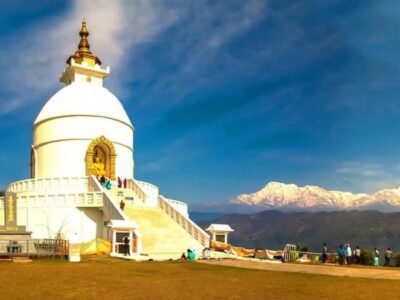
Browse the lists this tour appears in