
Reviewed · ANNAPURNA BASE CAMP TREK
7-Day Trek to Annapurna Base Camp from Pokhara
If you want one week where every day feels like a chapter, this Pokhara to Annapurna Base Camp trek does the job. You’ll get big mountain moments at Annapurna Base Camp, plus the steady comfort of an English-speaking guide who helps you move with confidence.
I especially like the mix of village trekking through places like Ghandruk and the calmer, lived-in feel of guesthouse nights. My main caution is simple: some days are long and uneven, with uphill climbs and real downhill work, so you should show up with strong physical fitness.
Key highlights worth your attention
- English-speaking trekking guide who stays focused on safety and comfort during a demanding week
- Guesthouse accommodation each night, so you are not camping unless you choose to
- Permits and official documents handled for you, plus an emergency first aid kit with the guide
- Shared jeep or bus transfers between Pokhara and the trail start, so you save time and hassle
- Trekking poles included, a small item that can make a big difference on steep descents
- Private trek so your group pacing is easier to manage than on some large group departures
Why Annapurna Base Camp from Pokhara is such a good 7-day goal
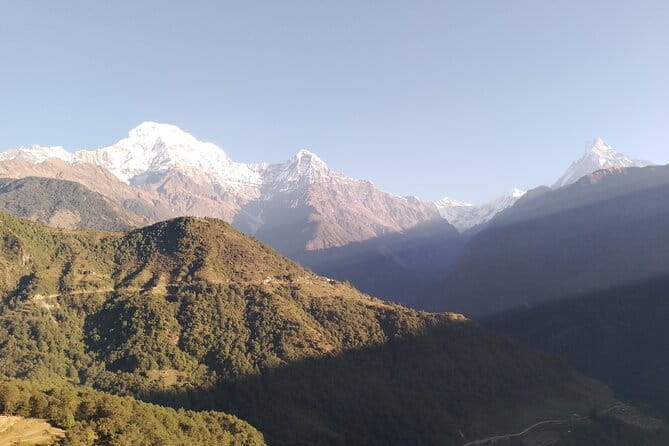
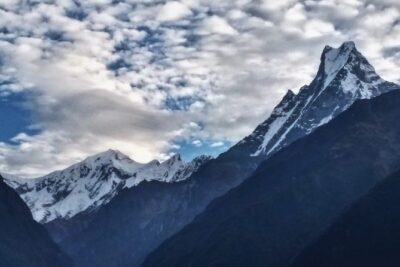
Annapurna Base Camp is one of those destinations that feels both classic and intense. The classic part is the promise of towering peaks in every direction. The intense part is that the trail is active for the full week, so you earn the views rather than just watch them from a bus window.
This trek also starts in a way that feels practical for travelers. You’re in Pokhara, you get hotel pickup within the Lakeside area, and then you roll toward the trailhead and start walking. That means less time wrangling transport on day one, and more time getting into trek mode.
The best part is that the week is not only about the finish. You’ll pass through working villages and trail communities where the rhythm of tea houses, foot traffic, and mountain weather shapes the day. Names you’ll hear along the way, like Ghandruk, Sinuwa, Deurali, Dovan, Chomrong, and Jhinu Danda, are all part of how this route breathes.
More routes into the Annapurna Sanctuary:
- Kathmandu/Pokhara: 5-Day Annapurna Base Camp (ABC) Trek
★ 4.9 · 72 reviews - Annapurna Base Camp Trek -8 days
★ 5.0 · 56 reviews - Private 7 – Day Annapurna Base Camp Trekking
★ 5.0 · 50 reviews
Getting to the trail start: Pokhara pickup and the Siwai connection
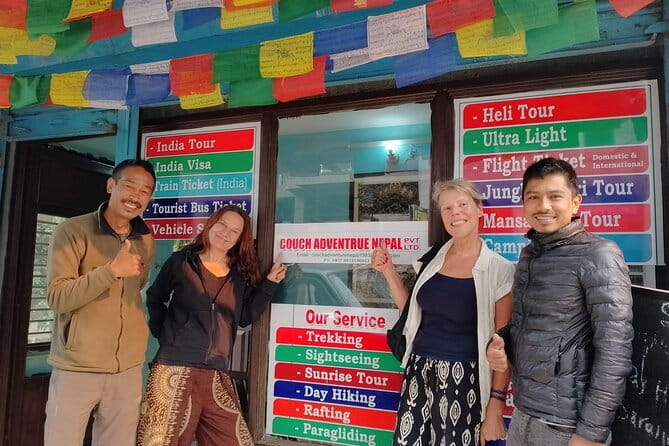
The experience begins with hotel pickup and drop-off in the Lakeside area of Pokhara. That matters more than it sounds. If you stay elsewhere in Pokhara, you might waste time getting yourself to the meeting point. Lakeside is convenient because you can usually reach it easily, and the tour notes it is near public transportation.
You’ll also do two key vehicle legs:
- Pokhara to Siwai, then you begin trekking from there
- Samrung Khola back to Pokhara near the end of the trek
These transfers are listed as a shared jeep or bus for the longer sections. In real terms, that often means less cost and fewer logistics. You still need to plan for road time, but you do not have to solve transport yourself.
One small thing to pay attention to: the tour start time is listed as 2:15 pm. Your day one plan says pickup in the morning and trekking the same day, so confirm the exact timing with the provider after booking. It is a small mismatch that can matter when you are trying to schedule airport transfers or a Pokhara hotel check-in.
Day 1: Siwai to Ghandruk via the Modi River and classic village trail
Day one is where you get your legs moving and your brain switching from city time to mountain time. After pickup and the drive to Siwai, you trek to Ghandruk.
The route passes along the Modi River and through authentic villages. That phrase gets used everywhere, so let me translate it into something useful: you’re not walking through empty scenery. You are sharing the trail with locals, you see how people live in hill communities, and you get early chances to notice the culture and daily routines that will keep showing up on later days.
Ghandruk is also a good first-night destination because it feels established as a trekking hub. You are likely to find guesthouses and a steady flow of other hikers, which makes the first night easier when you are still calibrating your altitude comfort and your pack weight.
How it feels for you: this day is not about rushing. It is about settling into rhythm and getting used to the steady climb and change in air.
Day 2: Ghandruk to Upper Sinuwa, when uphill time adds up
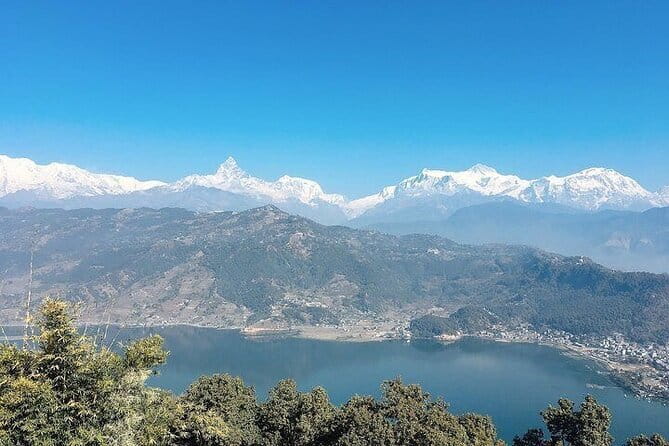
On day two, you head from Ghandruk toward Upper Sinuwa. This is one of the “long and workmanlike” segments, with a listed trekking time around 7 hours.
The trail fluctuates, then asks for strenuous walking at points. The real value of this day is that it teaches you how the Annapurna region shifts as you gain altitude. Even if your first day felt busy, day two often feels more focused: fewer distractions, more attention to breathing, and more moments where you are just following the path, one step at a time.
Upper Sinuwa is also an important staging point because you’re setting up the next day’s move toward cooler air and higher terrain. If you like having a clear structure, this is that day.
A practical drawback to consider: if you go out too fast early, your day two will punish you. Start steady, take breaks before you feel desperate, and keep your water going. You will thank yourself on the later downhill days.
More to compare around Pokhara
- ZipFlyer Nepal – The World’s Steepest Zip-line
★ 5.0 · 608 reviews - Bungee Pokhara by HighGround Adventures
★ 5.0 · 366 reviews - From Pokhara: Sarangkot Sunrise Himalayas Tour
★ 4.7 · 218 reviews - ATV Adventure Tour in Pokhara, Nepal
★ 5.0 · 194 reviews
Day 3: Upper Sinuwa to Deurali, toward cooler air and Annapurna Sanctuary
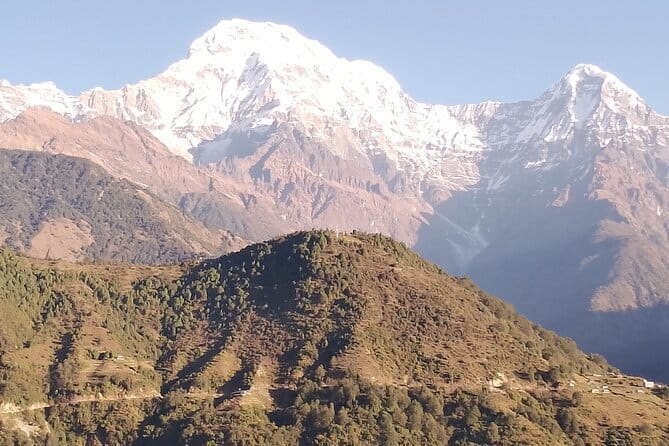
Day three takes you from Upper Sinuwa toward Deurali. The trek is listed at around 6 hours.
Here’s the key detail: the trail ahead is uphill, and the air gets cooler and fresher as you move toward Annapurna Sanctuary. That line matters. Temperature changes can affect how hard the climb feels, and cooler air can make breathing easier for some people and harder for others, especially if you are not layering well.
This day also gives you a sense of progression. You are not just moving higher, you are getting closer to the zone where the Annapurna massif dominates your view.
How I’d prepare for this day: wear the right layers. Trekking can make you warm quickly, then cool down when you stop. Pack light but think like a mountain person: wind protection matters as much as warmth.
Day 4: The push up to Annapurna Base Camp via Machhapuchhre Base Camp
Day four is the big objective day. After breakfast, the trail goes up to Machhapuchhre Base Camp, which the plan notes is around 3900 meters above sea level. From there, you’re looking at a climb of about 730 meters to reach Annapurna Base Camp.
The listed trekking time for this day is about 7 hours. That combination, altitude plus vertical work, is why day four is often where people feel the trek in their legs. It is not necessarily the hardest day by hours, but it is among the most demanding by effort.
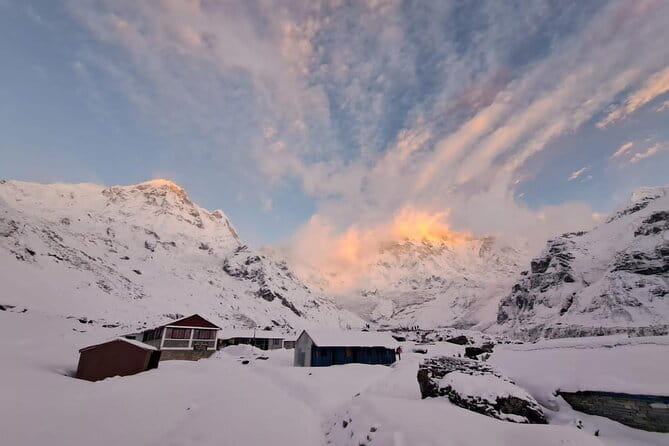
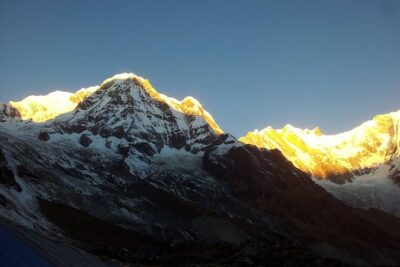
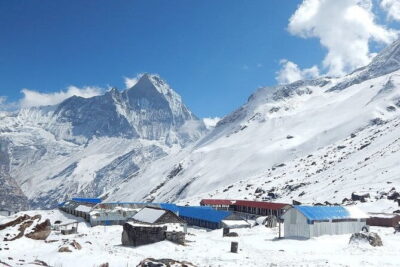
The upside is obvious: this is when your effort pays off. Annapurna Base Camp is the moment where you stand in the high alpine world with the peaks pressing in around you. It is not just about the view either. The whole area has a different atmosphere, like you’re arriving at the main set where the mountains host their drama.
Practical advice for you: take it slow on the climb. If your breathing gets ragged, slow down first, not later. Your guide will help pace you, and having a guide matters on a day like this.
Also, the plan includes an admission ticket on this day. You don’t need to worry about it day-of, but do check what that includes when you book, so there are no surprises about any additional fees.
Day 5: Base Camp down to Bamboo, careful footing wins
After your base camp time, day five shifts into descent mode. You head from Annapurna Base Camp back down to Bamboo.
This day is listed at about 6 hours and is described as having a decent trail, but it is also a day where you need to walk carefully coming down. That’s not a gentle reminder. Descents are where knees and ankles get overworked if you step too quickly or forget good technique.
The route goes downhill via Deurali, Himalaya, and Dovan, then continues to Bamboo. That’s a lot of trail time where you may feel tempted to just focus on getting it over with. Resist that urge. A slower pace with better steps protects you for day six and the final day.
Good news: trekking poles are included. Use them. Even if you feel fine at first, gravity adds up.
Day 6: Bamboo to Jhinu Danda, forest walking, bridges, and that one last climb
Day six heads toward Jhinu Danda, with a listed time around 6 hours. The route includes a short steep up to KhuldiGhar, then downhill within the forest to reach Sinuwa-Danda.
From there, you descend to Chomrong Khola, cross a bridge, climb briefly, and then reach Chomrong village. This is one of those “varied terrain” days where your body keeps switching muscles.
What I like about day six in a route like this is the contrast. You get forest walking, you get settlement zones around Chomrong, and you end the day in a place that feels calmer than the high base camp bustle.
Your main consideration is energy management. You are still one day away from Pokhara, and it is easy to misjudge how tired you are. Keep snacks and water consistent, and do not ignore foot care, especially if you’ve already developed hot spots.
Day 7: Jhinu Danda to Pokhara, suspension bridge energy and a jeep back
Your final day is a shorter finish on paper, around 6 hours, with a plan that includes a short downhill and some major trail features.
You cross a long suspension bridge, then continue to reach Samrung Khola. From there, you catch a local jeep back to Pokhara.
This is also the day when your mental state shifts. For much of the week, you are focused on the next bend in the trail. On day seven, you start thinking about the end of the trek, warm shower possibilities, and what your legs will do when you stop walking.
If you want an honest expectation: day seven can feel fast compared to day four and day two, but it is not automatically easy. Bridges and descents can still take care of you, so keep your steps careful.
When you arrive back in Pokhara, you are stepping into comfort mode again, and that helps a lot. A trek is physical, but your recovery matters, and returning to Lakeside is convenient for that.
Guides make the difference: Biru, Amrit, and Shiva-style trekking support
The most consistently praised part of this experience is the guide. People reported trekking with guides including Biru, Amrit, and Shiva, and the pattern is similar: friendly, patient support with attention to safety and comfort.
For you, that means a few things that are not just about being nice. A good guide helps you pace climbs, manage the group’s stops, and handle the small but important details that can throw off a trek, like timing and navigating transitions between sections.
English-speaking support is also a practical win. It reduces misunderstandings about what comes next, and it helps you ask questions about weather, trail conditions, and how to manage your day.
One more point that came through: arrangements for accommodation and transport were described as smooth. That matters because the trek is hard enough without also trying to figure out where you sleep or how you get from one section to another.
What $345 buys you, and what you still need to budget
At $345 per person, this is positioned as a guided, structured trek rather than a DIY adventure. The value comes from what is included:
- Hotel pickup and drop-off within Lakeside
- An English-speaking trekking guide
- Trekking permit and all official documents
- Guesthouse accommodation during the trek
- Pokhara to Siwai and Samrung Khola to Pokhara transfers by shared jeep or bus
- Trekking poles per person
- Emergency normal first aid kit with the guide
- Private trek (your group only participates)
That is a meaningful bundle. Permits, guiding, and logistics can be expensive when you try to build them separately.
What is not included:
- Food and drinks (you buy them along the way)
- Personal expenses
- Porter service at $25 per day (noting one porter for two people)
- Gratuities (optional)
So here’s the realistic budgeting tip. The base price covers the spine of the trek, but you still need money for meals, hot drinks, and snacks. If you’d rather arrive less exhausted, factor in the optional porter cost. It is common to want porter help, especially once you start day five and your body is already thinking about the downhill.
Also, pay attention to the word private. Private trek support can reduce waiting and make pacing feel more tailored, but it can also mean you do not share the trek with a big crowd unless your operator blends schedules.
Fitness and altitude reality check for a full-week commitment
This trek is built for people with strong physical fitness. Days are typically around 6 to 7 hours, with at least one day that includes a serious climb to Annapurna Base Camp after reaching Machhapuchhre Base Camp around 3900 meters.
Altitude is part of the experience even if you do not have every number listed. Cooler air arrives by day three, and the route climbs into the sanctuary zone. That means your body might feel different even if you normally hike well.
What I’d do before you go:
- Train your legs with hills or stair work
- Practice walking with your pack loaded similar to what you’ll bring
- Plan for slow pacing, not heroic speed
- Bring layers for temperature swings, especially around higher elevations
Your guide and the included first aid kit provide support, but your personal pacing does the most work. Slow is smooth, smooth is safe.
Who this trek suits best, and who might want a different plan
This is ideal if you want a guided trek that hits the classics in one week, without extra planning headaches. It also fits you if you like village days as much as mountain days, because the route passes through communities like Ghandruk and Chomrong and moves through forests and river-adjacent trail sections.
It may not suit you if:
- You dislike long walking days and uneven footing
- You are not confident handling steep descents
- You want a lighter, less demanding itinerary
If you are traveling as a couple or small group and prefer private pacing, this matches that travel style.
Should you book this 7-day ABC trek with CAN Travels?
If you want a reliable, structured Annapurna Base Camp trek with clear logistics, I think this is a strong option to consider. The biggest reasons are the practical inclusions: permits, guide, guesthouses, and transport, plus trekking poles. That reduces decision fatigue, and it lets you focus on the trail.
I’d book if you value guide support and you like the idea of walking through Ghandruk, Upper Sinuwa, Deurali, and down through places like Bamboo and Jhinu Danda, instead of only caring about one photo at the end. The guide quality seems to be a standout strength, with people naming guides such as Biru, Amrit, and Shiva and highlighting safety and comfort.
I’d think twice if you are unsure about your ability to handle long days, strenuous uphill moments, and careful downhill footing. This route asks for real commitment for seven days.
FAQ
What is the duration of the trek?
The trek runs for 7 days, approximately.
How much does the trek cost?
The price is $345.00 per person.
Is hotel pickup and drop-off included?
Yes. Pickup and drop-off are included within the Lakeside area in Pokhara.
What is included in the price?
Included items are hotel pickup and drop-off (Lakeside area), an English-speaking trekking guide, trekking permit and official documents, guesthouse accommodation during the trek, transfers between Pokhara and Siwai and between Samrung Khola and Pokhara by shared jeep or bus, trekking poles, and an emergency normal first aid kit.
Are meals included?
No. Food and drinks are not included, so you purchase meals during the trek.
Do I need a porter?
Porter service is optional and costs $25 per day, with one porter for two people.
Is this a private trek?
Yes. It is listed as a private tour/activity, so only your group participates.
Can I cancel and get a full refund?
Yes. Free cancellation is available up to 24 hours in advance for a full refund. Within 24 hours, the amount paid is not refunded.
Latest Pokhara write-ups
- Landing Annapurna Base Camp by Helicopter Tour from Pokhara★ 4.0 · 5 reviews
- Sarangkot sunrise with Morning Tibetan Cultural Tour★ 5.0 · 5 reviews
- 3 Day Kapuche Glacier Lake Trek with Siklesh from Pokhara★ 5.0 · 5 reviews
- Entire Day Pokhara Complete Tour★ 5.0 · 5 reviews
- 3 Day Mardi Himal Base Camp Trek from Pokhara★ 5.0 · 5 reviews
- Private Tour Local Culture and The View of Mohare Danda★ 5.0 · 6 reviews
- 3 Days Ghorepani and Poonhill Private Trek from Pokhara★ 5.0 · 6 reviews
- Pokhara: Poon Hill Ghorepani Short Trek★ 5.0 · 6 reviews
Annapurna Base Camp Trek, compared.
Browse the lists this tour appears in