
Reviewed · ANNAPURNA BASE CAMP TREK
Pokhara: 7 Day Annapurna Base Camp Trek
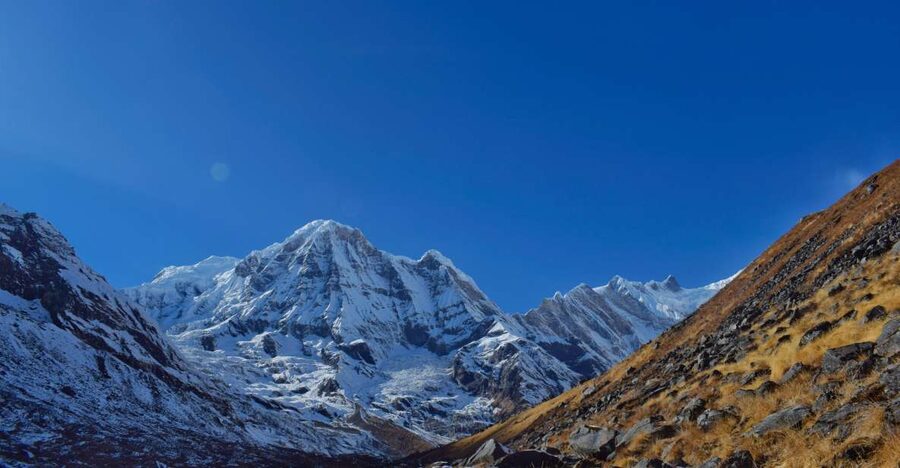
A 7-day sprint to Annapurna Base Camp is interesting because you get big-mountain payoffs fast, without spending a week just getting to the “real” trekking. I like the way this route mixes Gurung village culture with dense forests and terraced farmland, so it feels more than just a hike line. I also like how guides on this trek, like Pratiksha (and many others), adjust pacing and keep you moving comfortably, even when the first days feel steep.
The main drawback is that the early uphill days can bite, especially if you are not used to trekking steps. Altitude adds stress too, and the schedule still asks you to climb steadily, reaching 4,130 meters at base camp. If you know you get winded easily, you should go in with a patient mindset and be ready to slow down.
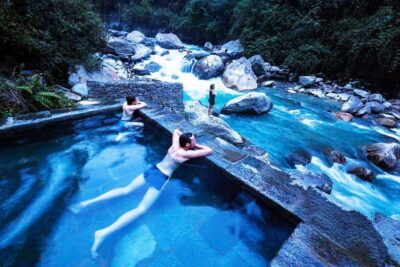
That said, you also get a memorable contrast: after the high-altitude reward at base camp, you loop back and end in Jhinu Danda Hot Springs by the river. It is a strong structure for your body and your morale, and the private guide setup makes it easier to manage your rhythm day to day.
Key highlights worth your attention
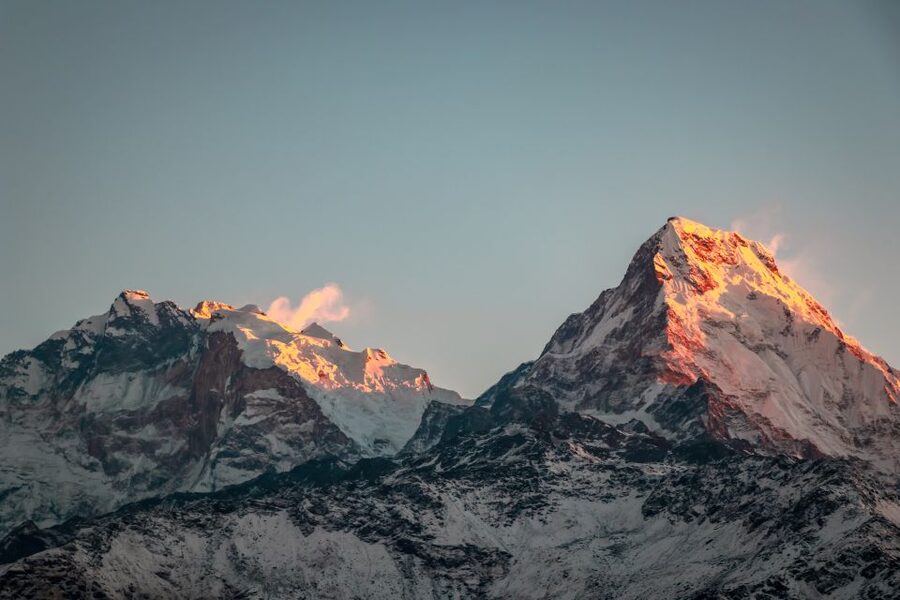
- Annapurna Base Camp at 4,130 m (13,550 ft), with the peaks forming an amphitheater view
- Machhapuchhre (Fishtail) moments on both the way up and from the base camp area
- Ghandruk and Gurung villages, with terraced fields and real local life, not just mountain huts
- Modi Khola suspension bridges and gorge scenery as you climb through forest
- Jhinu Danda hot springs as a muscle reset on the descent
- Private, certified guides who tune the pace and help you feel safe on tricky days
Why this 7-day Annapurna Base Camp trek works (and for whom)
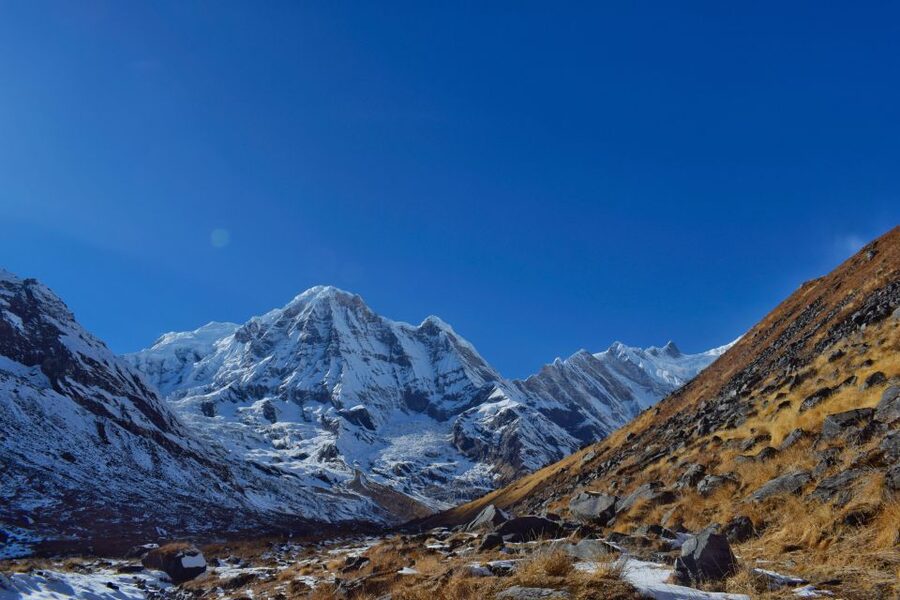
This trek is basically a focused mission: get you from Pokhara into the Annapurna region and deliver a real hit of close-up Himalayan scenery at Annapurna Base Camp. Seven days is not “slow travel,” but it is also not the kind of rushed schedule where you feel like you are constantly sprinting. The best part is the shape of the itinerary: it climbs in stages, hits the high point, then gives you a downhill reward with hot springs.
You will likely enjoy this most if you want:
- a classic ABC experience without a longer trek commitment
- a route that blends culture, forest, and viewpoint time
- a private guide so you can ask questions and adjust your pace
You may want to think twice if you are very new to hiking or you get altitude headaches fast. In that case, go with the mindset that your guide may help you manage the day if the climb feels too rough. One example I saw in the experience feedback: a guide arranged a jeep option when altitude hit around Deurali, then shifted to a different viewpoint plan instead of forcing it.
More routes into the Annapurna Sanctuary:
- Kathmandu/Pokhara: 5-Day Annapurna Base Camp (ABC) Trek
★ 4.9 · 72 reviews - Pokhara: 5 Day Annapurna Base Camp Trek & Natural Hot Spring
★ 4.9 · 44 reviews - Annapurna Base Camp Helicopter Sightseeing Tour
★ 4.3 · 8 reviews
Day 1: Pokhara to Nayapool, then the first trek into Ghandruk
You start with a drive from Pokhara to Nayapool, then begin trekking toward Ghandruk (1,939 m). This first day is about getting your legs working gently enough to enjoy what comes next. You pass through villages and terraced fields, so you feel Nepal’s rhythm right away instead of stepping directly into wilderness.
Why Ghandruk is a great first stop:
- It gives you a proper taste of Gurung culture in a traditional village setting.
- The views already open up, including sights of Annapurna South and Machhapuchhre.
The practical reality: day 1 is rarely about speed. Plan to walk steady and let your lungs settle in. Even when the trail feels manageable, the altitude ladder begins quickly, and your comfort on day 1 influences how you feel on day 2.
Day 2: Ghandruk to Lower Sinuwa, rhododendron forests and Modi Khola crossings
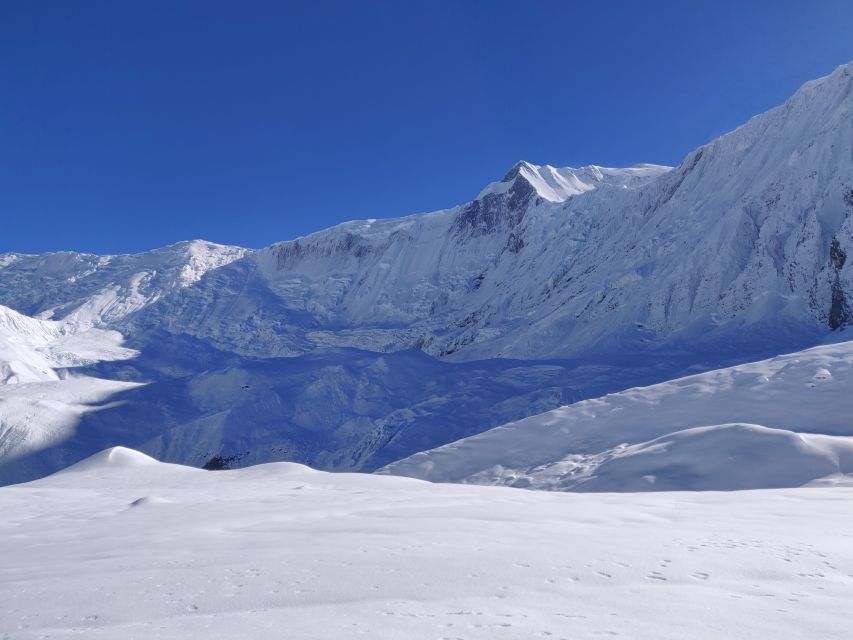
On day 2, you trek to Lower Sinuwa (2,249 m). The route climbs and drops along the way, with rhododendron forests and small settlements breaking up the trail.
Two things make this day feel special:
- You are moving through a recognizable “Annapurna middle belt” environment, where villages and forest share the same space.
- You cross suspension bridges over the Modi Khola, which adds a little drama to the walking and a satisfying sense of progress.
This is also a smart acclimatization day. It is not a steep vertical grind, but it still gets you higher. If you are the type who rushes ahead, resist that urge today. A consistent pace, plus a few longer breaks for photos and water, is usually the winning strategy.
Day 3: Sinuwa to Deurali, bamboo and oak, plus a bigger altitude jump
Day 3 heads up to Deurali (3,230 m), which is where the trek starts to feel noticeably more alpine. You walk through dense bamboo and oak forests, then follow the Modi Khola gorge as the terrain tightens.
You also pass through places like Dovan and Himalaya on the way. The key feeling here is that you are transitioning from village-and-forest trekking to something more dramatic. Deurali sits among cliffs and waterfalls, so the environment feels sharper and cooler.
This is the day where your pacing matters most. Many people feel the climb harder here than on earlier days. If you notice early warning signs of altitude discomfort, your best move is to tell your guide right away and slow down. In feedback from past trekkers, guides like Narayan and Hari have been praised for staying attentive, adjusting rhythm, and keeping you safe when the body starts to argue.
More to compare around Pokhara
- ZipFlyer Nepal – The World’s Steepest Zip-line
★ 5.0 · 608 reviews - Bungee Pokhara by HighGround Adventures
★ 5.0 · 366 reviews - From Pokhara: Sarangkot Sunrise Himalayas Tour
★ 4.7 · 218 reviews - Full-Day Tibetan Cultural Tour to Tibetan Settlements Pokhara
★ 5.0 · 184 reviews
Day 4: Deurali to Annapurna Base Camp, Machhapuchhre views and the big payoff
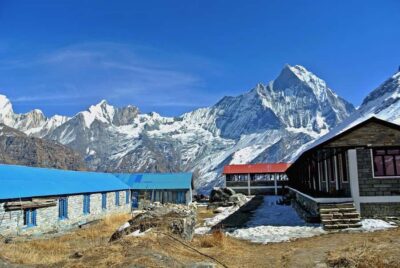
Day 4 is your headline day. You go from Deurali to Annapurna Base Camp (4,130 m / 13,550 ft). Expect uphill through alpine meadows, and along the way you pass Machhapuchhre Base Camp area, where the Fishtail views can be stunning.
Then you reach base camp and the scenery hits you in the way you came for. The peaks spread out in a “peak amphitheater” style panorama, and Annapurna and its neighbors feel close enough to point at.
What makes base camp so satisfying is the contrast:
- Earlier days show you the route as a journey through people, trees, and crossings.
- Day 4 shows you the destination as a visual world of mountains.
If snow shows up in your season, it can add magic. One trekking story I saw: snow fell as they approached and then after they left base camp. That is not something you should count on, but it is a reminder that conditions can change fast at altitude.
Day 5: Sunrise at ABC, then back to Sinuwa
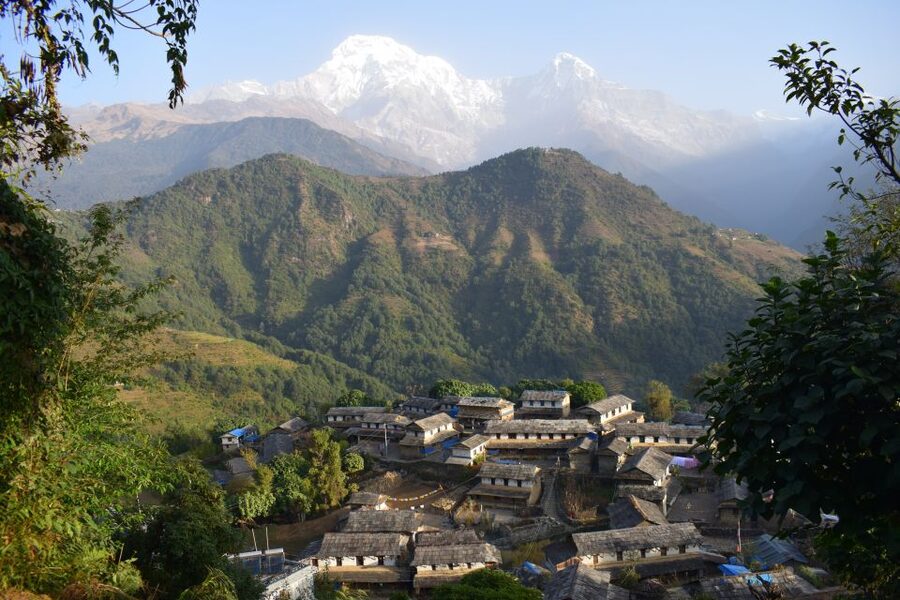
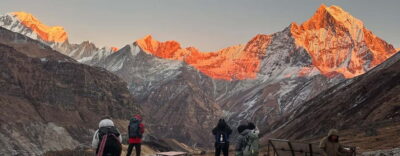
Day 5 starts with the classic move: you wake up for sunrise over Annapurna I. After breakfast, you retrace your steps downhill to Sinuwa (2,249 m).
This day is about two things: getting your body recovered and still getting a last strong hit of views. Going back down is a relief for breathing, but it is still hiking, so your knees and shins will need attention. Take short, controlled steps on rocky sections. It is a simple habit that can save you from day 6 misery.
One thing I really value about this structure is that it respects your energy. You do not just rush through base camp and immediately collapse. You get sunrise, then a steady descent that sets you up for hot springs the next day.
Day 6: Sinuwa to Jhinu Danda, hot springs by the river
Day 6 takes you down to Jhinu Danda (1,760 m). This is the “reset day.” Instead of more high-altitude climbing, you get a descent that feels purposeful because the reward is right there: natural hot springs near the river.
In practice, hot springs are not just for soaking. They also give you a reason to slow down and breathe. After several days of hiking, it is the kind of comfort that makes your whole week feel worth it.
Also, quick note on timing: even with the hot springs stop, you are still trekking. Plan to bring your focus to both hiking and recovery, not just one of them.
Day 7: Jhinu Danda back to Nayapool, then drive to Pokhara
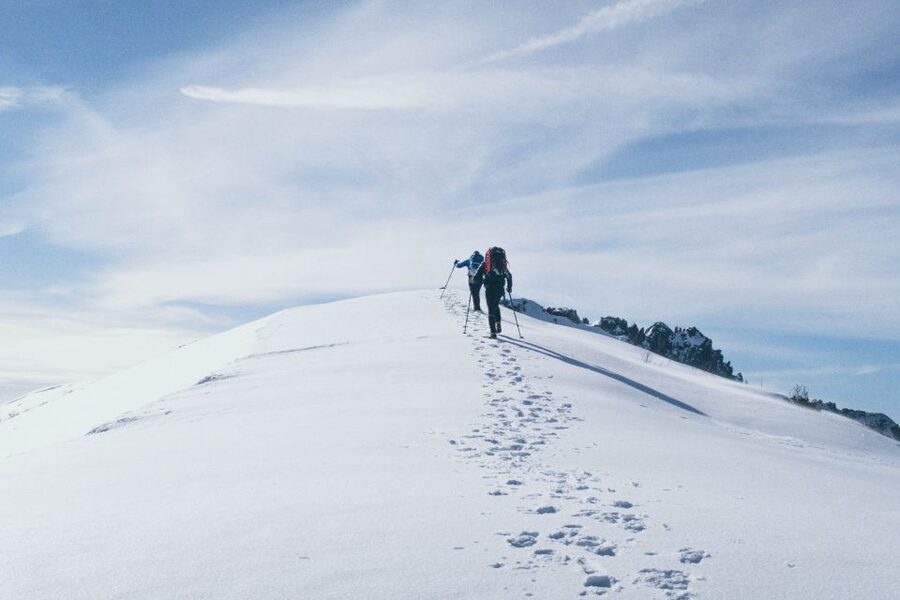
On your final day, you walk down gradually through farmlands and villages to Nayapool, then drive back to Pokhara. The finish in the lakeside area matters. It helps you transition from “mountain brain” back into normal life without a long delay.
This day is not about big viewpoints. It is about finishing well, staying hydrated, and enjoying the feeling that the trek is complete.
Guides, lodges, and how private support changes the trek
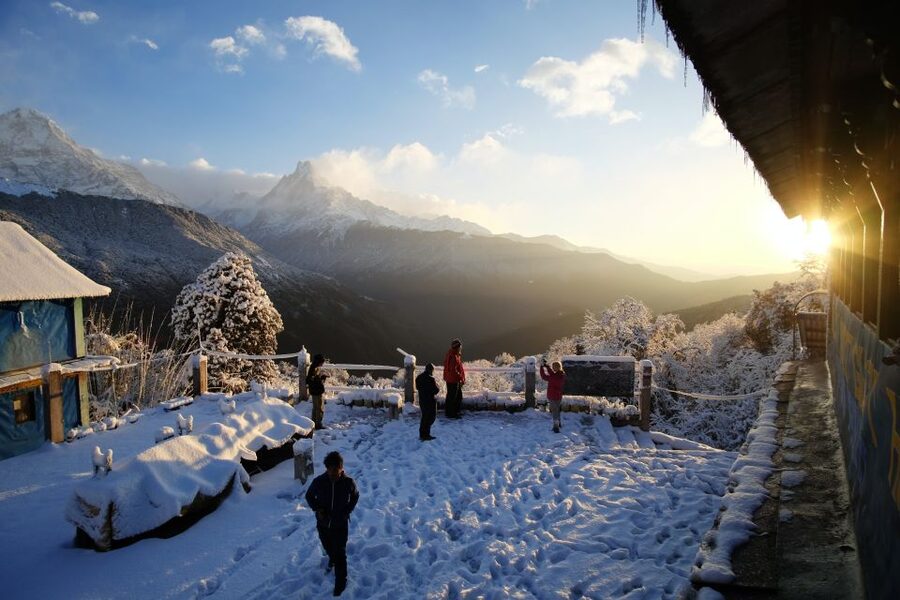
This experience runs as a private group with a government-certified guide and a first aid kit. Lodging is in standard tourist lodges, and private accommodation is included.
Here is what the private setup tends to mean for your daily experience:
- You can set your own walking pace without feeling like you are slowing the group.
- You can ask practical questions about the route, weather, and what to expect at each stop.
- Your guide can help manage tradeoffs, like when to push and when to take a longer break.
The feedback on guides is consistently strong. I saw multiple examples of guides being praised for English communication, for adapting the rhythm to your level, and for making the tea house experience feel easier. One trekker specifically noted that the guide had good relationships with tea houses, helping them stay comfortable and eat well along the route.
A couple of human touches also popped up in the experience feedback. People mentioned guides taking photos and videos, and even bringing a light, friendly vibe like card games. That stuff is not required for a good trek, but it can make the long hiking days feel less repetitive.
Price and what you really get for $215
The listed price is $215 per person for a 7-day ABC trek. What you get is a lot of the stuff that usually costs extra when you plan independently.
Included items that matter for value:
- hotel pickup and drop-off in Pokhara
- private roundtrip transportation
- ACAP permit plus government permits
- private accommodation in standard tourist lodges
- certified guides and a first aid kit
- luggage storage in Pokhara
- duffel bag and trekking poles if needed
What is not included:
- food and drinks, which you buy along the way
- a porter, which you can hire for $15 per day
So the value equation looks like this: you are paying for logistics, permits, guides, and sleep. You are paying for food on top. If you plan to hire a porter, your costs will rise, but you also reduce load stress, which can be a big deal on an ABC schedule.
If you want a simple budgeting tip, figure a daily food allowance for tea houses and then decide whether you want the porter based on your comfort carrying your own essentials.
Season reality: snow, monsoon rain, and why you need a season plan
The Annapurna region can be wildly different week to week. In the experience feedback, trekkers talked about snow near base camp on a cooler season trek and heavy rain during monsoon.
That means your best prep is a season-appropriate approach. One feedback point I liked was a clear request for a packing list matched to the season. Even without that, you can still plan smart: bring gear that handles rain when needed, and layers that handle cold when you climb higher.
Also, keep an eye on crowd levels. In one monsoon-season trek, the group reported it felt calmer with fewer people on the trail. That will not be the case every day or every season, but timing does influence how social or quiet the trek feels.
What this trek feels like day to day, physically
Even with a supportive guide, you should expect:
- Early days that feel like a real incline challenge
- Forest sections that can feel humid in warmer seasons
- A high point at 4,130 m where every step costs more breath
- A descent that feels good, but still works your thighs
If you are not super fit yet, do not panic. One trek story highlighted that the guide was very patient even when the walkers were not as prepared as they hoped. The key is honest pacing. Go slow enough that you can keep a steady breathing rhythm. It is the difference between enjoying the views and surviving the trail.
Should you book this ABC trek?
Book it if you want the classic Annapurna Base Camp experience in a tight, focused 7-day plan, and you value a guide who adapts to your pace. The combination of Gurung villages, forest walking, base camp views, and Jhinu hot springs is a strong mix that makes the week feel complete.
Hold off or plan more cautiously if you know altitude hits you hard, or if the early climbs will stress your body too much. In that situation, you can still consider booking, but go into it ready to communicate early and adjust. The route has structure, yet your real success will come from smart pacing with your guide.
FAQ
What is the duration of the Pokhara 7 Day Annapurna Base Camp Trek?
The trek lasts 7 days.
What altitude do you reach at Annapurna Base Camp?
Annapurna Base Camp is at 4,130 meters (13,550 ft).
Is food included in the price?
No. Food and drinks are available to purchase along the way.
What permits are included?
The trek includes the Annapurna Conservation Area (ACAP) permit and government permits.
Is hotel pickup and drop-off included in Pokhara?
Yes. You get hotel pickup and drop-off from lakeside Pokhara.
What languages do the guides speak?
Guides provide a live tour with English, Hindi, and Nepali.
Can I hire a porter during the trek?
Yes. A porter is available to hire for $15 per day.
Latest Pokhara write-ups
- Mardi Himal Trek -5 Day Short Trek From Pokhara★ 5.0 · 8 reviews
- Tandem Paragliding in Pokhara★ 4.8 · 8 reviews
- Pokhara: Peace Pagoda Sunset, Annapurna Mountain Views Tour★ 2.9 · 5 reviews
- Short & Scenic: 2-Day Private POON HILL Trek from Pokhara★ 5.0 · 8 reviews
- Seti George and Thrilling Suspension Bridge Tour at Pokhara★ 4.5 · 3 reviews
- Sarangkot Sunrise over the Himalayas★ 4.8 · 83 reviews
- Pokhara: Sarangkot Sunrise and Private Full Day Tour★ 4.8 · 24 reviews
- From Kathmandu/Pokhara: Private 3-Day Chitwan Safari Tour★ 4.7 · 34 reviews
Annapurna Base Camp Trek, compared.
5 Day Annapurna Base Camp Trek & Natural Hot Spring
Read our review →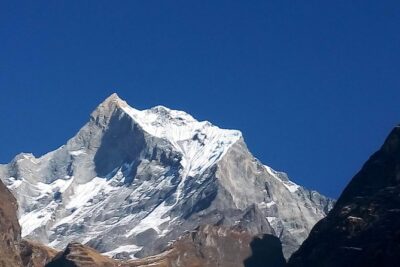
14 Days Annapurna Base Camp Trekking | Best trek for visit Nepal 2020
Read our review →
7-Day Annapurna Base Camp Trek & Natural Hot Spring
Read our review →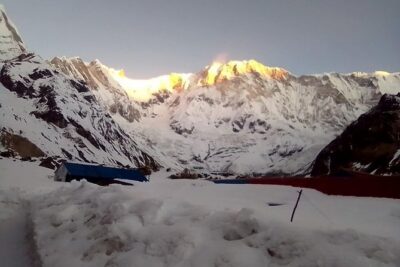
10 Days Annapurna Base Camp Trek from Kathmandu
Read our review →Browse the lists this tour appears in