
Reviewed · POKHARA TOURS
Pokhara: Annapurna Day Hike with Panoramic Views
A day hike like this is interesting because you get big Himalayan payback without spending days on the trail. You start near Kande, climb toward the Australian Camp viewpoints, then pass through Dhampus before finishing in Phedi, all while looking up at the Annapurna range and often the Dhaulagiri side too. It is a full day, but it feels like a “best of” loop rather than a long slog.
Two things I really like about it. First, the views are built in on purpose, with a real photo-focused pause at Australian Camp. Second, you are not left to figure it out alone, since the hike runs with an experienced English-speaking local guide, and guides like Moti Thapa are known for adjusting pacing and helping the whole group stay together. The Gurung village stop also adds a human layer, not just scenery.
One possible drawback to consider is that even though it is a day hike, you still have climbing and some steps on the way down. If you have knee issues or you get tired easily, the route can feel harder than you expect, so you will want comfortable shoes and to use your guide’s step-saving options if offered.
Key things to know before you go
- Panoramic payoff at Australian Camp with time built in for photos and sightseeing
- Gurung village time in Dhampus, including terraced fields and cultural conversation
- A guided pace that can match your group, including slower options when needed
- A downhill finish in Phedi with changing scenery and viewpoint angles
- Private group style, run by a government registered guide with English, Hindi, and Nepali support
Kande to Australian Camp, Dhampus, then Phedi: what the hike feels like
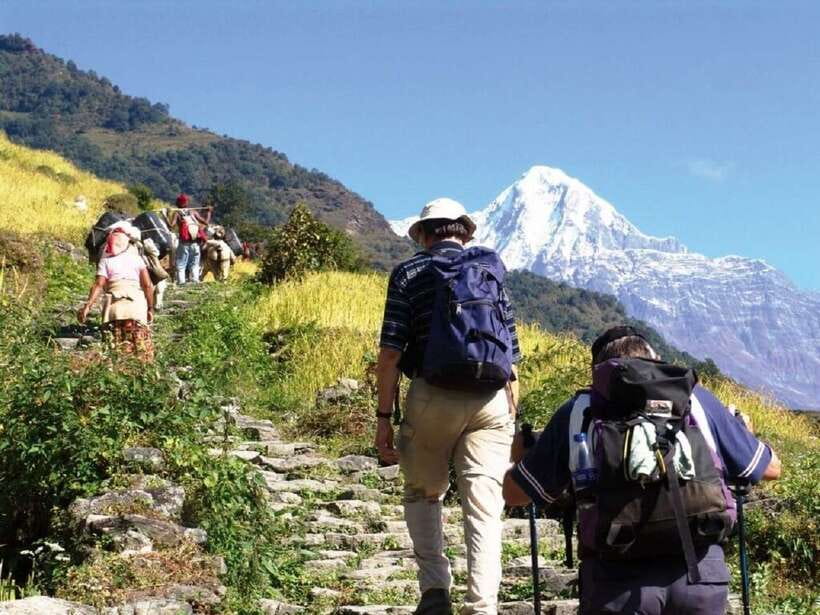
This hike is designed as a gradual day story. You get your first big sense of place right away after a short drive, then the trail begins in foothill country, moving through forested patches and local farmland. As you climb toward Australian Camp, the valley views open up and you start seeing how the Annapurna foothills connect to wider mountain horizons.
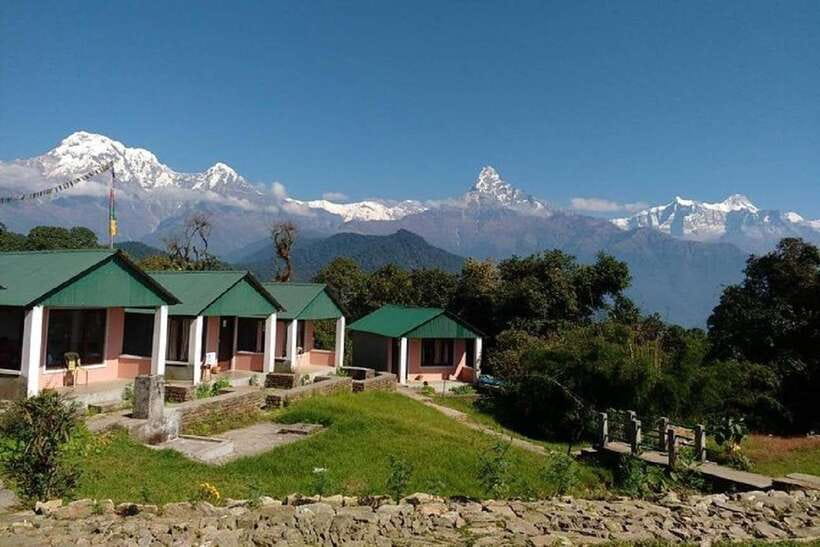
Australian Camp is the star moment. It is where the trail stops being about “getting somewhere” and becomes about looking. You will have a chance to pause, get your bearings, and take photos that actually capture the range instead of just blurry peak tips.
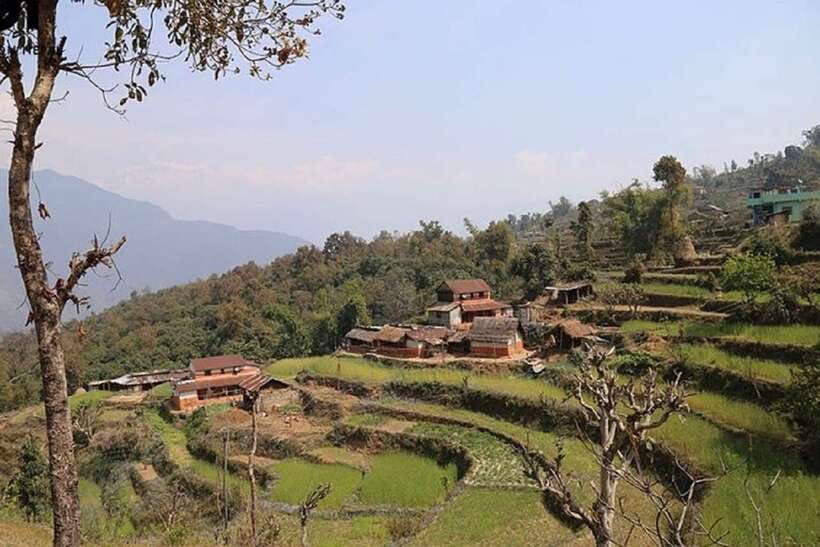
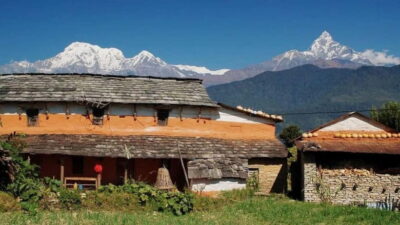
Then you shift into village country at Dhampus. This is where the hike turns from scenery to people and daily life. Terraced fields and homes sit on the slopes, and the atmosphere changes from roadside walking to slower village rhythms.
Finally, you descend to Phedi and wind down the day with the kind of motion that feels good after a climb. The views keep changing as you lose altitude, and the trail tends to get more “countryside practical” than “big panorama dramatic.”
More to compare around Pokhara
- ZipFlyer Nepal – The World’s Steepest Zip-line
★ 5.0 · 608 reviews - Bungee Pokhara by HighGround Adventures
★ 5.0 · 366 reviews - From Pokhara: Sarangkot Sunrise Himalayas Tour
★ 4.7 · 218 reviews
Pickup options in Pokhara and why the start matters
The tour starts with a pick-up from one of three spots in the Pokhara area: Pokhara International Airport (PIA), Sarangkot, or Lakeside Rd 6. That matters more than it sounds. If you are already staying around Lakeside, you can often avoid extra local transport hassle. If you are near Sarangkot or arriving via PIA, the route becomes simpler.
Once you are with your guide and group, you head to Kande by road. The ride is part of the experience because you often get quick mountain glimpses along the way. Those quick looks can help you understand what you are hiking toward, which makes the later viewpoint stops feel more rewarding.
From Kande itself, you also get a short break and photo stop before you settle into the climb. Think of it like an organized warm-up, not just a “go go go” launch.
Australian Base Camp View Point: your main photo window for the Annapurnas
The climb from Kande to the Australian Camp viewpoint is timed at about 1.5 hours of hiking. For a day hike, that is a decent push, especially if the weather is warm or you are not used to uphill walking. The good news is that it is not a technical climb. This is a trail hike, and a competent guide can pace you so the group stays comfortable.
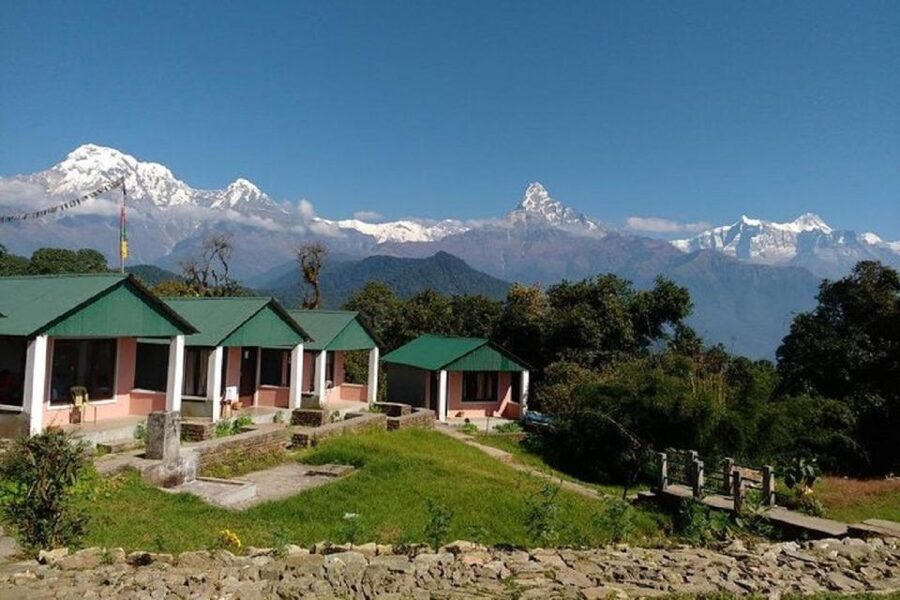
Once you reach the Australian Camp area, you get the built-in moment that photographers love: time for a photo stop, sightseeing, and guided explanation, plus a chunk of free time. This is where you can focus on peak shapes and valley angles without feeling rushed.
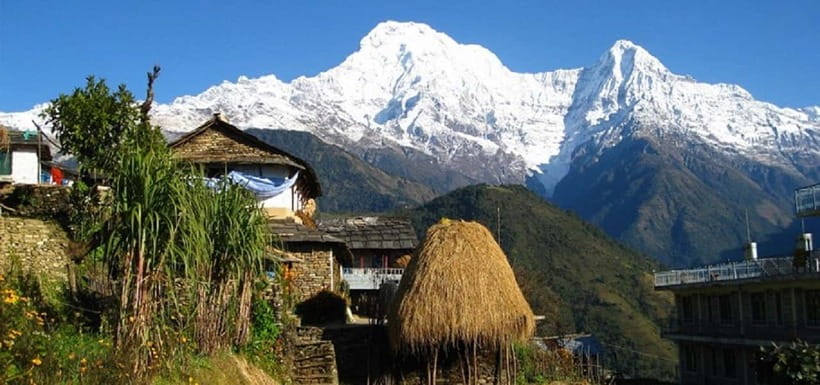
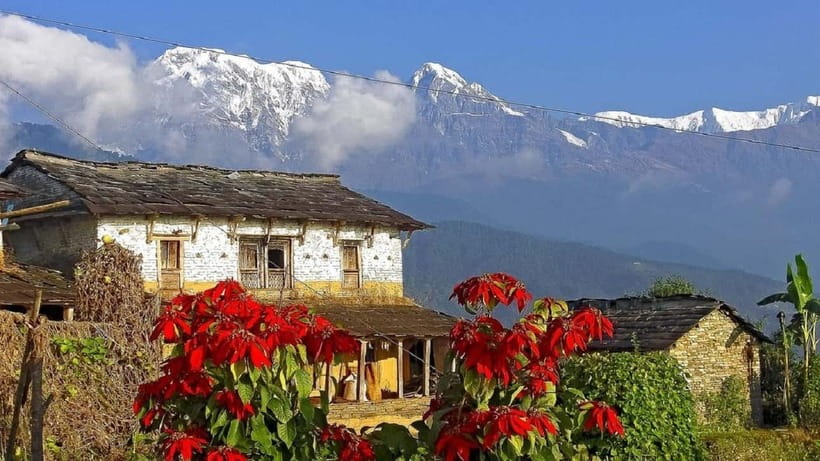
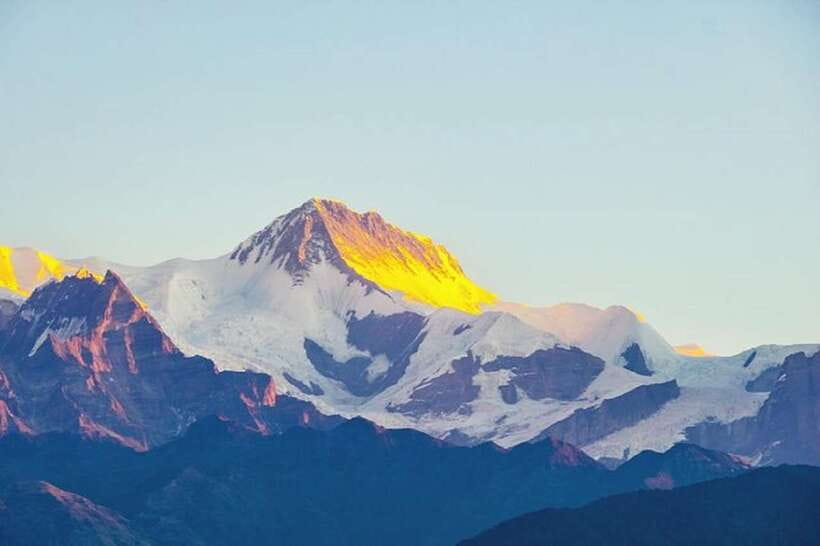
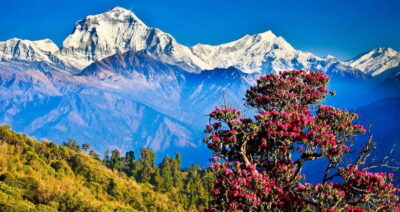
You might even notice how your guide points out specific peaks, not just generic “mountain views.” One common detail people catch here is the Annapurna range including peaks referred to as South 1 through 4, and sometimes the Fish Tail shape (Machhapuchhre is the classic name associated with Fish Tail). On clear days, you may also have views toward the Dhaulagiri mountain range.
Practical tip: go steady during the ascent, then spend your energy at the viewpoint. If you rush uphill, you will end up standing there out of breath, trying to take photos while catching your breath. Better plan is easy, controlled hiking early, then slow down when the real view starts.
Dhampus Gurung village time: culture you can actually see and ask about
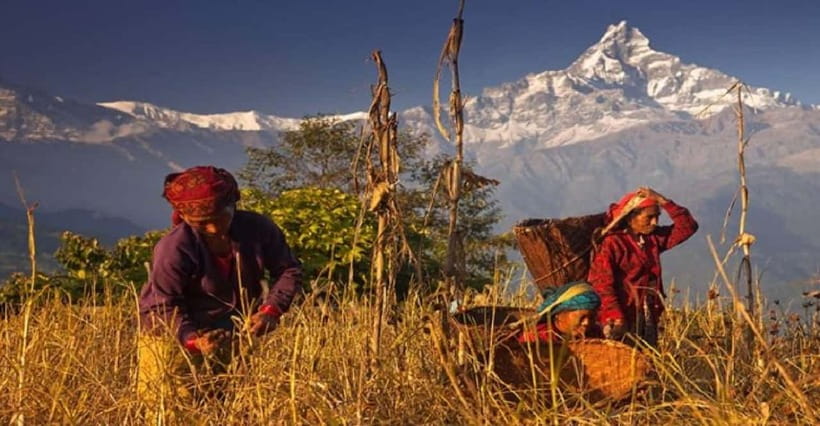
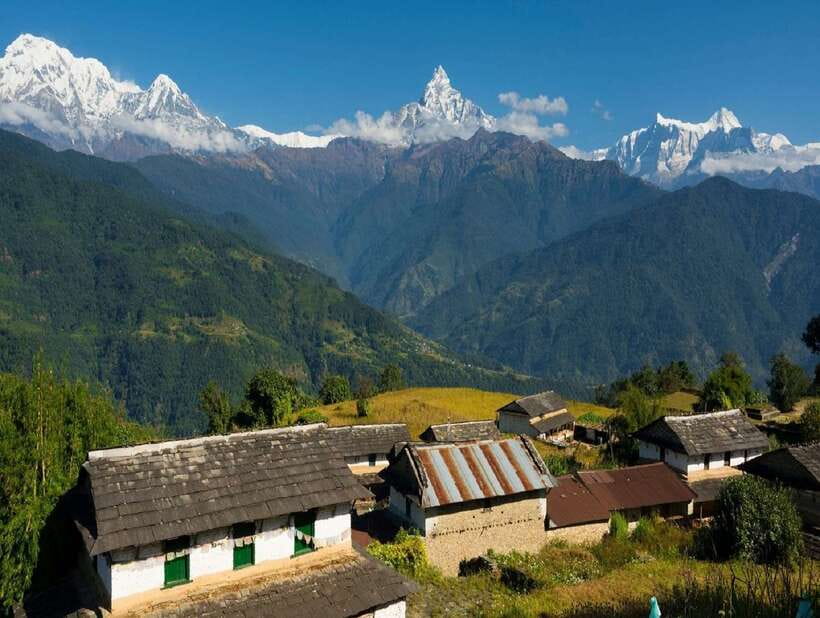
After Australian Camp, you head onward to Dhampus with about 1.5 hours of hiking on the schedule, plus time for photo stops and guided walking. Dhampus is known as a traditional Gurung village, and that shows in the everyday scene: terraced fields, homes on the slopes, and paths that connect village life to the viewpoint world above.
This stop is valuable because it gives you a break from “photo and walk” mode. You are not just passing through. You get guided tour time, free time, and a chance to walk around and observe. The guide can also explain what you are seeing, which turns a village stop into something you understand, not just something you look at.
If you like travel that feels human, this is the part that usually sticks. Even on a rainy or cloudy day, village conversation and seeing terraced farming patterns can still feel satisfying. And if you are the kind of person who enjoys asking questions, this is a good place to do it, since a local guide can translate the cultural context behind what you are noticing.
There is also a second break and photo stop scheduled in the Dhampus area. That is helpful. It means you do not have to choose between sitting down and getting a good look at the view. You can do both.
A different sort of day out of Pokhara:
- Full-Day Tibetan Cultural Tour to Tibetan Settlements Pokhara
★ 5.0 · 184 reviews - Pokhara: Full-Day Sharing Bus Tour on 7 Iconic Destination
★ 4.1 · 179 reviews - Trekking in Annapurna/Langtang/Everest/Upper Mustang regions
★ 5.0 · 161 reviews - Pokhara: 4-Day Ghorepani, Poonhill & Ghandruk Mountain Trek
★ 5.0 · 132 reviews
The descent to Phedi: managing steps and staying steady

The final hiking leg is the descent to Phedi, scheduled at about 1 hour on foot, with a photo stop and guided tour/sightseeing along the way. This part of the day can feel deceptively harder than the climb for some people.
Why? Descents put extra strain on knees and ankles, and if you hit lots of steps, it can slow you down. One thing I like about the way this hike is run is that the guide can adapt the route. Moti Thapa, for example, is known for offering an alternative to reduce the number of stairs when the group finds them challenging. That is a real quality-of-day advantage, not a small detail.
Another smart move is how the pace is managed throughout the day. People have noted that guides are encouraging and will adjust for slower hikers. If you are a first-time hiker, that matters. When you do not feel rushed, you can enjoy the scenery instead of focusing on staying alive on the stairs.
At Phedi, the hike ends and you transition back toward Pokhara by drive. It is a good finishing rhythm: you finish with movement and changing views, then you get the reward of returning to the comfort of town.
The guide and private group style: why people feel cared for
This hike is run with government registered experienced trekking guides, plus a local guide for the hike itself. The language support is English, Hindi, and Nepali, which is helpful if your group has mixed language comfort.
The private group format is also worth calling out. Even if you are not traveling with a family or friend group, a private style often means your guide can tailor pacing. In past groups, guides like Moti Thapa have been praised for humor, patience, and kindness, especially with mixed abilities. There is even an example of him stepping in when someone in the group had difficulties, helping everyone finish safely.
In plain terms, that kind of guiding quality can make the difference between a stressful downhill and a calm one. It also makes the cultural stop smoother, because a good guide can keep the group engaged instead of treating Dhampus like a quick photo pit stop.
If you are going with friends, a private group can feel like a shared experience with someone local translating the day for you. If you are going solo, it can reduce the “lost in the crowd” feeling you sometimes get on busier tours.
Timing, what’s included, and how to judge the $50 price
At about $50 per person for an 8-hour day, this hike can be good value if you factor in three things: the paid guide time, the transportation between Pokhara and Kande, and the structured stops with viewpoints and village time.
Included elements you should feel good about:
- Round-trip transportation from Pokhara to Kande
- Experienced local guide throughout the hike
- Government registered professional trekking guides
- Views of the Annapurna and Dhaulagiri mountain ranges
- Time for exploring a traditional Gurung village
What you need to plan for yourself:
- Meals and beverages are not included
- Personal expenses like snacks, drinks, and souvenirs are not included
So how do you make the price work for you? Bring a simple snack plan. Even if your body feels fine at first, a long day with stairs and downhill can make hunger sneak up. Carry water, and plan for a mid-hike snack. If you hate stopping for food but know you need energy, bring something easy you can eat during breaks without slowing the group much.
One more value angle: the hike includes time for viewpoints and guided context. You are not just paying for “walking.” You are paying for someone helping you understand what you are looking at and how to manage the day comfortably.
What to bring for an 8-hour Pokhara foothills hike
The tour’s basic packing list is straightforward, and it matters. For this kind of day, you want items that protect you from common hiking problems like sore feet, sunburn, and dehydration.
Bring:
- Comfortable shoes (traction and ankle support help on uneven paths)
- A hat (sun can be strong even in the foothills)
- Water
- Comfortable clothes
Optional but smart, based on how these trails feel: bring a light layer for early or late conditions, and a small bag you can keep with you for breaks. Since meals and beverages are not included, treat this as a self-sustained day for food and drinks.
Who this hike suits best, and who might want a different plan
This is a strong match if you want:
- Panoramic Himalayan views without overnight trekking
- A guided experience that includes Dhampus Gurung village time
- A day that feels active but not extreme, with guidance and pacing support
It is also a good option for mixed groups. Examples of the way guides handle slower hikers and first-time hikers suggest this hike can work when people have different comfort levels. If you have never hiked before, you can still do it, but plan to go slow and take advantage of breaks.
Who might consider a different plan? If you are looking for a higher-altitude trekking experience with multiple nights, this will likely feel too short. And if steps and steep descents are a deal-breaker for your knees, you should be upfront early, since route adjustments may be possible but not guaranteed.
Should you book this Annapurna day hike from Pokhara?
I think it is worth booking if you want a full-value day in the foothills, with a real viewpoint payoff at Australian Camp and a human-scale cultural stop in Dhampus. The private group format, the multilingual guide support, and the emphasis on pacing make it feel safer and more enjoyable than many “just walk and see what happens” day hikes.
If your main goal is maximum time on the trail and you dislike structured stops, you might feel it is too organized. But if your goal is to get the best views, learn what you are seeing, and finish the day comfortably back in Pokhara, this one makes sense.
FAQ
How long is the hike?
The experience lasts about 8 hours.
Where does the tour start and where can I be picked up?
You can be picked up from one of three locations: Pokhara International Airport (PIA), Sarangkot, or Lakeside Rd 6.
What stops are included during the hike?
You will hike from Kande to Australian Camp, then to Dhampus, and finally descend to Phedi, with photo stops and guided sightseeing during the day.
What languages is the live guide available in?
The live tour guide is available in English, Hindi, and Nepali.
Is this tour suitable for beginners?
The experience is described as perfect for all levels of hikers, so beginners can be accommodated with the guide’s pacing.
What is included in the price?
Included are government registered experienced trekking guides, round-trip transportation from Pokhara to Kande, and guided exploration including views of the Annapurna and Dhaulagiri mountain ranges and time in a traditional Gurung village.
What is not included?
Meals and beverages are not included, along with personal expenses such as snacks, drinks, and souvenirs.
What should I bring?
Bring comfortable shoes, a hat, water, and comfortable clothes.
Latest Pokhara write-ups
- Mardi Himal Trek -5 Day Short Trek From Pokhara★ 5.0 · 8 reviews
- Tandem Paragliding in Pokhara★ 4.8 · 8 reviews
- Pokhara: Peace Pagoda Sunset, Annapurna Mountain Views Tour★ 2.9 · 5 reviews
- Short & Scenic: 2-Day Private POON HILL Trek from Pokhara★ 5.0 · 8 reviews
- Seti George and Thrilling Suspension Bridge Tour at Pokhara★ 4.5 · 3 reviews
- Sarangkot Sunrise over the Himalayas★ 4.8 · 83 reviews
- Pokhara: Sarangkot Sunrise and Private Full Day Tour★ 4.8 · 24 reviews
- From Kathmandu/Pokhara: Private 3-Day Chitwan Safari Tour★ 4.7 · 34 reviews
Pokhara Tours, compared.
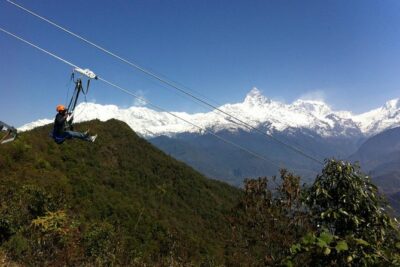
ZipFlyer Nepal – The World’s Steepest Zip-line
Read our review →
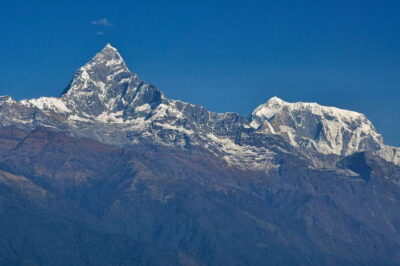
4-Day Ghorepani, Poonhill & Ghandruk Mountain Trek
Read our review →
Browse the lists this tour appears in