
Reviewed · ANNAPURNA BASE CAMP TREK
Annapurna Base Camp 7 Days Trek from Pokhara
Annapurna Base Camp is interesting because it slowly turns the volume up on the scenery, until you’re standing at the foot of the Annapurna massif near 4,130 meters. This trek also mixes nature and culture, so it’s not just walking uphill. You’ll move through Gurung villages and classic trekking zones like bamboo and rhododendron forests, then finish with big mountain payoff in the Annapurna Sanctuary area.
I like the way the route gives you a real “felt sense” of altitude, not a jump-and-hope situation. Day by day, you build up, then you come back down with a decent rhythm for a 7-day schedule. Another thing I love is that you’re not left to figure out permits and logistics alone, because trekking permits and the TIMS card are included.
One consideration: this is still a full hike. The days run around 6 to 7 hours, with a strenuous section on the way toward Upper Sinuwa, so you’ll need moderate fitness and comfort walking uphill for long stretches. Also, it’s not suitable for wheelchair users, since you’ll be on trekking trails the whole way.
Key points to know before you go
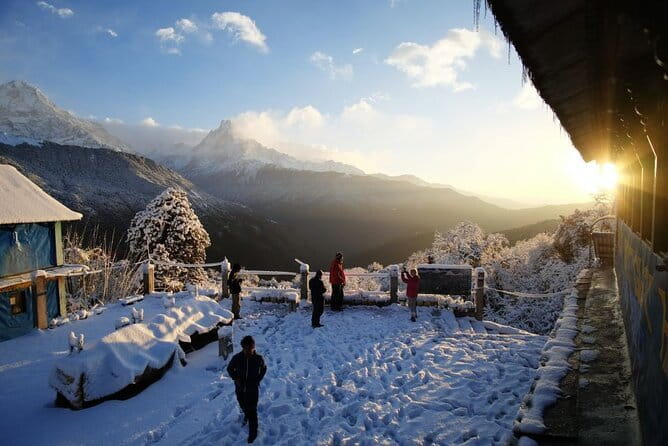
- Gurung culture in Ghandruk and Chhomrong: you pass through major Gurung villages, with time to explore daily life and local customs.
- Bamboo, rhododendron, and alpine feel: the vegetation shifts as you climb, which keeps each day from feeling repetitive.
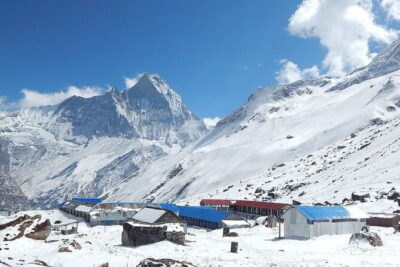
- Annapurna Sanctuary and base camp height: you reach Annapurna Base Camp at about 4,130 m, with sanctuary viewpoints along the way.
- Machhapuchhre Base Camp stop: the route mentions a stop around 3,900 m, including a climb of 730 m up toward ABC.
- Guest-house trekking stays: accommodation is included, so you’re not scrambling for lodging between villages.
- Helpful guides named Ram and Krishna: the operator provides English-speaking guidance, and guides like Ram and Krishna get consistently positive notes for being supportive.
Pokhara to Ghandruk: why the start sets the tone
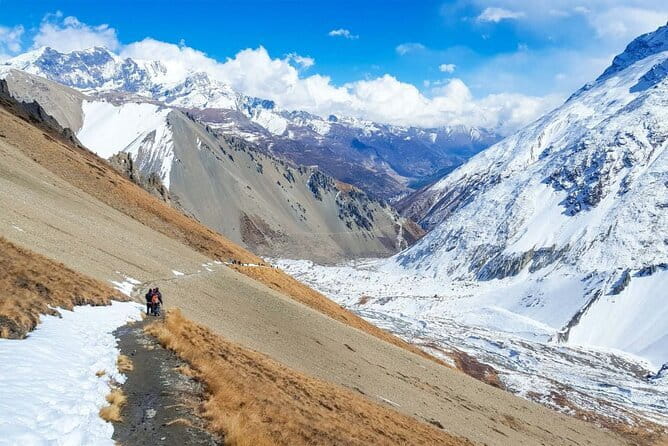
Your trek begins in Pokhara with hotel pickup and drop-off, then a transfer by shared bus or jeep. That matters because it gets you moving early and keeps the first day from feeling like pure travel. The route uses local roads, including an unpaved stretch where a sharing jeep is part of the day, so expect bumpier comfort than on smooth highways.
Then comes the classic first-morning transition: you’re not just changing towns, you’re changing altitude and atmosphere. The walk that starts near the Modi River corridor pulls you from roadside Nepal into the feel of the Annapurna region. I like this start because it gives you quick context for what you’re walking through. You’ll see terraced hills, villages, and the valley shapes that control where the trail goes next.
Practical note: the first day is listed at about 7 hours, which is long for “Day 1.” If you’re the type who gets anxious when the first day is big, pace yourself anyway. Take breaks when the views open up, drink water regularly, and don’t treat the first day as a warm-up. It’s the beginning of the actual hike.
More routes into the Annapurna Sanctuary:
- Kathmandu/Pokhara: 5-Day Annapurna Base Camp (ABC) Trek
★ 4.9 · 72 reviews - Annapurna Base Camp Trek -8 days
★ 5.0 · 56 reviews - Private 7 – Day Annapurna Base Camp Trekking
★ 5.0 · 50 reviews
Ghandruk: the Gurung village you’ll want to take your time with
Ghandruk is a massive Gurung village and one of the iconic stops in the Annapurna region. This is where you’re not only sightseeing the mountains, you’re meeting the community that lives in their shadow. You can explore Gurung culture, customs, museums, lifestyle, and the everyday rhythms of the village.
The view angle here is a big deal. From Ghandruk you’re set up to appreciate multiple peaks at once, including Annapurna South, Hiunchuli, Machhapuchare (Fishtail), Gangapurna, and Annapurna III. That’s useful for orientation later, because when you see those peaks again above the tree line, your brain can map what you’re looking at.
The trekking day itself runs through authentic villages and hills while tracking the Modi River valley. There’s a lot to absorb visually, so the “work” of the hike can feel lighter if you stop often. The only caution I’d give is to plan for uneven footing in village and trail sections, especially if you’re carrying a daypack.
If you enjoy culture as much as scenery, this village stop is one of the best reasons to pick this specific route.
Upper Sinuwa and the Chhomrong route: where the hike turns more serious
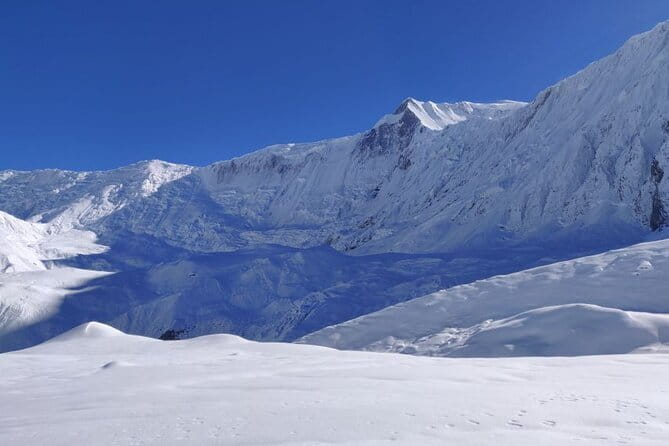
On the next day, you head from Ghandruk toward Upper Sinuwa. This section is described as strenuous, and the timing reflects it, with about 7 hours of walking time (not counting lunch and tea breaks). The trail fluctuates, meaning it doesn’t just climb in a neat line. Expect a stop-start feel, with energy use that can trick you if you go out too fast.
The route runs through Kimrung Danda and along the Kimrung River, and it also includes Chhomrong village before reaching Sinuwa. That matters because Chhomrong is often where trekkers can pause, regroup, and take in the broader valley views before continuing higher.
I like that you get vegetation and culture at the same time here. You’re not just hiking through “scenery.” You pass areas where the day-to-day life of the Gurung community still shapes the trail experience. If you pay attention, the region’s hospitality makes more sense. People have been hosting trekkers for years, and the trail network has grown around that.
The main drawback is simple: this is one of the longer, tougher pushes in the first half. If you’re prone to “quick start, big crash,” use a steadier pace. Short pauses, consistent breathing, and proper layering can make this day feel much more manageable.
Into the Annapurna Sanctuary approach: bamboo, rhododendron, and the Modi River feel
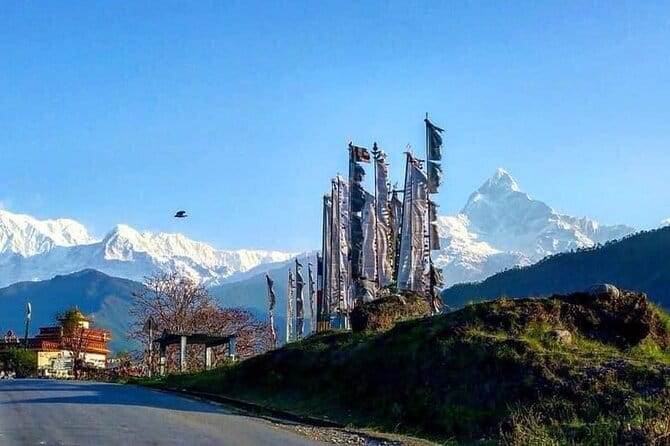
As you move deeper, the trek shifts into a more forested, classic trekking zone. On the day leading toward Annapurna Base Camp, the route description highlights walking uphill toward the Annapurna Sanctuary. You’re on winding paths, and the air tends to feel cooler as you gain elevation.
The vegetation becomes part of the story. Bamboo and rhododendron forests show up here, which is a welcome break from only stone and dust. There’s also mention of the Modi River’s “Eden valley” feel along the way. Even when the mountains are what you came for, these river-valley segments help you slow down and enjoy the walking.
You’ll also see key trekking waypoints like Bamboo and Dovan along the route. That’s helpful because it means you’re not just walking into a blank unknown. There’s a rhythm of known stops, and guest houses at these places make it easier to plan your day and keep your energy.
A practical thing to remember: when you feel your breathing change, don’t panic. In this kind of trek, altitude is working in the background. The best move is steady effort, frequent small breaks, and drinking water even when you’re not thirsty.
If you love the moment when forests thin and views start widening, this is the day where it starts to click.
More to compare around Pokhara
- ZipFlyer Nepal – The World’s Steepest Zip-line
★ 5.0 · 608 reviews - Bungee Pokhara by HighGround Adventures
★ 5.0 · 366 reviews - From Pokhara: Sarangkot Sunrise Himalayas Tour
★ 4.7 · 218 reviews - ATV Adventure Tour in Pokhara, Nepal
★ 5.0 · 194 reviews
Machhapuchhre Base Camp and the 730 m climb toward 4,130 m
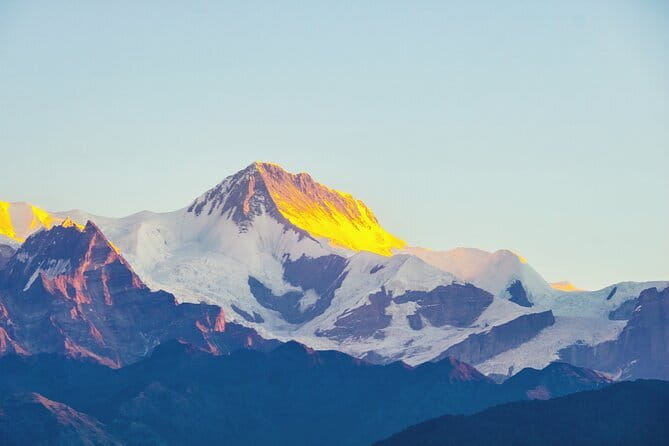
The big height day is described through the combination of the route going up to Machhapuchhre Base Camp around 3,900 m, then continuing with a climb of about 730 m toward Annapurna Base Camp at 4,130 m. Even if you don’t obsess over numbers, this is the part of the trek that tests your lungs and patience.
The good news is the route gives you a staging point. You reach MBC beneath the towering north face of Machhapuchare (Fishtail), and you’re walking into the Annapurna Sanctuary with the peaks circling the area. That “circling” description is important, because the sense of being in a mountain bowl changes how the views feel. You’re not just facing one direction. The scenery surrounds you.
Also, the sanctuary approach is where the trekking stops becoming purely about forward motion and starts becoming about managing the feeling in your body. I recommend treating this section as a controlled climb, not a fitness contest. Slow steps win on altitude hikes.
When you reach ABC, the payoff is straightforward: you’re at the base of the Annapurna massif, in the zone trekkers talk about long after they go home. This is also a good moment to take photos, but don’t forget the simple stuff. Eat something, hydrate, and give yourself a few minutes to relax before you move again.
Returning down to Bamboo: why the descent takes real focus
After your time near base camp, the route takes you back down to Bamboo. This day sounds simpler on paper, but it’s still a full trekking day around 6 hours. The description is clear that the trail is decent but you should walk carefully on the way down.
Downhill is where people get sloppy. Your legs can feel fine while your ankles and knees start taking hits. The route includes via points like Deurali, Himalaya, and Dovan, and the path is described as a gradual, winding trail through serene forest and back toward tree lines.
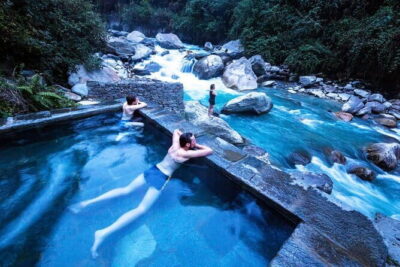
One practical detail that’s easy to miss until you’re there: there’s a note about a warm hot shower at Baboo. On a multi-day trek, that kind of comfort changes your mood. It also makes it easier to sleep well, which is a big deal for recovery.
If you tend to rush during descents, try using short steps and planting your feet confidently. This is also the day where you can start thinking about footwear and socks if you’ve had any hotspots.
The value here is that you end the day in a familiar trekking village style setting, so you’re not stuck in harsh conditions. Bamboo is a good reset point before the final leg.
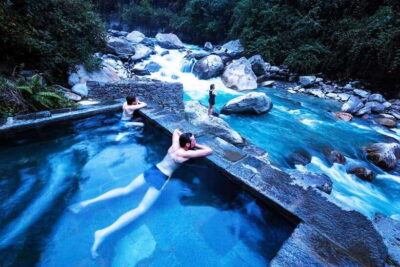
Jhinu Danda and the Chhomrong ridge: the last big loops of walking
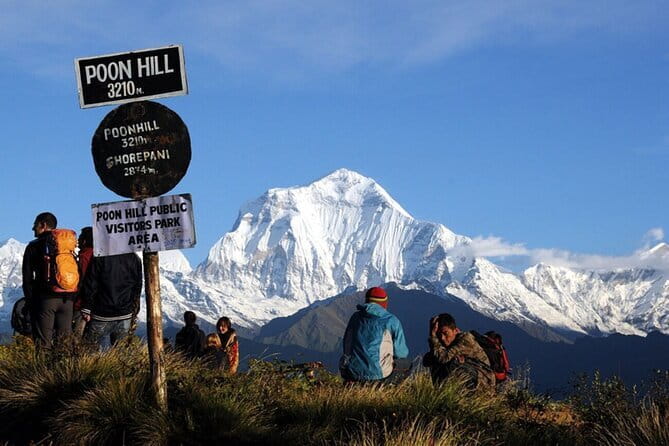
From Bamboo you head toward Jhinu Danda, and the day is structured with a few turning points. There’s a short steep up to KhuldiGhar, then a downhill stretch through forest. You also pass a “lonely spot” called Sinuwa-Danda, then descend toward Chomrong Khola.
You’ll cross a bridge and then climb briefly to Chhomrong village for lunch. After that, the route includes another short up to reach the top of Chhomrong ridge, followed by a downhill walk to Jhinu Danda as the final day walk of this seven-day plan.
I like that this final walking day still includes some variety. You don’t get the same uphill grind all day, and you get multiple chances to eat and reset your pace. Also, Chhomrong is a familiar name by now in this trek, so it feels like you’re closing a loop rather than starting something new.
The main consideration is mental fatigue. By this point you can feel like you should be done. The trail still asks for attention, especially with bridges and downhill sections. If you keep your steps deliberate, the day ends up feeling like a controlled finish rather than a last-minute scramble.
Pokhara return via Samrung Khola and a suspension bridge
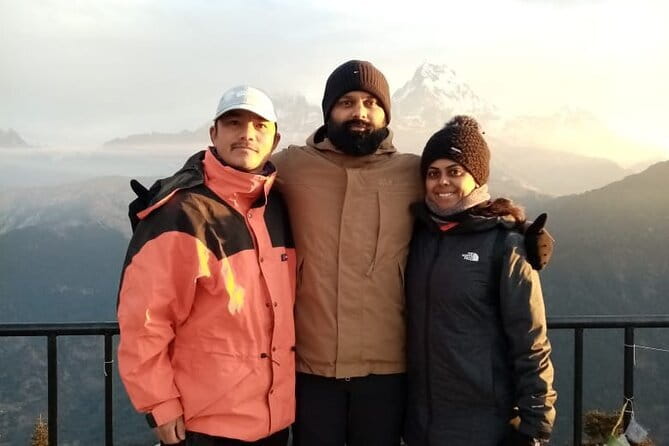
On the final day, you walk a short downhill and cross a long suspension bridge to reach Samrung Khola. Then you catch a local jeep back to Pokhara, with a drive time of about 4 hours.
This part is more than just transportation. The suspension bridge moment is one of those small, memorable experiences that punctuates the trek. It also serves as a final “you’re really in the mountains” check before the city comes back.
The jeep route goes through Kimrung village, Syauli Bazaar, Birethati Nayapul, Kande, and Naudanda, and you arrive back at Pokhara Lakeside to end the trip. That Lakeside finish is useful because it gives you a simple place to regroup, eat well, and plan your next day in Nepal.
If you want to keep your travel smooth, plan some relaxed time in Pokhara after arrival. This kind of trek builds you up and drains you at the same time. You’ll feel it in your legs more than you expect.
Guides, guest houses, and transport that actually matter
This trek is organized as a private trip, meaning only your group participates. At the same time, transport segments use shared bus or jeep for the transfers, which helps keep the experience efficient and aligned with local travel patterns.
A big strength here is that the English speaking trekking guide is included. In the experience details, guides like Ram and Krishna come up with clear praise for being helpful and making the hike enjoyable. You’ll feel that most on the “in-between” parts: figuring out pacing, knowing when to take breaks, and getting the context for what you’re seeing.
Accommodation is guest house style, and that’s exactly what you want on a trek like this. You get a place to sleep without the mental load of searching every night. Guest houses also make it easier to stick to the day plan your guide sets.
Food and rooms appear as consistent satisfaction points in the feedback you can take inspiration from. Still, keep your expectations realistic. Guest-house meals on trekking routes are about energy, warmth, and simplicity, not fine dining.
Price and value: what $435 includes, and what you’ll still spend
At $435 per person for about 7 days, this package feels focused on the major costs you’d otherwise need to source yourself. The included items list covers hotel pickup and drop off, round trip transfers by shared bus or jeep, trekking permit and TIMS card, an English speaking guide, and guest house accommodation.
You’re also getting a private setup for your group, which can be a strong value if you want flexibility without other people inserted into your rhythm. The tour summary also notes group discounts, which could be relevant if you travel with friends, but the key point is that your group experience remains private.
Not included is equally important: plan for personal expenses and gratitude (which usually means tips). If you budget a little extra for snacks, hot drinks, and the small “I need this today” items, the trip stays stress-free.
Bottom line: the value here is that the heavy administrative and logistics work is handled, so you can focus on walking, acclimating, and taking in the Annapurna massif when it finally fills your view.
Fitness, altitude, and pacing advice that fits this route
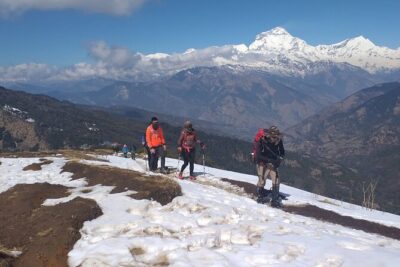
This trek is suited to travelers with moderate physical fitness. The descriptions of 6 to 7 hours of walking on multiple days, plus one explicitly strenuous push toward Upper Sinuwa, tells you what moderate means in real life: you should be comfortable hiking for sustained periods, not just doing short walks.
Here’s how I’d pace this kind of route for a better experience:
- Go slower than you think you need to on uphill sections, especially around the Mid and High zones.
- Use short breaks. Don’t wait until you feel wrecked.
- Take altitude seriously. When you feel the change in breath, reduce your effort, keep moving, and hydrate.
- Plan your layers. The route climbs into cooler air, and mornings can feel sharp when you’re still warming up.
Also, this trek is not recommended for wheelchair users, since it’s built around walking on trekking trails.
If you have joint issues, pack smart footwear and don’t treat descents casually. The trail notes careful walking on the way down to Bamboo, and that same logic applies to later downhill sections too.
Who should book this Annapurna Base Camp trek from Pokhara
You should strongly consider booking if you want:
- A 7-day route that reaches Annapurna Base Camp around 4,130 m
- A mix of villages, forest walking, and a high-mountain sanctuary experience
- Included permits and TIMS card, plus English speaking guide support
- A private arrangement for your group, with guest-house stays
You might want to look elsewhere if you:
- Need wheelchair-friendly access (this is not that kind of route)
- Want a mostly flat trek, because the schedule includes strenuous and uphill days
- Get overwhelmed by long walking days around 6 to 7 hours
If you love the Annapurna region for its human side as much as the mountain side, Ghandruk and Chhomrong make this a more satisfying trek than a purely scenic route.
Should you book it
If your goal is a classic Annapurna Base Camp experience with solid structure, guide support, and included permits, I think this is a strong choice. The best part is that the plan doesn’t just throw you into altitude, it creates stepping stones: Gurung villages, forest sections, the sanctuary approach, then the base camp payoff, and finally a workable descent back to Pokhara Lakeside.
Book it if you match the fitness level and you’re comfortable with a few longer walking days. Skip it if you’re looking for easy hiking or barrier-free access.
FAQ
How long is the Annapurna Base Camp trek from Pokhara?
It runs for about 7 days.
What is the starting point for the trek?
The trek starts in Pokhara, with hotel pickup included.
Are permits included in the price?
Yes. The trekking permit and the TIMS card are included.
Do you get an English speaking guide?
Yes. An English speaking trekking guide is included.
Where do you stay during the trek?
Accommodation is provided in guest houses.
Is this trek private or shared with other people?
It is private for your group. Only your group participates.
What fitness level do I need?
The trek is for travelers with moderate physical fitness.
Is it suitable for wheelchair users?
No. It is not recommended for wheelchair users because it requires walking on trekking trails.
What documents do I need before the trek?
You need to provide a passport copy and a passport size photo prior to the trek for the permits.
What is the cancellation policy?
You can cancel for free up to 24 hours in advance for a full refund. If you cancel less than 24 hours before the start time, the amount paid is not refunded.
Latest Pokhara write-ups
- Sunrise View from Sarangkot★ 5.0 · 3 reviews
- Beautiful Sarankot Sunrise with Full Day Sightseeing in Pokhara★ 4.5 · 3 reviews
- Sarangkot Sunrise Tour in Private Car★ 5.0 · 3 reviews
- Pumdikot Mahadev Status and Peace Stupa Hiking Private Tour★ 4.5 · 3 reviews
- Pokhara: Dhampus Easy Trek for Families with YoungKids 2 Day Tour★ 5.0 · 3 reviews
- Pokhara: Private Car Drive Tour to World Peace Stupa★ 5.0 · 3 reviews
- 5-Day Private Farming Experience in Nayapul with Accommodation★ 5.0 · 3 reviews
- Transfer to Lower Mustang (Jomsom)★ 5.0 · 3 reviews
Annapurna Base Camp Trek, compared.
Browse the lists this tour appears in