
Reviewed · ANNAPURNA BASE CAMP TREK
Annapurna Base Camp Trek
This trek is interesting because it brings you from busy lakeside Pokhara into a living mountain world, then pushes you right up into the Annapurna basin where the peaks feel close enough to count. I like the mix of culture and scenery on the way in, from Gurung villages to suspension bridges and terraced farmlands. I also like that the trip is built for real-world pacing, with tea house stops and guided logistics. The one drawback to plan for is that this is not a stroll, you will be on your feet most days, including stone steps and a long day of walking back down.
You will get a smooth start from Pokhara with pickup, shared transport to the trailhead, and a guide who speaks English. Along the route you sleep in simple tea house style places, then finish with a relaxing detour to the Jhinu Danda hot spring on the way back to town. Also, based on past experiences with ABC Treks Pvt Ltd, you may be in good hands with guide names like Janak Karki, and you may even meet guides such as Mr. Gurung or Damodar dai depending on your group.
Key highlights to look forward to
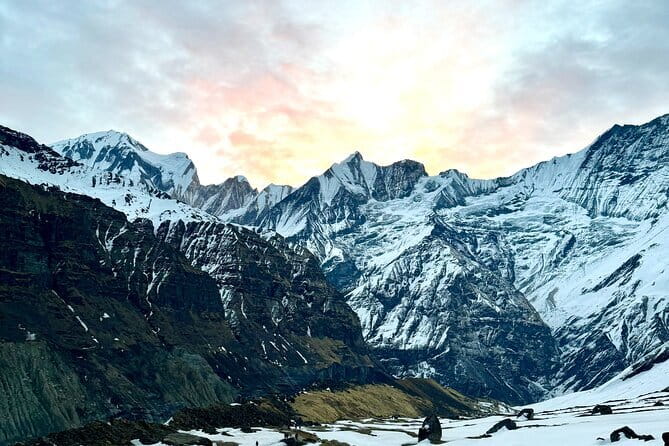
- Annapurna basin views over several days, including sunrise time from Annapurna Base Camp
- Gurung villages and suspension bridges, plus stops like Chhommrong and Sinuwa
- Guided tea house trekking with meals included (breakfast, lunch, and dinner)
- Permits handled for you, including trekking permits and TIMS
- Jhinu Danda hot spring as a genuine end-of-trek reward
Annapurna Base Camp: the mountain ring you can actually reach
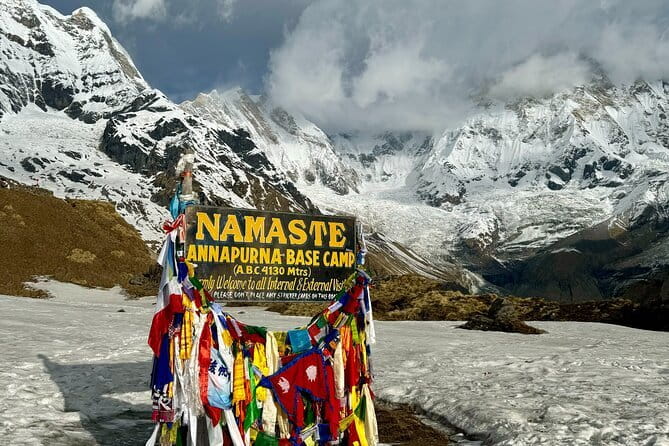
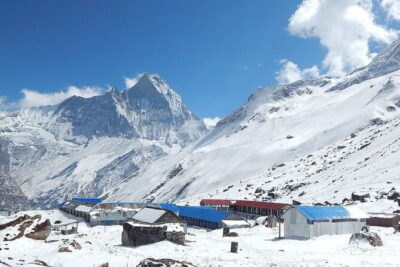
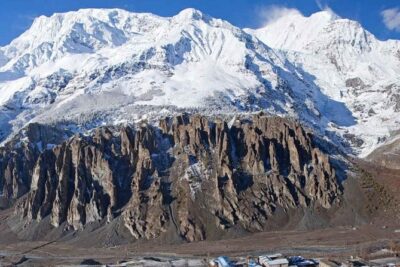
The Annapurna region is famous because it layers beauty on top of beauty. You pass cascading waterfalls, rhododendron forests, and terraced fields, then the views tighten until you are looking straight into the Annapurna basin. Annapurna I is not the tallest in the Himalayas, but the whole area feels dramatic because multiple giants ring the space where you hike.
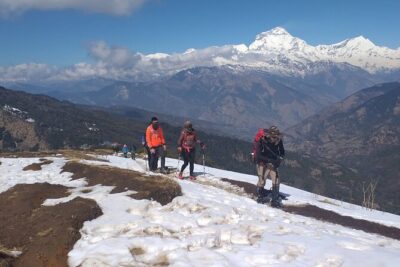
What I like about this particular trek length is that it gives you enough time to enjoy the buildup. You are not sprinting to a summit, you are working your way through villages and ridgelines, with plenty of moments where stopping makes sense. Even when the trail feels workmanlike, the scenery keeps your brain focused on the next view instead of the next blister.
There is also a cultural side here that matters. The trail runs through communities with their own rhythms and languages, and you get a feel for daily life in small Himalayan settlements, not just a lineup of photo points. If you care about how people live at altitude, you get that in a very direct way.
More routes into the Annapurna Sanctuary:
- Kathmandu/Pokhara: 5-Day Annapurna Base Camp (ABC) Trek
★ 4.9 · 72 reviews - Annapurna Base Camp Trek -8 days
★ 5.0 · 56 reviews - Private 7 – Day Annapurna Base Camp Trekking
★ 5.0 · 50 reviews
Pokhara pickup, TIMS and permits, and your private setup
You start in Pokhara at ABC Treks Pvt Ltd on Lakeside Road. The basic vibe is practical: pickup, then shared transport to the trek starting area, plus transport again at the end. This is a private trip, so it is just your group, not a mixed crowd.
Before you head deep on foot, you do a permit check stop in Birethanti. The good news is that trekking permits and TIMS are included, so you are not chasing paperwork the day of. That small detail saves energy, and on trek days, energy is your real currency.
About the start time: your booking info lists an early start (12:15 am). That usually means the day begins before sunrise and you will likely want to confirm your exact pickup timing with the operator so you can sleep at least a little. It is worth treating the first morning as a big day, not a casual wake up and go.
Day 1: Nayapul to Chhommrong and Sinuwa, with bridges and big first views
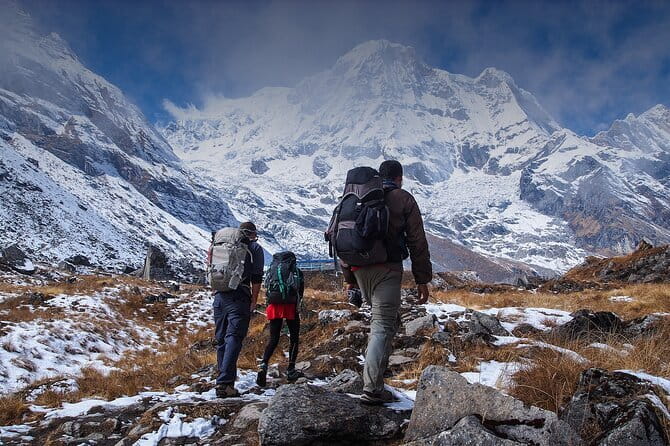
Day one starts with a drive from Pokhara through Nayapul, then onward to Jhinu Dada, with about a 3-hour ride. Along the route you pause at Birethanti for permits, then you settle into the trail with a trek that takes about 5 to 6 hours.
The walking begins through charming Gurung villages, and you also cross high suspension bridges. Those bridges matter more than they sound, because they break up the effort, force you to look up, and give you that classic Himalayan mix of vertigo and thrill. You end up passing places like Chhommrong and Lowe Sinuwa, which helps you understand why this route gets called one of the best in the world. It is scenic without needing fancy planning.
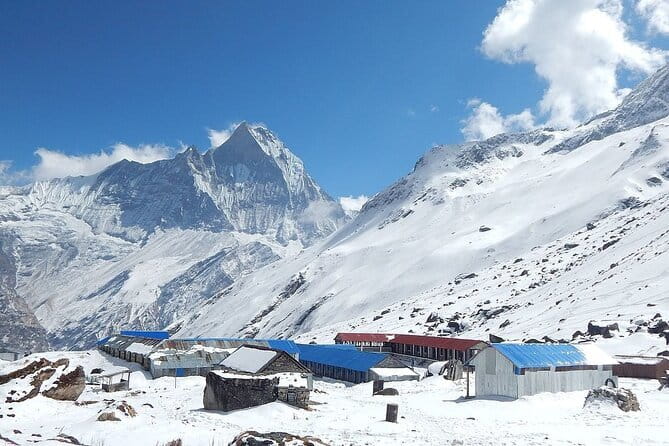
For mountain views on day one, expect glimpses of peaks like Fishtail (Machhapuchhre), Annapurna South, and Himchuli. You might not see everything clearly every minute, because weather can change, but you are starting your relationship with the Annapurna wall right away.
One practical consideration: day one includes both driving and walking. Even if you are excited, you should still keep your day pack light so you do not feel overloaded right from the start.
Day 2: Climbing steps to Deurali, then tea house rhythm through Bamboo, Dovan, and Himalaya
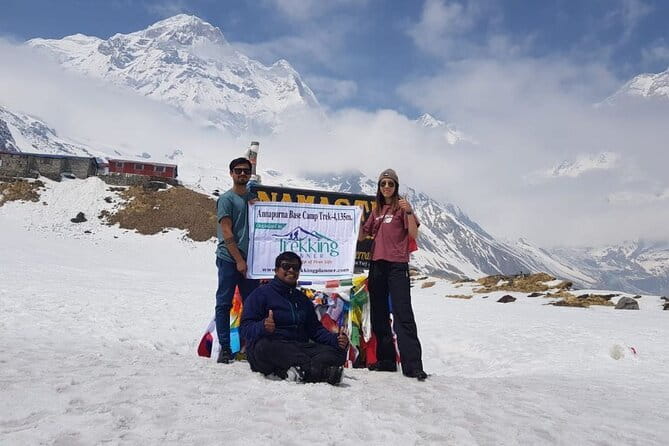
Day two is about forward progress and altitude effort in manageable pieces. The hike takes about 7 hours. You climb up to Sinuwa using stone steps, then you descend to Bamboo. After that you keep moving along an easy path toward Dovan, with lunch in Himalaya before continuing two more hours to Deurali.
I like day two because it reads like a training plan. The stone steps are the hard part, then the trail turns more forgiving with descents and easier walking sections. You are not just climbing in one straight hit. The structure helps you pace, which is key for feeling strong later.
Also, this is where the forest and vegetation start to feel real. Rhododendron forests are part of this region’s signature, and the route through smaller settlements gives you a sense of vegetation zones as you gain elevation. Even if the weather is foggy, you still get something from the walk: texture, smell, and the sound of footsteps near water.
Food and rest help too. Tea house trekking is simple, but done well it supports you. You stop for breakfast earlier, then lunch mid-day, then you finish the day at Deurali with dinner included. That meal structure reduces decision fatigue, especially on cold days.
More to compare around Pokhara
- ZipFlyer Nepal – The World’s Steepest Zip-line
★ 5.0 · 608 reviews - Bungee Pokhara by HighGround Adventures
★ 5.0 · 366 reviews - From Pokhara: Sarangkot Sunrise Himalayas Tour
★ 4.7 · 218 reviews - ATV Adventure Tour in Pokhara, Nepal
★ 5.0 · 194 reviews
Day 3: The push toward Machhapuchhre Base Camp and then Annapurna Base Camp
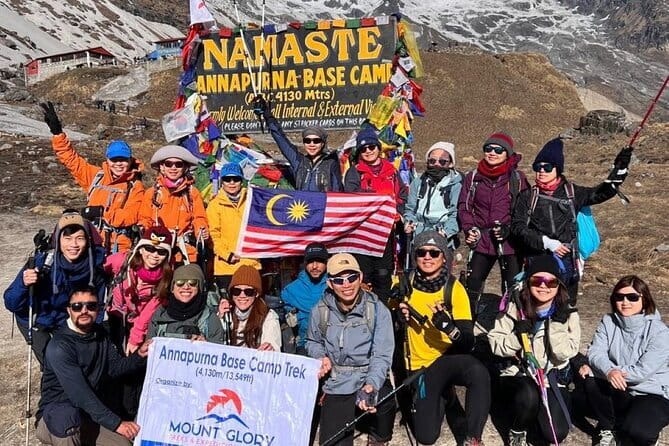
Day three is described as the shortest day on paper, and it also feels that way because the approach is split into chunks. You start with about an hour to Bagar on a breezy section, then the next hour gets a bit tougher as you head toward Machhapuchre Base Camp with steep parts.
Then comes a classic trekking rhythm: lunch, then a more easy two-hour walk to Annapurna Base Camp. At the top of that sequence, physical effort fades a bit because your eyes take over. The views across the Annapurna giants in the basin can be truly distracting in a good way, the kind that makes you stop without trying.
This is also where the Annapurna mix really clicks. You are not only seeing the obvious big peaks, you are watching how the ridges stack and how the basin opens. The trail feels like it is guiding you to a specific viewpoint in the sky.
A small note on expectations: even though day three can feel shorter, do not treat it like a rest day. You still climb, and you still need warm layers, especially if you end up walking earlier than planned or if clouds roll in.
Day 4: Sunrise at Annapurna Base Camp, then the long descent to Lower Sinuwa
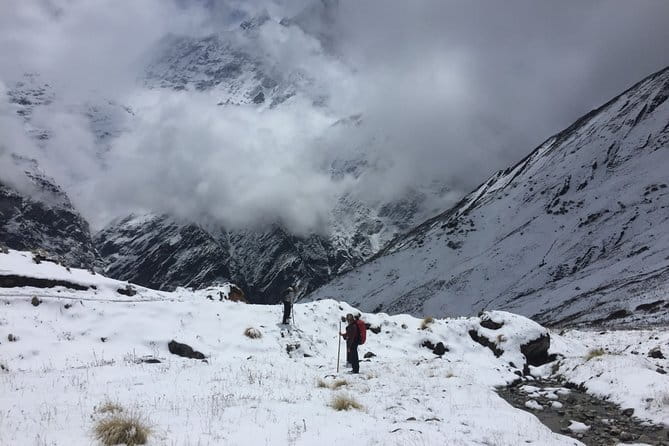
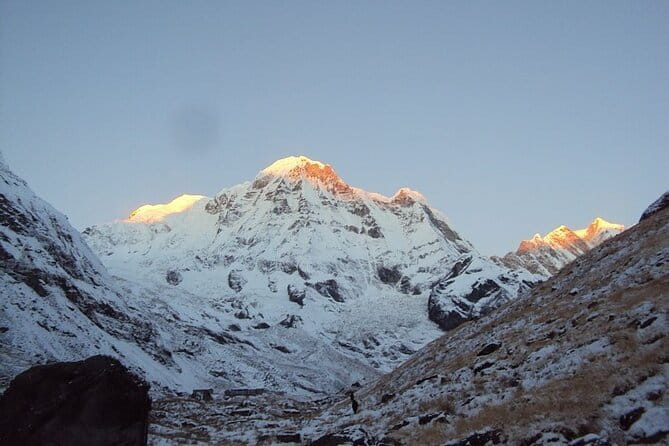
Day four begins before sunrise. That matters. You are out early to catch panoramic scenes from Annapurna Base Camp, with iconic peaks such as Machhapuchhre (Fishtail), Himchuli, Annapurna South, and more in view. This is the kind of timing that rewards planning.
After enjoying the morning, you have breakfast and then hike down to Lower Sinuwa, which takes about 8 hours. The descent is the big tradeoff of the sunrise plan. Your legs may feel fine at the top, then later you realize what long downhill walking does to your knees and ankles.
What I like about this day is that it gives you the best view moment and still includes a real payoff at the end, getting back into the rhythm of lower elevations and villages. It also makes day five more relaxed.
Practical tip: for a long descent, your footwear and socks matter. If you are the type who gets hot feet, plan for breathability. If you get cold easily, plan for thermal layers because early morning can bite, even when the afternoon might feel warmer.
Day 5: Jhinu Danda hot spring recovery, then back to Pokhara
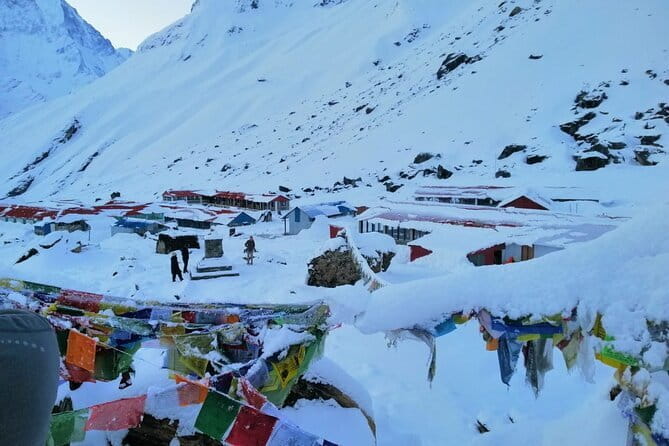
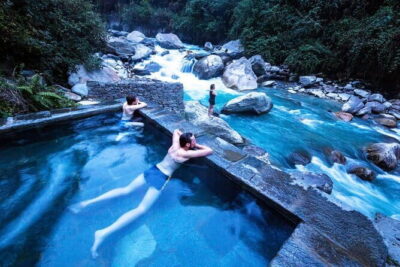
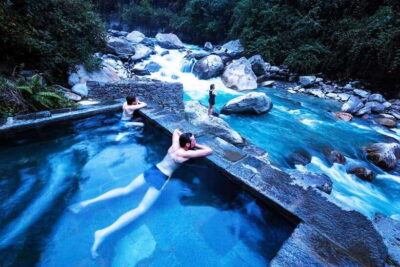
Day five is a return day with one smart detour. You leave Sinuwa and make your way toward Pokhara, stopping at Jhinu Danda Hot Spring for a natural soak. That is a classic trek reward, and it is also a functional one, because it helps you recover when your body feels tired from days of walking.
After the hot spring, you continue for about 30 minutes before reaching your transportation. Then you are back in Pokhara and dropped off at your hotel.
I like that the end is not just a dramatic finish. You get a chance to reset, hydrate, and feel human again before your first proper meal back in town.
Price and what you are really paying for at $450
At $450 per person for about 5 days, the value comes from what is handled for you. This is not just a guide and a route. The trip includes pickup and drop off, available tea house or lodge stays, and trekking permits with TIMS. Meals are also included, with breakfast (5), lunch (5), and dinner (5).
That matters because it prevents the biggest hidden costs in trekking. Many trekkers underestimate how quickly food and logistics add up when you are moving day to day. Here, you get a steadier baseline, which also makes it easier to budget for extra items you might want, like extra drinks, snacks, or hot showers if they are available where you stay.
The main thing not included is insurance and rescue, plus optional gratitude. So you should still plan your own safety net. Trekking insurance is not glamorous, but it is the responsible layer when you are heading into remote terrain.
Overall, if you want a private experience with English support, permits managed, and meals covered, this price looks like a fair deal for a 5-day Annapurna Base Camp run.
Comfort tips: what to pack for tea houses, cold mornings, and variable weather
Even without getting too technical, you should pack for temperature swings. One of the trekking notes tied to this region is that conditions can shift, with cold mornings and warmer hours depending on cloud cover and sun.
Here is what I recommend you plan for, because the trek structure is built around early starts and long walking:
- Warm layers for pre-sunrise hiking, including something that cuts wind
- Light rain protection, even if the forecast looks fine
- A day pack that you can handle on stone steps without digging into your shoulders
- Water planning, because you will be walking for hours each day
- Foot support for descents, because day four is long and downhill
Tea houses are practical. You will have a place to eat and sleep, and you will rely on the guide’s rhythm to keep you moving. That is why it is smart to travel with less stuff than you think you need. Every extra kilogram becomes your personal tax.
Who this Annapurna Base Camp trek suits best
This trekking style suits people with moderate physical fitness who want a guided route, predictable meal support, and a private group experience. The daily walking hours are enough to challenge you, but the structure avoids constant suffering. Day three, for example, breaks the experience into understandable steps that often feel more manageable than expected.
It also works well for first-time trekkers to high trekking because you are not asked to do technical climbing. You hike, you rest, you eat, and you watch the mountains change. If you have never tackled a multi-day mountain trek, this gives you a taste of the Himalayan rhythm without turning it into a three-week ordeal.
If you prefer total flexibility with no schedule at all, this may feel more structured than you like. But if you want your permits covered, your English guide handling the pace, and your logistics kept simple, you will probably love it.
Should you book this Annapurna Base Camp trek?
Book it if you want the Annapurna Base Camp experience with clear logistics, meals included, and a private group with an English-speaking guide. You get multiple days of Himalayan views, a meaningful cultural walk through villages, and an end that actually helps you recover with Jhinu Danda hot spring.
Hold off if you are not comfortable with long days on foot, especially the stone steps early on and the long descent on day four. Also, make sure you have your own insurance and that you are honest with yourself about cold mornings and walking consistency.
If you want a trek that feels both dramatic and organized, this one fits.
FAQ
Where does the Annapurna Base Camp trek start?
It starts in Pokhara at ABC Treks Pvt Ltd on Lakeside Road, Pokhara 33700, Nepal.
How long is the trek?
The duration is listed as 5 days (approx.).
Is this a private trek?
Yes, it is described as a private trip, meaning only your group participates.
Are trekking permits and TIMS included?
Yes. Trekking permit and TIMS are included.
What meals are included during the trek?
Breakfast, lunch, and dinner are included for 5 days.
Will I have an English-speaking guide?
Yes. An English-speaking trekking guide is included during the trek.
Is the Jhinu Danda hot spring stop included?
Yes. The trek includes a stop at Jhinu Danda Hot spring on the final day, and admission is listed as included.
What fitness level do I need?
The info says travelers should have a moderate physical fitness level.
Can the trek accommodate dietary restrictions?
Yes. The operator says dietary restrictions like vegetarian, vegan, and gluten-free can be accommodated if you indicate them at booking.
Latest Pokhara write-ups
- Sunrise View from Sarangkot★ 5.0 · 3 reviews
- Beautiful Sarankot Sunrise with Full Day Sightseeing in Pokhara★ 4.5 · 3 reviews
- Sarangkot Sunrise Tour in Private Car★ 5.0 · 3 reviews
- Pumdikot Mahadev Status and Peace Stupa Hiking Private Tour★ 4.5 · 3 reviews
- Pokhara: Dhampus Easy Trek for Families with YoungKids 2 Day Tour★ 5.0 · 3 reviews
- Pokhara: Private Car Drive Tour to World Peace Stupa★ 5.0 · 3 reviews
- 5-Day Private Farming Experience in Nayapul with Accommodation★ 5.0 · 3 reviews
- Transfer to Lower Mustang (Jomsom)★ 5.0 · 3 reviews
Annapurna Base Camp Trek, compared.
Browse the lists this tour appears in