
Reviewed · ANNAPURNA BASE CAMP TREK
Annapurna Base Camp Trek (8 days)
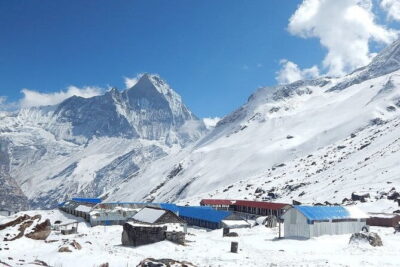
This trek is interesting because the drama builds slowly, then hits hard at Annapurna Base Camp. You work your way through the Annapurna Sanctuary, sleep in tea houses, and aim for the moment when the Himalaya sunrise lights up the peaks.
I especially like the way this trip handles logistics for you. With guide Madu in charge of the flow, plus permits and all meals covered, you can focus on walking, breathing, and enjoying the trail. The other big win is flexibility, since the route can be adjusted if you want a shorter or longer trek.
One consideration: the experience is described as 8 days, but pace and conditions can change timing. If you reach your goals faster, plan on finishing earlier rather than assuming you will always use the full 8 days.
Key things I’d pay attention to
- Madu-led, local guidance with 10+ years of trekking experience from Pokhara
- Permits handled for you (TIMS and Annapurna Conservation Area Project)
- Tea house lodging and all trek meals included, so you avoid daily budget surprises
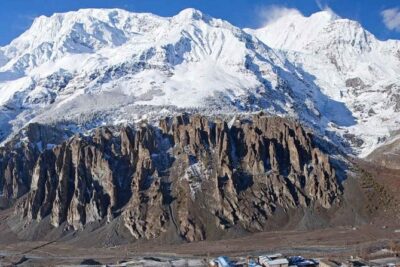
- Sunrise at Annapurna Base Camp, plus peak views like Annapurna South and Machapuchare
- Fully customizable options, including add-ons like Poon Hill, Annapurna Circuit, or Mardi himal
- Private group experience, so you are not sharing decisions with strangers
Why Annapurna Base Camp still feels special
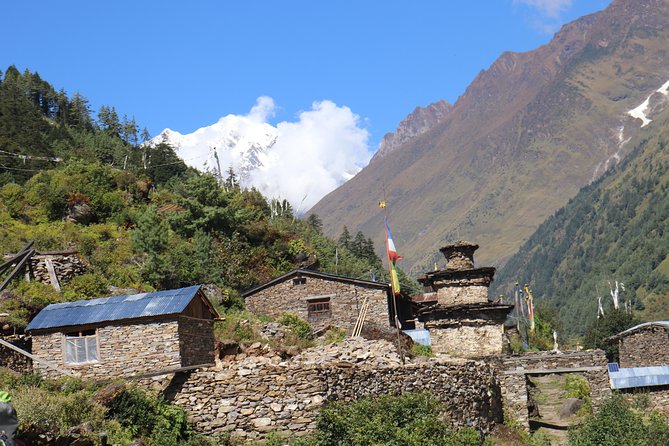
Annapurna Base Camp is the kind of trek people talk about for a reason. The route threads through forested trails toward a big, open staging area where the mountains start to feel close, not distant. And the Annapurna Sanctuary vibe matters, because it is not just a hike to a point. It is a slow change from lower elevation greenery into high-country air.
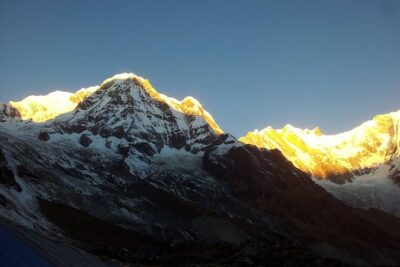
The best part is the payoff at the top. You are set up to see spectacular views of peaks from the Annapurna range, including Annapurna South and Machapuchare (Fishtail). If you like big visual moments, sunrise makes this trek extra memorable because you are getting light before most people are moving.
I also like that the experience is not only about scenery. You learn about surrounding nature and lifestyle, including the culture of the Gurung people. On a trek, that kind of context turns a walk into something you can actually talk about afterward.
More routes into the Annapurna Sanctuary:
- Kathmandu/Pokhara: 5-Day Annapurna Base Camp (ABC) Trek
★ 4.9 · 72 reviews - Annapurna Base Camp Trek -8 days
★ 5.0 · 56 reviews - Private 7 – Day Annapurna Base Camp Trekking
★ 5.0 · 50 reviews
Madu and the guide style that makes this trip easier
The trip is built around trekking with Madu, a professional guide from Pokhara with more than 10 years of experience. That matters on the Annapurna route because small decisions make a big difference: pacing, meal timing, when to pause for views, and how to handle cold air or changing light.
From the way people describe their time with guides like Madu, the emphasis is on not rushing. That is a big deal on ABC, where going too hard too early can wipe you out before you reach the good stuff. You want steady effort, good habits, and someone who understands the trail and the rhythms of tea house days.
You also get more than navigation. The trip notes that you will learn about lifestyle, food, and culture, which usually means you spend more time observing than just passing through. And you get “peace of mind” practical help because permits and logistics are taken care of.
One more thing I take seriously: there is a pattern of guide feedback that they are responsive to comfort and well-being. That shows up in how people describe guides like Madu, as well as others such as Madhav and Shreedhar being helpful and professional on similar routes. While your exact guide is Madu for this trek, it signals that this operator values guidance, not just “handing you a map.”
The Annapurna route: what your trekking days feel like
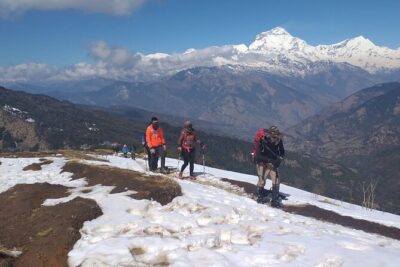
You will be trekking in the Annapurna Base Camp and Annapurna Sanctuary area, and the overall feel is “trail first, altitude second.” Early on you will move through forests and mountain trails, then gradually shift into more exposed high-country trekking. Even without a detailed day-by-day schedule in the info, the structure is clear: multi-day walking, tea house overnights, and meals provided so you do not scramble each night.
Expect tea house lodging. That is not luxury, but it is the standard and it is part of the charm. You get a warm meal, a roof, and that communal trek energy where you meet other people and compare notes. It also keeps the trek practical for first-timers because you do not have to carry a full setup.
Food is included during the trek. That is important because a lot of ABC success comes down to eating enough and staying on a steady rhythm. If you have ever felt cold on a trail while under-fueled, you know why meal coverage is a big value item.
Stop goals: Annapurna Base Camp and Machapuchare
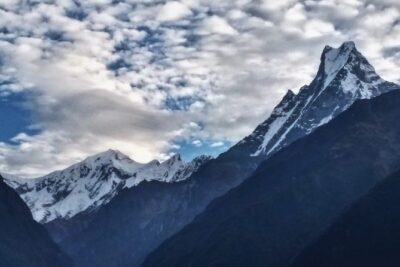
The route highlights two key destinations: Annapurna Base Camp and Machapuchare (Fishtail). Base Camp is your main objective, the place where you are aiming for major views and that sunrise moment. Machapuchare is the “shape you remember” stop, because Fishtail is famous for a reason, that distinctive silhouette that makes photos and real-life views feel connected.
What I like about having Machapuchare included is variety. Base Camp is wide-angle drama, while Machapuchare tends to feel more specific and iconic. Getting both helps the trek avoid becoming one-note.
More to compare around Pokhara
- ZipFlyer Nepal – The World’s Steepest Zip-line
★ 5.0 · 608 reviews - Bungee Pokhara by HighGround Adventures
★ 5.0 · 366 reviews - From Pokhara: Sarangkot Sunrise Himalayas Tour
★ 4.7 · 218 reviews - ATV Adventure Tour in Pokhara, Nepal
★ 5.0 · 194 reviews
Sunrise at Annapurna Base Camp: the moment to plan around
ABC sunrise is not just a headline. It is a tactical part of the trek because it affects your schedule, temperature, and energy. You will want to keep your sleep and hydration habits steady the night before so you can enjoy the experience instead of just surviving it.
If the sky clears, the view lineup is the big draw: Annapurna South, plus other peaks in the Annapurna range. Even when visibility is imperfect, the light shift still gives the mountains an “alive” feeling, like they are changing color by the minute.
A practical note: mountain weather can swing fast. Fog or clouds can reduce clarity on some days. You do not control that, so I’d treat sunrise as an opportunity, not a guarantee of perfect photos.
Machapuchare (Fishtail): why this stop matters
Machapuchare, also called Fishtail, is one of those mountains that looks like a signature. Including it gives you a second visual highlight beyond Base Camp. For many people, it is the peak they point out right away once they see it.
This stop also helps balance the mental load. Trekking days can blur together, especially with similar tea house routines. When your route includes a clear landmark goal like Machapuchare, you get a built-in milestone that helps you pace your effort.
And since the info specifically names Machapuchare, you can plan your motivation around it. That matters because trekking is easier when your “why” is concrete.
Price and value: what $650 actually covers
At $650 per person, the value depends on what is included versus what you would normally pay anyway on a trek. Here, the big cost offsets are:
- Private transportation
- Permits: TIMS and Annapurna Conservation Area Project
- Tea house lodging
- All meals during the trek
Those items add up fast on the Himalayan trail. Permits alone are easy to underestimate if you are coming from places where trekking is informal. And if you are not traveling with a porter, you need enough meal coverage and predictable lodging to keep energy stable.
What is not included is also worth noting. Personal expenses, trekking gear, and porter services are not included. The tour info also says all fees and taxes are not included, so there may be minor extras depending on how your booking is handled.
My rule for pricing on treks: look for “costs that would ruin your trip if you forgot them.” In this case, permits and meal coverage are exactly those costs. That is why this option can feel more comfortable than a bare-bones arrangement.
Logistics that reduce stress, without removing adventure
This is described as a private tour/activity, so it is only your group. That tends to make planning easier, especially when you want flexibility in pace or timing for views. You also have pickup offered, which matters because getting to the right place in Nepal at the right time is half the battle before you even start walking.
The trip also says they handle permits and logistics. For many people, that is the difference between “I might do this” and “I actually did this.” When permits and trail logistics are handled, you spend less time worrying and more time moving.
You should still expect a working trekking experience. Tea houses are basic by nature. Cold air is real. But the structure is there so you are not improvising major steps every day.
Your fitness level and gear reality check
The trek is aimed at people with moderate physical fitness. That is a good sign if you want a serious trek but not a mountaineering mission. Still, ABC involves sustained uphill walking at altitude, so moderate fitness does not mean “easy.” It means you can handle effort with breaks and do not need constant pushing.
The info also clearly states that you should have your own trekking gear. That is a make-or-break detail for value. If you show up under-prepared, you may end up spending more than you expected for basic items.
If you want porter help, the tour notes that you can contact them for help finding porter services. Porter costs are not included, but you are not stranded either. If you carry a heavy pack, your experience can shift from enjoyable to exhausting quickly, especially with cold and long days.
Weather, seasons, and why December can be both good and tough
Your season really matters on the Annapurna route. One traveler example notes that in December it is cold, but the weather can be sunny, which is a great combination for visibility and views. Another trek experience mentions fog reducing clarity at times, which is a reminder that the mountains can hide even when you are doing everything right.
So how should you think about weather? Treat the trek as a goal plus a partnership with conditions. If clouds roll in, you might have fewer crisp photo moments. If it is clear, you get rewarded.
What you can control is your preparation: bring layers, plan for cold mornings if sunrise is your target, and keep your pace steady so you are not drained by the time the sky opens.
Who this trek suits best
This trek makes the most sense if you want:
- A guided, logistics-friendly ABC experience with permits and meals handled
- A local guide like Madu who can explain culture and the way of life around the route
- A balance of peak goals (Annapurna Base Camp and Machapuchare) plus tea house trekking
- Flexibility, since the trek is described as fully customizable
It may be less ideal if you want a very strict schedule with zero surprises. The trek is described with an 8-day duration, but it can be faster depending on conditions and pace. If you need exact day counts for work or commitments, build in buffer time.
Also consider whether you are comfortable with basic accommodations. Tea houses are part of the experience, but they are not a hotel.
Should you book this Annapurna Base Camp trek with Madu?
I’d book it if you want an ABC trek where the heavy admin work is handled for you. Permits, tea house lodging, and all meals during the trek are the core value anchors here, and a private, guide-led approach tends to make the trail feel more manageable.
You should consider passing or asking lots of questions first if you have tight timing constraints. Since the trek can finish quicker than the estimate, plan your calendar with flexibility. Also confirm you already have the gear you need, because trekking gear is not included.
If you want sunrise at Base Camp, real tea house days, and a guide focused on comfort and pacing, this is a strong fit. The mountains are hard to top, but getting there without stress is what lets you enjoy them.
FAQ
Is pickup included for the Annapurna Base Camp trek?
Yes. Pickup is offered as part of this experience.
How long is the trek?
The duration is listed as 8 days (approx.).
Where does the trek start from?
The experience is based in Pokhara, Nepal, with stops including Annapurna Base Camp Trek and Machapuchare.
What permits are included?
Permits included are TIMS and the Annapurna Conservation Area Project permits.
Are meals and lodging included?
Yes. Tea house lodging during the trek and all meals during the trek are included.
Do I need to bring my own trekking gear?
Yes. You should have your own gear, and trekking gear is not included.
Are porter services included?
No. Porter services are not included, but help finding porter services is offered if you contact them.
What fitness level do I need?
You should have a moderate physical fitness level.
Can the trek be customized?
Yes. The trek is described as fully customizable, and you can request changes like adding places such as Poon Hill, the Annapurna Circuit, or Mardi himal, or trekking shorter or longer.
What happens if the weather is bad?
This experience requires good weather. If it is canceled due to poor weather, you will be offered a different date or a full refund.
Latest Pokhara write-ups
- Landing Annapurna Base Camp by Helicopter Tour from Pokhara★ 4.0 · 5 reviews
- Sarangkot sunrise with Morning Tibetan Cultural Tour★ 5.0 · 5 reviews
- 3 Day Kapuche Glacier Lake Trek with Siklesh from Pokhara★ 5.0 · 5 reviews
- Entire Day Pokhara Complete Tour★ 5.0 · 5 reviews
- 3 Day Mardi Himal Base Camp Trek from Pokhara★ 5.0 · 5 reviews
- Private Tour Local Culture and The View of Mohare Danda★ 5.0 · 6 reviews
- 3 Days Ghorepani and Poonhill Private Trek from Pokhara★ 5.0 · 6 reviews
- Pokhara: Poon Hill Ghorepani Short Trek★ 5.0 · 6 reviews
Annapurna Base Camp Trek, compared.
Browse the lists this tour appears in