
Reviewed · MARDI HIMAL TREK
Annapurna: Mardi Himal Base Camp Trek
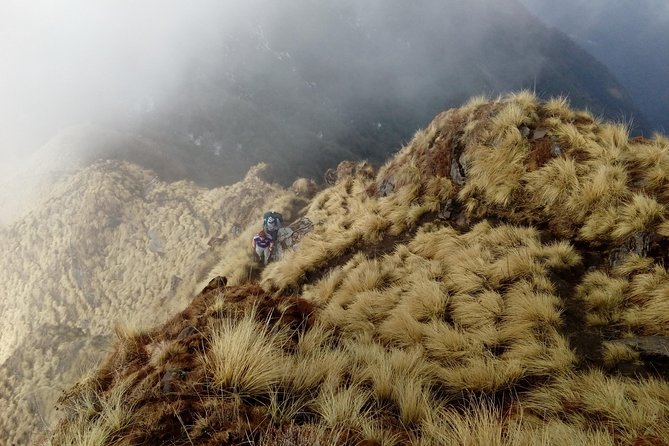
This trek is interesting because Mardi Himal Base Camp feels like the Annapurna adventure, minus the big crowds. You work up to 4,500 meters, then spend your time looking at the kind of mountain views that make your legs forget they’re legs. It’s guided, so you’re not just following a path, you’re following an experienced plan.
I especially love the mix of easy-to-follow stages and the variety of scenery, from village walks to higher camp viewpoints. Another thing I like is the human side: an English-speaking guide, and in particular, guide Bisham has a strong reputation for being kind and steady. The one consideration is that meals are not included, so you’ll budget for food along the way.
If you want this to feel good (not brutal), you’ll need moderate fitness and comfort walking 4 to 6 hours on most days, often uphill. Also, because you’re going higher, you should take the altitude seriously and let the pace guide you, not the ego.
Key points that matter before you go
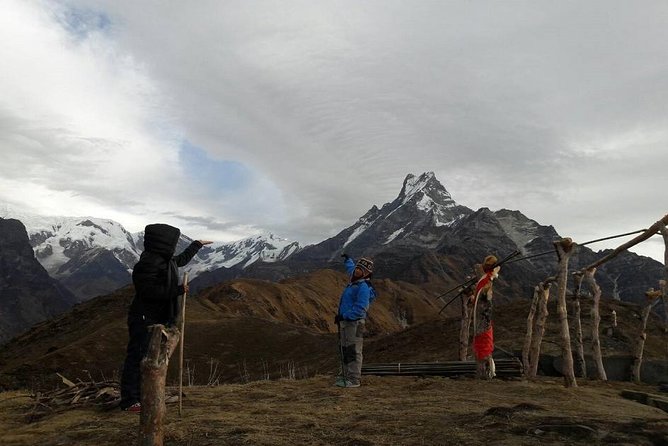
- Less crowded trekking vibe in the Mardi Himal area, with dramatic mountain views
- English-speaking guide support, with strong praise for Bisham’s guidance and behavior
- Real altitude goal at 4,500m, including time at Mardi Himal Base Camp
- Guest house stays on the trek and a guided rhythm that keeps days manageable
- Permits included (TIMS and trekking permit), plus hotel pickup and drop-off
- Private experience, with a private trip for your group and shared jeep for the final transfer
Why Mardi Himal Base Camp feels different in the Annapurna region
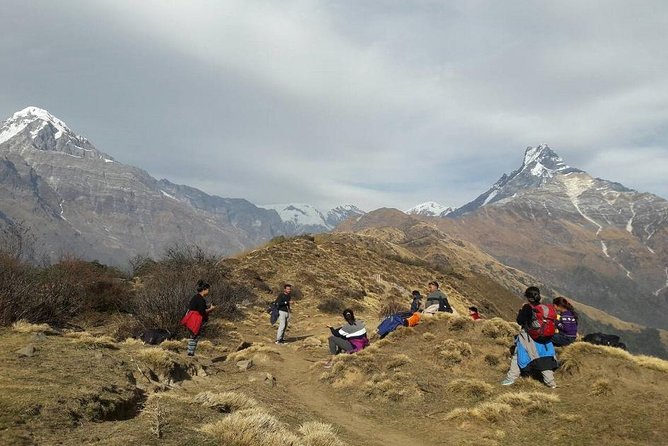
Mardi Himal is one of those routes that gives you that classic Annapurna feel without the same level of pressure you can get on flashier trails. From the start, the plan pushes you up gradually, with real breaks built in so you’re not constantly sprinting uphill. The result is a trek that feels thoughtful, not chaotic.
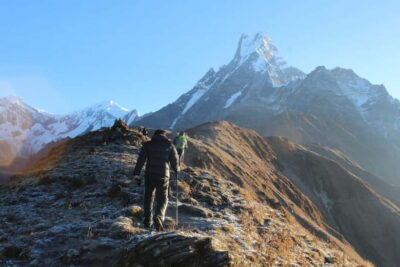
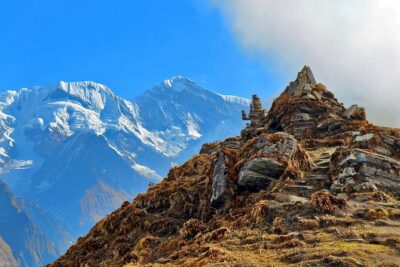
You’ll also get the satisfaction of moving through different “modes” of the hike. One day is forests and village paths. Another day is higher camp viewpoints where the mountains become the main event. And when you reach Base Camp, it’s not just a checkbox. You’re at 4,500m, with time to look around and absorb what you climbed for.
That low-stress pacing depends on how you show up. If you’re the type who wants lots of time for photos and slow breathing, you’ll probably love it. If you’re expecting a leisurely walk with zero exertion, this trek may feel like work. That’s not a bad thing, just be honest with yourself.
More on the Mardi Himal ridge:
- Pokhara: 4-Day Mardi Himal Trek
★ 4.9 · 59 reviews - Private Mardi Himal Trek
★ 5.0 · 42 reviews - Mardi Himal Trek
★ 5.0 · 30 reviews
Price and what makes this trek good value at $359.90
At $359.90 per person for about a week, this trek works out well if you like having the logistics handled. The price isn’t only for a guide and some walking. It includes a lot of the stuff that quietly adds up on your end: hotel pickup and drop-off, permits, and trek transport.
Here’s what you’re effectively paying for:
- An English-speaking trekking guide
- Guest house accommodation during the trek
- Private drive from Pokhara to Kande, plus a shared local jeep from the final part of the route back to Pokhara
- TIMS and trekking permit coverage
- Hotel pickup and drop-off
- A private trip for your group
Meals are not included, so you’ll still need to plan food and drinks. In exchange, you get flexibility to choose what you want to eat on the trail. That’s a fair trade for a trek at this price.
Also, this is listed as having group discounts. If you can travel with friends and keep the group together, you might get a better per-person deal.
The altitude plan: what 4,500m means for your body
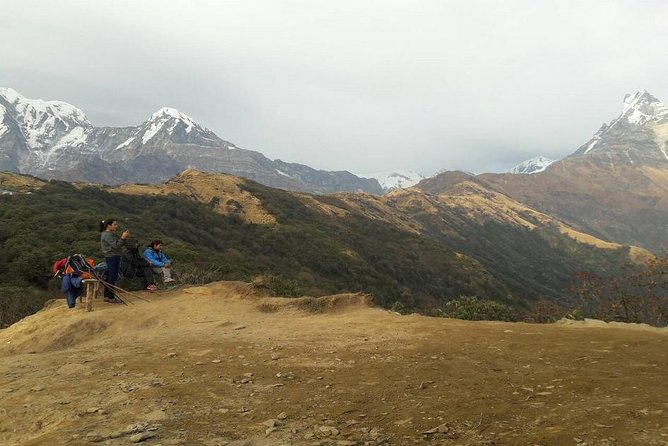
The highest point in this trek is Mardi Himal Base Camp at 4,500 meters. That’s high enough that you should take pacing seriously. You’re not asked to do anything technical, but you are asked to climb and descend over several days.
The schedule helps because it spreads the work out:
- You start lower and build toward camps
- You reach higher viewpoints in stages (Low Camp, then High Camp)
- You finally go up to Base Camp, then you come down again rather than sleeping at the very top
So you’ll have multiple chances to adjust your breathing and find a rhythm. If you rush, you’ll feel it. If you walk steady, stop when needed, and stay hydrated, you’ll give your body the best shot.
Day 1: From Lakeside Pokhara to Kande, then up to Australian Camp and Pothana
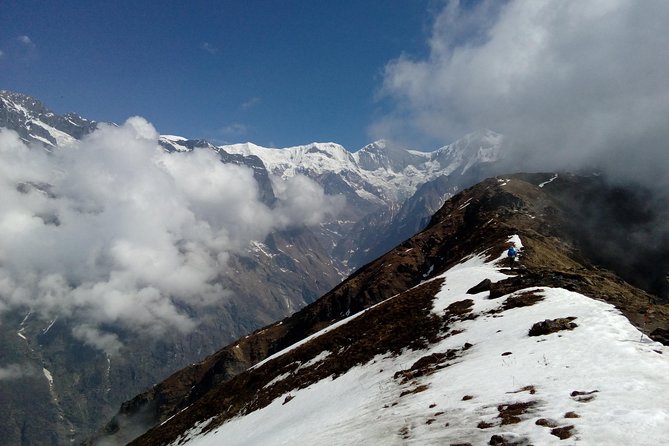
Your morning starts with pickup from your hotel in the Lakeside area of Pokhara around the 8:15 am meeting time. From there, you drive to Kande, about an hour. It’s a useful warm-up, because it gets you out of the city without wasting your hiking energy before you even start.
Then the trek begins with an ascent to Australian Camp at around 2,000 meters. From that area, you’ll get your first strong views of the Annapurna range. This is the kind of payoff that tells you you’re on the right track.
After that, you descend to Pothana at around 1,700 meters for an overnight stay. The total day is around 5 hours of trekking. The main drawback for Day 1 is that the day can feel like a lot in one morning, especially if you slept poorly. If you can, eat a solid breakfast, keep water handy, and don’t try to “win” the hike.
More to compare around Pokhara
- ZipFlyer Nepal – The World’s Steepest Zip-line
★ 5.0 · 608 reviews - Bungee Pokhara by HighGround Adventures
★ 5.0 · 366 reviews - From Pokhara: Sarangkot Sunrise Himalayas Tour
★ 4.7 · 218 reviews - ATV Adventure Tour in Pokhara, Nepal
★ 5.0 · 194 reviews
Day 2: Forests and villages to Mardi Himal stop, with time to meet locals
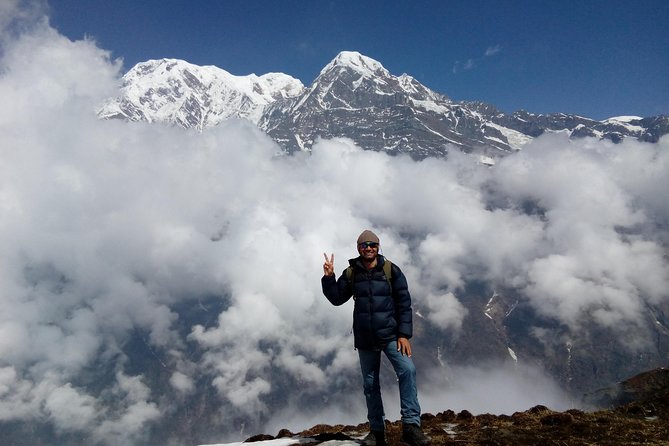
Day 2 starts with a morning departure around 8:00 am. The route moves through forests and villages, which is a huge part of why this trek feels human instead of mechanical. You’re not just staring at rocks. You’re walking past everyday life in the mountains.
You’ll also have a steady stream of viewpoints along the way. Some days give you one big photo moment. This day gives you repeated “look up” moments, because the trail and the terrain keep revealing new angles.
The day is about 5 hours of trekking. You’ll likely feel it more if you went hard on Day 1. Keep your effort even, take breaks when you need them, and use your guide’s timing. The guide can help you pace so you’re not getting exhausted too early in the week.
Day 3: Up to Low Camp, where the trek starts feeling serious
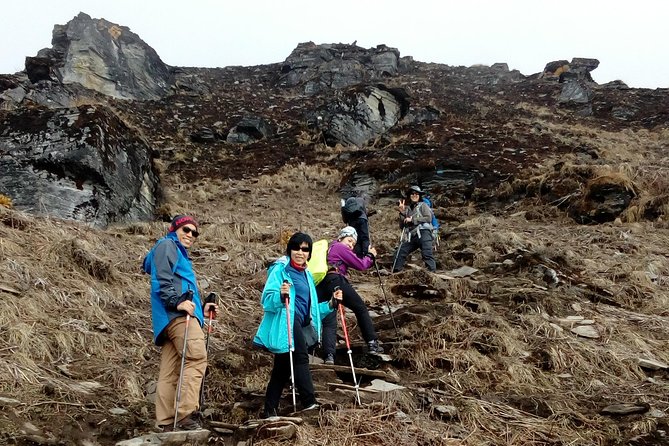
On Day 3, your trek climbs all the way to Low Camp. The day is about 4 hours. That shorter time window matters. It’s the trek’s way of saying, yes, you’re going higher, but you’re not forced into a grind every day.
Low Camp is often where the “vibe shift” happens. The air feels different. The scenery feels more focused on mountains instead of village details. If you’ve been talking a lot on Day 2, you might find yourself talking less today, and that’s normal.
This is a good day to watch your body. If you feel headache, nausea, or unusual fatigue, tell your guide and slow down. Don’t treat that as failure. That’s smart hiking.
Day 4: High Camp viewpoints, a short day with big reward
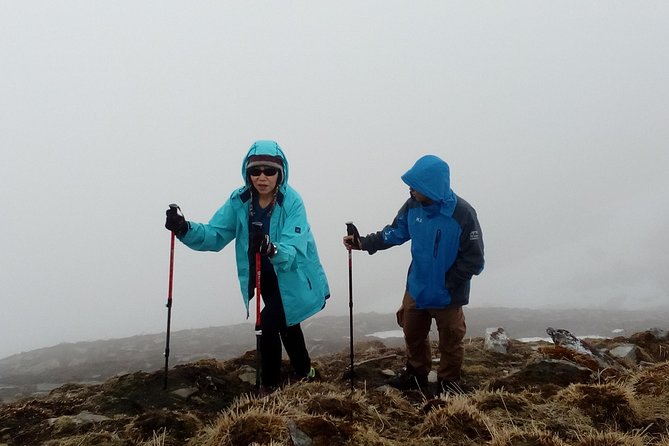
Day 4 starts at 8:00 am and climbs to High Camp. Again, it’s about 4 hours. This is one of those days where the effort feels concentrated, then you get rewarded with wide mountain views once you arrive.
From High Camp, the views expand. You’ll see more of the surrounding mountain scenery and understand the scale of what you’re doing. The “high camp” part isn’t just height. It’s a viewpoint stage, and it helps you mentally prepare for Base Camp on Day 5.
The practical thing here is to plan your energy. If you waste the day by rushing, you’ll pay for it tomorrow. If you pace, you’ll enjoy the views without feeling drained.
Day 5: Mardi Himal Base Camp at 4,500m, then back to High Camp
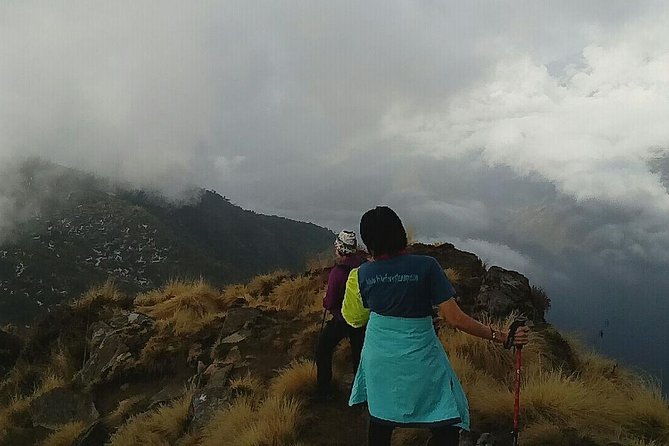
Day 5 is your destination day. You start early, head up to Mardi Himal Base Camp at 4,500 meters, then come back down to High Camp for the night. The trek is about 6 hours total, so it’s your longest day.
Reaching Base Camp is the moment you came for. And it’s not just about standing at a number. Spending time there matters, because it gives you a chance to see the full mountain picture and catch your breath.
You then hike back down to High Camp, which is key for your recovery. You’re still high, but you’re not sleeping at the very top. That makes it more realistic to enjoy the hike rather than just survive it.
If you want a simple strategy for this day, it’s this: go steady uphill, keep stops short, and don’t chug water all at once. Your guide will help manage pace. And in the praise for this trek, the consistent theme is that the guide keeps things organized and calm, which helps on a day like this.
Day 6: Returning down through forests to Forests Camp
Day 6 brings the descent back into lower terrain. You return down toward Forests Camp, with about 5 hours of trekking. This is often where people feel their legs again, but it’s also where your mind gets calmer because you’re not climbing as hard.
Descending can still be tough on knees, so treat Day 6 as your recovery day. Walk carefully on uneven sections. Short, controlled steps help.
The best part of this day is the return to more forested walking, which can feel like a mental reset after the big views and high-camp atmosphere.
Day 7: Phewa Tal finish, Siding walk, and a shared jeep back to Pokhara
Your final day is about transition. You trek first to Siding, then take a sharing local jeep to Milan Chowk, and finally back to Pokhara for hotel drop-off.
The day is about 6 hours. It ends with time connected to Pokhara’s easygoing energy, and that matters after a week in mountain mode.
This is the part of the trek where I’d encourage you to hydrate and eat normally if you can. You’ve done the hard work already. Your job is to make the last day feel smooth, not rushed.
Guide experience: why Bisham’s name comes up for a reason
The guide is one of the biggest reasons people rate this trek highly. I’m not talking about just “knowing the trail.” It’s how the guide makes you feel while you’re tired.
One review specifically calls out Bisham for being perfect, and several others highlight helpful service and calm, kind behavior. There’s also praise for the guide and team feeling like family, which usually means communication is clear, timing is managed well, and nobody makes you feel lost or pressured.
That matters because on a trek, small issues can grow. A pace that’s too fast. Confusing handoffs. Waiting around because nobody has clarity. When the guidance is smooth, you spend more energy on the hike and less energy on stress.
Also, since this is an English-speaking guide, it lowers the frustration barrier. You’re not guessing. You can ask questions. You can talk about what you’re feeling. That’s a big deal at altitude.
Meals and packing: what’s not included, and what you should plan for
Meals and drinks are not included. You’ll be able to purchase food along the way, but that means you need to plan for your daily energy needs.
What I’d do in your shoes:
- Bring snacks for emergencies, like energy bars or nuts, so you’re not stuck waiting for meals
- Budget extra cash for lunches and drinks on the days you’re hiking
- Pack layers, because mornings and evenings in the mountains can feel very different from midday
You’ll also want the right footwear. This trek includes forest paths, village walking, and higher elevation trails. Even if the route isn’t technical, your feet will do a lot of work.
The accommodation is described as guest house stays. That typically means simple rooms and basic comfort. Don’t expect hotel polish. Do expect a bed, warmth when possible, and the chance to sleep after active days.
Transport, permits, and the “small logistics” that save your time
This trek covers the important transport steps so you don’t have to assemble the plan yourself. You get hotel pickup, a private drive from Pokhara to Kande, and then a shared local jeep at the end to get you back to Pokhara.
You also get trekking permit and TIMS included. For many people, this is the difference between a trip that feels organized and one that feels like paperwork chaos. Permits are required for trekking access, and having them handled means you spend less time trying to figure out what you need.
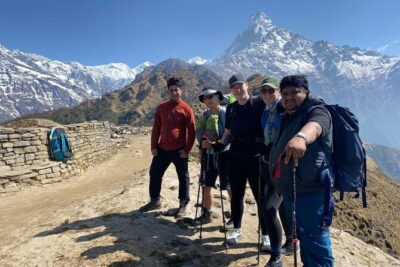
The private trip element is also worth noticing. It’s listed as private, meaning your group participates together. That can make timing and pace feel easier than hopping between random hikers.
Cancellation and booking flexibility, in plain terms
Cancellation is free if you cancel at least 24 hours in advance for a full refund. Changes within 24 hours are not accepted, and if the minimum traveler count isn’t met, you’ll be offered another date or a full refund.
If you’re planning around weather and altitude considerations, that flexibility is helpful. Keep an eye on your travel schedule and don’t wait until the last day to confirm everything.
Should you book Annapurna: Mardi Himal Base Camp Trek?
You should book if you want:
- A guided, structured trek with clear daily stages
- English-speaking support and a guide who’s known for helpful, kind behavior, including Bisham
- A less crowded feeling in the Annapurna area
- A real high point at 4,500m without extra technical complexity
You might skip (or ask a lot of questions first) if:
- You need meals and drinks included in the price
- You’re not comfortable walking 4 to 6 hours most days
- You expect fully comfortable, hotel-style lodging the entire time
For the right fit hiker, this trek offers strong value. You pay for the important pieces up front, you get a calm, guided pace, and you come away with that Base Camp accomplishment plus a week of mountain views that feel earned, not packaged.
FAQ
What is the duration of the Annapurna Mardi Himal Base Camp trek?
It runs for about 7 days.
Where does the trek start, and is pickup included?
It starts in Pokhara, with pickup offered from your hotel in the Lakeside area.
What is the meeting time?
The meeting time is 8:15 am.
What is the highest elevation on the trek?
Mardi Himal Base Camp is at about 4,500 meters.
What transportation is included during the trip?
You get a private drive from Pokhara to Kande, and then a sharing local jeep from Siding to Pokhara.
Are meals included in the price?
No. All meals and drinks are not included, but you can purchase them.
What permits are included?
Your trekking permit and TIMS are included.
Is there free cancellation?
Yes. You can cancel up to 24 hours in advance for a full refund.
Latest Pokhara write-ups
- Sunrise View from Sarangkot★ 5.0 · 3 reviews
- Beautiful Sarankot Sunrise with Full Day Sightseeing in Pokhara★ 4.5 · 3 reviews
- Sarangkot Sunrise Tour in Private Car★ 5.0 · 3 reviews
- Pumdikot Mahadev Status and Peace Stupa Hiking Private Tour★ 4.5 · 3 reviews
- Pokhara: Dhampus Easy Trek for Families with YoungKids 2 Day Tour★ 5.0 · 3 reviews
- Pokhara: Private Car Drive Tour to World Peace Stupa★ 5.0 · 3 reviews
- 5-Day Private Farming Experience in Nayapul with Accommodation★ 5.0 · 3 reviews
- Transfer to Lower Mustang (Jomsom)★ 5.0 · 3 reviews
Mardi Himal Trek, compared.
Mardi Himal Trek – 8 Days | Hidden Gem of the Annapurnas
Read our review →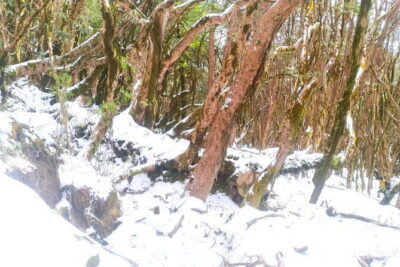
Browse the lists this tour appears in